These Arizona Yard Mistakes Are Making Your Scorpion Problem Worse No Matter What You Try
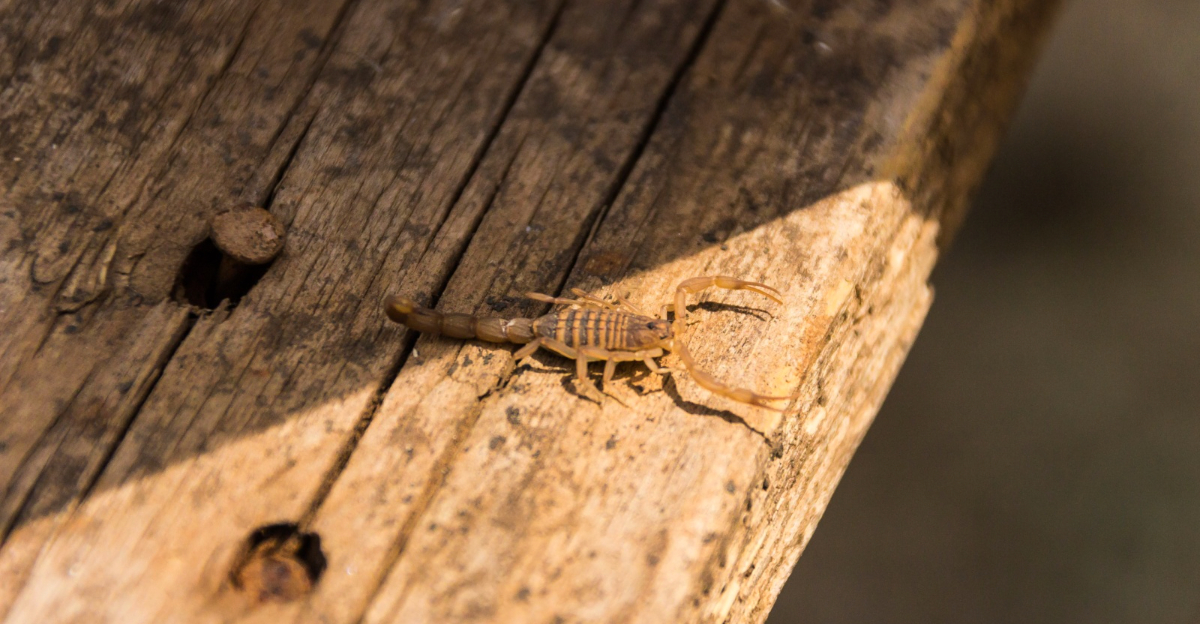
Nobody moves to Arizona thinking “I really hope my backyard becomes a scorpion hangout.” And yet, here we are.
The thing is, most Arizona yards are practically rolling out the welcome mat without their owners even realizing it.
A woodpile here, a leaky hose there, some dense shrubs up against the wall, and suddenly you’ve created the kind of five-star scorpion resort that gets great reviews in the arachnid community. Bark scorpions especially are not picky.
They just need somewhere dark to hide, something to hunt, and easy access to water. That’s it.
That’s the whole checklist. The good news is that most of the things attracting scorpions to your yard are surprisingly easy to fix once you know what to look for.
1. Yard Debris Gives Scorpions More Hiding Spots
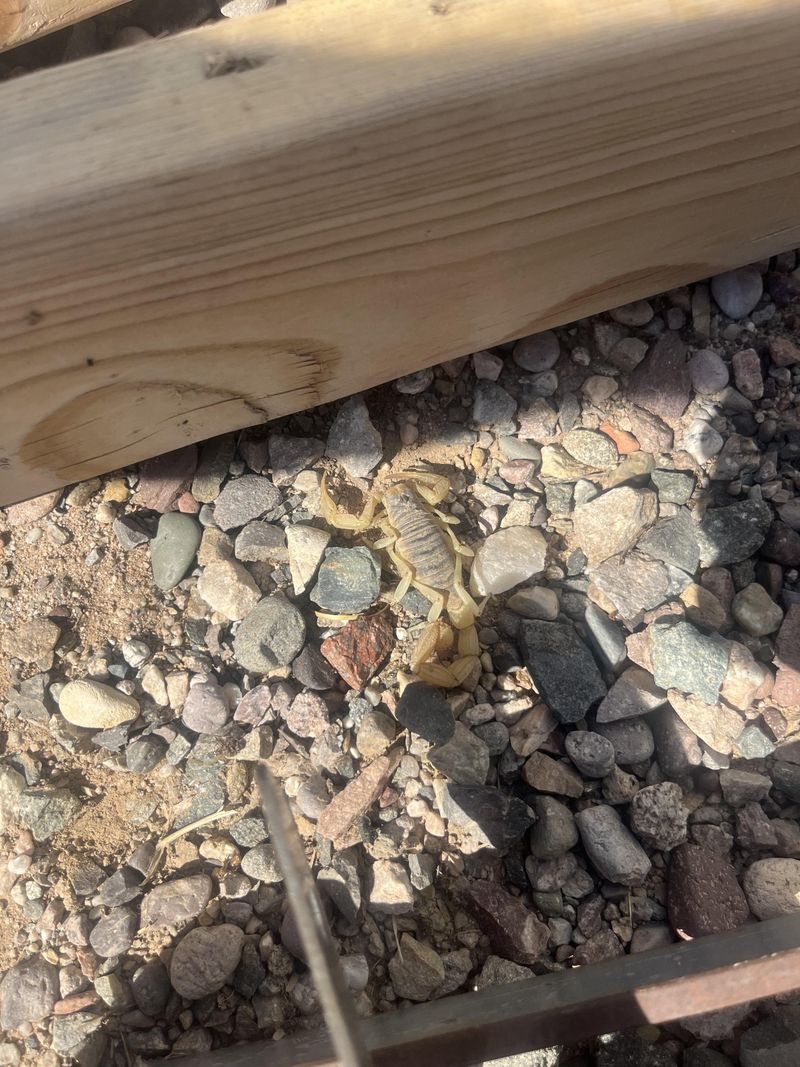
On warm Arizona nights, scorpions move through yards looking for cool, dark places to rest once the sun comes up. Piles of fallen leaves, stacked cardboard, old flower pots, and broken pavers near patios create exactly the kind of shelter they prefer.
Many homeowners do not realize how much low-lying clutter contributes to the problem.
Debris that sits directly on the ground traps moisture underneath, which also attracts the small insects scorpions feed on.
Crickets, roaches, and pill bugs tend to gather under leaf piles and loose yard materials, turning a messy corner of your yard into a full feeding station.
Once prey is present, scorpions tend to linger in the area rather than move on.
Clearing debris regularly makes a real difference. Rake up fallen leaves, remove deceased plant material, and avoid letting cardboard or wood scraps sit on the ground near the house.
Keep trash bins sealed and away from the home’s foundation. Store any outdoor supplies in sealed containers rather than open piles.
In Arizona’s desert climate, even a small amount of yard clutter can become a reliable daytime shelter for scorpions within just a few days, especially during the hotter months when they need shade to stay comfortable.
2. Woodpiles Create Cool Protected Shelter
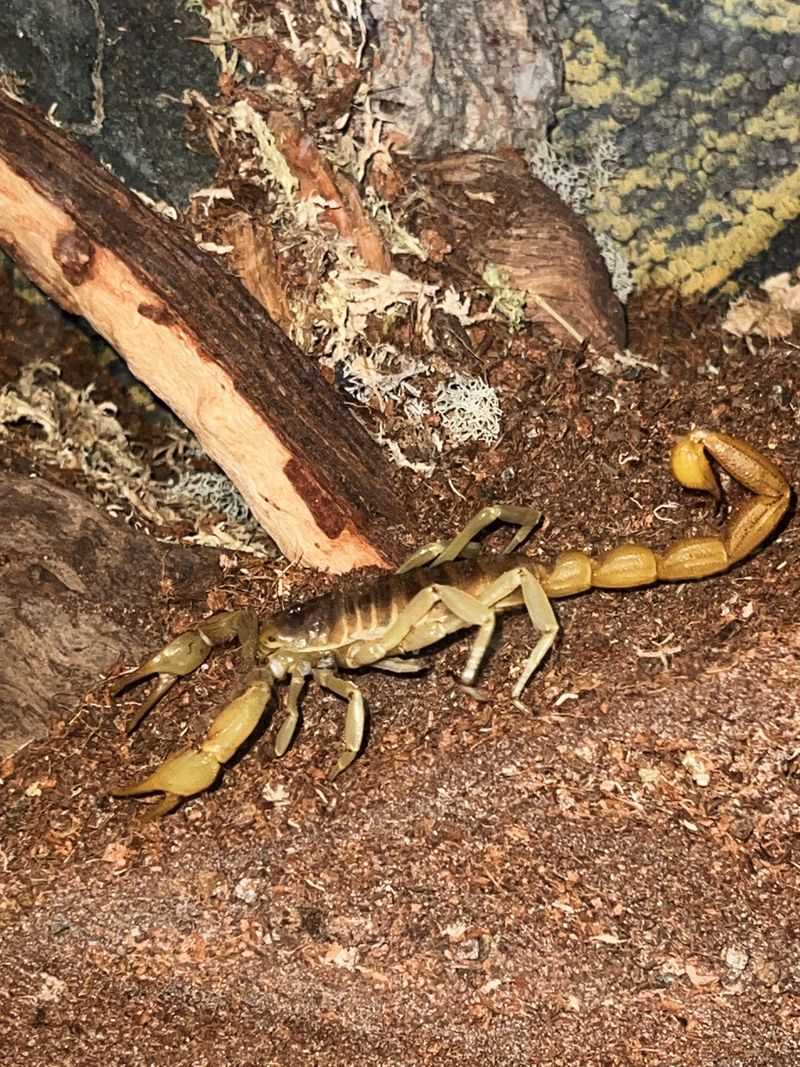
Few things in an Arizona yard offer scorpions a more appealing setup than a stacked woodpile sitting close to the house. The gaps between logs stay cool, dark, and protected from direct sunlight, which is exactly what a scorpion looks for after a night of hunting.
The tighter the stack and the closer it sits to the foundation, the more useful it becomes as a daytime shelter.
Woodpiles also tend to attract the insects that scorpions eat. Termites, roaches, and beetles move into wood stacks quickly in Arizona’s climate, creating a convenient food source right next to the shelter.
This combination of food and hiding space makes a woodpile near your patio or garage wall a particularly problematic setup.
Moving firewood storage at least 20 feet from the home can reduce this risk noticeably. Stack wood off the ground on a rack so air can circulate underneath, which makes the pile less appealing as a permanent shelter.
Your Arizona Garden Changes Every Week. Your Plan Should Too.
Gardening in Arizona changes quickly throughout the season. Every Friday you’ll receive a simple weekly plan showing exactly what to plant, prune, fertilize, harvest, and protect so you never miss the right timing.
Avoid storing wood directly against block walls or under covered patios where scorpions already tend to travel. When bringing wood inside, shake it out and check it carefully.
In Arizona, even a small woodpile left undisturbed for a week or two can become a well-used scorpion resting spot, especially during the hot summer months.
3. Leaky Water Sources Attract Scorpion Prey
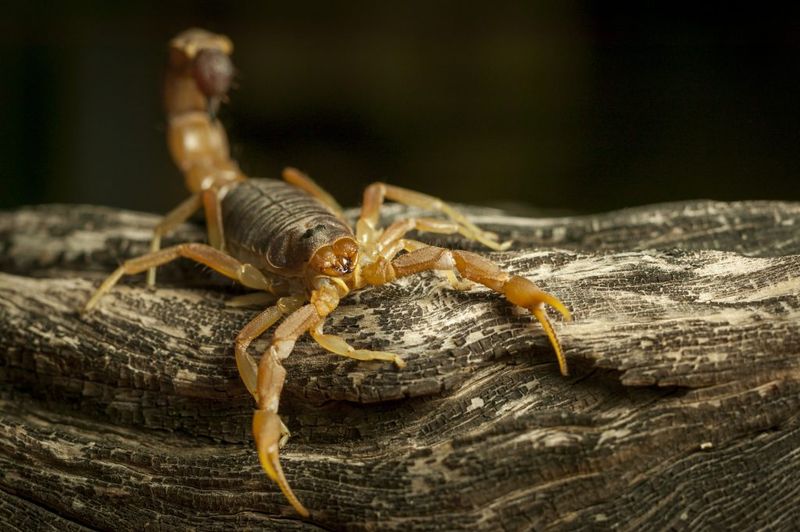
Water is scarce in the Arizona desert, so even a slow drip from an irrigation line or a leaky outdoor faucet can become a magnet for insect activity.
Crickets, roaches, and other small insects gather around moist soil, and scorpions follow because that is where their prey tends to concentrate.
A small wet patch near a planter or along a drip line can quietly support a lot of insect traffic that goes unnoticed until scorpions start showing up nearby.
Standing water near patios, puddles left after watering, and soggy spots around air conditioning drain lines all create similar conditions.
Homeowners often overlook these small moisture sources because they seem minor, but insects do not need much to get established.
Once insects are regularly visiting a wet area, scorpions tend to patrol the same spots on a nightly basis.
Checking irrigation systems regularly for leaks and fixing drips promptly can help reduce this type of attraction. Make sure AC condensate lines drain away from the foundation rather than pooling near the house.
Water plants in the morning so the soil has time to dry before evening, which is when scorpions are most active.
Reducing moisture around the perimeter of your Arizona home is one of the more practical ways to make the yard less hospitable to the insects scorpions depend on for food.
4. Dense Shrubs Give Scorpions Daytime Shade
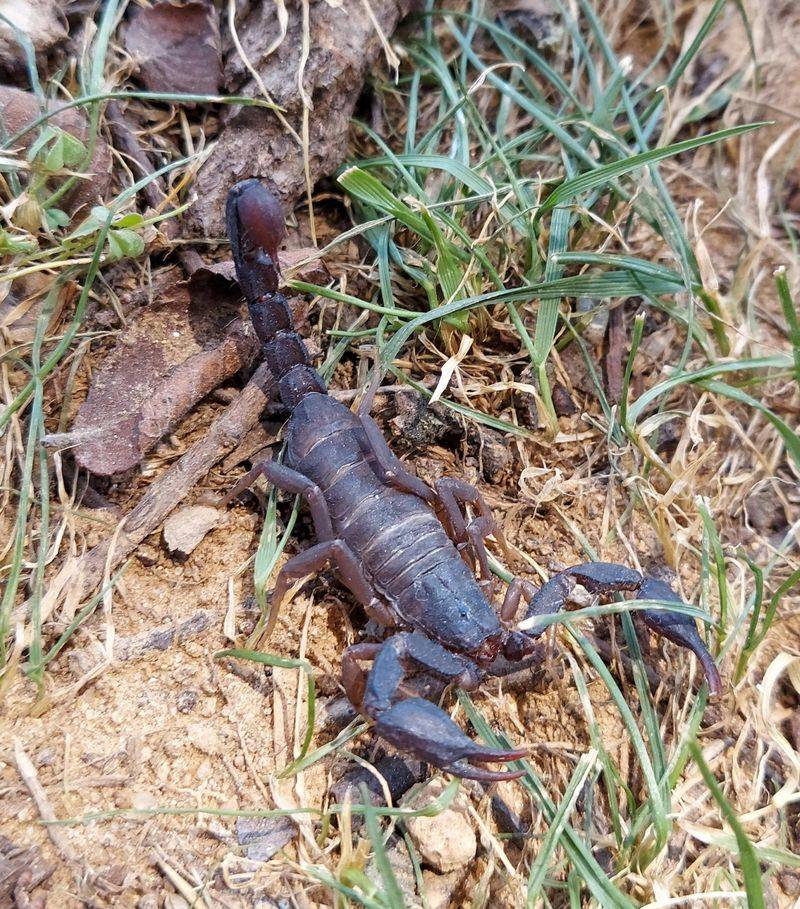
Thick, overgrown shrubs planted close to a home foundation create a shaded microclimate at ground level that scorpions find very comfortable during the day.
The dense canopy blocks sunlight, keeps the soil cooler, and gives scorpions a protected space to rest between nighttime hunts.
Oleanders, bougainvillea, and other large shrubs that grow right up against walls are common culprits in Arizona yards.
Beyond the shade, dense shrubs also trap moisture and leaf litter at the base, which encourages insect activity right at ground level. Scorpions can move through the lower branches and base of thick plantings without being exposed or disturbed.
In Arizona, this kind of sheltered environment near a block wall or patio edge is particularly appealing because it offers both food and protection in one spot.
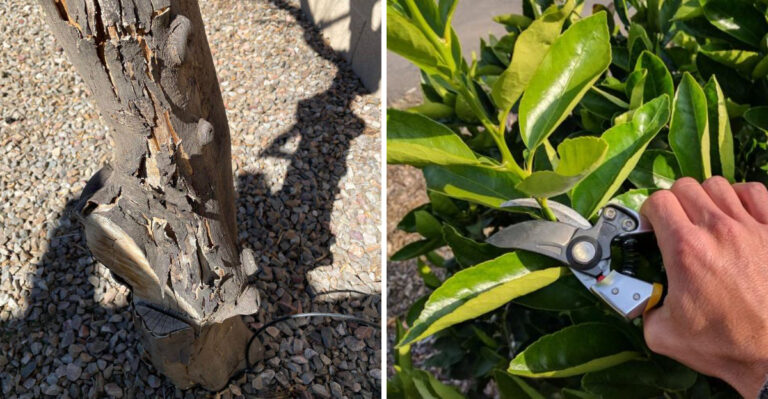
Trimming shrubs so that the lower 12 to 18 inches are clear of the ground improves airflow and reduces shaded hiding space at the base.
Keeping plants pruned away from walls and foundation edges removes the physical bridge that scorpions use to travel from the yard toward the house.
Replacing some dense plantings with lower-growing, open-structured desert plants can also help reduce ground-level shelter.
In Arizona’s warm climate, regular pruning is one of the simpler steps homeowners can take to make landscaping less welcoming to scorpions throughout the year.
5. Unsealed Cracks Make Entry Easier
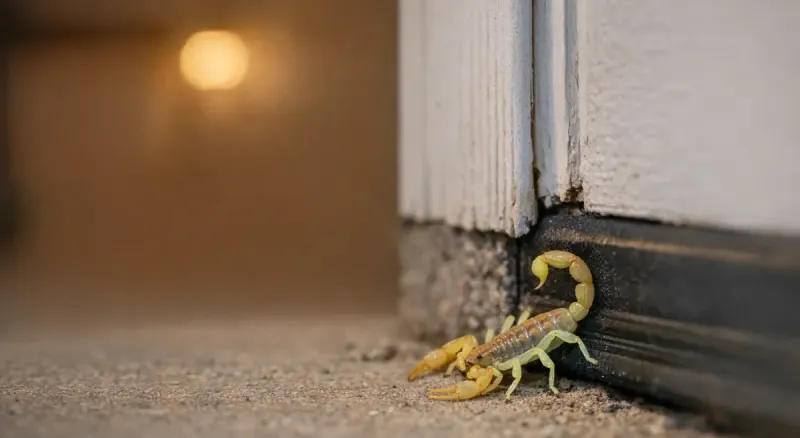
Block walls, stucco foundations, and concrete slabs common in Arizona homes develop small cracks over time due to heat expansion and settling. These gaps may look minor, but to a scorpion, they are a useful passageway.
Scorpions are surprisingly flat and can squeeze through openings as small as a credit card’s thickness, which means even hairline cracks near the foundation or where pipes enter the house can serve as entry routes.
Gaps around utility conduits, weep holes in block walls, and spaces where stucco meets the slab are areas that often get overlooked during regular home maintenance.
In Arizona, where block wall construction is extremely common, these small openings can exist in dozens of places around a typical yard perimeter.
Scorpions traveling along block walls at night may find these entry points and use them regularly without a homeowner ever noticing until one shows up inside.
Sealing cracks with exterior-grade caulk and using steel mesh or foam backer rod around pipe penetrations can reduce these access points significantly.
Inspect the foundation, garage walls, and patio edges at least once a year, especially after monsoon season when soil movement can open new gaps.
Paying attention to where the house meets the ground is one of the most overlooked but practical steps homeowners can take to reduce the chances of scorpions moving from the yard into living spaces.
6. Loose Door Seals Create Indoor Pathways
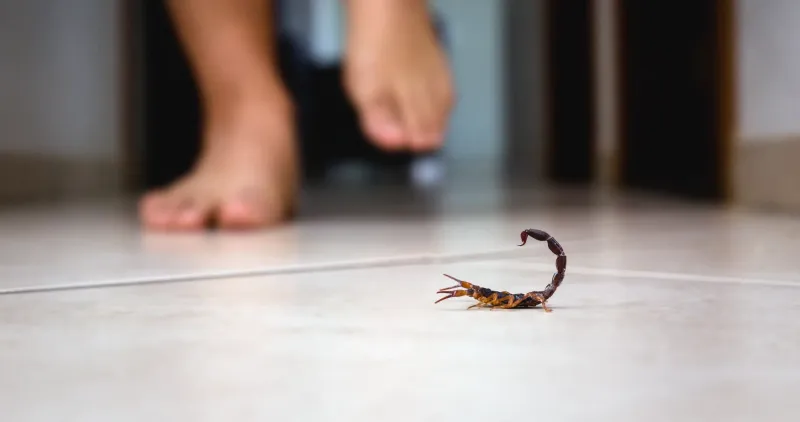
Garage doors and exterior entry doors in Arizona homes often develop worn or loose seals along the bottom edge over time. Sun exposure, heat, and regular use cause rubber door sweeps and weatherstripping to crack, compress, or pull away from the door frame.
What remains is a gap that may not look significant from the outside but provides a scorpion with a relatively easy way to move from the patio or garage into the interior of the home.
Garage doors are especially worth checking because they are often left open during the evening hours and the gap at the base of a worn garage door seal can be surprisingly large.
Scorpions that are already active in the garage, around woodpiles, or along the block wall perimeter may find these gaps and move through them without much effort.
Once inside, they tend to stay hidden under furniture, in shoes, or inside closets.
Replacing worn door sweeps and weatherstripping is a straightforward fix that makes a real difference. Look for door sweeps rated for pest exclusion, which are designed to close more completely against the threshold.
Check all exterior doors, including side garage entries, and replace any seal that shows visible cracking or daylight under the door when closed.
In Arizona, where scorpion season stretches across many months, keeping door seals in good condition is one of the most practical and affordable protective steps a homeowner can take.
7. Outdoor Lights Can Draw More Insects
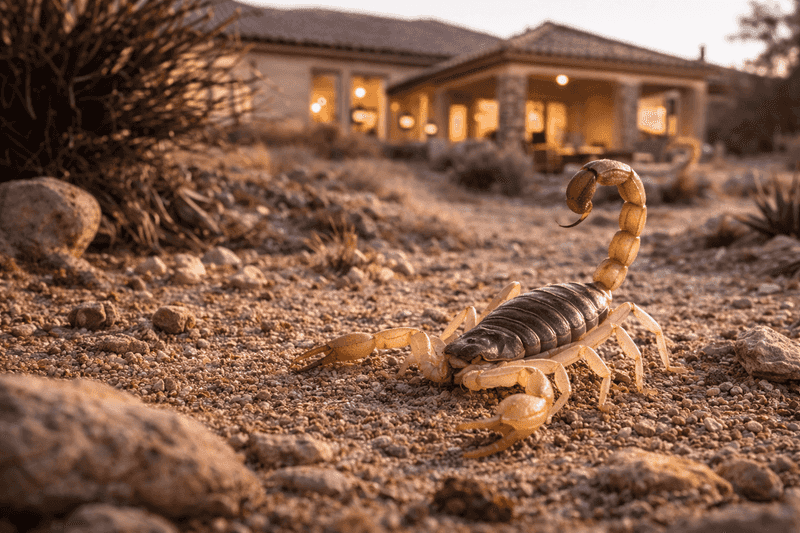
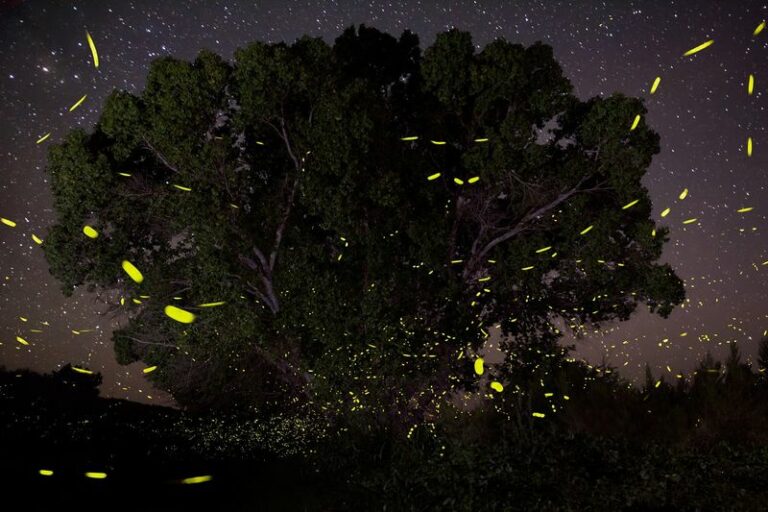
Standard outdoor lights on Arizona patios, porches, and garages attract moths, gnats, beetles, and other flying insects in large numbers on warm nights.
This insect activity directly feeds scorpion populations because these small creatures are a reliable food source.
A well-lit patio that draws clouds of insects every evening is essentially providing scorpions with a reason to patrol the area regularly.
Many homeowners install bright white or cool-toned bulbs for visibility, but these wavelengths are particularly attractive to insects.
The more insects that gather near a doorway, wall light, or patio fixture, the more likely scorpions are to show up in that same area looking for a meal.
Over time, this pattern can make a well-lit outdoor space feel like a hotspot for scorpion activity even after other changes have been made.
Switching to yellow or amber LED bulbs, sometimes called bug lights, can reduce the number of insects attracted to outdoor fixtures. Motion-activated lights are another option because they limit the amount of time lights stay on during the evening.
Pointing lights downward rather than outward can also help reduce the visible light radius that insects respond to.
In Arizona, where warm nights stretch across many months, rethinking your outdoor lighting setup is a practical way to reduce the insect activity that keeps scorpions coming back to your patio and yard edges.
8. Rock Piles Create Natural Scorpion Shelter
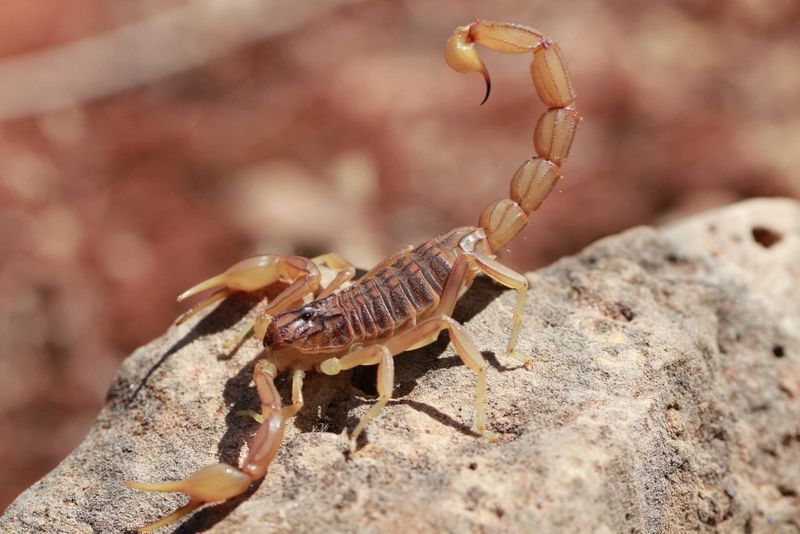
Stacked rocks, flagstone borders, and decorative boulder arrangements are popular in Arizona desert landscaping, and they look great in a yard. The problem is that the gaps between rocks create a habitat that suits scorpions almost perfectly.
Spaces between stacked stones stay cool and dark during the day, provide protection from predators, and often hold moisture longer than the surrounding soil.
Rock piles near patios, along block walls, or close to the home’s foundation are especially concerning because they place scorpion shelter right next to the areas where people spend the most time.
In Arizona, it is not unusual for a homeowner to find scorpions resting between flagstones on a patio or underneath decorative boulders placed near an entry path.
The closer these features are to the house, the more likely scorpions are to eventually move from the rocks toward indoor entry points.
Replacing stacked rock features with solid ground cover like decomposed granite laid flat can reduce the number of usable gaps near the home.
If rock features are kept, positioning them well away from patios, doorways, and the foundation edge creates more distance between scorpion shelter and living areas.
Checking under and around rock features regularly, especially during monsoon season when scorpion activity in Arizona tends to increase, can also help homeowners stay aware of activity levels in their yard before the issue grows harder to manage.