Native Georgia Shrubs To Grow Instead Of Butterfly Bush Along Garden Borders
Butterfly bush has had a really good run in Georgia gardens, but it might be time for an honest conversation about it.
It’s pretty, sure, but it’s also considered invasive in parts of the Southeast, and beyond offering butterflies a quick nectar snack, it doesn’t do a whole lot for local wildlife.
No berries, no nesting spots, no real habitat value. Native shrubs, though?
Completely different story. These plants have been feeding birds, supporting pollinators, and anchoring local ecosystems for a very long time, and a lot of them are genuinely stunning in a garden setting.
Sun, part shade, a little extra moisture, Georgia has a native shrub that works for just about any yard condition. Swapping one in for butterfly bush might be one of the better gardening decisions you make this season.
1. Summersweet Clethra Brings Fragrant Summer Blooms
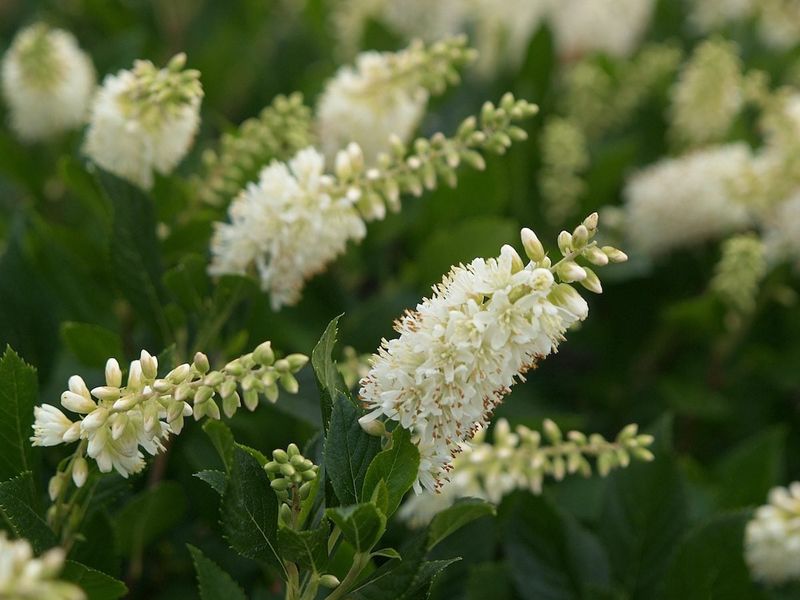
Few shrubs stop people mid-walk the way summersweet clethra does when it opens its fragrant white flower spikes in midsummer.
That sweet, spicy scent drifts through Georgia gardens from July into August, right around the time many other shrubs have finished blooming.
Bees, butterflies, and hummingbirds visit the upright flower clusters regularly, making it a solid choice for pollinator borders.
Summersweet tends to grow between three and six feet tall, depending on the variety and conditions. Compact cultivars work well in smaller garden borders where space is limited.
The shrub spreads slowly by suckers, which can help fill a border edge over time without becoming aggressive.
It performs best in part shade to full shade, though it can handle some morning sun. Moist, slightly acidic soil suits it well, which is good news since many Georgia landscapes have naturally acidic ground.
Consistent moisture during the first season helps it settle in without stress.
Fall brings another reason to appreciate summersweet, as the foliage turns yellow to golden orange before dropping. The dried seed capsules stay on the plant through winter and add a little texture to the border during quieter months.
For gardeners replacing butterfly bush in a shaded or partly shaded border, summersweet clethra offers fragrance, pollinator value, and seasonal interest that few other native shrubs can match.
2. Buttonbush Adds Round Flowers In Moist Borders
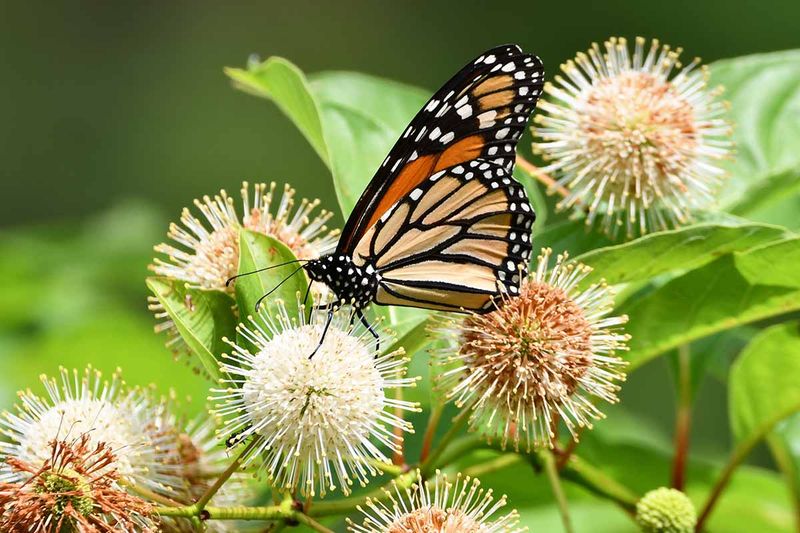
Buttonbush has one of the most distinctive flowers of any native Georgia shrub, and once you see those round, white pincushion blooms, you will recognize it immediately.
The flowers appear from late June through August and attract an impressive mix of bees, butterflies, and even hummingbirds.
Swallowtail butterflies seem especially drawn to buttonbush, which makes it a strong candidate for anyone transitioning away from butterfly bush along a Georgia border.
This shrub genuinely thrives in wet or consistently moist soil, which sets it apart from many other native options. Rain gardens, low spots near downspouts, or borders beside a pond or stream are all places where buttonbush can settle in comfortably.
It may struggle in dry, well-drained soil, so site selection matters more here than with some other shrubs.
Your Georgia Garden Changes Every Week. Your Plan Should Too.
Gardening in Georgia changes quickly throughout the season. Every Friday you’ll receive a simple weekly plan showing exactly what to plant, prune, fertilize, harvest, and protect so you never miss the right timing.
Mature plants can reach six to twelve feet, so giving buttonbush enough room at the back of a border makes sense. Pruning in late winter can help keep it more compact if needed.
The round seed heads that follow the blooms provide food for waterfowl and other birds through fall and winter.
Gardeners who have a wet corner of the yard that never seems to dry out will find buttonbush surprisingly useful.
It fills a niche that most ornamental shrubs cannot, and it brings real ecological value to soggy border spots that might otherwise stay empty or weedy.
3. Virginia Sweetspire Softens Garden Edges
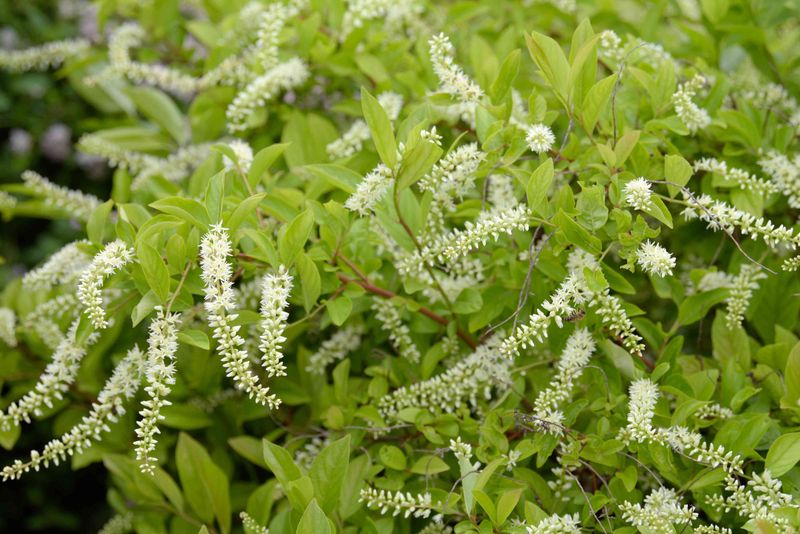
Graceful arching stems and soft white flower clusters give Virginia sweetspire a relaxed, flowing look that works especially well along the front edge of a mixed border.
The flowers appear in late spring to early summer and attract a variety of native bees and other small pollinators.
For gardeners who want a shrub that softens a hard border edge without growing too tall, Virginia sweetspire fits that role naturally.
One of the most appealing things about this shrub is its fall color. The leaves shift to shades of red, orange, and burgundy in autumn, sometimes holding color for several weeks before dropping.
That extended fall display adds seasonal interest to Georgia garden borders at a time when many other plants are winding down.
Virginia sweetspire typically grows three to five feet tall and spreads gradually through root suckers. It tolerates a wide range of soil conditions, including wet spots, dry periods after establishment, and partial shade.
Full sun can work too, though the shrub may need a bit more moisture in sunnier Georgia locations during dry spells.
Spacing plants about three to four feet apart allows them to fill in gradually and create a layered border edge. First-season watering helps roots establish before summer heat arrives.
Once settled in, Virginia sweetspire tends to be low-maintenance and dependable, two qualities gardeners tend to appreciate in a border shrub.
4. American Beautyberry Brings Bright Fall Berries
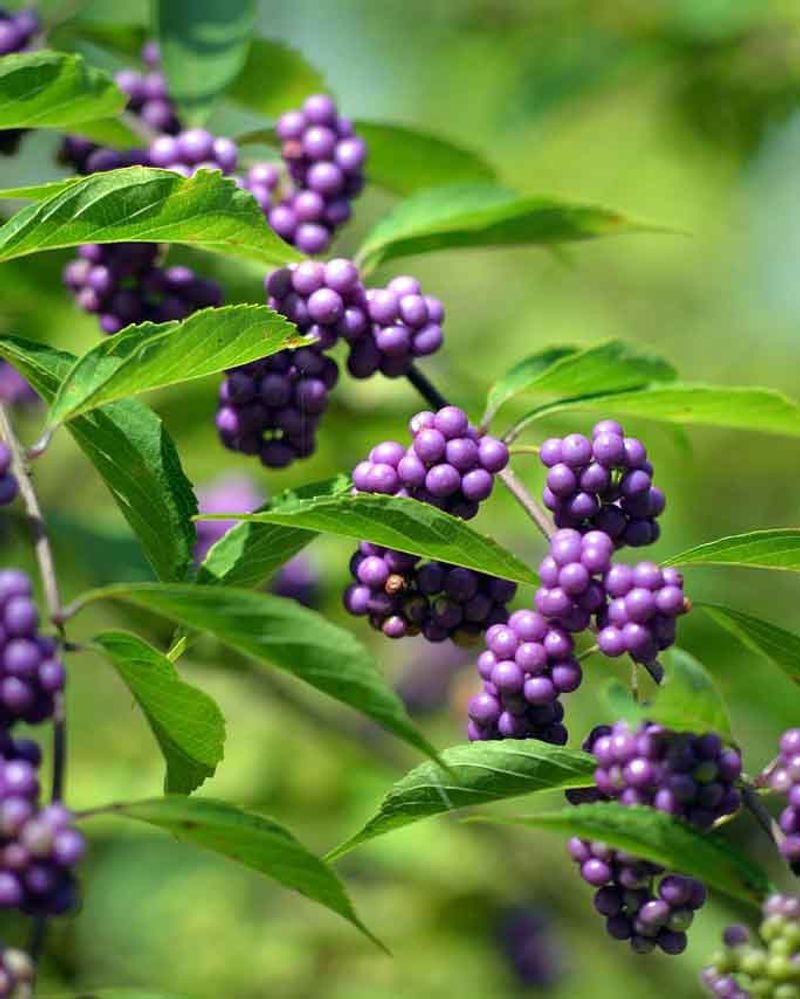
Nothing in the Georgia garden turns heads in fall quite like American beautyberry loaded with clusters of bright magenta-purple berries.
Those striking berry clusters wrap tightly around the arching stems in late summer and persist well into fall, creating a bold color display that stands out even from a distance.
Birds, including mockingbirds, catbirds, and robins, feed on the berries and help spread seeds through the surrounding landscape.
American beautyberry grows quickly and can reach four to eight feet tall with a similar spread. It tends to look best when cut back hard in late winter or very early spring, which encourages vigorous new growth and heavier berry production.
That seasonal pruning also keeps the shrub from getting too leggy along a garden border.
White to pale lilac flowers appear in summer before the berries form, and while they are modest in size, native bees visit them regularly. The shrub grows in full sun to part shade and adapts to a range of soil types, including clay.
It handles summer heat well, which is one reason it has long been a reliable presence in Georgia landscapes.
Planting American beautyberry toward the middle or back of a border gives it room to arch outward without crowding smaller plants.
The combination of summer flowers, striking fall berries, and easy care makes it one of the most visually rewarding native shrubs available for border plantings.
5. Spicebush Supports Pollinators In Part Shade
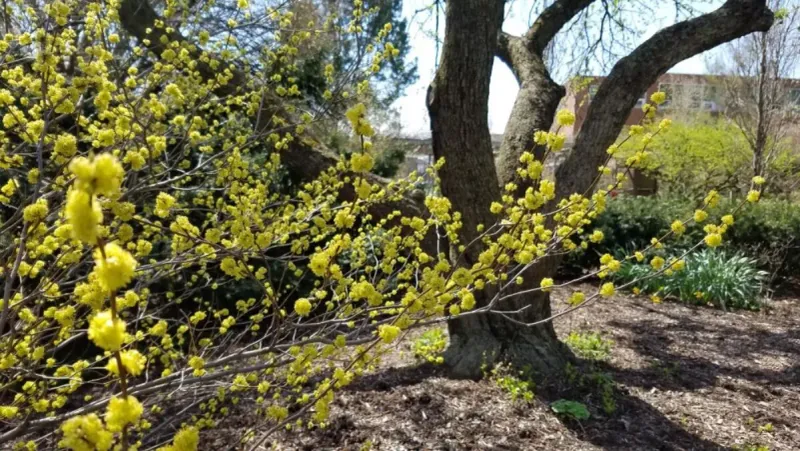
Early spring in a Georgia garden can feel sparse, but spicebush changes that by covering its bare branches with tiny clusters of bright yellow flowers before most other shrubs have even leafed out.
Those early blooms are a welcome food source for native bees emerging on warm late-winter days when little else is available.
That early pollinator support alone makes spicebush worth considering for a shaded Georgia border.
Beyond the flowers, spicebush serves as a host plant for spicebush swallowtail caterpillars, which is a meaningful ecological role that butterfly bush simply cannot fill.
The large, distinctive caterpillars rely on the foliage, making spicebush a genuine contributor to the local butterfly population rather than just an attractant for adults.
That difference matters for gardeners who want to support the full butterfly life cycle.
Spicebush grows six to twelve feet tall and does best in part shade to full shade with moist, well-drained soil. It fits naturally into woodland garden borders, shaded foundation beds, or mixed native plantings beneath larger trees.
The aromatic leaves and stems release a pleasant spicy fragrance when brushed, which adds a sensory element to the garden.
Female plants produce red berries in late summer that birds find very attractive. Having both male and female plants nearby encourages better berry production.
For gardeners working with a shaded border, spicebush offers spring flowers, wildlife habitat, fragrance, and fall color in one adaptable native shrub.
6. Southern Highbush Blueberry Adds Flowers And Fruit
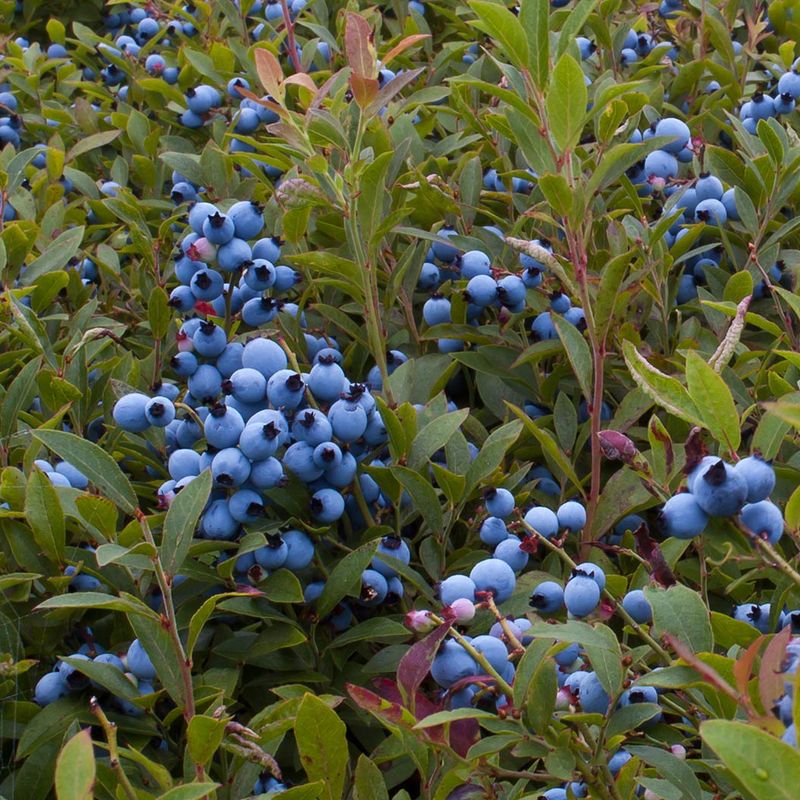
Southern highbush blueberry earns its place in a Georgia garden border by delivering more than most ornamental shrubs can offer. White bell-shaped flowers appear in early spring and attract native bees before the berries even begin to form.
By summer, clusters of sweet blueberries ripen along the stems, providing food for birds, wildlife, and any gardener who gets there first.
This shrub grows well in Georgia’s naturally acidic soils, which gives it a head start in many residential landscapes where the pH already suits it. Full sun encourages the best fruit production, though the shrub can manage with some afternoon shade.
Raised beds or well-amended border soil with good drainage helps it establish more easily in areas with heavy clay.
Mature southern highbush blueberry plants typically reach six to eight feet, making them suitable for the middle or back of a border. Planting two or more compatible varieties nearby tends to improve berry production through cross-pollination.
Mulching around the base helps retain moisture and keeps the root zone cool during Georgia summers.
Fall brings another visual reward as the foliage shifts to shades of orange and red before dropping.
The multi-season interest, from spring flowers to summer fruit to fall color, makes southern highbush blueberry one of the most practical and rewarding native shrubs a gardener can choose.
It replaces butterfly bush with something that genuinely feeds the local ecosystem from bloom to berry.
7. Arrowwood Viburnum Fills Borders With Native Structure
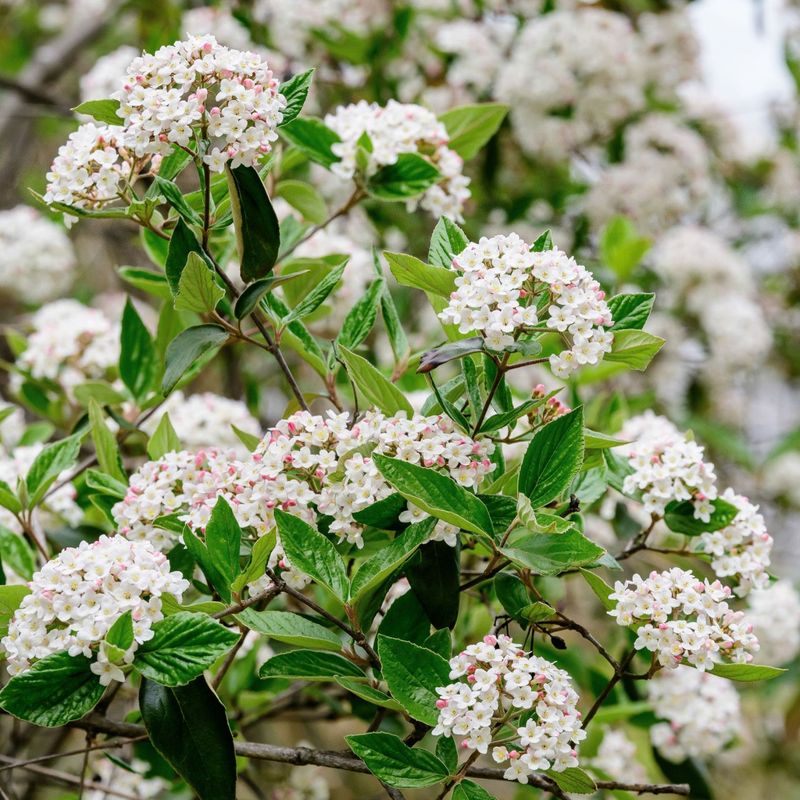
Solid structure is something garden borders often need, and arrowwood viburnum delivers that in a way that also supports Georgia wildlife through multiple seasons.
Flat-topped clusters of small white flowers appear in late spring and attract native bees and other pollinators.
By late summer, those flowers give way to clusters of blue-black berries that over 35 bird species are known to eat, making this shrub a genuine wildlife asset.
Arrowwood viburnum tends to grow six to ten feet tall with an upright, rounded form that fills a border with a reliable presence. It tolerates a range of conditions, including full sun to part shade and various soil types, which gives gardeners flexibility in where they plant it.
Slightly moist soil tends to produce the most vigorous growth, but established plants handle occasional dry periods reasonably well.
The dark green foliage holds up well through summers and turns shades of red, orange, and burgundy in fall before dropping. That fall color adds another layer of seasonal interest to mixed borders where other plants may have already faded.
The multi-stemmed form also provides good nesting cover for small birds.
Spacing arrowwood viburnum about five to six feet apart allows each plant enough room to develop its natural shape without crowding.
For gardeners who want a native shrub that brings flowers, fruit, fall color, and bird habitat to a Georgia border in one reliable package, arrowwood viburnum is a strong and practical choice.
8. Native Azalea Adds Spring Color In Shaded Beds
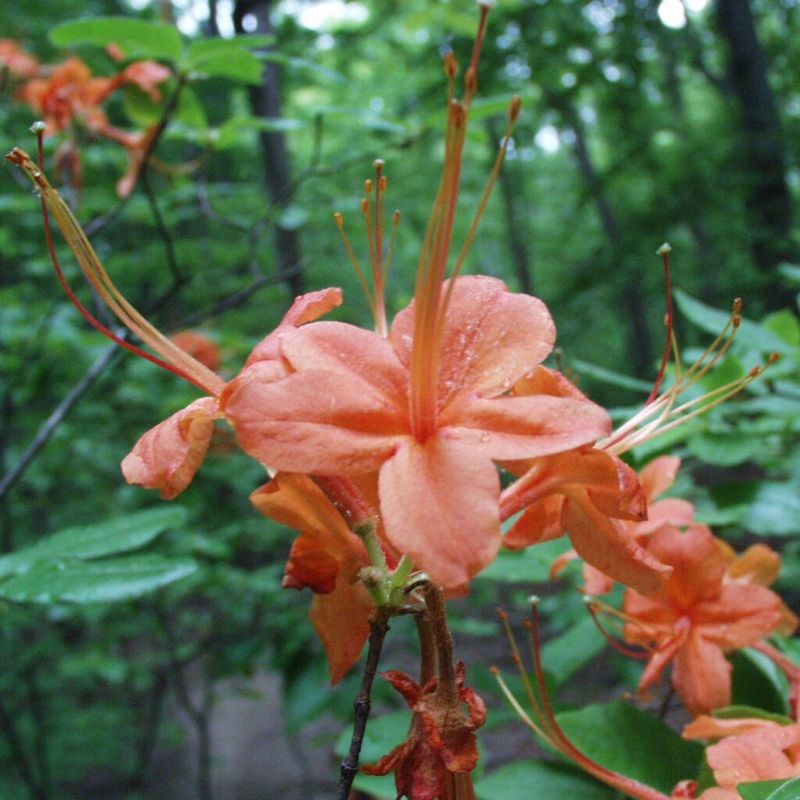
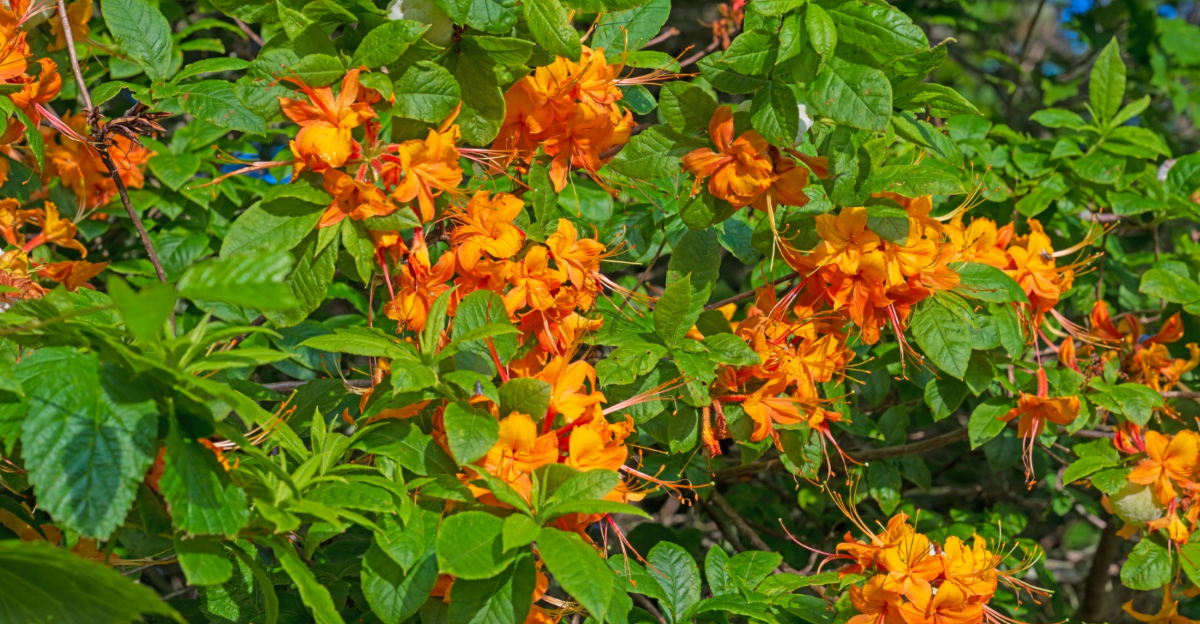
Walk through a Georgia woodland in spring and you may catch the sight of native azaleas blazing with orange, yellow, pink, or white flowers before the trees have fully leafed out.
Unlike the evergreen hybrid azaleas common in many Southern yards, Georgia’s native azaleas are deciduous and tend to bloom with a looser, more open elegance that feels at home in naturalistic borders and shaded beds.
Several native species are found in Georgia, including flame azalea, Florida azalea, and piedmont azalea, each with its own bloom color and season.
Native azaleas support native bees, hummingbirds, and butterflies, with some species producing long, tubular flowers that are especially attractive to ruby-throated hummingbirds.
That wildlife value makes them a meaningful upgrade over non-native butterfly bush in any Georgia pollinator garden or shaded border planting.
Most native azaleas grow four to eight feet tall and prefer part shade to dappled light beneath larger trees. Moist, well-drained, acidic soil suits them well.
Planting them where morning sun reaches but afternoon shade provides relief tends to produce good bloom and healthy foliage through summers.
Mulching generously around the base helps keep roots cool and moist during dry stretches. Native azaleas may take a few seasons to establish and begin blooming reliably, but the patience tends to be worth it.
Once settled in, they bring a level of natural beauty and regional character to shaded garden borders that few other shrubs can replicate.