The Shade Tree Some Florida Neighborhoods Are Quietly Adding For Natural Cooling
Step outside on a summer afternoon in Florida and the heat hits fast, especially in yards with little shade. As temperatures climb and cooling costs follow, more homeowners are turning to a simple solution that works over time: planting large canopy trees.
Across parts of North and Central Florida, one tree is starting to stand out for this purpose.
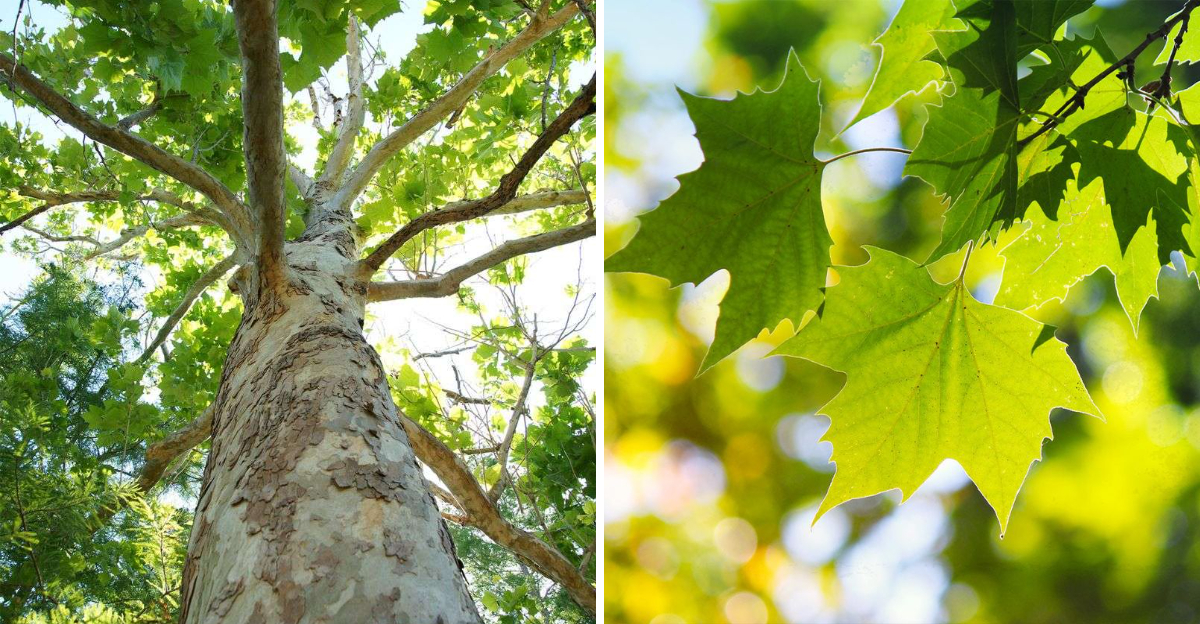
The American sycamore draws attention with its broad leaves, mottled bark, and wide-reaching canopy that can help cool outdoor spaces naturally.
For those with enough room and a bit of patience, it offers a way to create lasting shade that changes how a yard feels through the hottest months.
1. American Sycamore Grows Into A Towering Shade Tree
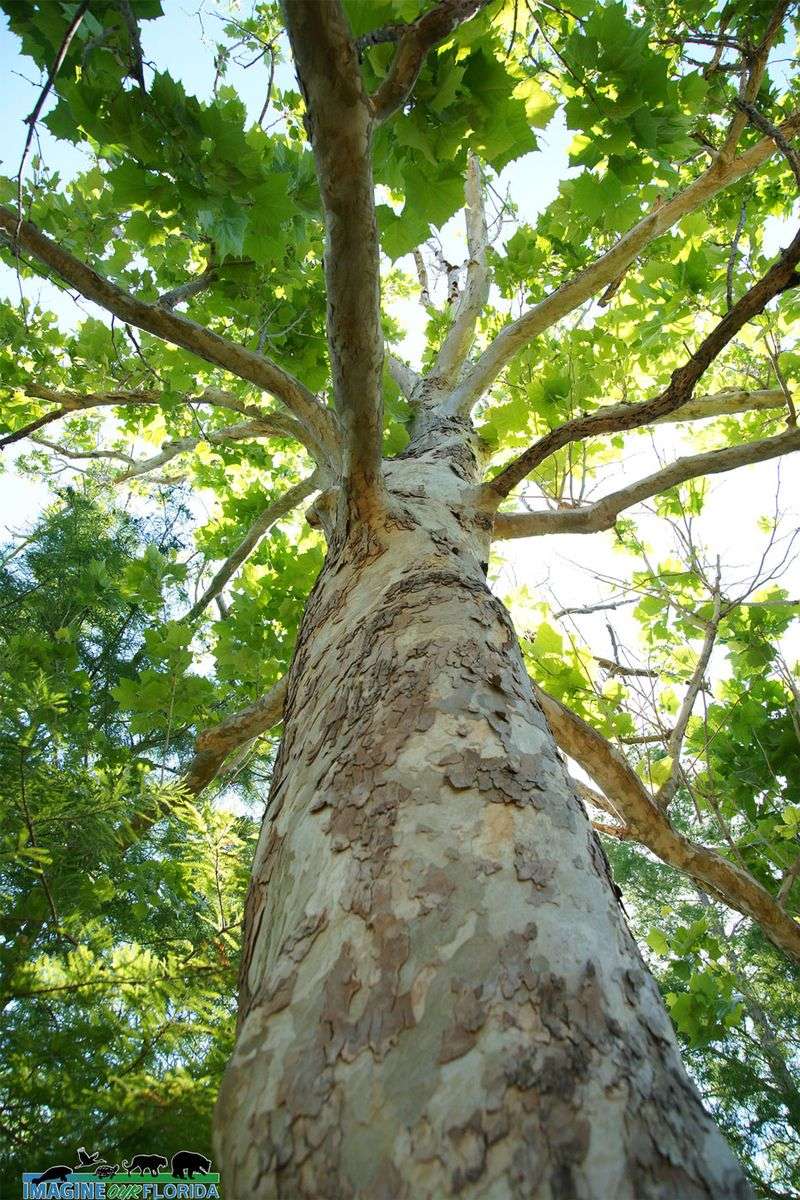
Walk through certain older neighborhoods in North Florida, and you might spot something unexpected rising above the rooftops: the broad, outstretched canopy of an American sycamore.
Known botanically as Platanus occidentalis, this tree is one of the largest deciduous trees native to eastern North America.
Mature specimens can reach heights of 70 to 100 feet, with canopy spreads that easily match or exceed their height.
In Florida, the American sycamore is best suited to North Florida and select parts of Central Florida where temperatures remain within a range the tree can handle comfortably.
The University of Florida Institute of Food and Agricultural Sciences notes that sycamores thrive in open, moist landscapes where their roots have plenty of room to spread outward without restriction.
Homeowners drawn to this tree are usually thinking long-term. A young sycamore planted today may take a decade or more to reach its full canopy potential, but the payoff is significant.
Few trees can match the depth and breadth of shade a mature sycamore delivers. For Florida neighborhoods looking to reduce outdoor heat naturally, the American sycamore offers a compelling, large-scale solution that works with nature rather than against it.
Patience is part of the process, and most people who plant one say it is worth every year of waiting.
2. Massive Leaves Create Deep, Cooling Canopy Cover
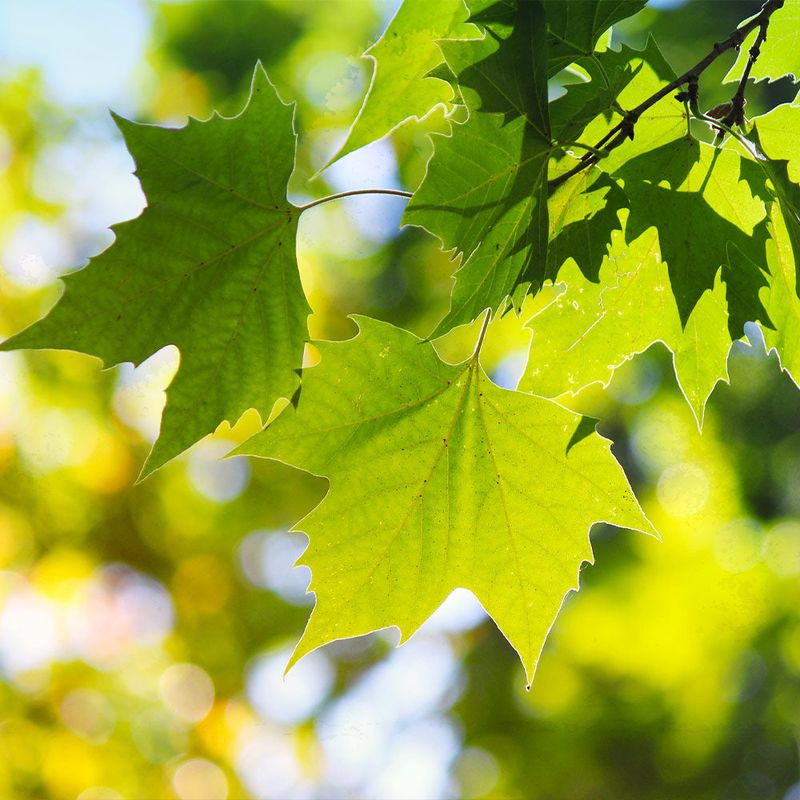
One of the first things you notice about an American sycamore is the size of its leaves. Each leaf can measure anywhere from six to twelve inches across, sometimes even wider on vigorous young growth.
Those broad, maple-like leaves overlap densely across the canopy, creating a layered ceiling of green that blocks sunlight far more effectively than trees with smaller, more open foliage.
In Florida, where the sun climbs high and hits hard from mid-morning through late afternoon, that kind of dense coverage makes a measurable difference.
Research has shown that shaded surfaces can be significantly cooler than unshaded ones, and a mature sycamore canopy can lower the temperature of the ground and nearby structures by several degrees.
That cooling effect extends outward from the tree, making patios, sidewalks, and even parked vehicles more comfortable.
The leaves also contribute to the cooling process through transpiration, releasing moisture into the surrounding air as they work through photosynthesis.
During Florida’s long, hot summers, this natural humidity release can soften the sharp, dry heat that builds up on exposed surfaces.
Your Florida Garden Changes Every Week. Your Plan Should Too.
Gardening in Florida changes quickly throughout the season. Every Friday you’ll receive a simple weekly plan showing exactly what to plant, prune, fertilize, harvest, and protect so you never miss the right timing.
Landscape designers working in North Florida increasingly factor the sycamore’s leaf size into their planting plans, recognizing that canopy density matters just as much as tree height when the goal is meaningful, functional shade rather than just visual greenery.
3. Mottled Bark Adds Year-Round Visual Interest
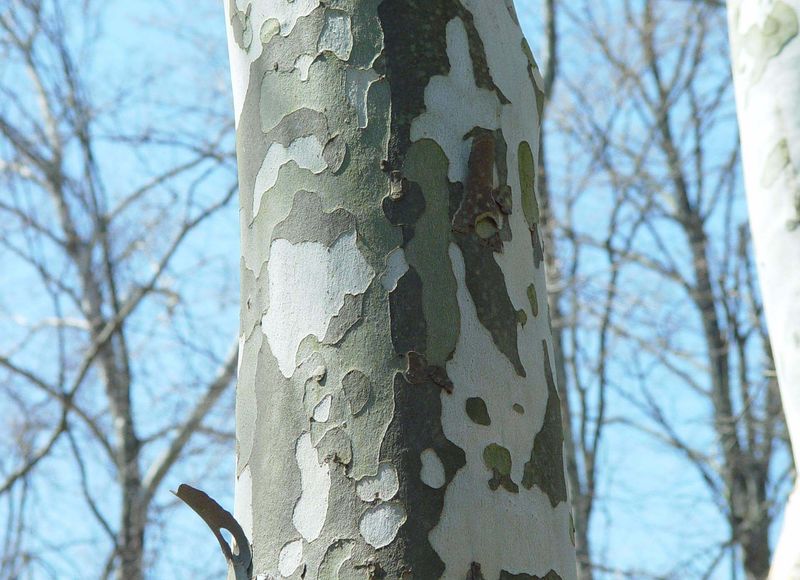
Even in the cooler months when the leaves have dropped, the American sycamore keeps turning heads. Its bark is unlike almost anything else you will find growing in a Florida yard.
The outer layer peels away in irregular patches to reveal a smooth, creamy white or pale gray inner surface, creating a camouflage-like pattern of brown, tan, and white across the trunk and upper branches.
This peeling bark is not a sign of stress. It happens naturally as the tree grows and expands, shedding its older outer layers the way some other trees never do.
The result is a striking, sculptural appearance that makes the sycamore a genuine focal point in any large landscape. In winter, when deciduous trees are bare, the white upper branches of a sycamore can almost glow against a clear Florida sky.
For homeowners who want a tree that offers beauty beyond just leaf cover, this visual quality is a meaningful bonus. The mottled trunk texture also tends to attract birds, which often use the bark crevices for foraging.
Landscape professionals sometimes describe the sycamore as a tree with four-season presence, which is a fair assessment.
Even without foliage, its structure and bark patterns give the landscape a sense of character and maturity that younger, smoother-barked trees simply cannot replicate in the same way.
4. Fast Growth Helps Build Shade Over Time
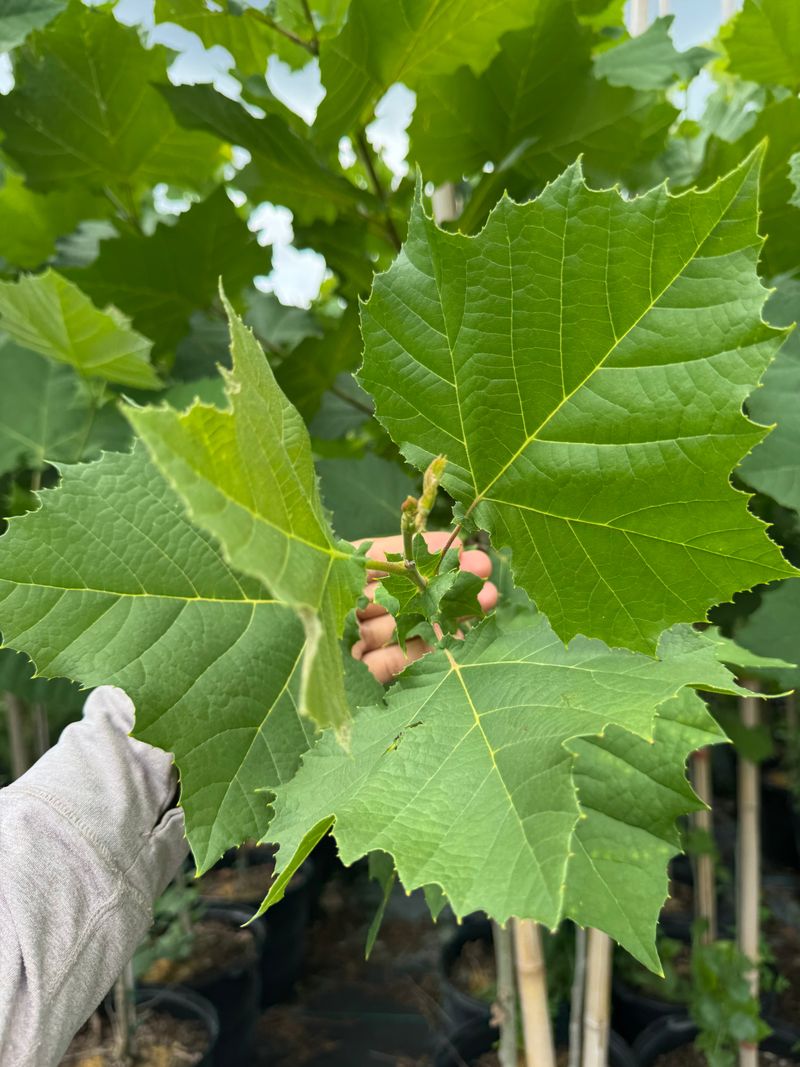
Shade trees often carry a reputation for taking forever to grow, and some species genuinely do test your patience. The American sycamore is a bit different.
Under good conditions, it can put on two to four feet of new growth per year during its younger years, making it one of the faster-growing large trees available for Florida landscapes.
That growth rate matters a great deal when you are trying to build meaningful shade within a reasonable timeframe.
A sycamore planted as a ten-gallon nursery tree could reach 20 to 30 feet within a decade if it is sited well and receives consistent moisture during its establishment period.
At that height, it already begins casting noticeable shade across a yard, patio, or driveway. The canopy keeps expanding outward as the tree matures, so the shade footprint grows both taller and wider with each passing season.
Florida homeowners considering a sycamore should plan for this growth from day one. Choosing the right planting location before the tree goes into the ground is far easier than trying to manage a large tree that has outgrown its space.
Consulting with a certified arborist or your local University of Florida IFAS extension office can help you map out a planting spot that gives the tree room to develop into the towering, cooling presence it is capable of becoming over the years ahead.
5. Prefers Moist, Well-Drained Soils And Open Spaces
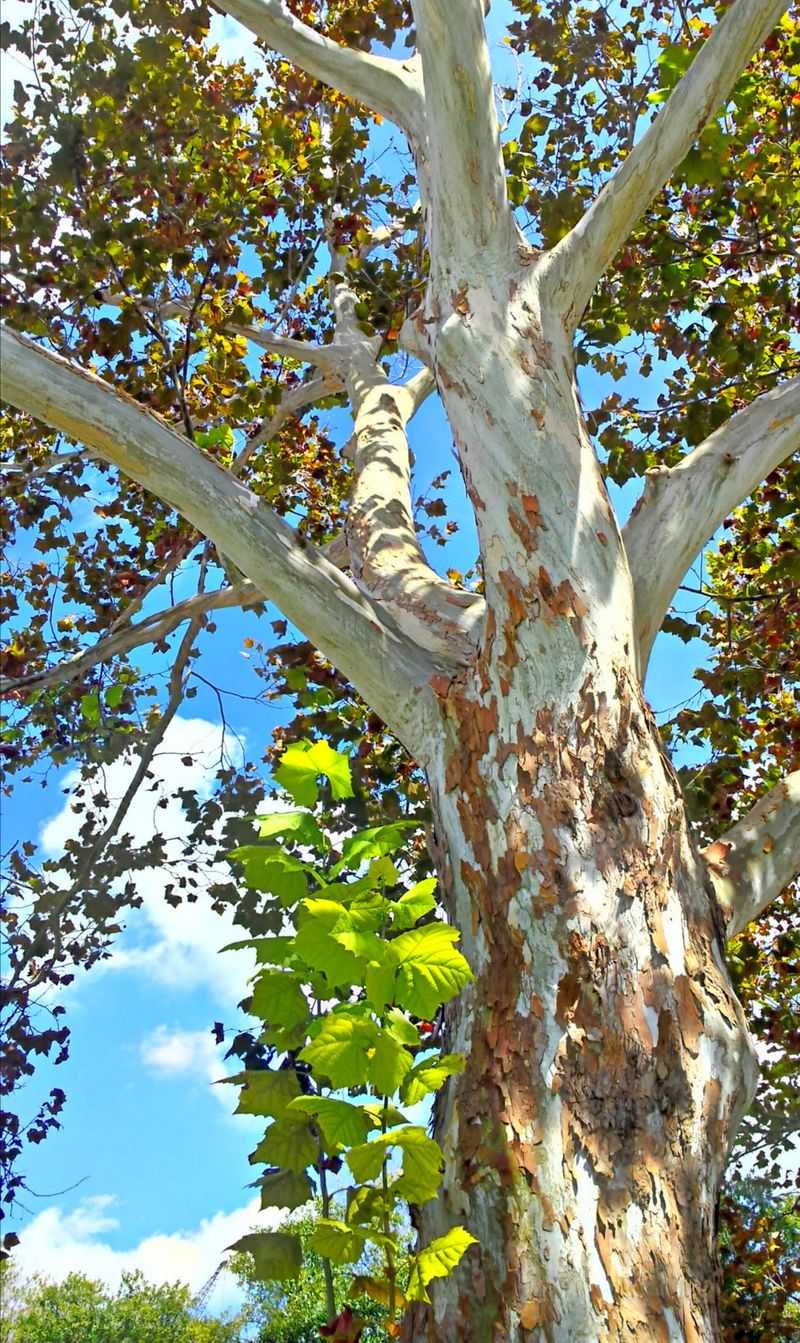
Soil conditions play a major role in how well an American sycamore performs in a Florida landscape. In its native range, this tree tends to grow along riverbanks, floodplains, and stream edges where the soil stays consistently moist but does not remain waterlogged for extended periods.
That preference for moisture carries over into landscape settings, where the tree does best in deep, fertile, well-drained soils that hold some moisture between rain events.
Florida’s sandy soils can be a challenge for sycamores, particularly in drier parts of the state. In North Florida, where soils tend to have more clay content and rainfall is generally more consistent, the tree adapts more reliably.
Supplemental irrigation during dry spells is helpful, especially during the first two to three years after planting while the root system is getting established.
Once settled in, a well-placed sycamore becomes considerably more resilient to seasonal dry periods.
Open space is equally important. The root system of a mature American sycamore spreads wide and can become quite substantial near the soil surface.
Planting too close to foundations, septic systems, driveways, or underground utilities creates problems that are difficult and expensive to address later.
Giving the tree a wide, open area to grow into from the start is the most practical way to enjoy its shade without running into structural complications as the years go by.
6. Best Suited For Larger Florida Properties
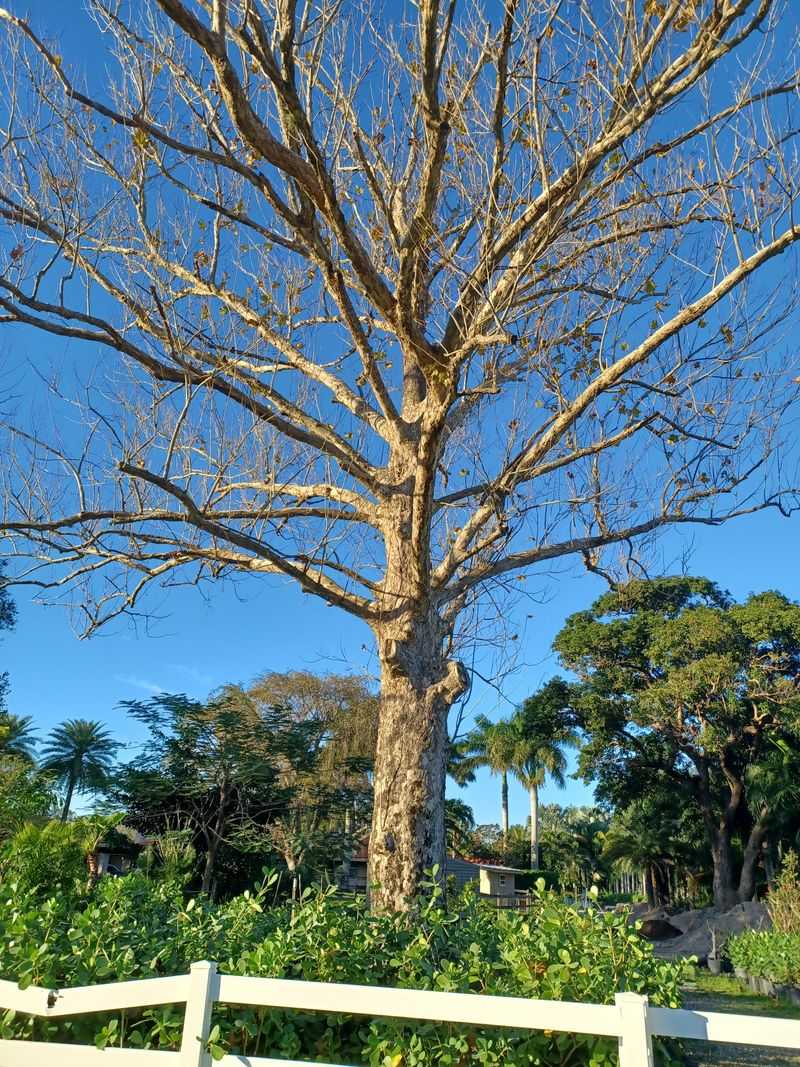
Bigger is not always better when it comes to trees in residential landscapes, and the American sycamore makes that point clearly. With a mature canopy that can spread 70 feet or more in diameter, this is not a tree for compact suburban lots or narrow side yards.
It needs generous open space to grow into its full potential without crowding structures, neighboring trees, or utility lines.
In Florida, the sycamore is most at home on larger rural properties, acreage parcels, or spacious estate-style lots where there is plenty of room for both the canopy above and the root system below.
Some Florida parks and municipal green spaces have also incorporated sycamores into their landscapes for exactly this reason, using the trees to shade gathering areas, walking paths, and open lawn spaces where the tree can spread freely without interference.
Homeowners with smaller lots who love the idea of a big shade tree might want to explore other options better suited to tighter spaces, such as the live oak or Southern magnolia.
But for those lucky enough to have the land, a sycamore offers something few other trees can: a genuinely massive, cathedral-like canopy that transforms an open yard into a cool, shaded retreat.
That kind of natural cooling is increasingly valued across North and Central Florida as summer temperatures continue to push higher each year.
7. Leaf Drop Can Be Heavy In Certain Seasons
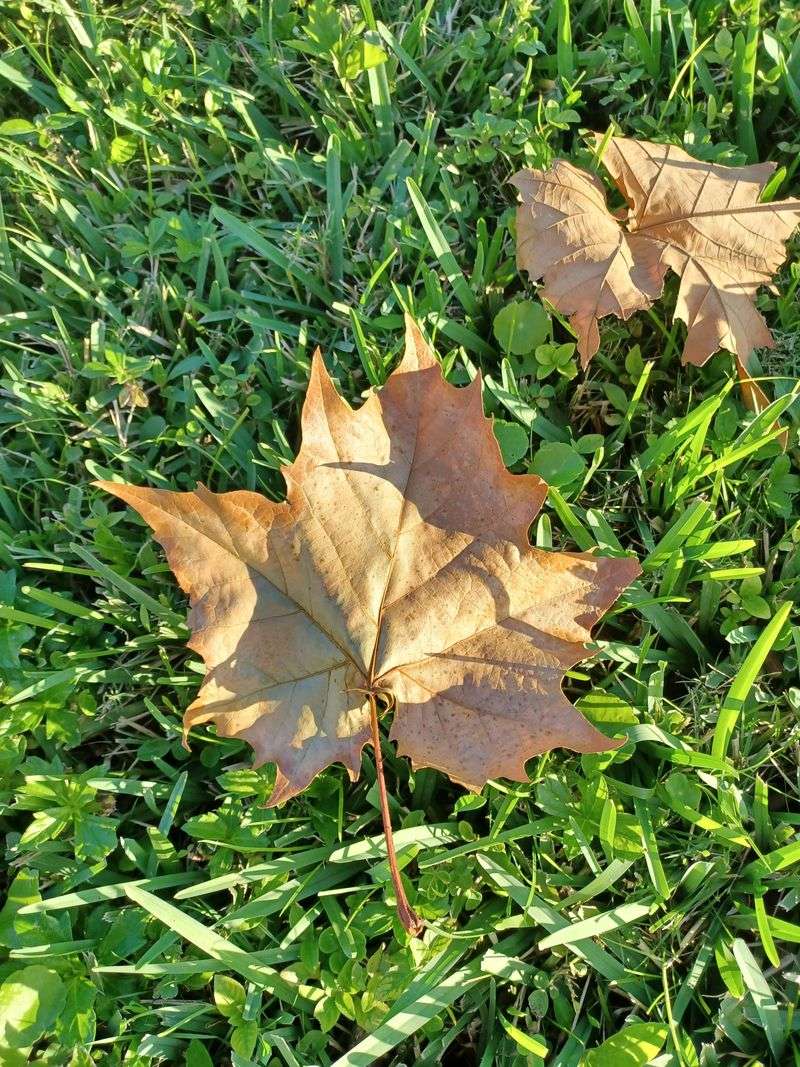
Owning a large deciduous tree comes with a trade-off that is worth understanding before you plant. The American sycamore drops leaves, and it does so generously.
In North Florida, leaf drop typically happens in late autumn and into winter as temperatures cool and day length shortens.
But sycamores can also shed some foliage during dry summer stretches, which catches some homeowners off guard if they are not expecting it.
The leaves are large, which means fewer of them cover a lot of ground quickly. Raking or blowing them is a regular task during peak drop periods.
Some homeowners choose to mulch the leaves in place with a lawn mower, which returns nutrients to the soil and reduces the need for hauling debris away.
Sycamores also drop seed balls, small spiky clusters that contain the tree’s seeds, which add to the seasonal cleanup workload.
None of this is unusual for a large deciduous tree, but it is something to factor into your expectations. If low-maintenance landscaping is a top priority for your Florida yard, the sycamore’s seasonal leaf output might feel like a lot to manage.
On the other hand, many tree enthusiasts find the rhythm of seasonal cleanup to be a satisfying part of caring for a living landscape.
The cooling shade the tree provides during Florida’s long, intense summers tends to make the extra effort feel like a reasonable exchange for most property owners.
8. Proper Placement Matters For Long-Term Success
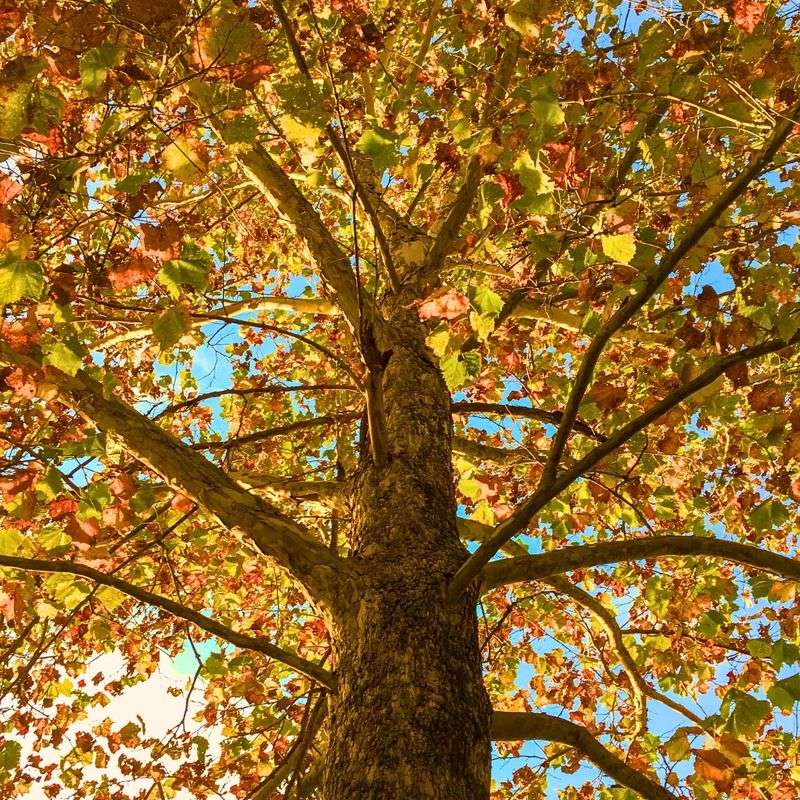
Planting a tree is a long-term commitment, and the American sycamore rewards thoughtful planning more than almost any other species.
Where you put it in the landscape shapes everything that follows: how much shade it eventually provides, whether its roots cause problems, and how the tree relates to your home, driveway, and outdoor living areas over the coming decades.
For most Florida homeowners, the south and west sides of a property offer the most strategic shade opportunities. Trees positioned on these sides intercept the sun during the hottest parts of the day, reducing heat gain on walls, windows, and outdoor surfaces.
A sycamore planted 30 to 50 feet from a structure gives the root system room to develop without threatening the foundation while still allowing the expanding canopy to eventually shade nearby areas as the tree matures.
Before planting, check with your local utility providers about underground line locations, and review any neighborhood or county guidelines about large tree placement near property lines.
Your local University of Florida IFAS extension office is a reliable resource for site-specific guidance tailored to your county’s soil types, rainfall patterns, and growing conditions.
Taking the time to plan carefully before a single hole is dug sets the entire relationship between you and your tree on the right path, helping it grow into the cooling, canopy-rich presence you envisioned from the very beginning.