These Are The Only Perennials Worth Planting In South Florida That Actually Return Every Year
Perennial is a word that needs an asterisk in South Florida. What the label promises and what actually happens in the ground here are two different conversations entirely.
Plants marketed as perennials burn out in the heat, rot through the wet season, or never establish the root system needed to come back strong the following year.
Gardeners learn this the hard way after a season or two of replanting things that were supposed to take care of themselves.
South Florida’s combination of heat, humidity, alkaline soil, and a rainy season that operates on its own terms narrows the field considerably. But that field isn’t empty.
Certain perennials are genuinely built for these conditions, returning year after year without the coaxing, the replacing, or the disappointment.
The ones worth planting share a common thread: they stopped fighting South Florida a long time ago and started working with it instead.
1. Firebush Returns Strong In Warm Native Gardens
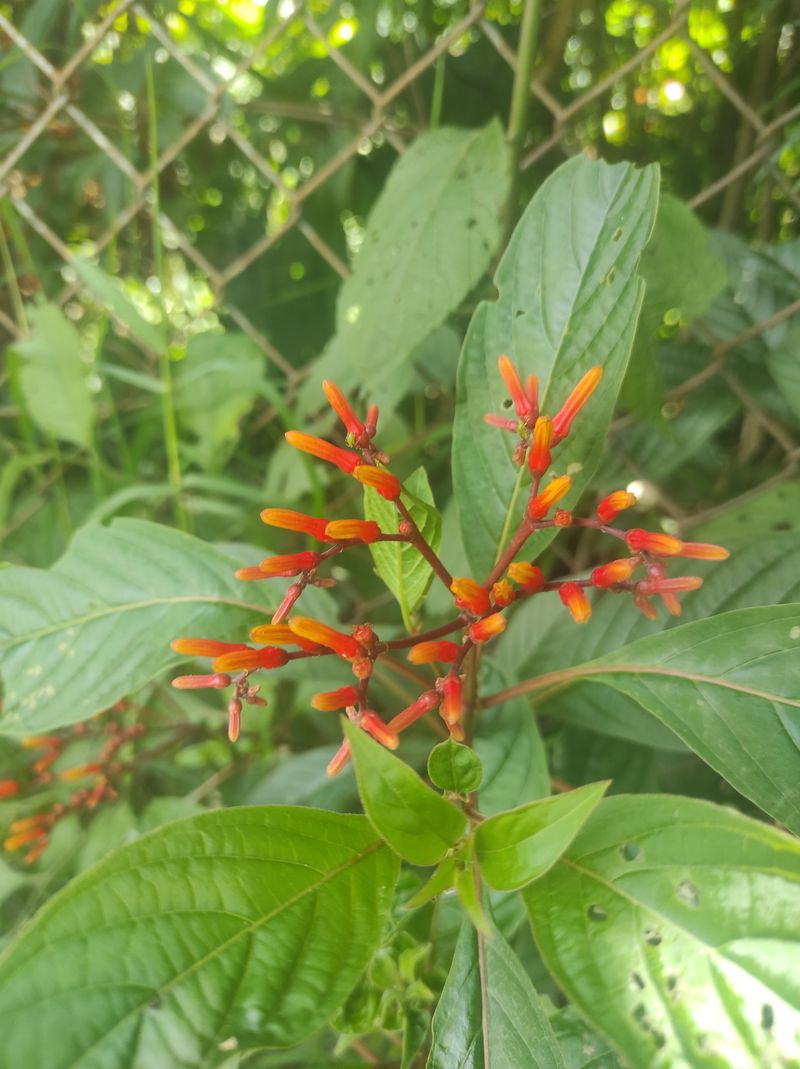
Some plants return because they are genuinely built for the heat, and firebush is one of the most dependable examples in South Florida landscapes.
Hamelia patens is a native that behaves more like a large shrub than a compact bedding perennial, and that distinction matters when you are planning your yard.
In warm South Florida gardens, it rarely experiences a hard frost setback. That means it can keep growing and flowering across multiple seasons without needing to fully regenerate from the roots.
The tubular orange-red flowers appear through much of the year and attract hummingbirds and butterflies consistently. It thrives in full sun and tolerates the sandy, well-drained soils common across coastal and inland sites.
Once established, it handles dry stretches reasonably well, though it responds well to occasional watering during extended dry periods.
One honest note: firebush can grow six to ten feet tall and nearly as wide in a warm climate with good growing conditions. Gardeners who plant it expecting a small accent shrub are often surprised by how quickly it fills a space.
It belongs in an informal border, a native bed, or along a property edge where its size is an asset rather than a problem. Occasional pruning can help manage the shape, but do not cut it back so hard that you remove all the flowering wood.
2. Native Blue Porterweed Keeps Pollinators Coming Back
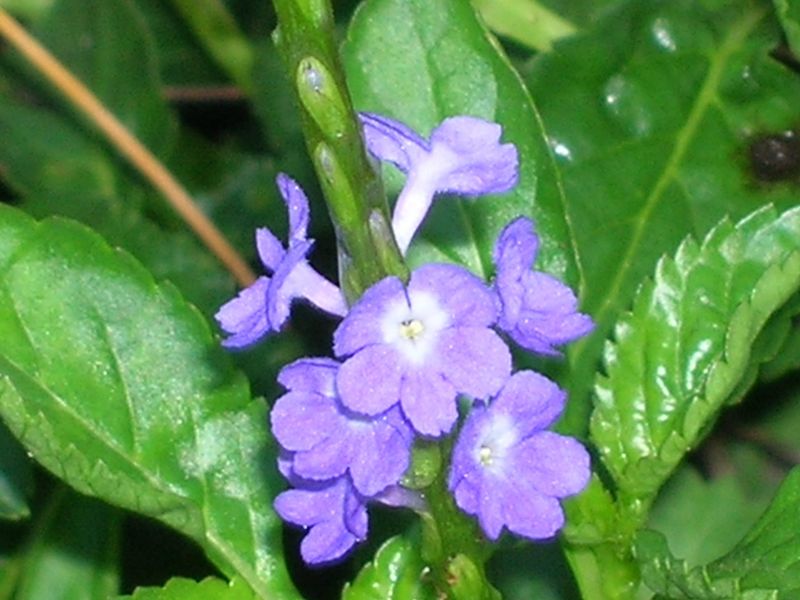
The name matters with porterweed, and getting it right before you buy can save you from planting something problematic in your yard. The plant worth growing here is Stachytarpheta jamaicensis, the native blue porterweed.
Avoid the commonly sold Stachytarpheta cayennensis, which has invasive concerns in local landscapes. These two plants can look similar at a garden center, so checking the botanical name on the tag before purchasing is genuinely important.
Native blue porterweed produces slender spikes of small blue-to-violet flowers that pollinators visit consistently throughout warm months.
Bees, butterflies, and skippers are especially drawn to it, making it a useful addition to any garden designed with wildlife in mind.
Your Florida Garden Changes Every Week. Your Plan Should Too.
Gardening in Florida changes quickly throughout the season. Every Friday you’ll receive a simple weekly plan showing exactly what to plant, prune, fertilize, harvest, and protect so you never miss the right timing.
It performs well in full sun and tolerates partial shade, which gives it flexibility in beds where light varies throughout the day.
In southern gardens, it often returns reliably from established root systems and may also reseed in nearby areas. It tends to stay lower and more sprawling than some gardeners expect.
That makes it useful along sunny bed edges or in informal plantings where a loose, spreading habit is welcome.
It is not a formal hedge plant, but in the right spot it can provide months of color and consistent pollinator activity with minimal fuss once it settles in.
3. Beach Sunflower Handles Heat, Sand, And Salt
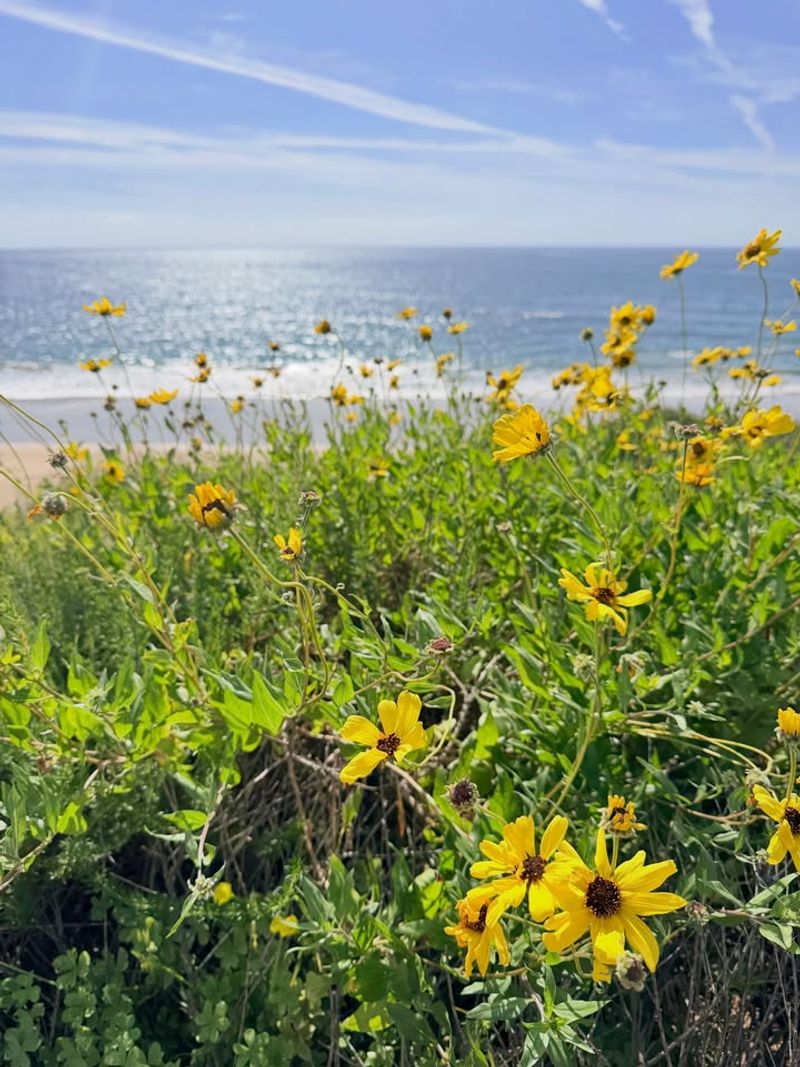
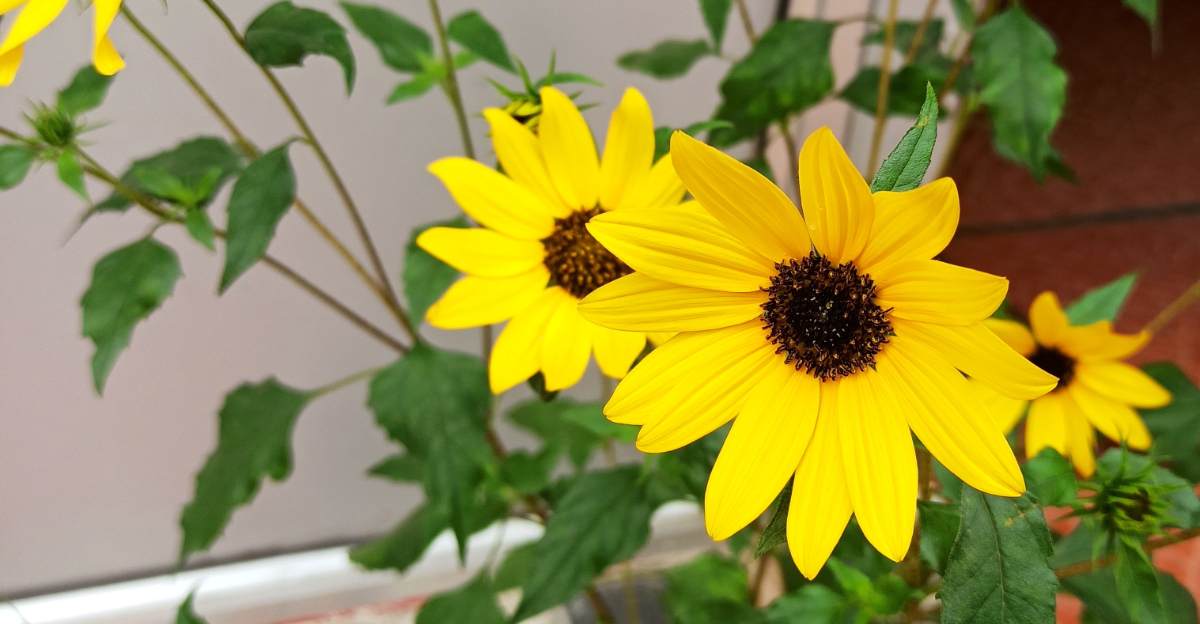
Hot sandy soil is not a problem for every groundcover, but beach sunflower was practically made for it. Helianthus debilis is a native that spreads low and fast across open, sunny areas.
It covers ground with cheerful yellow daisy-like blooms that appear through much of the year. It is especially well-suited to coastal sites where salt spray, poor sandy soil, and intense sun would challenge most plants.
One of the most practical things about beach sunflower is how quickly it establishes and begins covering bare ground. In a new garden bed or a sunny slope that needs stabilization, it can fill in noticeably within a single growing season.
Wildlife benefit from it too, as the seeds attract birds and the flowers support native bees.
That spreading habit does come with a tradeoff. Beach sunflower reseeds and expands readily, which means it works best where a loose, informal groundcover is actually what you want.
In a tidy formal bed with precise edges, it will need regular management to stay in bounds. It is not the right choice for a small contained planting.
Along a sunny fence line, coastal bank, or open native bed, it can provide reliable coverage and consistent color season after season. Expect some natural reseeding into adjacent areas, especially after rainy season.
4. Coontie Brings Evergreen Structure Year After Year
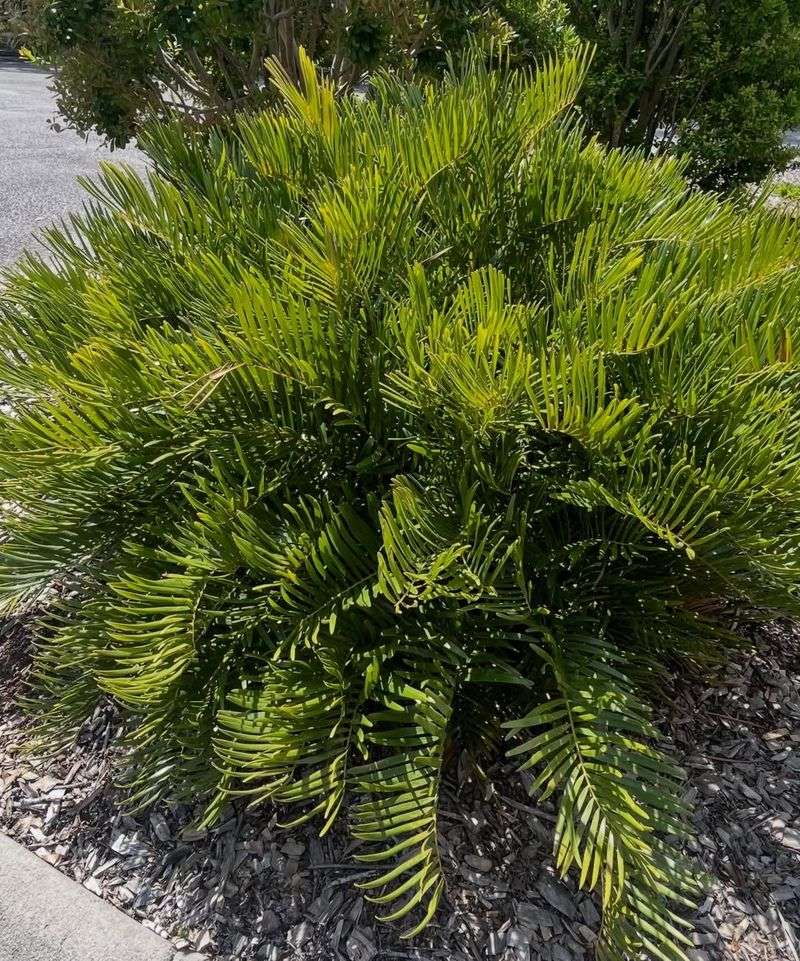
Evergreen structure counts in a perennial garden. It matters especially during the months when flowering plants slow down and the landscape needs something dependable to hold it together.
Coontie, known botanically as Zamia integrifolia or Zamia floridana, is a native cycad that provides exactly that kind of year-round presence in southern yards.
It is not grown for showy blooms but for its arching, dark green fronds that maintain their appearance through heat, dry spells, and the occasional cold snap.
Coontie is one of the few truly native plants that tolerates dry shade reasonably well. That makes it valuable under trees, along shaded foundation edges, and in spots where many other plants struggle.
It also performs in part sun and can handle the sandy, low-nutrient soils common in local landscapes without much amendment.
One important clarification: coontie is not the same as cardboard palm, Zamia furfuracea, which is non-native and sometimes sold alongside it. If you are planting for native habitat value, the botanical name on the tag matters.
Coontie is the host plant for the atala butterfly, a striking native species that was once nearly gone from the region. It has recovered partly because of coontie plantings in residential and restoration landscapes.
Even a small planting of coontie can support atala populations in neighborhoods where the butterfly has returned.
5. Sunshine Mimosa Returns As A Native Flowering Groundcover
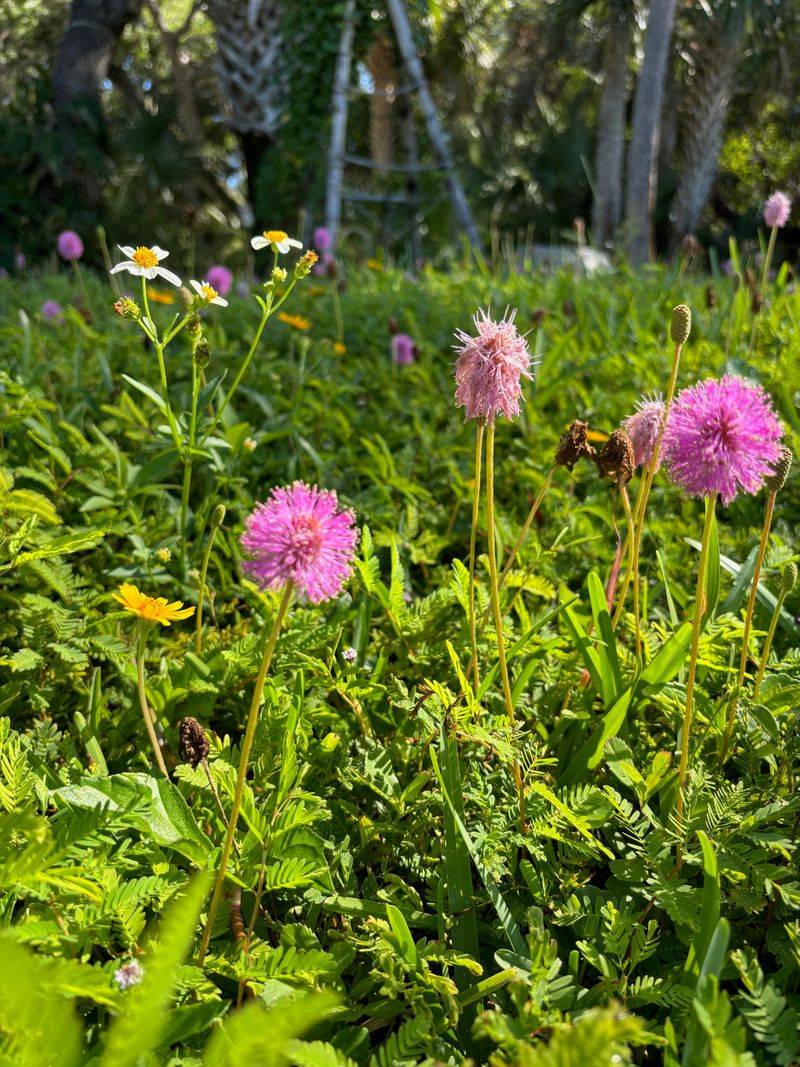
A spreading groundcover can be useful in the right place, and sunshine mimosa earns that description in sunny South Florida yards. Mimosa strigillosa, also called powderpuff mimosa, is a native that grows low to the ground.
It produces small, fuzzy pink flowers that pop up from spring through warm months. It is the kind of plant that surprises people when they first see it blooming in a lawn edge or an open sunny bed.
Beyond the flowers, the feathery foliage has a texture that reads nicely against coarser plants. It also has a subtle interactive quality: the leaves fold gently when touched, which tends to delight anyone who encounters it for the first time.
In warm South Florida conditions, it can return reliably from established roots and often spreads by runners into adjacent open areas.
That spreading behavior is worth planning around honestly. Sunshine mimosa is not a plant that stays neatly contained in a small defined space without regular edging.
It moves outward, fills gaps, and can migrate into turf areas if left unmanaged. In the right setting, that spreading habit is exactly what makes it useful for covering sunny slopes, open native beds, or low-traffic lawn alternatives.
It supports native bees and other pollinators actively. Give it space, and it will reward you with months of soft color and reliable returns.
6. Fakahatchee Grass Comes Back With Bold Native Texture
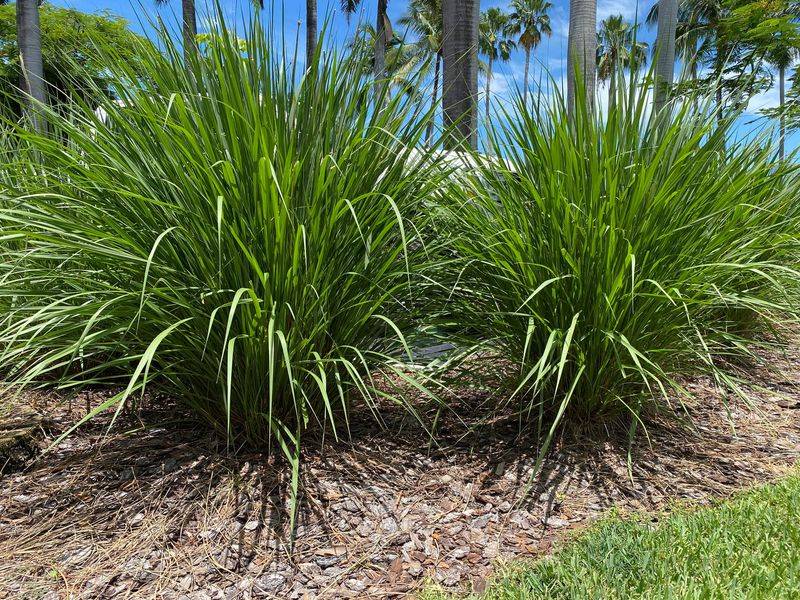
Texture matters when flowers slow down, and Fakahatchee grass delivers that texture with real presence in a South Florida landscape. Tripsacum dactyloides is a native ornamental grass that forms large, arching clumps of strappy foliage.
The foliage moves with the breeze and adds structure to beds that might otherwise look flat between blooming cycles. It is a tough, adaptable plant that returns consistently in warm-region yards once it is established.
Some ornamental grasses struggle in humid, wet conditions. Fakahatchee grass is naturally adapted to the seasonal flooding and heavy rainfall that southern region experiences.
It grows in moist to average soils and tolerates brief periods of standing water. That is a meaningful advantage during rainy season when drainage can be slow in some yards.
The one thing to plan for honestly is size. Fakahatchee grass can reach four to five feet tall and spread just as wide in good growing conditions.
It is not a plant for a narrow front border or a small accent bed near a walkway. It belongs in a larger native planting, a rain garden edge, a property border, or a spacious bed.
Its bold form needs room to be appreciated without crowding neighboring plants. Birds and small wildlife use the dense clumps for cover, adding habitat value to its visual appeal in the landscape.
7. Scarlet Sage Reseeds And Returns In Warm Gardens
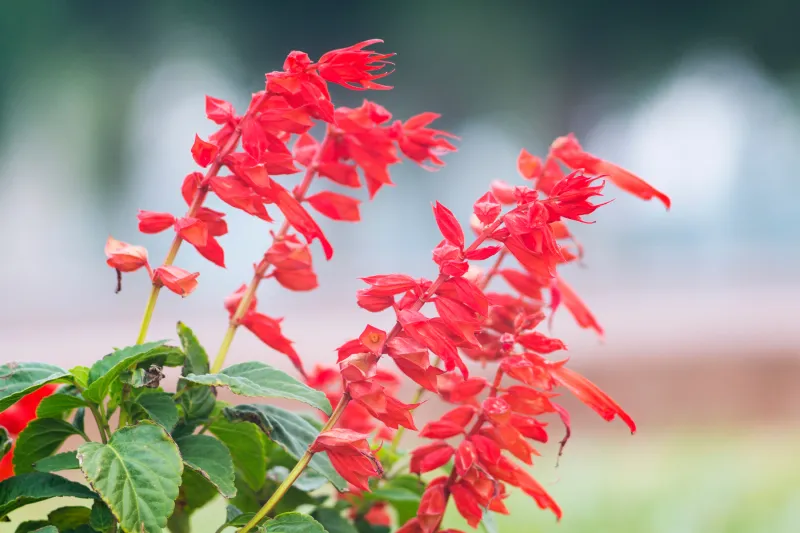
Not every returning perennial stays in one exact clump from season to season, and scarlet sage is a perfect example of a plant that returns in a slightly different way. Salvia coccinea is a native wildflower that behaves like a perennial in warm southern gardens.
It often survives mild winters, returns from established plants, and reseeds into nearby open soil. The result is a patch of red flower spikes that may shift slightly from year to year but keeps coming back reliably.
The bright red tubular flowers are a consistent draw for hummingbirds and butterflies, especially during the warm months when both are active in local gardens.
It grows best in full sun but can manage in light partial shade, and it handles sandy soil and dry conditions reasonably well once it has settled in.
It is not a demanding plant once it finds a spot it likes.
The reseeding habit is something to work with rather than against. Seedlings can appear a foot or two away from the original plant, filling in gaps in a bed naturally and expanding the planting over time.
Removing seedlings you do not want is easy when they are small. Scarlet sage is not a plant that takes over aggressively.
In a relaxed native bed or wildflower-style planting, its self-renewing quality is one of its best features.
8. Coral Honeysuckle Returns On Sunny South Florida Trellises
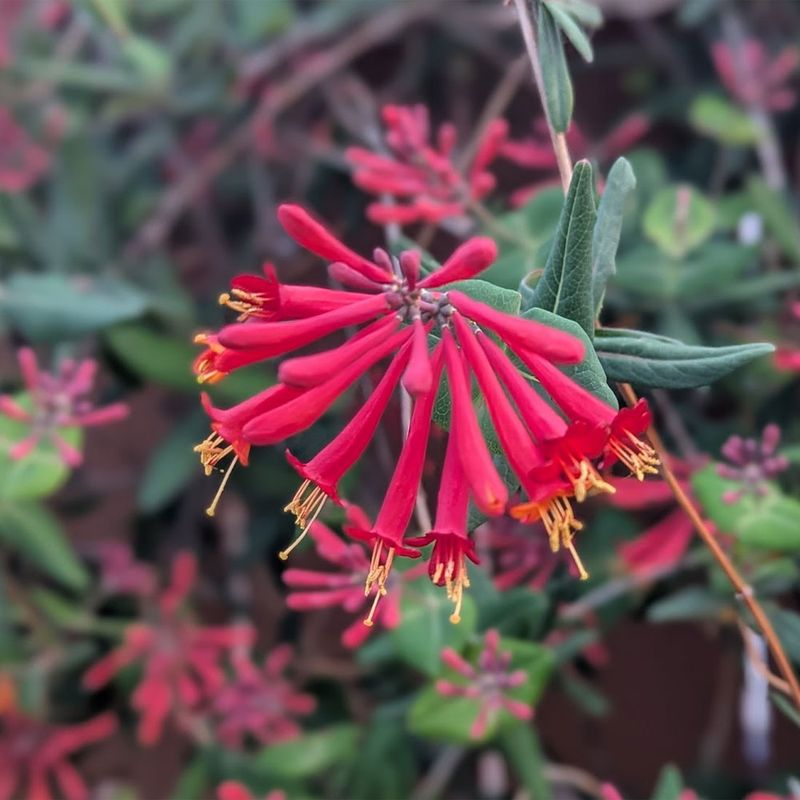
Vertical space can carry perennial color too, and coral honeysuckle is one of the best native vines for doing exactly that in southern landscapes. Lonicera sempervirens climbs trellises, fences, arbors, and other sturdy supports with ease.
It produces clusters of narrow coral-red tubular flowers that hummingbirds visit actively during bloom periods. It is a plant that rewards gardeners who think beyond flat beds and consider the full height of their growing space.
One clarification is important: coral honeysuckle is not the same as Japanese honeysuckle, Lonicera japonica. Japanese honeysuckle is invasive and causes real problems in natural areas across the Southeast.
The native coral honeysuckle is well-behaved, does not spread aggressively, and supports local wildlife rather than outcompeting native plants. Checking the label before buying matters here just as it does with porterweed.
In southern gardens, coral honeysuckle can return year after year on a permanent support structure, especially in sites with good sun and reasonable drainage.
It is a vine, so it needs something to climb and occasional guidance to keep it growing in the direction you want.
Without support, it will sprawl rather than climb. Red berries follow the flowers and attract birds, extending the wildlife value well beyond the blooming season.
It is a useful, multi-season plant when placed thoughtfully.