The Best Drought-Tolerant Arizona Shrubs For Privacy That Look Good Year-Round
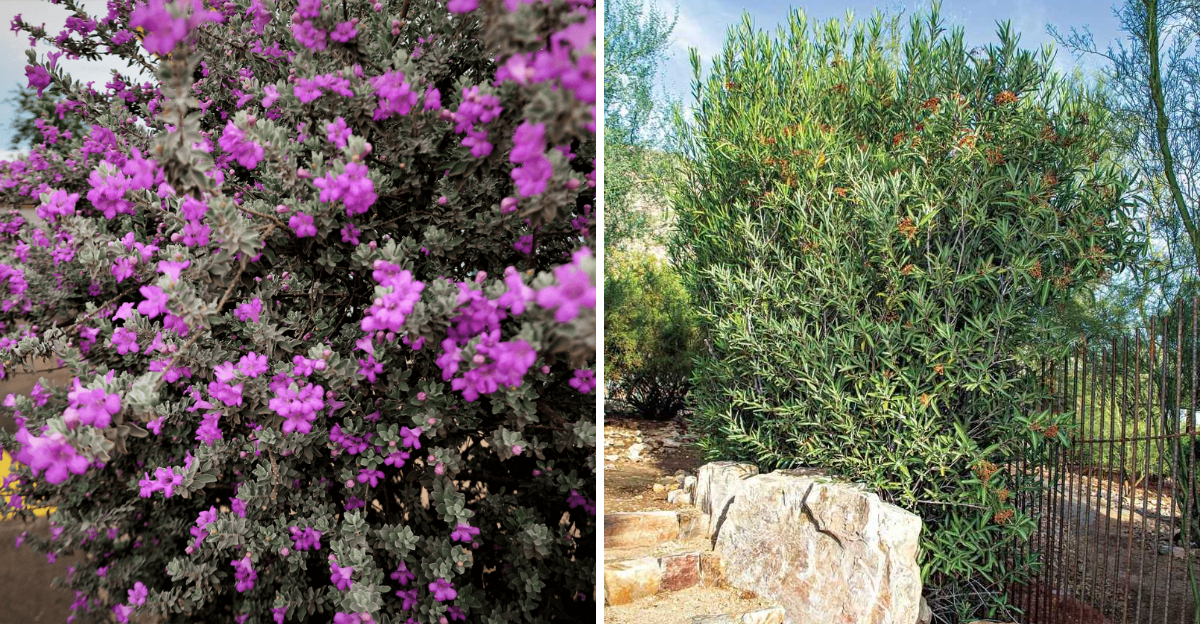
Privacy in an Arizona yard sounds simple enough until you realize that most of the plants doing that job everywhere else basically throw a fit the moment temperatures hit triple digits.
Regular hedges? Struggling. Thirsty evergreens? Not exactly thriving. That lush green privacy wall your neighbor has in a cooler climate? Good luck with that here.
Arizona yards are genuinely tough environments, and finding a shrub that screens your property, holds its shape, looks good year-round, and doesn’t demand a small fortune in water is a very specific challenge.
The great news is that those shrubs absolutely exist, and they’re actually pretty spectacular once they get going.
Tough, attractive, and drought-tolerant, these are the kinds of plants that make your landscape work harder without making you work harder.
And that’s always a win.
1. Hop Bush Creates Fast Evergreen Screening
Few shrubs in Arizona deliver the combination of speed, height, and year-round coverage that hop bush brings to a property line.
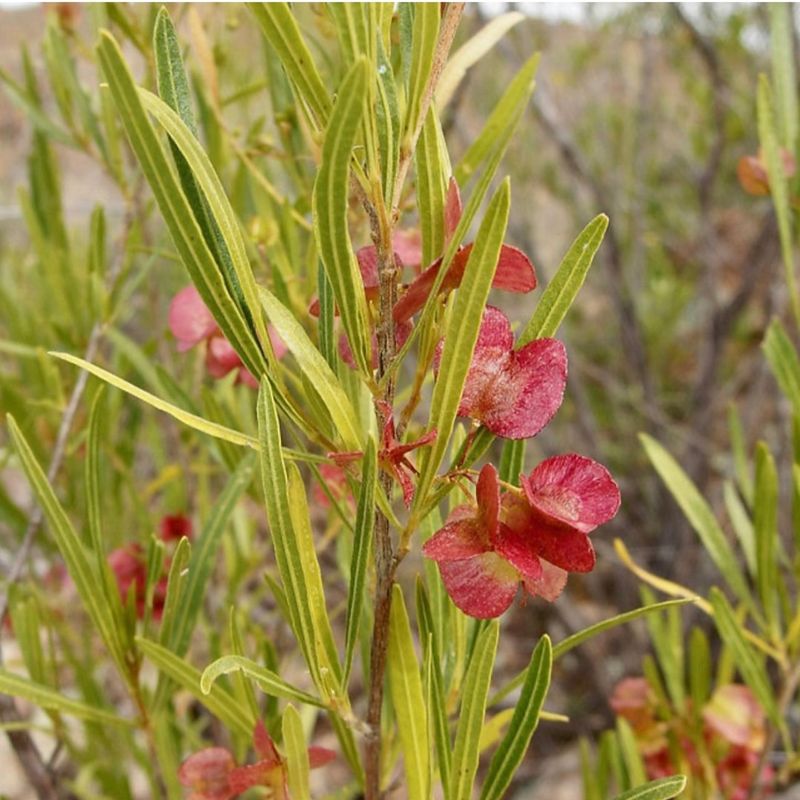
Known botanically as Dodonaea viscosa, this evergreen shrub can reach eight to ten feet tall and nearly as wide, making it a reliable choice for homeowners who want a living screen without waiting years to see results.
The glossy, narrow leaves stay green through hottest summers, and the papery seed pods that appear in late spring add a layer of visual interest that most screening shrubs simply do not offer.
Hop bush handles full sun and reflected heat from block walls and concrete surfaces without much complaint. It works well in gravel beds, along driveways, and in tight side yards where water-hungry plants would struggle.
During establishment, which typically takes one to two Arizona growing seasons, consistent deep watering every week or two helps the root system develop properly.
Once settled in, hop bush becomes impressively self-sufficient and rarely needs supplemental irrigation except during extended dry stretches.
Spacing plants about five to six feet apart allows them to fill in without becoming overcrowded. Light pruning keeps the shape tidy, though hop bush looks attractive even when left to grow naturally.
Purple-leafed varieties like ‘Purpurea’ add extra color contrast against tan gravel and adobe-toned walls that are common throughout Arizona neighborhoods.
2. Arizona Rosewood Brings Dense Native Privacy
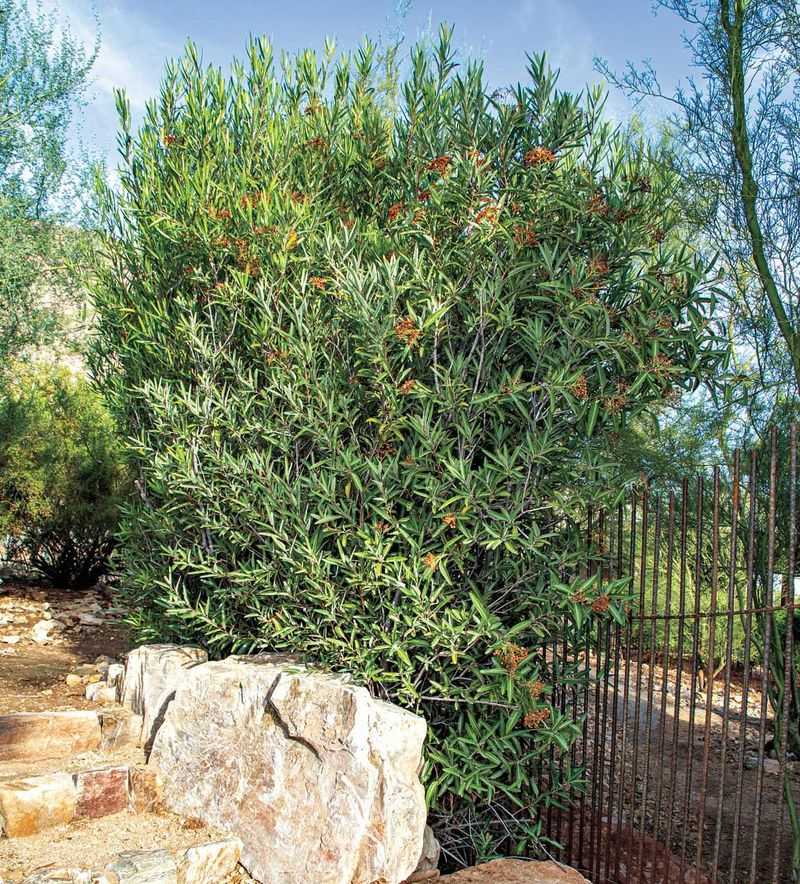
Some shrubs earn their place in Arizona landscapes simply by being from here. Arizona rosewood, or Vauquelinia californica, is a native evergreen that grows naturally in rocky canyon slopes and desert mountain foothills across the region.
That native heritage means it already understands intense sun, low rainfall, and temperature swings without needing much help from the gardener.
The dark green, serrated leaves stay on the plant through every season, providing a dense, full screen that looks polished even without formal shearing.
Mature plants can reach ten to fifteen feet tall, which makes Arizona rosewood one of the more substantial privacy options available to desert homeowners.
White flower clusters appear in late spring and attract native pollinators, adding seasonal charm to what is already a hardworking landscape plant.
The textured foliage creates a visually rich backdrop that complements both desert-style and more traditional garden designs.
Your Arizona Garden Changes Every Week. Your Plan Should Too.
Gardening in Arizona changes quickly throughout the season. Every Friday you’ll receive a simple weekly plan showing exactly what to plant, prune, fertilize, harvest, and protect so you never miss the right timing.
Placement along back property lines, beside block walls, or at the edge of patios works well because the plant’s upright, multi-stemmed form fills vertical space efficiently.
During the first two years after planting, deep watering every ten to fourteen days encourages strong root development.
Established Arizona rosewood is notably tough and handles extended dry periods better than many non-native alternatives, making it a smart long-term investment for low-water yards.
3. Texas Sage Adds Silver Color Year-Round
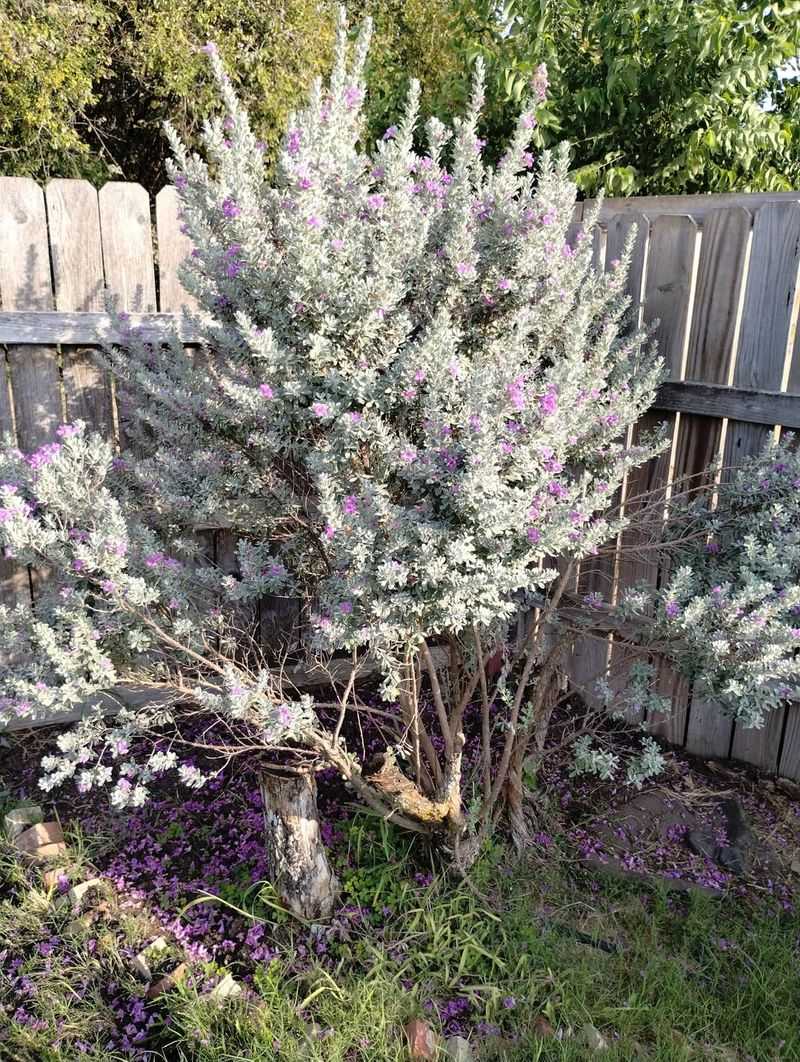
Walk past a Texas sage in bloom after an monsoon rain and it is hard not to stop and stare.
Leucophyllum frutescens responds to humidity and summer rainfall by bursting into purple, pink, or white flowers seemingly overnight, earning it the nickname barometer bush among longtime Arizona gardeners.
Even when it is not flowering, the soft silver-gray foliage holds its own as a year-round textural element that few other desert shrubs can match.
Texas sage grows four to eight feet tall depending on the variety, making it well suited for mid-height privacy screens along front yards, patios, and property lines.
The silvery leaves reflect intense sunlight rather than absorbing it, which helps the plant manage summer heat with minimal stress.
It thrives in full sun and actually performs better in lean, well-drained soils than in rich or amended beds, so gravel mulch and caliche-heavy Arizona soils suit it well.
Overwatering is the most common mistake homeowners make with Texas sage. Too much irrigation leads to leggy growth and reduces flowering.
During establishment, watering every ten to fourteen days is reasonable, but once rooted, once or twice a month during the hottest months is often enough.
Compact varieties like ‘Green Cloud’ and ‘White Cloud’ fit smaller spaces while still delivering the silvery texture and seasonal color that make this shrub so popular throughout Arizona.
4. Chihuahuan Sage Softens Hot Property Lines
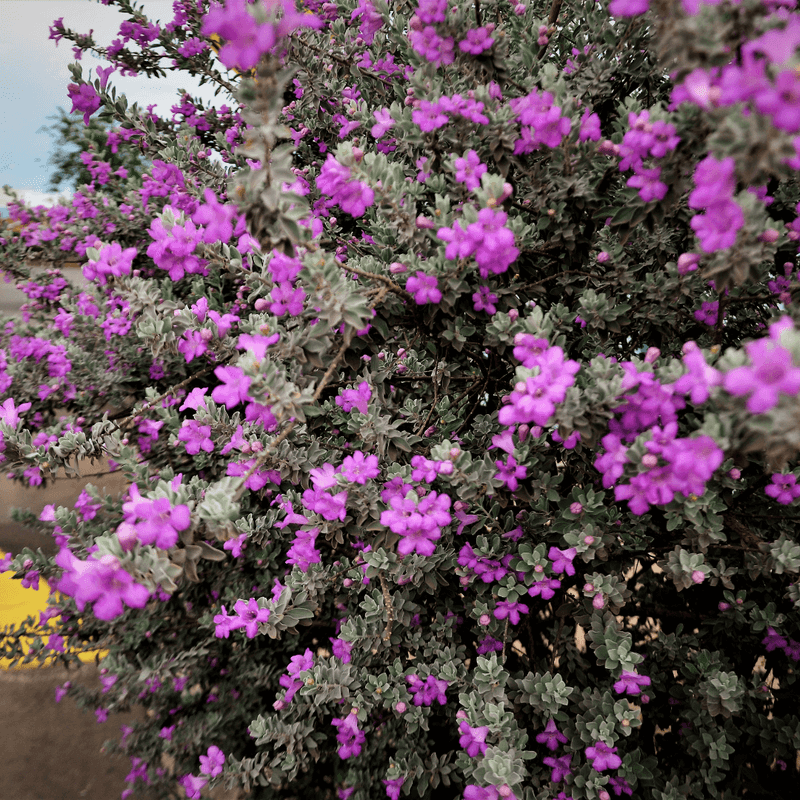
Hot property lines in Arizona need plants that can handle reflected heat, poor soil, and long stretches without rain.
Leucophyllum laevigatum, commonly called Chihuahuan sage, steps into that role with a lighter, more open texture than its cousin Texas sage, giving it an airy quality that softens hard edges like walls, fences, and paved borders.
The fine-textured silvery foliage moves gently in the breeze and catches light in a way that makes even a dry summer border feel a bit more alive.
Chihuahuan sage typically grows four to six feet tall and equally wide, which makes it useful for creating a soft, semi-transparent screen rather than a solid wall of foliage.
Lavender flowers appear repeatedly through the warm season, especially after monsoon humidity arrives, and they attract hummingbirds and native bees.
The overall appearance stays tidy with minimal pruning, and the plant holds its silvery leaves through most winters without significant drop.
This shrub fits naturally into desert-style borders, gravel beds, and side yards where a softer look is preferred over a dense hedge. Spacing plants four to five feet apart allows them to develop their natural rounded form.
During the first growing season, consistent deep watering helps roots anchor well, but established Chihuahuan sage is quite independent and handles Arizona’s dry spells without much intervention from the homeowner.
5. Creosote Bush Fits Natural Desert Screens
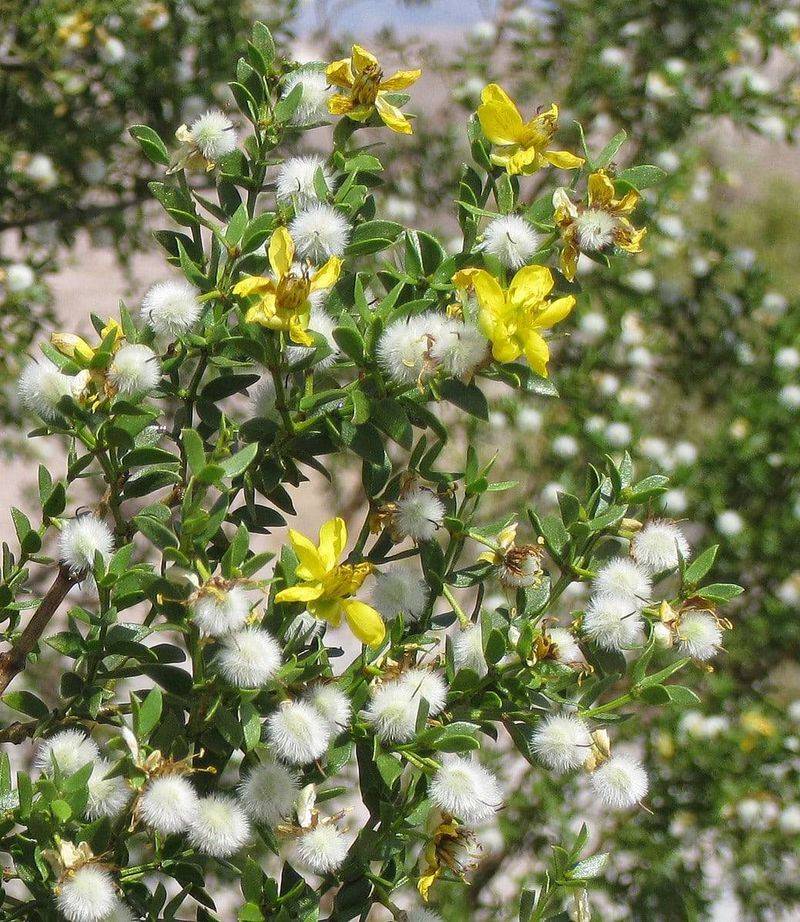
There is something deeply honest about using creosote bush in a privacy planting.
Larrea tridentata has been growing across the Sonoran Desert for thousands of years, and its presence in a yard signals a commitment to working with the land rather than against it.
The small, resinous leaves stay on the plant year-round, giving off that distinctive earthy fragrance after rainfall that so many Arizona residents associate with the desert coming back to life after a dry stretch.
Creosote bush grows four to eight feet tall in landscape settings and develops a naturally upright, somewhat open form that works well for loosely spaced screens along back property lines and natural desert borders.
Yellow flowers appear in spring and sometimes again after summer monsoons, adding cheerful seasonal color without any effort from the gardener.
The plant’s deep root system makes it remarkably independent once established, as it has evolved to find moisture in even the driest soils.
Because creosote bush has a more open branching structure than some other privacy shrubs, planting multiple specimens closer together, roughly three to four feet apart, creates a more effective screen.
Establishment watering every two weeks during the first year supports healthy root growth, but overwatering can cause problems, so restraint matters.
Creosote bush fits best in naturalistic Arizona landscapes where a wild, authentic desert aesthetic is the goal rather than a formal hedge.
6. Jojoba Builds Tough Evergreen Structure
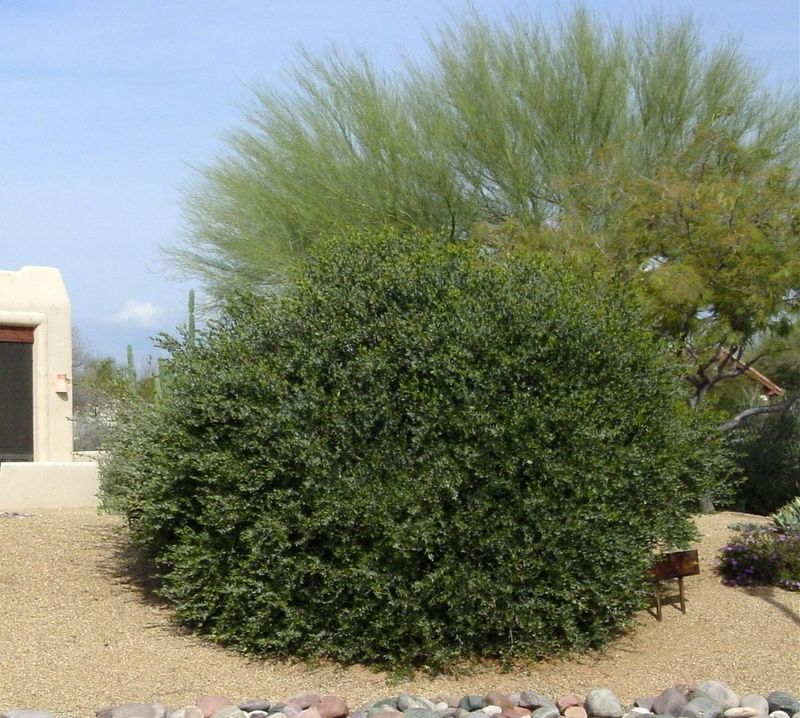
Reliability is one of the most underrated qualities in a privacy shrub, and jojoba has it in abundance.
Simmondsia chinensis is a native Arizona evergreen that holds its stiff, blue-green leaves through summer heat, winter cold, and extended dry periods without flinching.
The waxy leaf coating reduces water loss, which is exactly the kind of built-in efficiency that makes jojoba such a practical choice for homeowners managing low-water landscapes along property lines, driveways, and back yards.
Jojoba typically grows five to eight feet tall and wide, forming a dense, rounded shrub that provides solid screening without requiring constant shaping.
Male and female plants produce small flowers in late winter and early spring, and female plants follow with acorn-like seeds that are attractive to wildlife and have historically been used for oil production.
The overall texture is substantial and formal enough to work along structured borders while still feeling at home in naturalistic desert settings.
Full sun is where jojoba performs best, and it handles reflected heat from walls and paving without much stress. Spacing plants four to six feet apart creates a continuous screen over time.
New transplants benefit from deep watering every one to two weeks during the first growing season.
Once established, jojoba is notably independent and rarely needs supplemental irrigation except during Arizona’s driest stretches in late spring before monsoon season arrives.
7. Bush Dalea Adds Color To Dry Borders
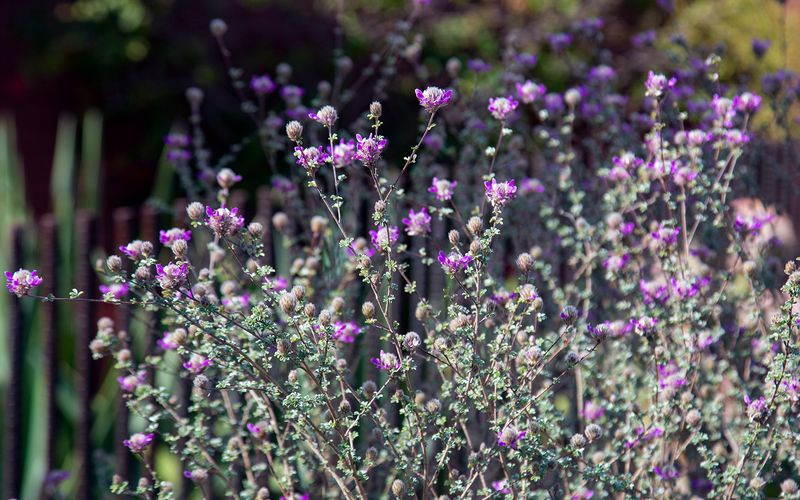
Color and toughness do not always come together in desert landscaping, but bush dalea manages both without demanding extra attention.
Dalea pulchra is a native Arizona shrub with fine, silvery-green foliage and clusters of purple flowers that bloom in late winter and early spring, often when most other plants in the yard are still dormant.
That early color makes it especially valuable along property lines, patios, and dry borders where visual interest tends to disappear during cooler months.
Bush dalea grows three to five feet tall and wide, which makes it better suited for mid-height screens and layered plantings than for tall privacy walls.
It works beautifully when combined with taller shrubs like jojoba or Arizona rosewood, filling in the lower section of a border while the taller plants handle overhead screening.
The fine texture of the foliage contrasts nicely with broader-leafed neighbors and adds a soft, naturalistic quality to desert garden designs throughout Arizona.
This shrub thrives in full sun and well-drained soil, including the rocky, gravelly conditions common across many properties. It handles reflected heat reasonably well and does not need rich soil amendments to perform.
During establishment, watering every ten to fourteen days encourages root development, but once anchored, bush dalea is quite self-sufficient.
Light pruning after flowering keeps the shape tidy and may encourage a second flush of blooms during the summer monsoon season.
8. Woolly Butterfly Bush Brings Soft Texture
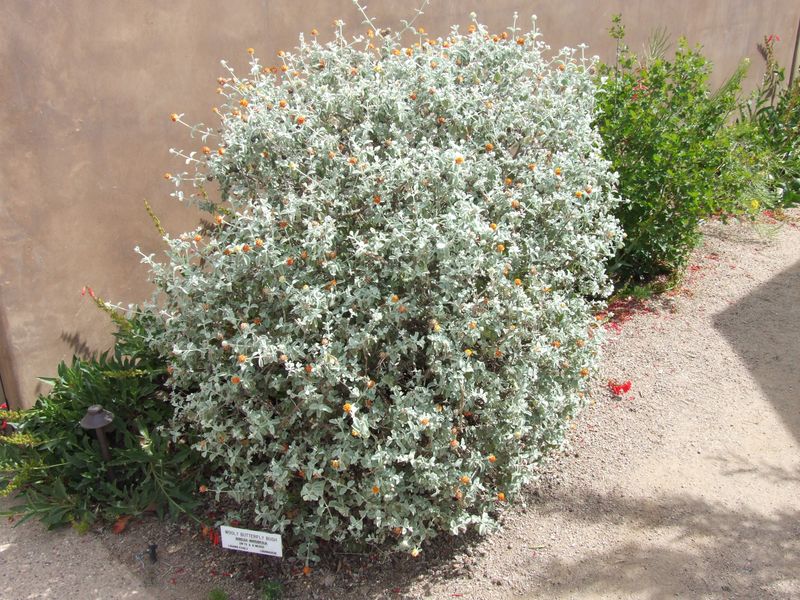
Not every privacy shrub needs to look sharp and structured.
Buddleja marrubifolia, commonly called woolly butterfly bush, brings a softer, almost dreamy quality to Arizona gardens with its white, woolly leaves and small orange flower clusters that appear through the warm months.
The velvety texture of the foliage catches sunlight in a way that makes it glow against darker backgrounds, and the overall effect is more sculptural than hedgelike, which suits certain Arizona garden styles beautifully.
Woolly butterfly bush grows four to six feet tall and wide, making it useful as a mid-height privacy filler or as a front-row plant in a layered desert border.
It is native to the Chihuahuan Desert and handles intense sun, heat, and dry conditions without significant stress.
Butterflies and hummingbirds visit the flowers regularly during the blooming season, adding a lively, nature-friendly dimension to yards and patios where wildlife activity is welcome.
This shrub suits open sunny spots along property lines, side yards, and gravel beds where its silvery foliage can be appreciated up close.
Soil drainage matters more than soil richness for woolly butterfly bush, so raised gravel beds and rocky borders actually suit it well.
Establishment watering every ten to fourteen days during the first season supports healthy root growth.
Once established, the plant is impressively independent and handles Arizona’s dry spells without requiring frequent intervention from the homeowner.