How To Water California Avocado Trees For A Bigger Healthier Harvest
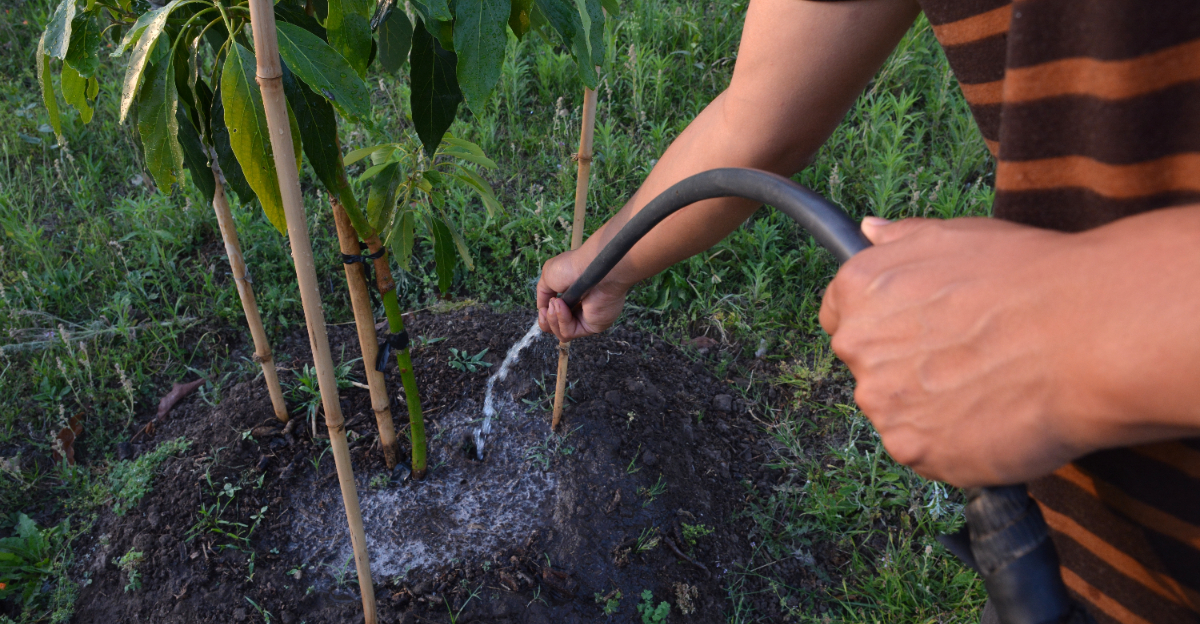
Avocado trees are not the kind of plants you can water on autopilot and hope for the best. They look calm enough, sure, but their roots are picky little managers hiding under the soil. In California, that matters even more once warm weather starts pulling moisture out fast.
Too little water can stress the tree before fruit has a fair chance to size up. Too much water can make the roots unhappy, which is a whole different mess. The confusing part is that both problems can show up in sneaky ways.
Leaves may droop, fruit may drop, or new growth may slow down just when you expected the tree to shine.
A better harvest often starts with reading the tree and the soil more closely. Avocados can be generous, but they like steady care. Get the watering rhythm right, and the whole tree has a better shot at staying strong.
1. Deep Watering Builds A Stronger Root Zone
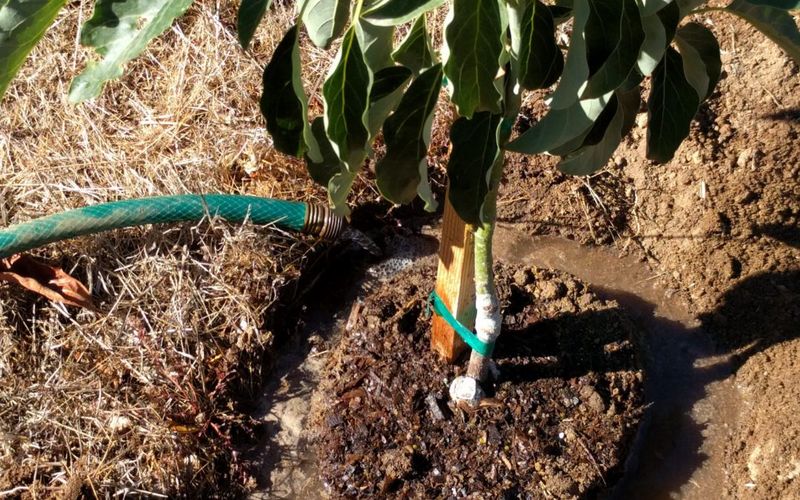
Most people water their avocado trees too fast and too shallow. A quick sprinkle on the surface barely reaches the roots and leaves the tree thirsty. Deep watering changes that completely.
When you water slowly and deeply, moisture travels down into the soil where the roots actually grow.
Avocado roots spread wide and stay in the top 12 to 24 inches of soil. Giving water time to soak down to that depth encourages roots to grow outward and anchor the tree better.
A slow drip system or soaker hose works really well for this. Run it for a longer period rather than a short burst. You want the soil to feel moist about 18 inches down after a good watering session.
Stick a long screwdriver or soil probe into the ground after watering. If it slides in easily, the moisture is reaching the right depth. If it hits resistance quickly, the water is not going deep enough.
Deep watering also helps the tree handle heat and dry spells better. Roots that have learned to grow deeper are more stable and less affected by surface dryness.
Over time, this simple habit builds a root system that supports bigger fruit production and keeps the tree looking strong and green through even the driest months of the year.
2. Shallow Sprinkling Leaves Avocados Struggling
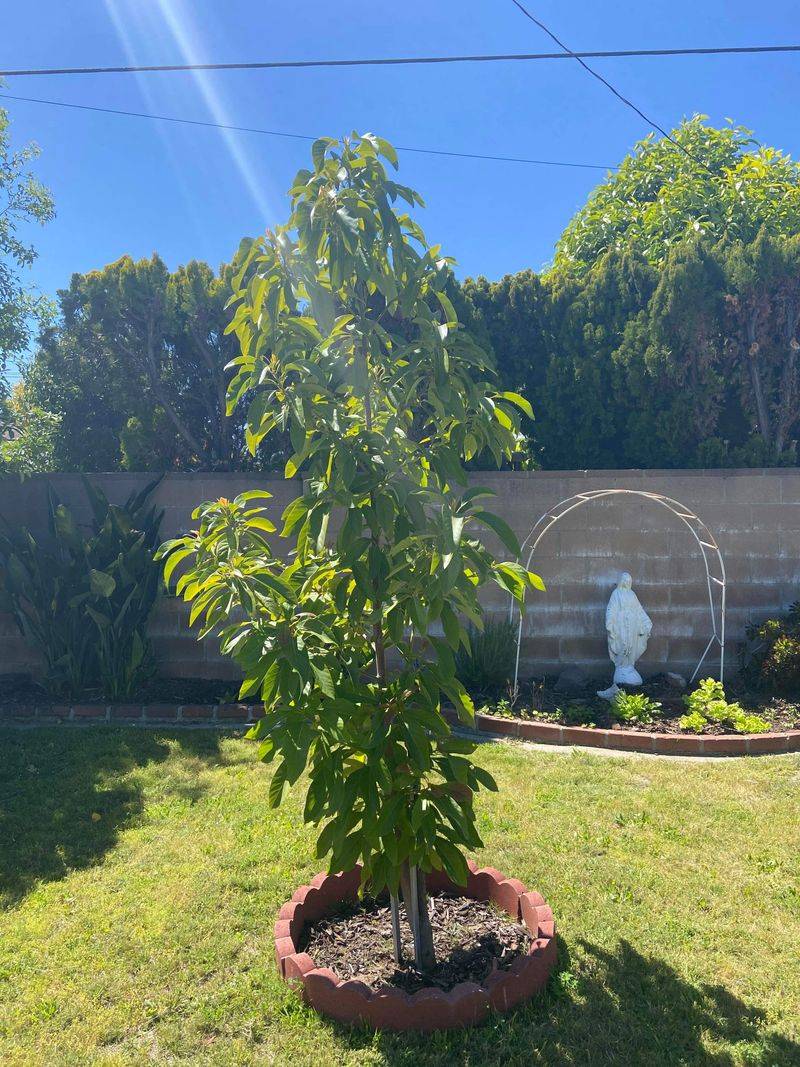
It might seem like any watering is better than none, but shallow sprinkling can actually set your avocado tree back.
When only the top inch or two of soil gets wet, roots start growing upward toward the surface instead of spreading out properly.
Surface roots are fragile. They dry out fast when temperatures rise and get damaged easily by foot traffic or lawn equipment. A tree with mostly surface roots struggles to take in enough nutrients and water to support a full harvest.
Shallow watering also creates a false sense of security. The soil looks moist on top, but just a few inches down it can be bone dry. Your tree is quietly stressed even when it looks okay from the outside.
Signs of poor watering depth include small or wrinkled fruit, premature fruit drop, and leaves that curl at the edges during warm afternoons. These are the tree telling you it needs more consistent moisture at the right depth.
Your California Garden Changes Every Week. Your Plan Should Too.
Gardening in California changes quickly throughout the season. Every Friday you’ll receive a simple weekly plan showing exactly what to plant, prune, fertilize, harvest, and protect so you never miss the right timing.
Switching from a sprinkler to a drip system or soaker hose is one of the easiest fixes. Position emitters about 18 to 24 inches away from the trunk and let water run long enough to soak the soil thoroughly. Check depth with a probe or screwdriver regularly.
Making this one change can noticeably improve fruit size and tree health within a single growing season.
3. Young Trees Need More Frequent Watering
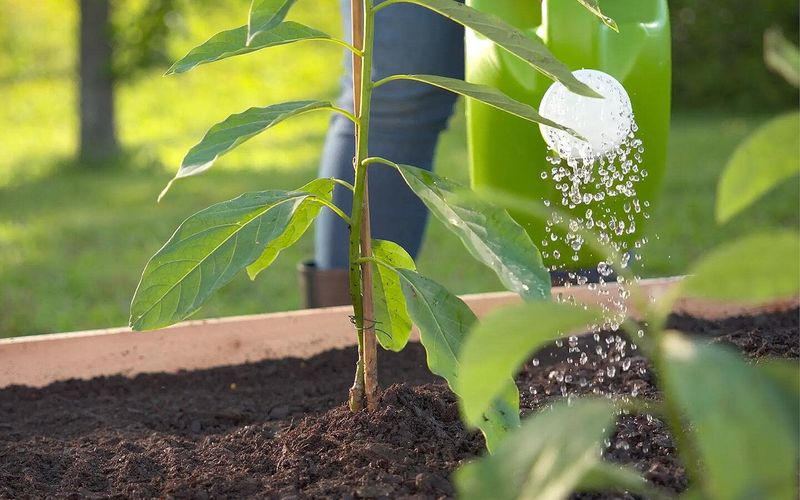
Freshly planted avocado trees are in a vulnerable stage. Their root systems are still small and have not yet spread out to gather moisture from a wide area. That means they depend entirely on what you give them.
For the first year or two, plan on watering young trees every two to three days during warm months. In cooler weather, you can stretch that to every four or five days. The goal is to keep the soil consistently moist but never waterlogged.
Young roots cannot handle standing water. Too much moisture around the base invites root rot, which spreads fast in our warm soil. Always check that water drains away within a few hours of watering.
Use a small watering ring or berm around the base of the tree to direct water inward. This keeps moisture focused right where the roots are growing instead of spreading across the surrounding soil where it is not needed yet.
As the tree grows through its second and third year, you can gradually reduce watering frequency.
The roots will be spreading wider by then and can pull moisture from a larger area. Slowly backing off encourages deeper root growth.
Think of frequent early watering as an investment. Getting a young tree established with strong, healthy roots in those first two years pays off in a much more productive and resilient tree for the decades ahead.
4. Mature Trees Need A Wider Soak
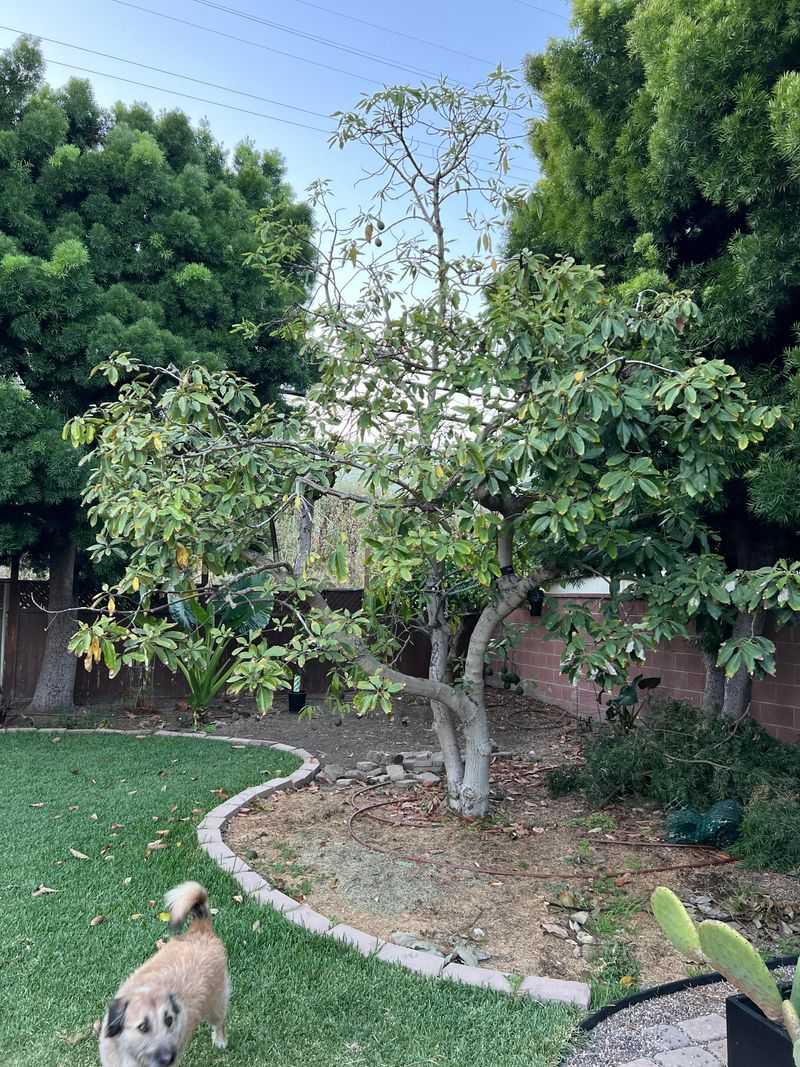
Once an avocado tree is fully grown, its roots can spread two to three times wider than the canopy. Watering only near the trunk at that point is like pouring water in the wrong room. Most of the active roots are far out from the base.
For mature trees, move your drip emitters or soaker hose out to what is called the drip line. That is the outer edge of the canopy where rain would naturally fall off the leaves. This is where the feeder roots are busiest and where moisture does the most good.
A good deep soak for a mature tree means running water long enough to wet the soil 18 to 24 inches down across that entire outer zone. Depending on your soil type, this might take several hours with a drip system.
Sandy soils drain fast and may need more frequent watering. Clay soils hold water longer but can become waterlogged if you overdo it. Knowing your soil type helps you dial in the right schedule for your specific tree.
Most established avocado trees in our state do well with a deep watering every seven to ten days during the growing season.
In summer heat, you may need to water every five to seven days. Adjusting based on season and weather keeps the tree from sitting in stress for too long between sessions, which directly supports a bigger and better fruit set.
5. Mulch Keeps Avocado Roots Cooler
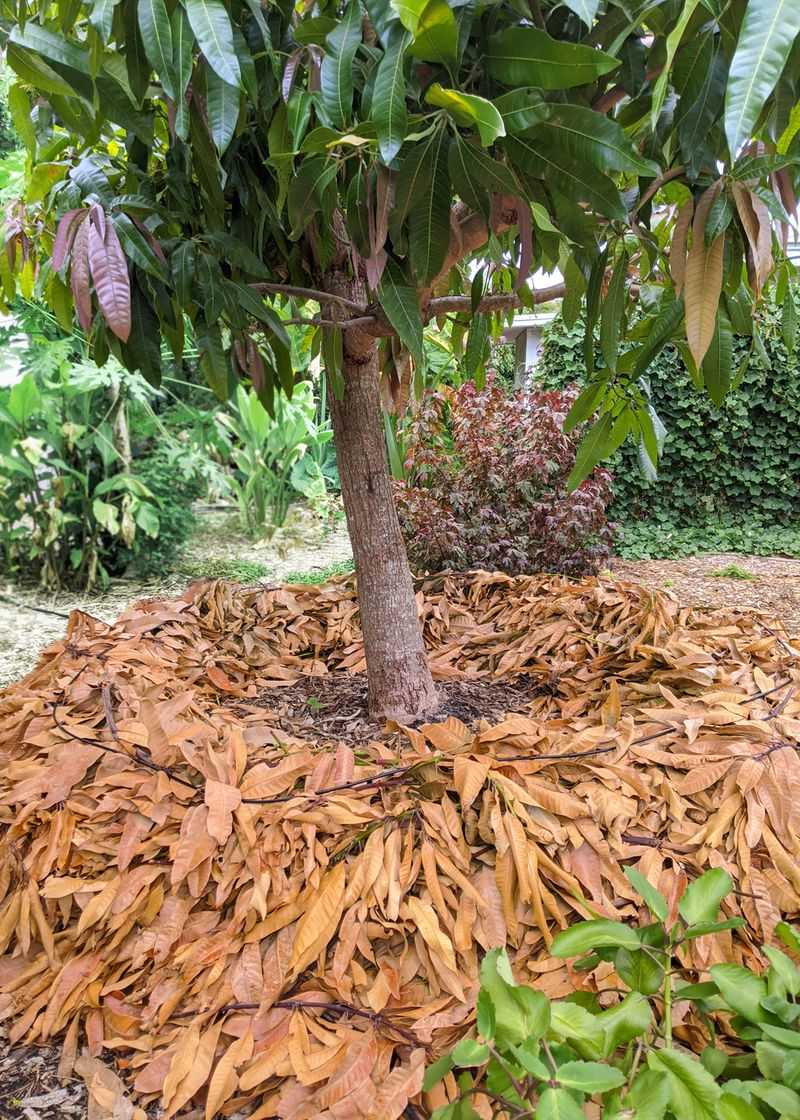
Here is something many avocado growers overlook: what you put on top of the soil matters almost as much as how you water. A good layer of mulch can completely change how your tree handles heat and drought.
Mulch acts like a blanket for the soil. It slows down evaporation so moisture stays in the ground longer after each watering.
That means your tree has access to water for more days between sessions, which reduces stress during hot spells.
Wood chips are one of the best mulch options for avocado trees. Spread a layer about three to four inches thick starting about six inches away from the trunk. Keeping mulch away from the trunk prevents moisture buildup that could lead to crown rot.
Mulch also keeps soil temperatures lower during summer. Avocado roots are sensitive to heat, and soil that gets too hot near the surface can slow down nutrient uptake. Cooler roots stay more active and support better fruit development throughout the season.
As wood chip mulch breaks down over time, it also adds organic matter to the soil. This improves soil structure, helps with drainage, and feeds the beneficial microbes that keep your tree healthy from the ground up.
Refreshing your mulch layer once or twice a year keeps all these benefits working at full strength.
It is a low-effort habit that delivers real results in fruit size and tree vitality over the long run.
6. Good Drainage Matters As Much As Water
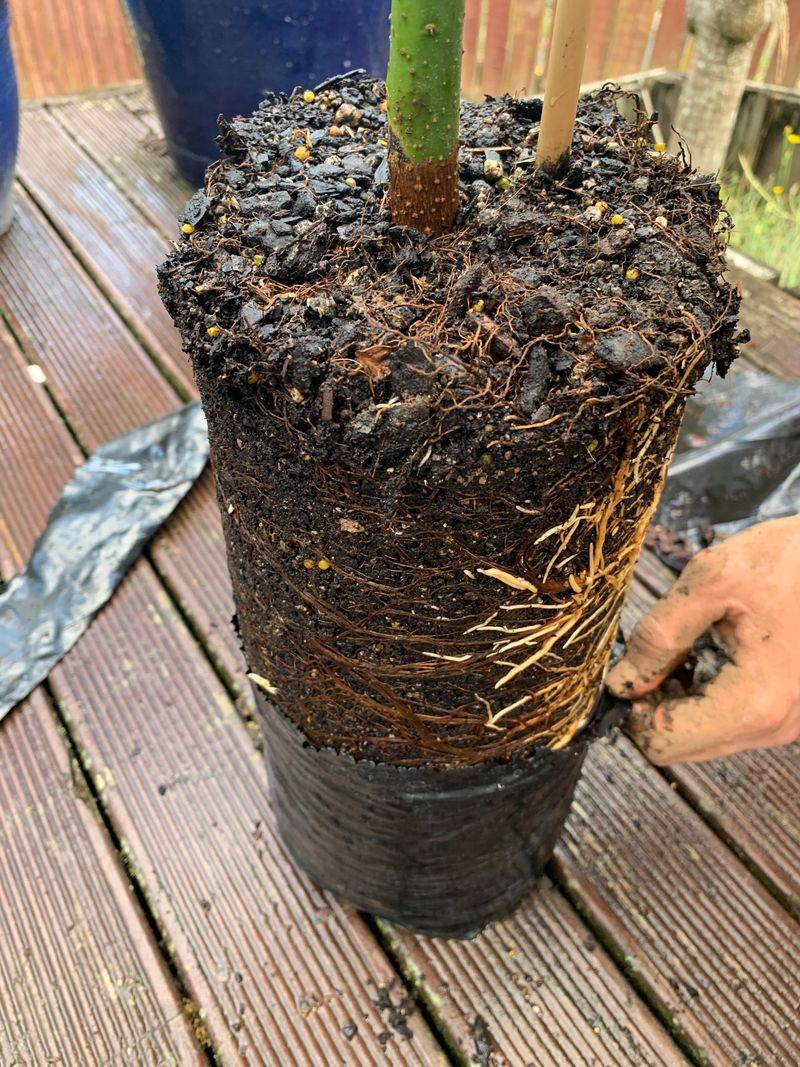
Avocado trees have a complicated relationship with water. They need consistent moisture, but they absolutely cannot tolerate soggy soil. Root rot caused by standing water is one of the most common reasons avocado trees decline in our state.
The fungus responsible for root rot, called Phytophthora, thrives in wet, poorly drained soil.
Once it takes hold, it spreads through the root system and cuts off the tree’s ability to absorb water and nutrients. The tree begins showing stress even when the soil is moist.
Before planting or adjusting your watering routine, test how well your soil drains. Dig a hole about 12 inches deep and fill it with water.
If the water drains away within an hour or two, drainage is good. If it sits for several hours, you have a drainage problem to fix first.
Raised planting beds, amended soil, and even small mounds can help improve drainage in areas with heavy clay. Adding compost or coarse sand to clay soil opens it up and lets water move through more freely.
Established trees in poor drainage areas benefit from reducing watering frequency and checking soil moisture before each session. Never water on a set schedule alone. Always feel the soil first.
If the top few inches are still damp, wait another day or two. Matching your watering to actual soil conditions rather than a fixed calendar is one of the smartest habits any avocado grower can build.
7. Hot Weather Calls For Closer Soil Checks
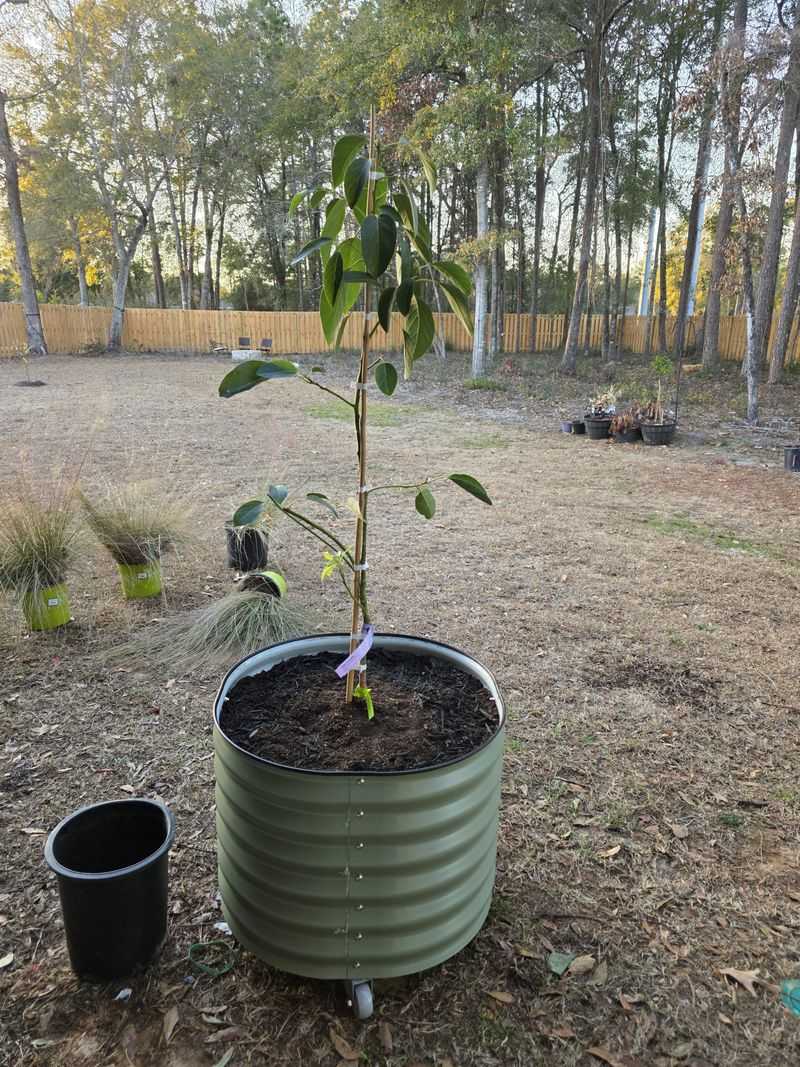
Summer in our state can push temperatures well past 90 or even 100 degrees for days at a time.
During heat waves like these, your avocado tree’s water needs can change almost overnight. Sticking to a regular schedule without checking the soil first is a mistake.
Heat speeds up evaporation from the soil surface and pulls moisture out of leaves faster than normal. Even if you watered two days ago, a stretch of extreme heat can leave the root zone surprisingly dry.
A simple soil moisture meter is one of the most useful tools you can keep in your garden shed.
Push the probe about 6 to 8 inches into the soil near the drip line. If the reading shows dry or borderline, water right away. Do not wait for the scheduled day.
Wilting leaves are another signal to watch for. Avocado leaves droop slightly in extreme afternoon heat even in well-watered trees, but if they do not perk back up by morning, the tree needs water.
Watering in the early morning during hot weather gives moisture time to soak in before the heat of the day causes rapid evaporation.
Evening watering is a second option, though morning is preferred. During a heat wave, checking soil every single day is not overkill.
It is exactly the kind of attention that protects fruit set and keeps your tree from shedding its crop under stress.
8. Consistent Moisture Helps Fruit Hold Better
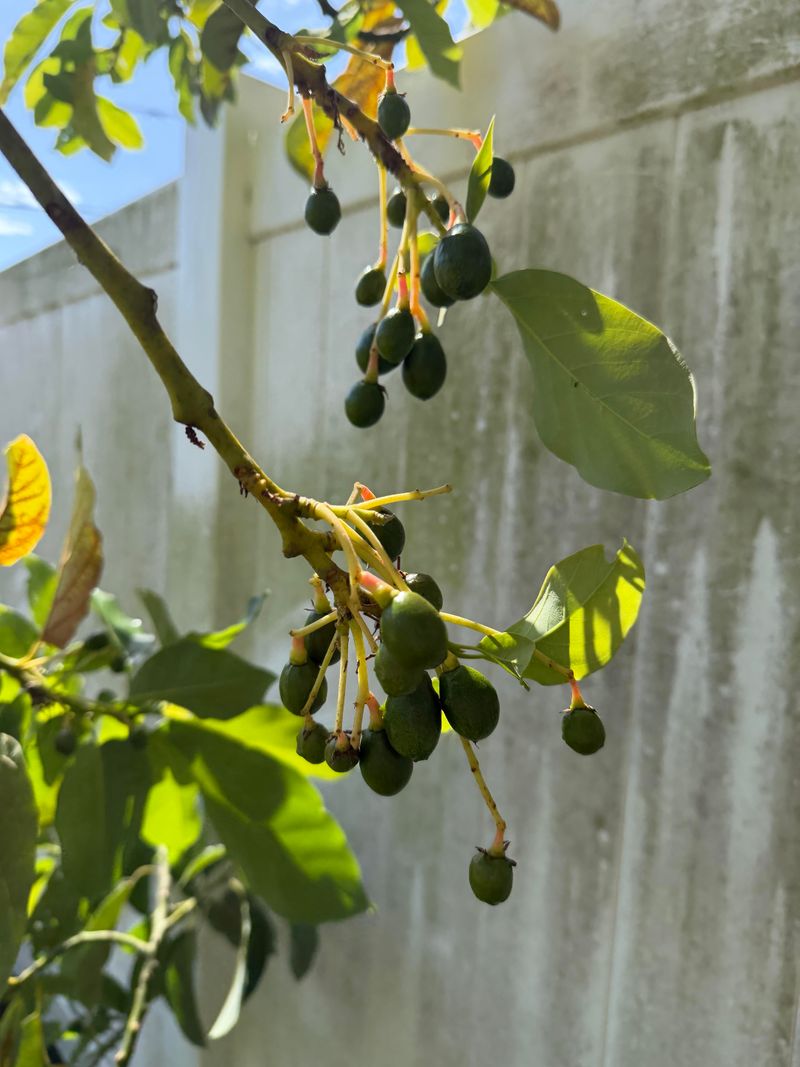
One of the most frustrating things for avocado growers is watching fruit drop before it is ready to harvest. Inconsistent watering is one of the leading causes of early fruit drop, and it is completely preventable.
Avocado fruit develops over many months. During that long growing period, the tree needs a steady and reliable supply of moisture.
Swinging between too dry and too wet puts the tree under stress, and one of its first responses is to drop some of its fruit load.
Think of consistent watering as giving the tree permission to hold onto its fruit. When the root zone stays evenly moist, the tree has the resources it needs to keep feeding every developing avocado on the branch.
Setting up an automatic drip irrigation system is one of the best ways to maintain that consistency.
Timers remove the guesswork and make sure your tree gets water even when you are busy or away from home. Pair automation with regular soil checks to make sure the system is actually delivering enough moisture at the right depth.
Fruit that develops under consistent moisture conditions also tends to be larger and richer in flavor.
The oils that give avocados their creamy texture build up more fully when the tree is not stressed.
Every watering session you do with care and intention is a direct investment in the quality and quantity of your harvest. Small, steady habits add up to a noticeably better crop year after year.