This Texas Plant Handles Full Sun And Still Looks Fresh When Everything Else Wilts
Full sun in a Texas summer is not the same as full sun anywhere else. It is relentless, intense, and paired with heat that pushes most plants to their limits by early afternoon.
The common advice is to look for sun tolerant plants, but sun tolerant and heat tolerant are not always the same thing, and that distinction becomes very clear when temperatures stay above 100 degrees for days at a stretch.
Most plants that handle full sun in milder climates still show the stress here, dropping leaves, fading in color, or going limp during the hottest part of the day.
There is one Texas plant that genuinely does not care. It stays upright, keeps its color, and looks almost indifferent to conditions that have the rest of the garden waving a white flag.
If you have a hot exposed spot that has defeated everything you have tried, this plant deserves serious consideration.
1. Turk’s Cap Is The Texas Plant That Refuses To Look Heat-Stressed
Walk through almost any Texas neighborhood in July, and you will notice most garden plants looking tired, pale, and droopy. Then you spot one plant that looks completely unbothered.
That plant is almost certainly Turk’s Cap, a tough native perennial that has been thriving in Texas landscapes for generations.
Turk’s Cap, known scientifically as Malvaviscus arboreus var. drummondii, is native to central and south Texas. It grows naturally in hot, dry conditions, which makes it perfectly suited for the kind of summers that send most ornamental plants into shock.
Texas gardeners who have tried and failed with tropical plants often find Turk’s Cap to be a refreshing change of pace.
What really sets it apart is how good it looks even when the heat is relentless. The leaves stay a rich, deep green.
The twisted red flowers keep popping up. There is no wilting, no yellowing, and no dramatic collapse after a stretch of hot dry days. It just keeps going.
Many common landscape plants, like impatiens or certain ferns, need regular watering and shade to survive a Texas summer.
Turk’s Cap needs far less attention and still outperforms them in terms of visual appeal and staying power. It is the kind of plant that makes neighbors stop and ask what it is.
For anyone tired of replanting the same struggling flowers every season, Turk’s Cap offers a smarter, more satisfying option that fits naturally into the Texas landscape without constant care.
2. It Thrives In Brutal Texas Heat
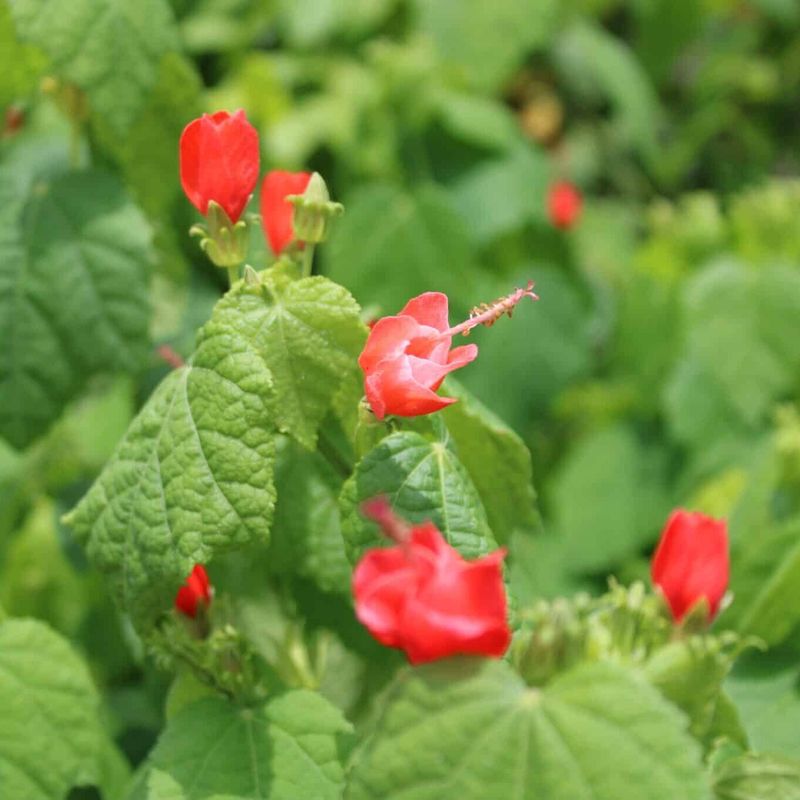
Triple-digit temperatures are not a rare event in Texas. They are practically a summer tradition.
Most garden plants hit a wall when the thermometer climbs that high, but Turk’s Cap barely notices. It keeps pushing out new growth and new flowers even when the heat feels unbearable.
One reason it handles extreme heat so well is that it evolved right here in Texas. It did not come from a tropical greenhouse or a milder climate somewhere else.
Your Texas Garden Changes Every Week. Your Plan Should Too.
Gardening in Texas changes quickly throughout the season. Every Friday you’ll receive a simple weekly plan showing exactly what to plant, prune, fertilize, harvest, and protect so you never miss the right timing.
It grew up in this heat, adapted to these soils, and learned to work with the seasons rather than fight them. That built-in toughness makes a real difference when summer gets serious.
Many non-native ornamentals look great in spring but start struggling by late June. They need extra water, afternoon shade, and careful attention just to survive.
Turk’s Cap skips all of that drama. Plant it in a sunny spot, give it some water while it gets established, and then let it do its thing.
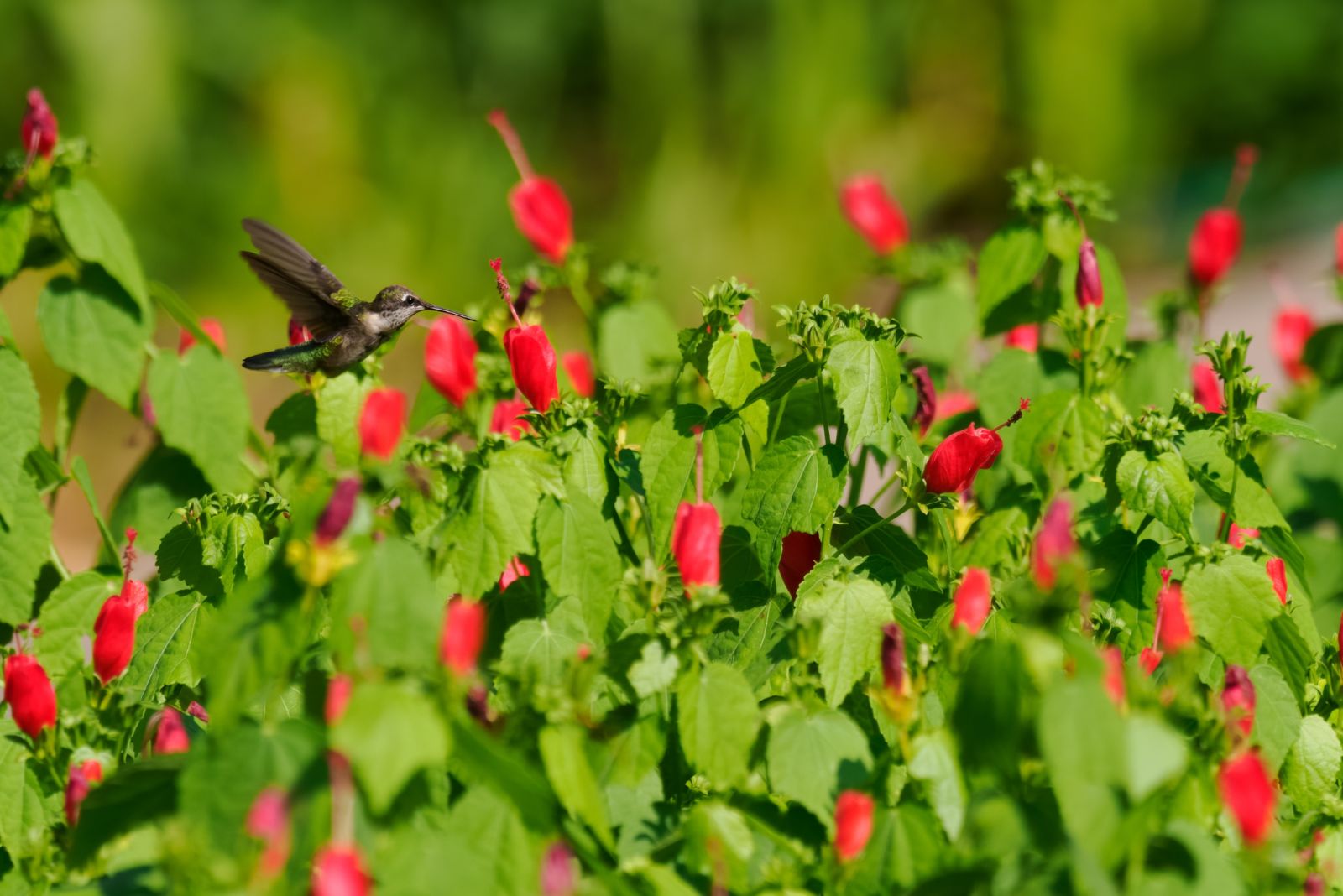
During long hot summers, it keeps blooming steadily. The flowers are not huge, but they are cheerful and bright, and hummingbirds absolutely love them.
Watching a hummingbird visit a Turk’s Cap plant on a hot August afternoon is one of those small garden moments that makes the whole effort worthwhile.
For Texas gardeners who want reliable summer performance without babying their plants, Turk’s Cap is one of the most dependable choices available. It earns its place in the landscape every single summer.
3. It Stays Green When Other Plants Wilt
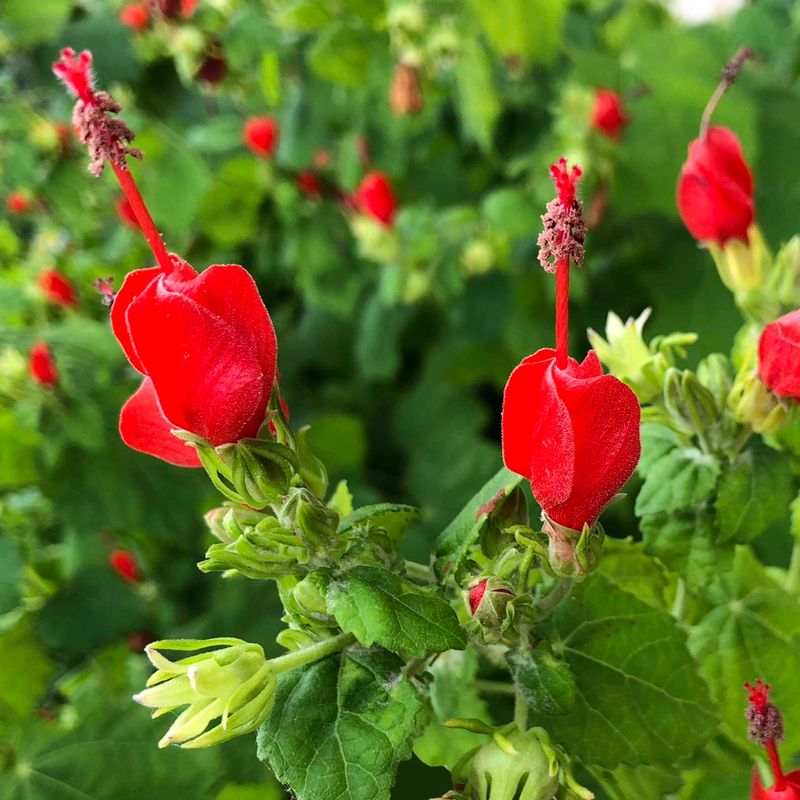
There is something almost magical about seeing a plant hold onto its rich green color during a Texas drought. Most plants start fading to yellow or olive when water gets scarce and temperatures stay high.
Turk’s Cap refuses to follow that pattern, and its dense leafy growth stays attractive even through extended dry spells.
The secret is partly in its roots. Turk’s Cap develops a strong root system over time that reaches deeper into the soil where moisture lingers longer.
That deep root access helps it stay hydrated even when the top few inches of soil are bone dry. The result is foliage that looks fresh and full when shallow-rooted plants nearby are struggling.
Its leaves are large and slightly textured, which gives the plant a lush, tropical feel without requiring the water that actual tropical plants demand.
When grouped together, several Turk’s Cap plants create a thick, layered look that makes a landscape feel full and intentional rather than sparse and stressed.
During a drought, many homeowners watch their yards turn brown and patchy. Turk’s Cap helps break up that dullness by staying green and visually interesting.
It does not need constant irrigation to maintain that appearance, which also helps reduce water bills during dry months.
Gardeners who have struggled to keep their yards looking decent through summer droughts often say Turk’s Cap was the plant that finally made the difference. Its staying power during dry conditions is one of its most appreciated and practical qualities.
4. It Blooms For Months With Very Little Effort
Most flowering plants have a peak season and then fade out. Turk’s Cap works differently.
It starts blooming in late spring and keeps producing flowers all the way through fall, giving you months of color without requiring much effort on your part. That kind of staying power is rare and genuinely valuable in a Texas garden.
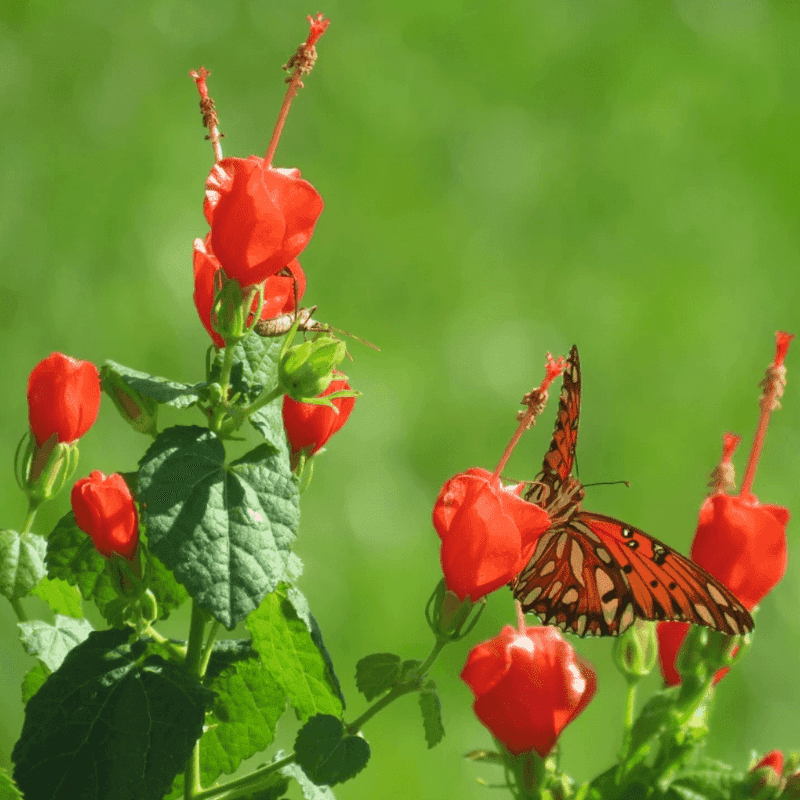
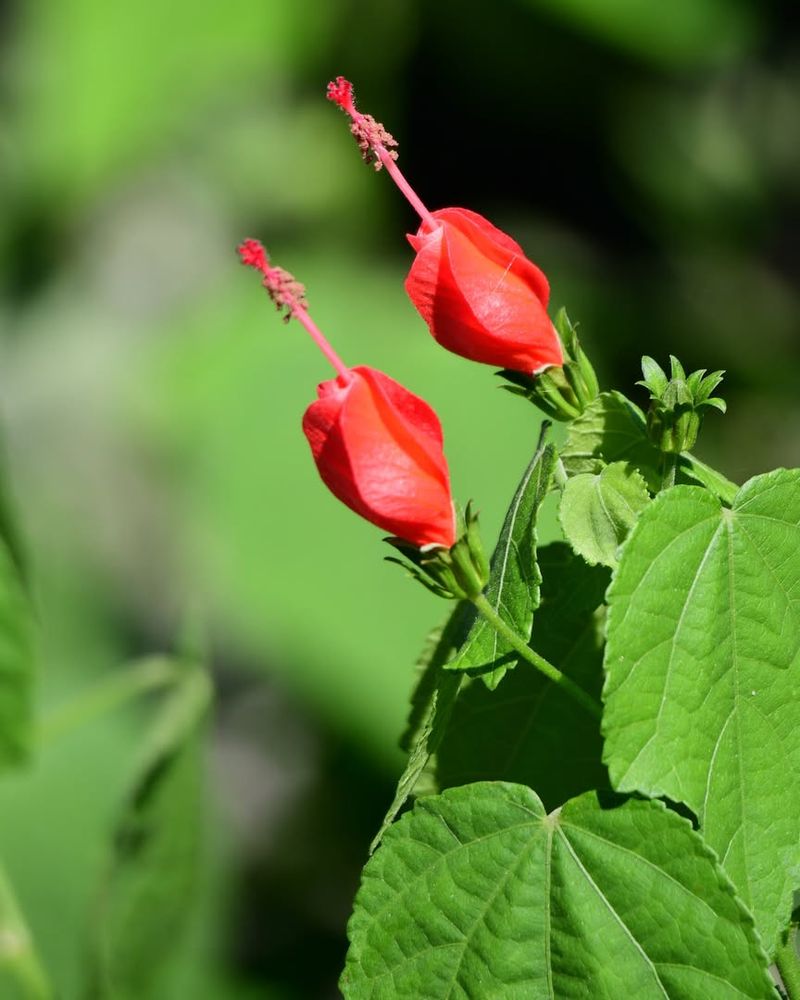
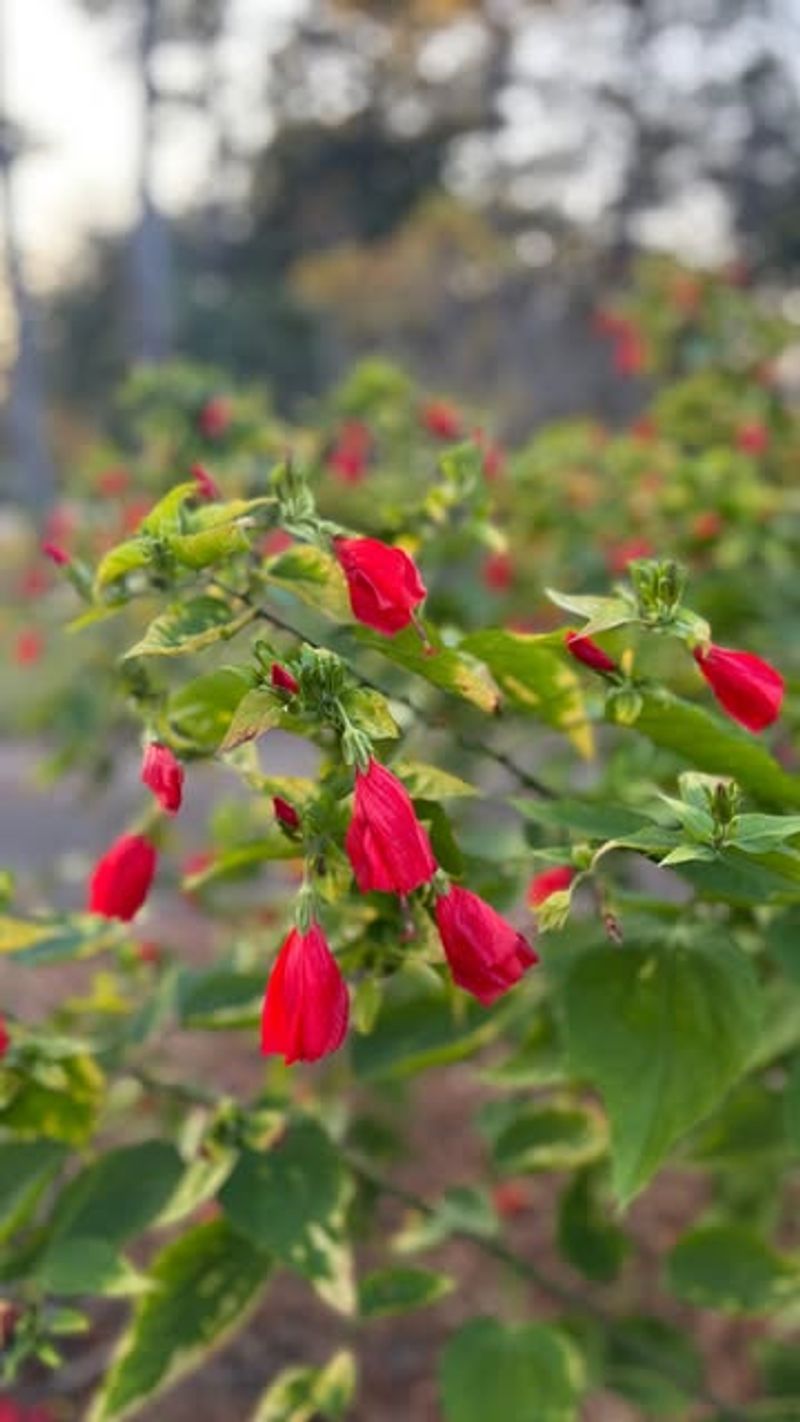
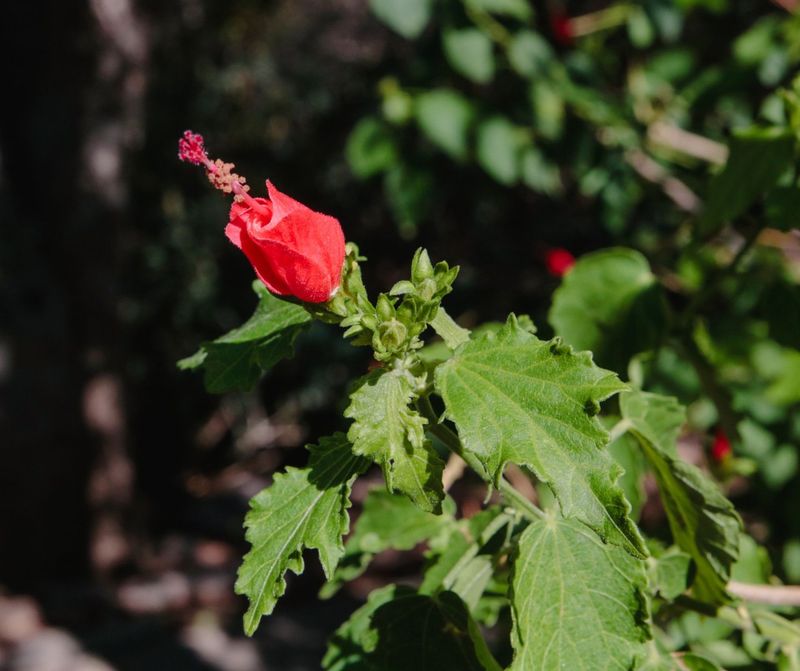
The flowers themselves are distinctive. They are bright red and twisted at the top, like a tiny turban, which is exactly how the plant got its name.
They never fully open the way a hibiscus does, but that partially closed shape is part of the charm. Hummingbirds are especially attracted to them, and you can expect regular visits throughout the blooming season.
Butterflies and bees also show up regularly, making Turk’s Cap a great choice for anyone who wants to support local pollinators. Planting it near a patio or window gives you a front-row seat to all that wildlife activity, which adds a lively, natural feel to the garden.
One of the best parts about growing Turk’s Cap is that you do not need to deadhead it constantly to keep it blooming.
Many flowering plants stop producing new flowers if you do not remove the spent ones, but Turk’s Cap keeps going on its own. That makes it a genuinely low-maintenance choice for busy homeowners.
After the flowers fade in fall, small red fruits appear that birds enjoy. So even after the bloom season ends, the plant continues contributing to your yard in a meaningful way.
5. It Handles Shade Better Than Many Heat-Loving Plants
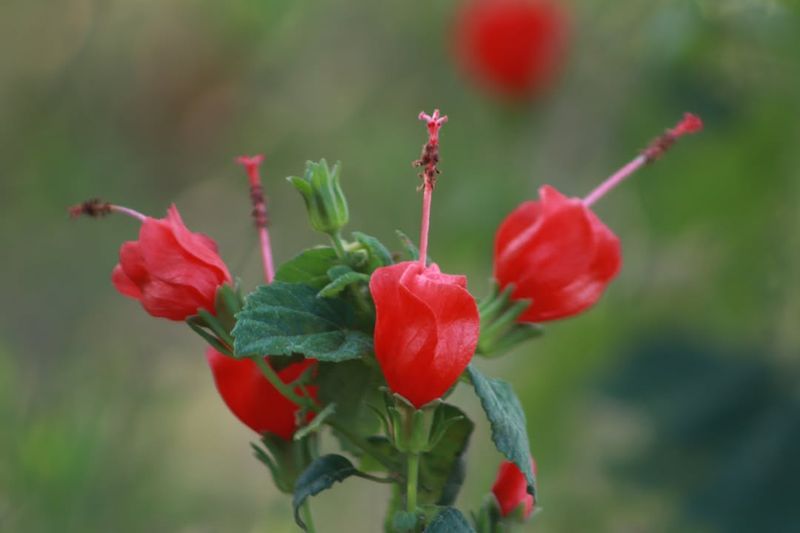
Here is something that surprises a lot of gardeners: Turk’s Cap does not need full sun to perform well. Most plants marketed as heat lovers fall apart in shade, but Turk’s Cap handles both conditions with equal ease.
That flexibility makes it incredibly useful in yards where sunlight is inconsistent or blocked by trees and structures.
Many Texas yards have difficult spots. There might be a shady corner under a big live oak, a narrow strip along a fence that only gets morning sun, or a side yard that sits in afternoon shadow.
These spots are notoriously hard to plant because most sun-loving plants struggle and most shade plants cannot handle the heat when the sun does reach them.
Turk’s Cap fits right into those tricky spaces. It blooms in partial shade, maintains its green foliage, and keeps growing steadily even when sunlight is limited.
That adaptability is a genuine advantage in a state where landscapes vary so much from yard to yard.
Planting it beneath trees also helps protect the soil from erosion and keeps the ground cooler during hot months. The thick leafy growth shades the soil underneath, which slows moisture loss and keeps roots more comfortable. That benefits neighboring plants too.
For anyone who has struggled to find something that works in the awkward, in-between spots of their yard, Turk’s Cap is a reliable answer.
It fills those difficult areas with color and life without demanding perfect growing conditions, making it one of the most versatile native plants available to Texas gardeners.
6. It Needs Less Water Once Established
Water restrictions are a real concern across much of Texas. During dry summers, some areas limit outdoor watering to just a couple of days per week.
For gardeners who love their yards, that can feel like a serious limitation. Turk’s Cap makes those restrictions far easier to work around because it simply does not need much water once it gets settled in.
During the first season, it benefits from regular watering while its roots spread and establish. After that, rainfall alone is often enough to keep it healthy through most of the year.
In especially dry stretches, a deep watering every couple of weeks is usually sufficient. Compare that to tropical plants that may need water every single day in summer, and the difference is significant.
Native plants like Turk’s Cap have a built-in advantage when it comes to drought tolerance. They evolved alongside Texas weather patterns over thousands of years, which means their biology is already tuned to survive dry spells.
Tropical imports, no matter how beautiful, are always fighting against a climate they were not designed for.
Reducing water use in the garden is also better for the environment and for your water bill. Switching even a portion of your landscape to native, drought-tolerant plants like Turk’s Cap can make a noticeable difference in how much water you use over a summer.
For homeowners who want a beautiful yard without constant irrigation, Turk’s Cap is one of the smartest investments they can make in their landscape long term.
7. It Creates A Fuller, Softer Landscape Look
Some plants look sharp and structured. Others bring a soft, relaxed energy to a garden that makes the whole space feel more welcoming and natural.
Turk’s Cap falls firmly into that second category. Its dense, rounded growth habit fills in empty spaces quickly and gives landscapes a lush, layered appearance that feels effortless and intentional at the same time.
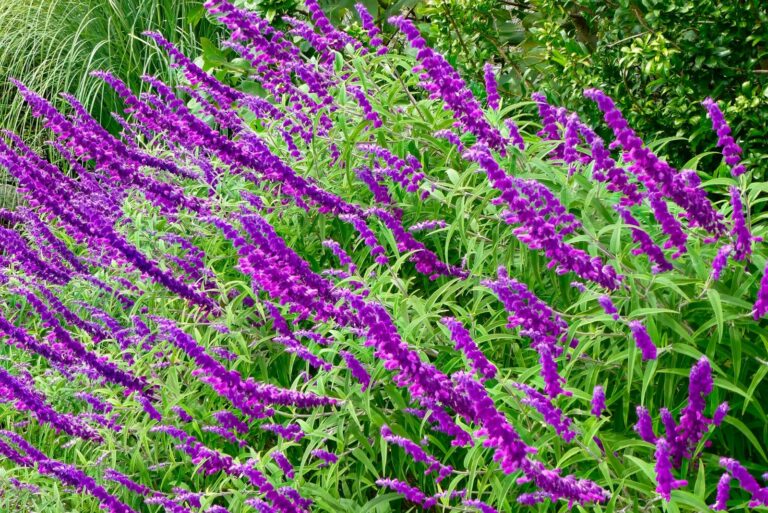
In cottage gardens, it fits right in alongside other wildflowers and native plants. Its informal shape works well with plants like salvia, lantana, and black-eyed Susans, creating a colorful mix that looks like it grew naturally rather than being carefully arranged.
That relaxed feel is something many Texas gardeners are actively looking for as they move away from high-maintenance formal landscapes.
Along fences, borders, or the edges of a lawn, Turk’s Cap creates soft transitions that soften hard lines. It grows tall enough to add some height and structure without becoming overwhelming or blocking views.
Over a few seasons, it fills in beautifully and creates a backdrop that makes other plants look even better by comparison.
Did you know Turk’s Cap can reach six feet tall in ideal conditions? That kind of height, combined with its wide spread, means a few plants can cover a significant area and transform a bare or struggling section of yard into something genuinely attractive.
For anyone who wants a garden that looks full, colorful, and naturally Texas without spending every weekend maintaining it, Turk’s Cap is a plant that delivers exactly that kind of easy, satisfying beauty season after season.