What To Do With Your Florida Ixora In June So The Blooms Keep Coming All Summer
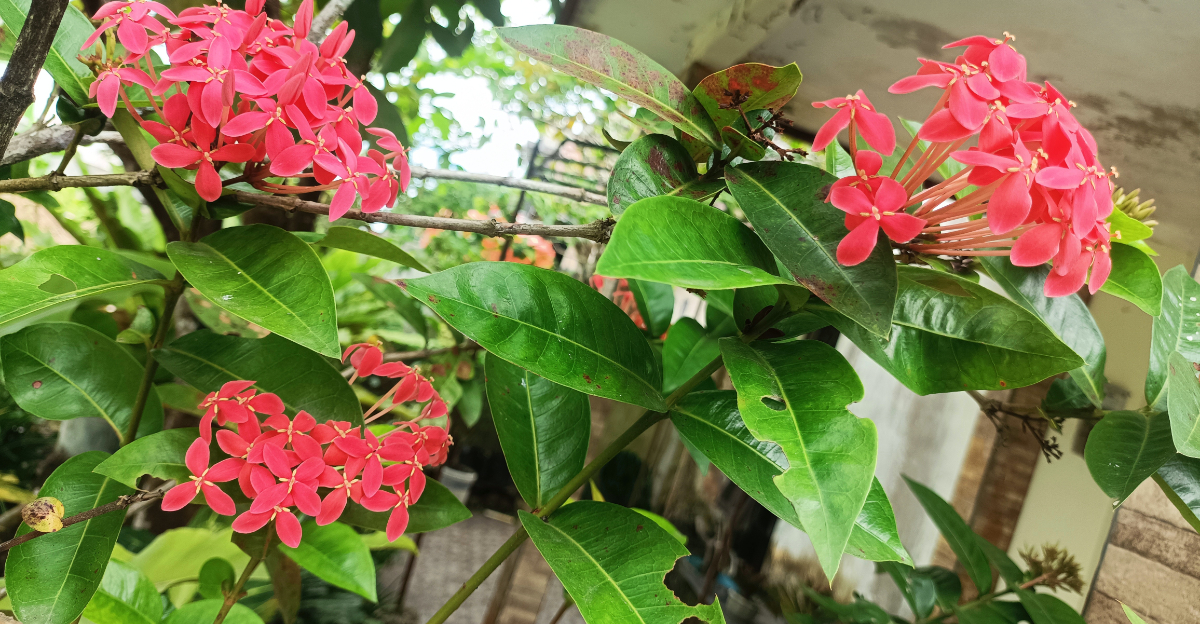
Ixora is a plant that rewards attention at the right moment. Get June right and it blooms generously through the hottest months of the year.
Ignore it and the plant does what it defaults to when left alone in summer heat. It pushes out foliage, pulls back on flowers, and coasts through the season looking full but underdelivering.
Most Florida gardeners have seen that version of Ixora and assumed it was just the plant’s nature. It isn’t.
A few specific steps taken in June change the entire trajectory of the summer. Pruning timing, the right fertilizer, soil pH, these aren’t complicated adjustments but they work together in a way that makes a noticeable difference by July.
Miss the window and you’re waiting until next year to try again.
1. Give Ixora Enough Sun For Strong Flower Clusters
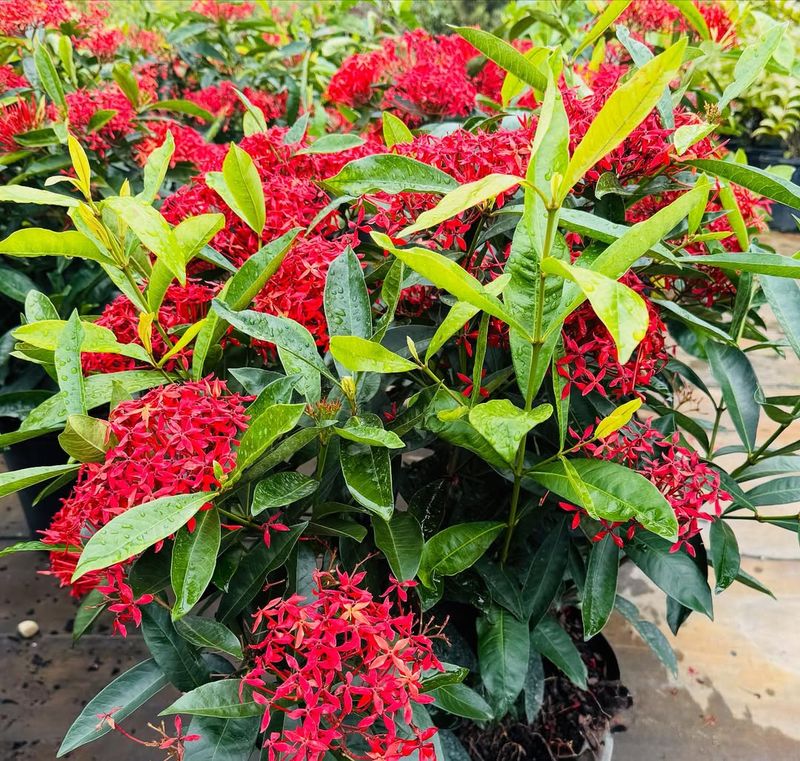
Light is the first bloom check worth making in June. Ixora typically produces its strongest flower clusters when it gets full sun for most of the day.
If the bloom display has been thin or patchy, reduced light is one of the first things worth checking before anything else.
In Central and South Florida gardens, shade sources can change gradually over time. Trees grow taller, nearby shrubs fill in, rooflines and fences cast longer shadows in summer, and patio covers can block more light than expected.
Walk around your ixora during mid-morning and early afternoon to see how much direct sun it actually receives each day.
Some afternoon shade can be helpful in very hot, exposed spots, but most ixora plants still need a strong block of direct sun to flower well.
A plant sitting in mostly filtered light or heavy afternoon shade may stay green and healthy-looking without producing many blooms.
If you find that shade has increased around your plant over the past season, look for ways to restore better light. Pruning nearby plants or repositioning containers may help.
For in-ground plants in deeply shaded spots, improving light exposure may take more effort. It is still worth addressing before blaming other factors for poor blooming.
2. Keep The Soil Moist But Never Soggy
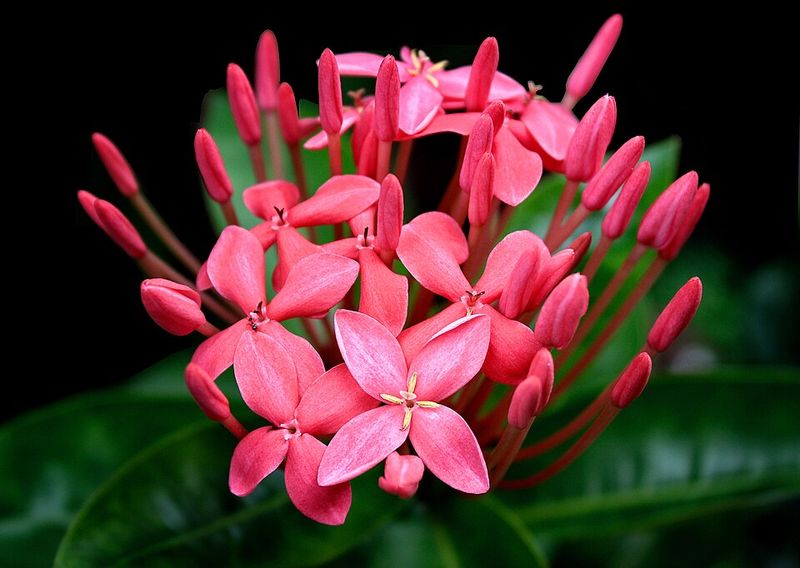
June moisture can change fast in Florida gardens. One week might bring heavy afternoon storms, and the next might turn dry and hot before the next rain cycle arrives.
That back-and-forth can make it hard to know when to water and when to hold off.
Ixora prefers steady moisture in well-drained soil. Roots that sit in water for extended periods can become stressed, and that stress often shows up as slowed growth or reduced blooming before any visible wilting appears.
Heavy clay-like soil or containers without proper drainage can hold water longer than the plant needs.
Before watering again, press a finger about two inches into the soil near the base of the plant. If the soil still feels damp, skip that watering cycle.
If it feels dry at that depth, water thoroughly and let the excess drain away fully.
Your Florida Garden Changes Every Week. Your Plan Should Too.
Gardening in Florida changes quickly throughout the season. Every Friday you’ll receive a simple weekly plan showing exactly what to plant, prune, fertilize, harvest, and protect so you never miss the right timing.
Container-grown ixora can dry out faster than in-ground plants, especially in pots that sit in direct sun on a patio. During dry stretches between rain events, potted plants may need more frequent attention.
During heavy rainy periods, make sure saucers are not holding standing water under the pot. Standing water can keep roots too wet and limit the plant’s ability to take up nutrients needed for flowering.
3. Protect Acidic Soil From Alkaline Runoff
The soil around the roots matters more than many gardeners realize, especially when it comes to ixora. This plant performs best in acidic soil.
When the soil pH drifts too high, it has trouble taking up the nutrients it needs even when fertilizer has been applied.
One common problem in local gardens is alkaline runoff from nearby concrete, driveways, shell paths, lime rock edging, or stucco walls. Water picks up alkalinity as it moves across those surfaces and carries it into the root zone over time.
Ixora planted right next to a concrete curb, driveway edge, or block wall is at higher risk for this kind of ongoing pH stress.
Yellow new growth, weak blooming, and slow recovery after fertilizing can all be related to site-driven pH issues rather than a simple lack of nutrients. If you notice these signs, look at what surrounds the plant before reaching for a quick fix.
In some cases, the best long-term solution is to move the plant to a better site or rethink the planting area entirely. Ixora placed where alkaline runoff repeatedly flows into the root zone may struggle no matter what else you do.
Choosing a spot with good drainage, away from alkaline hardscape, gives the plant a much better foundation for consistent blooming through the season.
4. Feed Lightly With The Right Fertilizer
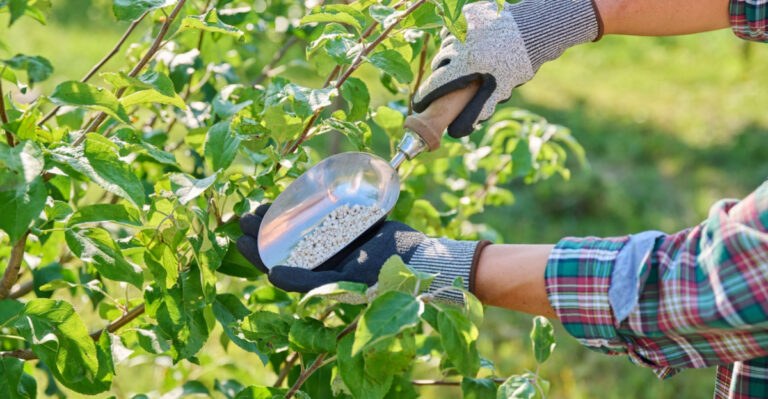
Feeding should support growth, not force it. When ixora is actively pushing new leaves and flower buds in June, it can benefit from fertilizer formulated for acid-loving plants.
That helps maintain the conditions the plant needs to keep performing. Look for products that include iron and manganese, since those micronutrients matter for ixora in acidic soil conditions.
Read the product label before applying anything. Label directions exist for a reason, and applying more fertilizer than recommended rarely speeds up blooming.
During heavy rain periods, excess fertilizer can wash away quickly or cause stress rather than steady growth. Timing and rate both matter.
Avoid fertilizing when the soil is very dry or when the plant is already showing signs of stress from heat, pests, or waterlogged roots. Fertilizer applied to a stressed plant is less likely to be used effectively and may add to the problem rather than help.
June in Florida often brings unpredictable rain, which can make fertilizer timing tricky. Many gardeners find that applying a light, slow-release fertilizer suited for acid-loving plants early in the month works well.
It is often easier than trying to time applications around storm patterns. Watch how your plant responds over several weeks rather than expecting fast results.
Consistent, moderate feeding through the growing season usually supports better blooming than heavy applications spaced far apart.
5. Watch Yellow New Growth Before Blooms Slow Down
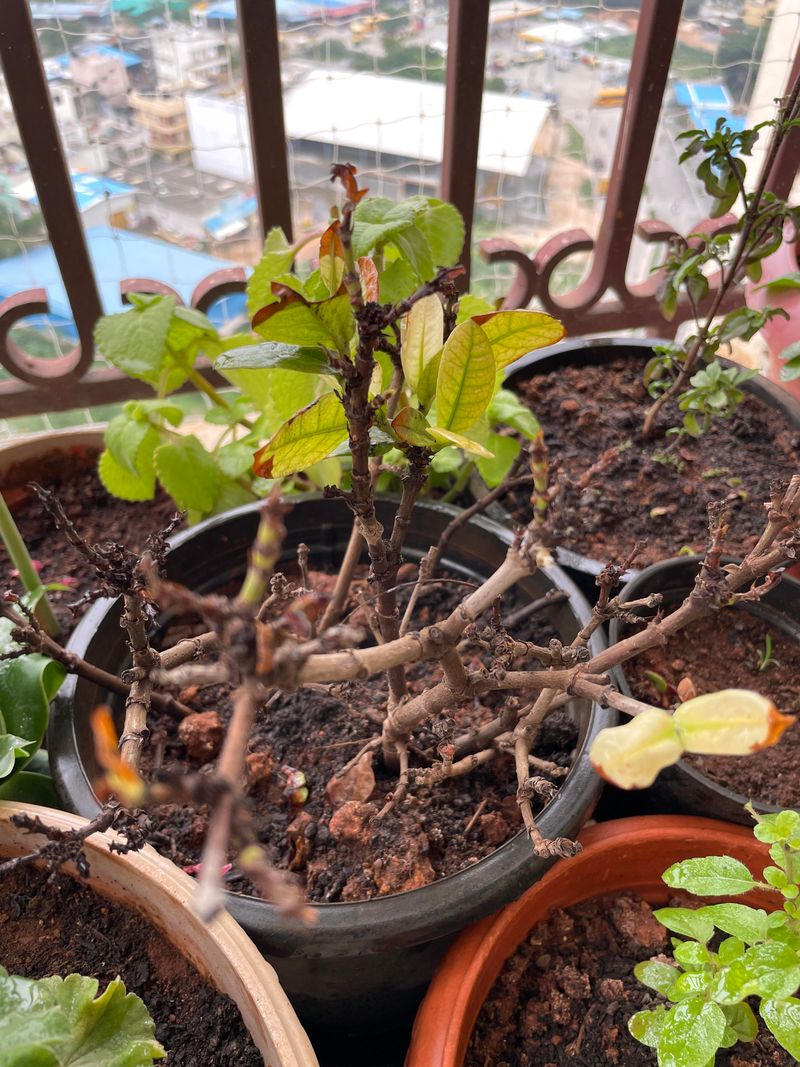
Yellow new leaves are a clue that something in the plant’s environment may be limiting nutrient uptake. When the newest growth at branch tips turns yellow while the leaf veins stay green, it can point to iron or manganese availability problems.
This pattern often shows up in plants growing in high-pH soil where those nutrients become harder for roots to absorb.
Before reaching for a supplement or changing your fertilizer routine, look at the whole picture. Check whether the plant is near concrete, shell, or other alkaline materials.
Think about drainage, recent fertilizer history, and whether the plant has been getting enough water or too much. A single symptom can have more than one contributing cause.
Iron and manganese deficiencies in ixora are often connected to soil conditions rather than a true shortage of those elements in the soil.
Applying micronutrient supplements without addressing the underlying pH or drainage issue may produce only short-term improvement.
Catching yellow new growth early, before the bloom display drops off significantly, gives you more options. A plant that is just starting to show stress can often recover well when site conditions are improved.
A plant that has been struggling in a poor location for a full season may take longer to bounce back, even after changes are made. Watching new growth closely in June can help you get ahead of bigger problems later in summer.
6. Prune Carefully So You Do Not Reduce Flowers
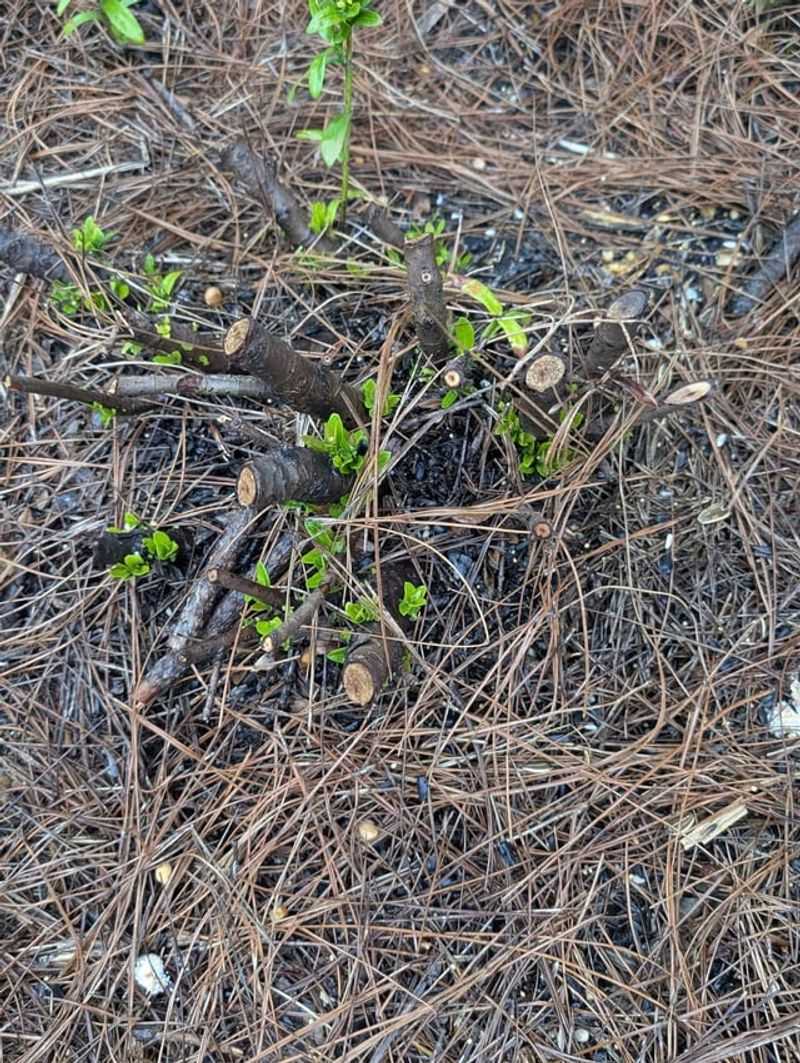
A neat shrub is not always a better-blooming shrub. Ixora produces its flower clusters at the tips of branches, which means that cutting off new growth also removes the points where blooms will form.
Frequent shearing or hard pruning at the wrong time can leave a tidy-looking plant with very few flowers for weeks.
In June, the temptation to shape and tighten up the shrub can be strong, especially when the rainy season pushes fast, sometimes uneven growth.
But repeated shearing, even light shearing done every few weeks, keeps removing the branch tips that would otherwise develop into flower clusters.
A better approach is to do light shaping only after a bloom cycle finishes, removing spent clusters and lightly tidying the outer shape without cutting deeply into new growth.
If the shrub has gotten significantly larger than you want, a more strategic pruning done at the right time is better than constant trimming throughout the season.
For most gardeners in warm regions, the goal in June should be to leave as many branch tips intact as possible while managing only what truly needs attention. If a branch is crossing, crowding, or clearly unhealthy, removing it makes sense.
Otherwise, stepping back and letting the plant push new growth toward flower buds is usually the better choice for a stronger summer bloom display.
7. Check For Aphids, Scale, And Sooty Mold
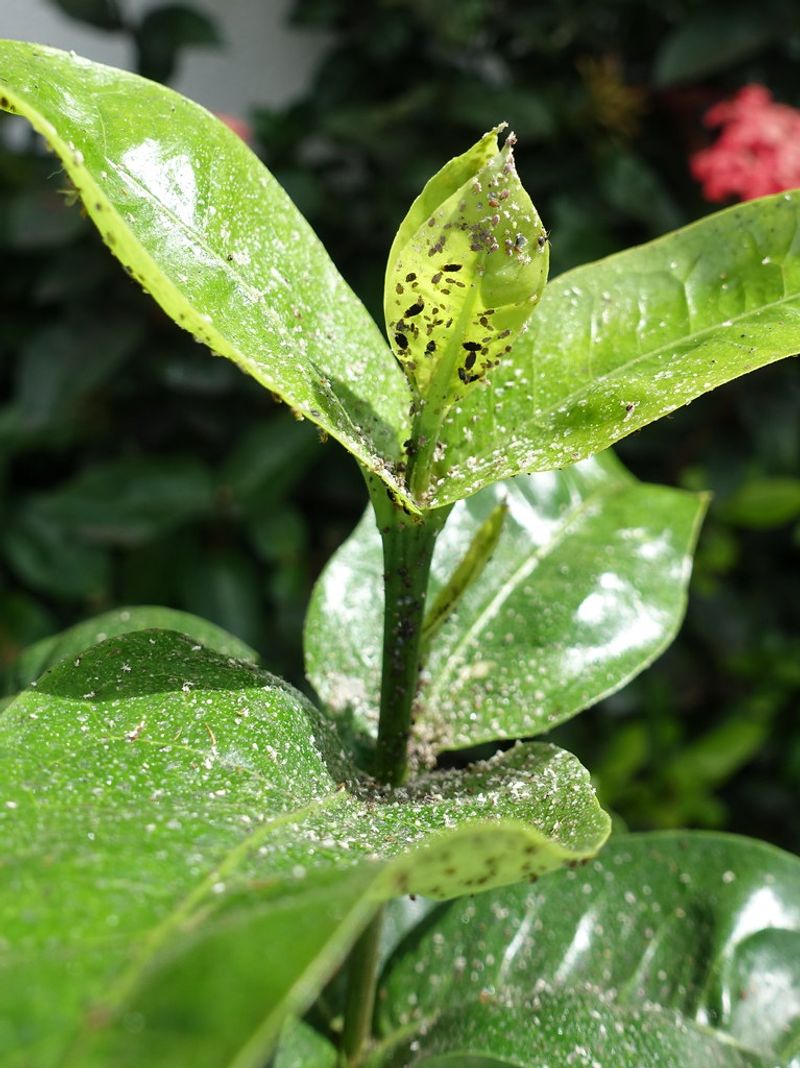
Sticky leaves usually mean it is time to look closer. Aphids and scale insects can settle onto ixora, feeding on plant sap and producing a sticky substance called honeydew.
That honeydew coats leaves and stems, and sooty mold, a dark fungal growth, can then develop on top of it. The mold itself does not infect the plant directly, but it blocks light and signals that an insect problem is present.
Aphids tend to cluster on tender new growth and the undersides of young leaves. Scale insects can appear on stems and older leaves, sometimes looking like small bumps that do not move.
Both can slow the plant’s energy output and affect bloom production when populations build up over time.
Inspect your ixora regularly in June, especially during humid stretches when pest populations can increase quickly. Check the undersides of leaves, the newest growth at branch tips, and the main stems near the base.
Catching a small infestation early is much easier to manage than dealing with a heavy buildup later in summer.
For control, use products labeled for the specific pest you are dealing with and follow all label directions carefully. Avoid applying treatments during the hottest part of the day or when the plant is already under heat stress.
Homemade sprays are not recommended, since untested mixtures can cause additional stress to the plant and may not address the actual pest effectively.
8. Adjust June Care For Containers And South Florida Rain
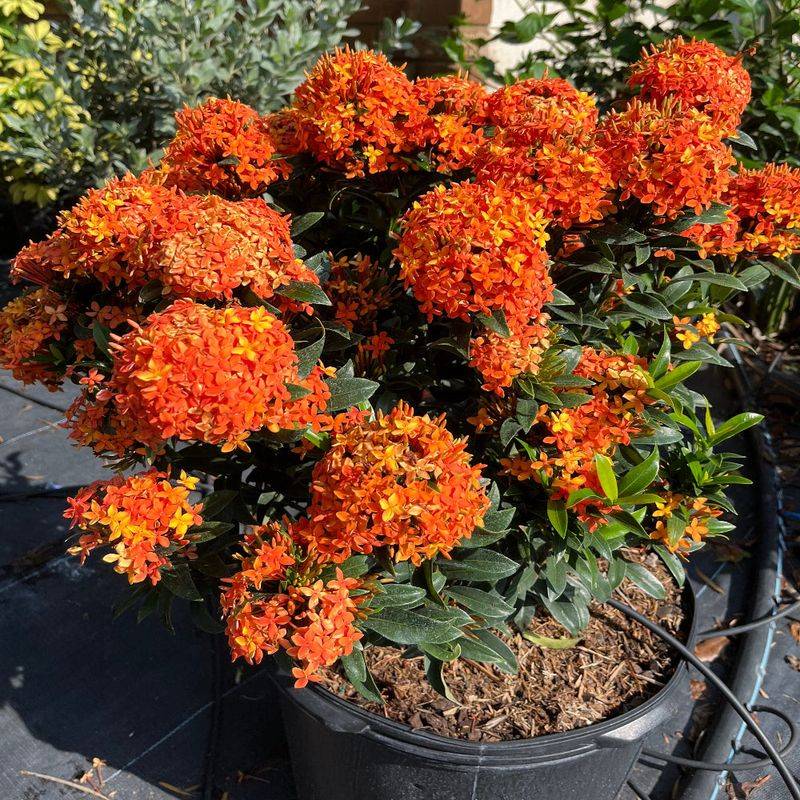
A pot on the patio faces different stress than a shrub in the ground. Container-grown ixora can lose moisture faster on hot days, but it can also become waterlogged quickly during heavy rain if drainage is limited.
Both extremes can affect blooming, so June care for potted plants needs a little more attention than in-ground care.
Check that your container has working drainage holes and that saucers are not trapping standing water under the pot. Roof runoff directed toward potted plants can flood the root zone repeatedly without the gardener noticing.
Moving containers away from roof drainage paths during the rainy season can prevent that kind of unintended overwatering.
South Florida gardens often face longer, more intense rainy stretches through June and July. High humidity and warm overnight temperatures can push pest and fungal activity.
Central Florida gardens may have more seasonal variation. Ixora in cooler microclimates may show more cold sensitivity during mild winter months, though that is less of a concern in June.
For both container and in-ground plants, the key in June is staying observant. Rainy-season swings can shift quickly from too much water to not enough within the same week.
Adjust care based on what the plant and the soil are actually showing you. That usually produces better results through the full summer season than following a fixed schedule.