The Native Texas Ground Cover That Gets More Beautiful Every Single Year You Ignore It
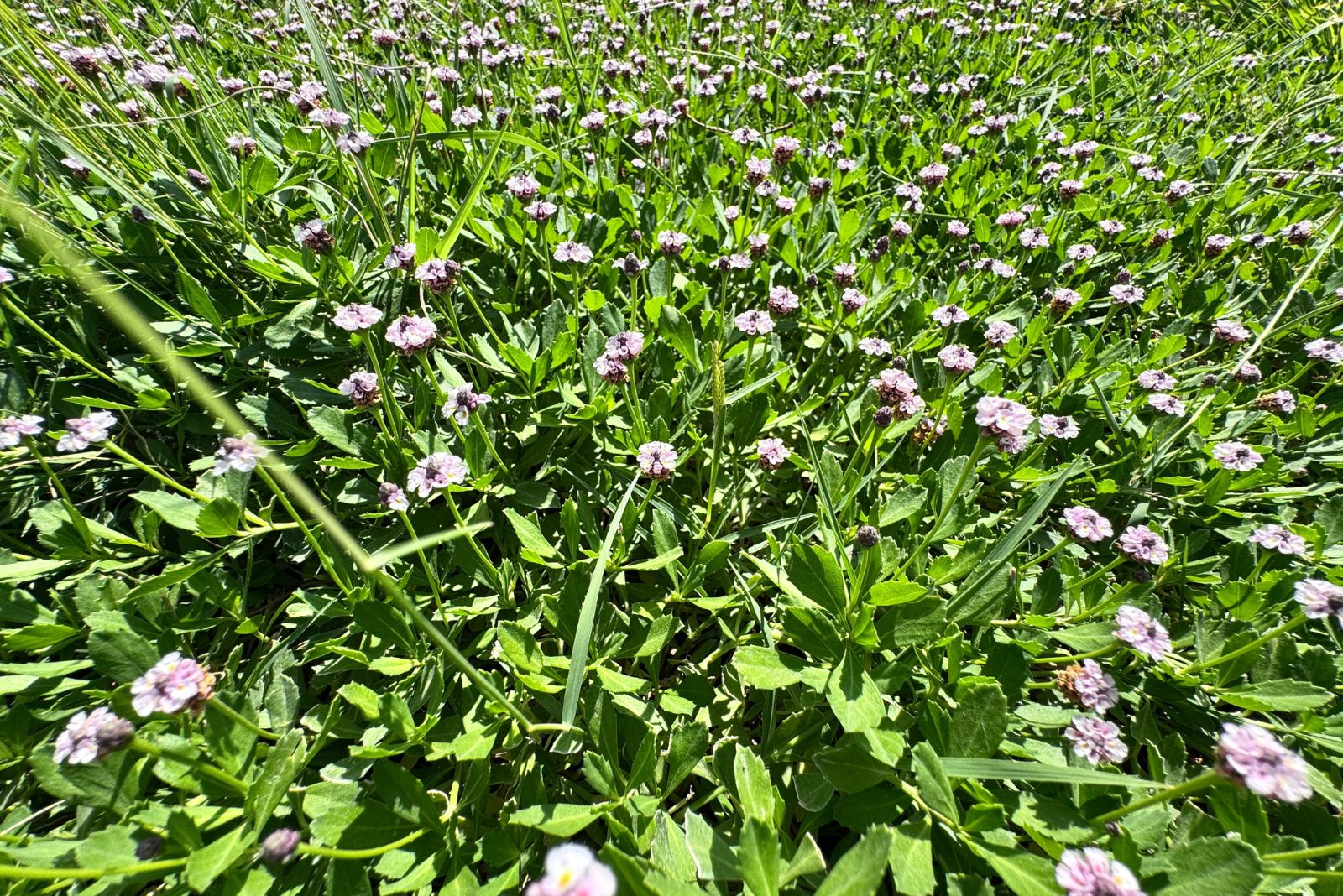
Most plants in a Texas garden ask something of you, water during dry spells, pruning at the right time, fertilizing before the growing season kicks in. The native groundcover in this article flips that dynamic entirely.
The less you do with it, the better it gets. Year after year it spreads quietly, fills in on its own schedule, and develops into something genuinely striking without any input from the gardener.
It handles Texas heat, poor soil, and dry stretches that would stress most cultivated plants, and it does all of that while getting denser, more colorful, and more visually interesting with each passing season.
It is the kind of plant that looks almost too good to be accidental, yet it asks for nothing beyond being left alone.
If you have a spot in your Texas yard where nothing seems to work and you are tired of trying, this native groundcover might be exactly what that space has been waiting for.
1. Frogfruit Is The Native Texas Ground Cover That Thrives On Neglect
Forget everything you know about babying plants. Frogfruit actually performs better when you leave it alone.
Most popular lawn plants need constant watering, trimming, and feeding just to stay alive through a Texas summer. Frogfruit flips that idea completely on its head.
Native to Texas and much of the South, frogfruit grows naturally in fields, roadsides, and open spaces where nobody is tending to it. That toughness is built into its DNA.
It has survived generations of hot, dry Texas summers without any human help at all. When you bring it into your yard, you are basically giving it a vacation compared to what it handles in the wild.
One of the coolest things about frogfruit is how it responds to neglect over time. The first year, it spreads slowly and fills in gaps.
By the second year, it starts to look like a proper ground cover. By year three and beyond, it forms a thick, lush mat that looks intentional and well-planned, even though you barely touched it.
Gardeners in Texas often spend hundreds of dollars trying to grow grass that struggles in the heat. Frogfruit costs very little, needs almost no input, and still delivers a green, attractive yard.
It is especially great for people who travel often or simply do not have time for high-maintenance landscaping. If you want a plant that rewards your busy schedule and limited free time, frogfruit is honestly one of the best choices you can make for a Texas yard.
2. It Spreads Into A Dense Living Carpet
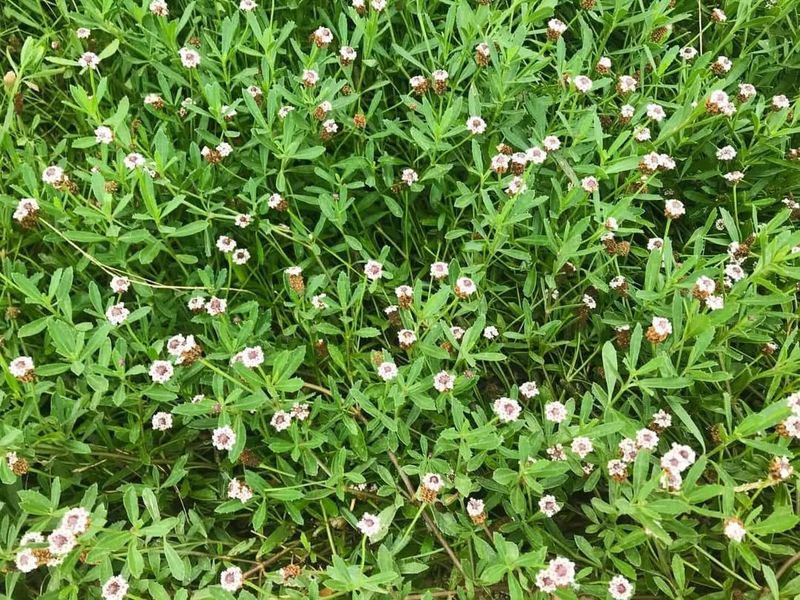
Watching frogfruit spread is a little like watching a slow-motion magic trick. You plant a small patch, maybe a few plugs or a flat, and then you step back.
Over the following months, it quietly creeps outward in every direction, filling gaps and covering bare soil without any nudging from you.
Frogfruit spreads through a process called stolons, which are horizontal stems that run along the soil surface and root wherever they touch the ground. Each new rooting point becomes a new plant.
Your Texas Garden Changes Every Week. Your Plan Should Too.
Gardening in Texas changes quickly throughout the season. Every Friday you’ll receive a simple weekly plan showing exactly what to plant, prune, fertilize, harvest, and protect so you never miss the right timing.
Those new plants send out their own stolons, and the cycle keeps going. The result is a thick, interlocking mat that gets denser and more attractive with every passing season.
Bare soil is one of a yard’s biggest problems. It invites weeds, looks messy, and can wash away during heavy rain.
Frogfruit solves all of that naturally. As it fills in, it creates a soft, green surface that looks like a deliberate lawn alternative rather than a plant that just showed up on its own.
Many Texas homeowners have replaced struggling St. Augustine or Bermuda grass with frogfruit and never looked back. The living carpet it creates has a natural, slightly wild beauty that feels right at home in a Texas landscape.
It softens hard edges, fills awkward corners, and even works well around trees where grass often refuses to grow. Over time, the coverage becomes so complete that neighbors frequently stop to ask what that beautiful ground cover is.
3. It Handles Texas Heat With Very Little Help
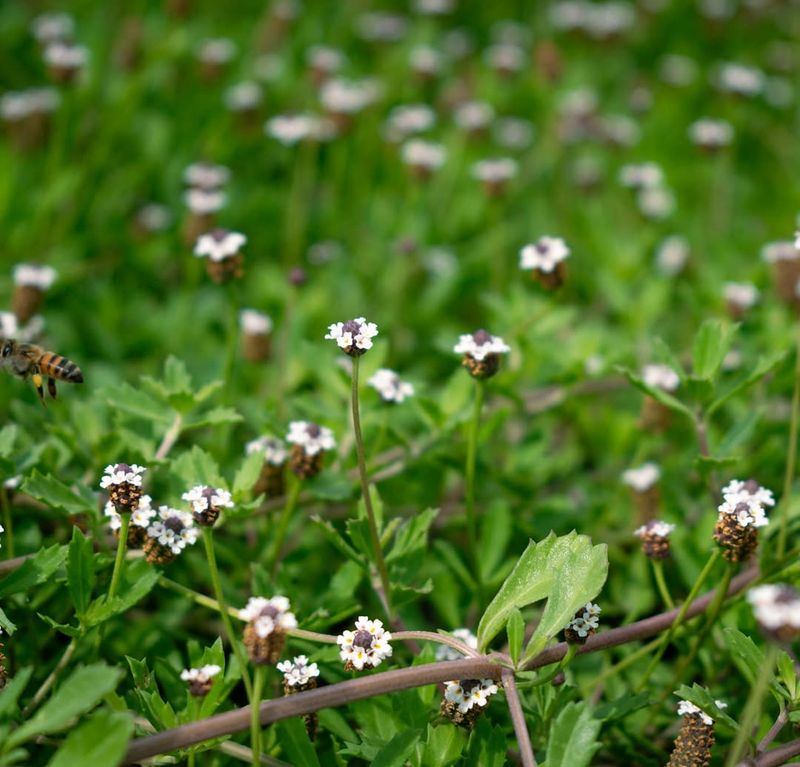
Texas summers are not kind. Temperatures push past 100 degrees for weeks at a time, rain disappears for months, and most lawn plants start looking rough by August.
Frogfruit, though, barely notices. It keeps its color, keeps spreading, and keeps flowering even when the heat is absolutely brutal.
The secret is in its roots. Frogfruit develops a deep, efficient root system that pulls moisture from the soil long after the surface has dried out.
Once it is established, which usually takes one full growing season, it can handle long dry stretches without any supplemental watering. That is a huge deal in a state where water bills spike every summer and drought restrictions are common.
During the hottest part of the year, frogfruit may slow its growth a little, but it does not retreat or look burned. It holds its green color and keeps its low, flat shape even in full sun.
Compare that to common turf grasses that turn brown and go dormant the moment summer gets serious, and the difference is striking.
Planting frogfruit in a sunny, well-drained spot gives it the best possible start. It does not need shade or protection from the afternoon sun the way many plants do.
In fact, full sun is where it really shines. Gardeners who have tried growing it in shadier spots often notice it does fine but thrives far more in open, sunny areas.
For hot Texas yards with no relief from the sun, frogfruit is genuinely one of the toughest and most reliable options available.
4. It Supports Pollinators Better Than Turf Grass
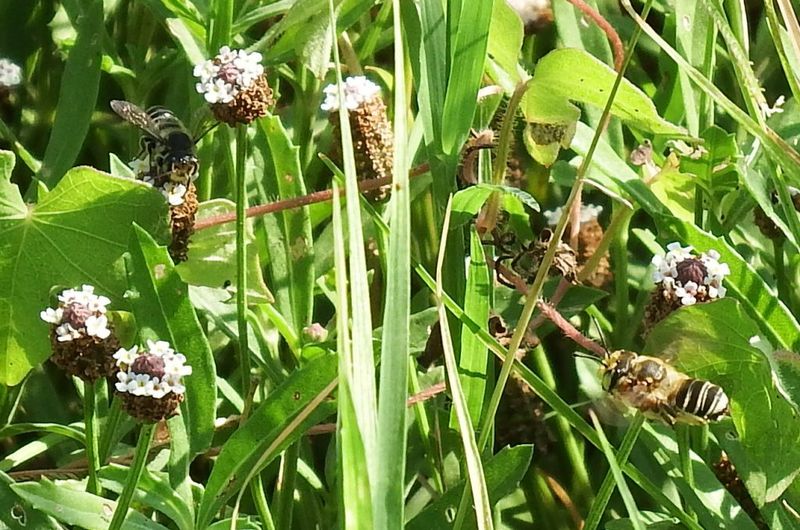
A plain grass lawn looks neat, but from a wildlife perspective, it is basically a desert. Bees, butterflies, and other pollinators find almost nothing useful in a traditional turf yard.
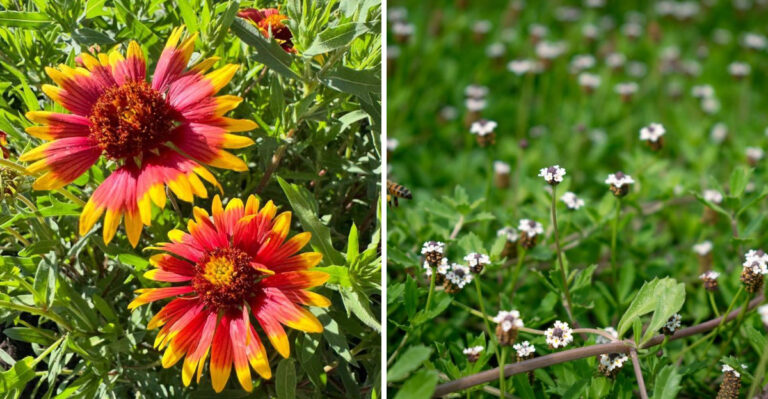
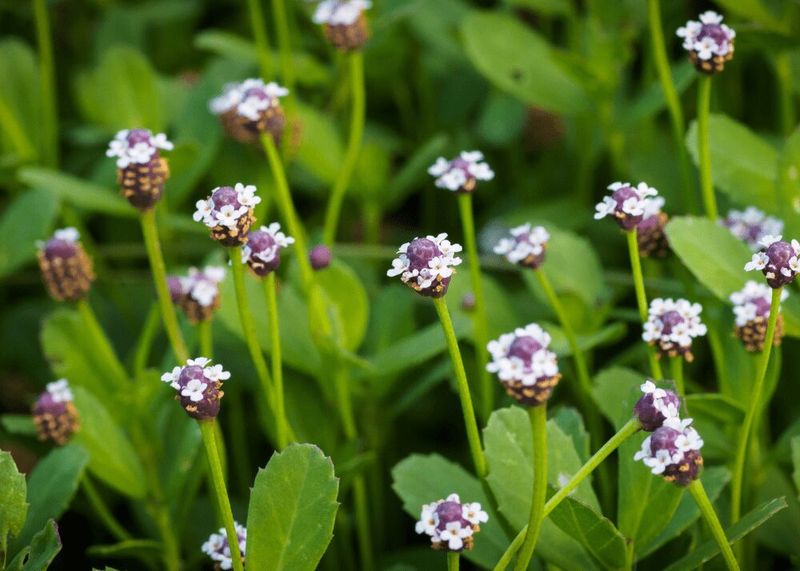
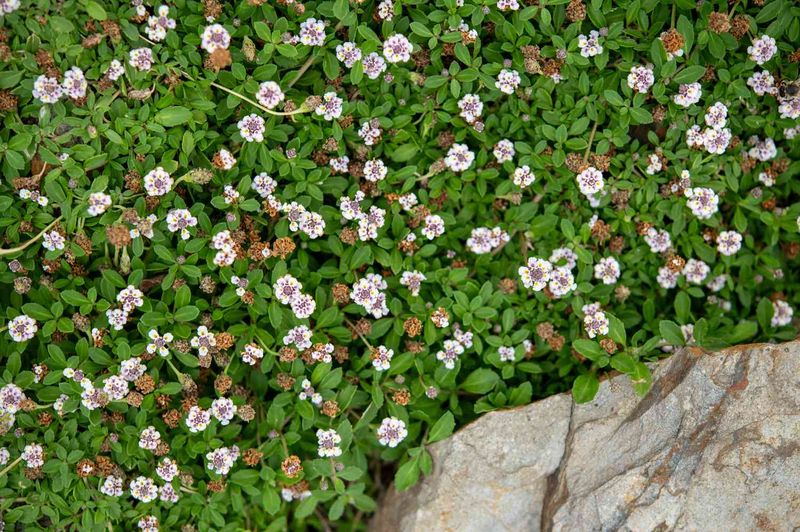
Frogfruit changes that equation completely, and it does it with the tiniest flowers you have probably ever seen on a ground cover plant.
Those small white and lavender blooms pack a surprising punch. They produce nectar and pollen that attract native bees, honeybees, and a wide variety of butterfly species.
In Texas, frogfruit is especially important for the Phaon crescent butterfly, which uses it as a host plant for its caterpillars. That means frogfruit is not just feeding adult butterflies, it is supporting their entire life cycle right in your backyard.
Creating a pollinator-friendly yard does not have to mean planting a complicated wildflower meadow or buying expensive native plants.
Swapping out some or all of your turf grass for frogfruit is one of the easiest ways to make your yard genuinely useful for local wildlife.
The flowers bloom from spring all the way through fall, giving pollinators a reliable food source across multiple seasons.
Homeowners who have made the switch often report seeing far more butterflies and bees in their yards within the first full growing season. Kids especially love watching the activity that builds up around a frogfruit lawn.
It turns an ordinary yard into a living, buzzing, fluttering ecosystem that feels exciting and alive. All of that happens simply because you chose a different kind of ground cover.
5. It Suppresses Weeds As It Fills In
Weeds are basically opportunists. They move into any open patch of soil and set up shop fast.
The best way to stop them is to give them no room to grow. That is exactly what frogfruit does as it spreads and fills in across your yard.
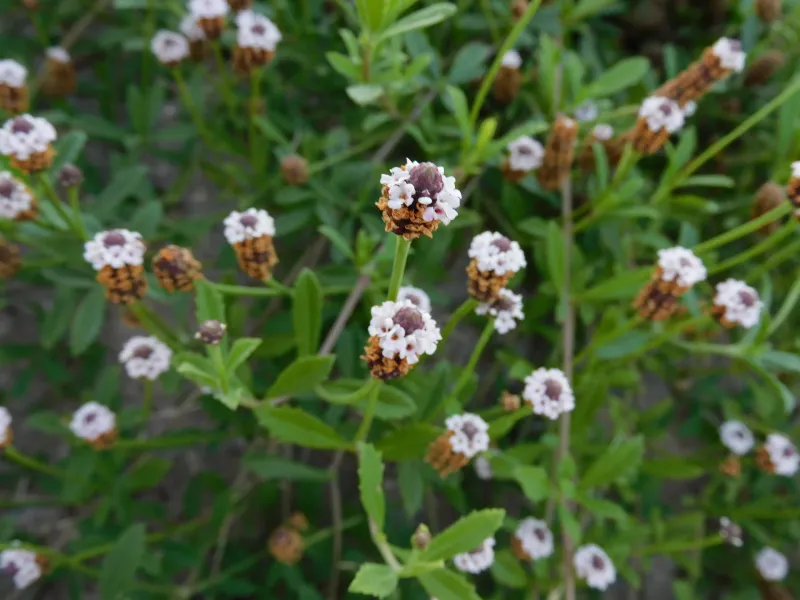
As frogfruit forms its thick mat, it shades the soil beneath it. Weed seeds need light to sprout and get established.
When the soil surface is covered by a dense, low canopy of frogfruit stems and leaves, those seeds simply cannot get the light they need. The result is dramatically fewer weeds over time, without any spraying or pulling on your part.
Think of it as a living mulch that keeps refreshing and improving itself every season. Traditional mulch breaks down, gets thin, and needs to be replaced every year or two.
Frogfruit just keeps growing and getting thicker. The more it fills in, the better it does its job of keeping weed pressure low across the whole area.
Gardeners who have used frogfruit in garden beds and open areas report spending far less time on weed management after the first full growing season.
The initial period while frogfruit is getting established does require some attention to keep weeds from moving in before the coverage is complete.
But once it hits its stride, the plant handles most of that work on its own. Pairing frogfruit with a thin layer of mulch during the establishment phase speeds up the process and gives it the best possible head start against competing weeds.
6. It Needs Less Mowing, Feeding, And Watering
Lawn care is expensive, time-consuming, and honestly exhausting. The average Texas homeowner spends hours every week mowing, watering, and treating their grass just to keep it looking decent.
Frogfruit offers a completely different experience, one where the plant does most of the heavy lifting all by itself.
Mowing is rarely necessary with frogfruit. It naturally stays low, usually between two and four inches tall, without any trimming.
Some homeowners mow it once or twice a year just to tidy things up or encourage fresh new growth. But weekly or even monthly mowing is simply not part of the routine. That alone saves a significant amount of time and fuel over the course of a year.
Fertilizing is another chore you can mostly skip. Frogfruit is adapted to the native soils of Texas, which means it does not need rich, heavily amended ground to perform well.
Adding too much fertilizer can actually make it grow too aggressively and throw off its natural, tidy shape. A light top-dressing of compost in spring is plenty for most yards.
Watering needs drop sharply once frogfruit is established. During the first growing season, some regular watering helps it get its roots down.
After that, rainfall alone handles most of its moisture needs in a typical Texas year. During extreme drought, a deep soak every few weeks keeps it looking its best.
Compared to the daily or every-other-day watering that struggling turf grass often demands in summer, frogfruit is practically self-sufficient. For busy people who want a beautiful yard without the grind, it is a genuinely refreshing change.