The Secret To Keeping Black-Eyed Susans Blooming All Summer Long In Ohio
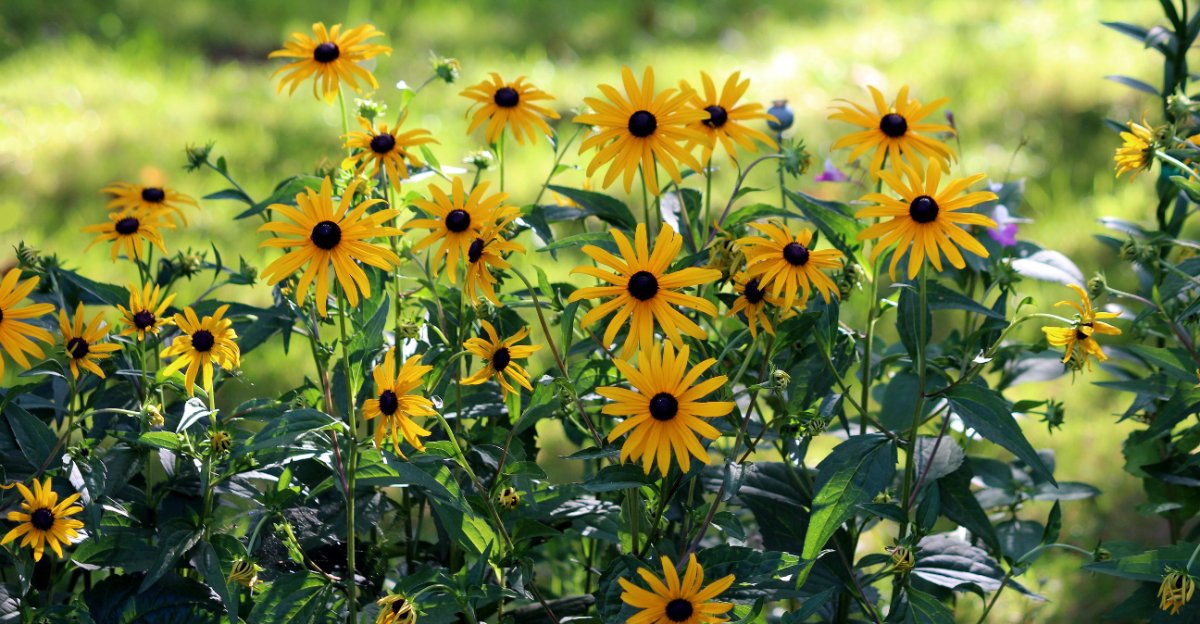
Nobody talks about black-eyed Susans the way they talk about roses or peonies. They’re the reliable workhorses of the Ohio garden, planted without much ceremony and expected to just perform.
That casual relationship is exactly what cuts their bloom season short. Because black-eyed Susans are responsive plants.
They read what’s happening around them and adjust their output accordingly. Leave them alone and they make a reasonable effort.
Give them a little focused attention at a few key moments. They respond with weeks of additional color that most Ohio gardeners have never actually seen from this plant.
The difference between a patch that peaks in late June and one still turning heads in September comes down to understanding what this plant is actually asking for.
It’s less than you’d think, and it starts earlier in the season than most people realize.
1. Start With Full Sun For The Best Flower Show
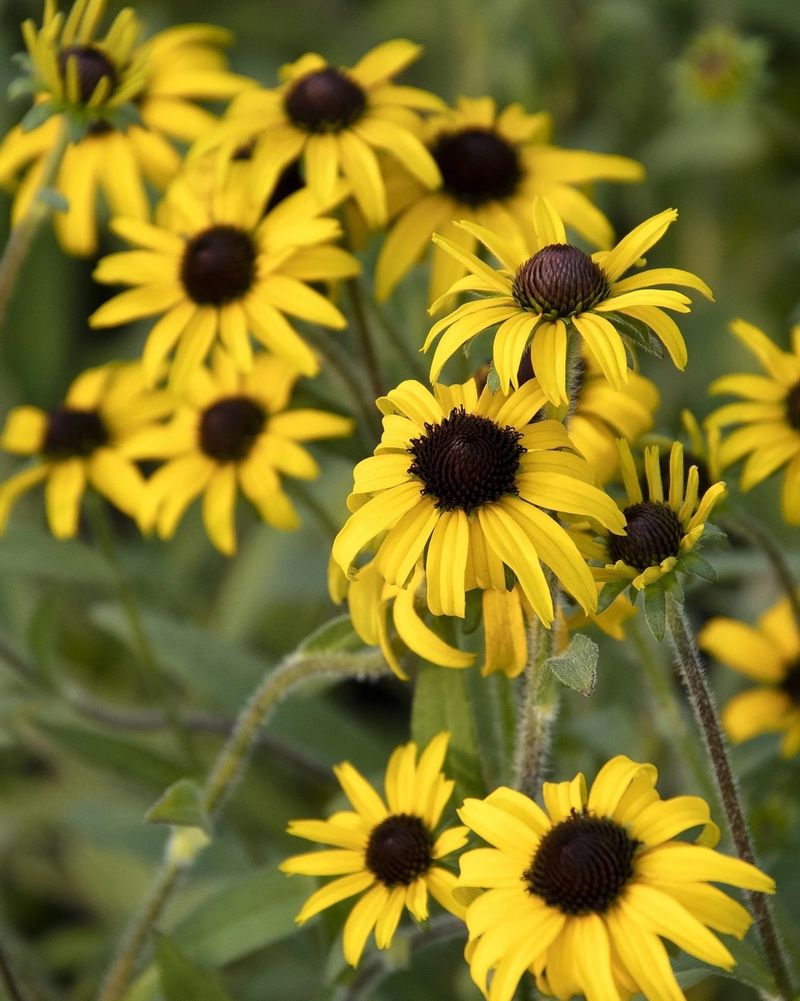
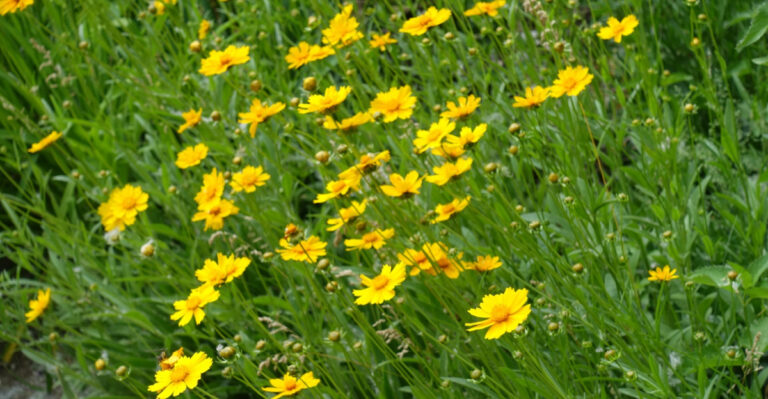
Few flowers are as straightforward about what they need as black-eyed Susans. Give them a full-sun spot, meaning at least six hours of direct sunlight each day, and they will reward you with sturdy stems and a generous flush of golden blooms.
Plant them in too much shade, and flower production usually drops off noticeably.
Sunny borders, pollinator beds, and meadow-style plantings are all excellent choices across many parts of the state. Cottage gardens with open sky exposure tend to produce the most reliable bloom show season after season.
Even a spot along a sunny fence line or a south-facing slope can work beautifully for these plants.
A little light afternoon shade may be tolerated, especially in the hotter southern regions of the state where summer temperatures can be brutal.
But deep shade usually leads to stretched, weak stems and far fewer flowers than you would expect from a healthy planting.
That includes spots under large trees or along a north-facing wall.
Before you plant, spend a day watching how sunlight moves across your yard. Spots that look open in spring can become shadier once nearby trees leaf out fully.
Choosing the right location from the start saves a lot of guesswork later and sets your plants up for the strongest possible summer bloom performance.
2. Use Well-Drained Soil Before Summer Heat Builds

Soggy roots are one of the fastest ways to reduce blooming in black-eyed Susans. These plants prefer well-drained soil and can really struggle in low spots where water pools after rain.
Before summer heat builds and plants are in full growth mode, it pays to check whether your beds drain properly after a heavy rain.
Many local gardens across the state are dealing with clay-heavy soil, which holds moisture longer than these plants prefer.
If your yard stays wet for more than a day or two after a rainstorm, consider raising your beds slightly or working in compost to improve soil structure.
You can also choose a better-draining location for your planting.
One thing worth knowing: black-eyed Susans do not need rich, heavily amended soil to bloom well. In fact, overly fertile soil can sometimes push leafy growth at the expense of flowers.
Your Ohio Garden Changes Every Week. Your Plan Should Too.
Gardening in Ohio changes quickly throughout the season. Every Friday you’ll receive a simple weekly plan showing exactly what to plant, prune, fertilize, harvest, and protect so you never miss the right timing.
Average to moderately lean, well-drained soil is often their sweet spot, especially for established clumps that have settled in over a season or two.
Sandy or loamy soils found in parts of central and western areas of the state often suit these plants naturally. If your soil is somewhere in between, add a modest amount of compost before planting.
That is usually enough to give transplants a solid start without overdoing it on nutrients.
3. Water New Plants Until Their Roots Settle
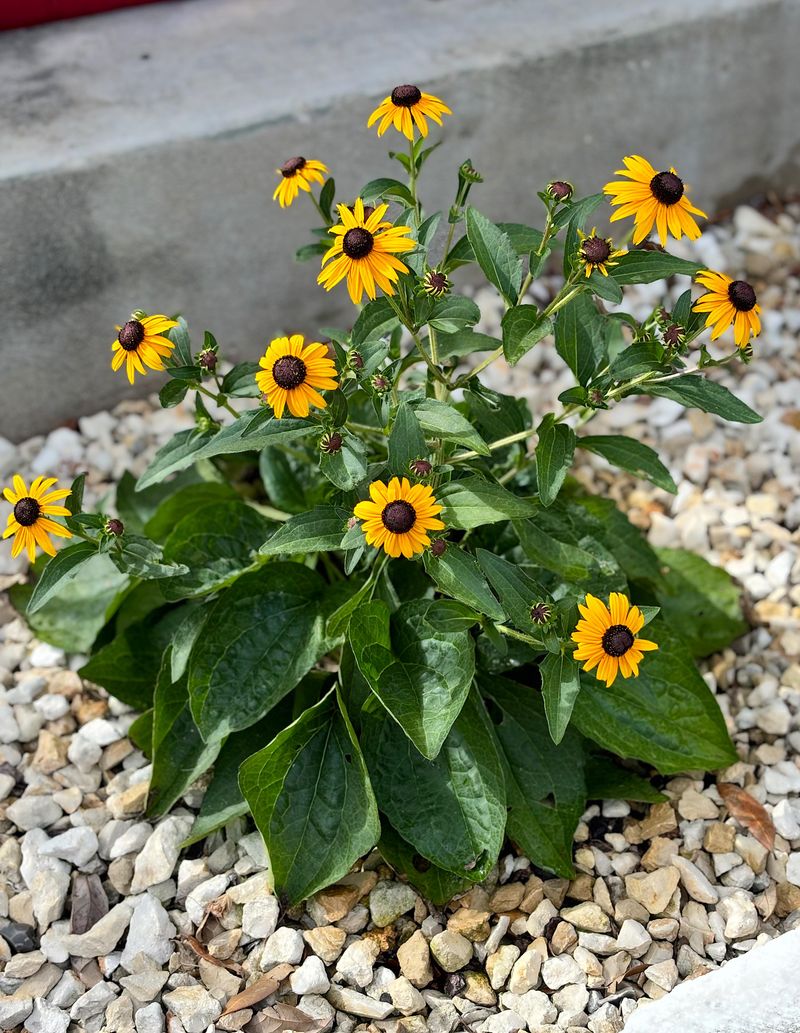
Established black-eyed Susans have a well-earned reputation for handling dry stretches without much fuss. But that drought tolerance takes time to develop, and new transplants need consistent moisture while their roots are still getting established in the soil.
Skipping watering too soon is one of the most common reasons young plants underperform in their first summer.
Rather than sprinkling lightly every day, water deeply and less frequently. Deep watering encourages roots to grow downward, which builds the kind of resilience that helps plants handle dry periods later in the season.
A slow, steady soak at the base of the plant is more effective than a quick spray over the top of the leaves.
Drought-tolerant does not mean drought-proof, and that distinction really matters during the first growing season.
Hot, dry stretches in July and August can stress young plants enough to reduce blooming noticeably, even in varieties known for their toughness.
Keeping the soil evenly moist, not waterlogged, through the establishment period gives roots the best chance to settle in strong.
Once plants have been in the ground for a full season and have developed a deeper root system, you can back off on watering significantly.
At that point, most healthy clumps in average garden soil will handle typical summer dry spells with minimal help from the garden hose.
4. Trim Early Blooms To Keep Color Coming
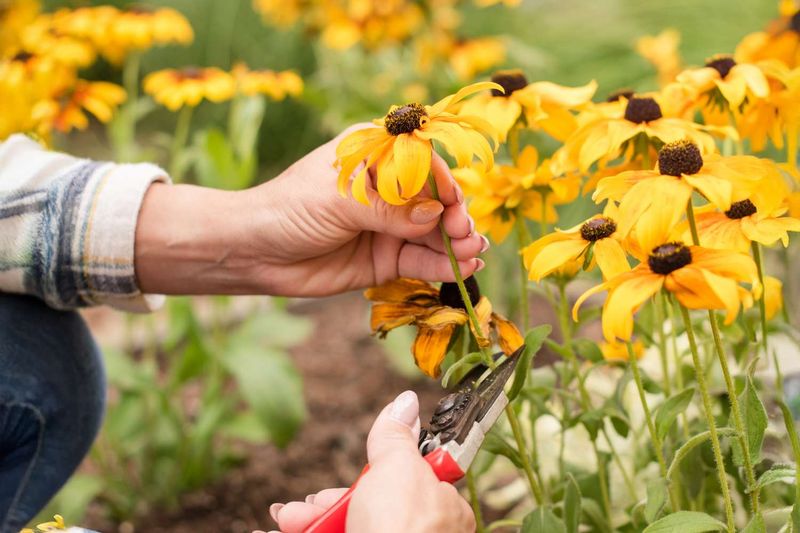
Snipping off faded flowers early in the season is one of the most effective tools for keeping color going strong through midsummer. When a black-eyed Susan finishes blooming, the plant naturally shifts energy toward producing seeds.
Removing that spent flower before seeds fully develop sends a signal to the plant to keep producing more buds instead.
Use clean, sharp pruners and cut the stem back to a healthy leaf or a side stem below the faded bloom. Avoid tearing or breaking stems, which can leave ragged wounds.
A clean cut heals faster and reduces the chance of introducing problems to the plant during the humid stretch of a typical Ohio summer.
Trimming is most useful in the earlier part of the season. That usually means from the first blooms in late June through mid-August, when encouraging more flowers is the main goal.
It keeps the planting looking tidy and gives you a longer, more continuous color show across the bed.
Later in the season, around late August into September, you may want to ease up on trimming intentionally.
Allowing some seed heads to form at that point is where the wildlife value comes in, and that shift is actually an important part of managing these plants well.
Trimming everything all season long means missing out on one of the best reasons to grow them in the first place.
5. Skip Heavy Fertilizer That Pushes Floppy Growth
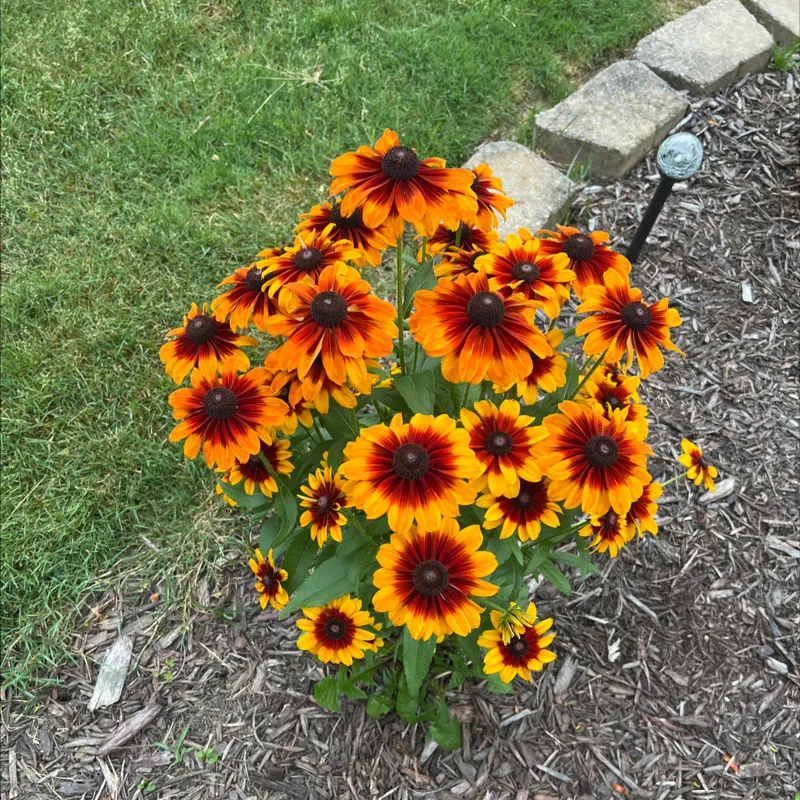
More fertilizer does not equal more flowers when it comes to black-eyed Susans. Heavy feeding, especially with high-nitrogen products, tends to push lush, leafy growth at the expense of the sturdy flowering stems these plants are known for.
The result is often a tall, floppy clump that sprawls across neighboring plants and produces fewer blooms than expected.
Most established plantings in average garden soil do not need supplemental fertilizer at all. These are tough, adaptable native plants that evolved in lean conditions, and they often perform better when they are not overfed.
If your soil is genuinely poor, a modest addition of compost worked in at planting time is usually enough to give transplants a healthy start.
If you are unsure what your beds actually need, a basic soil test is worth doing. Ohio State University Extension offers soil testing resources.
The results can tell you whether your beds are deficient in anything specific before you start adding amendments. Guessing often leads to over-applying nutrients that the plants do not need.
A light top-dressing of compost in spring is a reasonable approach for beds that have been in place for several years. It improves soil structure gradually without flooding roots with excess nitrogen.
Think of feeding as a gentle nudge rather than a heavy push, and your plants will likely respond with healthier, more upright growth all season.
6. Give Plants Space During Humid Weather

Ohio summers can be sticky and humid for weeks at a stretch, and crowded plantings tend to feel that humidity more than plants with room to breathe. When black-eyed Susans are packed too tightly together, airflow between stems is reduced.
That damp, stagnant environment can encourage leaf problems that slow the plants down during peak bloom season.
Giving plants enough space, roughly 18 to 24 inches apart depending on the variety, allows air to circulate freely around the foliage.
That circulation helps leaves dry out faster after rain or morning dew, which reduces the conditions that can lead to foliar issues in muggy midsummer weather.
Spacing also makes it easier to spot faded blooms that need trimming.
Weeds crowding the base of your plants can create the same problem as overcrowding. Keeping the area around each clump clear allows better airflow at ground level and reduces competition for moisture and nutrients.
A light layer of mulch around, but not directly against, the stems can help manage weeds without holding excess moisture against the crown.
Avoid overhead watering whenever possible during hot, humid stretches. Watering at the base of the plant rather than from above keeps foliage drier and reduces the chance of moisture-related leaf issues.
Small adjustments like these during the humid stretch of summer can make a real difference in how cleanly your planting looks through the end of the season.
7. Cut Back Tired Stems For A Fresh Flush
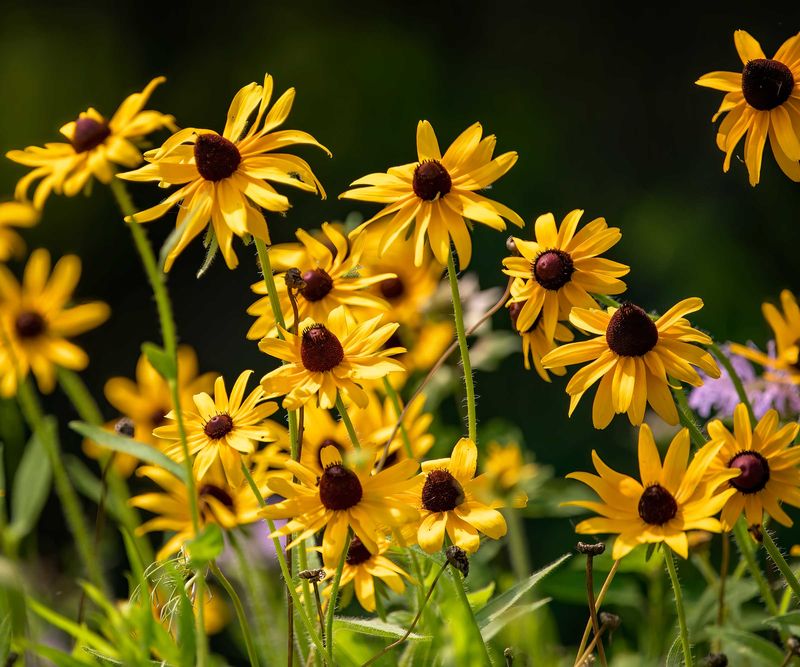
After a heavy first flush of blooms, some black-eyed Susan clumps start to look a little worn out. Stems get leggy, older flowers fade and brown, and the whole planting can lose its clean, lively appearance.
A light midseason cutback is one way to refresh the look of the bed and encourage a second wave of fresh growth.
Rather than cutting every plant down at once, consider trimming about one-third of the stem length on the most tired-looking clumps while leaving others untouched.
Staggering the cutback across your planting helps maintain some color in the bed while the trimmed plants recover and push out new buds.
Cutting everything at the same time can leave a gap in the display for several weeks.
Results from cutting back vary depending on the variety, the timing, how much moisture is available, and what the weather does after trimming. Some cultivars bounce back quickly with a tidy second flush of blooms.
Others may not rebloom as strongly, especially if the cutback happens too late in the season or during a dry stretch.
Think of this step as a refresh rather than a guarantee. If plants have been well-watered, are growing in a sunny spot, and still have several weeks of warm weather ahead, a modest cutback can absolutely help extend the season.
Combine it with consistent moisture after trimming, and you give recovering stems the best possible chance to produce another round of cheerful golden flowers.
8. Leave Some Seed Heads For Birds Later On
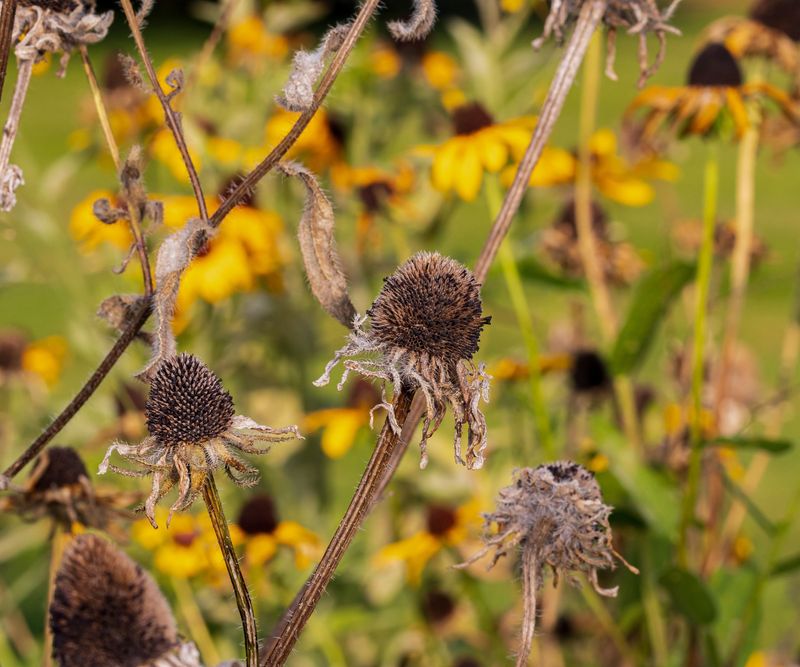
By late August and into September, the bloom season begins to wind down naturally, and that is actually a perfect time to shift your approach. Instead of continuing to trim every faded flower, let some of those spent blooms develop into seed heads.
What looks like a garden past its prime is, for many seed-eating birds, a welcome food source heading into fall.
American goldfinches are among the most enthusiastic visitors to black-eyed Susan seed heads. Watching them cling to the stems and pick at the tiny seeds is one of the genuine pleasures of growing native plants in a home landscape.
Chickadees and other small birds may also stop by to take advantage of the natural buffet your garden provides.
You do not have to choose between more flowers and wildlife value. A practical approach is to trim some stems through the middle part of the season to keep blooms coming.
Then let the rest go to seed as summer transitions toward fall. That balance gives you an extended bloom show and a wildlife-friendly finish to the season.
Seed heads left standing allow black-eyed Susans to reseed naturally into nearby open soil. That can fill in gaps and expand the planting over time without any extra work on your part.
It is a low-effort way to keep a healthy, self-renewing stand of one of the most rewarding native flowers you can grow across this state.