Native Florida Ground Covers That Are Replacing Mulch In Garden Beds
Crotons are not exactly shy about their preferences. They love warmth, they love humidity, and they absolutely love showing off those bold, multicolored leaves in a landscape that actually suits them.
The good news is that if you garden in South or Central Florida, you are basically living in their dream home. But even in a climate this agreeable, timing your planting makes a real difference.
Get them in the ground at the right moment and crotons settle in fast, build strong roots, and start doing what they do best, looking spectacular. Plant at the wrong time and you are playing catch-up before the season even gets going.
Early spring tends to be the sweet spot, though May can still work out beautifully with the right site, solid drainage, and a little extra attention to watering.
1. Sunshine Mimosa Spreads Soft Pink Coverage
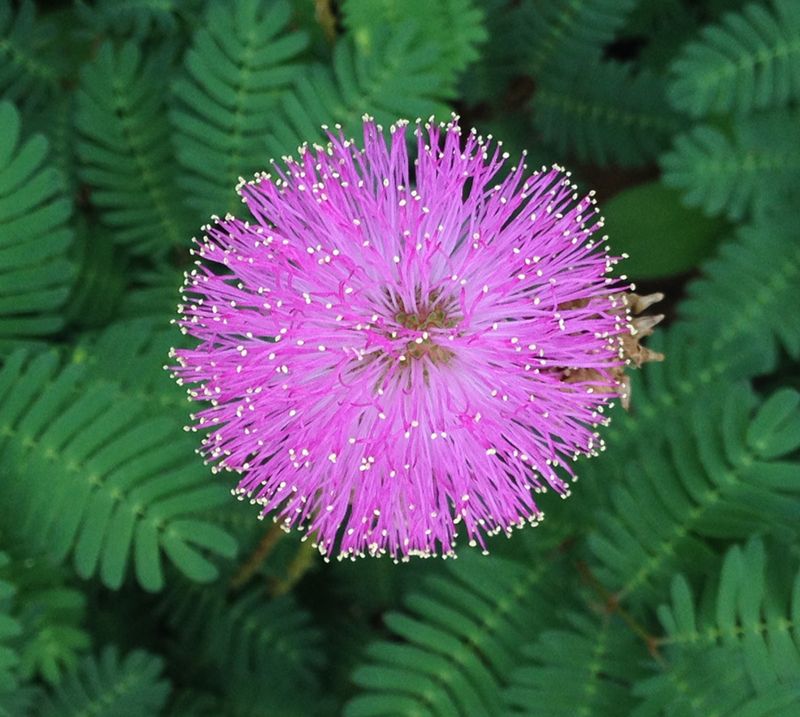
Walking past a garden bed covered in soft pink powderpuff blooms is one of those small surprises that makes gardening feel worthwhile.
Sunshine mimosa, also called powderpuff mimosa, is a low-growing Florida native that spreads outward from its planting point, gradually filling open soil with a dense, feathery mat of green leaves and cheerful pink flowers.
Butterflies visit the blooms regularly, which adds life and movement to beds that might otherwise just hold mulch.
In the right spot, sunshine mimosa can handle light foot traffic, making it a practical choice for areas near pathways or lawn edges. It grows best in full sun and tolerates sandy soils well.
The plant spreads by above-ground runners, so it can cover ground more quickly than some other native options once it gets established.
Gardeners should keep in mind that it may spread beyond its intended space if the bed has open room nearby. Mulch around young plants while they fill in, since bare soil between new plantings can still invite weeds early on.
Sunshine mimosa suits sunny, well-drained Florida beds and works well in pollinator gardens, roadside borders, and low-maintenance native landscapes where coverage and color are both welcome.
2. Frogfruit Covers Soil And Supports Pollinators
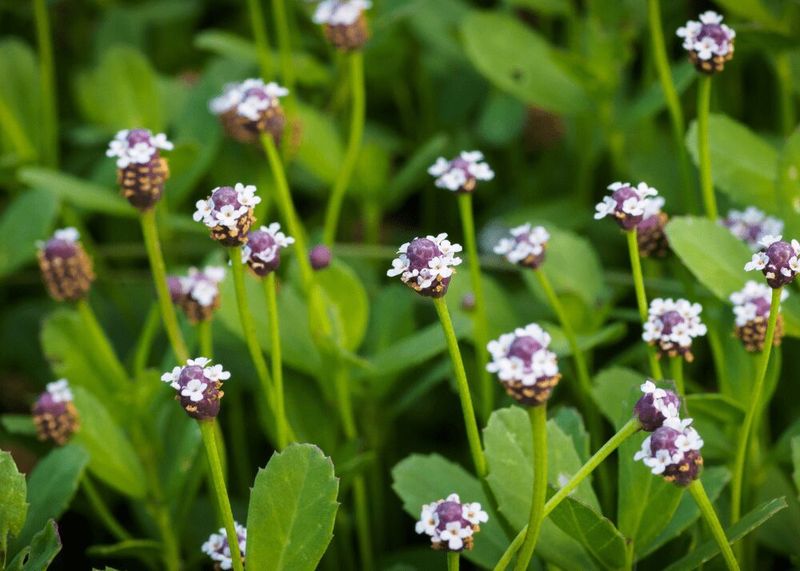
Tiny white and purple blooms might not sound dramatic, but frogfruit earns its place in garden beds by doing several jobs at once.
This native ground cover spreads into a low, dense mat that can cover soil in both sunny and partially shaded spots, making it one of the more flexible options for homeowners trying to reduce bare ground in mixed-light beds.
It also serves as a host plant for several butterfly species, so expect caterpillars alongside the pollinators visiting the flowers.
Frogfruit works well planted in masses across foundation beds, pollinator gardens, or open sandy areas where repeated mulch refreshes have become tedious.
Once established, it fills in at a steady pace and handles Florida’s wet and dry seasonal swings reasonably well.
During extended dry periods, it may need some supplemental water to stay looking its best, especially in beds with very sandy soils.
Young frogfruit plants benefit from mulch between them while they fill in, since the mat takes time to close gaps. Spacing plants closer together helps speed up coverage.
Your Florida Garden Changes Every Week. Your Plan Should Too.
Gardening in Florida changes quickly throughout the season. Every Friday you’ll receive a simple weekly plan showing exactly what to plant, prune, fertilize, harvest, and protect so you never miss the right timing.
Frogfruit is a practical, wildlife-friendly native that suits a wide range of Florida residential landscapes, from shady foundation beds to sunny pollinator borders, as long as the site gets at least some moisture during dry stretches.
3. Beach Sunflower Brightens Sunny Sandy Beds
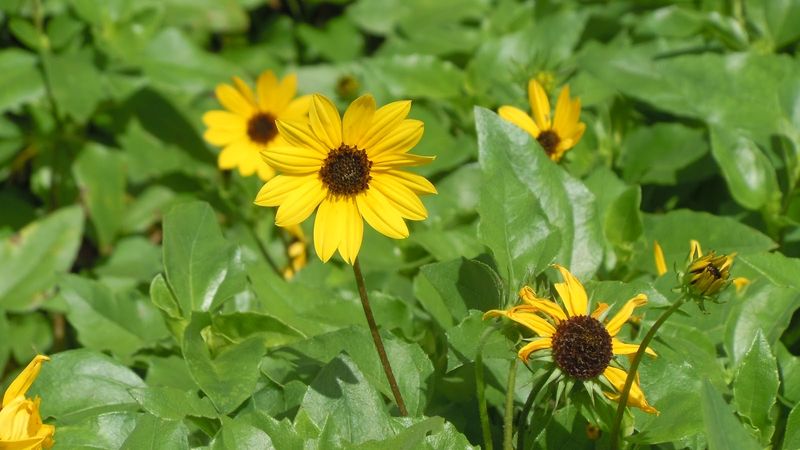
Sandy, sun-baked garden beds that seem to swallow mulch within weeks are exactly where beach sunflower tends to shine.
This Florida native produces cheerful yellow daisy-like blooms on low, spreading stems and handles heat, drought, and sandy soils far better than many garden plants.
It can spread to cover a good amount of ground in a sunny bed, reducing the amount of bare soil that needs regular mulch topping.
Beach sunflower suits hot, dry, well-drained sites and works especially well in coastal Florida landscapes where salt air and sandy ground are the norm.
When selecting plants, choosing a locally sourced or Florida-appropriate ecotype is worth the effort, since beach sunflower populations can vary by region and local plants tend to perform more reliably in their home conditions.
Gardeners should know that beach sunflower spreads actively and may need occasional pruning to stay within its intended bed space. It is not the right fit for shady or poorly drained spots, and it performs best where drainage is sharp and sun is strong.
Mulch around young plants until the mat fills in, since early establishment still leaves open soil exposed.
For sunny beds that need color, coverage, and low-maintenance care, beach sunflower is a standout native worth considering in the right setting.
4. Gopher Apple Handles Dry Sandy Spots
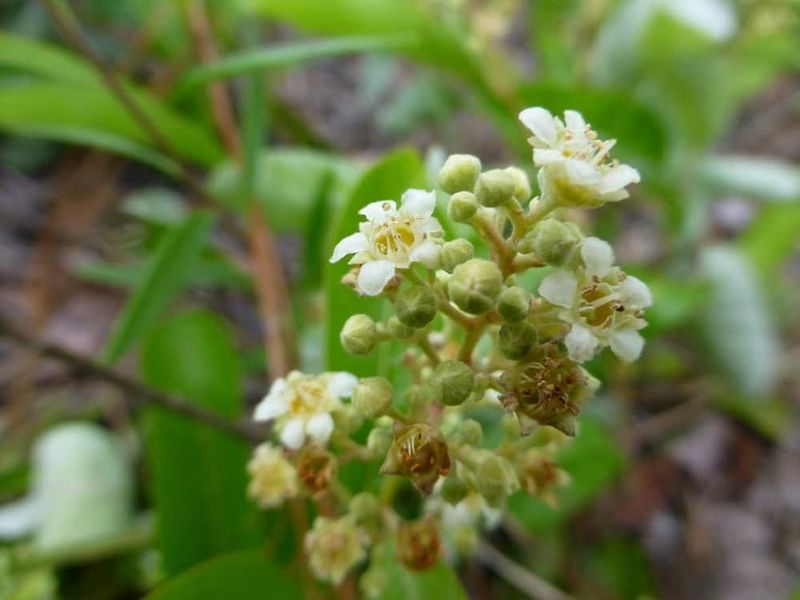
Some Florida planting beds sit on deep, dry sand where almost nothing seems to stay green through a dry season without extra water. Gopher apple is built for exactly those conditions.
This evergreen Florida native spreads by underground stems, slowly forming a thick, low mat of leathery green leaves that can cover dry, open ground in full sun without much fuss once it establishes.
Gopher apple is especially well suited to dry, sandy, coastal, or scrub-like Florida landscapes where soil drains fast and moisture is limited for long stretches. It is a slow-growing plant, so patience is important.
Mulch between young plants while the mat fills in, since it can take a couple of growing seasons before coverage becomes dense enough to meaningfully reduce bare soil.
Wildlife value is a quiet bonus with gopher apple. The small white fruits attract birds and other Florida wildlife, adding ecological value beyond simple soil coverage.
This plant is not the right choice for wet or shaded beds, and it will not spread quickly enough to suit gardeners wanting fast results.
For dry, sunny, low-maintenance beds, particularly those with sandy native soils, gopher apple offers durable, long-term coverage that mulch alone cannot match once the plant matures and fills its space.
5. Creeping Sage Fills Low Shady Spaces
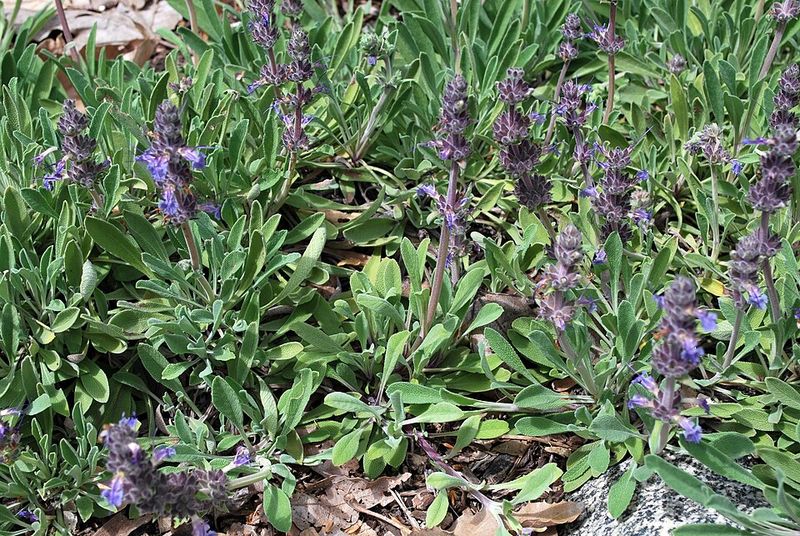
Shady garden beds can be surprisingly tricky to plant. Mulch breaks down fast in humid conditions, weeds find their way through, and many sun-loving ground covers simply refuse to thrive under a tree canopy.
Creeping sage, sometimes called southern river sage, is a Florida native that handles those lower-light conditions well, forming low, dense coverage in full shade, part shade, or even full sun depending on the site.
The plant produces small blue-purple flowers that add subtle color to shaded spaces, and its spreading habit helps it gradually fill gaps between other plantings.
In suitable conditions, creeping sage can grow into a fairly tight mat that reduces the amount of bare soil exposed between mulch refreshes.
Gardeners should watch its spread carefully, though, since it can move beyond the intended bed area in some settings.
Creeping sage works well in foundation beds under trees, shady border areas, or spots where overhead coverage limits what other plants can do.
It may perform differently depending on Florida region, soil moisture, and canopy density, so observing how it behaves in the first growing season helps set realistic expectations.
Mulch around young plants during establishment, and allow a full season before judging how well it is filling in for the specific shady bed where it was planted.
6. Twinflower Adds Native Coverage To Beds
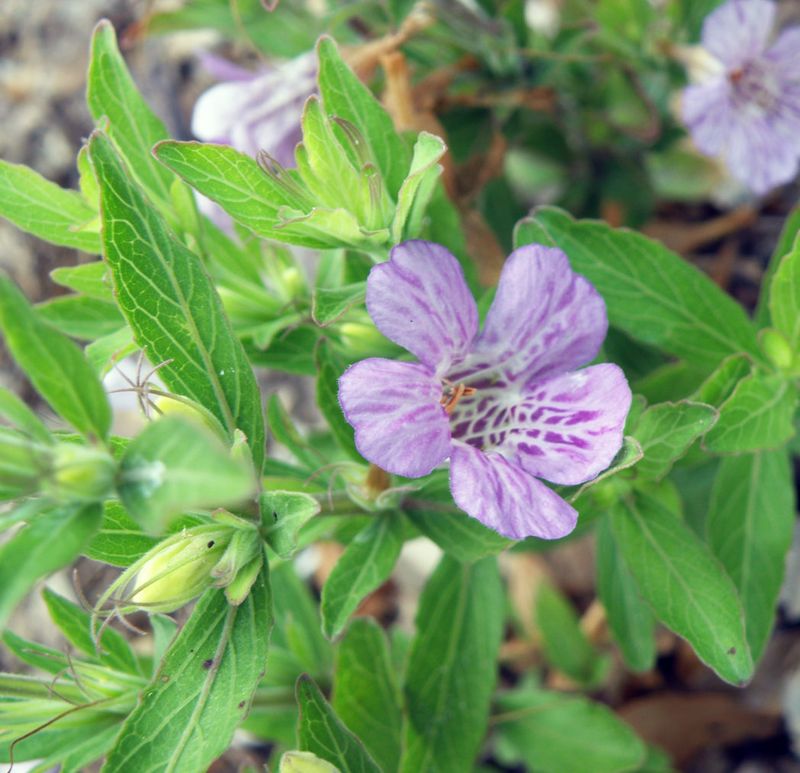
Not every native ground cover gets the attention it deserves, and twinflower, also known as oblongleaf twinflower, is one that often flies under the radar.
This low-growing perennial produces pairs of small lavender flowers that attract pollinators and add quiet color to beds without demanding much in return.
It fits sandy soils well and grows in full sun to part shade, giving it a reasonable range of suitable planting spots.
Twinflower is recommended for ground cover use in Florida landscapes where sandy, well-drained soil is the norm. It spreads gradually and can help reduce open soil in sunny to lightly shaded beds over time.
Like most native ground covers, it needs a full establishment period before it begins to cover ground meaningfully, so mulching between young plants early on is still a smart move.
For pollinator gardens, native plant borders, or sandy residential beds that need low-maintenance coverage with some flower interest, twinflower is worth adding to the plant list.
It suits dry to moderately moist conditions and does not perform well in poorly drained or consistently wet spots.
Spacing plants at appropriate distances and keeping early competition from weeds in check gives twinflower the best chance to spread and fill in across the bed over its first couple of growing seasons in Florida.
7. Coontie Brings Structure To Mass Plantings
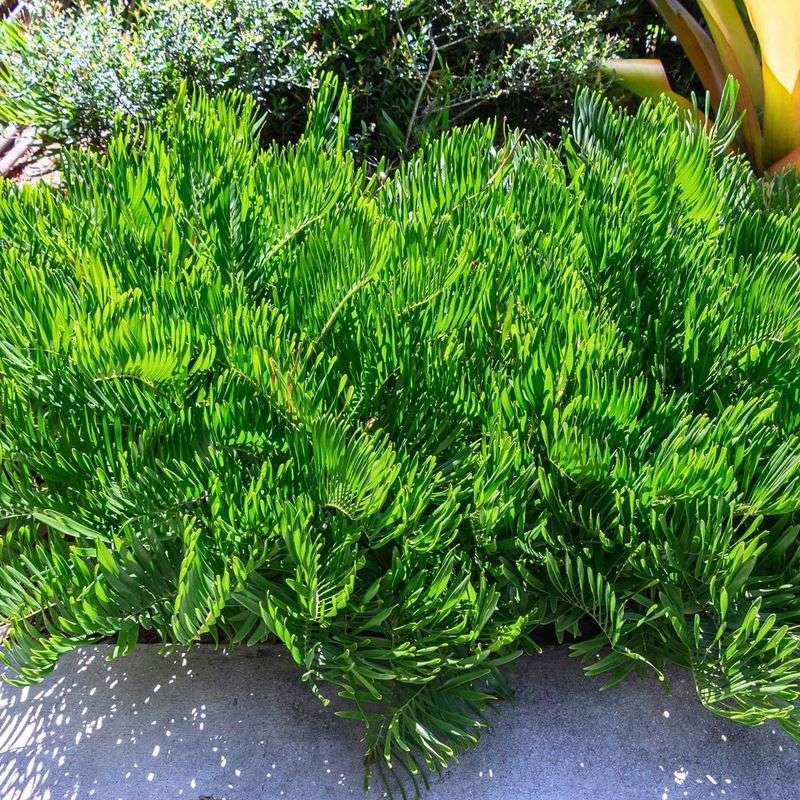
Most ground covers spread in a soft, mat-like way, but coontie takes a different approach entirely. This Florida native cycad grows as a low, structured plant with dark green, feathery fronds that give mass plantings a rich, layered look.
It is not a fast-spreading mat former, and it should not be expected to close bare soil quickly, but planted in groups it creates dense, long-lasting coverage that holds a bed together with real visual weight.
Coontie suits a wide range of Florida conditions, including sun, part shade, dry soils, and even some coastal settings. It is slow to establish and slower to spread, so patience is key.
Mulch between plants while the planting fills in, which could take more than one growing season depending on spacing and conditions. Once established, coontie is remarkably durable and requires very little maintenance.
The atala butterfly, a Florida native species, depends on coontie as a host plant, which adds meaningful ecological value to any planting.
Coontie works well in foundation beds, shaded borders, mass plantings under trees, and native plant designs where structure and longevity matter more than quick coverage.
For gardeners who want a low, neat, long-term native planting rather than a fast-spreading ground cover, coontie is one of the most reliable and rewarding choices available across much of the state.
8. Railroad Vine Covers Roomy Coastal Areas
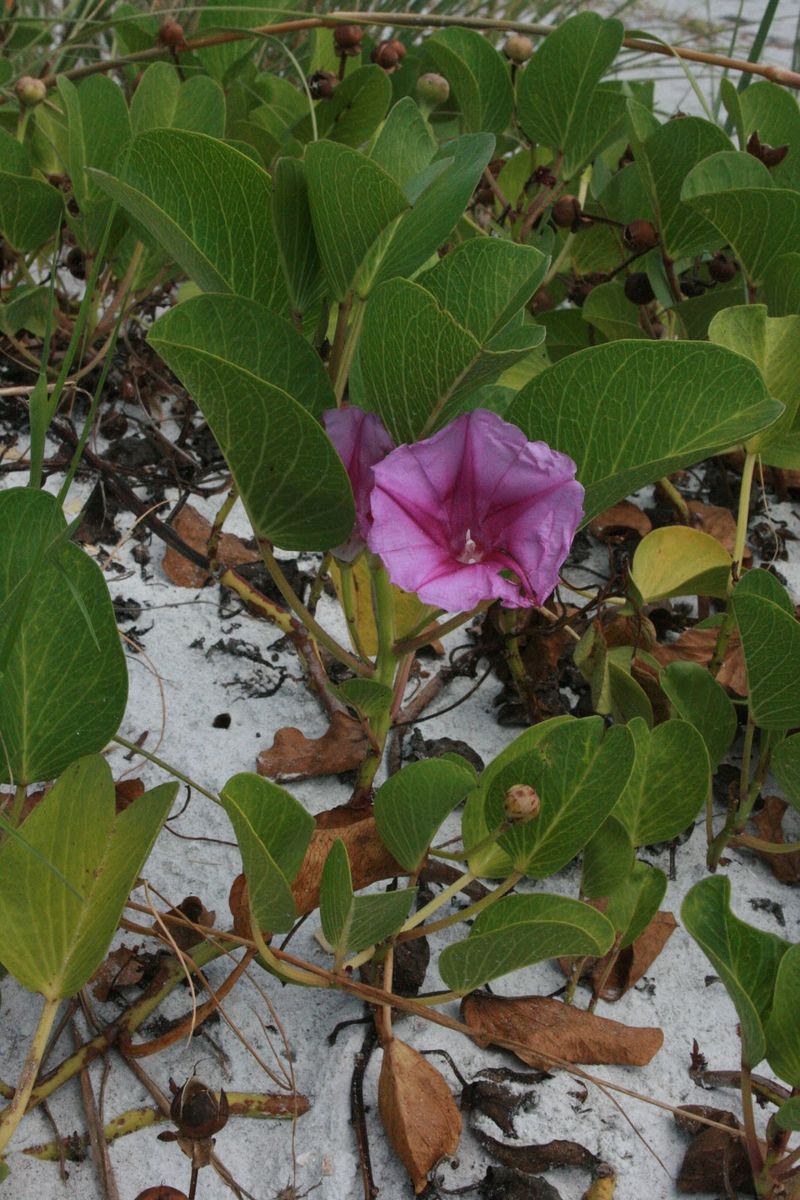
Open sandy areas along Florida’s coast present a planting challenge that most ornamental ground covers cannot handle. Railroad vine is built for those wide, sunny, salt-exposed spots where few plants are willing to grow.
This vigorous Florida native sends out long trailing stems that can cover a lot of ground, producing large purple morning glory-style flowers along the way and holding sandy soil in place where wind and rain would otherwise move it.
Railroad vine is genuinely suited to coastal settings, sandy dunes, and roomy open sites where there is plenty of space for it to spread. It is not the right fit for a small, tidy ornamental bed, and it is not a practical choice for inland landscapes where space is limited.
The stems can grow quite long and may need occasional pruning to keep the plant from moving into areas where it is not wanted.
For homeowners with coastal properties, open sandy yards, or dune-adjacent spaces that need native coverage, railroad vine can be a practical and visually striking option. It tolerates salt air, heat, drought, and poor sandy soils with ease.
Establishment still takes time, and mulching around young plants helps during the first season.
Once railroad vine takes hold in a suitable Florida coastal site, it covers ground with energy and adds real pollinator value through its large, showy blooms.