These Michigan Yard Habits Attract Mosquitoes To Your Garden Every Summer
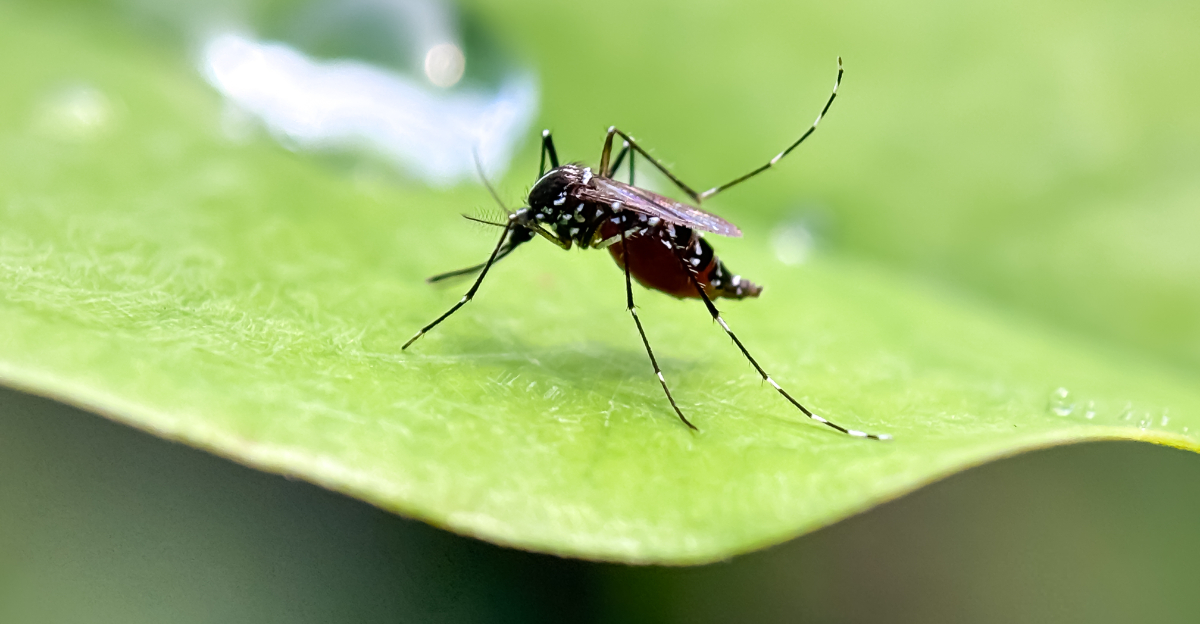
Most Michigan homeowners dealing with heavy mosquito pressure assume it is just the season or the neighborhood.
The reality is that a lot of yards are actively making the problem worse through habits that create ideal mosquito conditions without anyone intending to. Mosquitoes do not need much to establish themselves in large numbers.
A few inches of standing water, certain types of dense low-growing vegetation, and shaded humid corners that never fully dry out are enough to support a significant population through an entire summer.
The frustrating part is that many of these conditions are created and maintained by routine yard care decisions. Recognizing which habits are working against you is the first step toward a summer where sitting outside actually feels comfortable again.
1. Leaving Standing Water Around The Yard

Most people have no idea that a small amount of water sitting in the wrong spot is all it takes for mosquitoes to multiply fast. Female mosquitoes only need about a half inch of standing water to lay their eggs, and those eggs can hatch in as little as 48 to 72 hours.
That birdbath you forgot to empty, the plastic lid sitting near your shed, or the low spot in your lawn that holds water after rain, each one becomes a breeding site without you even noticing.
Michigan summers bring frequent rain showers, which means new water collects regularly around yards. Clogged gutters are one of the biggest overlooked culprits.
When gutters back up, water pools along the roofline and just sits there for days. Cleaning gutters at least twice during the growing season can remove one of the most productive mosquito spots on your entire property.
Walk your yard after every significant rainfall and look for anywhere water has collected. Tip over any container that does not need to hold water.
For items like birdbaths or decorative pots you want to keep, change the water every two to three days. Keeping your yard free of standing water is the single most effective step you can take to reduce mosquito pressure around your garden all summer long.
2. Overwatering Garden Beds

Watering your garden is essential, but too much of a good thing can quietly turn your flower beds into a mosquito magnet. When soil stays constantly wet, it creates cool, damp microclimates at ground level that mosquitoes absolutely love.
Mulch that holds moisture for days, soggy clay soil that never fully drains, and plant containers sitting in water-filled saucers all contribute to the problem in ways most gardeners never connect to their mosquito issues.
Michigan has a wide range of soil types. Clay-heavy soils in areas like southeast Michigan hold water much longer than sandy soils found near the lakeshore.
If your garden beds stay wet for more than a day after watering, you may be overwatering or dealing with poor drainage.
Adding organic matter to clay soil improves drainage, while sandy soil benefits from mulch that retains just enough moisture without becoming swampy.
A good rule of thumb for most Michigan garden plants is to water deeply but infrequently, allowing the top inch or two of soil to dry out between sessions. Morning watering is ideal because it gives excess moisture time to evaporate throughout the day.
Your Michigan Garden Changes Every Week. Your Plan Should Too.
Gardening in Michigan changes quickly throughout the season. Every Friday you’ll receive a simple weekly plan showing exactly what to plant, prune, fertilize, harvest, and protect so you never miss the right timing.
Avoid evening watering since wet soil overnight creates exactly the humid, cool conditions that attract mosquitoes looking for a comfortable resting spot near your garden beds.
3. Dense, Overgrown Vegetation
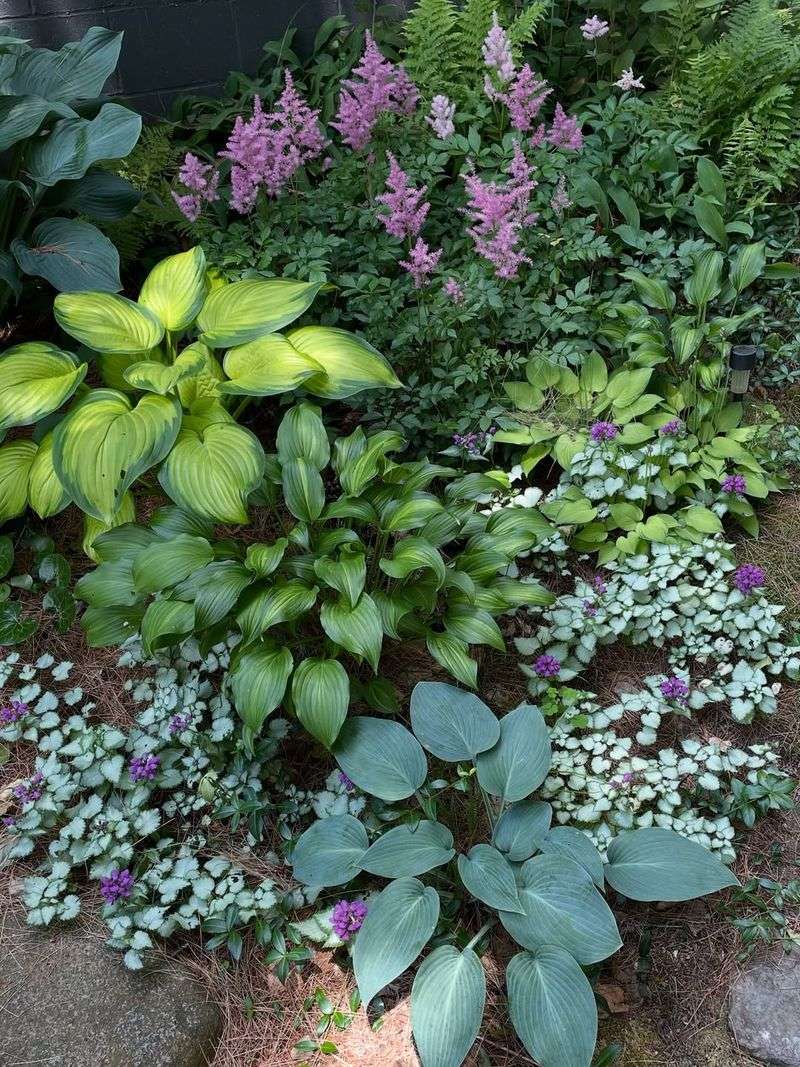
Mosquitoes are not fans of direct sunlight or moving air. During the hottest parts of the day, they retreat into shady, sheltered spots to rest, and overgrown vegetation gives them exactly what they need.
Thick shrubs, tall ornamental grasses, and densely packed perennial beds act like a hotel for mosquitoes, offering cool, humid shade from morning until evening.
Many gardeners love lush, layered landscapes, but without regular maintenance, those beautiful plantings can quietly harbor thousands of resting mosquitoes.
Shrubs that have not been pruned in several seasons often develop dense interior canopies that trap moisture and block airflow completely.
Hostas, ornamental grasses, and sprawling ground covers are popular in Michigan gardens, but when left unchecked, they create thick mats near the ground where mosquitoes gather in large numbers.
Thinning these plants out every spring and mid-summer dramatically reduces the amount of shaded, humid cover available to them.
Spacing plants properly at the time of planting is one of the best long-term strategies. When plants have room to breathe, air circulates better and the ground dries out faster after rain.
For existing beds, remove dry inner branches, cut back sprawling stems, and divide overcrowded perennials every two to three years.
A well-maintained garden can still look lush and full while offering far fewer cozy hiding spots for mosquitoes throughout the summer season.
4. Ignoring Leaf Litter And Yard Debris

That pile of leaves sitting in the corner of your yard might seem harmless, but it is doing more than just looking messy.
Leaf litter, grass clippings, and garden debris pile up and trap moisture underneath, creating a dark, damp environment that mosquitoes find incredibly appealing.
As the layers decompose, they release heat and humidity that keeps the area moist even during dry stretches of summer. For Michigan yards that tend to see a lot of rainfall in June and July, this becomes a serious issue fast.
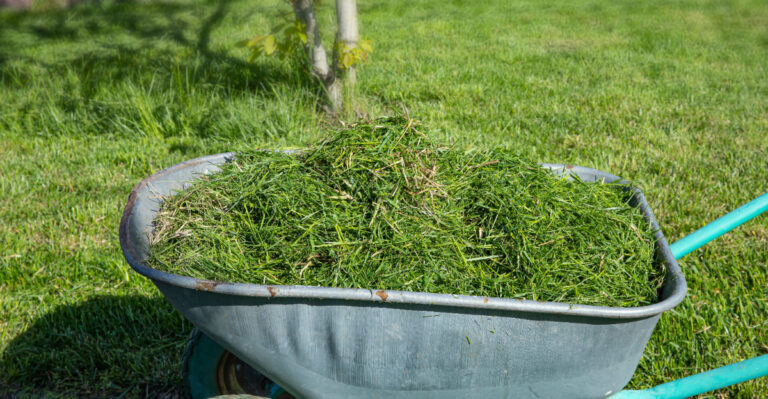
Grass clippings left in thick rows after mowing are another often-overlooked problem. When clippings clump together, they mat down and hold water for days.
The same goes for piles of pulled weeds or spent plant material tossed to the side of a garden bed. Composting yard waste is a great solution, but the compost pile itself needs to be managed carefully.
A hot, actively turning compost pile is far less attractive to mosquitoes than a cold, wet, ignored pile sitting in a shaded corner.
Setting a cleanup schedule helps enormously. Rake leaves and remove garden debris every week or two during peak growing season.
Bag or compost clippings immediately after mowing. If you run a compost pile, turn it regularly and keep it in a sunny location with good drainage.
Staying on top of yard cleanup is one of the simplest and most overlooked ways to reduce mosquito habitat around your home this summer.
5. Poor Airflow Around Outdoor Living Spaces

Still, humid air is a mosquito’s best friend. When outdoor living spaces are surrounded by tall hedges, dense shrubs, or thick plantings on all sides, the air barely moves.
Mosquitoes thrive in calm, stagnant conditions because they are weak fliers and struggle to navigate in even a light breeze.
A backyard that feels like a cozy green room might look stunning, but without airflow, it quietly becomes a mosquito haven from late May straight through September in Michigan.
Many homeowners plant privacy screens along fence lines using fast-growing shrubs or evergreens, which is a smart idea for reducing noise and increasing seclusion.
The issue comes when those plantings grow so thick that they completely block natural wind movement.
Even a gentle, consistent breeze of just one to two miles per hour is enough to significantly reduce mosquito activity in an outdoor space. Creating small gaps or corridors in your plantings allows air to flow through rather than stall.
Pruning back shrubs closest to seating areas by even a foot or two can make a noticeable difference. Planting taller, open-canopy trees rather than dense, low shrubs near patios also helps.
Outdoor ceiling fans on covered porches and pergolas are a practical addition as well, keeping air moving even on the calmest summer evenings.
Strategic planting and smart pruning together create an outdoor space that feels fresh, open, and far less welcoming to mosquitoes all season long.
6. Leaving Garden Tools Or Buckets Outdoors
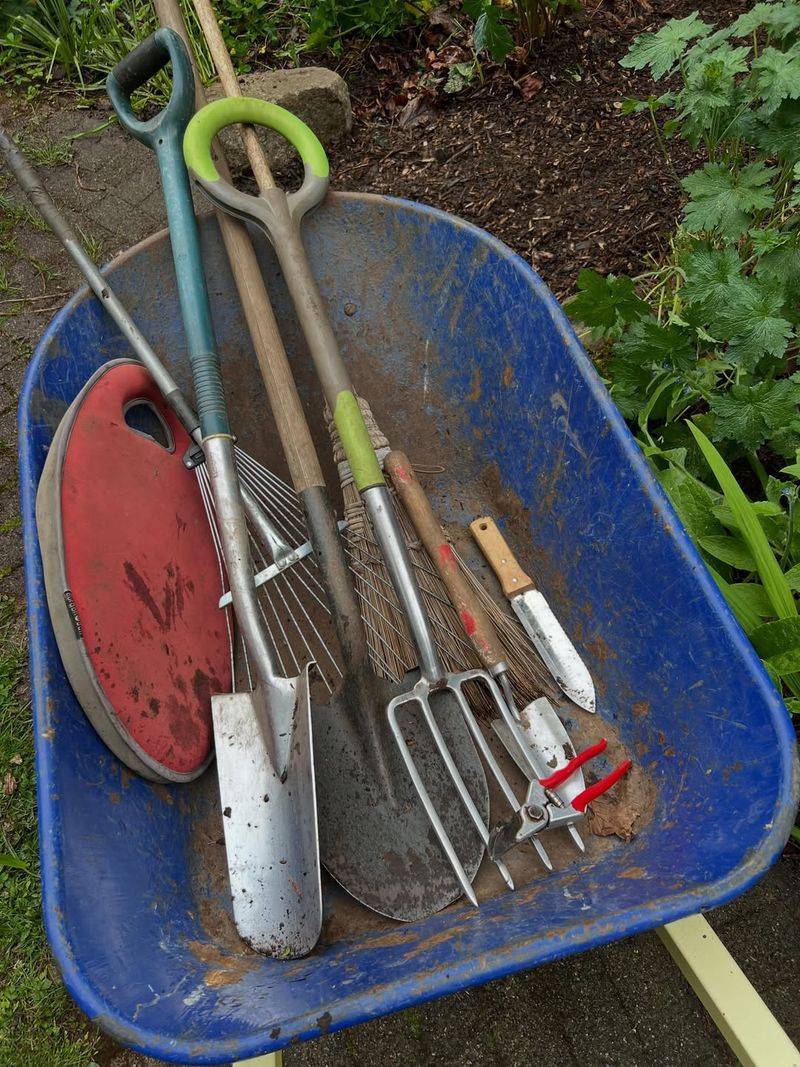
Few things invite mosquitoes into your yard quite like a collection of forgotten items sitting outside after a garden session.
Buckets, watering cans, plant saucers, seed trays, and even upturned lids from garden containers can collect enough water in a single rainstorm to become a mosquito breeding site within days.
Michigan summers are full of warm, rainy stretches that keep these containers topped off constantly, giving mosquitoes a near-endless supply of fresh, still water to use.
Wheelbarrows are another common culprit that most gardeners overlook entirely. A wheelbarrow left right-side up after a rainy afternoon can hold gallons of water for a week or more.
Even small depressions in the bottom of old plastic pots or cracked clay containers hold enough water to support a surprising number of mosquito larvae.
The tricky part is that the water often looks clean and harmless, so it does not trigger the same alarm bells as a visibly murky puddle.
The fix is straightforward and takes only a few extra minutes after each garden session. Store tools in a shed or garage, tip buckets and wheelbarrows upside down, and remove saucers from outdoor pots or drill drainage holes in them.
Cover items that must stay outside with a tarp secured tightly enough to prevent water from pooling on top.
A quick walk around your yard after a rainstorm to tip and drain anything that has collected water goes a long way toward keeping mosquito numbers down all summer.
7. Not Maintaining Rain Barrels Or Water Features
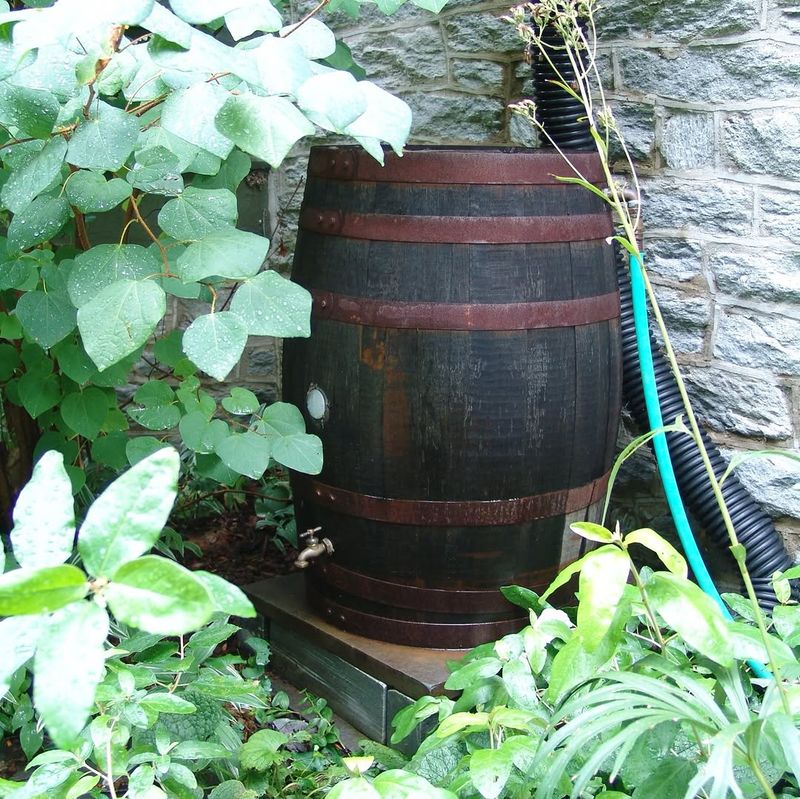
Rain barrels and garden water features are wonderful additions to a Michigan yard, but they require consistent attention to avoid becoming mosquito breeding hotspots.
An uncovered rain barrel is essentially a large open container of still water sitting in your yard for weeks at a time.
Mosquitoes can find the water, lay eggs on the surface, and produce a new generation of adults in under two weeks. The same goes for ornamental ponds, birdbath fountains, and decorative water bowls that are not actively circulating or maintained.
Rain barrels should always have a tight-fitting, fine-mesh screen over the opening. This keeps mosquitoes from accessing the water surface while still allowing rainwater to flow in freely.
Many commercial rain barrels come with built-in screens, but older models or DIY setups often leave gaps. Check the screen regularly for tears or loose edges, especially after heavy storms.
Adding a few drops of Bacillus thuringiensis israelensis, a naturally occurring bacteria safe for wildlife, to your barrel can also prevent larvae from developing.
For ponds and fountains, keeping water moving is the most effective strategy. Mosquitoes strongly prefer still water and rarely lay eggs in surfaces that are actively rippling or circulating.
A small submersible pump or fountain head keeps the water moving continuously. Clean out pond filters and fountain basins monthly to remove debris buildup.
With just a little regular attention, your water features can stay beautiful and functional without turning into a mosquito nursery right in your backyard.
8. Skipping Regular Lawn Mowing

A lawn that has gone a week or two too long without mowing might not seem like a big deal, but tall grass changes the microclimate at ground level in ways that strongly favor mosquitoes.
Long blades of grass trap moisture from dew and rainfall, keeping the ground beneath them cool and damp for much longer than a well-trimmed lawn.
That combination of shade and humidity is exactly what mosquitoes look for when they need a place to rest between feeding. Michigan’s warm, humid summers make this problem especially noticeable from June through August.
Mosquitoes do not live in tall grass permanently, but they use it as a daytime shelter where they wait out the heat before becoming active again at dusk.
A lawn mowed to around three to three and a half inches dries out faster, allows more sunlight to reach the soil, and gives mosquitoes far fewer comfortable resting spots.
Mowing every five to seven days during peak growing season keeps grass at an ideal height for both lawn health and mosquito reduction.
Edging along fence lines, garden beds, and walkways is just as important as mowing the main lawn area. Grass that grows tall and floppy along edges often stays damp longer than the open lawn because it gets less sun and airflow.
A sharp, consistent edge not only makes your Michigan yard look polished and well cared for, but it also removes one more shaded, humid microhabitat that mosquitoes would otherwise gladly claim as their own.
9. Ignoring Shade Around Decks And Patios

Shade is one of the most underrated factors in mosquito activity around outdoor living spaces.
Decks and patios tucked under large overhanging trees or wrapped in thick shrub borders feel wonderfully cool on hot Michigan afternoons, but that same shade creates the perfect low-light, humid environment that mosquitoes gravitate toward.
They rest in shaded spots during the day to conserve energy and moisture, then become highly active at dusk right where you are trying to relax with your family.
Large deciduous trees with dense canopies are the most common source of deep shade over Michigan decks.
While removing a mature tree is rarely the right answer, selectively thinning branches above and around the seating area can open up the canopy enough to let more sunlight and airflow through.
A certified arborist can safely remove crossing or overly dense branches without harming the tree, and even modest thinning can significantly reduce the shade and humidity levels around your deck.
On the planting side, replacing low, dense foundation shrubs near decks with taller, open-form plants allows more air movement at ground level.
Ornamental grasses with an upright, airy habit, small flowering trees with a light canopy, or well-spaced perennials all provide interest and privacy without creating a heavy shade blanket.
The goal is not to strip your yard of greenery but to redesign the space so sunlight and air can reach your patio, making it far less comfortable for mosquitoes and far more enjoyable for you.
10. Leaving Pet Water Bowls Or Kiddie Pools Untended
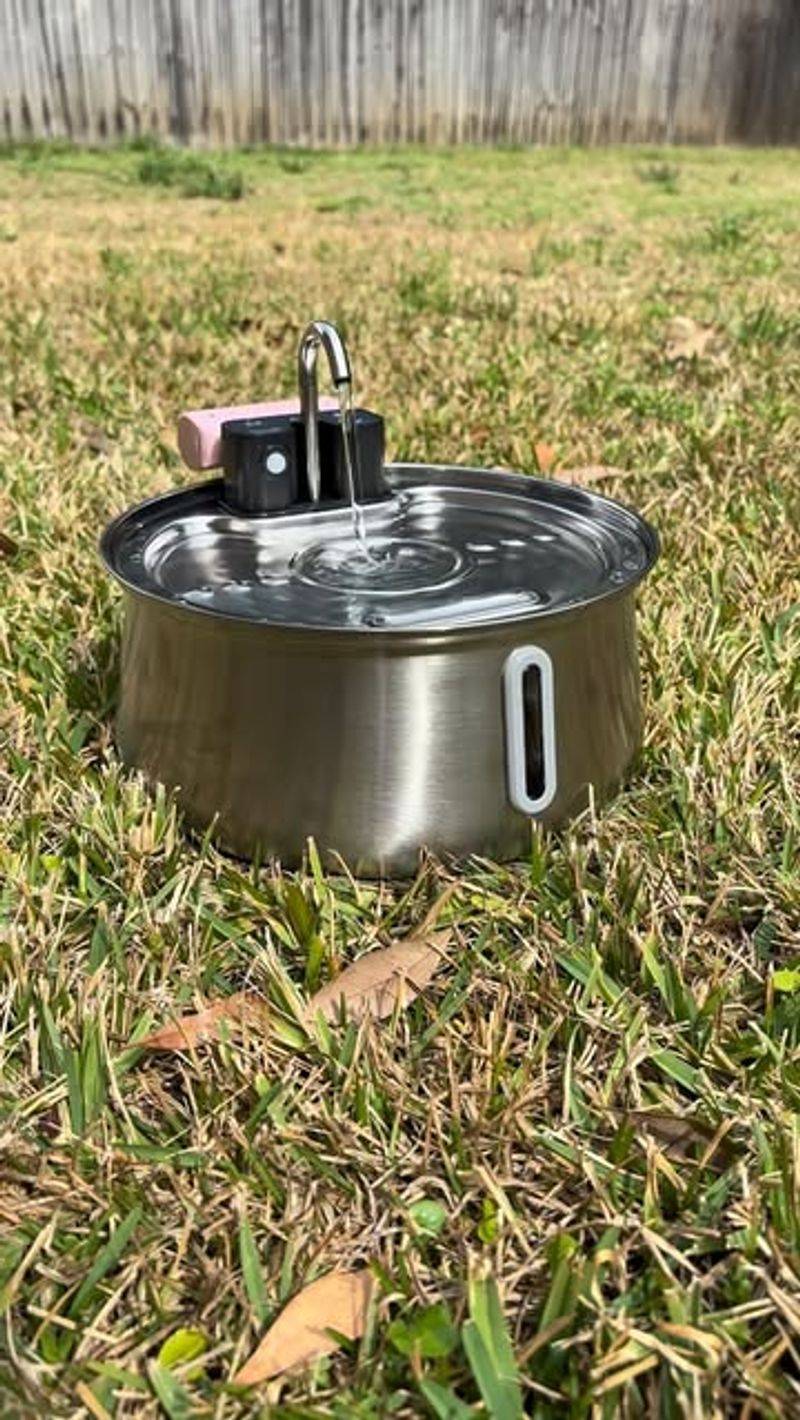
Pet water bowls sitting on the back porch and kiddie pools left filled between swim sessions are two of the most common and overlooked mosquito breeding sites in Michigan yards.
A shallow bowl of water sitting outside in warm summer temperatures can become hospitable to mosquito eggs within just a couple of days.
Kiddie pools are even more problematic because they hold a much larger volume of still, warm water that heats up quickly in the sun, creating near-ideal conditions for rapid mosquito development.
For outdoor pet bowls, the simplest solution is to empty and refill them with fresh water every single day.
Mosquitoes need still water that sits undisturbed for at least 48 hours to complete the early stages of their life cycle, so daily refreshing breaks that cycle completely.
Scrubbing the bowl every few days also removes any eggs or organic residue clinging to the sides before they have a chance to develop further.
Kiddie pools should be emptied and flipped over whenever they are not in use, even if you plan to use them again the next day. Storing a small pool upside down takes only seconds and eliminates the standing water problem entirely.
If draining is not practical every day, a battery-powered pool circulator keeps the water moving enough to deter mosquitoes. Covering the pool tightly with a fitted cover when not in use is another effective option.
Small habits like these protect your whole family and your Michigan yard from unnecessary mosquito pressure all summer long.