Illinois Yards Are Full Of Cicadas, And Here Is What You Should Actually Do
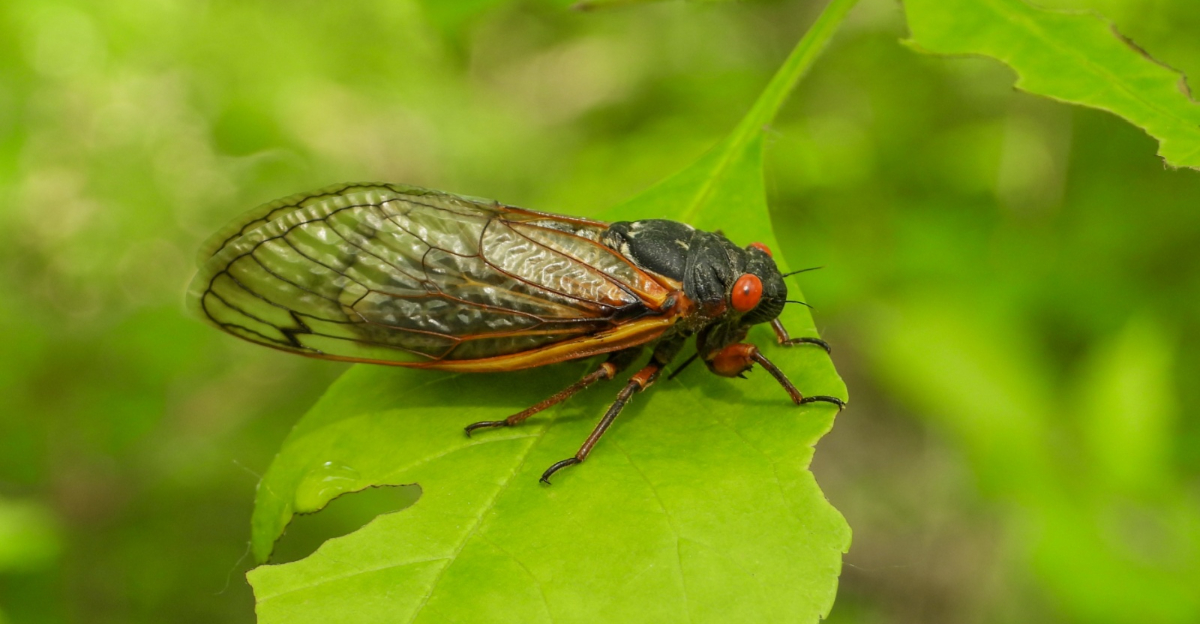
My coffee was halfway to my mouth when I froze. The backyard sounded like someone had cranked up a nature documentary and forgotten to turn it off.
Humming from the left, rustling from the right, and somewhere in the middle, a sound I still cannot fully describe. If you stepped outside your Illinois home this morning and thought your yard had been taken over by something prehistoric, you are not imagining things.
Cicadas are back. Billions of them.
And yes, the noise is real. The shed shells underfoot are real.
The sheer, slightly unhinged spectacle of it all is absolutely real. These little creatures have been underground for over a decade, patiently waiting for their moment in the Illinois sun.
And honestly? You have to respect that commitment.
Before you grab a broom or spiral into full panic mode, take a breath. Maybe two.
Because dealing with cicada season is far more manageable than it looks. Promise.
1. They Follow A 13 Or 17 Year Underground Cycle
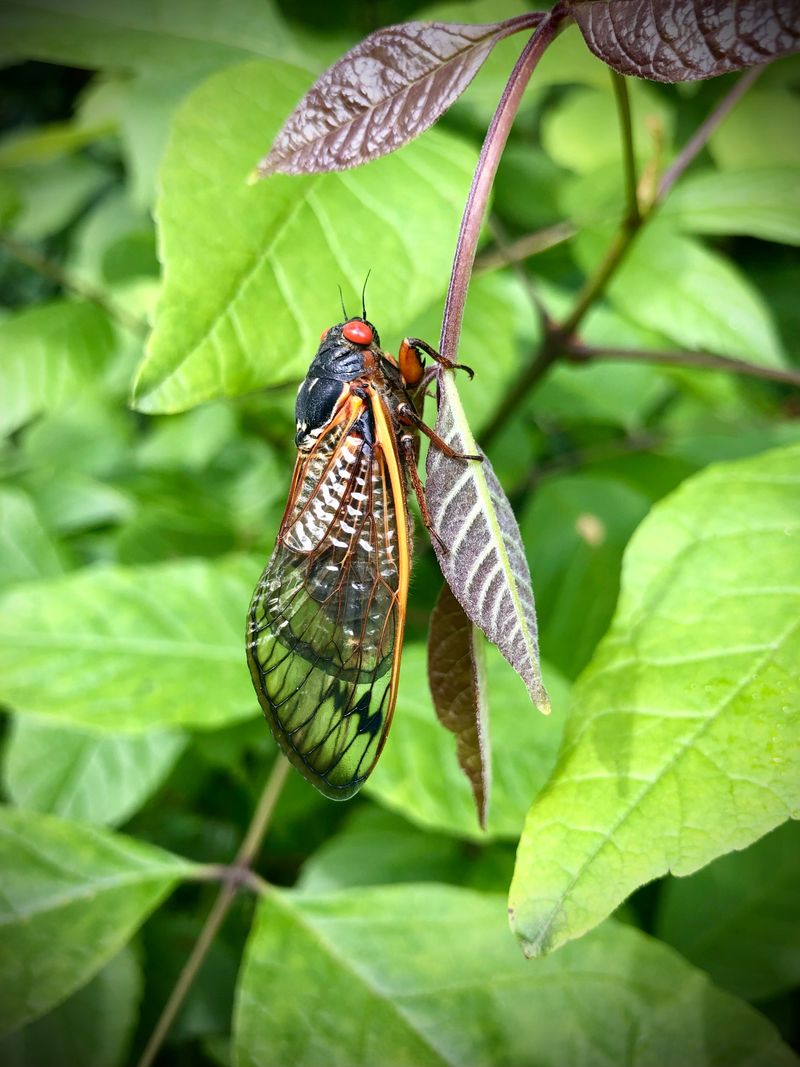
Seventeen years underground. Billions of insects.
One very loud comeback. Yet that is exactly what periodical cicadas do, and it is one of the most remarkable survival strategies in the natural world.
Their timing is not random at all.
These insects spend most of their lives as nymphs, burrowed several inches below the surface, feeding quietly on tree root fluids. They count years using environmental cues scientists still do not fully understand.
When the countdown ends, they all emerge at once.
The synchronized mass emergence is actually a survival trick called predator saturation. By flooding an area with billions of bodies simultaneously, they overwhelm any predator trying to eat them.
Birds, raccoons, and squirrels simply cannot eat fast enough.
The 13-year broods tend to appear across southern states, while 17-year broods dominate the Midwest. Illinois sits right in the overlap zone for multiple broods.
That is why some regions of the state seem to get hit harder than others.
Understanding the cycle takes away a lot of the fear. This is not a pest problem or a sign of something going wrong.
It is ancient biology running exactly on schedule, and it will end just as predictably as it began.
2. Soil Hitting 64 Degrees Triggers Their Emergence
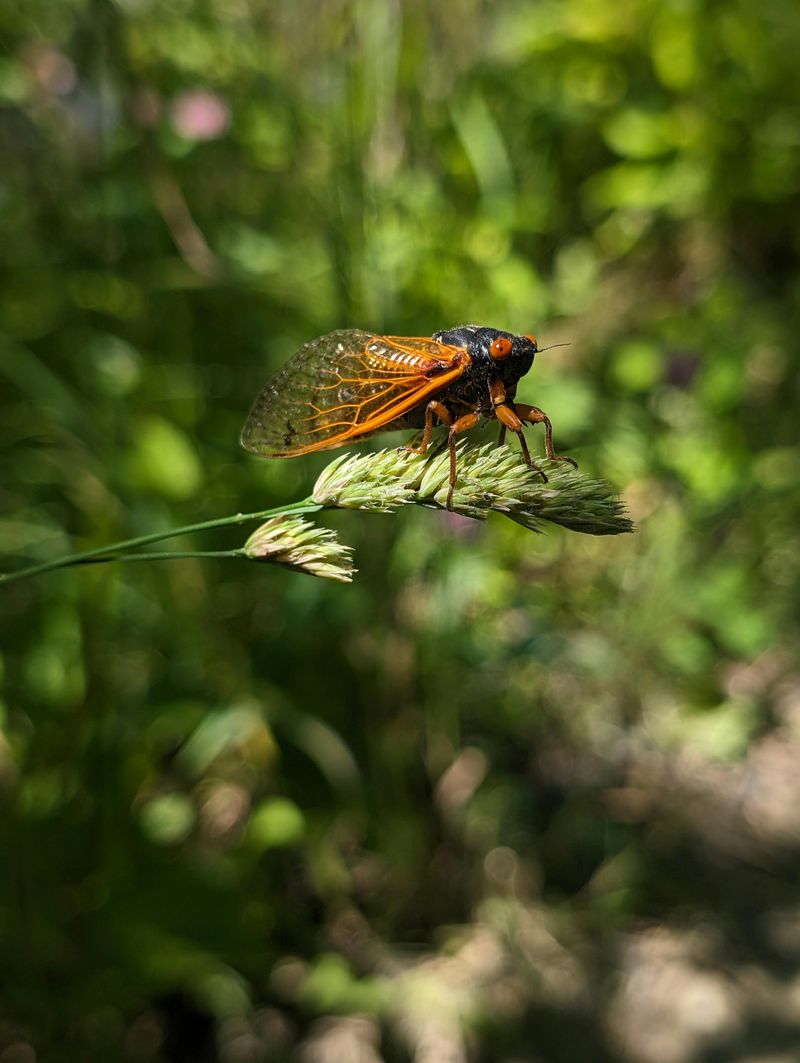
Nature has its own thermostat, and cicadas are hard-wired into it. The moment soil temperatures at about eight inches deep reach 64 degrees Fahrenheit, the nymphs get their signal to move.
Not a few of them. All of them, at once.
This temperature trigger is remarkably precise. Researchers have confirmed that 64 degrees is the consistent threshold across multiple brood events spanning decades of observation.
A warm spring can pull them out earlier than expected.
Gardeners who track soil temps for planting often notice the ground warming faster in sunny, south-facing beds. Those spots tend to see cicadas emerge first.
Shadier, north-facing areas may lag by a few days.
Once that threshold is crossed, emergence typically happens at night. Nymphs crawl up through the soil, climb the nearest vertical surface, and begin molting into adults within hours.
Your Illinois Garden Changes Every Week. Your Plan Should Too.
Gardening in Illinois changes quickly throughout the season. Every Friday you’ll receive a simple weekly plan showing exactly what to plant, prune, fertilize, harvest, and protect so you never miss the right timing.
The shed shells you find on fence posts and tree trunks are left behind from that process.
Watching the forecast and checking soil temperature can actually help you prepare. If you know a warm stretch is coming, you can get protective netting on young trees before the rush starts.
A little heads-up goes a long way when billions of bugs are involved.
3. Illinois Sits In Prime Cicada Brood Territory
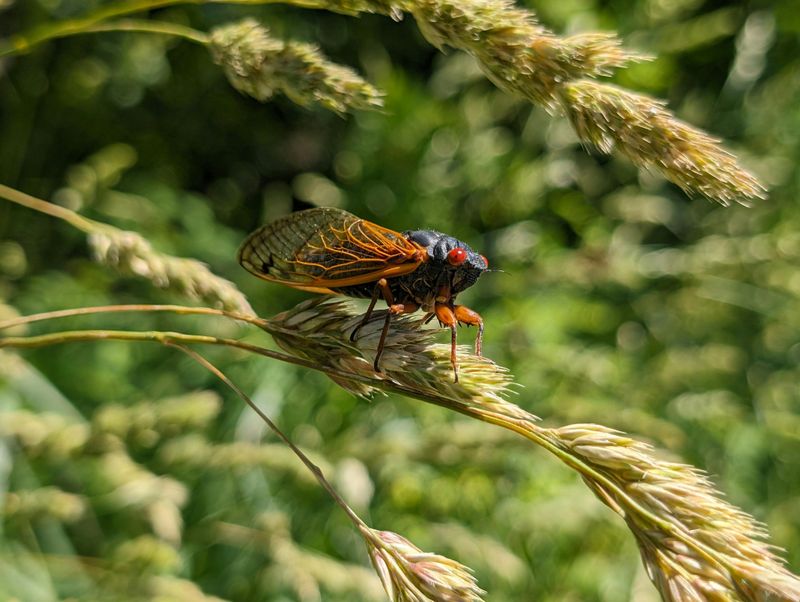
Illinois does not just get cicadas. Illinois gets the whole spectacular, deafening show.
The state sits within the range of both Brood XIII and Brood XIX, two of the largest periodical broods in North America. That overlap is genuinely rare.
Brood XIII follows a 17-year cycle and covers the northern part of the state, including the Chicago suburbs. Brood XIX operates on a 13-year schedule and sweeps through central and southern regions.
When their cycles align, which happened in 2024, it is a historic event.
The two broods had not emerged together in the same region for well over a century. Scientists and nature enthusiasts traveled from across the country just to witness it.
For residents, though, it meant an especially intense season of noise and sheer bug volume.
Even in non-overlap years, Illinois sees significant emergence activity. The combination of mature hardwood forests, rich agricultural soil, and favorable spring temperatures makes the state ideal habitat.
Cicadas thrive where oak, hickory, and apple trees are plentiful.
Knowing your specific region helps set expectations. Northern Illinois homeowners may face different brood timing than those downstate.
Checking with your local extension office can tell you exactly which brood is active in your zip code this season.
4. They Emerge In The Billions
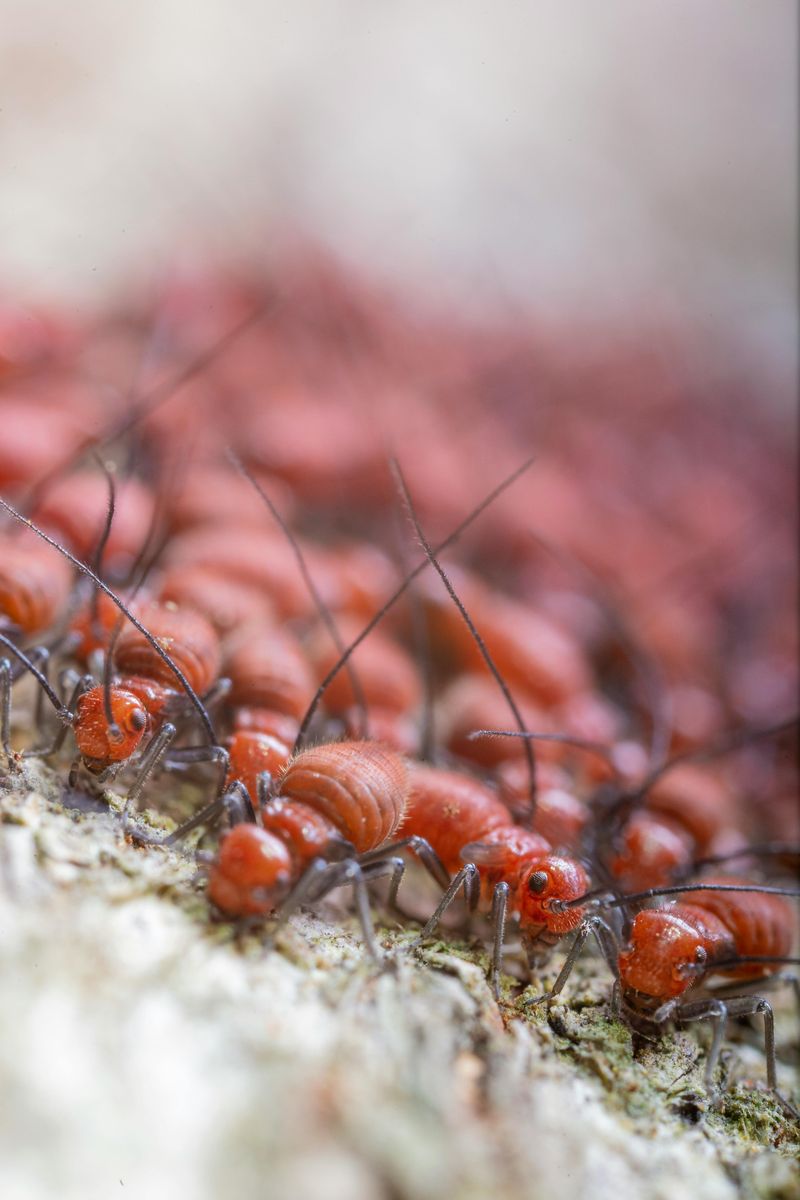
There is no polite way to say this: the numbers are staggering. Scientists estimate that a single acre of prime cicada habitat can host up to 1.5 million emerging insects.
Multiply that across entire counties and the figures become almost impossible to picture.
During a major emergence event, cicada density can reach 1.5 million per acre in hotspot areas. Near heavily wooded areas, shed shells can accumulate on walkways and patios fairly quickly.
The hum from mating calls can hit 100 decibels, roughly the volume of a lawnmower running next to your ear.
That noise is produced entirely by males using ribbed membranes on their abdomens called tymbals. They flex those membranes rapidly to attract females, and when many males sing together, the sound becomes a steady, layered hum.Some people find it meditative.
Others find it very loud.
The sheer volume of bodies also means driveways, patios, and garden paths get slippery. Dead and molting cicadas pile up quickly, especially near trees.
A good outdoor broom becomes your best friend during peak weeks.
As overwhelming as the numbers feel, remember that the population crashes almost as fast as it explodes. Within four to six weeks, the bulk of the emergence is over.
The billions thin out, the noise fades, and your yard starts looking like itself again.
5. They Only Live Above Ground 4 To 6 Weeks
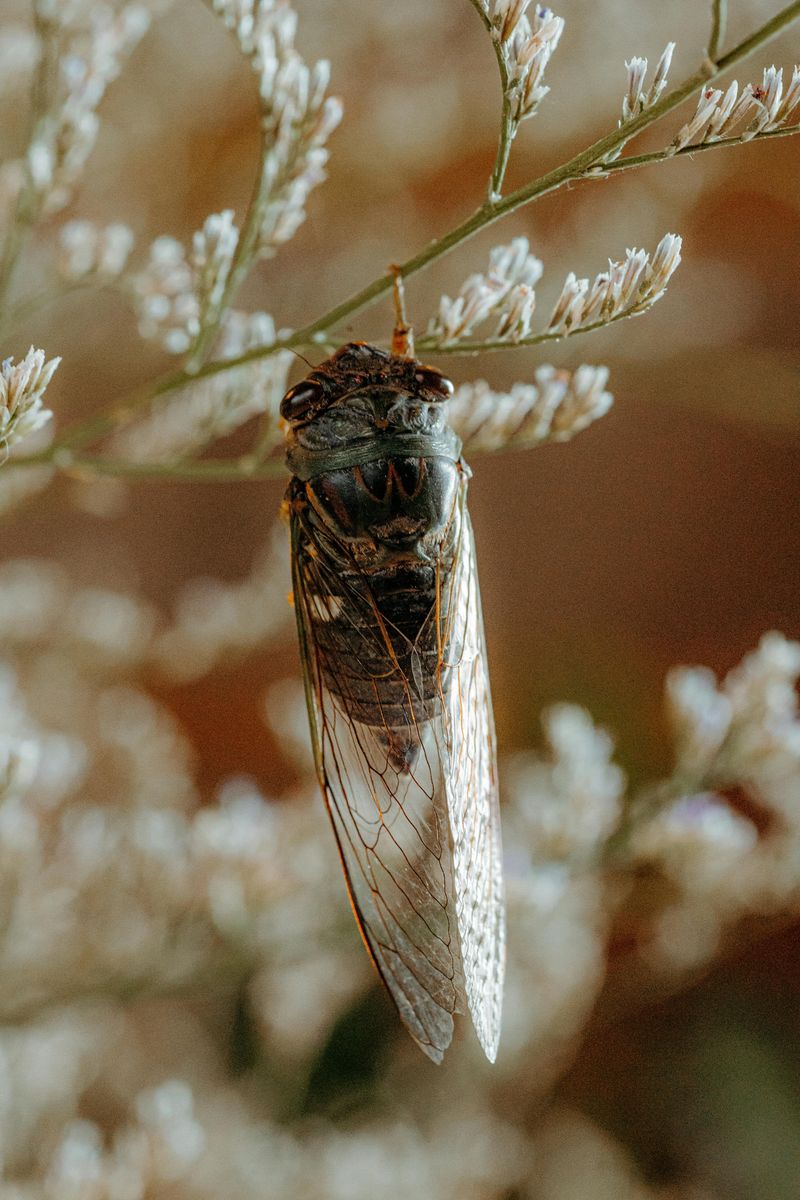
Four to six weeks. That is the entire above-ground lifespan of a periodical cicada.
For an insect that spent 13 or 17 years underground, that window feels almost heartbreakingly brief.
During those weeks, adults have one mission: mate and lay eggs. Males call, females respond, and mating happens fast.
Females then use a sharp egg-laying organ called an ovipositor to slice small slits into tree branches and deposit their eggs inside.
Each female can lay up to 400 eggs across dozens of branches. The egg-laying process can cause branch tips to wilt and brown, a condition called flagging.
It looks alarming but is rarely fatal to healthy, established trees.
By week five or six, adults begin to slow down. They stop calling, stop moving, and eventually fall from the trees.
Their bodies pile up on lawns and garden beds, beginning the next phase of their contribution to the ecosystem.
Knowing the timeline is genuinely reassuring. If you are in week two of the emergence and feeling overwhelmed, you are already approaching the halfway point.
Marking your calendar from the first sighting can help you mentally manage the season. The end is always closer than it feels when you are standing in the middle of it.
6. Cover Young Trees And Shrubs With Fine Mesh Netting
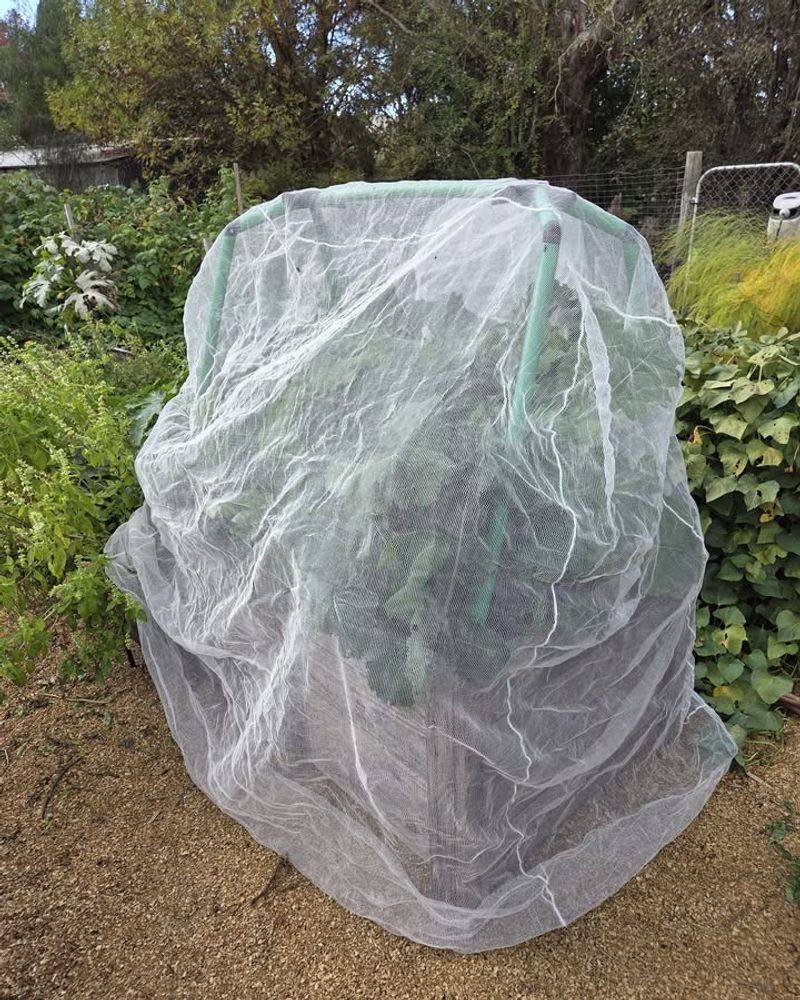
Got a young tree? It just became cicada prime real estate.
Their branches are thin and tender, making them easy targets for egg-laying females. The good news is that a simple physical barrier works extremely well.
Fine mesh netting with openings no larger than one centimeter is the go-to solution recommended by entomologists and master gardeners alike. Drape it over the entire canopy and secure it snugly at the base of the trunk.
Loose netting lets cicadas slip underneath.
Hardware cloth also works, but it is heavier and harder to handle for larger shrubs. Lightweight insect netting from garden centers is easier to manage and usually comes in large enough rolls to cover multiple plants in one afternoon.
Check the netting every few days during peak emergence. Cicadas are persistent and will probe for gaps.
Tuck the edges under a rock or use garden staples to keep everything sealed tight.
Remove the netting once the emergence winds down, usually around the six-week mark. Leaving it on too long can restrict airflow and trap heat around the foliage.
A little effort now protects years of growth, and that is absolutely worth an afternoon in the garden.
7. Hold Off Planting New Trees Until They Are Gone

Planting a new tree right now is brave. Waiting a few weeks is smarter.
The conditions are just working against you. Waiting a few weeks makes a significant difference in how well your new trees establish.
Newly planted trees are already stressed from being transplanted. Their root systems are fragile, and their branches are prime real estate for egg-laying females.
Adding that pressure on top of transplant shock can set a young tree back by a full growing season.
The egg-laying slits left in small branches are not just cosmetic damage. They interrupt the flow of water and nutrients to branch tips, causing dieback that weakens the overall structure of a young tree before it has had a chance to establish.
That is a tough start.
Most local nurseries actually advise customers to hold purchases until the emergence ends. Some even offer to store pre-purchased trees for a few extra weeks at no charge.
It is worth asking your nursery directly about their policy.
Once the cicadas clear out, late summer planting can still be successful in most of Illinois if you water consistently. Cooler temperatures reduce transplant stress, and roots have time to settle before winter.
A short wait now means a much stronger tree later.
8. Leave Established Plants Alone

Mature trees are basically untouchable when it comes to cicada damage. A healthy oak, maple, or hickory with years of established root systems and thick branches can handle the egg-laying activity without missing a beat.
Save your energy for the plants that actually need help.
Even if you notice flagging on some branch tips of a large tree, that is a natural and temporary response. The tree will simply grow new growth to replace the affected tips.
In some cases, light pruning from egg-laying actually stimulates bushier regrowth later in the season.
Covering a mature 40-foot oak is not realistic anyway. The netting approach only works for small trees and shrubs you can fully enclose.
Trying to wrap a large tree wastes materials and does not provide meaningful protection.
Perennial plants, established shrubs, and groundcovers are similarly resilient. Cicadas do not eat foliage.
They feed on plant fluids through their mouthparts, but the feeding damage on healthy, established plants is generally too minor to cause lasting harm.
Focusing your protective efforts on new and vulnerable plants, rather than spreading yourself thin across the entire yard, is the smarter play. Your established garden has survived seasons before this one.
Trust it to do the same thing again this time around.
9. Skip The Pesticides

Put the pesticide down. It will not save you from this many cicadas.
No chemical treatment will stop billions of insects that have been building toward this moment for over a decade. You would be wasting money and potentially harming your garden.
Pesticides applied to plants during emergence do not deter cicadas from landing or laying eggs. The insects keep coming regardless, and you end up coating your yard in chemicals for zero protective benefit.
Worse, those chemicals can harm the beneficial insects that were already living in your garden.
Pollinators like bees and butterflies are highly sensitive to broad-spectrum insecticides. Spraying during an emergence can wipe out a season of pollinator activity in your beds.
That ripple effect can hurt your vegetable garden and flowering plants well past cicada season.
Birds and small mammals that eat cicadas can also be affected by ingesting chemically treated insects. The food chain in your backyard is more connected than it looks.
Disrupting it for a temporary insect event is not a trade-off worth making.
Physical barriers, patience, and strategic timing are the actual tools that work here. Pest control companies that offer cicada spraying services are selling you a feeling of control, not a real solution.
Skip the spray and focus your energy where it counts.
10. Let Their Decomposing Bodies Fertilize Your Soil
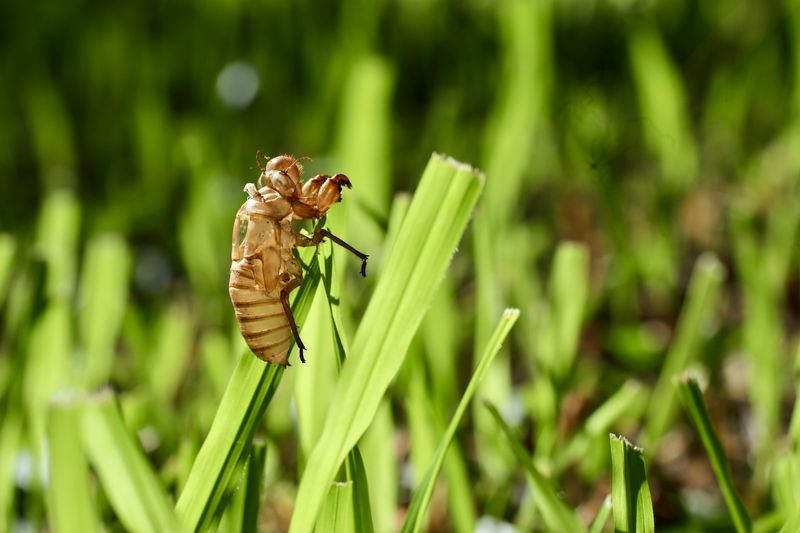
Here is the part nobody talks about enough: dead cicadas are basically free fertilizer. Their bodies are packed with nitrogen, phosphorus, and other nutrients that break down quickly and feed directly into your soil.
Your lawn and garden beds will thank you for leaving them alone.
A single emergence event can deposit hundreds of pounds of organic matter per acre. As the bodies decompose, microbes in the soil break them down into bioavailable nutrients.
Trees and plants that were egg-laying targets often show a notable growth boost the following season.
Raking cicada bodies into garden beds rather than bagging them up for trash pickup is a simple way to put that nutrient load to work. A thin layer mixed into the top inch of soil speeds up decomposition without creating a smelly pile.
The smell during decomposition is real and worth acknowledging. Warm, humid weather speeds up the process, and a large accumulation near a porch or patio can get unpleasant fast.
Spreading the bodies out thinly across a larger area reduces the odor significantly.
The ecosystem has been running this cycle for thousands of years, long before anyone invented a bag of granular fertilizer.
11. Protect New Garden Beds With Row Cover Fabric

Fresh seedlings and cicada season are a combination that needs your attention. Row cover fabric, the lightweight spun material used by vegetable gardeners to extend growing seasons, doubles as an excellent cicada shield.
It is breathable, affordable, and easy to work with.
Unlike solid plastic sheeting, row cover fabric lets light, water, and air reach your plants while keeping insects out. Lay it directly over seedlings or drape it over wire hoops to create a low tunnel.
Secure the edges with garden staples or weigh them down with soil.
Row cover fabric is widely available at garden centers and home improvement stores. A standard roll costs between 15 and 30 dollars and covers a generous length of bed.
It can be reused across multiple seasons if stored properly after the emergence ends.
Vegetable seedlings are particularly worth protecting because cicada activity near soil can disturb shallow root systems. Foot traffic from the sheer number of insects burrowing out of the ground can also compact soil around tender young plants.
A physical barrier addresses both problems at once.
Once the emergence wraps up, remove the fabric and let your beds breathe normally. Your seedlings will have had several protected weeks to get established.
Coming out from under the cover into a quieter garden feels like a fresh start for everyone involved.
12. Wait It Out
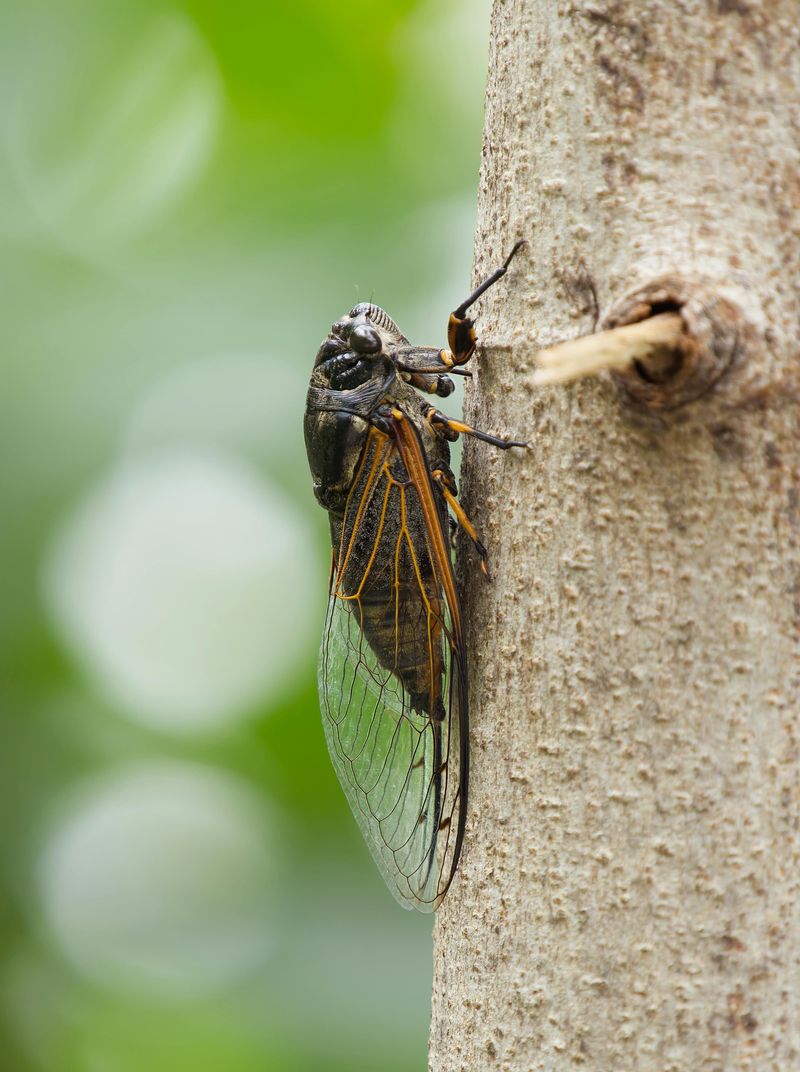
Sometimes the best thing you can do is absolutely nothing. Cicadas in Illinois are a temporary event with a hard end date, and the most experienced gardeners will tell you that patience is the most underrated tool in your arsenal.
The emergence will end.
Protect what needs protecting, skip the chemicals, and let the rest of the season unfold. Spend those four to six weeks enjoying other parts of your home life rather than waging a losing battle against billions of ancient insects.
You will not win that fight, and you do not need to.
Use the time to plan what you want to plant after the emergence ends. Late summer is a surprisingly good window for tree planting, perennial division, and new bed creation in most of the Midwest.
Having a post-cicada garden plan ready makes the waiting feel productive.
Talk to your neighbors, share tips, and embrace the rare natural spectacle happening right outside your door. Many people who have moved away from Illinois say they actually miss witnessing an emergence once it is gone.
That perspective shift changes everything.
Illinois yards overrun with cicadas will quiet down before summer fully hits its stride. The shells will decompose, the noise will stop, and your yard will be richer for the whole experience.
Hang in there, because the other side of this is a garden ready to thrive.