These Pennsylvania Shade Plants That Make Bare Front Yards Look Intentional
A shady front yard in Pennsylvania can feel like a problem with no good solution, especially after watching plant after plant underperform or disappear entirely in low light conditions.
Most of the plants marketed for curb appeal assume you have decent sun, and when you do not, the options at the average garden center start to feel pretty limited.
The reality is that shade is not the obstacle it looks like when you are working with the right plants.
Pennsylvania has a strong lineup of shade tolerant options that bring genuine visual weight to a front yard, plants with interesting foliage, seasonal blooms, and the kind of layered presence that makes a yard look thoughtfully put together rather than just filled in.
The shady front yards that look best are not accidents. They are the result of choosing plants that treat low light as a preference rather than a compromise, and Pennsylvania offers more of those than most gardeners realize.
1. Hosta
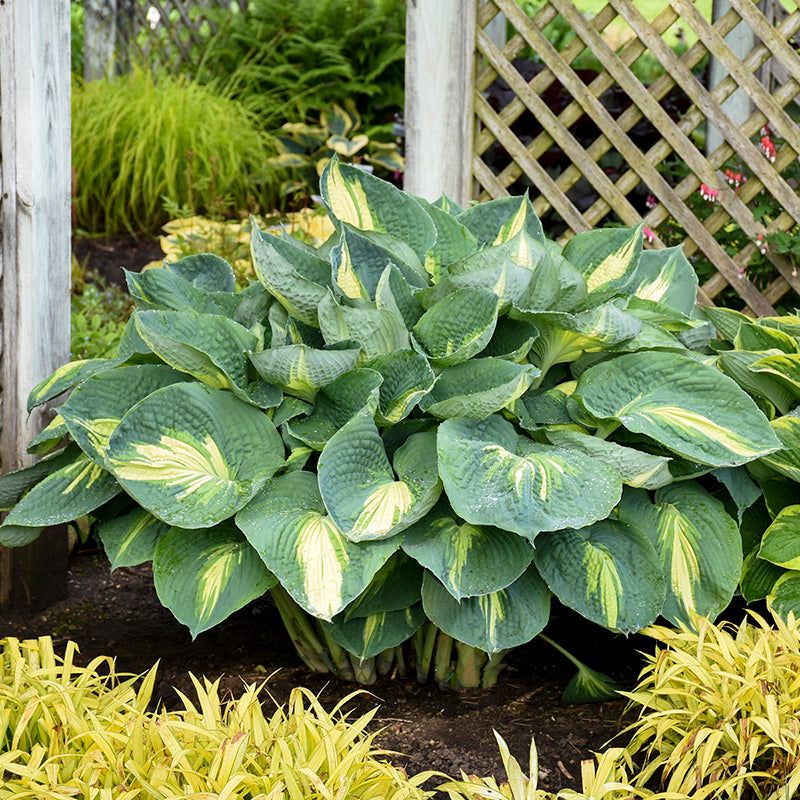
Walk past almost any well-designed shade garden in Pennsylvania and you will likely spot a hosta somewhere in the mix. These plants have earned their reputation for a reason.
Their large, bold leaves come in shades of green, blue-green, gold, and even creamy white, and they create an instant sense of fullness in spots where nothing else seems to want to grow.
Hostas are incredibly easy to care for, which makes them a favorite for beginners and experienced gardeners alike. You plant them once, and they come back bigger and better each spring.
Over time, a single clump can spread into an impressive mound that fills an entire garden bed on its own. That kind of low-effort payoff is hard to beat.
What really sets hostas apart is how well they work with other shade plants. Their big, textured leaves provide a strong backdrop that makes smaller, more delicate plants pop.
They also help suppress weeds by blocking sunlight from reaching the soil. In Pennsylvania, hostas thrive in zones 3 through 9, so almost every part of the state is a good fit.
Plant them in moist, well-drained soil with plenty of organic matter, and they will reward you with lush growth season after season. Just keep an eye out for slugs, which love hostas as much as gardeners do.
A little slug bait or diatomaceous earth around the base of the plant goes a long way in keeping those pests away.
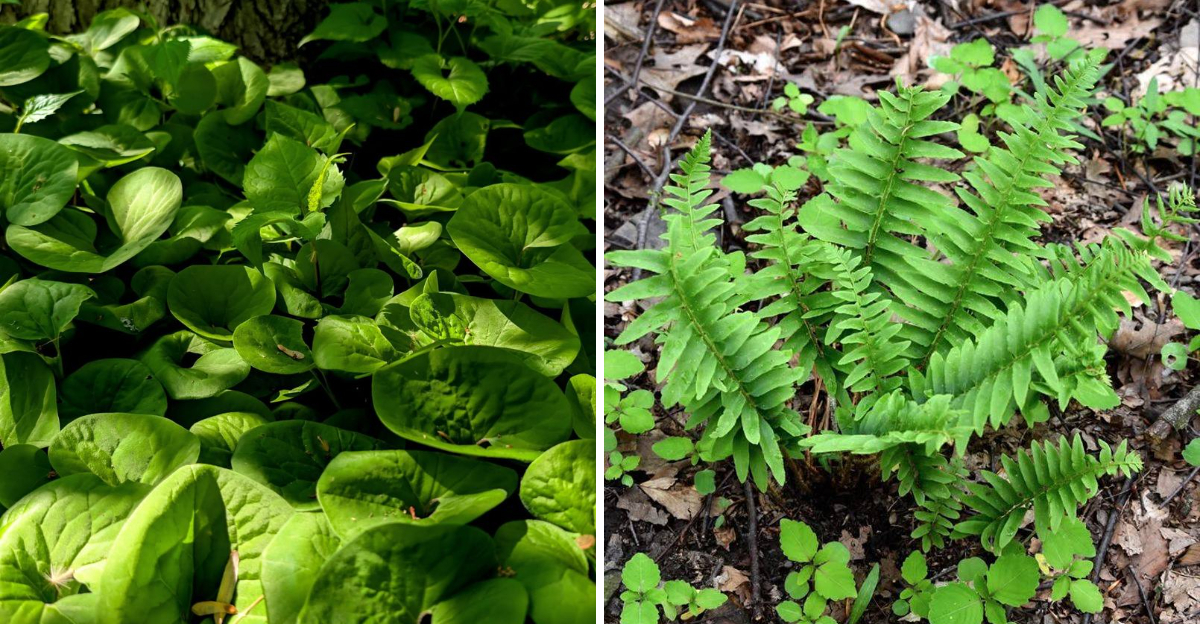
2. Christmas Fern
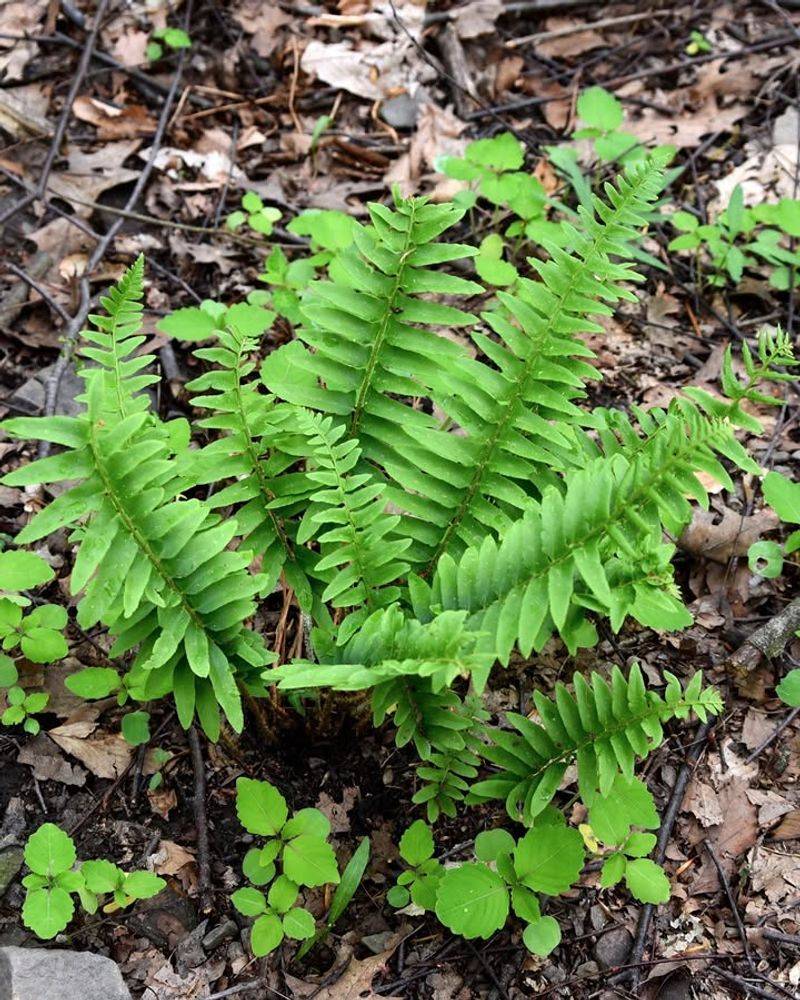
Most plants check out for the winter, leaving your front yard looking bare and bleak from November through March. Christmas fern refuses to follow that pattern.
It stays green all year long, which is exactly why Pennsylvania gardeners love it so much. Even when snow is on the ground, those deep green fronds hold their color and give your yard a sense of life that most plants simply cannot offer.
This fern is a Pennsylvania native, which means it already knows how to handle the state’s cold winters, humid summers, and everything in between. It does not need coddling.
Your Pennsylvania Garden Changes Every Week. Your Plan Should Too.
Gardening in Pennsylvania changes quickly throughout the season. Every Friday you’ll receive a simple weekly plan showing exactly what to plant, prune, fertilize, harvest, and protect so you never miss the right timing.
Plant it in a shaded or partially shaded spot with decent moisture, and it will settle in and spread slowly into a full, lush clump over a few years. It is the kind of plant that rewards patience.
Christmas fern grows about one to two feet tall, making it a solid mid-layer plant in a layered shade garden. It looks especially sharp when paired with hostas or heuchera, since its fine, feathery texture contrasts nicely with broader leaves.
Gardeners also appreciate that deer tend to avoid it, which is a major bonus in suburban and rural Pennsylvania neighborhoods where deer pressure can be heavy.
The name comes from the fact that the fronds were traditionally used in Christmas wreaths and decorations, so there is a bit of charming history tied to this reliable plant.
It is one of those no-fuss natives that simply does its job and does it well every single season.
3. Foamflower
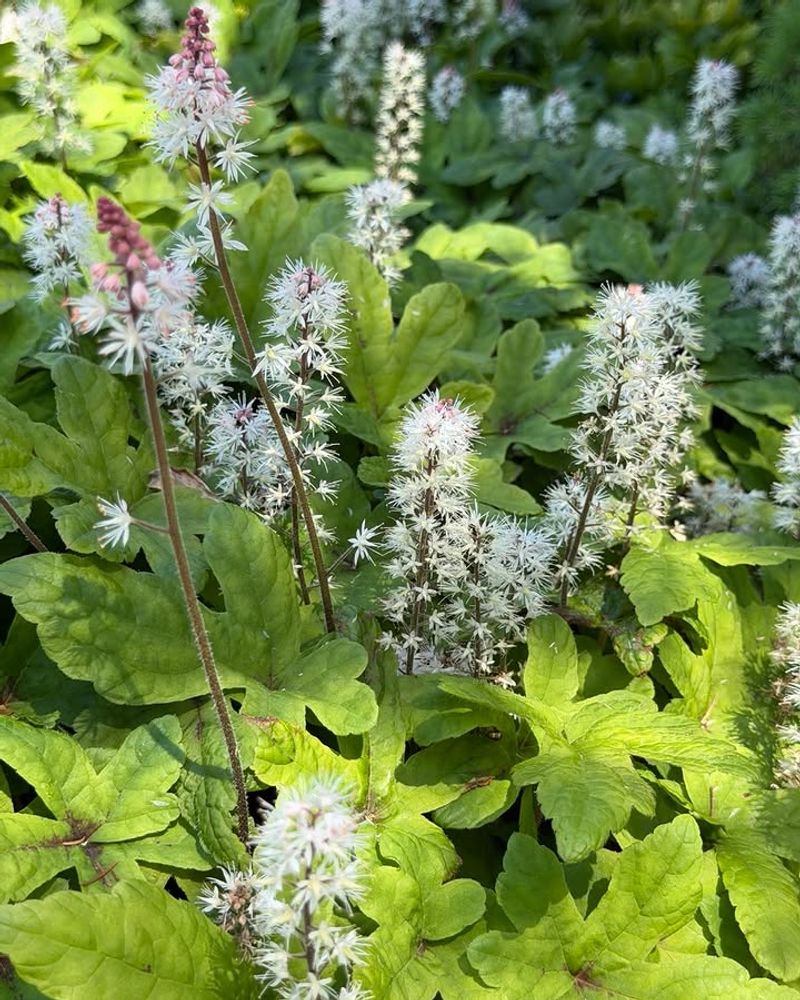
Foamflower is one of those plants that surprises people the first time they see it in bloom. In spring, it sends up slender stalks topped with tiny, frothy white or pink flowers that almost look like foam floating above the leaves.
The effect is soft, romantic, and genuinely eye-catching, even in a deeply shaded spot where most flowering plants would struggle to produce a single bud.
Beyond the blooms, foamflower is a fantastic ground cover that spreads steadily without becoming invasive or aggressive.
It fills in empty spaces under trees and shrubs in a way that looks completely natural, as if the forest floor just crept into your front yard on purpose.
The heart-shaped leaves often have interesting patterns and reddish markings that keep the plant visually interesting even after the flowers fade in early summer.
As a Pennsylvania native, foamflower is perfectly adapted to the state’s woodland conditions. It prefers moist, humus-rich soil and grows best in partial to full shade.
Once established, it spreads by runners to form a dense, weed-suppressing mat that makes maintenance much easier over time. It pairs beautifully with wild ginger, ferns, and hostas, creating a layered look that feels intentional and thoughtfully designed.
Foamflower is also a pollinator favorite, attracting bees and butterflies during its spring bloom period.
For homeowners who want a front yard that looks like a curated woodland garden without spending hours on upkeep, foamflower is one of the smartest plants to reach for first.
4. Pennsylvania Sedge
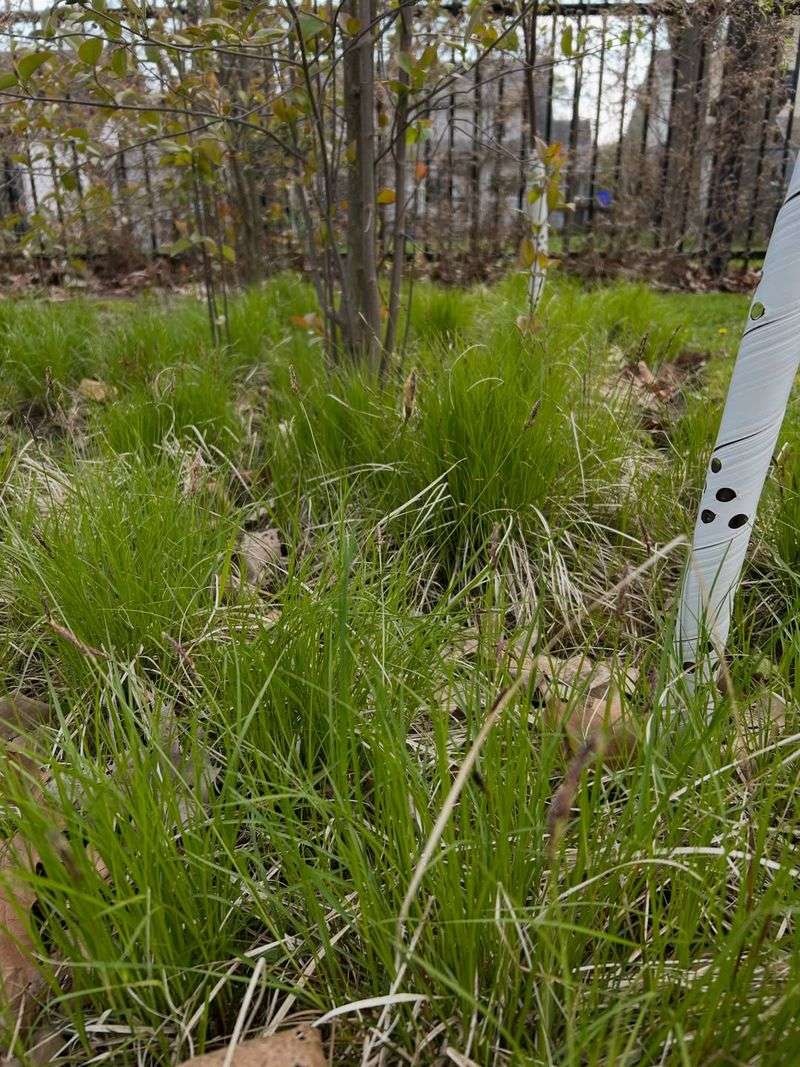
If you have ever wished for a lawn-like look in a spot where grass simply will not grow, Pennsylvania sedge is your answer.
It forms low, arching tufts of fine, bright green foliage that give a shaded area a soft, meadow-like feel without requiring mowing, fertilizing, or the constant frustration of patchy grass.
It is one of the most underused native plants in the state, and once more homeowners discover it, that tends to change fast.
Pennsylvania sedge stays relatively short, usually under a foot tall, which makes it ideal for planting in masses as a ground cover or tucking along the edges of garden beds.
It has a gentle, flowing texture that softens hard edges and makes everything around it look more relaxed and natural.
In spring, it produces small, subtle seed heads that add a little extra visual interest without being showy or fussy.
This sedge thrives in dry to medium shade, which makes it one of the few plants that can handle the challenging dry shade found beneath large, established trees.
That is a notoriously tough environment for most plants, so Pennsylvania sedge earns extra points for being willing to grow where others give up.
It is also extremely cold-hardy and long-lived, meaning once you plant it, you can mostly forget about it and enjoy the results. Pair it with spring bulbs for a pop of early color, or let it stand alone as a clean, simple alternative to traditional lawn grass in shaded areas.
5. Astilbe
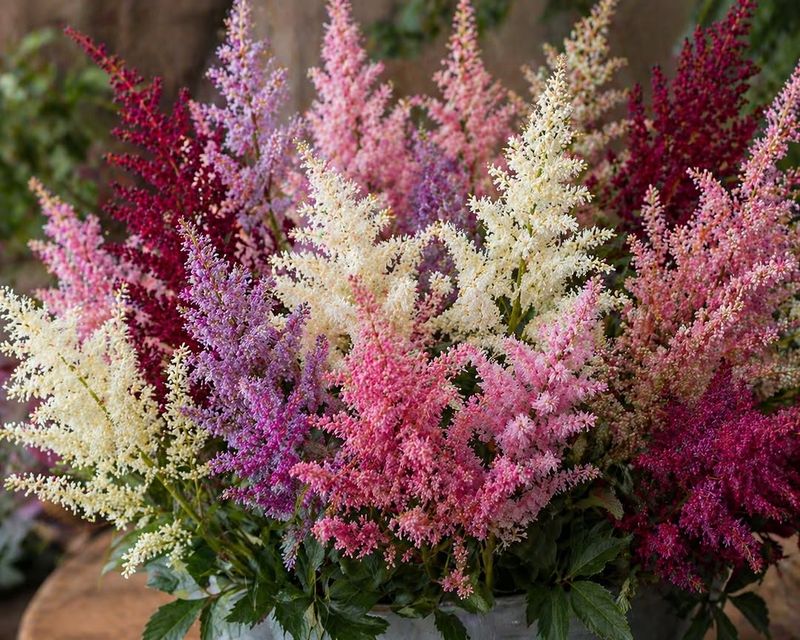
There is nothing quite like the moment astilbe blooms in a shaded garden. The feathery plumes shoot up in shades of pink, red, white, lavender, and salmon, turning a dim corner of your front yard into something that genuinely stops people in their tracks.
For a plant that grows in the shade, astilbe produces a surprisingly bold and dramatic display that lasts for several weeks through summer.
Beyond the flowers, astilbe has glossy, finely divided leaves that look attractive from spring through fall. Even when the plant is not blooming, it contributes real texture and depth to a garden bed.
The dried seed heads that remain after the blooms fade also have a quiet beauty and can be left in place through winter to add structure to the garden during colder months.
Astilbe grows well in Pennsylvania’s climate, preferring moist, rich soil and partial to full shade. It does best when it gets consistent moisture, so areas near downspouts or low spots in the yard where water collects naturally are often perfect locations.
Mulching around the base helps retain soil moisture and keeps the roots cool during hot summer stretches. Astilbe comes in a wide range of heights, from compact eight-inch varieties to tall three-foot specimens, so there is a size that works for almost any space.
Planting a mix of early, mid, and late-blooming varieties extends the color show across the entire growing season, giving your shaded front yard a constantly refreshing look from June through August.
6. Wild Ginger
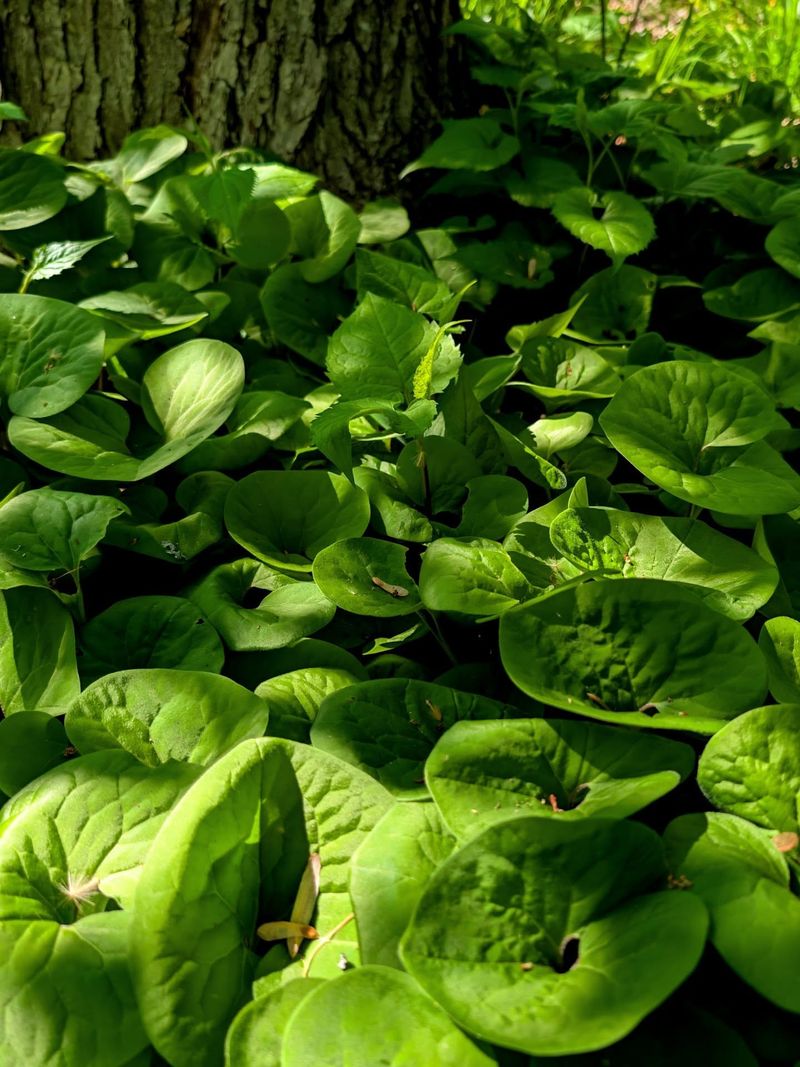
Wild ginger might be the most underestimated ground cover available to Pennsylvania gardeners.
It does not produce flashy flowers or towering stems, but what it does offer is a thick, lush carpet of broad, glossy leaves that makes a shaded front yard look like it was professionally designed.
Once you see a mature patch of wild ginger spreading beneath a canopy of trees, it is hard not to be impressed by how intentional and polished it looks.
The leaves are heart-shaped and deep green, and they emerge in spring with a fresh, almost velvety texture.
They hold their good looks all the way through fall, providing consistent coverage that suppresses weeds and eliminates the bare soil problem that plagues so many shaded areas.
Wild ginger spreads slowly by rhizomes, gradually filling in gaps without ever becoming a nuisance or crowding out neighboring plants.
As a native woodland plant, wild ginger is completely at home in Pennsylvania’s shaded environments. It prefers moist, rich soil with good organic content, similar to the forest floor conditions it naturally grows in.
It handles dry shade reasonably well once established, though it looks its best with consistent moisture. One fun fact worth knowing: wild ginger has a long history of use by Native American communities, who valued it for both culinary and medicinal purposes.
The roots have a spicy, ginger-like scent when crushed. Pair it with ferns and foamflower for a layered woodland look that feels completely authentic and beautifully cohesive in any shaded Pennsylvania front yard.
7. Heuchera
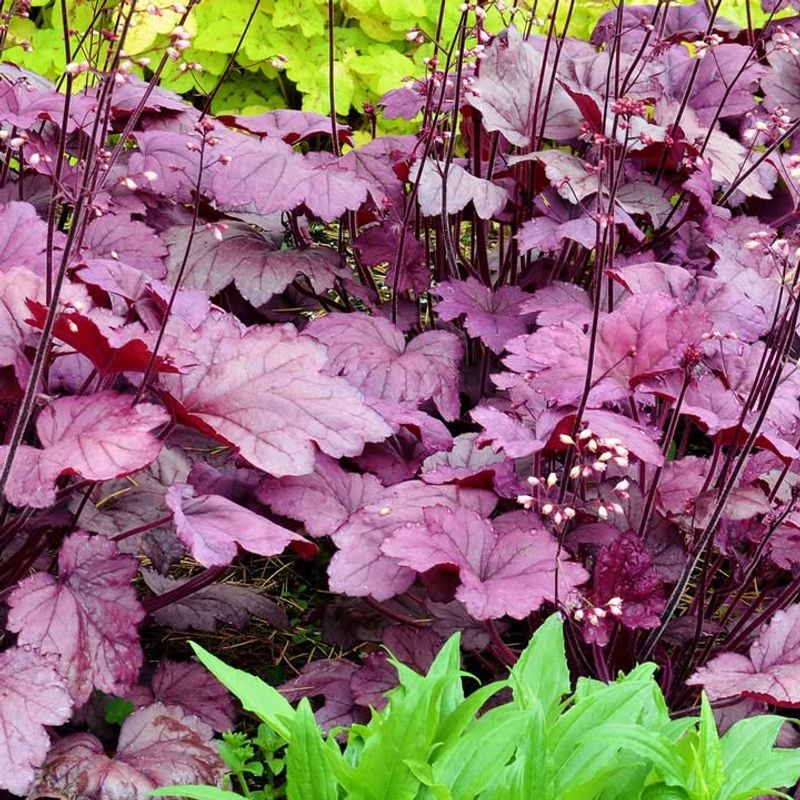
Coral bells might just be the most colorful foliage plant you can grow in a shaded Pennsylvania front yard. Heuchera comes in an almost dizzying range of leaf colors, from deep burgundy and chocolate brown to lime green, copper, silver, and even nearly black.
That color sticks around from spring through fall, which means your garden beds stay visually interesting long after most flowering plants have called it a season.
One of the best things about heuchera is how versatile it is. It works equally well as a border edging plant, a focal point in a container, or a mid-layer filler in a mixed shade bed.
The mounding habit, usually about one to two feet tall and wide, makes it easy to place without worrying too much about it taking over or getting out of hand. It is a well-behaved plant that plays nicely with its neighbors.
In late spring and early summer, heuchera sends up tall, slender stalks topped with tiny bell-shaped flowers in shades of pink, red, coral, and white.
These blooms attract hummingbirds and pollinators, adding a whole new layer of life and movement to your front yard.
Heuchera grows best in partial shade with well-drained, fertile soil. In Pennsylvania, it is winter-hardy through most of the state, though a light layer of mulch over the roots helps it handle especially cold winters.
Regular dividing every three to four years keeps the plants vigorous and prevents the center from becoming woody and bare over time.