Why Pennsylvania Opossums Are One Of The Most Valuable Tick Control Animals In Any Yard
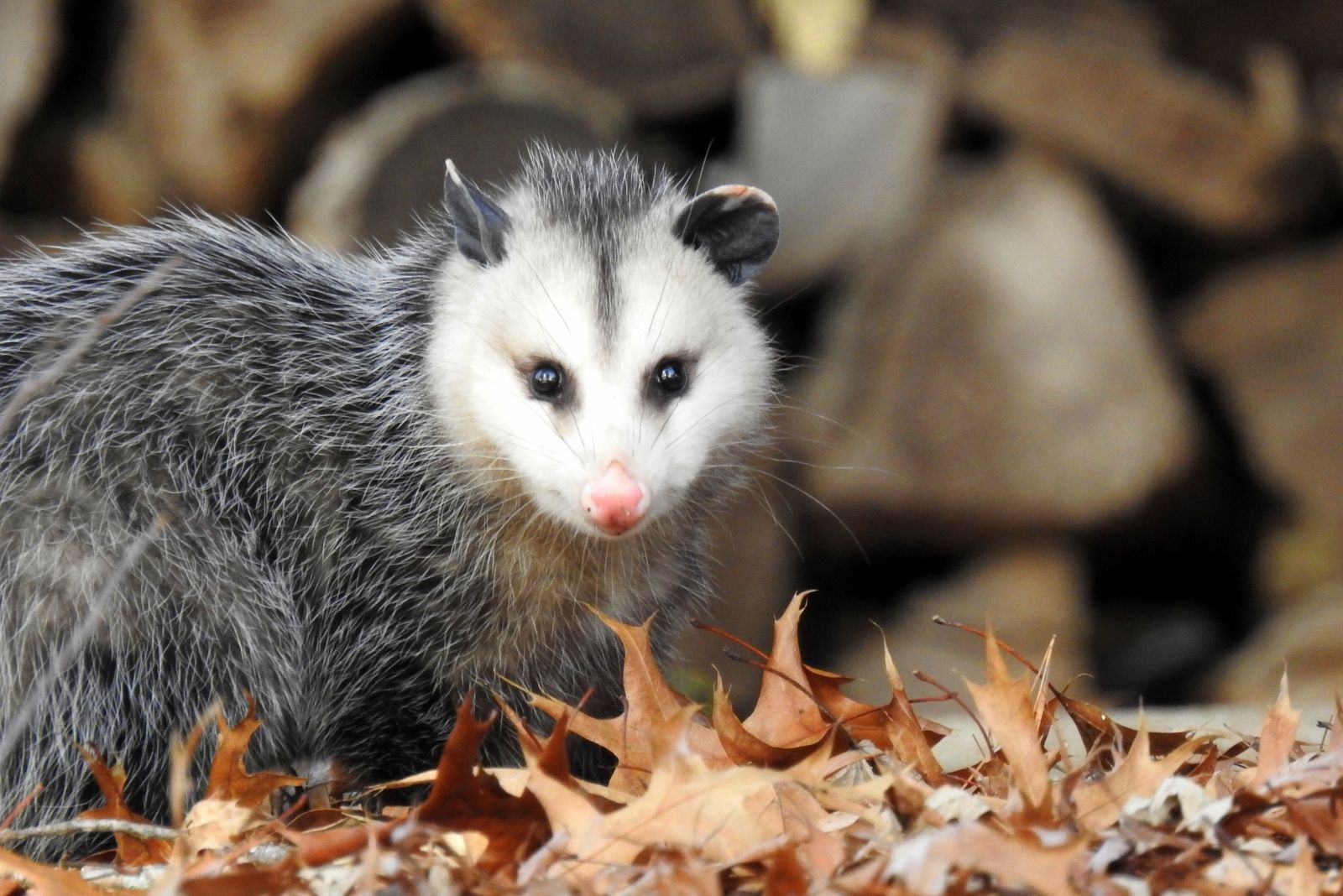
Opossums have a reputation problem in Pennsylvania that has nothing to do with what they actually contribute to the yards and neighborhoods they pass through.
They are slow, they look unusual, and the instinctive reaction for a lot of homeowners is to discourage or remove them without much thought about what leaves with them.
What most Pennsylvania residents do not know is that opossums are doing something in the landscape that no trap, spray, or yard treatment replicates with the same consistency or scale.
Their relationship with ticks is one of the more remarkable things happening in backyard ecosystems across the state, and understanding it tends to shift the opossum from unwanted visitor to something closer to a genuinely valuable presence.
In a state where tick-borne illness is a real and growing concern, the animal most people are trying to run off turns out to be one of the more effective natural tick management tools available.
1. Voracious Tick Eaters
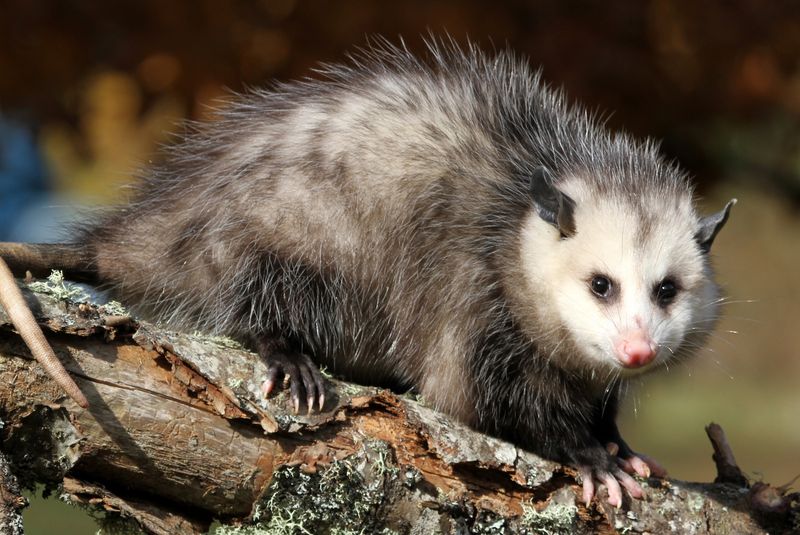
Imagine having a tiny, tireless vacuum cleaner roaming your yard every single night, picking up one of the most dangerous pests around. That is pretty much what an opossum does.
These animals are obsessive groomers, and when they move through grassy or wooded areas, ticks latch onto their fur without a second thought.
Here is where it gets impressive. As opossums groom themselves, they find those ticks and eat them.
Researchers have estimated that a single opossum can consume somewhere around 5,000 ticks in just one season. That number alone makes them one of the most effective natural tick-control animals you could ever hope to have nearby.
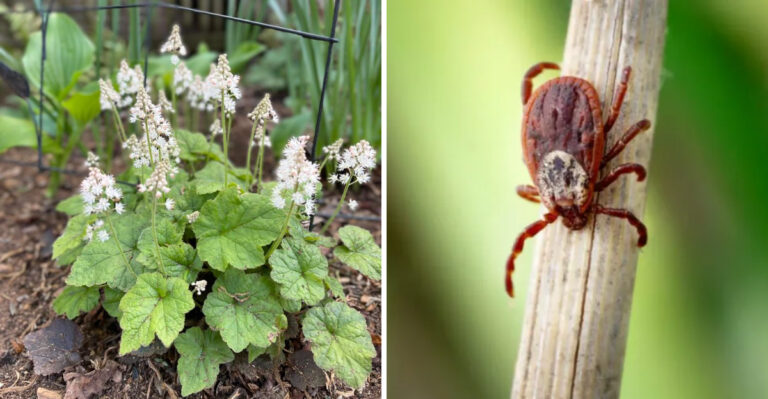
Ticks in Pennsylvania carry serious illnesses like Lyme disease, Rocky Mountain spotted fever, and anaplasmosis.
Reducing the tick population in your yard directly lowers the chances of you, your kids, or your pets picking one up. Opossums help make that happen without any effort on your part.
Unlike chemical sprays that only treat specific areas and need to be reapplied regularly, opossums cover ground naturally.
They wander through gardens, along fence lines, under decks, and into the corners of your yard where ticks tend to hide. Every night they are out there, they are quietly reducing the local tick count.
Encouraging opossums to visit your yard is one of the simplest things a Pennsylvania homeowner can do for yard health.
You do not need to set up feeding stations or buy any special equipment. Just let them roam freely, and they will handle the rest on their own.
2. Natural Pest Control
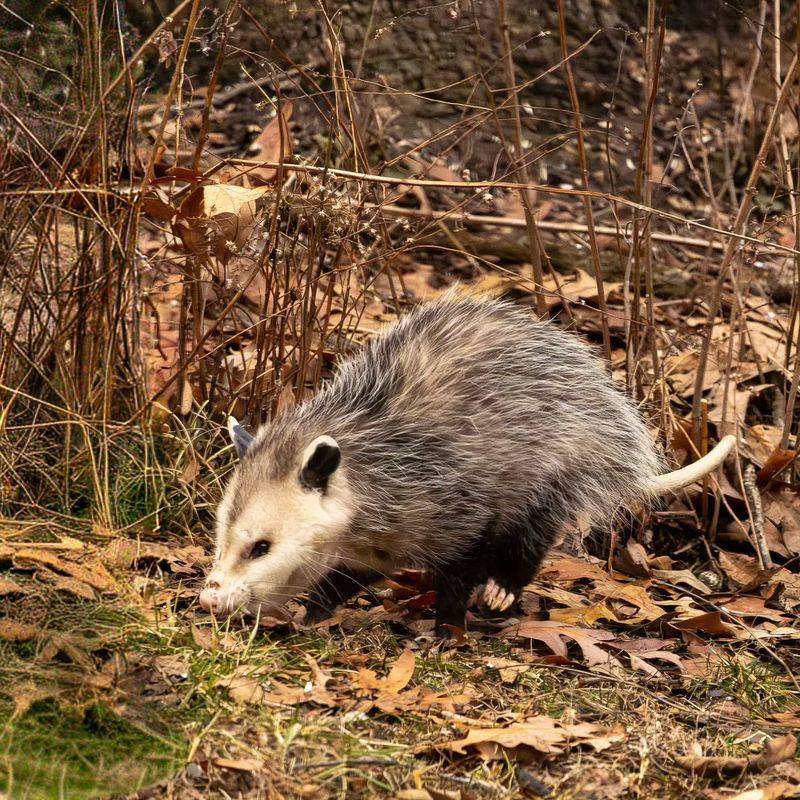
Ticks are just the beginning. Opossums have a wide and varied appetite that makes them genuinely useful for keeping all kinds of unwanted creatures out of your yard and garden. Think of them as a multipurpose pest management crew that never sends you a bill.
Slugs and snails are a nightmare for vegetable gardens and flower beds. These slimy pests chew through leaves and stems, leaving plants damaged and struggling to survive.
Opossums actively hunt and eat slugs and snails, which means your garden gets a little extra protection every time one passes through.
Your Pennsylvania Garden Changes Every Week. Your Plan Should Too.
Gardening in Pennsylvania changes quickly throughout the season. Every Friday you’ll receive a simple weekly plan showing exactly what to plant, prune, fertilize, harvest, and protect so you never miss the right timing.
Beyond soft-bodied pests, opossums also snack on beetles, cockroaches, and other insects that tend to overpopulate yards when left unchecked.
They will even go after small rodents like mice when the opportunity presents itself. That broad diet makes them surprisingly effective at keeping a yard balanced and healthy.
One interesting thing about opossums is that they are opportunistic feeders. They eat what is available, which means they naturally focus on whatever pest happens to be most abundant at the time. In a way, they self-regulate based on what your yard actually needs.
Gardeners who rely heavily on pesticides to manage pests often end up harming beneficial insects, soil organisms, and even local water sources. Opossums offer a cleaner, chemical-free alternative that works around the clock.
They do not discriminate against the good bugs, either, since they tend to focus on slower-moving, easier-to-catch pests rather than fast-flying beneficial insects like bees or butterflies.
Welcoming these animals into your yard is one of the smartest, most eco-friendly choices a Pennsylvania gardener can make.
3. Low Maintenance Wildlife
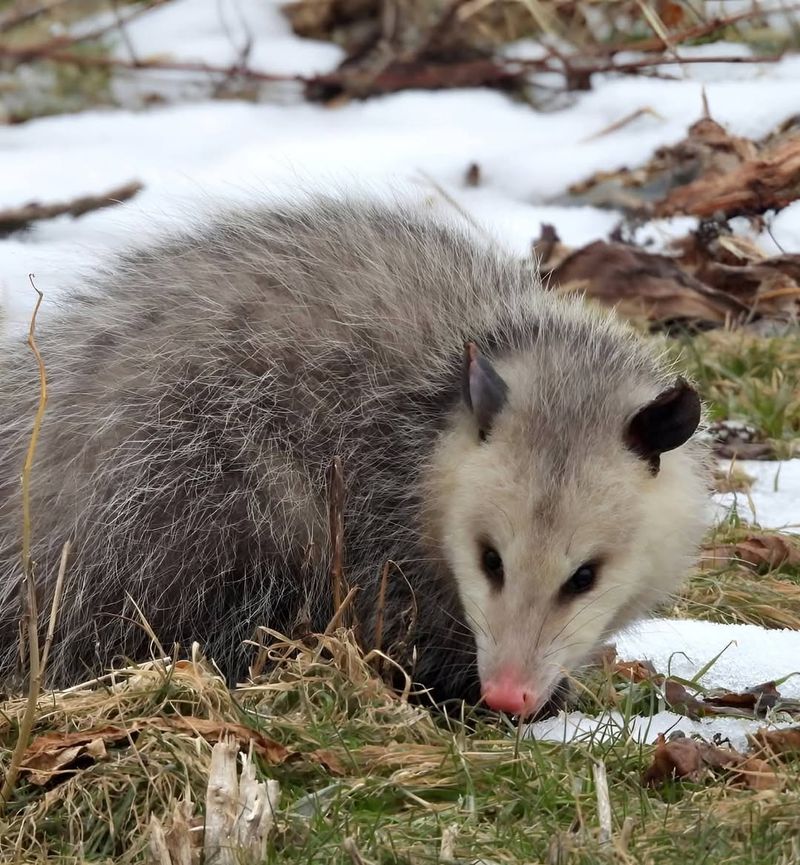
Not every helpful animal requires a lot of attention. Opossums are about as hands-off as wildlife gets.
They do not need you to feed them, shelter them, or do anything special to keep them coming back. They simply show up, do their job, and move on.
Unlike attracting birds to your yard with feeders or setting up bat boxes for insect control, supporting opossums requires almost zero investment.
If your yard has some natural cover like brush piles, dense shrubs, or a wood pile, opossums will feel right at home. They are adaptable animals that make use of whatever shelter is available.
What makes them even more convenient is that they are mostly nocturnal. You will rarely see them during the day, which means they go about their pest-control work without ever getting in your way.
By the time you step outside in the morning, they have already put in a full night of work. Opossums also have a very low environmental footprint. They do not dig up lawns, chew on garden plants, or damage structures.
They move quietly through a yard, sticking to ground-level foraging without causing the kind of destruction that squirrels or raccoons sometimes do.
Pennsylvania homeowners who are looking for sustainable, low-effort ways to manage yard health should seriously consider making their outdoor spaces opossum-friendly.
Simple steps like leaving a small brush pile in a corner, avoiding harsh chemical sprays that might harm them, and not chasing them off when they appear can go a long way.
Supporting these animals costs you almost nothing, and the payoff in natural pest control is genuinely worth it.
4. Benefit To Pollinators
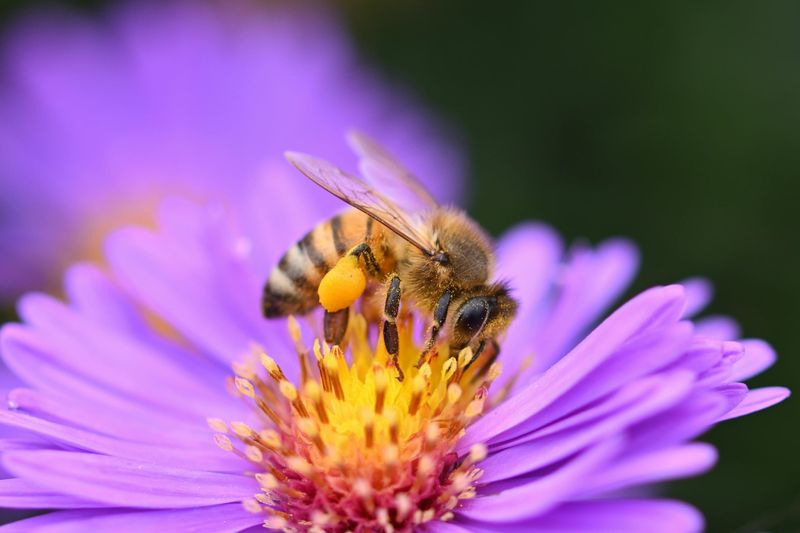
Pollinators like bees, butterflies, and moths are essential to a healthy garden. Without them, fruits, vegetables, and flowering plants struggle to reproduce.
Anything that threatens pollinator populations is a serious concern for any yard or garden owner in Pennsylvania.
Ticks and certain parasitic insects can attach themselves to pollinators, weakening them or spreading disease through local populations.
When opossums reduce the overall tick burden in a yard, they are indirectly helping to protect the pollinators that keep gardens thriving. It is a chain reaction that starts with one scrappy marsupial.
There is also the matter of competing pests. Beetles, caterpillars, and other insects that feed on flowering plants can reduce the resources available to pollinators.
Opossums snack on many of these plant-damaging insects, which means flowers and blooms are more likely to survive long enough to attract and support bees and butterflies.
Gardeners who use chemical pesticides to control pests often end up harming pollinators in the process. Many common insecticides are not selective, meaning they affect beneficial insects just as much as harmful ones.
Opossums offer a natural, targeted approach that avoids this problem entirely. Think about it this way: every tick an opossum eats is one fewer tick that could weaken a pollinator or spread pathogens through your garden ecosystem.
Every beetle or slug an opossum consumes is one fewer threat to the flowers that feed your bees. It adds up quickly over the course of a season.
Supporting opossums in your yard is one of the most indirect yet meaningful things you can do for your local pollinator community. Healthy pollinators mean a healthier, more productive garden for everyone.
5. Adapted To Pennsylvania Environments
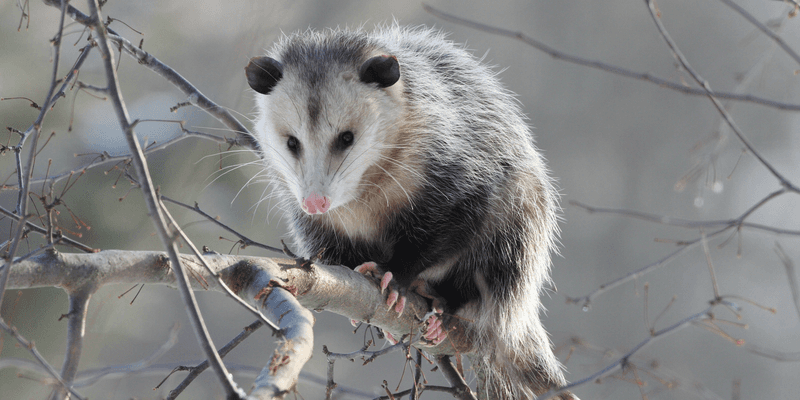
Virginia opossums are the only marsupials native to North America, and Pennsylvania sits right in the heart of their natural range.
That means these animals are perfectly suited to the climate, landscape, and seasonal changes that come with living in the Keystone State. They are not an introduced or invasive species. They belong here.
Because they evolved alongside Pennsylvania ecosystems, opossums know how to navigate both suburban neighborhoods and rural farmland with ease. They are comfortable in wooded backyards, overgrown fence lines, and even the edges of parks and open fields.
Wherever ticks and other pests tend to gather, opossums are already familiar with the terrain.
Their thick fur helps them handle cold Pennsylvania winters, and their omnivorous diet means they can find food throughout the year. They do not hibernate, which is actually great news for homeowners.
While many pest-control animals disappear for months at a time, opossums stay active and keep foraging even during cooler months when ticks can still be a problem.
One of the best things about having a native species do your pest control is that they fit naturally into the local food web. Opossums do not disrupt the balance of Pennsylvania wildlife.
They are part of it. Foxes, owls, and other native predators keep opossum populations in check, so you never end up with an overwhelming number of them in one area.
They also do not damage native plants or burrow into structures the way some other wildlife can.
Pennsylvania gardeners can feel confident that an opossum wandering through the yard is helping, not harming, the local environment they have worked hard to maintain.
6. Non-Aggressive And Safe
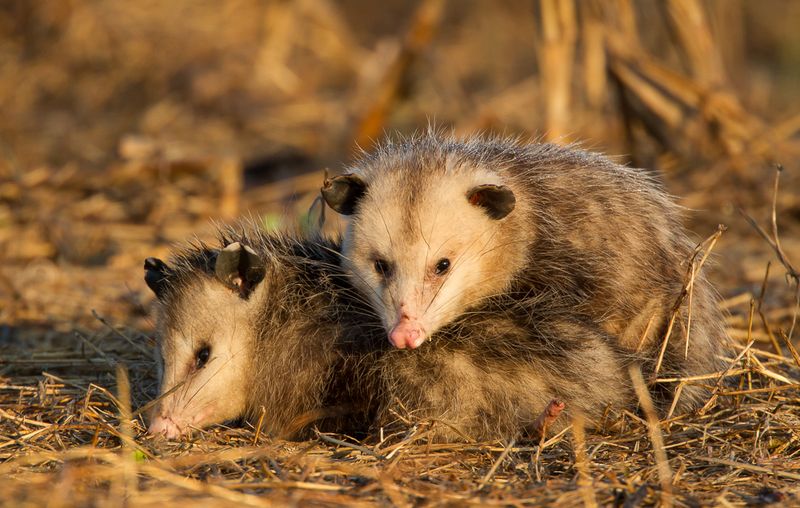
A lot of people feel nervous when they spot a wild animal in the yard, especially one that looks as unusual as an opossum.
But here is something that might put your mind at ease: opossums are among the most non-confrontational wild animals you are ever likely to encounter. Their first instinct is always to avoid trouble.
When an opossum feels threatened, it typically freezes, hisses softly, or does the famous playing-possum routine where it goes completely still and appears unresponsive. That behavior is actually involuntary, a stress response triggered automatically by fear.
It is not a trick. It is just how their nervous system reacts. Either way, it means they are not charging at you or your pets.
Compared to raccoons or groundhogs, opossums are remarkably low-risk. They rarely act aggressively toward humans, and attacks are extremely uncommon.
Most of the time, if you leave them alone, they will leave you alone. They are not interested in confrontation.
Another reassuring fact: opossums have a much lower body temperature than most mammals, which makes it very difficult for them to carry and transmit rabies.
While no wild animal should ever be handled without caution, the risk profile for opossums is genuinely lower than for many other backyard visitors.
For families with children or pets, this matters a lot. Choosing natural pest control methods that do not involve harsh chemicals also means no accidental exposure for kids playing in the yard or dogs sniffing around the garden.
Opossums quietly handle the tick problem while staying safely out of the way, making them one of the most practical and peaceful wildlife partners a Pennsylvania homeowner could ask for.