These Are The Pennsylvania Caterpillar And Hornworm Problems That Peak In June And How To Stay Ahead
June is when caterpillar and hornworm pressure in Pennsylvania gardens shifts from background noise to a real problem, and the gap between catching it early and dealing with a full blown infestation can be surprisingly short.
These insects do not announce themselves. They start small, blend in well, and by the time the damage becomes obvious, the population has already built up through weeks of feeding.
Pennsylvania gardens face a predictable lineup of caterpillar and hornworm species every year, and June is consistently when several of the most damaging ones hit their peak activity.
The gardeners who come out ahead are almost always the ones who know what to look for, where to look, and what to do before numbers get out of hand.
Staying ahead of this is not complicated, but it does require knowing which pests are most active right now and acting on the early signs rather than waiting for the damage to become impossible to ignore.
1. Tomato Hornworm Invasion On Pennsylvania Vegetable Gardens
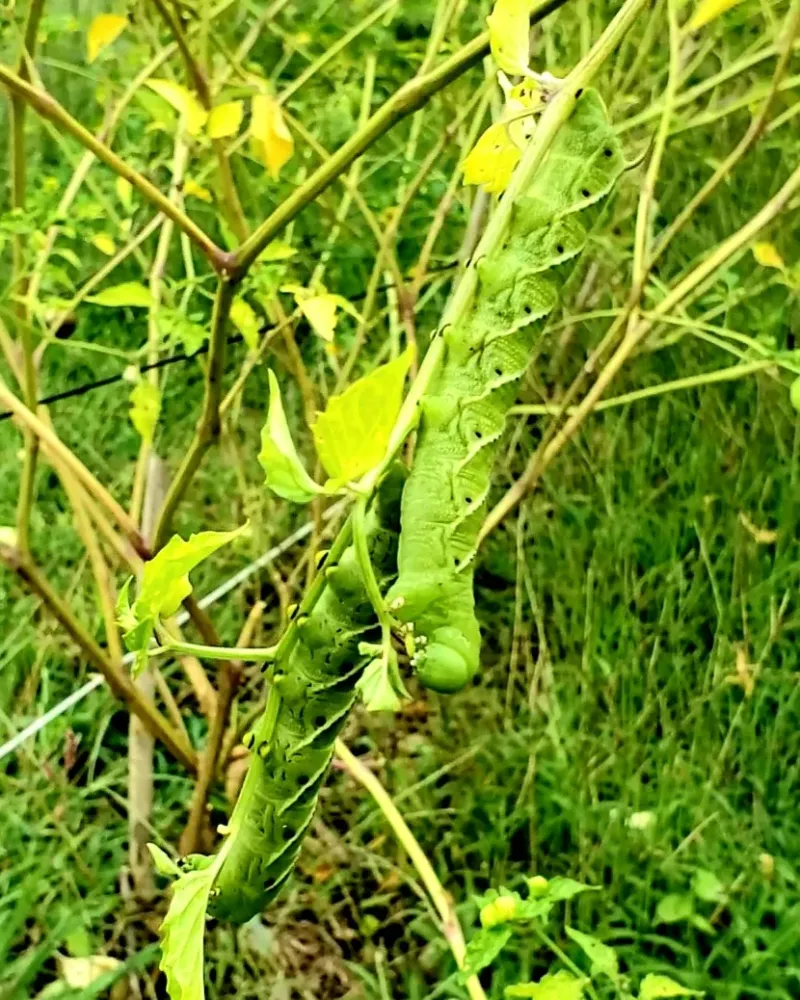
Few things are more frustrating than walking out to your garden and finding your tomato plants stripped overnight. The tomato hornworm is one of the biggest caterpillar pests in Pennsylvania, and June is when populations really explode.
These caterpillars can grow up to four inches long and are bright green with white diagonal stripes, making them surprisingly hard to spot against tomato foliage.
They feed not just on tomatoes but also on peppers, eggplants, and potatoes. A single hornworm can defoliate a plant in just a day or two.
Because they blend in so well, the easiest way to find them is to look for their dark, pellet-shaped droppings on leaves below the feeding site.
Handpicking is one of the most effective methods for small gardens. Go out early in the morning or at dusk when the caterpillars are more active.
Wear gloves and drop them into a bucket of soapy water. For larger infestations, a spray of Bacillus thuringiensis, commonly called Bt, works very well.
Bt is a natural bacteria that targets caterpillars without harming beneficial insects, birds, or pets.
Planting basil near your tomatoes may also help deter hornworms naturally. Encouraging parasitic wasps in your yard is another smart move since these wasps lay eggs inside hornworms and keep their populations in check.
If you see a hornworm covered in small white cocoons, leave it alone because those cocoons are wasp eggs doing the pest control work for you.
Consistent monitoring every two to three days through June is the best defense against a full-blown hornworm takeover in your Pennsylvania vegetable garden.
2. Eastern Tent Caterpillar Webs Taking Over Pennsylvania Trees
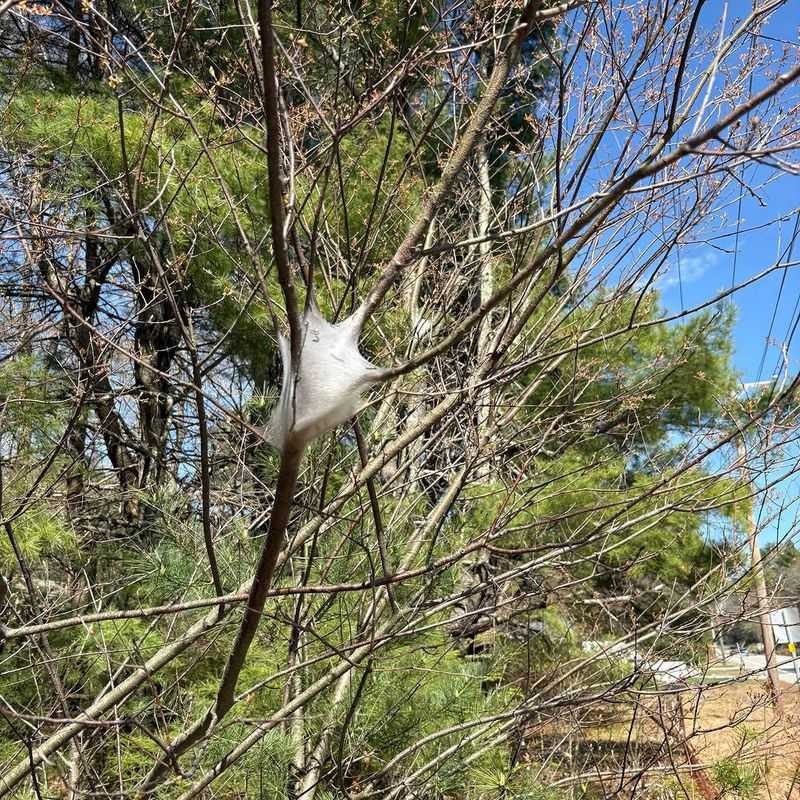
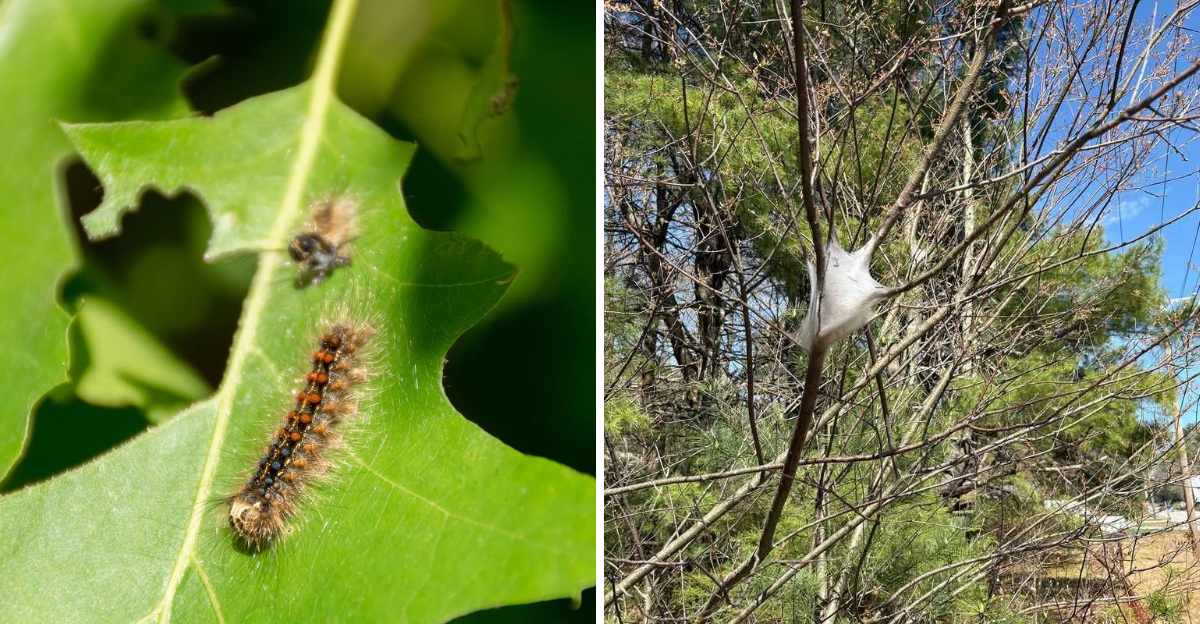
You have almost certainly seen those cottony white webs nestled in the forks of trees along Pennsylvania roadsides and in backyards.
Eastern tent caterpillars build these silky shelters in early spring, but by June their populations have grown large enough to cause real damage.
Wild cherry, apple, and crabapple trees are their top targets, though they will attack many other hardwoods too.
Your Pennsylvania Garden Changes Every Week. Your Plan Should Too.
Gardening in Pennsylvania changes quickly throughout the season. Every Friday you’ll receive a simple weekly plan showing exactly what to plant, prune, fertilize, harvest, and protect so you never miss the right timing.
The caterpillars leave the web each day to feed on leaves and return at night or during rain. A heavily infested tree can lose most of its leaves within a few weeks.
While healthy trees usually recover by growing new leaves later in the season, repeated infestations year after year can seriously weaken a tree over time.
Removing the webs by hand is one of the easiest solutions for small trees. Use a stick or gloved hand to pull the web out and drop it into a trash bag.
Do this early in the morning when caterpillars are still gathered inside the tent. For taller trees, a long pole works well. Pruning out the infested branch is another option if the web is concentrated in one area.
Bt spray applied directly to the caterpillars or their feeding areas is very effective and safe for the surrounding environment. Avoid burning the webs while they are still in the tree since this can cause more harm to the tree than the caterpillars themselves.
Checking your fruit and ornamental trees weekly during June gives you the best chance of catching new tents before the colonies grow too large to manage easily.
3. Fall Webworm Caterpillars Showing Up Early On Pennsylvania Hardwoods
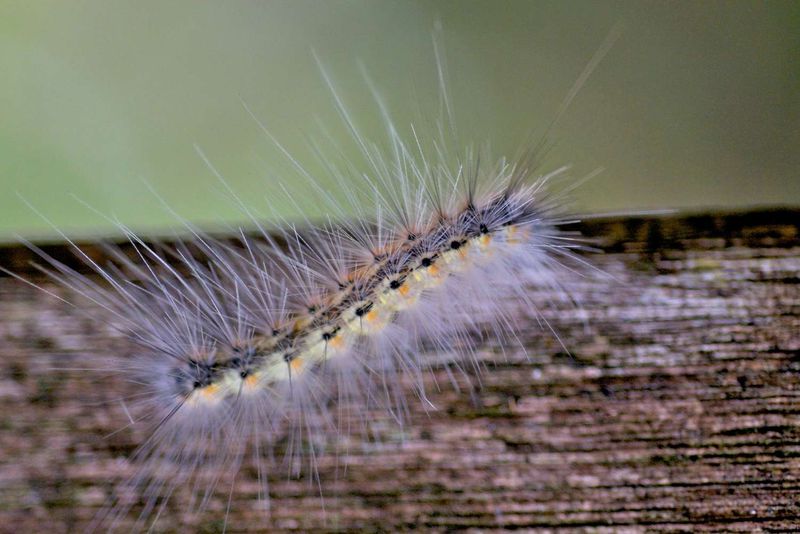
Here is a pest that confuses a lot of Pennsylvania homeowners because despite its name, the fall webworm actually starts showing up in June.
Unlike eastern tent caterpillars that build webs in branch forks, fall webworms enclose the branch tips and leaves inside their webs. The nests grow larger as the colony expands, sometimes covering entire sections of a tree by midsummer.
These pale, fuzzy caterpillars feed on over 100 species of trees, including oak, walnut, cherry, and hickory. The webs themselves are unsightly, and in heavy infestation years, a single tree can have dozens of nests.
Healthy mature trees can tolerate the leaf loss, but younger or already-stressed trees may struggle more.
Pruning out infested branch tips is the most satisfying and effective control method for accessible webs. Cut several inches below the web and dispose of the branch in a sealed bag.
For webs higher up, a rake or long pole can be used to tear open the web, exposing the caterpillars to natural predators like birds.
Bt applied during the caterpillar’s early growth stage works well and is much more effective before the web grows thick and protective. Spinosad, another organic insecticide, is also a strong option for larger infestations.
Keeping your trees healthy through proper watering and fertilizing makes them more resilient to repeated defoliation.
Interestingly, studies have shown that fall webworm populations tend to peak in two-year cycles in Pennsylvania, so if last year was bad in your neighborhood, staying extra alert in June this year is a very smart move.
4. Gypsy Moth Caterpillars Stripping Pennsylvania Oak Trees
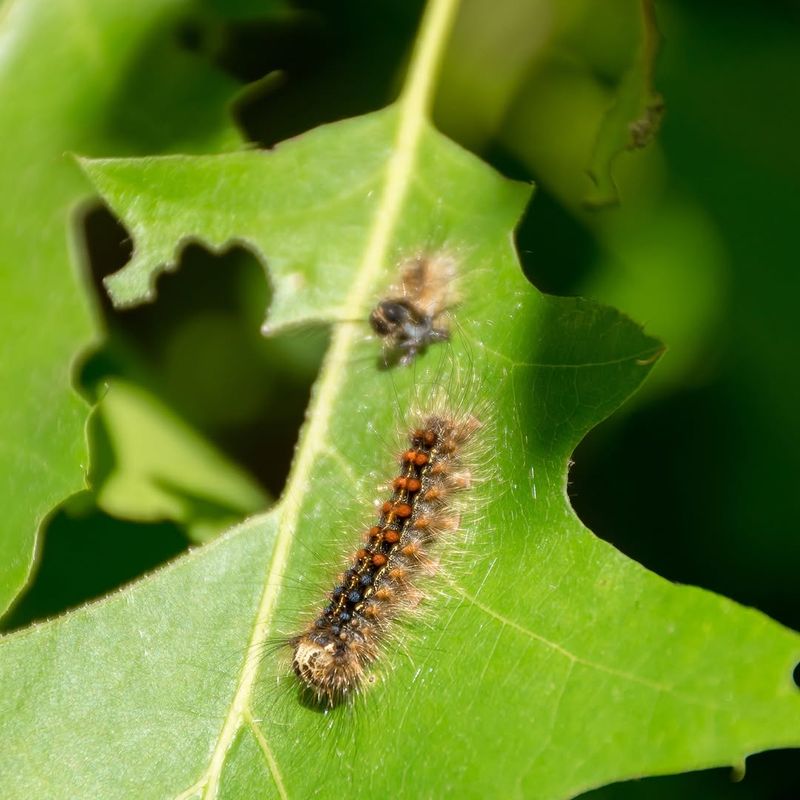
Pennsylvania has a long and difficult history with spongy moth caterpillars, formerly called gypsy moths, and June marks the peak feeding period for their larvae. These caterpillars are easy to recognize by their rows of blue and red dots running down their backs.
They are aggressive feeders and prefer oak trees above almost everything else, though they will also attack maple, birch, and apple trees when populations are high.
A single spongy moth caterpillar can consume up to one square foot of leaf area every day. During outbreak years, entire hillsides of Pennsylvania forest can be completely defoliated by mid-June.
Oak trees can typically survive one full defoliation, but two or three consecutive years of heavy feeding can cause serious long-term decline.
Burlap bands wrapped around tree trunks are a classic and effective trapping method. The caterpillars crawl up trees to feed at night and hide under the burlap during the day.
Check the bands daily and remove the caterpillars you find gathered there. This works best for protecting individual yard trees rather than woodland areas.
Bt and spinosad sprays are both registered for spongy moth control and work best when applied while caterpillars are still small, typically in late May through early June.
A naturally occurring fungus called Entomophaga maimaiga also helps control populations during wet June weather.
Pennsylvania’s Department of Agriculture runs aerial spray programs during outbreak years in forested areas.
Homeowners with valuable landscape trees should consider working with a certified arborist to plan a treatment strategy before June caterpillar feeding reaches its most destructive peak.
5. Tobacco Hornworm Feeding On Pennsylvania Pepper And Tomato Plants
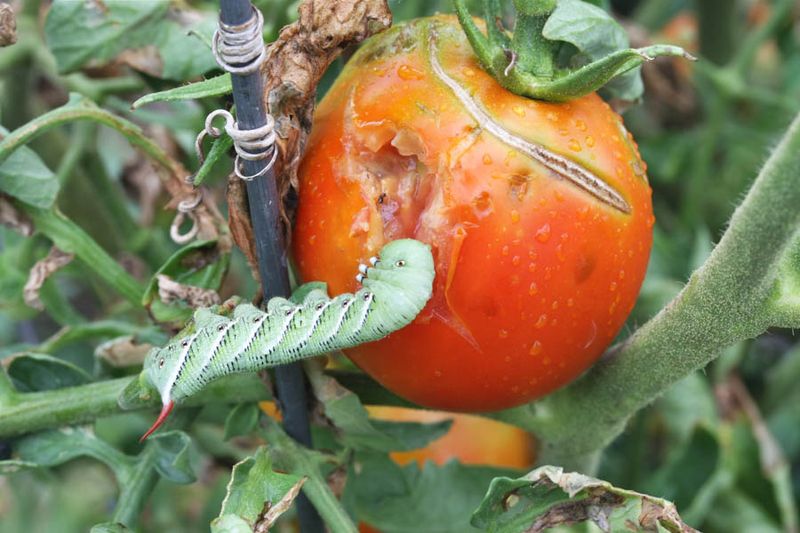
Most Pennsylvania gardeners have heard of the tomato hornworm, but its close relative the tobacco hornworm causes just as much damage and is often mistaken for the same pest. The easiest way to tell them apart is by the horn at the tail end.
Tomato hornworms have a red or orange horn, while tobacco hornworms sport a curved blue-black horn. Both are huge, hungry, and active in Pennsylvania gardens throughout June.
Tobacco hornworms prefer peppers and tobacco plants but happily munch on tomatoes, eggplants, and other nightshade family crops. Like their cousin, they are masters of camouflage and blend almost perfectly into green foliage.
Their droppings, which look like small dark pellets, are often the first clue that a hornworm is nearby.
Checking plants carefully every few days is the most reliable way to catch these caterpillars before they do serious damage. Run your fingers along stems and under leaves where they tend to rest during the day.
Handpicking and dropping them into soapy water is the simplest control for home gardens with just a few plants.
For larger plantings, Bt spray is highly effective and should be applied in the evening when caterpillars are feeding most actively. Rotating your crops each season also helps break the pest cycle since tobacco hornworm pupae overwinter in the soil near their host plants.
Tilling the soil in fall and early spring exposes the pupae to cold temperatures and birds. Growing marigolds, dill, and parsley nearby attracts natural predators and parasitic wasps that naturally reduce hornworm numbers throughout the growing season in Pennsylvania.
6. Forest Tent Caterpillar Outbreaks In Pennsylvania Woodlands And Yards
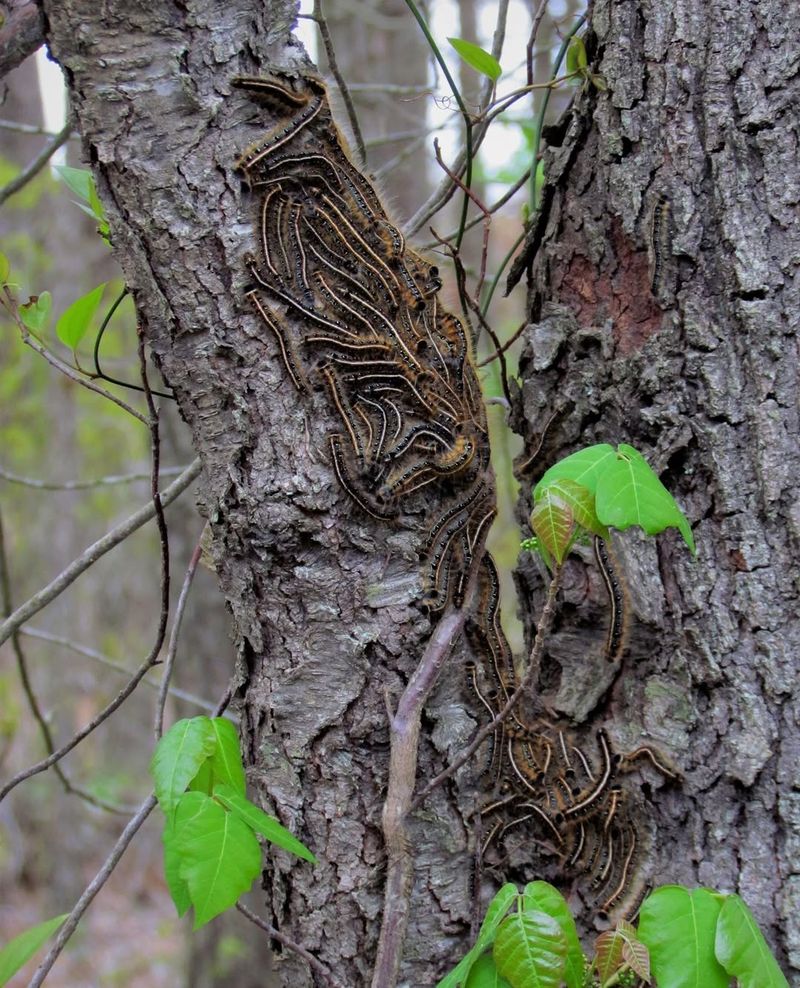
Unlike the eastern tent caterpillar, the forest tent caterpillar does not actually build a tent. Instead, these social caterpillars travel together in large clusters along tree trunks and branches, leaving silky trails behind them.
They are easy to identify by the row of distinctive white keyhole or footprint-shaped markings running down their blue-black backs. June is when their feeding activity hits its highest point in Pennsylvania.
Sugar maple, oak, basswood, and aspen are among their favorite hosts. During heavy outbreak years, which happen roughly every ten years in Pennsylvania, forest tent caterpillars can defoliate thousands of acres of woodland in a matter of weeks.
The sheer number of caterpillars moving across roads and dropping from trees can be alarming to homeowners near wooded areas.
For yard trees, wrapping trunks with sticky barrier tape prevents caterpillars from climbing up to feed. Replace the tape regularly since it loses effectiveness as it fills up with trapped insects.
Burlap bands also work here, similar to the method used for spongy moths. Shake caterpillar clusters off low branches directly into soapy water for quick results.
Bt is again one of the best spray options, especially when applied early in June while caterpillars are still in their younger, smaller stages. Natural predators including birds, ground beetles, and parasitic flies help keep populations in balance over time.
Interestingly, a naturally occurring disease called nucleopolyhedrosis virus often crashes forest tent caterpillar populations after two or three heavy outbreak years without any human intervention at all.
Keeping an eye on your trees and acting quickly in early June gives you the strongest chance of protecting your most valuable landscape trees.