Why Pennsylvania Serviceberry Is The Native Edible Tree Every Homeowner Should Have Planted Already
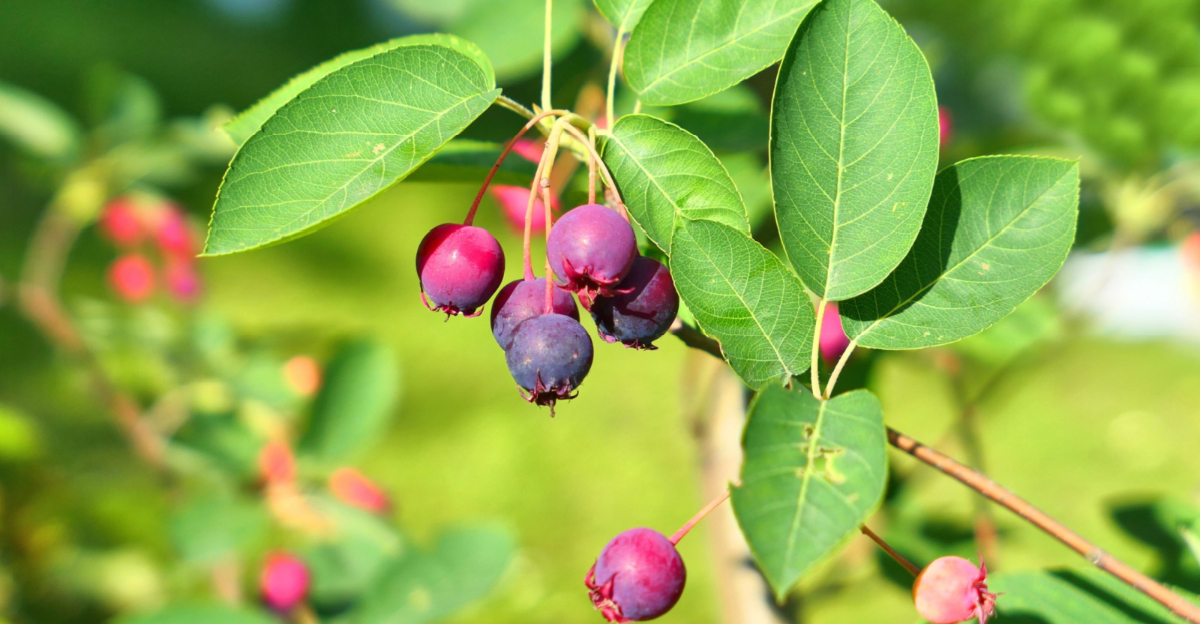
If there is one native plant that Pennsylvania gardeners consistently underestimate, serviceberry is a strong candidate for the top of that list.
Serviceberry puts on a white flower show in early spring before almost anything else in the yard wakes up, then follows that with sweet edible fruit that birds will absolutely compete with you for all summer long.
It closes out the season with fall color that genuinely stops people in their tracks, which is a pretty remarkable performance for a single modest-sized plant.
It does all of this in a modest footprint, which makes it one of the more practical choices for a home landscape that needs to work harder than it looks.
Several species are native to Pennsylvania, including downy serviceberry, Allegheny serviceberry, and shadblow serviceberry, each bringing something slightly different to the table.
Any of them would be a genuinely rewarding addition to a Pennsylvania yard.
1. Its Edible Fruit Adds More Than Ornamental Value
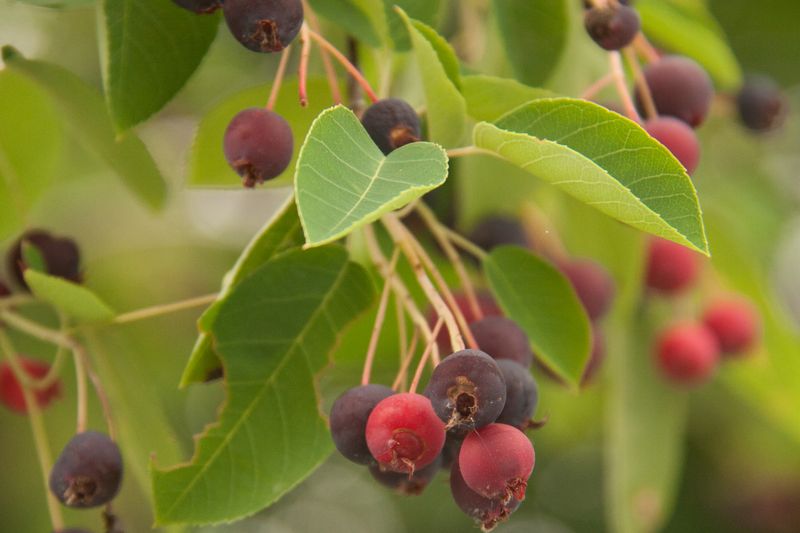
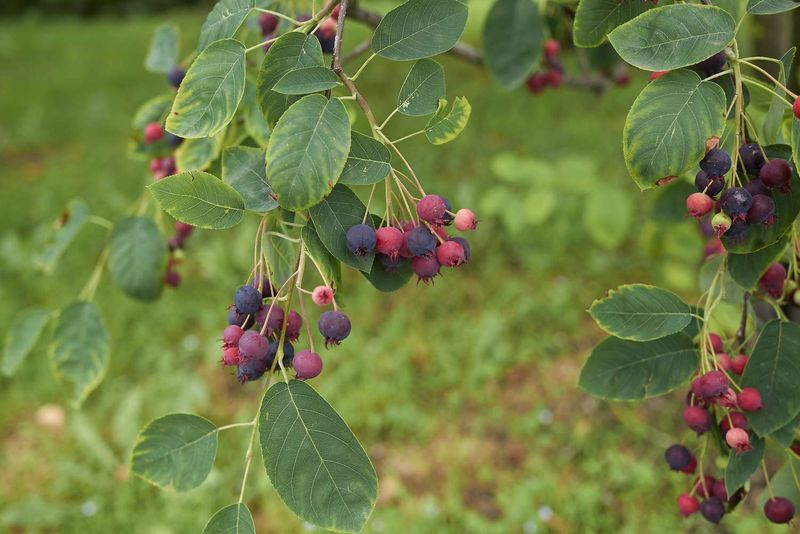
Biting into a fresh serviceberry is a pleasant surprise for anyone who has never tried one. The small fruits start out red, then deepen to dark purple or purplish-black as they ripen in early to midsummer, depending on the species and local conditions.
Their flavor tends to be mild and sweet, sometimes compared to a cross between a blueberry and a mild cherry, making them genuinely enjoyable to eat right off the branch.
Homeowners who want to use the fruit in the kitchen have options. Serviceberries work well in jams, jellies, pies, sauces, muffins, and other baked goods.
The fruit is relatively soft when ripe, so it does not store as long as firmer fruits, which means harvesting promptly and using or preserving them quickly gives the best results.
One realistic expectation to set early is that birds love serviceberries just as much as people do, and they often get there first. Robins, cedar waxwings, and other fruit-eating birds can strip a plant within days of ripening.
Homeowners who plant serviceberry primarily for human harvest may want to manage expectations or consider planting more than one shrub to increase the chances of sharing the crop with local wildlife.
Even in years when birds take most of the fruit, the plant still delivers ornamental beauty, seasonal interest, and real ecological value. The edible quality is a genuine bonus rather than the only reason to plant one.
2. Native Serviceberries Supports Pennsylvania Wildlife
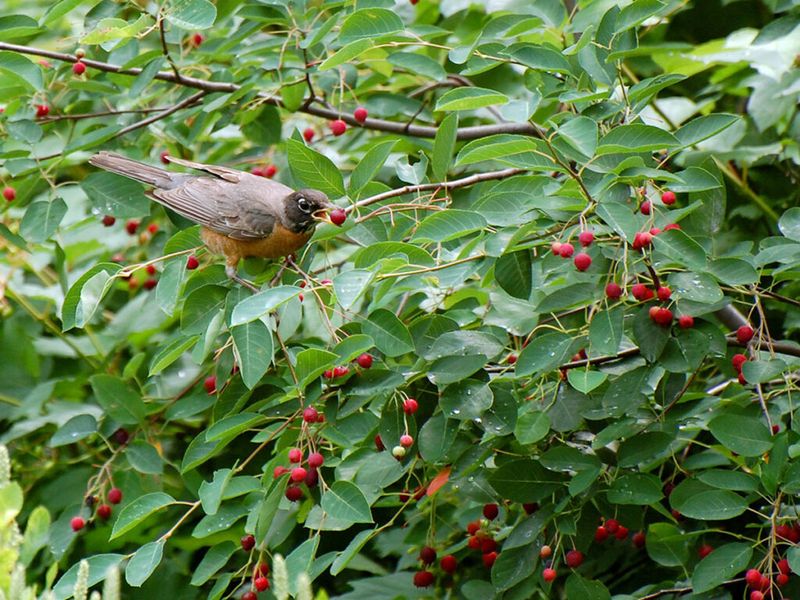
Watch a serviceberry in early summer and you may feel like you have set up a wildlife feeding station without even trying.
Fruit-eating birds such as cedar waxwings, American robins, Baltimore orioles, and gray catbirds are drawn to the ripe berries, often arriving in groups that make for genuinely entertaining backyard watching.
The plant’s value does not stop at the fruit.
Serviceberry foliage hosts the caterpillars of several native moth and butterfly species, which in turn become food for nesting birds feeding their young.
Including a native plant like serviceberry in a Pennsylvania yard adds a food web layer that ornamental non-native trees simply cannot replicate.
Your Pennsylvania Garden Changes Every Week. Your Plan Should Too.
Gardening in Pennsylvania changes quickly throughout the season. Every Friday you’ll receive a simple weekly plan showing exactly what to plant, prune, fertilize, harvest, and protect so you never miss the right timing.
Small mammals, including chipmunks and squirrels, also visit for fallen fruit.
It is worth keeping a balanced perspective here. A single serviceberry shrub contributes meaningfully to a wildlife-friendly landscape, but it works best as part of a diverse planting that includes other native trees, shrubs, and perennials.
Pairing serviceberry with native viburnums, native dogwoods, or native oaks creates a more complete habitat tapestry across a Pennsylvania property.
The plant also provides nesting cover. Its branching structure offers shelter for songbirds building nests in shrubby edges and woodland borders.
For Pennsylvania homeowners interested in creating a yard that genuinely supports local wildlife rather than just attracting an occasional visitor, serviceberry is a practical and rewarding starting point.
3. Its Early Spring Flowers Matter To Pollinators
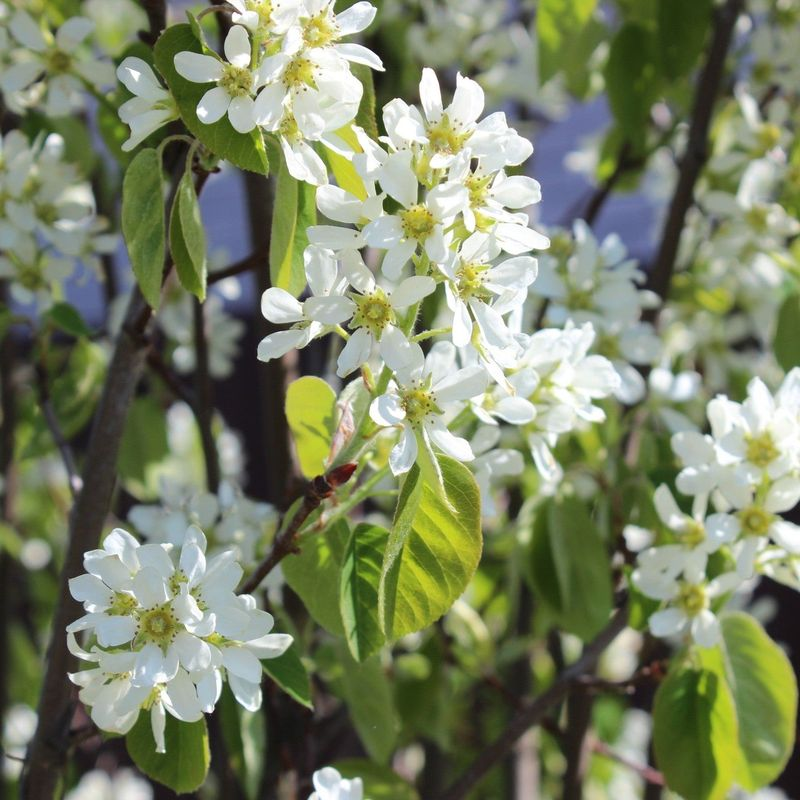
Early spring in Pennsylvania can be a lean time for pollinators. Most flowering trees and shrubs have not yet opened, and the insects emerging from winter rest are actively searching for food.
Serviceberry blooms right into that gap, producing clusters of white, five-petaled flowers in March or April, often before or just as the leaves begin to emerge, giving the plant a striking, cloud-like appearance.
Native bees, mining bees, and early-emerging bumblebee queens are among the visitors that may forage on serviceberry flowers.
Because serviceberry blooms so early in the season, it can serve as a valuable early nectar and pollen source during a period when competition from other flowering plants is relatively low.
This early availability matters most in landscapes where few other native woody plants are in bloom at the same time.
The flowers also give homeowners one of the most visually rewarding moments of the gardening year. Against the gray and brown tones of a Pennsylvania landscape still waking up from winter, serviceberry in full bloom is genuinely striking.
The display typically lasts one to two weeks depending on weather, temperature, and species.
Planting serviceberry near a patio, along a walkway, or at a woodland edge allows homeowners to observe pollinators up close during those early spring weeks.
It is a simple way to support local insect populations while adding real seasonal beauty to the yard without any extra effort required.
4. Serviceberry Creates Interest Across Several Seasons
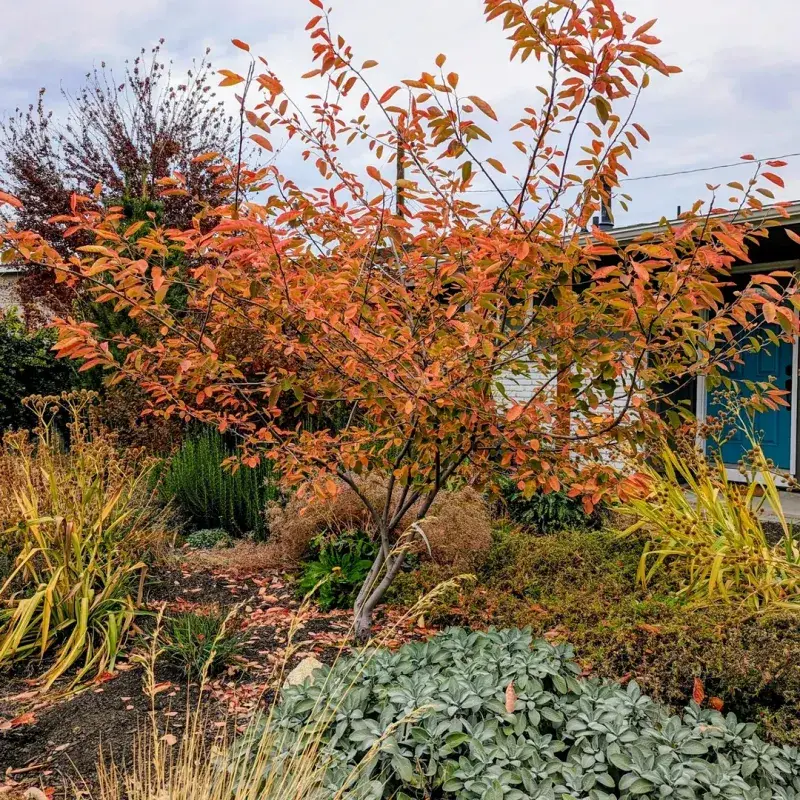
One of the most practical arguments for planting serviceberry is how much it contributes to the landscape across the entire calendar year. Spring brings the white flower clusters that make the plant unmistakable in March and April.
As the flowers fade, the new leaves emerge with a soft, silvery-green tone that gradually deepens to a fuller green through the summer months.
Summer shifts the focus to the fruit, which ripens from red to dark purple and attracts birds and other wildlife to the yard.
Even if birds harvest most of the crop, the activity they bring adds its own kind of seasonal interest for homeowners who enjoy watching backyard wildlife.
The plant holds its foliage well through the summer growing season without demanding much attention.
Fall is where serviceberry can genuinely surprise people who planted it primarily for fruit or flowers. Depending on the species, individual plant, growing site, and autumn weather conditions, fall color can range from warm yellow and orange to richer red tones.
Not every plant delivers the same display, and shaded sites tend to produce less vivid color than those in full sun.
Winter reveals the plant’s structure, smooth gray bark, and attractive branching form, which hold visual interest even after the leaves have dropped.
For Pennsylvania homeowners looking for a plant that earns its space through multiple seasons rather than just one or two, serviceberry delivers consistent value without requiring elaborate maintenance or seasonal replanting.
5. Its Smaller Size Works In Many Home Landscapes

Space is a real constraint for many Pennsylvania homeowners, especially in suburban neighborhoods where yards are measured in feet rather than acres. Serviceberry fits that reality well.
Most landscape-grown serviceberries develop as large shrubs or small trees, with mature heights that vary considerably by species, cultivar, and growing conditions, but many fall somewhere in the range of eight to twenty-five feet depending on selection and site.
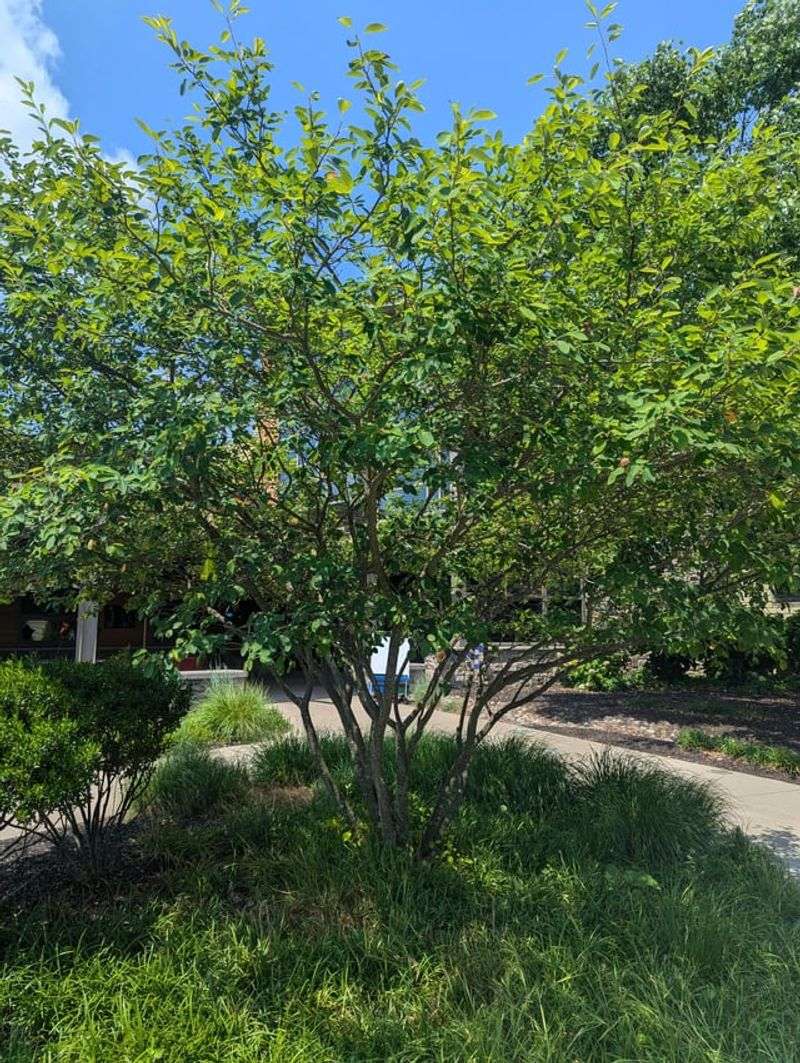
Some species and cultivars tend toward a single-trunk tree form, while others develop a multistemmed, shrubby habit. Both forms have their uses.
A single-trunk specimen can work near a patio, along a driveway edge, or as a focal point in a mixed border. A multistemmed form may suit a woodland edge planting, an informal screen, or a rain garden where a softer, layered look fits better.
Compared to large shade trees that eventually crowd utilities, lift sidewalks, or shade out everything beneath them, serviceberry stays at a scale that most homeowners can manage comfortably.
It does not require the same clearance distances from structures that larger trees demand, and its root system is far less aggressive than that of many ornamental or shade trees commonly planted in Pennsylvania yards.
Choosing the right species or cultivar for the available space still matters.
Researching mature dimensions before purchasing prevents the frustration of a plant that outgrows its spot, and asking a local native plant nursery for guidance can help narrow the options to what genuinely fits a specific property.
6. It Can Replace Invasive Ornamental Trees
Callery pear, sold for decades under cultivar names like Bradford pear, became one of the most widely planted ornamental trees in Pennsylvania neighborhoods.
Its spring flowers and tidy shape made it popular with developers and landscapers, but the tree has since been recognized as invasive in Pennsylvania, spreading aggressively into natural areas and crowding out native vegetation.
Serviceberry offers a spring-blooming alternative that shares some visual appeal without the ecological problems. Both produce white flowers in spring and reach a manageable size for residential landscapes.
Serviceberry, however, stays within its ecological role, supporting native wildlife and fitting into the natural food web rather than disrupting it.
Making a direct swap is not always straightforward. Serviceberry and Callery pear have different mature forms, soil preferences, moisture needs, and light requirements.
Homeowners removing a Callery pear should evaluate the replacement site carefully, considering available sunlight, drainage, soil moisture, and space before selecting a serviceberry species or cultivar.
A spot that suited a Callery pear may or may not be ideal for every serviceberry option.
Pennsylvania has taken steps to address the Callery pear problem, and homeowners who choose native alternatives like serviceberry contribute to a broader effort to restore ecological balance in the region. The swap is not just practical for the yard.
It represents a meaningful choice to support the native plant communities that Pennsylvania’s wildlife depends on through every season of the year.
7. The Best Growing Conditions For Serviceberry In Pennsylvania
Pennsylvania’s landscape ranges from the ridge-and-valley terrain of the central part of the state to the Piedmont soils of the southeast and the lake-effect regions of the northwest, and serviceberry species are found across much of this range in the wild.
That natural presence gives homeowners a clue about where these plants tend to perform well, but site matching still matters for success.
Most serviceberries prefer full sun to partial shade. In sunnier spots, flowering and fruit production tend to be more abundant, and fall color is often more vivid.
In shadier locations, plants may still grow well but may produce fewer flowers and fruit, and overall density can be lighter. A woodland edge planting that receives several hours of direct sun daily is often a productive and attractive setting.
Soil drainage is important. Serviceberries generally prefer moist, well-drained soils and do not perform well in areas that stay waterlogged for extended periods.
Some species tolerate wetter conditions better than others, which is why identifying the species before planting matters.
Downy serviceberry, for example, is often found on drier, rocky slopes in the wild, while shadblow serviceberry tends to favor moister, streamside conditions.
Matching the selected species to the specific conditions on a Pennsylvania property, including light levels, soil type, drainage patterns, and available moisture, gives the plant its best chance of establishing well.
That careful site matching is also what allows serviceberry to deliver the seasonal benefits homeowners are looking for consistently over the long term.
8. Helpful Things To Know Before Planting Serviceberry In Pennsylvania
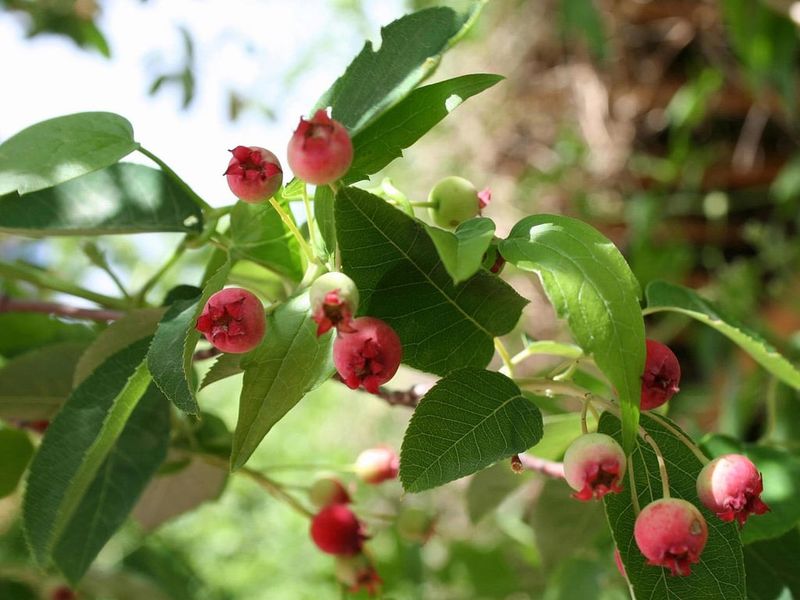
Serviceberry has a lot going for it, but approaching it with realistic expectations makes for a better experience. Cedar apple rust is one of the more common concerns for serviceberries in Pennsylvania.
This fungal disease can cause orange, gelatinous spore structures on leaves and fruit when Eastern red cedars are present nearby, since the rust requires both host plants to complete its life cycle.
Choosing rust-resistant cultivars where they are available can help reduce this issue.
Fire blight, leaf spot diseases, and powdery mildew can also appear under certain conditions, particularly when air circulation is poor or plants are stressed by drought or poor soil drainage.
Planting serviceberry in a location with good airflow and appropriate soil moisture helps reduce disease pressure without requiring chemical treatments in many cases.
Deer browsing is a genuine concern in many Pennsylvania neighborhoods and rural properties. Young plants are especially vulnerable, and protective measures may be needed during the establishment period.
Birds competing for fruit is less of a problem to solve and more of a reality to accept, particularly in areas with active bird populations.
Planting at the correct depth, avoiding excessive mulch against the trunk, and selecting a species suited to the available space and soil conditions are the most important steps a homeowner can take.
Serviceberry is not a plant that demands constant attention once established, but it is also not completely carefree.
Thoughtful site selection and species matching go a long way toward a healthy, productive plant.