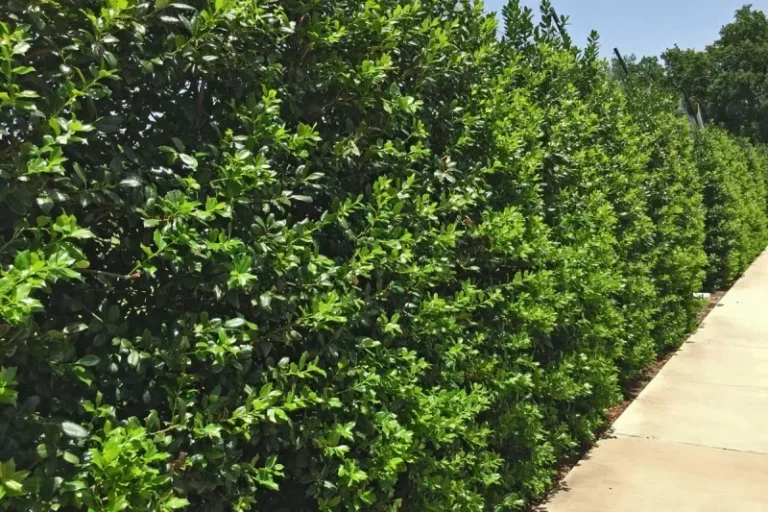
9 Garden Pests North Carolina Gardeners See Every June And How To Handle Them
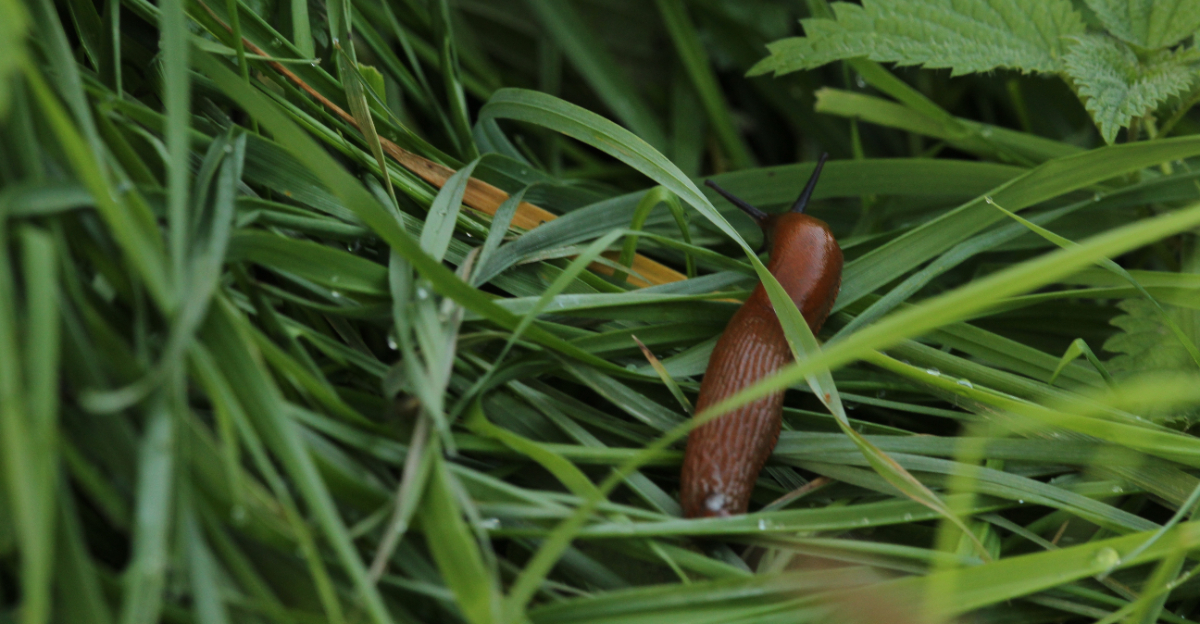
June in North Carolina is when the garden really gets going, and unfortunately it is also when the pest pressure hits its first serious peak.
The warmth that pushes vegetables into high gear and keeps flowers blooming does the exact same thing for the insects that feed on them.
Some pests show up like clockwork every single June regardless of what grew there the previous year. Others build quietly through spring and become obvious only once the damage is already underway.
Knowing which ones to expect and what actually works against each of them takes a lot of the frustration out of the month. Most of the solutions are straightforward once you know what you are actually dealing with and when to act.
1. Aphids
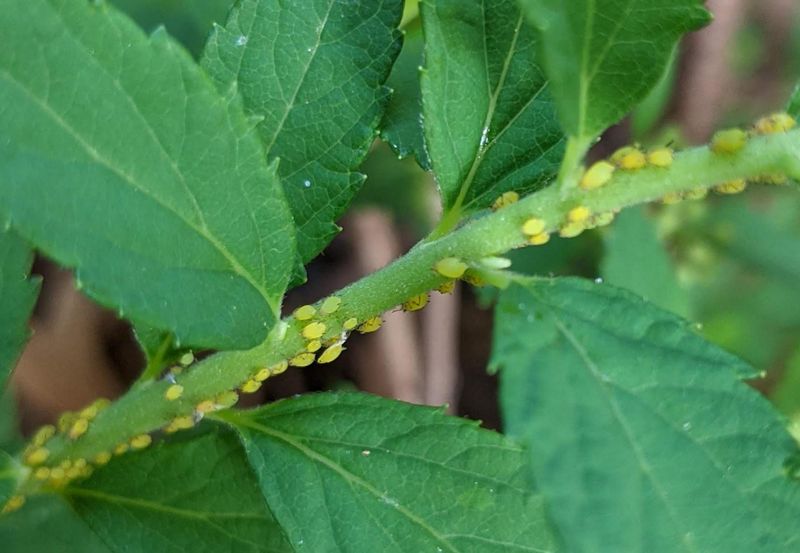
Tiny but surprisingly destructive, aphids are one of the first pests to show up on North Carolina gardens every June.
These soft-bodied insects cluster on the tender new growth of vegetables, roses, and ornamental plants, piercing stems and leaves to suck out plant sap.
Over time, that feeding weakens the plant, causes leaves to curl, and can even spread plant viruses from one garden to the next.
One of the clearest signs of an aphid problem is the sticky, shiny residue they leave behind called honeydew. This substance attracts ants and encourages sooty mold to grow on leaves, making the damage even worse.
Checking the undersides of leaves regularly helps you catch colonies before they explode in size.
Fortunately, aphids have plenty of natural enemies. Ladybugs, lacewings, and parasitic wasps all feed on aphids and can bring populations down without any chemicals.
You can attract these beneficial insects by planting flowers like dill, fennel, and marigolds nearby. A strong blast of water from a garden hose also knocks aphids off plants quickly.
For heavier infestations, insecticidal soap sprays work very well and are safe around most pollinators when applied in the early morning or evening. Consistency is key with aphids, so check your plants every few days and act early for the best results.
2. Spider Mites
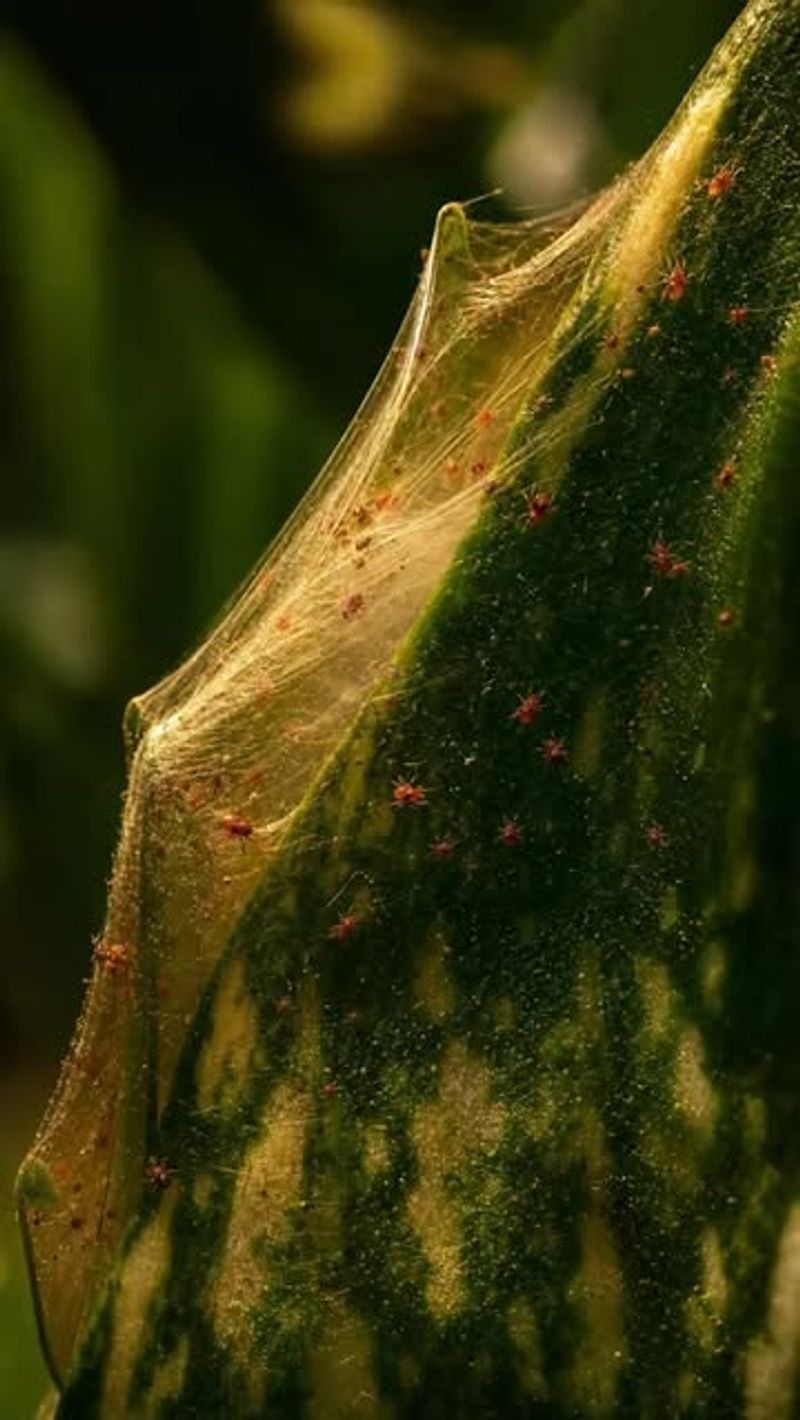
Hot, dry spells in June are practically an open invitation for spider mites to move into North Carolina gardens.
These eight-legged relatives of spiders are barely visible to the naked eye, but the damage they cause on tomatoes, peppers, cucumbers, and ornamentals is very easy to spot.
Affected leaves develop a dusty, stippled appearance as mites pierce individual cells and drain them of moisture.
Look for fine, silky webbing on the undersides of leaves and along stems. That webbing is a sure sign that a colony has already settled in and is growing fast.
Spider mites thrive when conditions are hot and dry, so gardens that miss regular watering are especially vulnerable during summer heat waves.
Raising humidity around your plants is one of the simplest ways to slow mite activity. Misting plants with water or running a soaker hose at the base disrupts their preferred environment.
A strong spray of water directed at leaf undersides physically removes mites and their eggs. Introducing predatory mites, such as Phytoseiulus persimilis, is a highly effective biological control that works well in home gardens.
Your North Carolina Garden Changes Every Week. Your Plan Should Too.
Gardening in North Carolina changes quickly throughout the season. Every Friday you’ll receive a simple weekly plan showing exactly what to plant, prune, fertilize, harvest, and protect so you never miss the right timing.
Neem oil and insecticidal soap are also solid options for more serious outbreaks. Avoid broad-spectrum pesticides, as these often wipe out the natural predators that would otherwise keep spider mite populations in check naturally.
3. Japanese Beetles
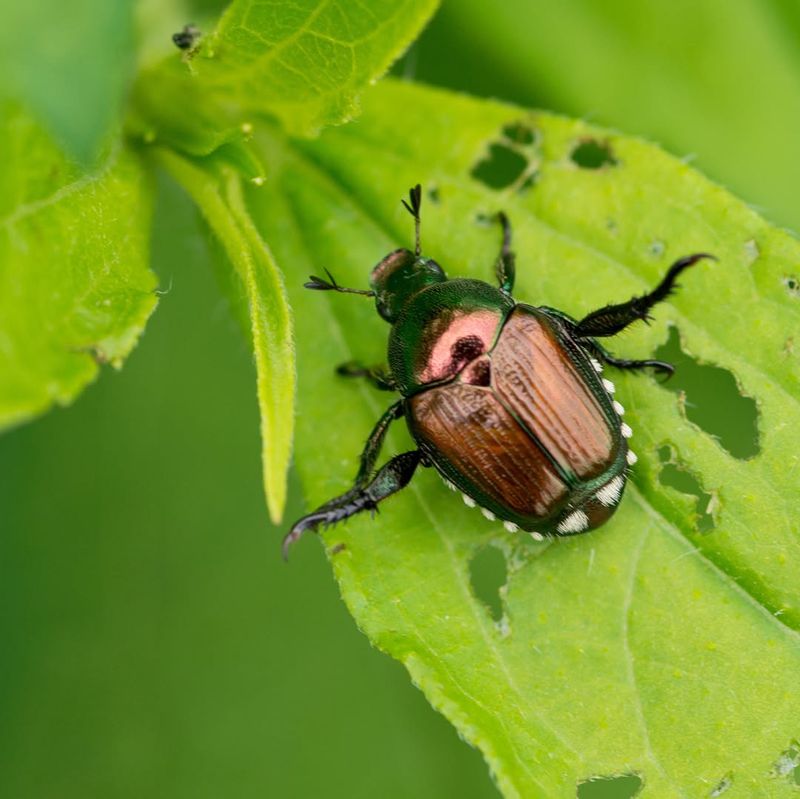
Few garden pests are as recognizable as the Japanese beetle. With its shiny copper-and-green body, this insect looks almost decorative, but the destruction it causes to foliage, flowers, and fruit during June is anything but pretty.
Japanese beetles feed in groups, skeletonizing leaves by eating the tissue between the veins and leaving behind a lacy, transparent mess.
Roses, grapes, beans, corn, and fruit trees are among their favorite targets in North Carolina landscapes.
The beetles release a scent as they feed that actually attracts more beetles, which means a small problem can quickly grow into a large one over just a few days.
Early morning is the best time to find and handle them since they move more slowly in cooler temperatures.
Handpicking is surprisingly effective for small gardens. Drop beetles into a bucket of soapy water to remove them from the area without using any chemicals.
For larger infestations, targeted insecticides like pyrethrin or neem oil can reduce populations while posing minimal risk to pollinators when applied in the evening after bees are done foraging.
Avoid Japanese beetle bag traps sold at garden stores since research shows they often attract more beetles to your yard than they remove.
Focusing on healthy soil and diverse plantings gives your garden the resilience it needs to bounce back even when beetle pressure is high.
4. Squash Vine Borers
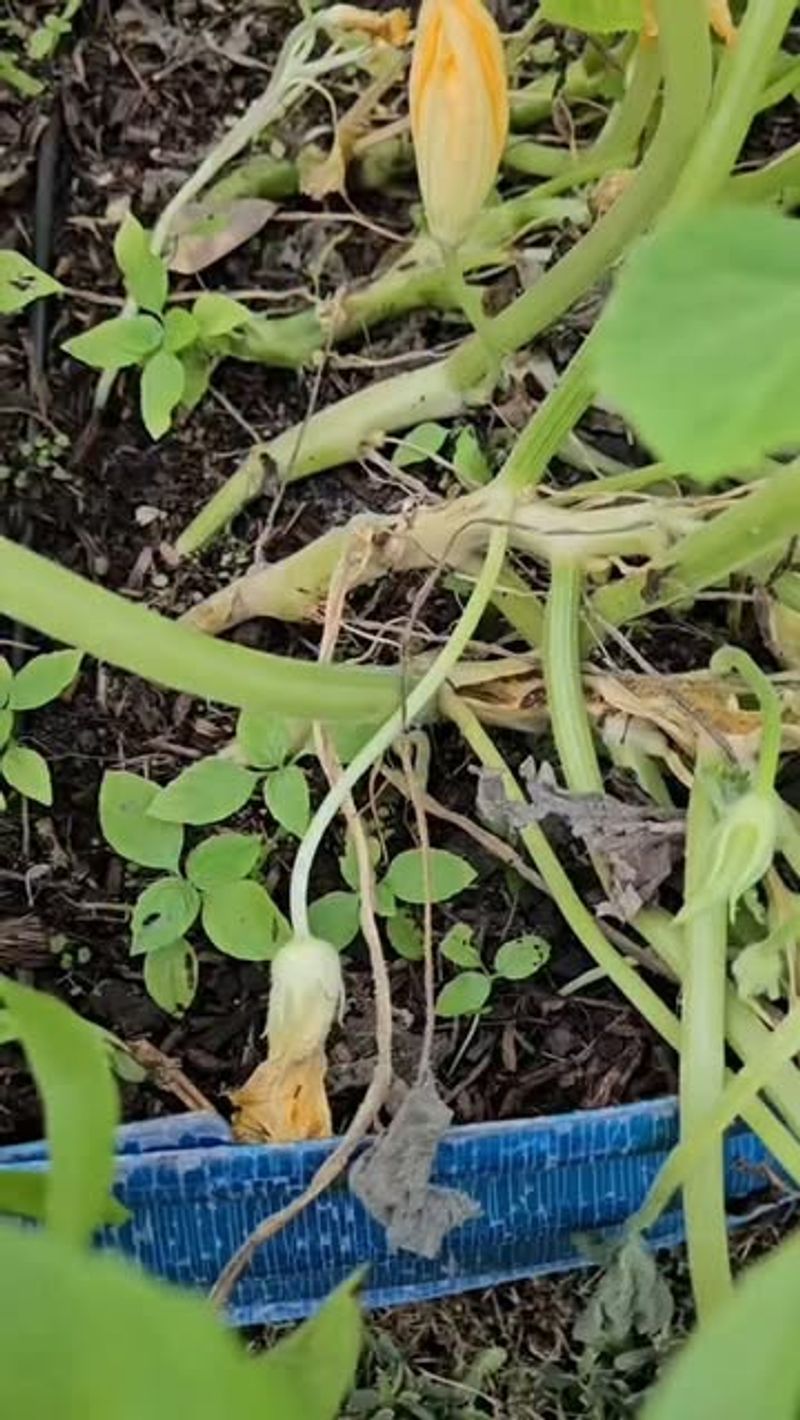
Nothing is more frustrating than watching a healthy squash plant suddenly wilt and collapse almost overnight. Squash vine borers are the culprit behind that heartbreaking sight, and North Carolina gardeners face them every June without fail.
The adult moth lays tiny, reddish-brown eggs at the base of squash, zucchini, and pumpkin stems, and once the larvae hatch, they bore straight inside the stem and start feeding.
The earliest warning sign is a sawdust-like material called frass appearing at small holes near the base of the plant stem. Catching this sign quickly gives you a real chance to save the plant.
Slitting the stem lengthwise with a clean blade and removing the larvae, then mounding soil over the wound to encourage new root growth, can rescue a plant that would otherwise be lost.
Prevention is much easier than treatment, so timing and physical barriers are your best tools. Row covers placed over young plants keep adult moths from laying eggs in the first place.
Remove the covers once flowers appear to allow pollination. Applying spinosad or Bt (Bacillus thuringiensis) as a targeted spray at the base of stems in early June, right when egg-laying begins, can stop larvae before they enter.
Planting a second round of squash in mid-June also gives you a backup crop after the first generation of borers runs its course for the season.
5. Cucumber Beetles
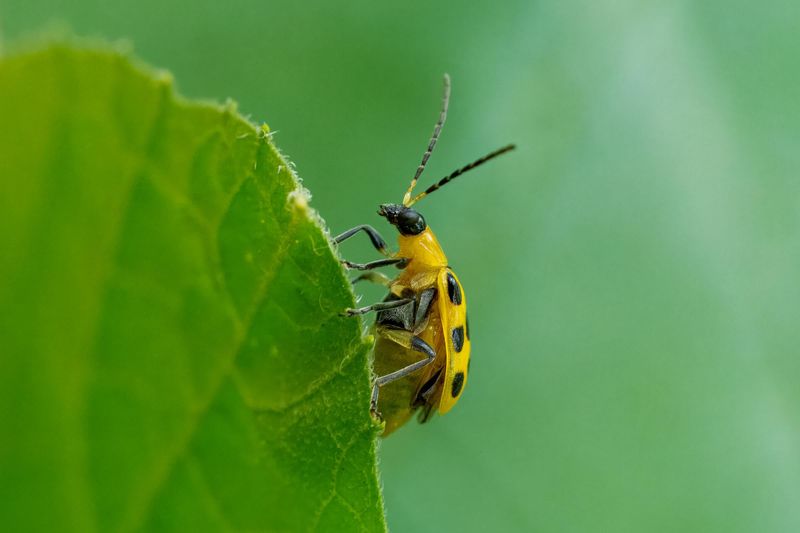
Cucumber beetles are a double threat in the garden.
Not only do these small, yellow-and-black striped or spotted insects chew through the leaves, stems, and flowers of cucumbers, melons, and squash, but they also carry and spread bacterial wilt, a disease that can wipe out entire plants within weeks.
A single infected beetle can transmit the disease to a healthy plant in one feeding session.
Bacterial wilt causes plants to wilt suddenly and dramatically, even when soil moisture is fine. You can test for it by cutting a wilted stem and pressing the two cut ends together, then slowly pulling them apart.
If sticky threads stretch between the ends, bacterial wilt is likely present. Once a plant is infected, there is no reversing it, so prevention matters enormously with cucumber beetles.
Row covers are one of the most reliable preventive tools available, keeping beetles off plants during their most vulnerable early stages. Remove covers when flowers open to allow bees to pollinate.
Yellow sticky traps help you monitor beetle activity and catch adults before populations build. Kaolin clay, applied as a spray to leaf surfaces, creates a physical barrier that confuses and deters beetles effectively.
Planting resistant cucumber varieties and rotating crops each season also reduces the chances of a serious outbreak. Check plants daily in June because catching cucumber beetles early is the single most important step you can take.
6. Thrips
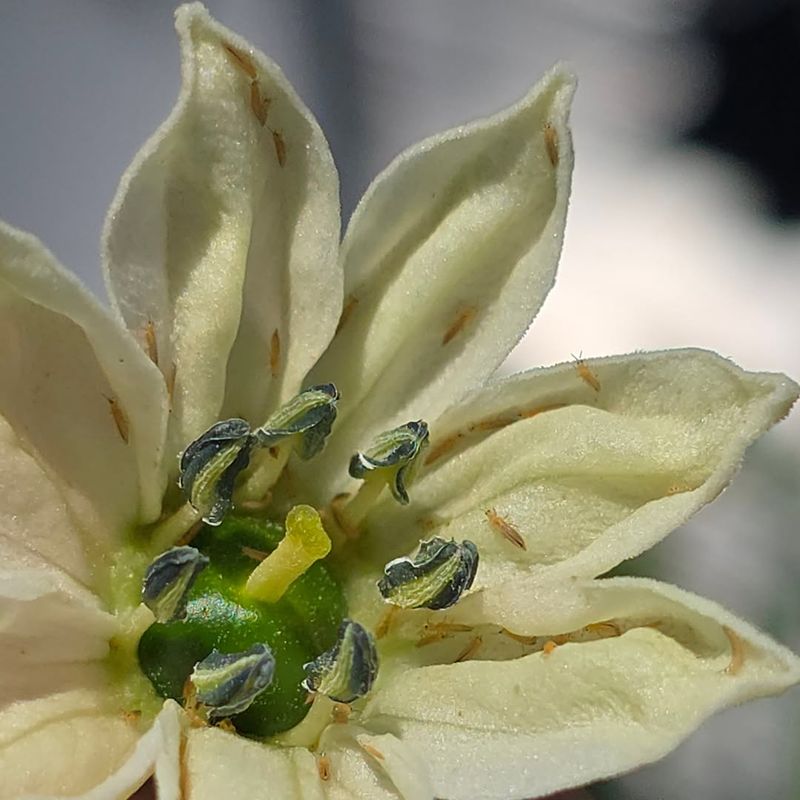
Thrips are so small that most gardeners do not even notice them until the damage is already done.
These slender, barely-visible insects rasp and scrape the surface of flowers, buds, and leaves on peppers, tomatoes, onions, and ornamentals, leaving behind silvery streaks, distorted growth, and scarred petals.
In North Carolina, June warmth accelerates their reproductive cycle dramatically, meaning populations can double in just a matter of days.
Flowers are often the first place thrips show up, hiding deep inside petals where they are hard to spot. Shaking a flower over a white piece of paper and looking for tiny moving specks is a quick and easy way to confirm their presence.
Ornamental plants like roses and gladiolus are particularly attractive targets, but vegetable gardens suffer significant losses too when thrips populations go unchecked.
Blue sticky traps are more effective than yellow ones for catching thrips and can help you gauge how bad the pressure is in your garden.
Insecticidal soap and spinosad-based sprays both work well against active infestations, though thorough coverage of all plant surfaces is essential for good results.
Encouraging natural predators like minute pirate bugs and predatory mites provides ongoing biological control. Removing weeds around the garden edges reduces thrips habitat significantly.
Avoid over-fertilizing with nitrogen, since lush, soft growth attracts thrips and makes plants more vulnerable to the damage they cause throughout the summer season.
7. Whiteflies
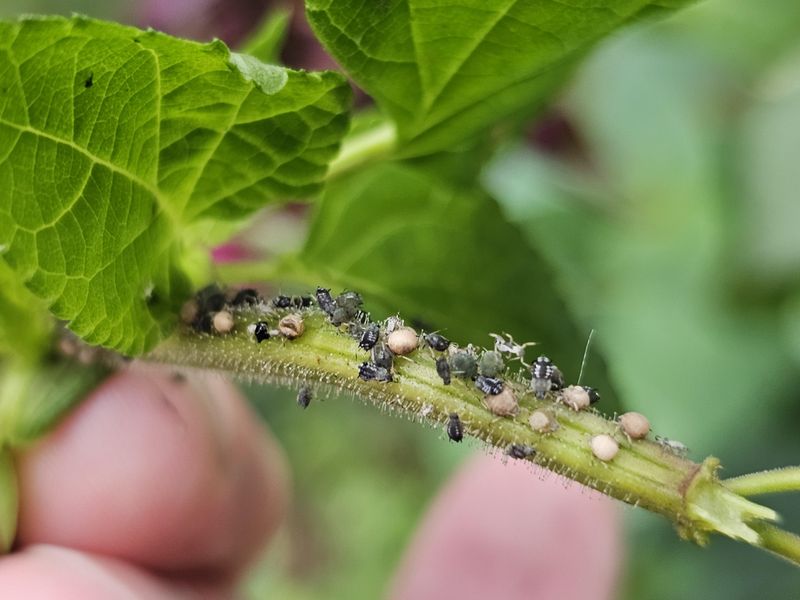
Step close to a plant infested with whiteflies and you will immediately notice a cloud of tiny white insects rising into the air. Whiteflies are persistent pests in North Carolina gardens, especially in June when temperatures climb and air circulation is limited.
They cluster on the undersides of leaves, where they feed on plant sap and excrete a sticky substance called honeydew that quickly leads to a coating of black sooty mold.
Sooty mold does not directly harm plant tissue, but it blocks sunlight from reaching leaves, slowing photosynthesis and overall plant health. Tomatoes, peppers, sweet potatoes, squash, and many ornamentals are among whiteflies’ preferred hosts.
Heavily infested plants may show yellowing, wilting, and reduced fruit production even when watered and fertilized properly.
Yellow sticky traps placed at plant height are a great monitoring and trapping tool, helping you track population levels before they spiral.
Natural enemies like parasitic wasps in the Encarsia genus and predatory beetles can keep whitefly populations in balance when not disrupted by broad-spectrum sprays.
Reflective mulch laid around plant bases confuses and deters adult whiteflies from landing. Insecticidal soap and neem oil sprays applied directly to leaf undersides provide good knockdown of active populations.
Rotating crops, removing heavily affected plants promptly, and spacing plants well for airflow all reduce conditions that allow whitefly outbreaks to thrive through the hottest summer months.
8. Leaf Miners
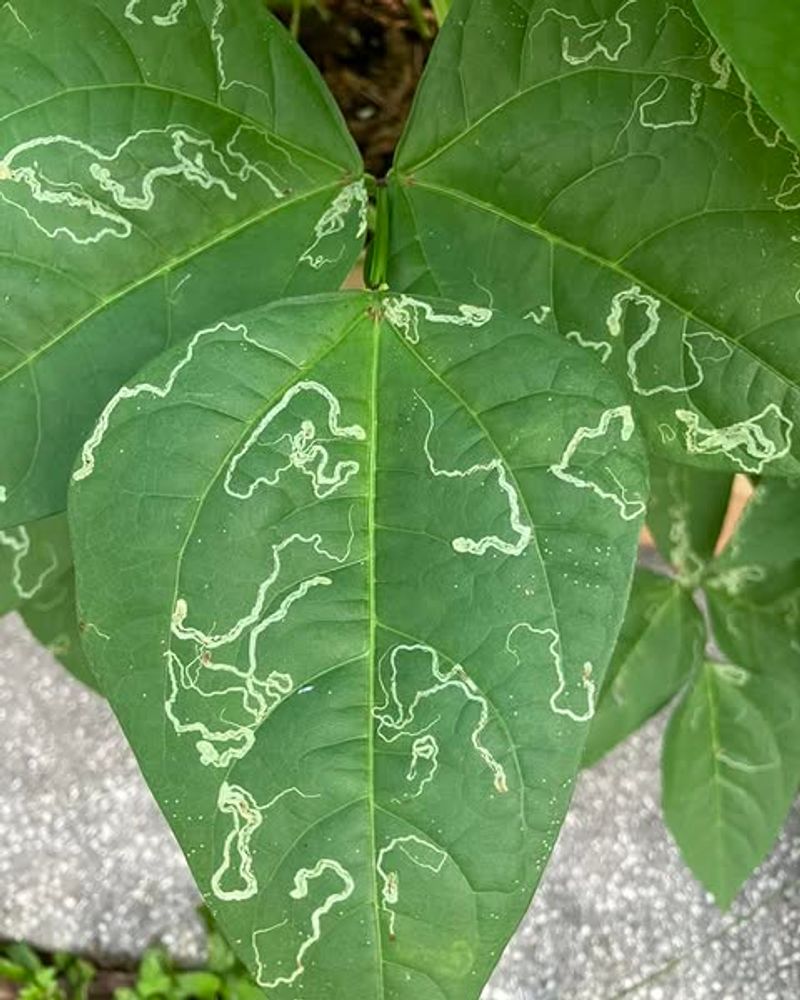
The winding, pale trails you sometimes notice snaking through plant leaves are the unmistakable calling card of leaf miners.
These are the larvae of certain flies, moths, or beetles that hatch from eggs laid inside leaf tissue and spend their early lives tunneling between the upper and lower surfaces of a leaf.
While leaf miners rarely cause serious long-term harm to established plants, heavy infestations slow growth and make vegetables and ornamentals look ragged and stressed.
Spinach, beets, tomatoes, columbine, and nasturtiums are among the most commonly affected plants in North Carolina gardens during June.
The tunnels interrupt normal leaf function and can allow secondary fungal infections to move in, especially during humid weather.
Seedlings and young transplants are the most vulnerable since they have fewer resources to compensate for the tissue loss.
Removing and disposing of affected leaves as soon as you notice trails is one of the most practical steps you can take. Do not compost mined leaves since larvae may still be alive inside them.
Floating row covers protect young plants from adult flies looking to lay eggs. Sticky yellow traps help monitor adult activity levels in real time.
Spinosad sprays can be effective when applied at the right stage, targeting newly hatched larvae before they tunnel too deeply into the leaf.
Encouraging parasitic wasps through diverse plantings provides a natural, chemical-free layer of control that benefits your whole garden.
9. Slugs And Snails
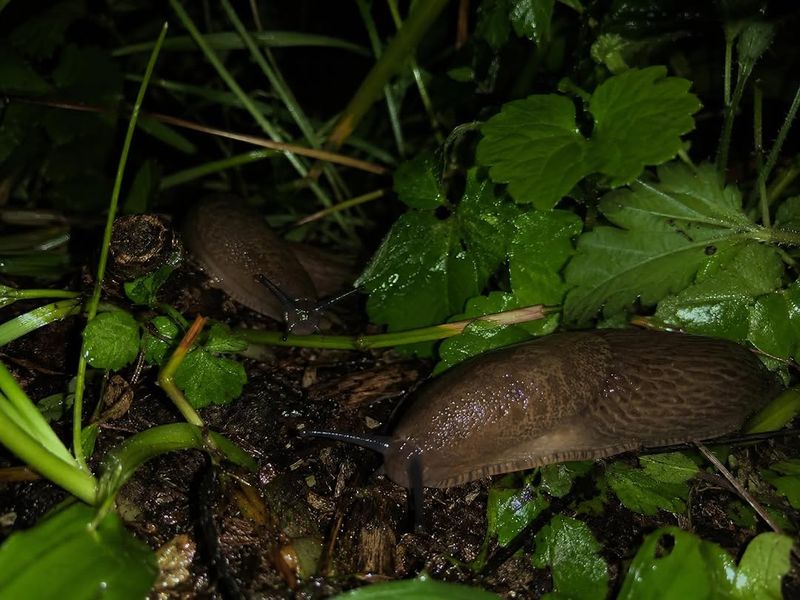
After a warm June rain, slugs and snails come out in full force across North Carolina gardens. These moisture-loving creatures feed on tender seedlings, lettuce, hostas, strawberries, and just about any soft-leaved plant they can find.
Their feeding happens mostly at night, so you might walk out in the morning to find ragged holes in your plants without seeing a single culprit in sight.
The silvery slime trails they leave behind are the easiest way to confirm slugs or snails are the problem. Seedlings are especially at risk since slugs can devour an entire young transplant in one night.
Dense plantings and thick mulch layers give slugs ideal hiding spots during the day, so thinning plants and pulling mulch slightly away from stems can reduce the shelter they depend on.
Handpicking slugs at night with a flashlight and dropping them into soapy water is simple and surprisingly satisfying. Beer traps set at soil level attract slugs, which crawl in and cannot escape.
Copper tape placed around raised beds or containers acts as a barrier that slugs and snails are reluctant to cross. Diatomaceous earth sprinkled around plant bases creates a rough, drying surface that deters soft-bodied pests effectively.
Birds, toads, and ground beetles all eat slugs naturally, so creating a garden environment that welcomes wildlife gives you built-in pest management that works around the clock all season long.