What North Carolina Fig Trees Need Before May Ends To Set Fruit All Summer
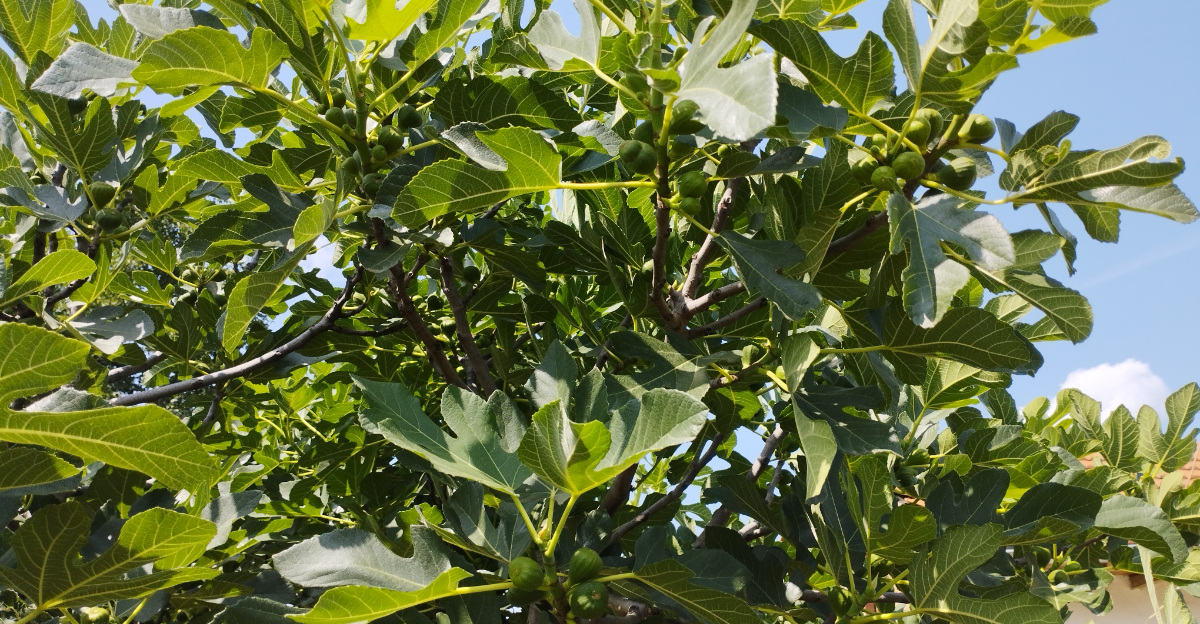
Fig trees in North Carolina are remarkably capable plants once they are established, but they have specific needs in late spring that a lot of gardeners do not know to address.
Miss the right window and the tree puts on plenty of growth through summer while producing far less fruit than it should.
The timing matters because figs respond to soil conditions, moisture levels, and nutrient availability in ways that play out over weeks rather than days. What the tree takes up in late May directly influences what it is able to produce by midsummer and into fall.
A few straightforward steps taken before the month ends give the tree what it needs to set fruit reliably rather than channeling most of its energy into leaves and new wood.
1. Ensure Full Sun Exposure
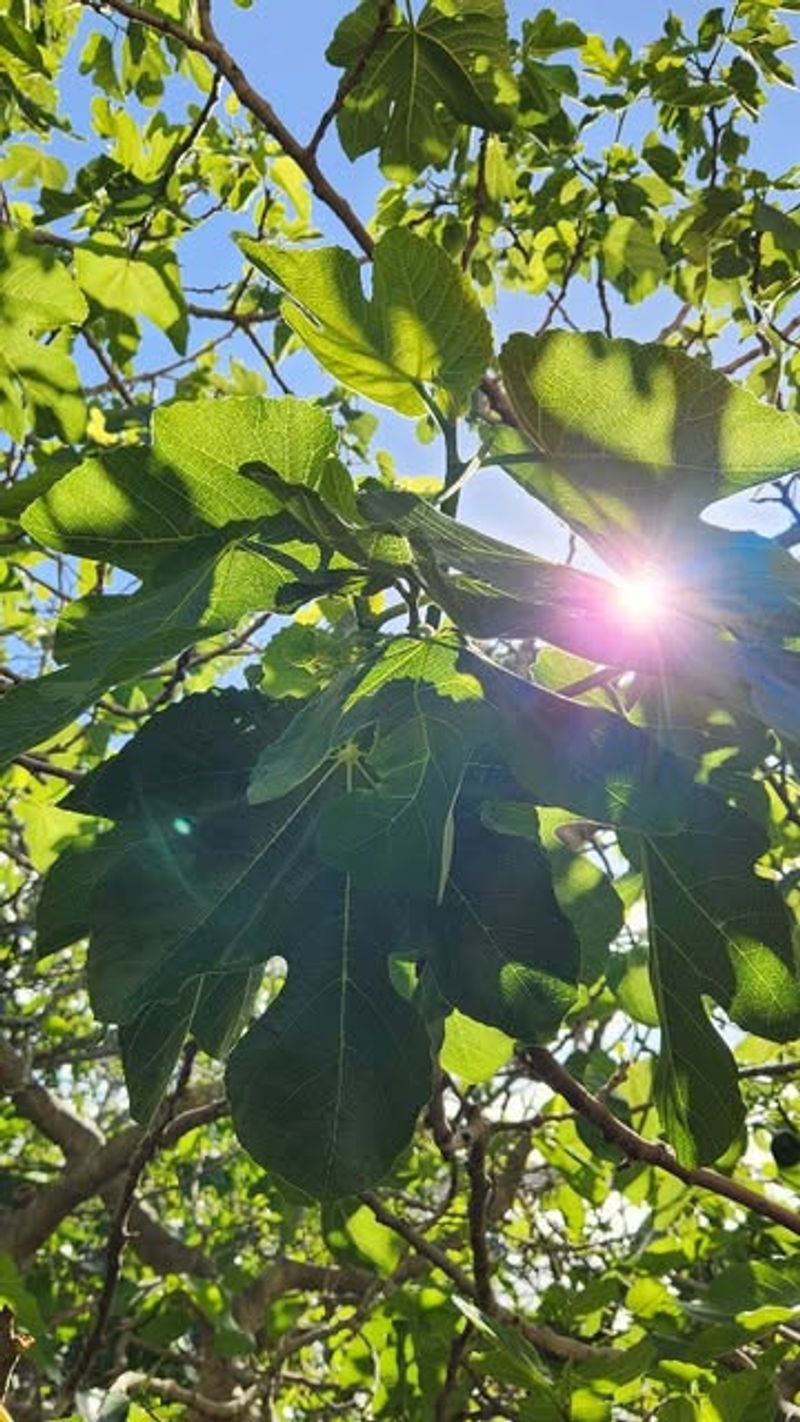
Sunlight is everything for a fig tree trying to set fruit. Without enough of it, your tree will grow leaves just fine but hold back on producing the fruit you are waiting for all season.
Fig trees need at least six to eight hours of direct sunlight every single day to trigger the flowering process that leads to a full summer harvest.
In North Carolina, most backyards have a sweet spot where the sun hits hardest between late morning and late afternoon.
That south or southwest-facing area near a fence or brick wall is prime real estate for a fig. The warmth radiating off those surfaces after sunset also gives your tree a little bonus heat, which it absolutely loves during cooler late-spring nights.
Container fig growers have a real advantage here. You can roll or carry your potted tree to follow the sun as the season shifts.
If your in-ground tree is sitting in too much shade from a nearby structure or large tree, consider whether selective trimming of surrounding plants could open up more sky. Even one extra hour of sun daily can noticeably improve fruit set.
Getting this right before May ends gives your tree the energy it needs to build and hold fruit through the whole summer season ahead.
2. Provide Well-Drained Soil
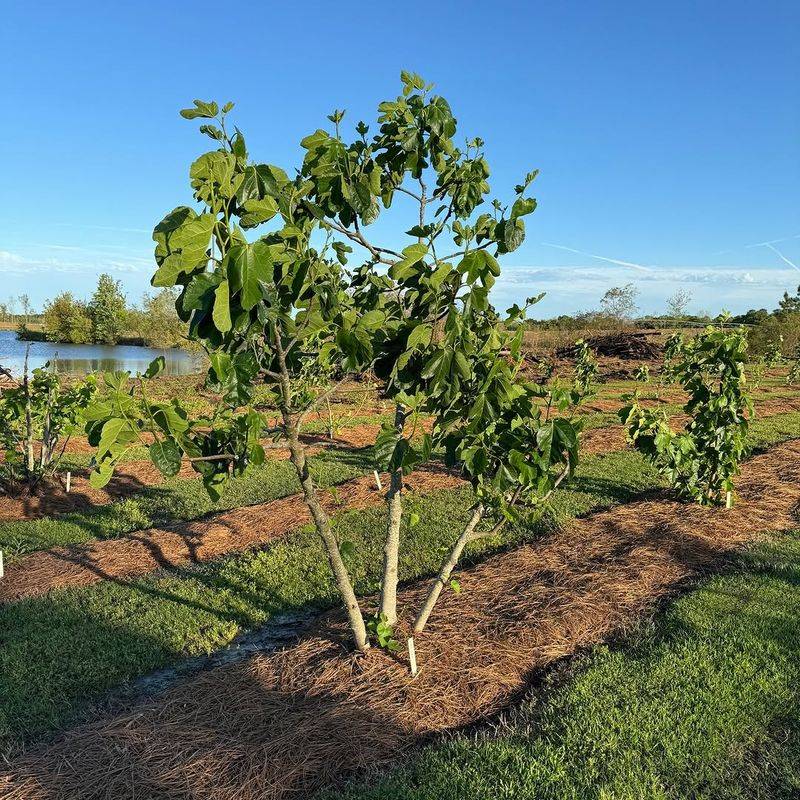
Soggy roots are one of the fastest ways to ruin a fig tree’s summer. Fig trees are Mediterranean by nature, meaning they evolved in warm, dry conditions with fast-draining soil.
When roots sit in waterlogged ground for too long, they struggle to absorb nutrients, and fruit production drops sharply before it even begins.
North Carolina gardeners dealing with heavy clay soil face a real challenge. Clay holds moisture like a sponge, and while that sounds helpful during dry spells, it becomes a problem after heavy spring rains.
Working in aged compost, coarse sand, or pine bark fines before May ends can dramatically improve drainage and give roots room to breathe. Aim for a soil pH between 6.0 and 6.5, which is right in the sweet spot for fig nutrition and microbial activity.
For container-grown figs, use a well-draining potting mix blended with perlite at roughly a 3-to-1 ratio.
Your North Carolina Garden Changes Every Week. Your Plan Should Too.
Gardening in North Carolina changes quickly throughout the season. Every Friday you’ll receive a simple weekly plan showing exactly what to plant, prune, fertilize, harvest, and protect so you never miss the right timing.
Avoid mixes that retain too much moisture, especially heading into the humid North Carolina summer. Raised beds are another excellent option if your yard has consistently poor drainage.
Getting the soil right now means your tree spends the summer focusing its energy on fruit instead of fighting stressed roots. Healthy soil truly is the foundation of every great harvest.
3. Water Consistently But Avoid Saturation
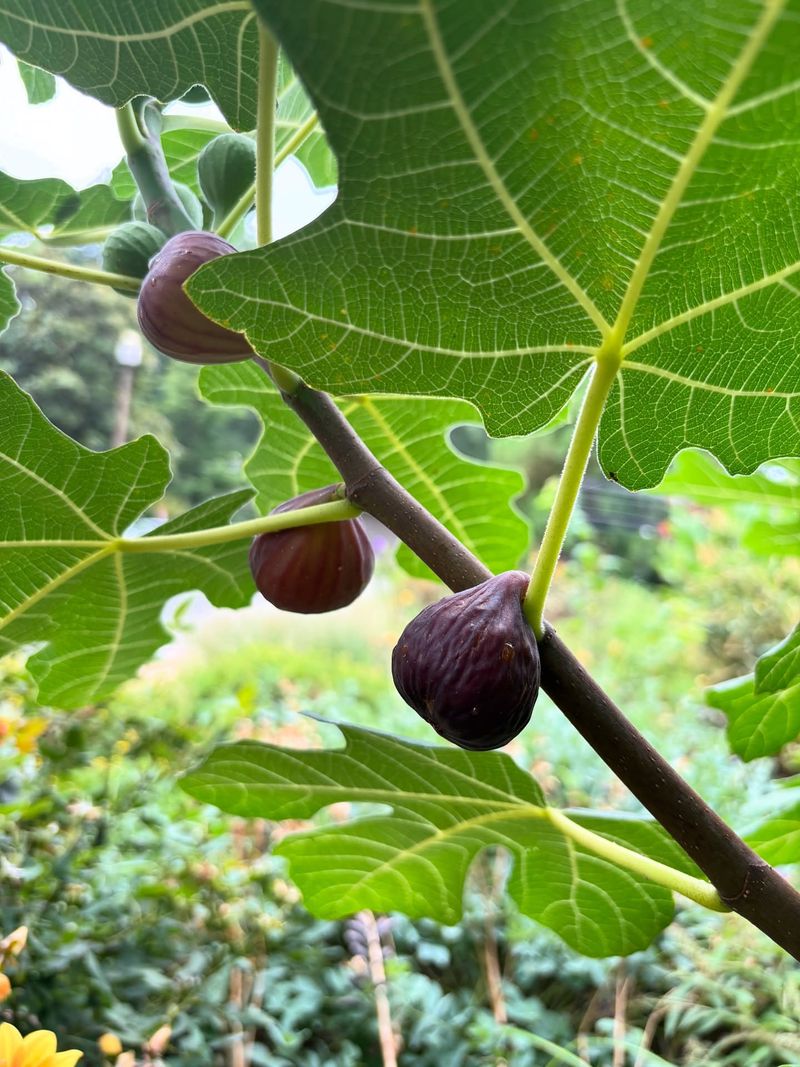
Water is a balancing act with fig trees, and getting that balance right before summer arrives sets the tone for the entire fruiting season. Too little water during late spring causes young fruit to drop before it matures.
Too much water, especially in North Carolina’s clay-heavy soils, suffocates roots and invites fungal problems that can spread quickly once summer heat kicks in.
The goal is consistently moist soil that never stays wet. A good rule of thumb is to water deeply once or twice a week, depending on rainfall.
Stick your finger two inches into the soil near the base of the tree. If it feels dry at that depth, it is time to water.
If it still feels damp, hold off for another day or two. Drip irrigation or soaker hoses work beautifully for figs because they deliver water slowly right to the root zone without splashing foliage.
Container figs need more frequent attention since pots dry out faster than garden beds, especially on sunny days. Check them every day during warm stretches.
Raised bed figs fall somewhere in between. Tracking rainfall with a simple rain gauge helps you avoid overwatering during North Carolina’s sometimes unpredictable late-spring storms.
Consistent moisture from now through the fruiting season keeps flowers developing and young figs clinging to the branches where they belong.
4. Apply Balanced Fertilizer
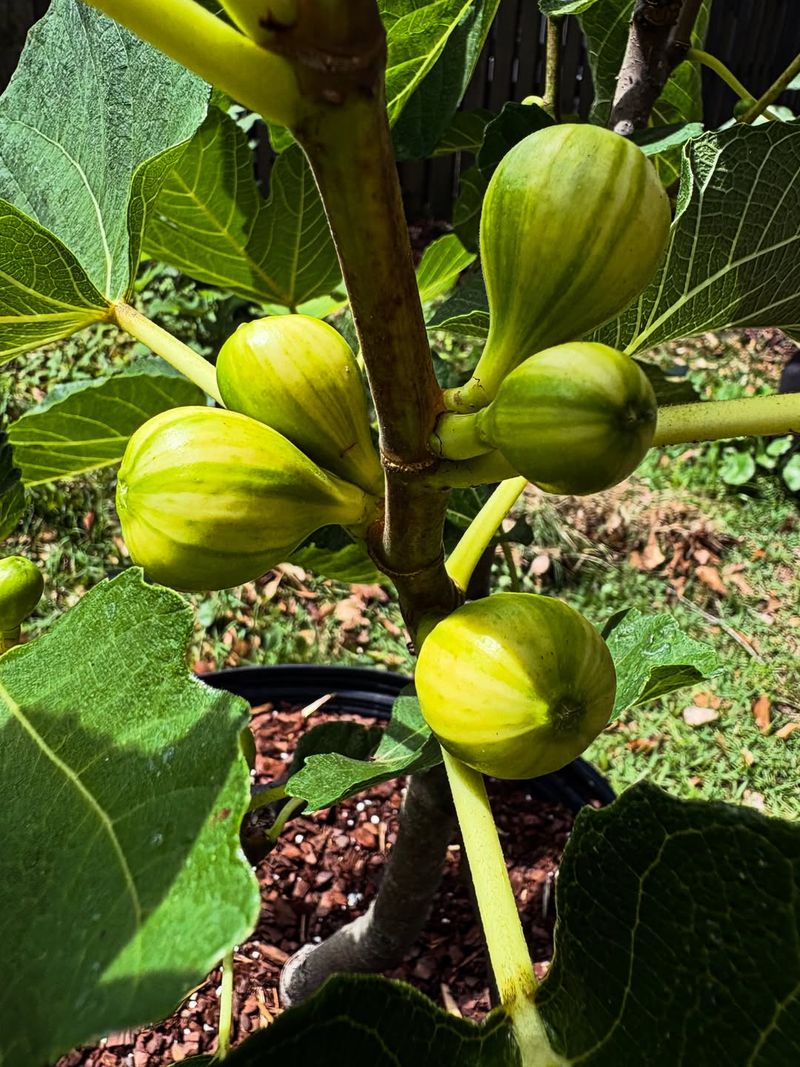
Feeding your fig tree at the right time with the right fertilizer is one of those small moves that pays off in a big way come summer.
Late spring is the ideal window to apply a balanced fertilizer, typically one labeled 10-10-10 or similar, because the tree is actively pushing new growth and beginning the process of setting fruit.
Getting nutrients in now supports both healthy leaves and a strong fruit load.
One thing to watch out for is over-fertilizing with nitrogen. Too much nitrogen in spring encourages your fig to push out lots of lush, soft green growth, which sounds good but actually diverts energy away from fruit.
You want steady, moderate growth, not a tree that looks like it is trying to become a jungle. About a half-pound to one pound of balanced granular fertilizer per inch of trunk diameter is a reasonable starting rate for established trees.
Organic options like fish emulsion, compost tea, or aged manure are gentler and release nutrients slowly, which works particularly well for figs.
Apply fertilizer in a wide circle around the base of the tree, keeping it several inches away from the trunk to avoid burning the bark.
Water it in well after application. A single well-timed feeding before May ends can make a noticeable difference in how heavily your tree fruits all summer long.
5. Prune Only If Needed
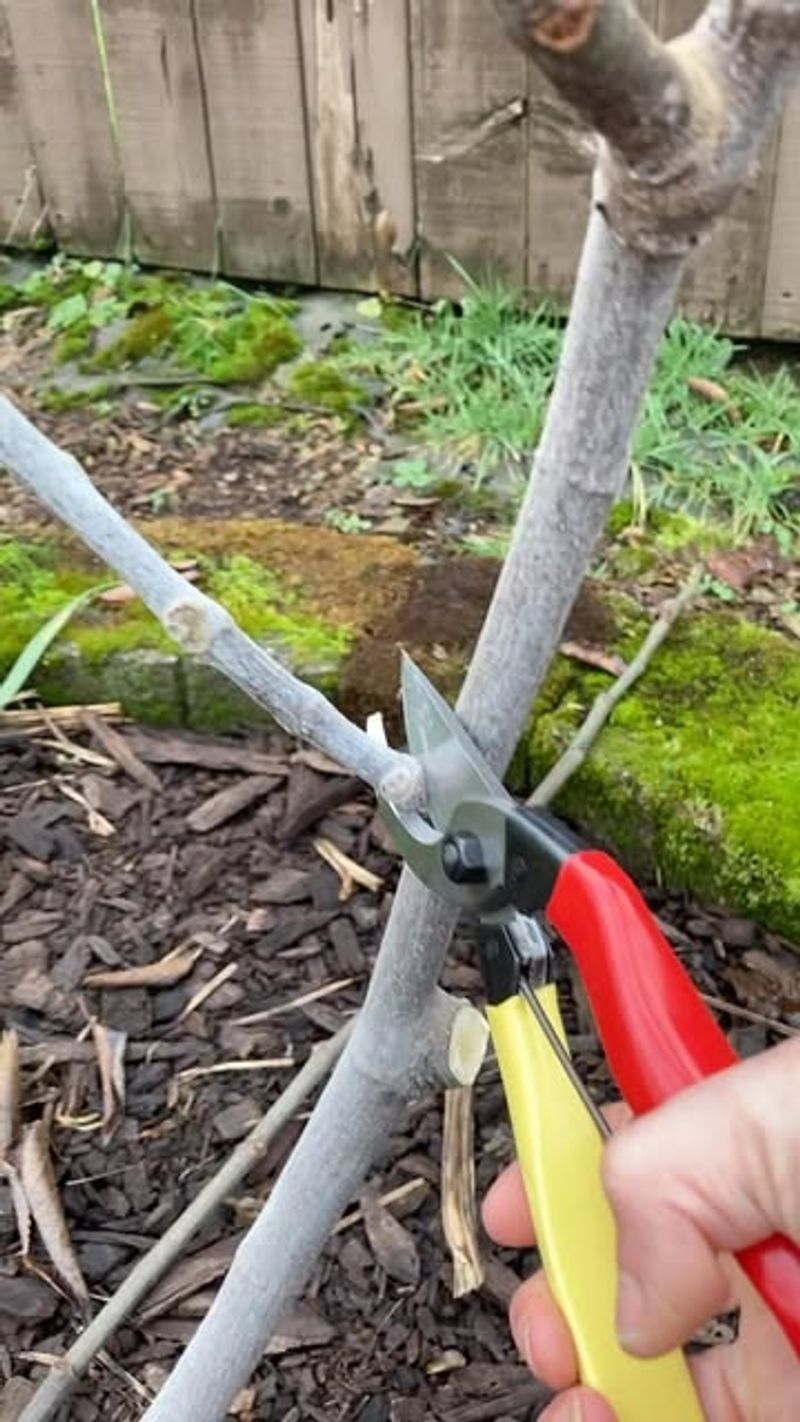
Pruning a fig tree in late spring requires a light hand and a clear purpose. Unlike fruit trees that need heavy shaping each year, figs produce their summer crop on new growth that developed earlier in the season.
Cutting too much now means removing the very wood that is about to set fruit, and that is a trade-off no gardener wants to make in late May.
The right approach is to focus only on problem branches. Look for anything that is crossing and rubbing against another branch, anything that grew inward toward the center of the canopy blocking airflow, or any wood that looks weak or damaged from the winter.
Removing those specific branches improves the tree’s structure without sacrificing fruiting potential. Clean cuts made just above a healthy bud or side branch heal faster and reduce the risk of disease entry.
Sharp, clean tools matter more than most people realize. Wipe your pruning shears with rubbing alcohol between cuts, especially if you notice any discolored or suspicious-looking wood.
This simple habit stops potential fungal or bacterial issues from spreading through the tree. Beyond those targeted corrections, step back and leave the rest of the canopy alone.
The fig tree knows what it is doing, and your job right now is to support it, not reshape it. Restraint is the best pruning strategy you can practice before summer fruit sets in.
6. Protect From Late Frosts
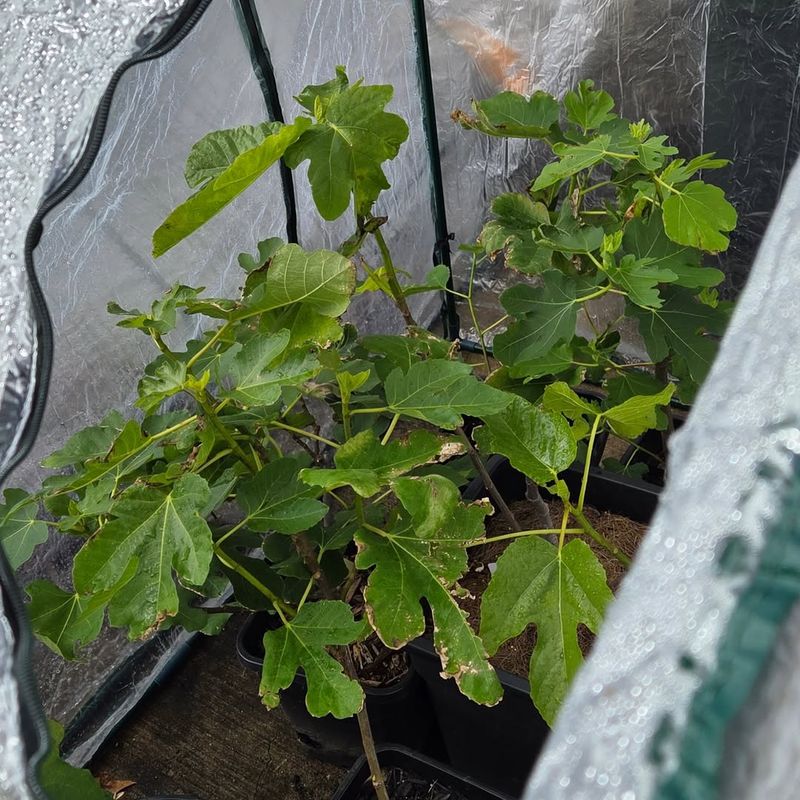
North Carolina’s spring weather can be sneaky. Most years, May feels warm and settled, but a surprise cold snap can roll in from the mountains and drop overnight temperatures low enough to damage tender new fig growth and developing flower buds.
Losing those buds in late May means losing a significant portion of your summer fruit crop, so it is worth staying alert.
Watching your local forecast closely during the last two weeks of May is a smart habit. If temperatures are expected to dip below 32 degrees Fahrenheit overnight, act fast.
A simple frost cloth or old bedsheet draped loosely over the tree and secured at the base traps enough ground warmth to protect tender buds.
Remove the cover the next morning once temperatures rise so the tree gets its daily sunlight without overheating beneath the fabric.
Mulching heavily around the base of the tree also helps by insulating the root zone and retaining soil warmth through cold nights. Container figs have the easiest solution of all.
Roll them into a garage, shed, or covered porch for the night and bring them back out in the morning.
Even a single cold night can set back a fig tree’s fruiting timeline by weeks, so the small effort of protecting it is absolutely worth it. A covered tree on a cold May night is a productive tree all summer long.
7. Encourage Pollinator Visits
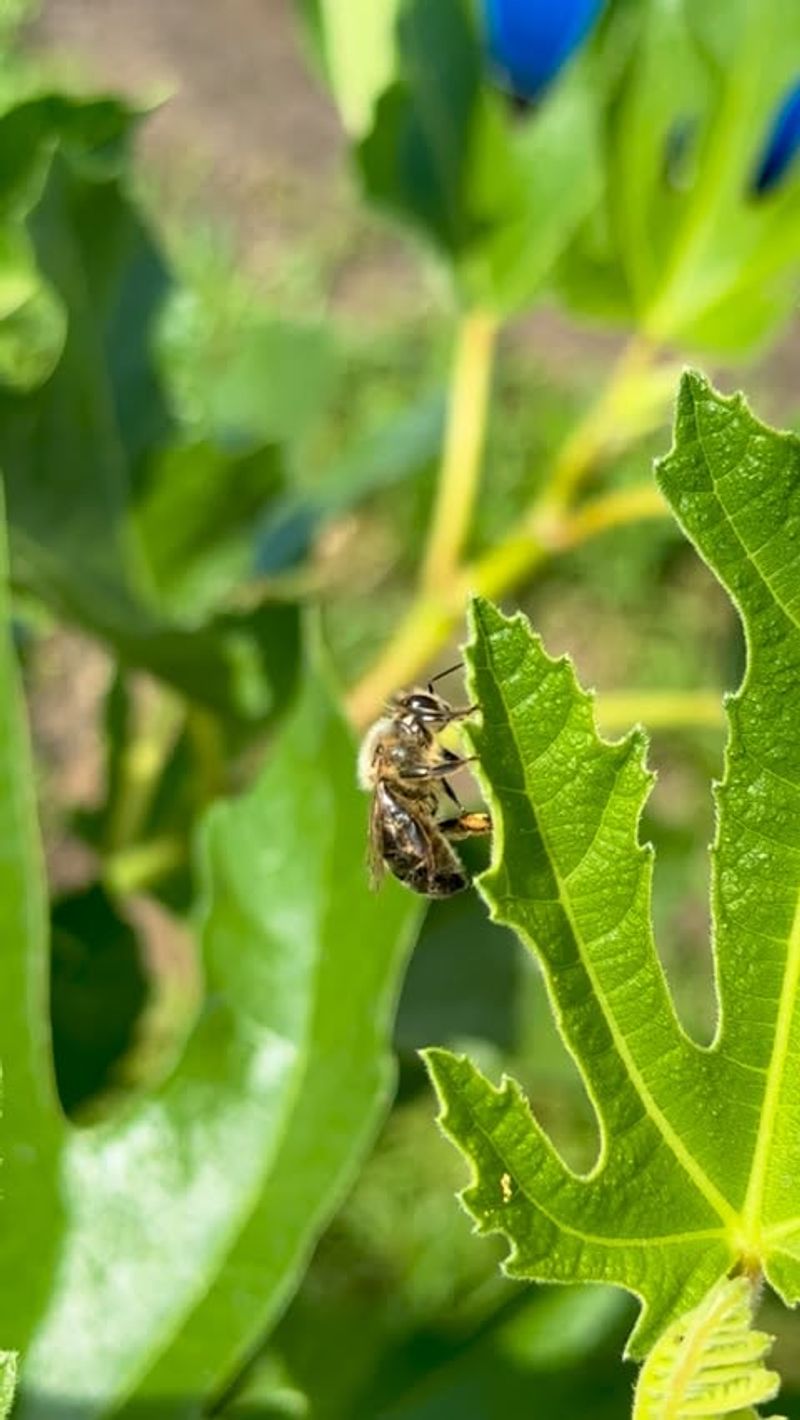
Most common fig varieties grown in home gardens across North Carolina are self-fertile, meaning they do not need another tree or a specific wasp species to produce fruit. But that does not mean pollinators are irrelevant.
Bees and other beneficial insects that visit your garden regularly contribute to overall fruit set quality, especially when you grow multiple fig varieties or have neighboring plants that attract them in the first place.
Planting pollinator-friendly flowers near your fig tree before May ends is one of the best investments you can make for your entire garden ecosystem.
Lavender, borage, zinnias, and marigolds all bloom around the same time figs begin pushing fruit and attract native bees in impressive numbers.
These flowers pull pollinators into your yard and keep them coming back, which benefits every fruiting plant you grow, not just the fig.
One thing to be very careful about is pesticide timing. Spraying any insecticide near a fig tree in bloom, even organic options, can harm or discourage the beneficial insects you want to attract.
If you need to treat for pests, do it in the early morning or evening when bees are less active, and always target only the affected areas.
A yard buzzing with healthy pollinator activity is a yard that produces more fruit, more reliably, season after season. Building that environment now pays dividends all summer long.
8. Mulch Around The Base
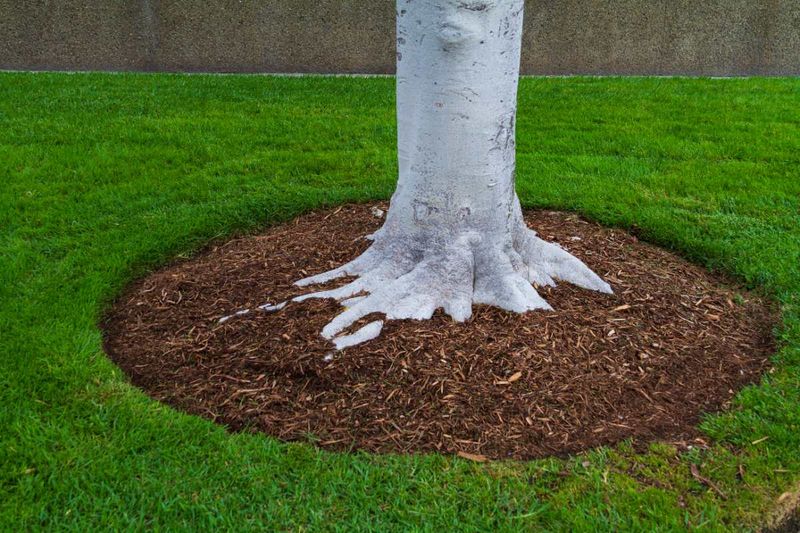
A good layer of mulch around your fig tree might be the single easiest thing you can do before May ends to support a strong summer harvest.
Organic mulch acts like a blanket for the soil, holding moisture in during dry stretches, keeping roots cooler as summer temperatures climb, and slowly breaking down to feed the soil with nutrients over time.
It is low effort with high payoff. Wood chips, shredded bark, straw, or pine needles all work well for fig trees. Apply a layer three to four inches deep in a wide circle around the base, extending out at least as far as the branch canopy reaches.
That outer zone is where most of the tree’s feeder roots are located, so covering that area gives you the most benefit. Keep the mulch pulled back a few inches from the actual trunk to prevent moisture from sitting against the bark, which can encourage rot over time.
Beyond moisture and temperature, mulch does something else that gardeners often overlook: it suppresses weeds.
Weeds compete directly with your fig tree for water and nutrients, and during the critical fruit-setting weeks of early summer, that competition can be enough to reduce your harvest noticeably.
Fresh mulch applied now also gives your garden a clean, tidy look heading into the season. It is one of those simple tasks that makes both your tree and your yard look better at the same time.
9. Monitor For Pests And Disease
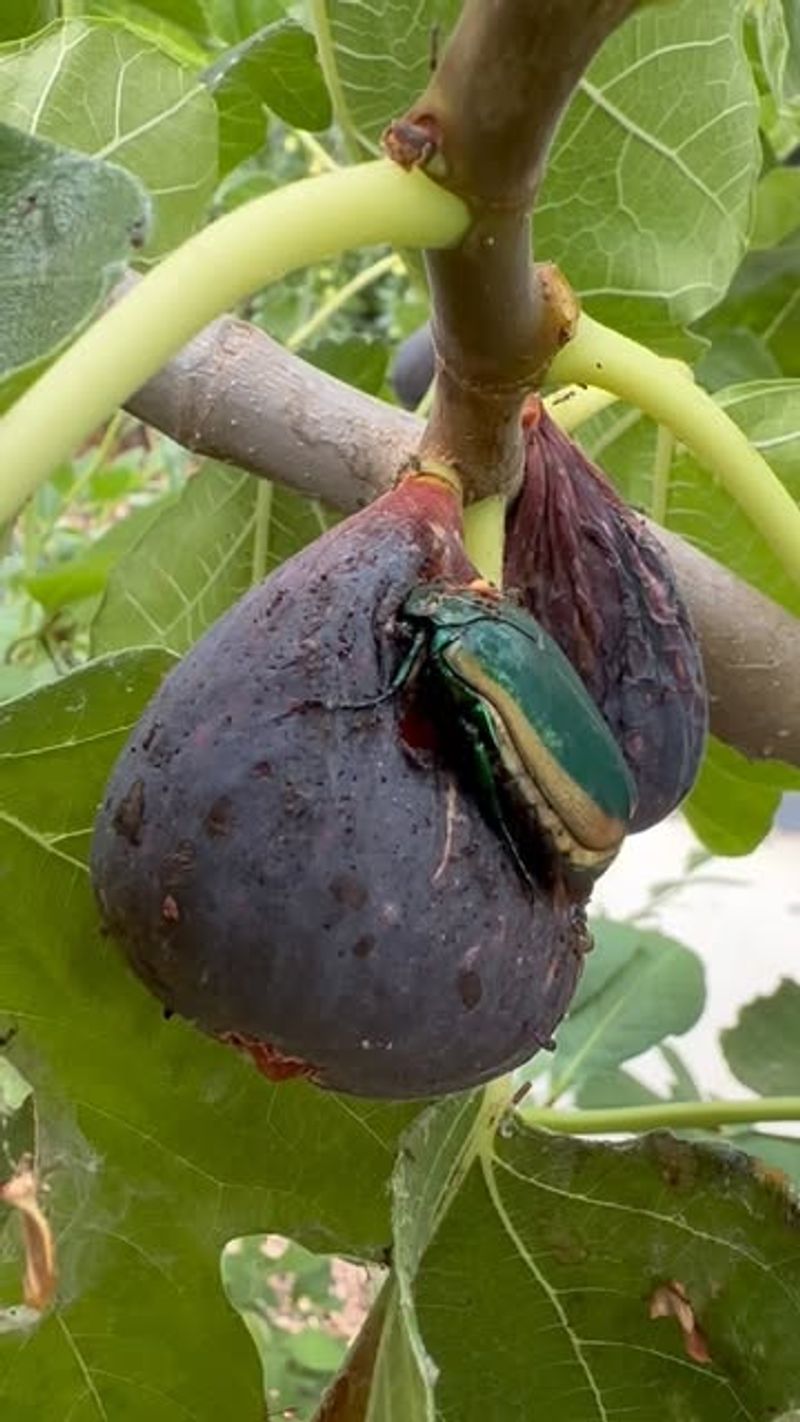
Catching a pest problem early is always easier than dealing with a full-blown infestation once summer heat arrives. Fig trees in North Carolina can attract fig scale insects, aphids, and spider mites, especially as temperatures warm and new growth emerges in late spring.
A quick inspection of your tree every week or so through May can catch these issues before they have a chance to affect your fruit crop.
Look closely at the undersides of leaves, along the stems, and near the developing fruit buds. Fig scale appears as small, waxy bumps attached to bark and stems.
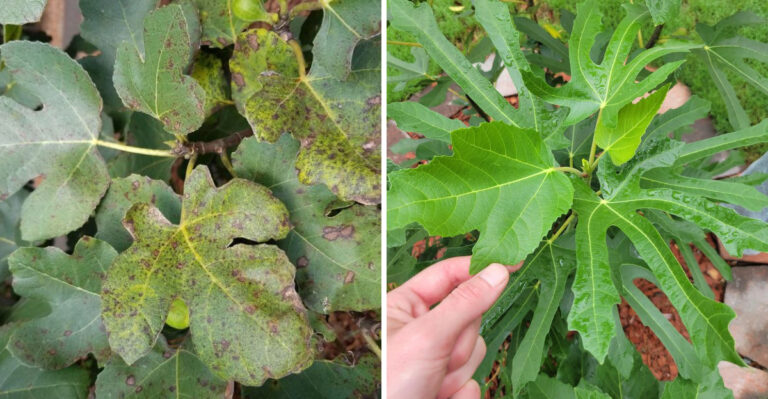
Aphids cluster in tight groups on new growth and can be spotted with the naked eye. Fungal issues like leaf rust or fig mosaic virus show up as discoloration, spots, or unusual patterns on the foliage.
Catching any of these signs early gives you options before the problem escalates. Integrated pest management is the smart approach here. Start with the least aggressive solution first.
A strong spray of water from a garden hose knocks aphids off effectively. Neem oil handles early-stage fungal issues and soft-bodied insects without harming beneficial insects when applied correctly.
Remove and dispose of any heavily affected leaves or branches to reduce the spread. Keeping the area around the base of the tree clear of fallen debris also removes hiding spots for overwintering pests.
A watchful eye now protects your entire summer harvest.
10. Thin Excess Fruit If Needed
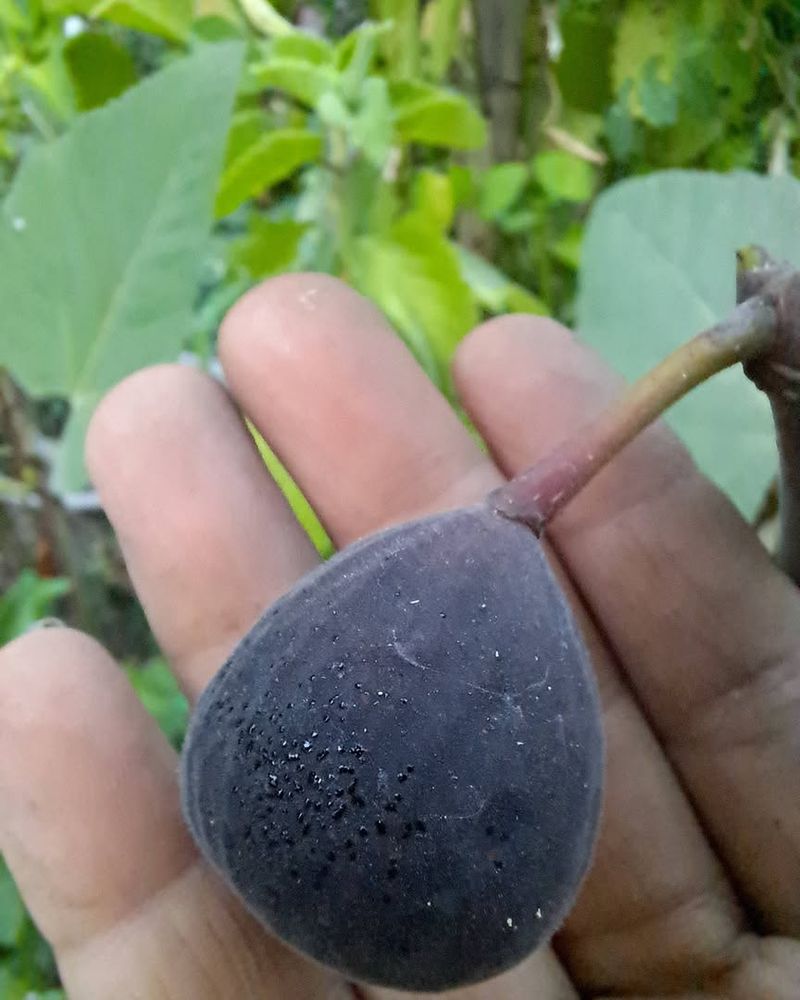
When a young fig tree sets more fruit than it can comfortably support, the results are rarely what you hope for.
Instead of a harvest full of large, sweet, fully developed figs, you end up with a lot of small, underdeveloped ones that never quite reach their flavor potential.
Thinning excess fruit before May ends gives the remaining figs the resources they need to grow properly and taste their best.
Not every fig tree needs thinning every year. Mature, well-established trees often handle a heavy fruit load without issue.
But younger trees, trees that set an unusually large crop after a warm spring, or trees growing in containers are the most likely candidates for thinning. Look for clusters where multiple figs are developing within an inch or two of each other on the same branch.
Removing the smaller, less developed ones from each cluster is the right call.
Use clean scissors or your fingers to remove the excess fruit, taking care not to damage the remaining figs or the branch itself. The best time to thin is when the fruit is still small and green, roughly the size of a marble or smaller.
At that stage, the tree redirects energy quickly and efficiently to the remaining fruit. Thinned trees also experience less branch stress over the long summer season, which keeps the wood healthier and better prepared to support next year’s crop as well.