Signs Your North Carolina Crape Myrtle Has Bark Scale And What To Do Before It Spreads
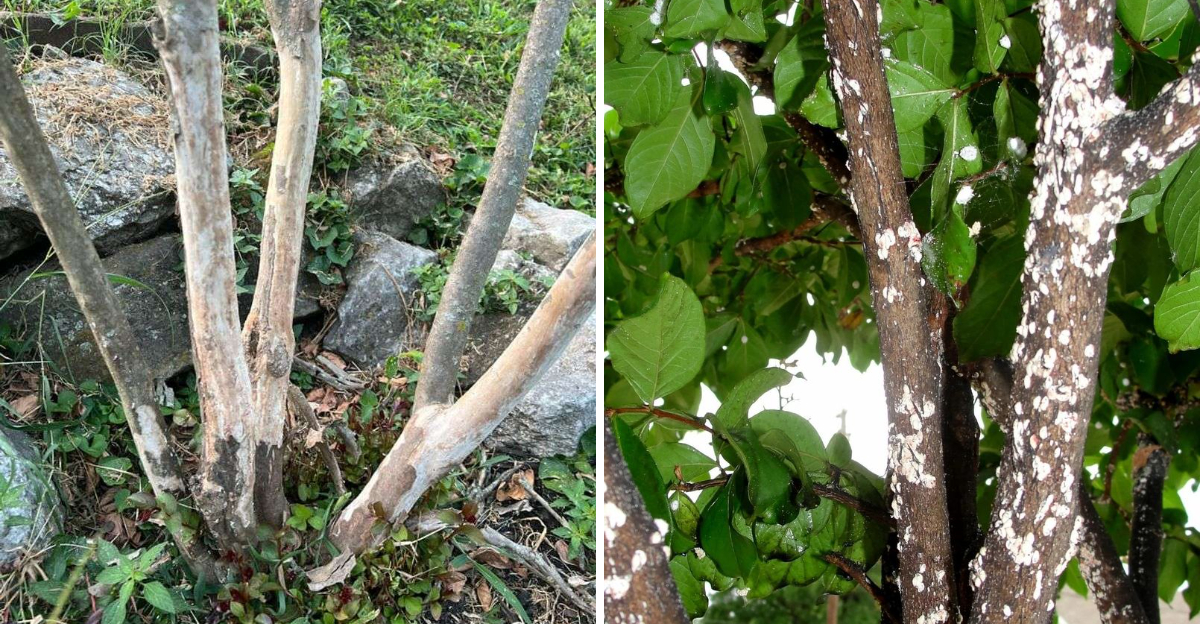
Crape myrtle bark scale moved into North Carolina relatively recently, and a lot of gardeners are still mistaking the early signs for something harmless.
White or gray fuzzy patches on bark, black sooty mold developing on leaves below, and a general decline in bloom vigor are easy to write off as normal aging in an older tree.
They are not. This pest spreads from tree to tree faster than most homeowners expect once it establishes in a neighborhood, and the damage compounds every season it goes untreated.
Catching it early and responding correctly is what keeps one affected crape myrtle from turning into a block-wide problem.
1. White Or Gray Bumps On The Bark
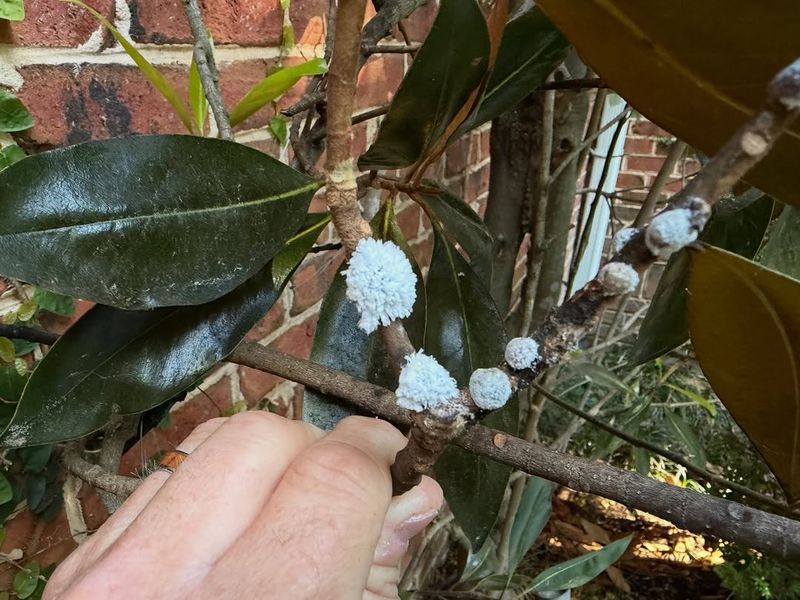
Something looks a little off on your crape myrtle trunk, and those small white or gray bumps might be the reason.
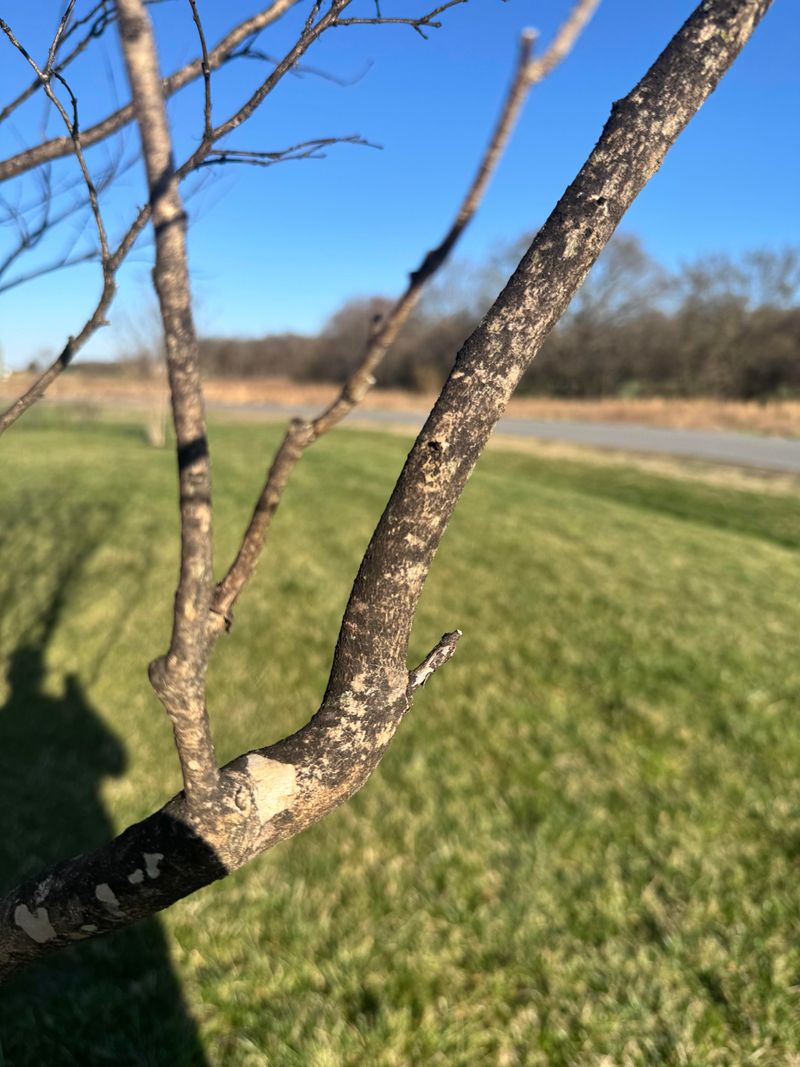
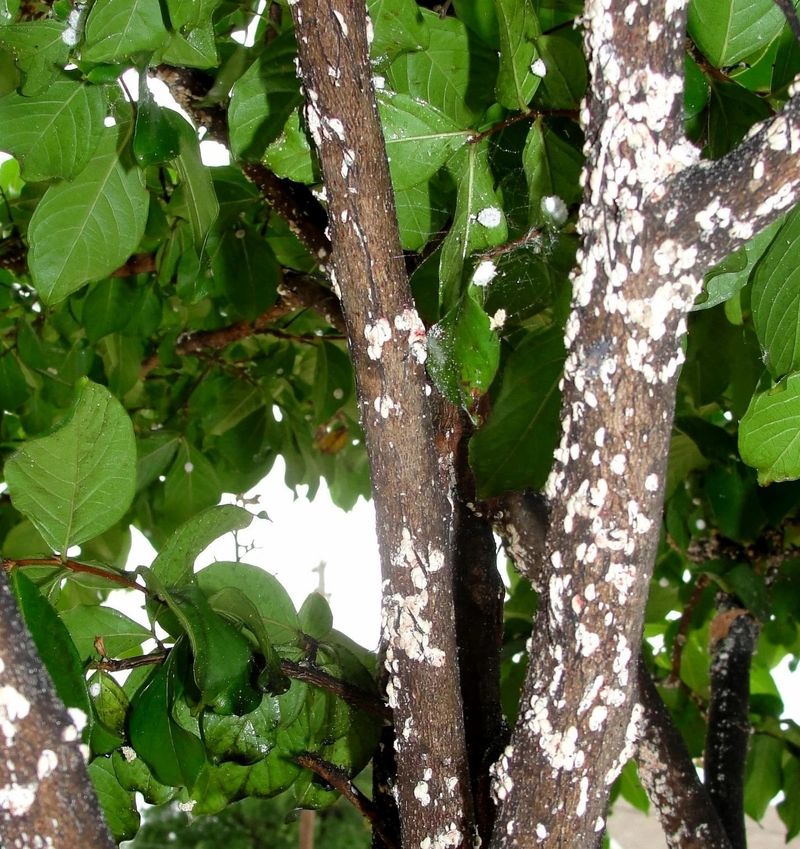
Crape myrtle bark scale often shows up first as tiny, felt-like or waxy spots clustered along the bark of trunks, branches, and twig joints. They can look a bit like dried paint or small cotton patches stuck to the wood.
Many North Carolina homeowners spot these bumps from a distance and assume the tree just has rough or flaky bark. Getting closer tells a different story.
The bumps are actually the protective covering that female scale insects form over themselves as they feed on the tree’s sap.
Branch crotches are one of the best places to check because scale tends to gather in those tight spots before spreading outward. Use a flashlight during your inspection so you can see clearly into the angles where branches meet.
Running a finger gently across the bark can also help you feel whether the spots have that waxy or crusty texture that separates bark scale from normal bark patterns.
Catching these bumps early is a real advantage. The longer scale stays on the tree without being noticed, the more it builds up and the harder it becomes to manage. A quick check once or twice a season can save you a lot of effort down the road.
2. Black Sooty Mold On Branches And Leaves
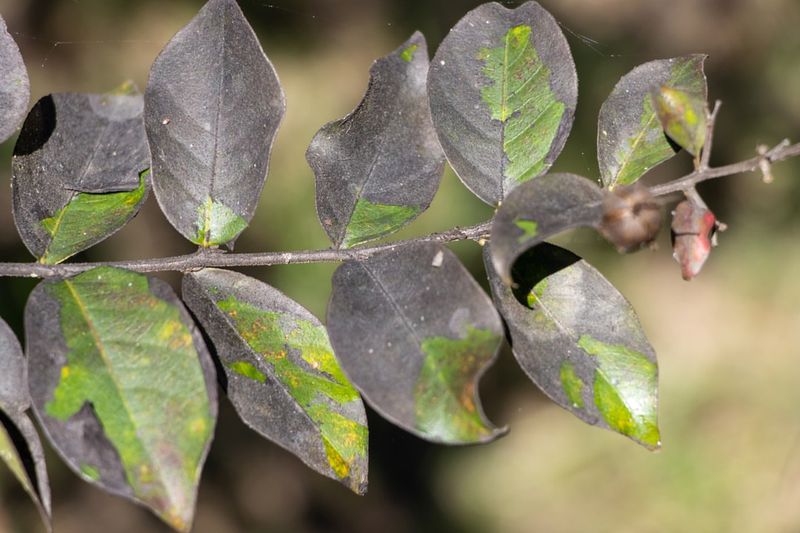
A crape myrtle covered in black dusty coating is hard to miss, and that color is a signal worth paying attention to. The black substance is sooty mold, a fungus that grows on top of sticky honeydew left behind by sap-feeding insects like crape myrtle bark scale.
The mold itself is not attacking the tree directly, but its presence means something else is.
Think of sooty mold as the clue, not the crime. When you see black coating on branches, twigs, or leaves, it means insects have been feeding actively and producing honeydew as a byproduct.
The mold moves in quickly because it thrives on that sugary residue.
A lot of people try to wipe or wash the mold off without investigating further, and the black coating does come off with water in many cases.
The real problem is that the scale insects stay behind and keep producing more honeydew, which means the mold returns. Treating the source is the only way to get lasting results.
Your North Carolina Garden Changes Every Week. Your Plan Should Too.
Gardening in North Carolina changes quickly throughout the season. Every Friday you’ll receive a simple weekly plan showing exactly what to plant, prune, fertilize, harvest, and protect so you never miss the right timing.
North Carolina summers create warm, humid conditions that help sooty mold spread quickly once it gets started. If you see black-coated branches on your crape myrtle, flip a few leaves over and inspect the bark nearby for those telltale white or gray bumps.
That combination of mold and bumps is a strong indicator that bark scale is active on your tree right now.
3. Sticky Honeydew Under The Tree
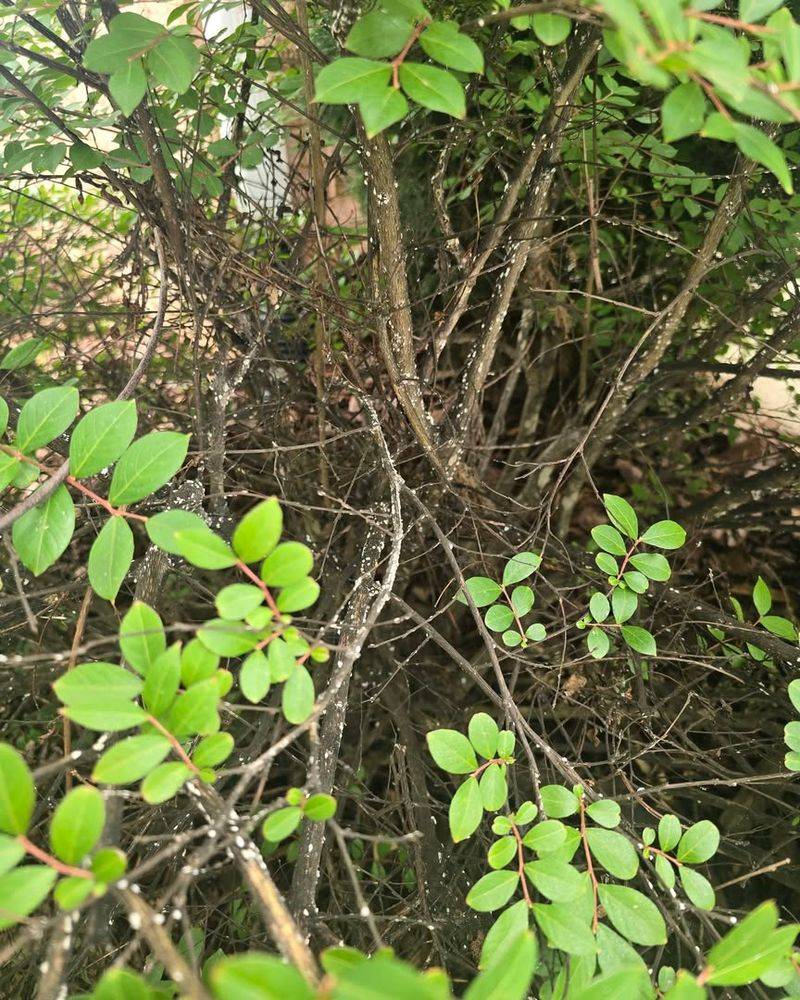
Ever walked under your crape myrtle and noticed your shoes sticking slightly to the patio, or found a shiny film on the car parked nearby? That stickiness is honeydew, and it is a byproduct of bark scale feeding on your tree’s sap.
The insects consume more sap than they can use, and the excess gets excreted as a sugary liquid that rains down on everything below.
Patio furniture, outdoor cushions, potted plants, and even concrete surfaces can end up coated in this sticky layer. It attracts ants, which sometimes protect scale insects from natural enemies in exchange for access to the honeydew.
Noticing ants running up and down your crape myrtle trunk can actually be another clue that something is feeding up in the branches.
North Carolina homeowners with crape myrtles near driveways or seating areas often notice the honeydew on cars or tables before they ever spot the scale on the bark.
That is actually useful information because it tells you to go look more closely at the tree overhead.
Cleaning up honeydew without addressing the scale is a short-term fix. The stickiness will return as long as the insects are active.
Once you confirm bark scale is the source, you can start a management plan that targets the pest directly and gives your outdoor spaces a real chance to stay clean through the season.
4. Smaller Or Weaker Flower Clusters
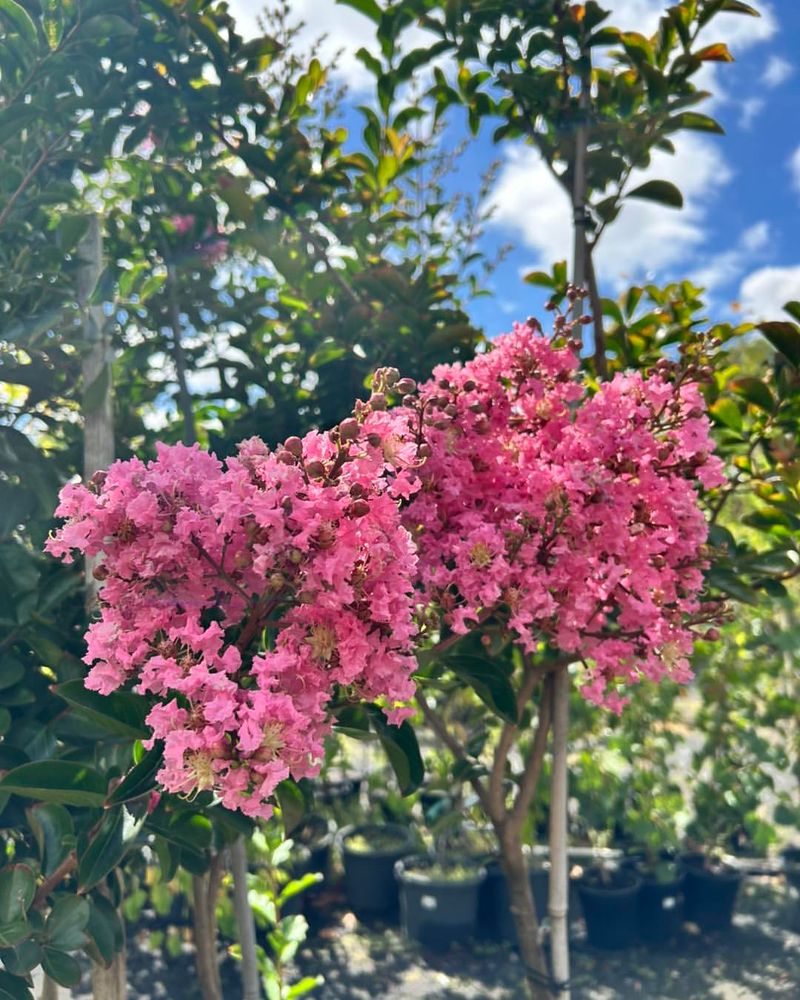
Crape myrtles are known for their bold, showy blooms every summer, so when the flower clusters start looking smaller or less impressive than usual, something is worth investigating.
Large infestations of crape myrtle bark scale can stress the tree enough to affect how well it blooms, reducing both the size and the fullness of the flower panicles that most North Carolina homeowners look forward to each year.
A stressed tree puts less energy into producing flowers because so much of its resources are being drained by feeding insects. The result is a crape myrtle that blooms, but not with the same enthusiasm it showed in past seasons.
Flowers may appear thin, smaller than normal, or fewer in number across the canopy.
Before assuming the tree has a disease or nutrient problem, check the bark carefully. Reduced blooming combined with white or gray bumps on the bark is a much stronger indicator of bark scale than a soil or watering issue.
Getting the diagnosis right saves time and avoids treating the wrong problem.
The good news is that crape myrtles are resilient, and addressing bark scale often allows the tree to recover its blooming strength over one or two seasons.
Taking action before the infestation grows larger gives the tree a much better chance of bouncing back to its full, colorful display that makes North Carolina yards look their best in summer.
5. Clusters Around Twigs And Branch Crotches
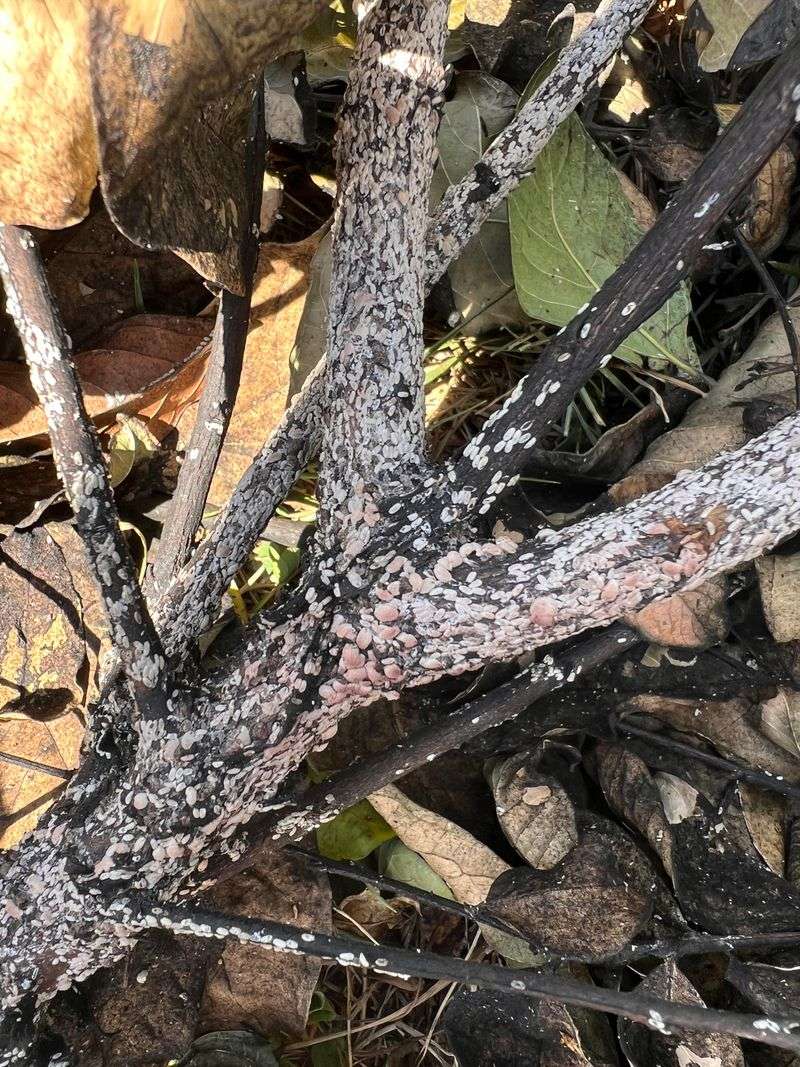
Most people look at the trunk when checking for pests, but bark scale has a habit of settling into spots that are easy to overlook.
The tight angles where twigs meet branches, often called branch crotches, are prime real estate for crape myrtle bark scale.
Mature female scales tend to cluster in these sheltered spots because they offer protection and easy access to feeding sites.
Checking only the main trunk from across the yard gives you a very incomplete picture. Walk up close, pick several branches at different heights, and look into the joints where smaller twigs connect.
You might be surprised how much activity is happening in those tight spaces even when the main trunk looks relatively clean.
Good lighting makes a real difference during an inspection. Natural daylight or a bright flashlight helps you see the waxy white or gray bumps that might blend into the bark texture when the light is low.
Checking multiple branches rather than just one gives you a better sense of how widespread the infestation actually is.
Finding scale concentrated in branch crotches is actually helpful because it tells you the infestation may still be in its earlier stages. Scale tends to start in sheltered spots and expand outward as populations grow.
Spotting it at this point gives you more options for managing it before it covers larger sections of the tree and becomes harder to address effectively.
6. Pink Staining When Scales Are Crushed
Here is an identification trick that can help you feel more confident about what you are dealing with on your crape myrtle. Adult female crape myrtle bark scales release a pink or reddish-pink liquid when they are crushed.
The North Carolina Department of Agriculture has noted this characteristic as a useful identification clue, and it sets this pest apart from other types of scale that may look similar at first glance.
To try this, simply press gently on one of the white or gray bumps with a fingernail or a small stick. If a pink stain appears, that is a strong sign you are looking at crape myrtle bark scale.
It is a simple field test that takes only a few seconds and requires no special equipment. Keep in mind that this is a helpful clue, not a definitive diagnosis.
Some homeowners feel confident after seeing the pink stain, but if you are not sure or if the results seem unclear, reaching out to your local North Carolina Cooperative Extension office is a smart next step.
Extension agents can confirm the identification and point you toward management options that are appropriate for your specific situation.
Getting the identification right matters because different pests call for different responses. Treating your crape myrtle for the wrong pest wastes time and money, and it may not help the tree at all.
A quick confirmation visit or phone call can make the entire process much more straightforward and effective from the start.
7. Remove The Worst Infested Branches First
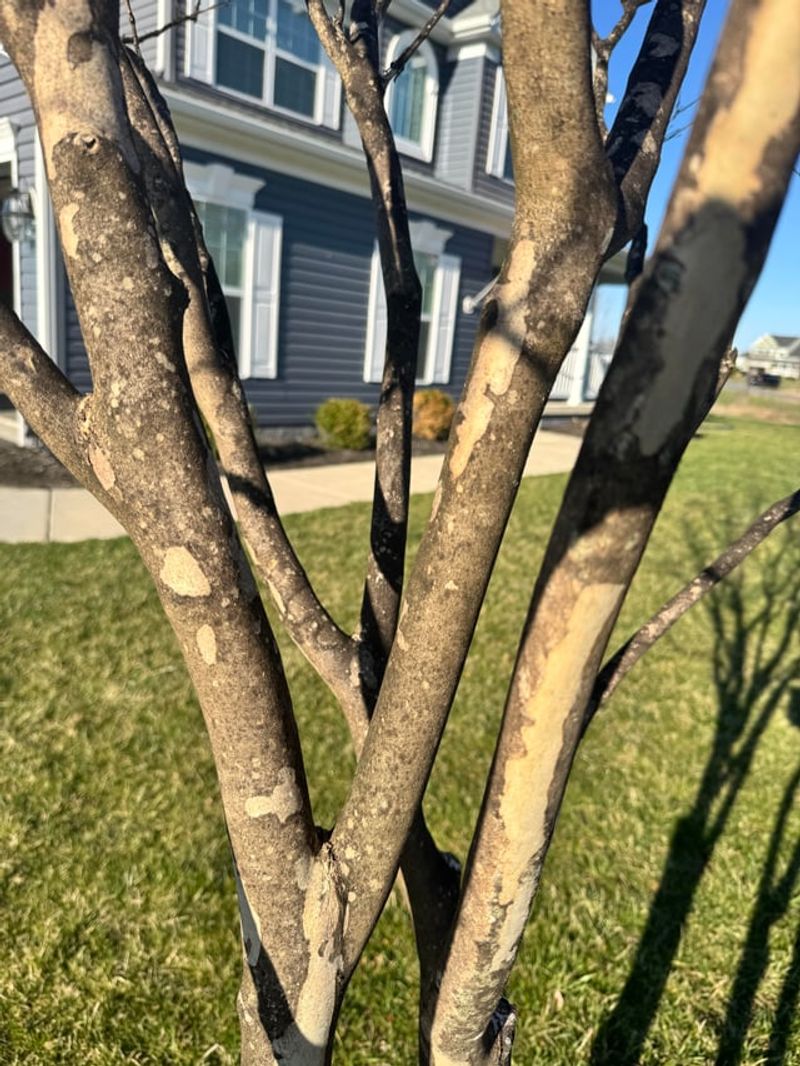
When bark scale has settled heavily onto certain branches or stems, removing those sections can make a noticeable difference right away.
Cutting out the most heavily infested parts reduces the overall population on the tree before the scale has a chance to spread to healthier sections.
It is one of the most direct actions a North Carolina homeowner can take early in the management process.
Focus on branches where the white or gray bumps are densest and where sooty mold is most visible. These are the areas contributing the most to the pest population, and removing them takes pressure off the rest of the tree.
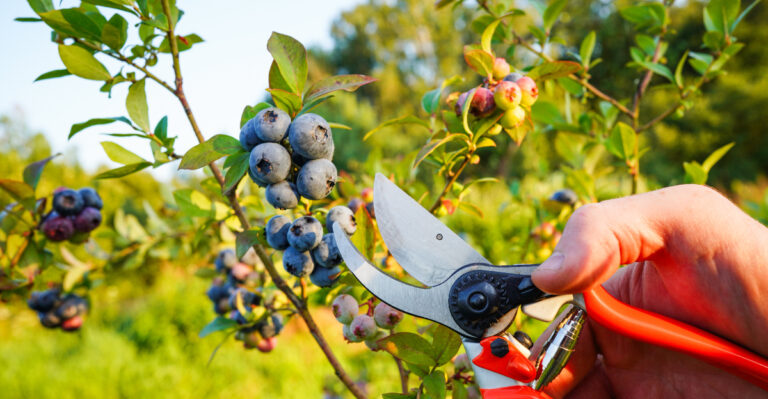
Sharp, clean pruning tools make the job easier and reduce the chance of accidentally damaging healthy bark in the process.
What you do with the removed material matters just as much as the cutting itself. Bag the infested cuttings in sealed plastic bags before placing them in the trash.
Do not toss them into a compost pile, leave them on the ground nearby, or carry them to another part of your yard. Scale can survive on cut material long enough to establish somewhere new if the cuttings are not handled carefully.
Never share infested cuttings with neighbors or move them to other properties. Even well-meaning plant sharing can carry bark scale from one North Carolina yard to another without anyone realizing it.
Responsible disposal is one of the simplest and most effective ways to stop the spread before it becomes a neighborhood-wide problem.
8. Wash The Bark To Lower Scale Numbers
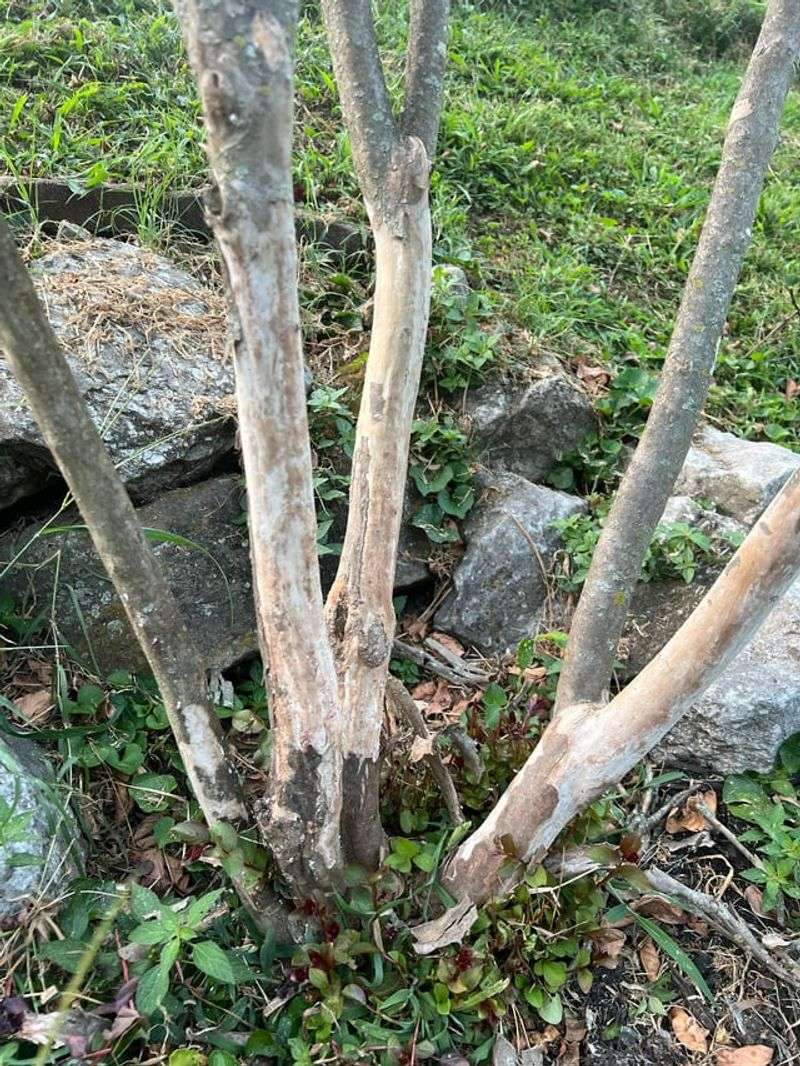
Water might be the simplest tool in your early bark scale management plan, and it is worth trying before reaching for anything stronger.
A strong stream from a garden hose or a carefully used pressure washer can physically remove scale insects from the bark, knocking populations down without introducing any products into the environment.
For light to moderate infestations, this approach can make a real dent. Aim the water at the trunk, main branches, and twig joints where scale tends to cluster. Work in sections so you can cover the tree thoroughly without rushing.
Some homeowners do a wash in the morning so the bark has time to dry out during the day, which is a reasonable habit in North Carolina’s warm climate.
Pressure settings deserve some thought before you start. Crape myrtle bark is not particularly thick, and blasting it with too much force can strip away healthy bark tissue or push water into spots that stay damp and invite other issues.
A medium-strength spray that moves the scale without gouging the wood is the right balance to aim for.
Also keep nearby plants in mind while you work. Strong water pressure aimed carelessly can damage flowers, shrubs, or groundcover growing around the base of the tree.
Taking a few extra minutes to adjust your angle and pressure protects the rest of your landscape while you focus on getting the scale off the crape myrtle bark.
9. Protect Beneficial Insects While Managing Scale
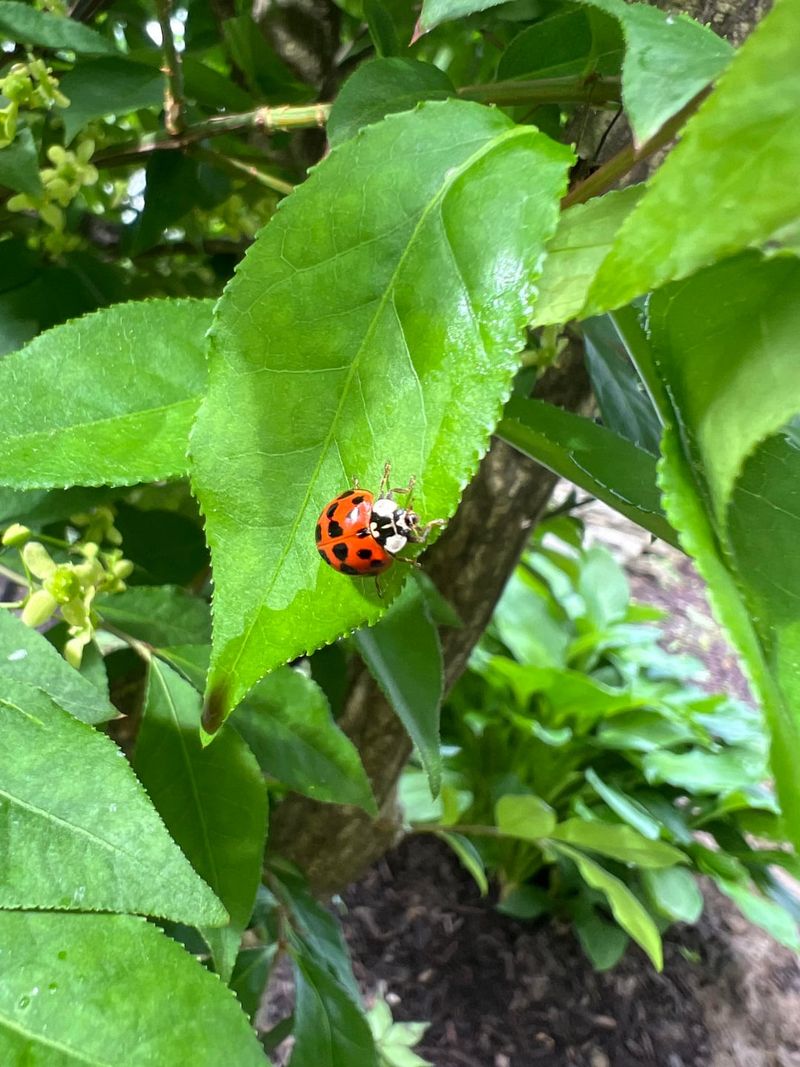
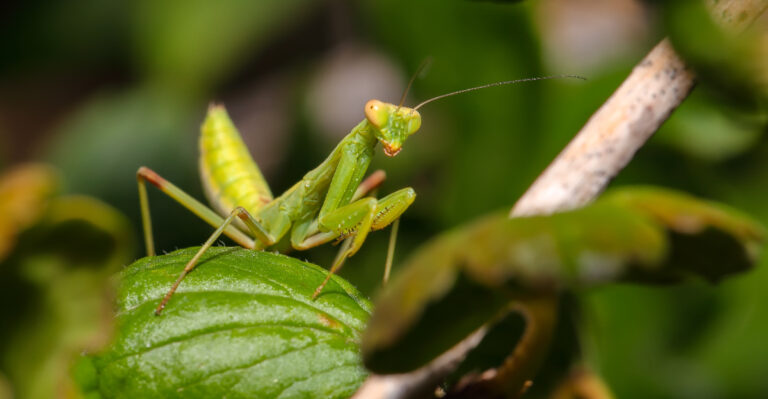
Not every insect you spot near your crape myrtle is a problem. Lady beetles and lacewing larvae are natural enemies of crape myrtle bark scale, and they can play a real role in keeping populations in check when given the chance.
Protecting these beneficial insects is just as important as addressing the scale itself, and unnecessary spraying can wipe out the very helpers your yard needs.
One thing that surprises many homeowners is how much lacewing larvae can resemble scale insects at first glance. Before treating anything, take a closer look and consider whether what you are seeing is the pest or one of its predators.
Extension resources and photos from the North Carolina Cooperative Extension can help you tell the difference without much difficulty.
Mosquito sprays applied broadly around the yard are a common culprit when it comes to reducing beneficial insect populations. Many of these products are not selective, meaning they affect a wide range of insects, not just mosquitoes.
When beneficial populations drop, pest populations often rebound faster and stronger than before, making the overall situation harder to manage.
Keeping your approach targeted and thoughtful gives natural predators the space they need to do their job.
Spot treatments focused on the tree itself, rather than wide-area spraying, tend to preserve more of the beneficial insect community in your yard.
That balance is worth protecting because it works in your favor over the long term without extra effort on your part.
10. Inspect And Confirm Before Moving Crape Myrtle Plants
One of the most common ways crape myrtle bark scale reaches new properties is through infested plant material that gets moved without a proper check.
Buying, sharing, or replanting crape myrtles without looking them over carefully first is one of the fastest ways to bring this pest into a yard that does not have it yet.
A quick inspection before any plant changes hands can prevent a lot of future frustration.
At a nursery or garden center, take a moment to look at the bark before loading the plant into your car. Check the trunk, the twig joints, and the branch crotches for any white or gray waxy bumps.
If anything looks suspicious, ask a staff member or choose a different plant. Most reputable nurseries appreciate customers who take plant health seriously.
The same rule applies when swapping plants with neighbors or friends. North Carolina has a strong gardening community, and sharing plants is a great tradition, but it only stays positive when everyone checks their material first.
A crape myrtle cutting or rooted plant that looks healthy on the surface can still carry early-stage scale that is not yet easy to see.
Moving infested material from one yard to another turns a manageable local problem into a spreading neighborhood issue. The message is straightforward: inspect before you move, buy, or share any crape myrtle.
A minute of careful observation upfront protects your yard and your neighbors’ yards from a pest that is much easier to prevent than to manage once it gets established.