Native Ohio Plants To Grow Instead Of Daylilies Along Sunny Borders
Daylilies are tough, familiar, and honestly pretty easy to love. They show up in sunny borders all across this state, blooming reliably every summer without much fuss.
But if your flower beds are starting to feel like a sea of orange and yellow clumps, it might be time to mix things up. Native plants can bring more color variety, longer seasonal interest, and real pollinator value.
They also create a look that feels connected to the local landscape in a way most common daylilies simply cannot match. Many of the daylilies sold at garden centers are not native to Ohio or even to North America.
That means they do not support local bees, butterflies, and birds the way native plants do. That does not make them bad garden plants, but it does mean there is room in your sunny borders for something more.
Ohio has native alternatives that earn that space in ways a daylily never quite will.
1. Purple Coneflower Adds Long-Lasting Summer Color
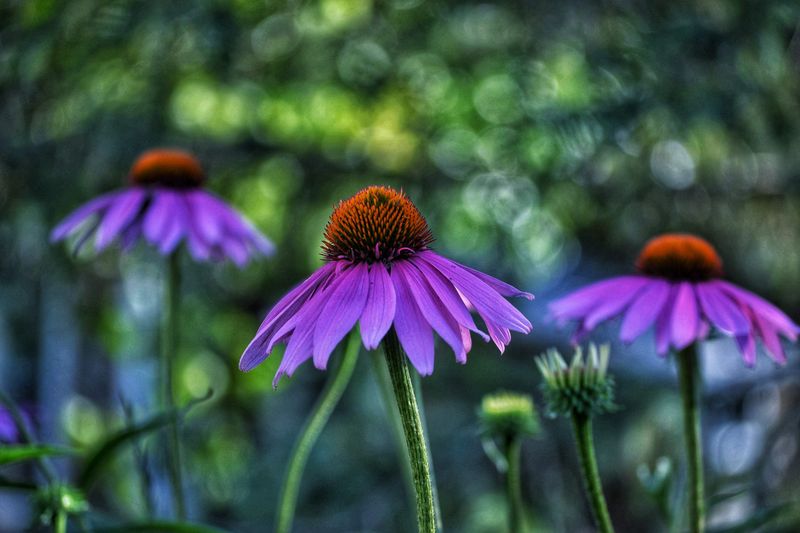
Few plants make a sunny border feel more alive in summer than purple coneflower. The bold, daisy-like blooms with their raised, spiky centers show up in mid-summer and keep going for weeks.
Pollinators absolutely flock to them, from bumblebees to butterflies, making this plant one of the hardest-working choices you can put in a flower bed.
Purple coneflower, known botanically as Echinacea purpurea, is native to Ohio and much of the eastern and central United States. It thrives in full sun and prefers well-drained soil, though it handles average garden conditions better than many perennials.
Plants typically reach two to four feet tall, so place them in the middle or back of a border where they have room to fill out naturally.
One thing worth knowing is that new transplants need consistent watering while their roots settle in. Once established, purple coneflower is quite drought-tolerant and rarely needs extra attention.
Skip cutting back the seed heads in fall. Goldfinches and other seed-eating birds will visit those spiky cones all winter long, giving your border life even after the last blooms fade.
That kind of year-round value is hard to beat.
2. Black-Eyed Susan Brings A Classic Golden Border Look
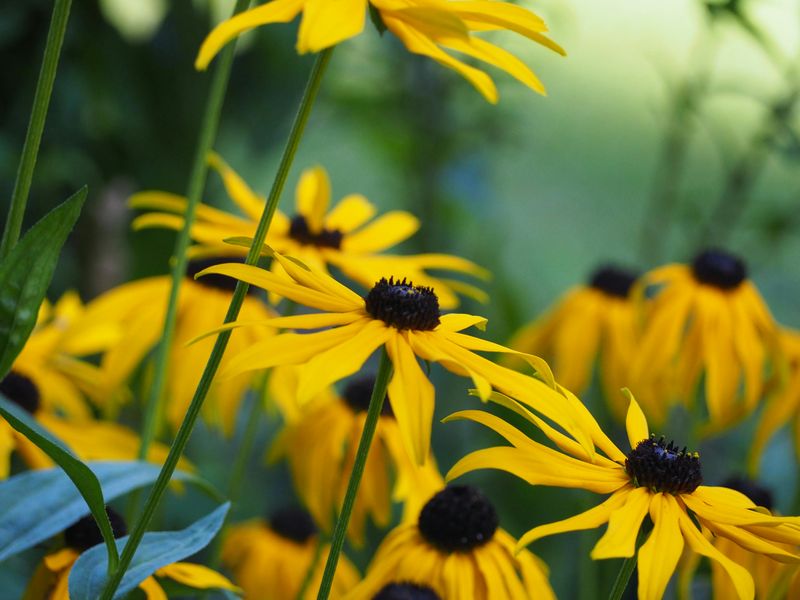
There is something cheerful and familiar about a patch of black-eyed Susans catching the afternoon sun. Their golden-yellow petals and dark brown centers give sunny borders that warm, classic meadow look.
It feels right at home in a cottage garden, a pollinator bed, or a relaxed backyard border. Rudbeckia hirta is native across much of this state and blooms from mid-summer into early fall, giving it a longer season than many border plants.
Pollinators love black-eyed Susans. Native bees, honeybees, and butterflies visit the blooms regularly, and the seed heads that follow attract finches and other small birds in late summer.
That second act, when the flowers give way to dark seed cones, adds texture and wildlife value that keeps the border interesting well past peak bloom.
One honest note for gardeners: black-eyed Susans can spread by reseeding in conditions they like. That natural spreading can look beautiful in a meadow-style or relaxed informal border, but it may feel like too much in a tightly managed bed.
Your Ohio Garden Changes Every Week. Your Plan Should Too.
Gardening in Ohio changes quickly throughout the season. Every Friday you’ll receive a simple weekly plan showing exactly what to plant, prune, fertilize, harvest, and protect so you never miss the right timing.
Place them where a little self-sowing feels welcome, and you will have a reliable, golden-toned planting that practically takes care of itself each season.
3. Bee Balm Turns Sunny Edges Into Pollinator Stops
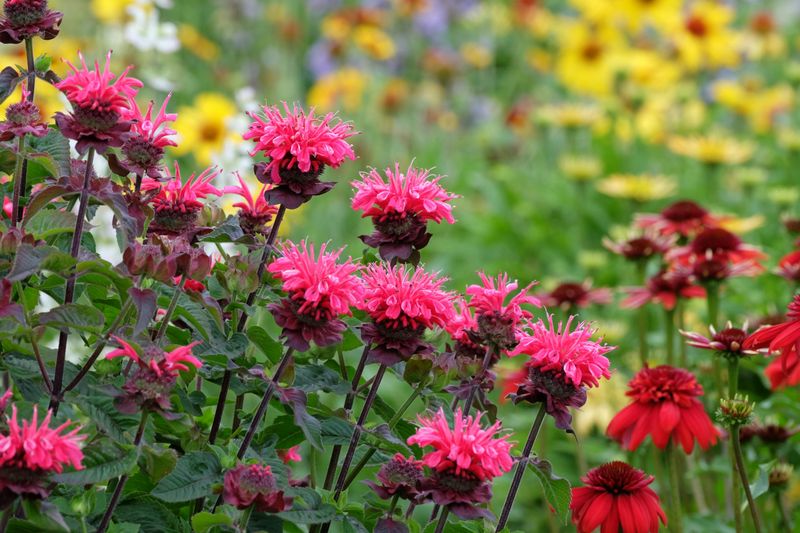
Walk past a blooming patch of bee balm on a warm July afternoon and you will likely hear it before you see it.
The hum of bees, the flutter of butterflies, and sometimes even the quick zip of a hummingbird make this plant one of the most exciting choices for a sunny border.
Monarda species native to Ohio bring bold, shaggy flower heads in shades of red, pink, and lavender that stand out from midsummer into late summer.
Bee balm prefers full sun and does best with steady moisture. It is not a drought-tough plant the way coneflower or butterfly weed can be, so borders with average to slightly moist soil suit it better than hot, dry spots.
Good airflow matters here. In Ohio’s humid summers, crowded bee balm is prone to powdery mildew, which does not harm the plant seriously but can make the foliage look rough by late season.
Give bee balm enough space between plants for air to move through, and consider dividing clumps every few years. Bee balm spreads by rhizomes and can expand fairly quickly in loose, fertile soil.
That spreading habit can fill a border beautifully, but it does mean placing it where expansion feels manageable rather than crowding out smaller neighbors.
4. Coreopsis Keeps Borders Bright With Cheerful Yellow Blooms
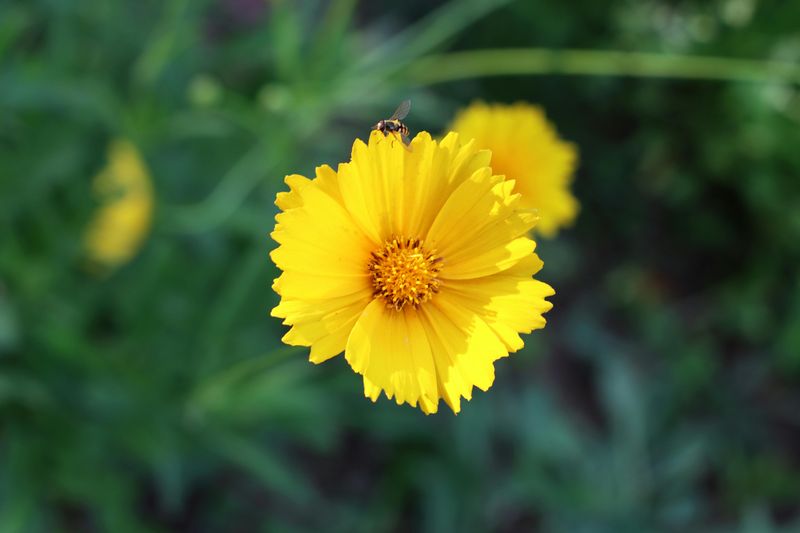
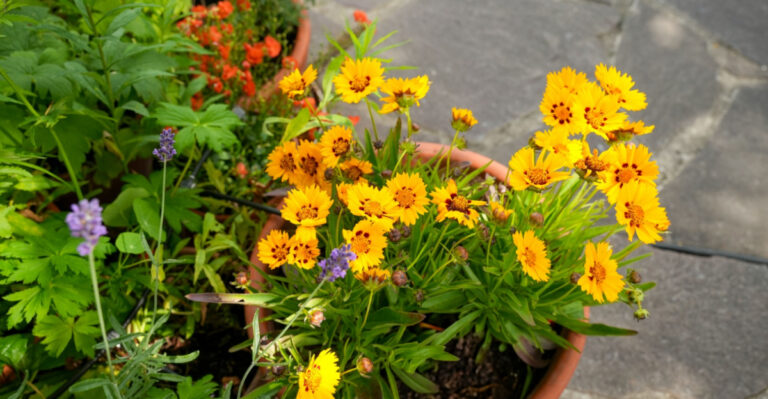
Bright, airy, and almost impossibly cheerful, coreopsis earns its place at the front or middle of a sunny border with very little effort. The yellow blooms sit on slender stems that move gently in a breeze.
They give borders a light, meadow-like feel that pairs well with bolder plants like coneflower or bee balm.
Several coreopsis species are native to Ohio, including lance-leaved coreopsis, Coreopsis lanceolata, which is well-suited to sunny, well-drained garden spots.
Coreopsis generally blooms from late spring into summer, and some varieties will rebloom if you trim spent flowers regularly.
Removing faded blooms keeps plants looking tidy and may encourage a second flush of color, though not every type behaves exactly the same way.
It is worth watching your specific plants and adjusting your approach based on what you see.
One of coreopsis’s real strengths is its tolerance for lean, dry soil. It does not need rich, amended beds to perform well, which makes it a smart choice for hot, sunny borders where other plants might struggle.
Native bees and small butterflies visit the blooms regularly. Just keep in mind that some species can reseed or spread, so give them a spot where a natural, relaxed look feels right for your garden style.
5. Butterfly Weed Adds Bold Orange Without Taking Over
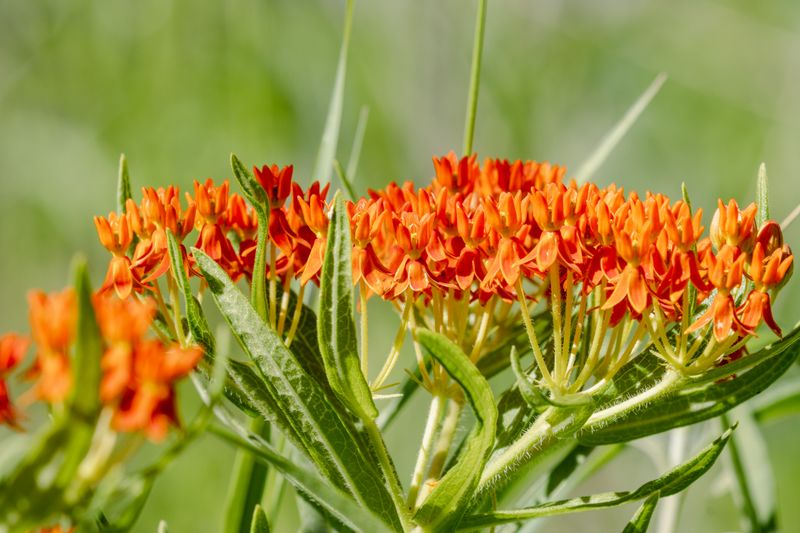
That vivid, almost electric orange is hard to miss when butterfly weed is in full bloom. Asclepias tuberosa is a native milkweed species, and that matters a lot for monarch butterflies specifically.
Monarchs need milkweed plants to complete their life cycle. Butterfly weed is one of the most garden-friendly milkweed options available for sunny borders in this state.
Unlike some milkweeds, butterfly weed stays well-behaved and does not spread aggressively by rhizomes. It forms a tidy, upright clump that fits neatly into a border without crowding neighbors.
The flat-topped clusters of orange blooms appear in early to mid-summer, and bees, skippers, and other pollinators visit them alongside monarchs. After blooms fade, slender seed pods form and eventually split open to release fluffy seeds on the wind.
There is one important detail every gardener should know before planting: butterfly weed has a deep taproot and does not like being moved once it is settled.
Plant it where you want it to stay, and be patient in the first season because established plants perform far better than young transplants.
Full sun and well-drained, even sandy or gravelly soil suits it best. Consistently wet or heavy clay soil is not a good match for this plant.
6. Little Bluestem Gives Sunny Borders Year-Round Structure
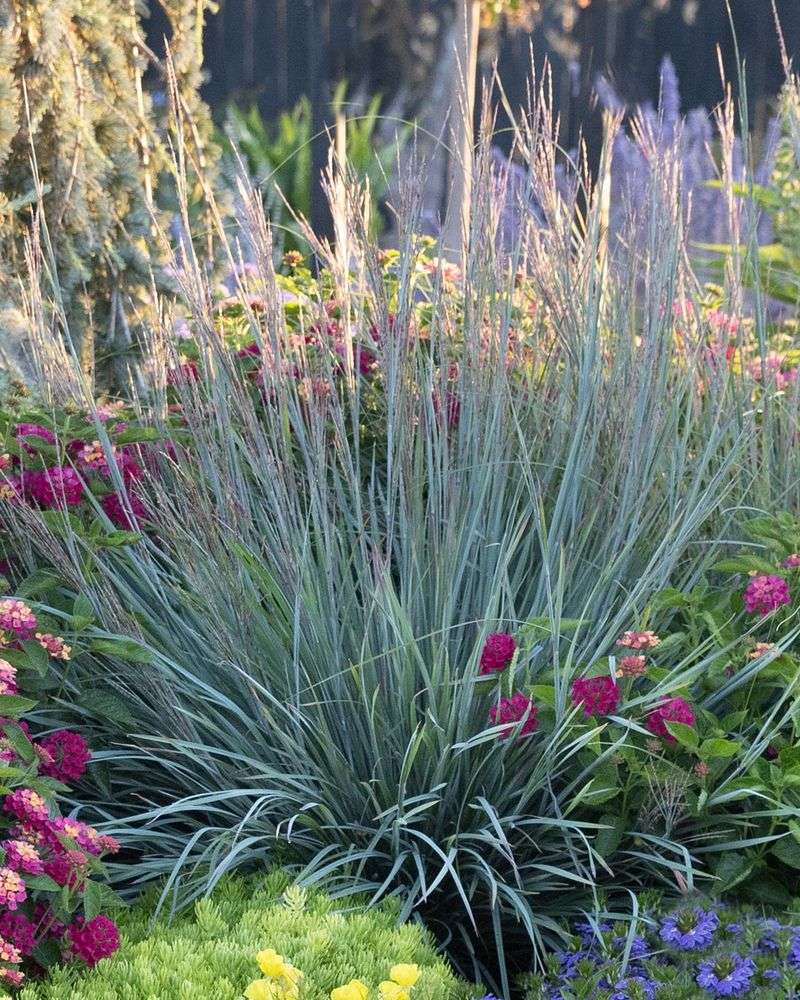
Most flowering perennials have a moment, a week or two of peak bloom, and then they fade into the background. Little bluestem, Schizachyrium scoparium, is a native grass that fills exactly the gap those plants leave behind.
It brings blue-green upright blades through summer, shifts to warm copper and reddish-orange tones in fall, and holds soft, fluffy seed heads through winter.
That kind of four-season presence is something almost no flowering perennial can offer on its own.
In a sunny border, little bluestem works as a structural anchor. Pair it near purple coneflower, black-eyed Susan, or butterfly weed, and the combination looks intentional and layered rather than randomly planted.
The upright form adds height and vertical texture without blocking lower plants in front of it. Mature clumps typically reach two to four feet tall, making it a solid mid-border choice.
Little bluestem thrives in full sun and well-drained soil. It actually performs better in lean conditions than in rich, heavily amended beds, where it can flop or get leggy.
Birds visit the seed heads through winter, adding wildlife value long after blooms have faded elsewhere. Cut it back in late winter or very early spring before new growth starts, and the clump will return looking fresh and full.
7. Wild Bergamot Softens Borders With Lavender-Pink Blooms
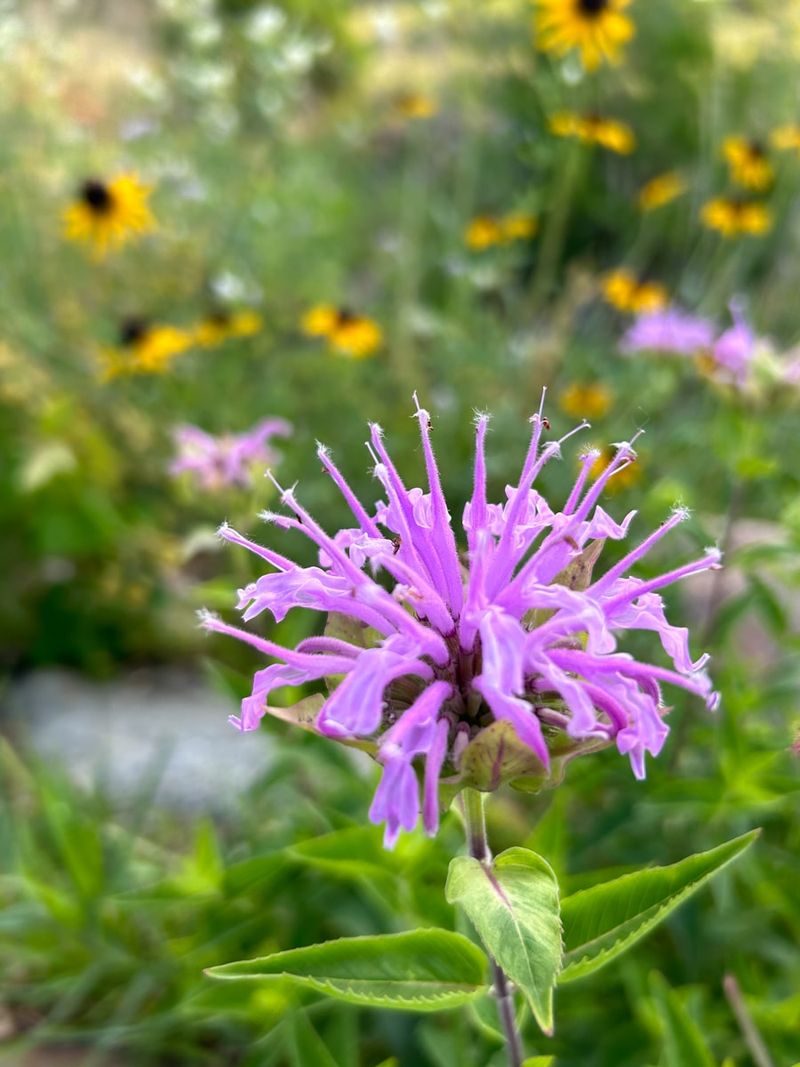
Soft, airy, and sweetly fragrant, wild bergamot brings a completely different mood to a sunny border than bold orange or bright yellow natives do. Monarda fistulosa is native across Ohio and much of North America.
It blooms in mid to late summer with lavender-pink flower heads that look slightly wild and wonderfully natural. The aromatic foliage adds a pleasant herbal scent when brushed or lightly touched.
Pollinators are drawn to wild bergamot in impressive numbers. Native bees, bumblebees, butterflies, and even hummingbirds visit the blooms regularly.
That makes it one of the more productive plants you can place in a pollinator-focused border. It works well alongside little bluestem, black-eyed Susan, and coneflower in a meadow-style planting that feels relaxed and regionally connected.
Two things to plan for: wild bergamot can spread by both rhizomes and reseeding, so give it room and check its edges each spring. It can also develop powdery mildew on the foliage in humid conditions or when plants are crowded together.
Good spacing and airflow go a long way toward keeping the foliage looking clean through the season. Dividing clumps every few years helps too, keeping plants vigorous and less prone to the mildew issues that can appear in dense, established patches.
8. New England Aster Carries Color Into Fall
By September, most sunny borders are winding down. Daylily foliage is looking tired, summer annuals are fading, and the garden can feel like it is just waiting for frost.
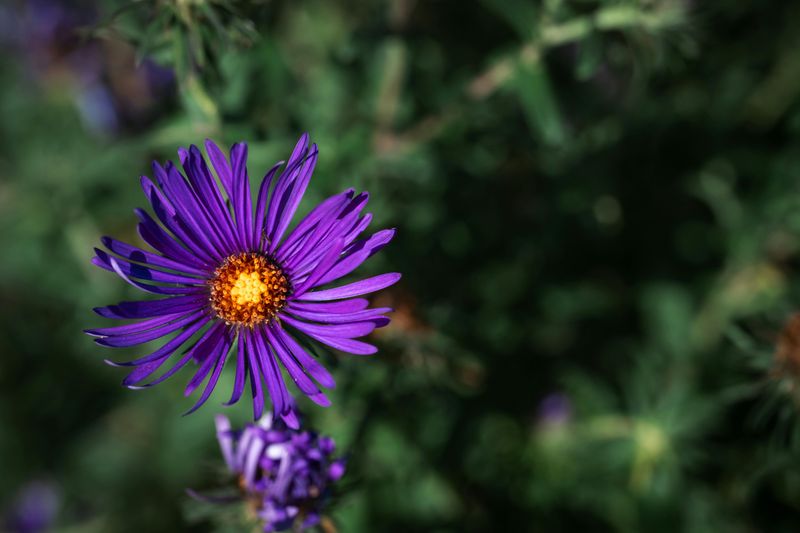
New England aster, Symphyotrichum novae-angliae, arrives right when that energy gap opens up. Its purple blooms with bright yellow centers burst into color in late summer and carry on well into October.
They give pollinators a vital late-season food source when very few other plants are still flowering.
Monarchs, bumblebees, and native bees rely heavily on late-blooming plants like asters to fuel up before colder weather arrives.
Planting New England aster in a sunny border is one of the most direct ways a home gardener can support that late-season pollinator activity.
The plants can grow quite tall, sometimes reaching four to six feet, so they work best toward the back of a border or in a spot where height is welcome.
For gardeners who prefer a fuller, more compact plant, a technique called Chelsea chop works well. Cutting plants back by about one-third in late spring encourages branching and results in shorter, bushier growth with more bloom stems.
New England aster prefers full sun and average to moist soil. It can spread over time, so dividing clumps every few years keeps them healthy and manageable in the border.