These Are The Georgia Plants That Handle Both Drought And Heavy Rain Without Missing A Beat
Rain pours for days, then the heat suddenly dries everything out like nothing ever happened. Plenty of garden plants struggle the moment weather starts swinging between soaking wet soil and long dry stretches.
That pattern has become more common across Georgia, especially once late spring storms and summer heat start colliding. Some plants rot after heavy rain.
Others stop growing the second the soil dries too fast.
A few tough plants handle both without turning into a constant problem.
They push through muddy conditions, bounce back after dry weather, and keep looking strong while more sensitive plants begin fading out.
The difference usually comes down to how well those plants adapt under pressure. Once gardeners start paying attention to that, plant choices become much easier and far less frustrating.
1. Muhly Grass Handles Weather Swings Without Falling Apart
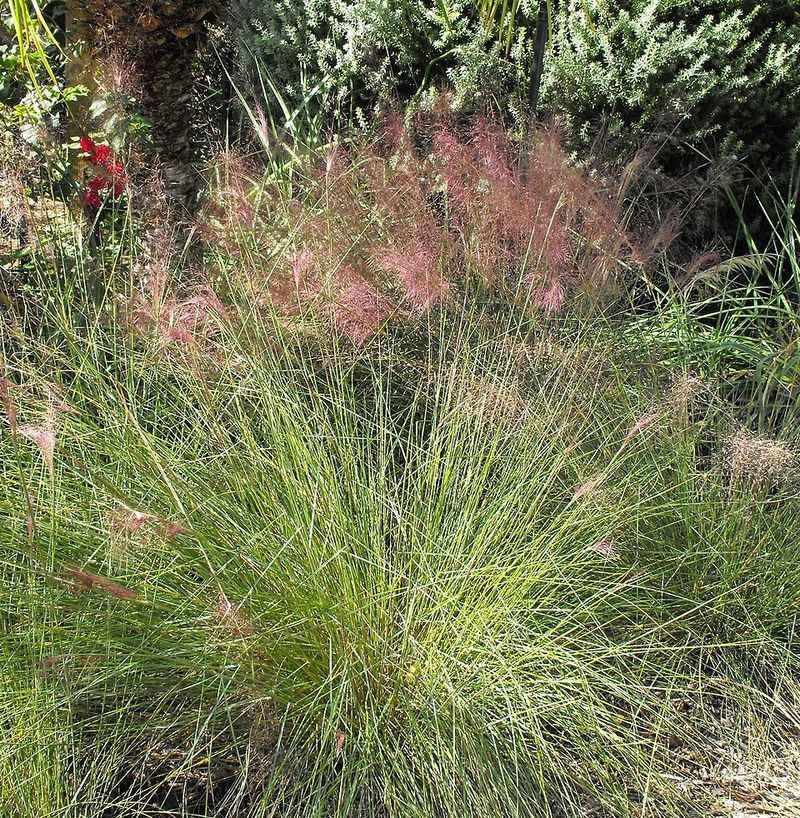
Pink muhly grass puts on a show every fall, and it does not care what kind of summer came before it. Drought?
It keeps growing. Weeks of heavy rain?
Still standing. Few ornamental grasses match its resilience in the Southeast.
Muhly grass is native to the eastern United States, which means it evolved to handle the kind of unpredictable weather that makes gardeners nervous. Its deep root system helps it pull moisture from lower soil layers during dry stretches.
After heavy rain, those same roots keep the plant anchored and upright.
Plant it in full sun for the best results. It tolerates poor, sandy, or clay-heavy soil without much complaint.
Avoid overwatering it once established, because it genuinely does not need the extra help.
The pink and purple plumes appear in late September and often last well into November. Birds and pollinators visit it regularly.
It also works beautifully as a border plant or mass planting along driveways and walkways. Clumps grow two to three feet tall and wide.
Cut it back hard in late winter before new growth starts, and it will bounce back stronger each season.
2. Blanket Flower Keeps Blooming Through Dry And Rainy Periods
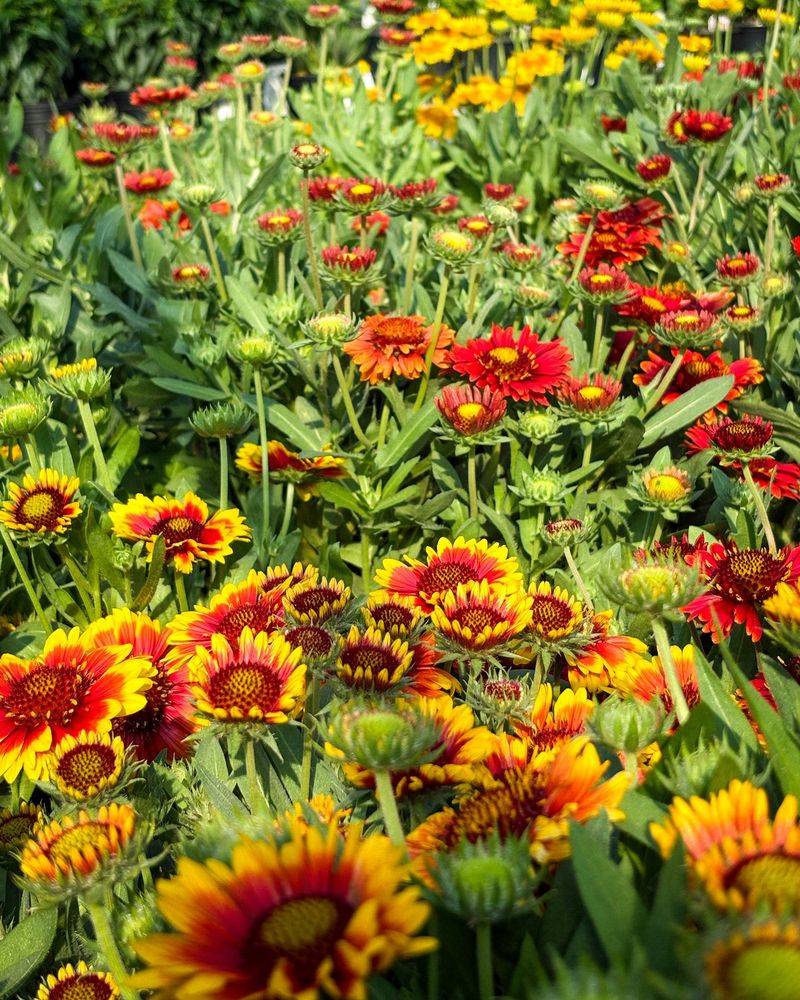
Blanket flower refuses to quit. Hot, dry weeks that flatten other perennials barely slow it down.
Heavy rains that rot shallow-rooted plants? Not a problem here.
Gaillardia, the botanical name, is a tough short-lived perennial that thrives in full sun and well-drained soil. It handles the Southeast’s humid summers better than most flowering plants, especially when it gets good air circulation.
Sandy or gravelly soil actually suits it well, which makes it a natural fit for gardens with poor drainage challenges.
Blooms appear from late spring all the way through fall. The red and yellow daisy-like flowers attract butterflies and bees consistently.
Deadheading spent blooms encourages more flowers, though even neglected plants keep producing reasonably well on their own.
One thing to know: blanket flower does not love sitting in waterlogged soil for extended periods. Raised beds or slopes give it the edge it needs to drain properly after heavy rains.
Space plants about 12 to 18 inches apart for good airflow. It reseeds itself naturally, so expect new plants to pop up nearby each spring.
Your Georgia Garden Changes Every Week. Your Plan Should Too.
Gardening in Georgia changes quickly throughout the season. Every Friday you’ll receive a simple weekly plan showing exactly what to plant, prune, fertilize, harvest, and protect so you never miss the right timing.
That self-seeding habit helps fill gaps in garden beds without any extra effort on your part.
3. River Oats Holds Up Well In Soggy Summer Soil
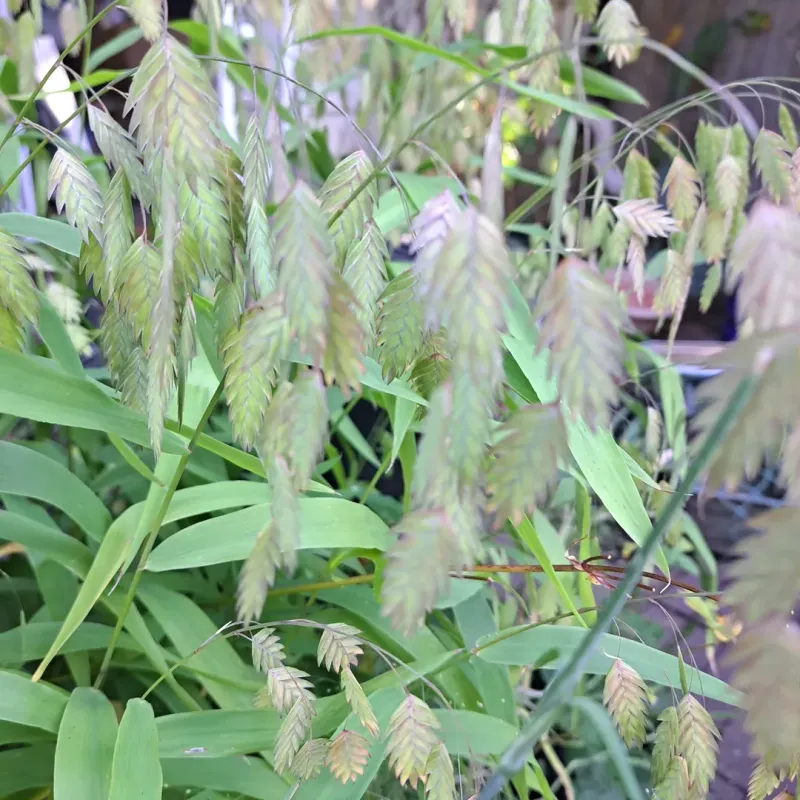
Soggy spots in the yard usually cause problems. River oats actually prefer them.
This native grass thrives where other plants struggle, making it one of the most practical choices for low areas that collect water after storms.
Chasmanthium latifolium grows naturally along stream banks and woodland edges across the Southeast. Its flat, oat-like seed heads are genuinely attractive, dangling from arching stems and catching the breeze.
The plant handles shade better than most grasses, which makes it useful under trees where lawn grass refuses to grow.
During dry periods, river oats slow down but do not collapse. Established clumps have enough root depth to stay stable through moderate droughts.
Watering once a week during extreme dry spells is usually enough to keep it looking decent.
It spreads by seed and can naturalize quickly in moist areas. That spreading habit is worth managing if you want to keep it contained.
Pull seedlings early or place it where spreading is welcome. Deer tend to leave it alone, which is a real bonus in suburban and rural yards.
Cut it back to about six inches in late winter. New growth comes in bright green and fresh every spring without fail.
4. Little Bluestem Stays Strong Through Harsh Dry Conditions
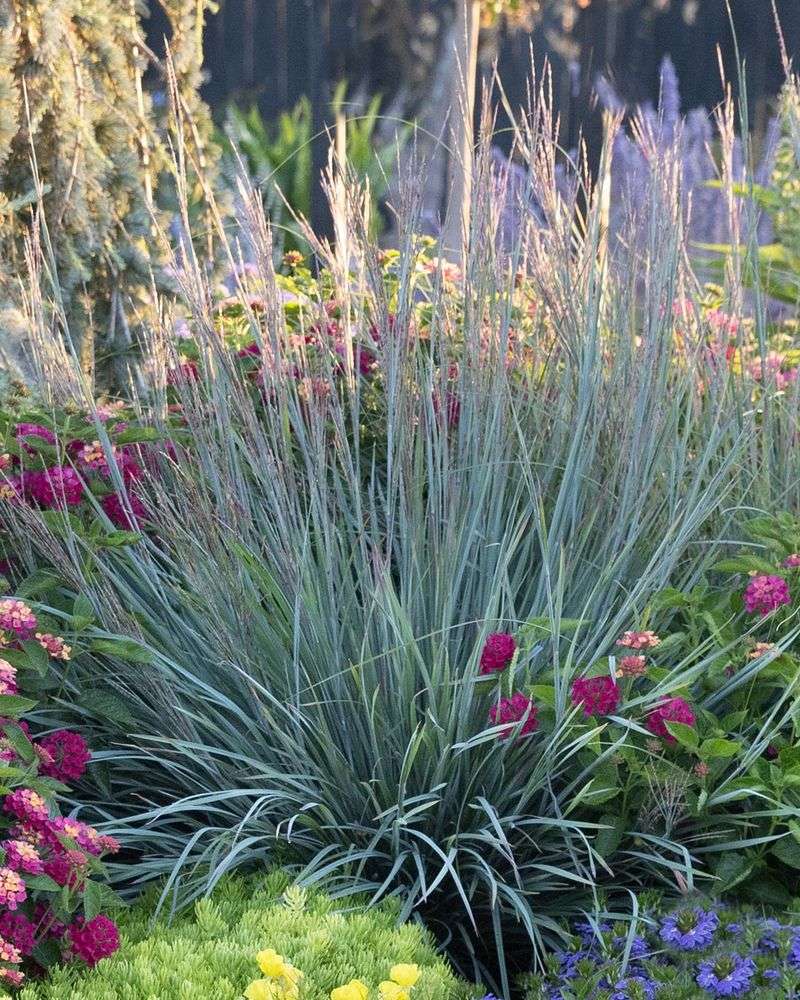
Weeks without rain do not rattle little bluestem. This native grass was built for lean conditions, and it looks its best when other plants are struggling to survive the heat.
Schizachyrium scoparium is one of the most drought-tolerant native grasses available in the Southeast. Its blue-green summer color turns copper, rust, and orange in fall, making it one of the most visually rewarding grasses you can plant.
The feathery white seed heads catch light beautifully in the afternoon sun.
Little bluestem needs good drainage above everything else. In wet or clay-heavy soil without drainage, it can struggle.
Sandy loam or well-drained garden beds suit it perfectly. Once established, it rarely needs supplemental watering even during dry summers.
Heavy rain events do not harm it as long as water drains away within a day or two. Prolonged standing water is the one condition it handles poorly.
Planting on a slight slope or in a raised area solves that issue easily. Birds love the seed heads and will visit the plant regularly through winter.
Do not cut it back until late February or early March. That winter structure provides habitat and adds texture to the garden during the coldest months of the year.
5. Soft Rush Handles Wet Soil Without Looking Flattened
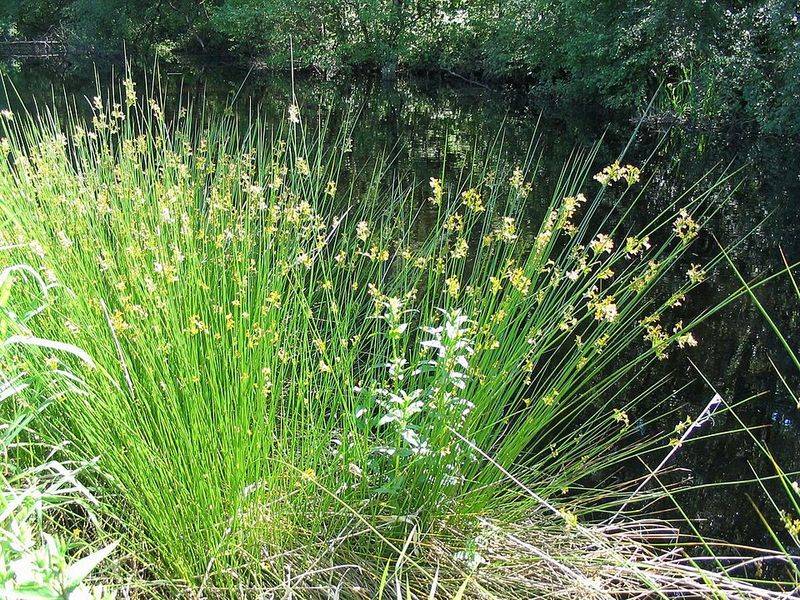
Most plants that love water end up looking messy or collapsed. Soft rush stays upright and tidy even after weeks of standing in saturated soil, which is a rare quality worth noticing.
Juncus effusus grows naturally in wetlands, stream banks, and low-lying areas across the Southeast. Its round, dark green stems grow in tight clumps and stay vertical through rain events that flatten other plants.
The texture is clean and architectural, which makes it useful in both naturalistic and formal garden designs.
Soft rush handles drought too, though it does slow down noticeably when moisture levels drop. Established clumps can survive moderate dry spells without collapsing.
Regular watering during extended droughts keeps the plant looking its best and prevents browning at the tips.
Rain gardens are one of the best places to use soft rush. It tolerates the cycle of flooding and drying that rain gardens experience after storms.
It grows two to four feet tall and spreads slowly by rhizomes. Full sun to partial shade both work well.
Birds use the stems for nesting material, and the plant provides cover for small wildlife near water features. Cut clumps back to about four inches in late winter.
New growth comes in quickly once temperatures start warming in early spring.
6. Bee Balm Recovers Quickly After Days Of Heavy Rain
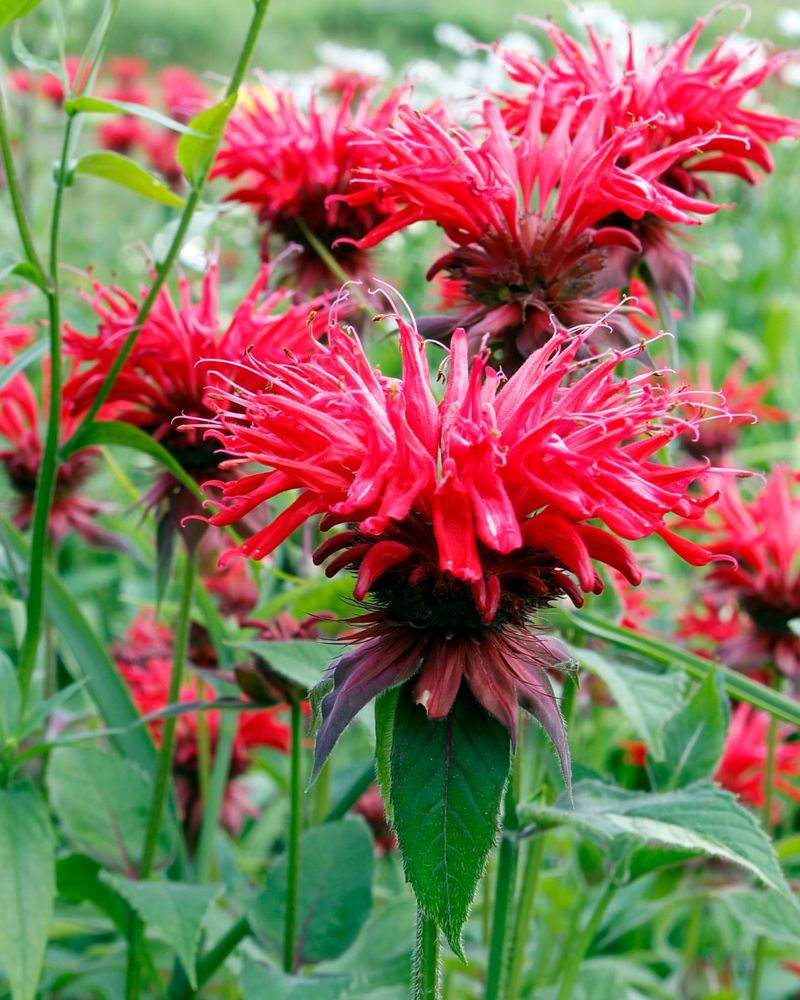
Heavy rain flattens a lot of flowering perennials and they never quite bounce back. Bee balm bends, shakes off the water, and keeps blooming like nothing happened.
Monarda is a native perennial that grows vigorously in the Southeast’s humid summers. The tubular flowers in red, pink, and purple attract hummingbirds and bees in impressive numbers.
Blooming typically peaks in June and July, right when summer storms are most intense and frequent.
Powdery mildew is the real challenge with bee balm. High humidity after rain events creates ideal conditions for it.
Choosing mildew-resistant varieties like Raspberry Wine or Jacob Cline makes a big difference. Good spacing between plants and planting in full sun also reduce mildew pressure significantly.
During dry stretches, bee balm needs moderate watering to stay healthy. It does not handle prolonged drought as gracefully as some other plants on this list.
Consistent moisture, whether from rain or supplemental watering, keeps it blooming longer. Rich, slightly moist soil suits it well.
Divide clumps every two to three years to keep the center from becoming woody and unproductive. Cut stems back to the ground after the first hard frost.
New growth emerges reliably each spring, often spreading to fill in nearby bare spots naturally.
7. Coreopsis Keeps Flowering Through Unpredictable Summer Weather
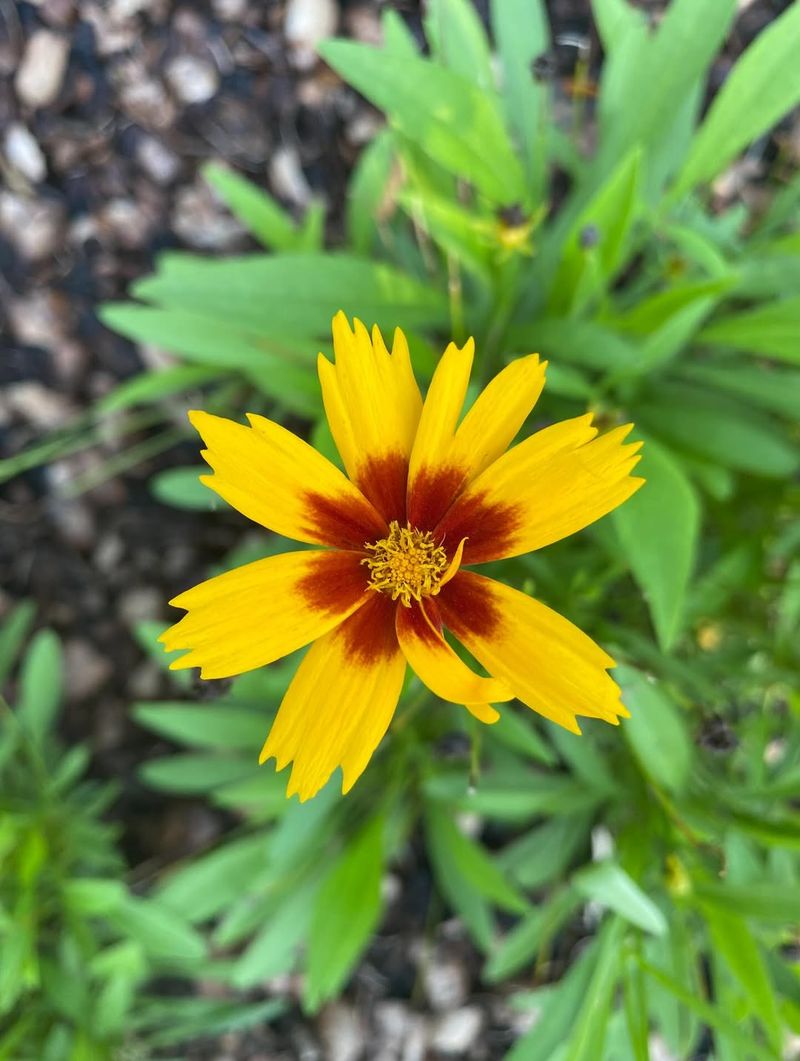
Ask any experienced Southeast gardener which flowering perennial earns its keep every single season, and coreopsis comes up fast. It blooms reliably whether the summer is bone dry or soaking wet.
Coreopsis, also called tickseed, is native to much of the eastern United States. Several species grow naturally across Georgia, which explains why cultivated varieties perform so well in local garden conditions.
Full sun and well-drained soil are the two things it needs most. Beyond that, it largely takes care of itself.
Drought tolerance is one of its strongest qualities. Once established, coreopsis can go weeks without rain and still produce cheerful yellow, orange, or pink flowers.
Heavy rains do not set it back either, as long as water does not pool around the roots for extended periods.
Deadheading spent flowers extends the bloom season noticeably. Without deadheading, plants still rebloom but less frequently.
Some newer varieties like Moonbeam or Early Sunrise bloom almost continuously without much intervention at all. Butterflies and bees visit the flowers regularly through summer.
Cut plants back by about half in midsummer if they start looking leggy. That light shearing triggers a fresh flush of growth and flowers within a few weeks.
Divide clumps every three years to keep plants vigorous and blooming well.
8. Wax Myrtle Handles Moisture Changes Without Much Trouble
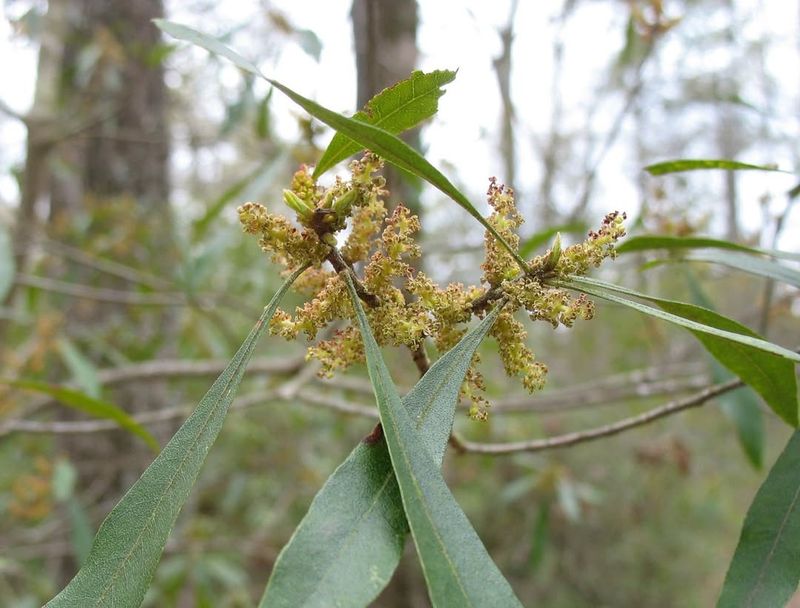
Wax myrtle does not fuss. Wet soil, dry soil, sandy soil, clay, salt spray near the coast, full sun, or partial shade, it adapts to most of what the Southeast throws at it without skipping a beat.
Morella cerifera is a native evergreen shrub that grows naturally from the coastal plain to the piedmont across the region. Its waxy, aromatic leaves stay green year-round, giving the garden structure even in winter when most plants look bare and tired.
Blue-gray berries on female plants attract dozens of bird species through fall and winter.
During heavy rain periods, wax myrtle handles saturated soil far better than most evergreen shrubs. Its roots tolerate wet conditions for extended stretches without rotting out.
During drought, established plants slow down but hold their leaves and shape without much visible stress.
Growth rate is fast, often two to three feet per year in good conditions. That makes it useful as a quick privacy screen or windbreak.
It responds well to pruning and can be shaped into a small tree or kept as a dense shrub. Minimal fertilizing is needed.
Too much nitrogen actually encourages weak, floppy growth. Plant it in full sun for the densest form and best berry production.
It rarely needs supplemental watering once established in the ground for a full season.
9. Buttonbush Thrives During Long Stretches Of Heavy Rain
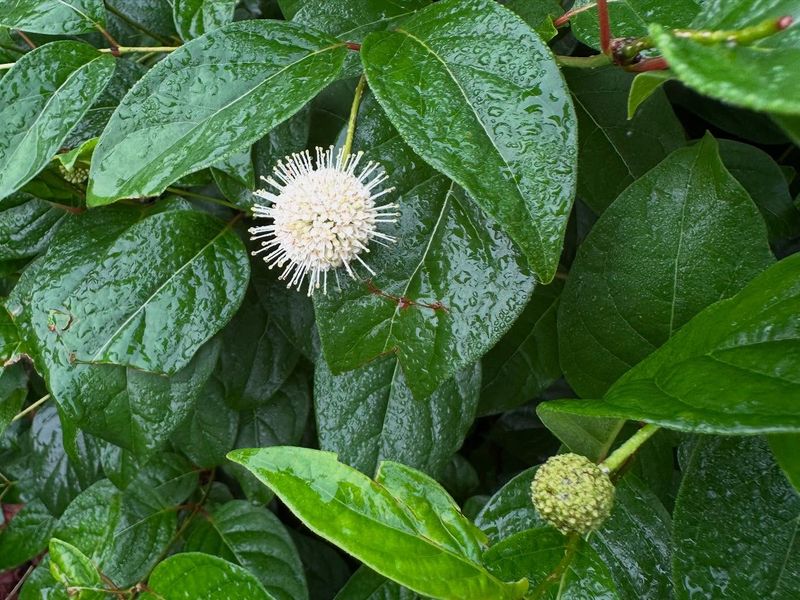
Standing water is where buttonbush earns its reputation. Most shrubs rot out when their roots sit in soggy ground for weeks.
Buttonbush actually grows faster under those conditions.
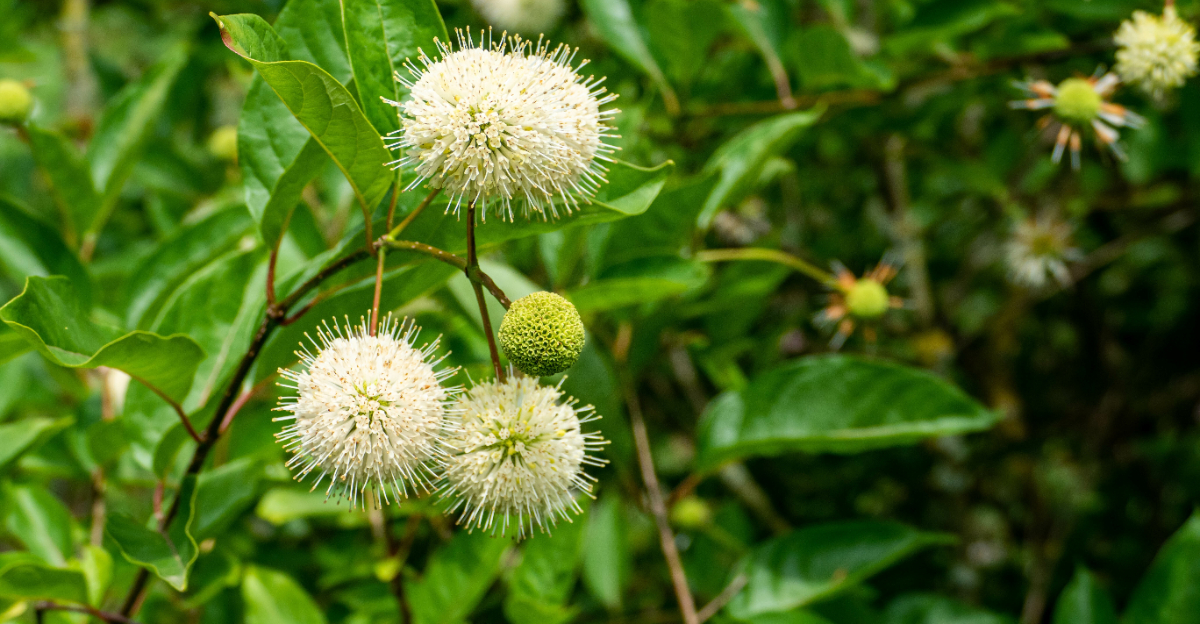
Cephalanthus occidentalis is a native shrub found naturally along rivers, ponds, and wetland edges across the eastern United States. It handles flooding better than almost any other landscape shrub available.
After long rain events that saturate the ground for days, buttonbush just keeps growing without showing signs of stress.
The flowers are unusual and eye-catching. White, globe-shaped clusters appear in midsummer and attract an impressive range of pollinators including bees, butterflies, and hummingbirds.
Waterfowl and songbirds feed on the seeds through fall and winter.
During dry periods, buttonbush slows down noticeably. It prefers consistent moisture and will drop leaves early in severe droughts.
Planting it near a downspout, rain garden, or low-lying area gives it the water access it needs to stay healthy through drier months. It grows six to twelve feet tall depending on conditions.
Pruning in late winter keeps the shape manageable. Full sun to partial shade works fine.
Clay soil is not a problem at all for this shrub, which makes it a reliable choice for difficult spots.