8 Vegetables That Grow Well Vertically In New Jersey Gardens
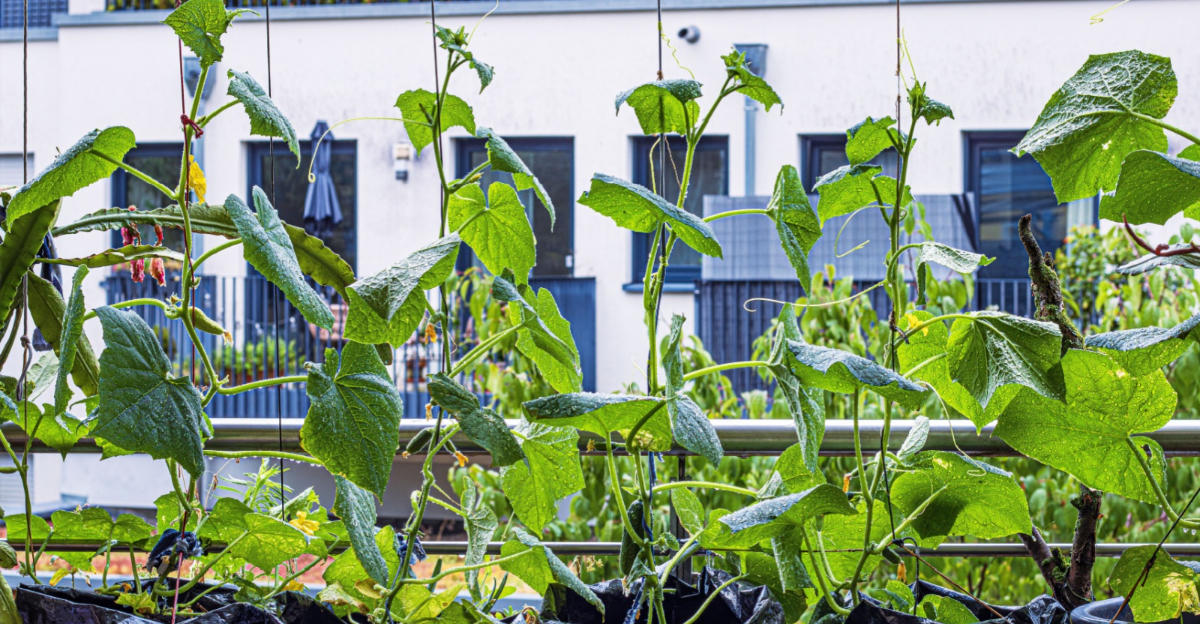
If your garden beds are full but your ambition isn’t, look up. New Jersey’s long, humid summers and generous sunshine aren’t just good for tomatoes, they’re perfect for growing vertically.
Training your plants upward is one of the most satisfying adjustments you can make. It works in a tiny Jersey City backyard just as well as a sprawling plot in Freehold.
Better airflow, easier harvesting, and a garden that looks impressively intentional even when you’re mostly winging it. The eight vegetables below aren’t reluctant climbers that need coaxing.
They’re natural scramblers that genuinely perform better on a trellis than sprawled across the ground. Give them something to grab onto, and they’ll reward you with a harvest that punches well above its square footage.
1. Pole Beans
Pole beans are basically the overachievers of the vegetable garden.
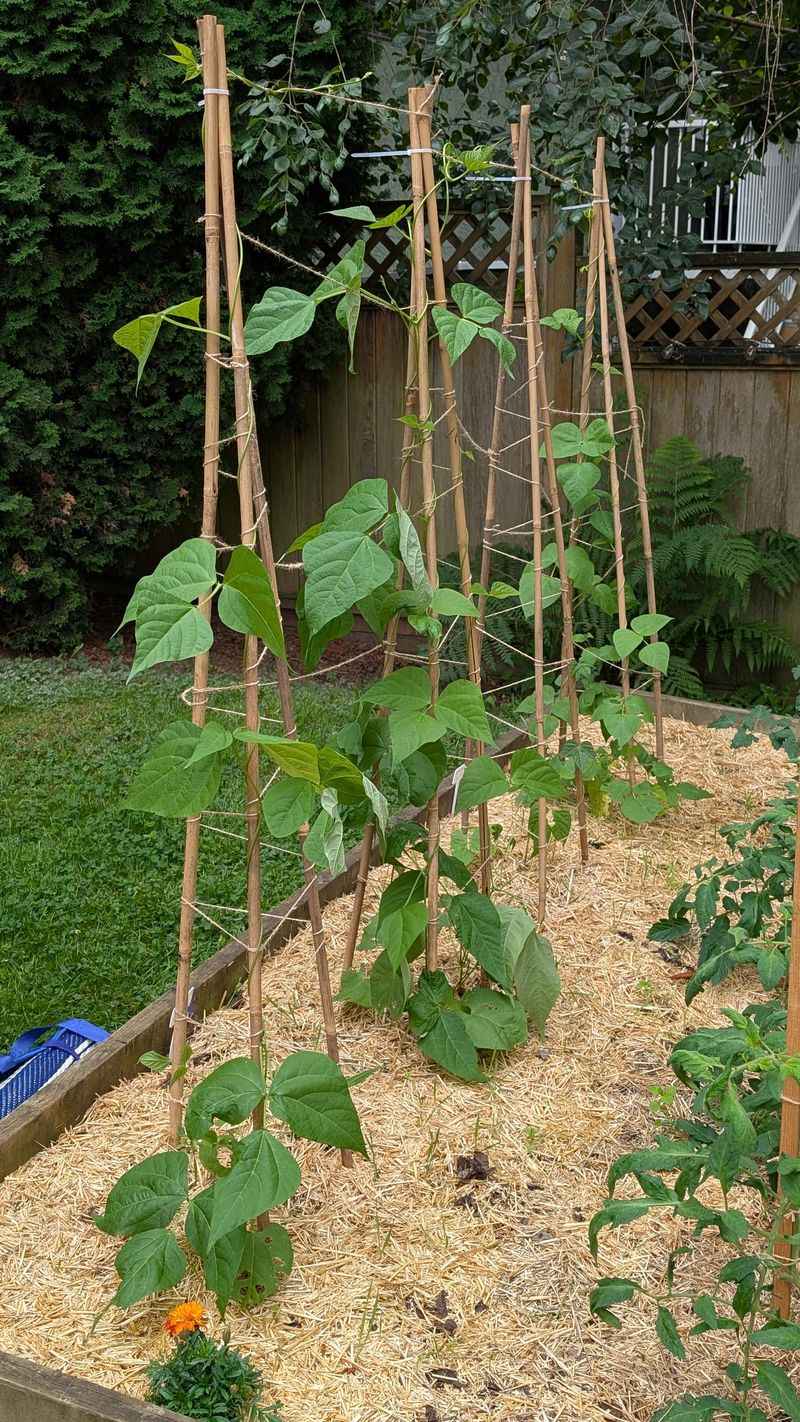
Plant them at the base of a six-foot trellis and watch them sprint upward like they have somewhere important to be. New Jersey’s warm, humid summers are practically tailor-made for these climbing powerhouses.
They need full sun and well-drained soil, and they will reward you generously for it. Unlike bush beans, pole beans keep producing all season long without a single break.
That continuous harvest is a huge deal when you want fresh beans for weeks, not just days. Set up your support structure before planting so you never have to wrestle a vine onto a trellis after the fact.
Bamboo poles tied in a teepee shape work beautifully and look charming in any garden. Space seeds about four inches apart and water consistently, especially during dry stretches in July and August.
Beans hate soggy roots but they also hate drought, so aim for that sweet middle ground. Pick pods when they are slender and firm for the best flavor and texture.
Leave them too long and the beans get starchy and tough, which nobody wants. Varieties like Kentucky Wonder, Blue Lake Pole, and Rattlesnake Bean all perform exceptionally well in this region.
Growing pole beans vertically in New Jersey gardens also reduces disease pressure by keeping foliage off the damp ground.
Once you go vertical with beans, it’s hard to justify going back to bush varieties.
2. Cucumbers
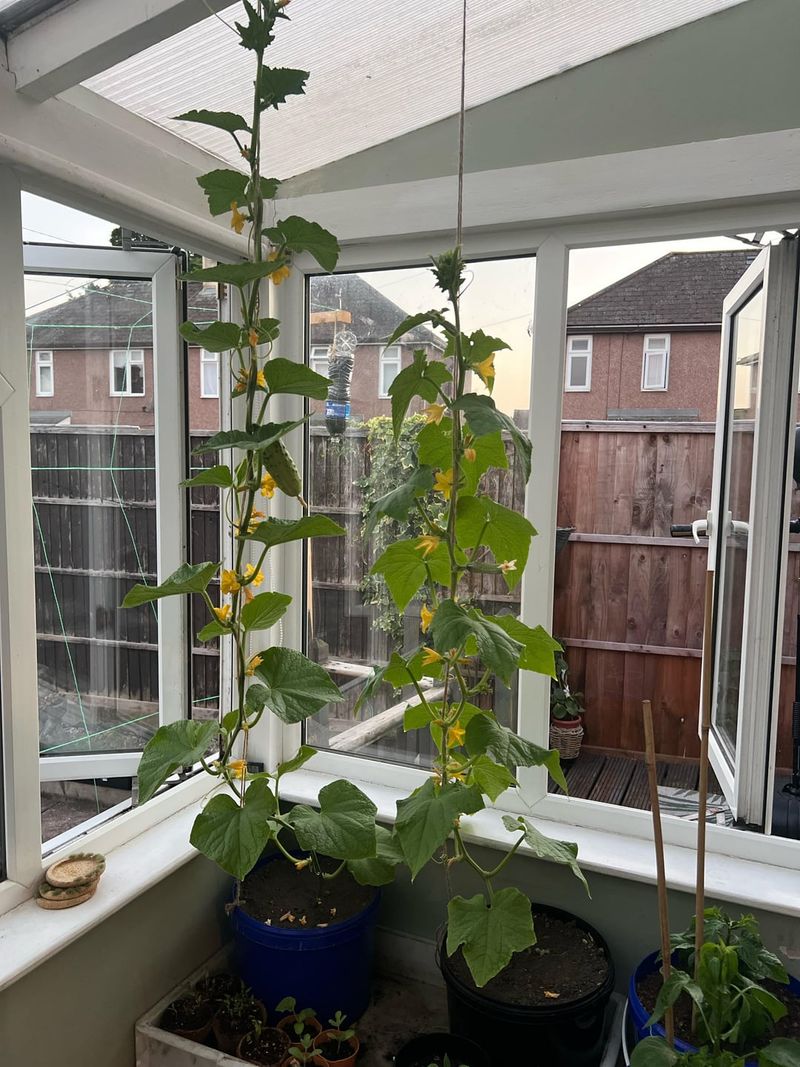
Cucumbers dangling from a trellis look like nature’s own wind chimes, and they taste even better than they look.
Training cucumbers to grow upward is one of the best decisions you can make for your summer garden. Vertical growth keeps the fruit straight, clean, and easy to spot so you never miss a harvest.
Left to sprawl on the ground, cucumbers get dirty, develop flat spots, and often rot before you even notice them. A sturdy wire mesh or cattle panel trellis gives the tendrils exactly what they need to grab and climb.
Plant transplants or seeds after the last frost, which in most of New Jersey falls around mid-April to early May. Cucumbers love heat, so waiting for consistently warm soil pays off in faster germination and stronger plants.
Your New Jersey Garden Changes Every Week. Your Plan Should Too.
Gardening in New Jersey changes quickly throughout the season. Every Friday you’ll receive a simple weekly plan showing exactly what to plant, prune, fertilize, harvest, and protect so you never miss the right timing.
Feed them with a balanced fertilizer once they start flowering to keep production rolling through late summer. Slicing varieties like Marketmore and vining types like Armenian cucumber climb especially well and produce heavily.
Water at the base, not overhead, powdery mildew loves humid summers. Harvest before they overripen; a bitter cucumber tells the plant to quit producing.
Consistent picking actually encourages more flowers and more fruit, so check your trellis every day or two.
A well-trained cucumber vine climbing skyward in a New Jersey garden is honestly one of summer’s most satisfying sights.
3. Indeterminate Tomatoes
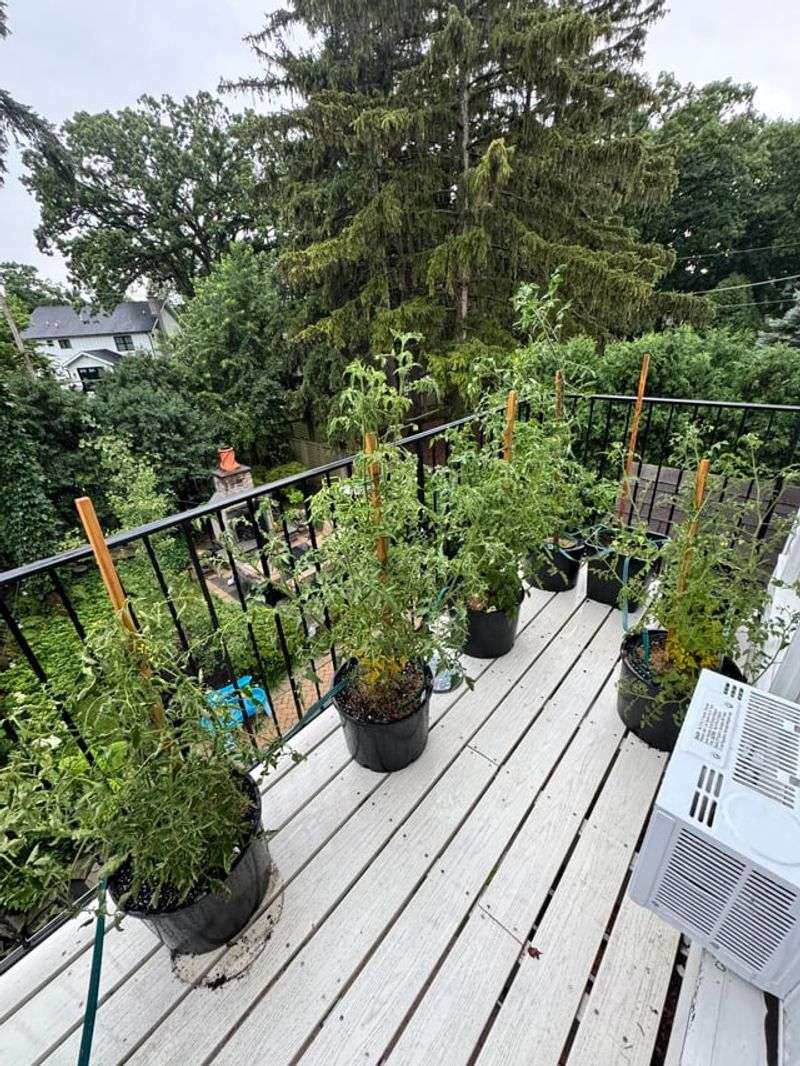
Ask any New Jersey gardener what they grow every single year without fail, and nine times out of ten the answer is tomatoes.
Indeterminate varieties are the ones that never stop growing, flowering, and fruiting until frost finally shuts them down. They can reach six, seven, even eight feet tall, which makes vertical support not just helpful but absolutely necessary.
Sturdy tomato cages often collapse under the weight of a fully loaded indeterminate plant by midsummer. Instead, go with heavy-duty wooden stakes or a Florida weave system using twine strung between posts for serious support.
Tie the main stem loosely every eight to ten inches as the plant climbs higher and higher. Pruning suckers, those little shoots that sprout between the stem and a branch, keeps energy focused on fruit production rather than excess foliage.
Brandywine, Cherokee Purple, and Sun Gold all thrive in New Jersey’s long, hot summers. Give them eight hours of sun and consistent watering, blossom end rot and cracking are both signs of uneven moisture.
Mulching around the base helps lock in moisture and keeps the soil temperature steady during heat waves.
Start seeds indoors six to eight weeks before your last frost date for the strongest transplants possible. Vertically grown indeterminate tomatoes in New Jersey gardens produce cleaner fruit with better airflow and far fewer pest problems.
Once you taste a homegrown Jersey tomato straight off the vine, store-bought will rarely feel like enough.
4. Sugar Snap Peas
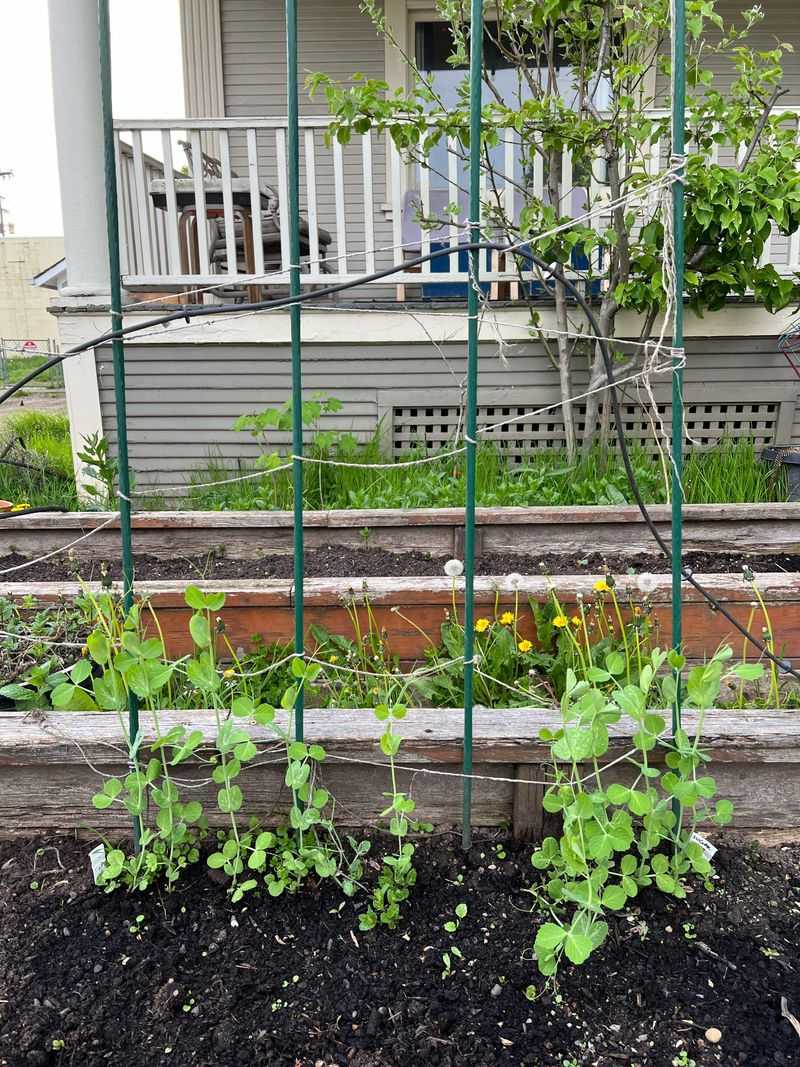
Spring in a New Jersey garden starts the moment sugar snap peas begin climbing their trellis.
Sugar snap peas are a cool-season crop, sow them directly as soon as the soil can be worked, usually late March to early April. They prefer temperatures between 45 and 70 degrees.
That shoulder season between winter and summer is their sweet spot. Set up a trellis at least five feet tall; some varieties, like Super Sugar Snap, climb surprisingly high.
Chicken wire stretched between two posts is budget-friendly and works perfectly for giving those delicate tendrils something to grip. Water regularly but avoid waterlogging the soil, since peas are prone to root rot in poorly drained beds.
No heavy fertilizing needed here. Peas actually fix their own nitrogen from the air, which naturally enriches the soil for whatever you plant next.
Harvest pods when they are plump and the peas inside are visible through the skin but before they get starchy.
The window between perfect and overripe is surprisingly short, so check the vines every day once pods start forming. Eating a warm snap pea straight off the vine on a cool April morning is one of gardening’s purest little pleasures.
They come and go quickly, so enjoy every last pod before the summer heat shuts them down.
Sugar snap peas remind you that the best things in vertical New Jersey gardens often come first.
5. Winter Squash
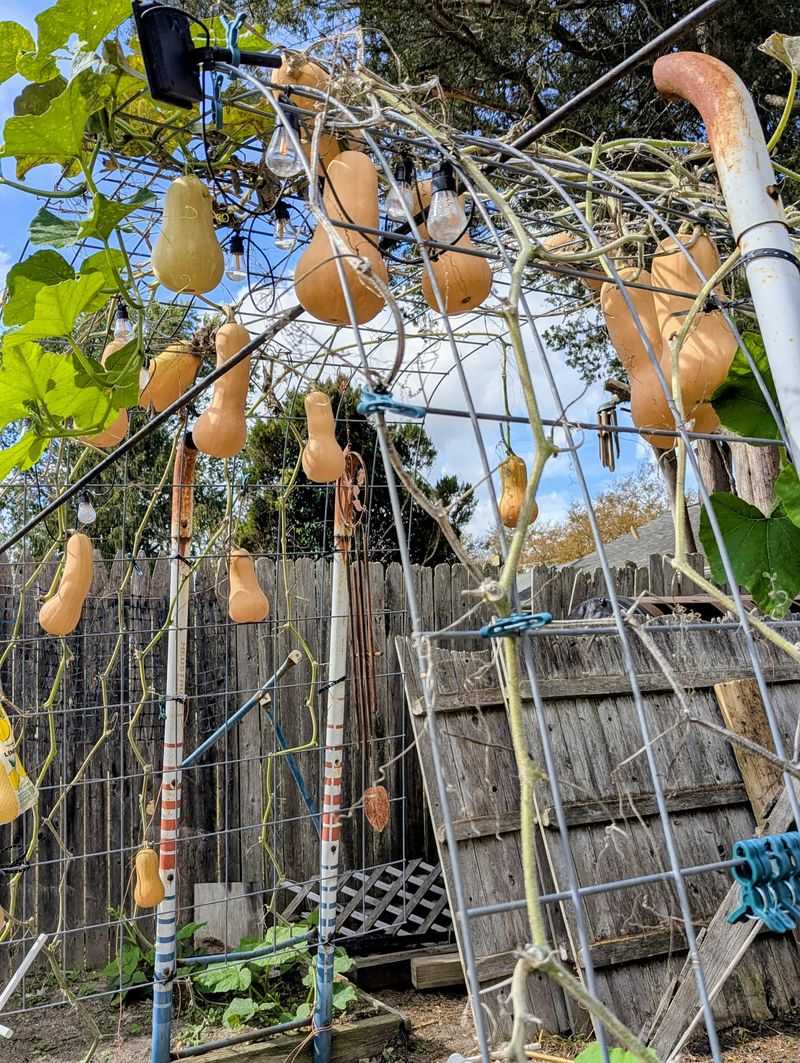
Growing winter squash vertically sounds ambitious until you realize how much garden space it actually saves.
These big, sprawling vines can take over an entire bed if left to roam freely across the ground. Training them up a heavy-duty arch trellis or a cattle panel keeps all that vigorous growth contained and manageable.
The key trick with vertical winter squash is supporting the heavy fruit with fabric slings tied to the trellis structure. Old pantyhose, mesh bags, or strips of stretchy fabric work brilliantly and cradle each squash as it swells and matures.
Without support, the weight of a full-grown butternut or acorn squash can put serious stress on the vine. Plant seeds or transplants after the last frost when soil has warmed to at least 60 degrees for strong, fast establishment.
New Jersey’s long, warm summers give winter squash plenty of time to reach full maturity before the first fall frost arrives. Varieties like Butternut, Delicata, and Red Kuri all climb well and produce generously under the right conditions.
Feed with a phosphorus-rich fertilizer once flowering begins to encourage strong fruit set and development. Keep the base of the plant consistently moist but make sure drainage is solid to avoid stem rot at the soil line.
Harvest when the skin is hard and the stem has dried and turned corky, that’s your signal. Big vegetables, small footprint, all the reward.
6. Malabar Spinach
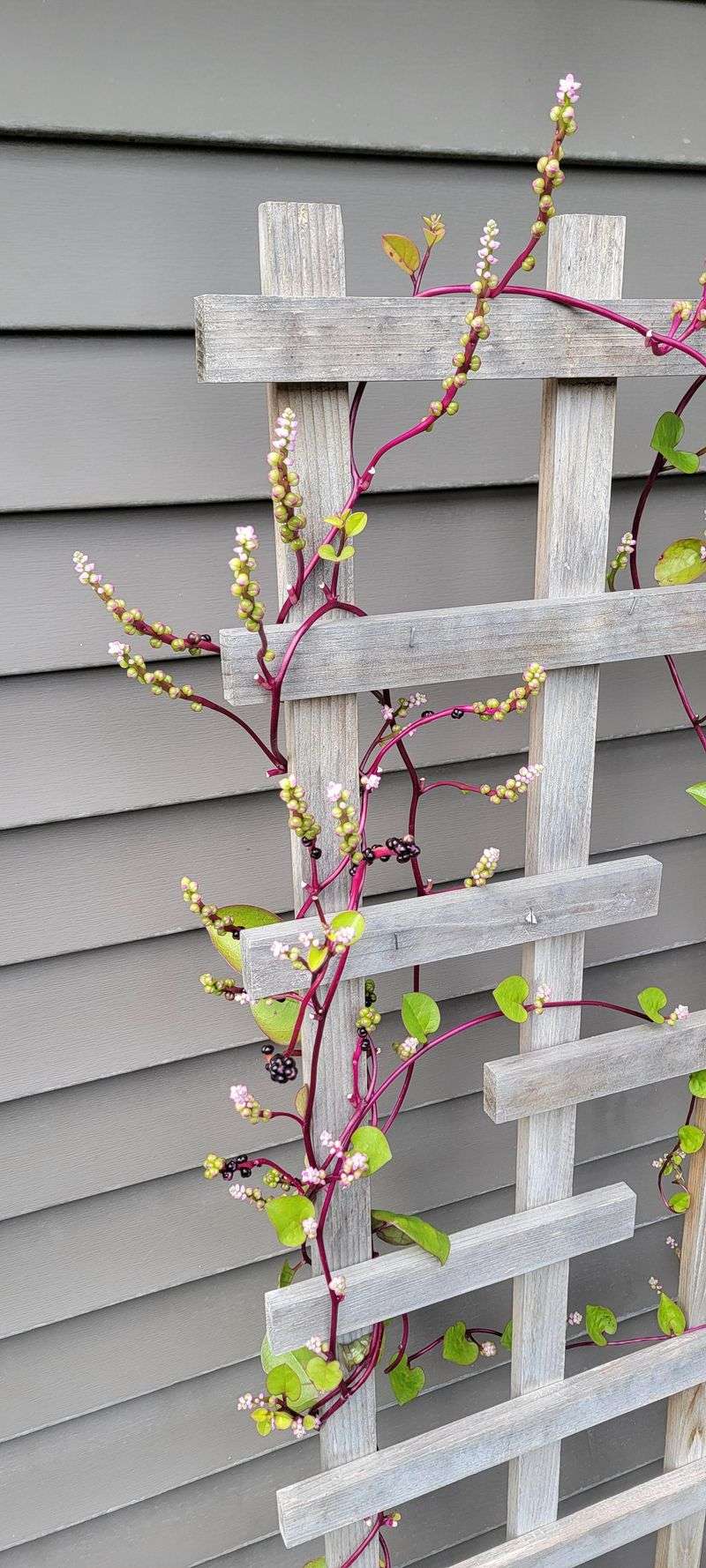
Most gardeners have never heard of Malabar spinach, and that is exactly why you should grow it.
This tropical vine produces thick, glossy leaves that taste remarkably similar to regular spinach. The difference is in the heat.
Traditional spinach bolts and turns bitter the moment temperatures rise.
Malabar spinach loves it and keeps producing all season long. It climbs enthusiastically up any trellis, fence, or netting you give it, sometimes reaching ten feet or more by late summer.
The stems come in two striking varieties: green-stemmed and red-stemmed, with the red version adding serious ornamental flair to any garden space.
Start seeds indoors six to eight weeks before your last frost date. Nick the seed coat with a nail file and soak overnight, otherwise germination can be frustratingly slow.
Once established in warm soil and full sun, Malabar spinach grows with impressive speed and requires minimal fuss. Harvest young leaves and tender stem tips regularly to keep the plant producing fresh growth instead of going woody.
The leaves hold up beautifully in stir-fries, soups, and sautees without wilting down to nothing the way regular spinach does. It is also loaded with vitamins A and C, plus calcium, making it as nutritious as it is productive.
Malabar spinach in a vertical New Jersey garden is the summer green you never knew you were missing.
7. Bitter Melon
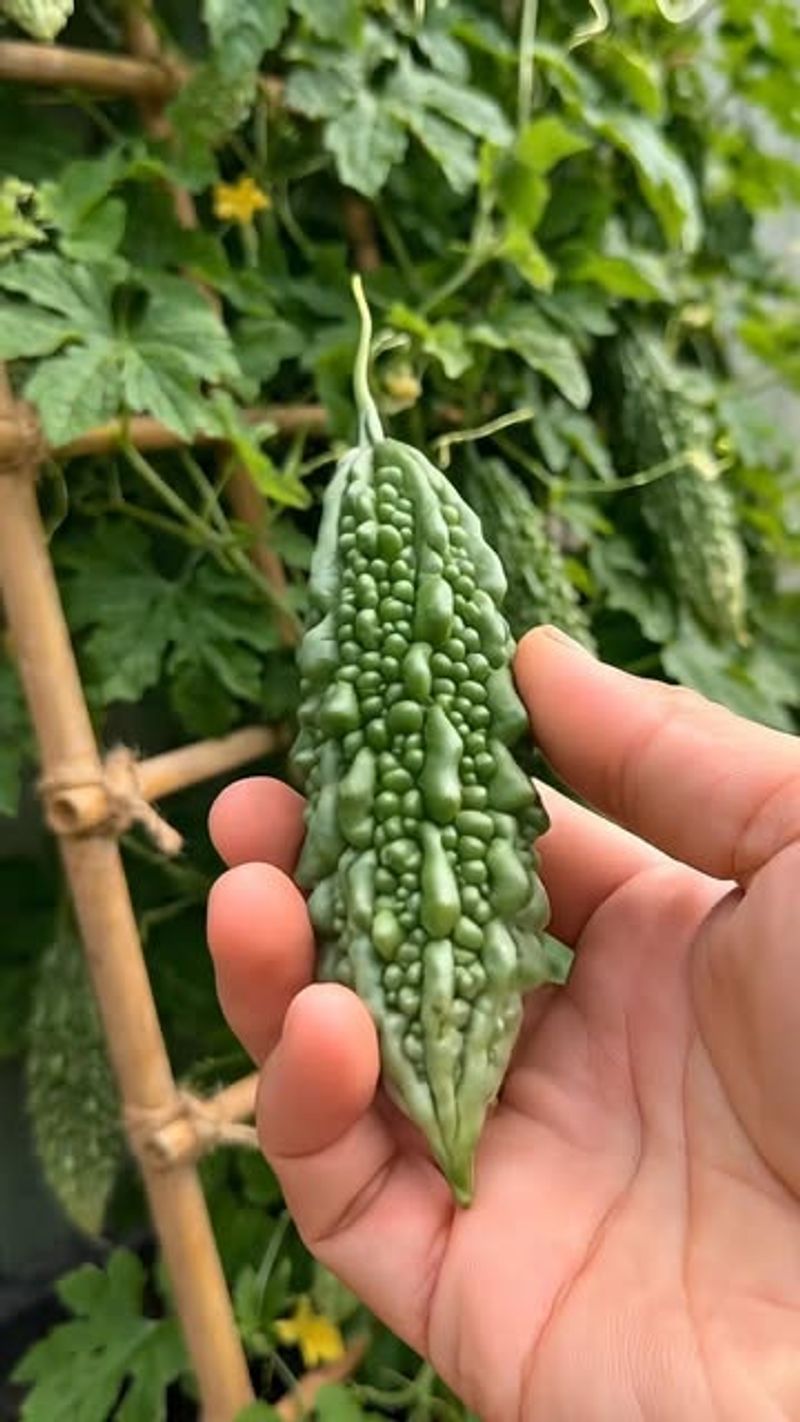
Bitter melon has a flavor that grabs you by the taste buds and refuses to let go.
Bitter melon is wildly popular in South Asian, East Asian, and Caribbean cooking and it thrives in a New Jersey summer. Those wrinkled, warty fruits are unmistakable on a trellis and surprisingly easy to grow once temperatures climb above 70 degrees.
Start seeds indoors four to six weeks before the last frost and soak them overnight to soften the hard outer coat. Transplant into a sunny spot with rich, well-drained soil once nighttime temperatures stay reliably above 60 degrees.
A tall, sturdy trellis or chain-link fence gives the vines the support they need. Bitter melon climbs using delicate tendrils, so fine mesh or wire works better than thick wooden slats.
The plant produces separate male and female flowers, and you may need to hand-pollinate early before pollinators find the blooms. Transfer pollen from a male flower to a female using a small paintbrush on a dry, sunny morning.
Harvest fruits while they are still firm and green for the mildest flavor because they get more intensely bitter as they ripen. When the fruit turns orange and splits open, it is overripe for cooking but the seeds inside turn a brilliant red that is genuinely beautiful.
Growing bitter melon vertically in New Jersey gardens opens the door to a whole new world of cooking possibilities. It is an acquired taste worth acquiring.
8. Yard-Long Beans
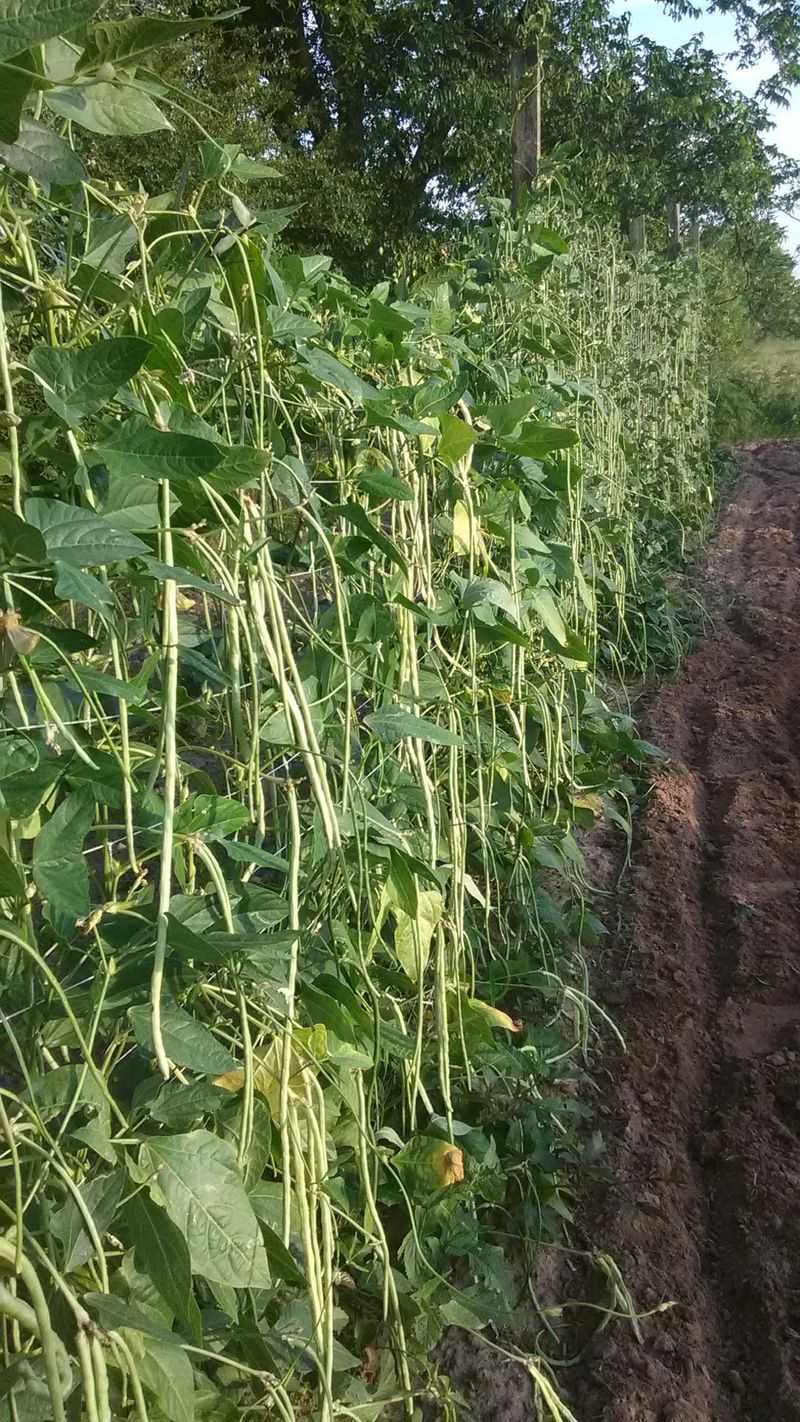
Yard-long beans live up to their name in the most spectacular way possible.
These extraordinary pods can reach two to three feet in length. They dangle from a trellis like green ribbons catching the summer breeze.
Few vegetables in a New Jersey garden draw as many double-takes from curious neighbors.
Yard-long beans belong to the same family as black-eyed peas and share that slightly earthy, nutty flavor, a staple in Asian and Southern cooking. Plant seeds directly after the last frost when soil is warm, around mid-May in most parts of the state.
They germinate quickly and begin climbing almost immediately. Have your trellis ready before the first seedling breaks ground.
A six-foot bamboo teepee or a tall wire fence gives these enthusiastic vines the vertical real estate they absolutely crave.
Full sun and consistent moisture are non-negotiable for long, tender pods. Go easy on nitrogen, too much leafy growth comes at the expense of production.
Harvest pods young, around 12 to 18 inches long, for the most tender texture and best flavor in the kitchen. Waiting until they reach their full dramatic length makes them fibrous and less pleasant to eat, so resist the urge to wait.
Stir-fry with garlic and oyster sauce, toss into a curry, or blanch and dress with sesame oil. Simple, fast, and genuinely delicious, the longest beans in your garden deserve the tallest trellis.