This Is What Texas Plumeria Needs Before The Heat Gets Brutal
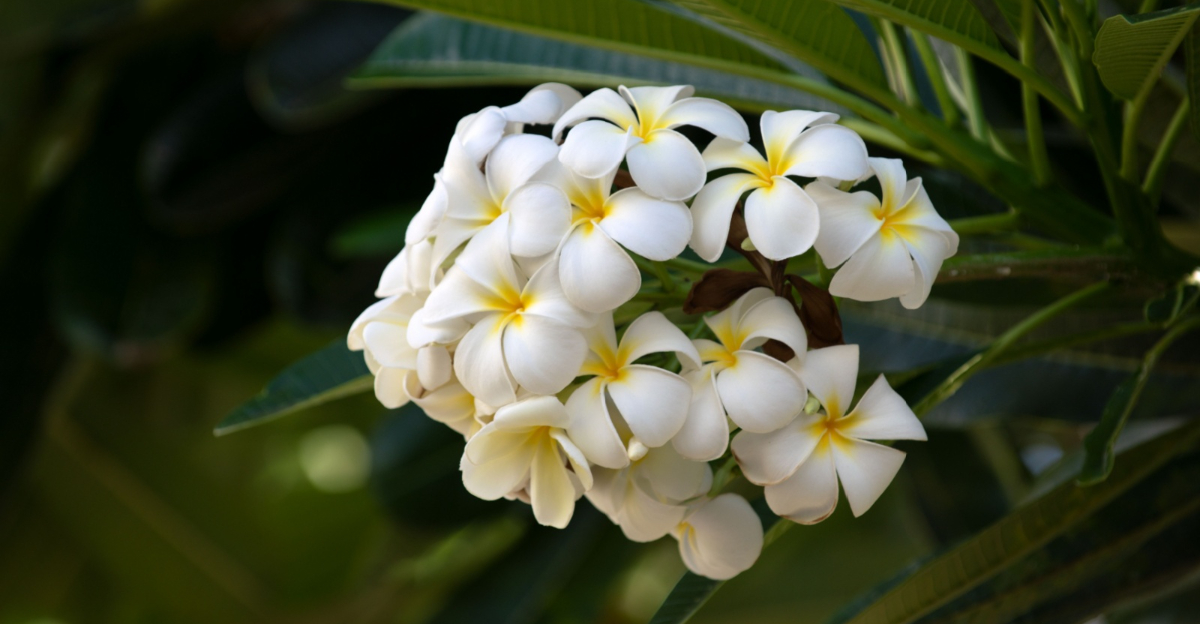
Plumeria and Texas summers have a complicated relationship. On one hand, this plant absolutely loves heat and strong sun.
On the other hand, too much of the wrong kind of attention during the hottest months can send it in the completely wrong direction.
As late spring starts nudging temperatures upward, plumeria kicks into active growth mode and suddenly has a lot of opinions about how it wants to be treated.
More water! Less water! More fertilizer! Actually, not that much fertilizer!
Sound familiar? Here’s the good news: plumeria is incredibly rewarding once you understand what it actually needs.
Strong light, excellent drainage, balanced watering, and a light hand with feeding are what set this plant up for fuller growth and more blooms. Get those basics dialed in now and your plumeria will be absolutely loving life all summer long.
1. Full Sun Helps Plumeria Bloom Better
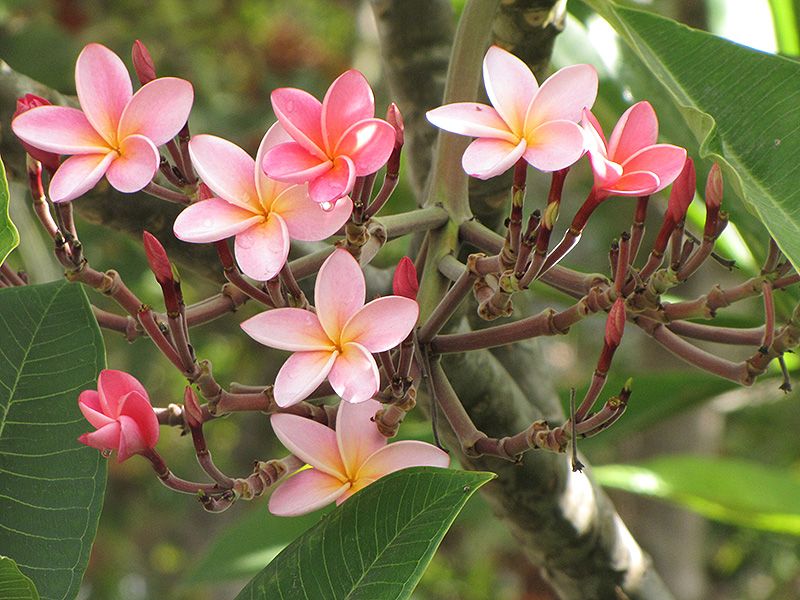
Sunny patios across Texas are some of the best spots for plumeria to really shine. This is a plant that genuinely thrives when it gets long hours of direct sunlight each day.
Without enough sun, plumeria tends to put more energy into stretching toward the light than into producing the showy blooms most gardeners are hoping for.
In Texas, late spring brings longer days and stronger sun angles, which is exactly what plumeria wants heading into the warm season. Most plumeria plants do well with at least six to eight hours of direct sun daily.
South-facing or west-facing spots on a porch, patio, or in an open garden bed tend to work especially well in Texas landscapes.
When sunlight is limited, plumeria stems may grow longer and leggier without producing many flower clusters. Moving a container plant to a sunnier location before the heat peaks can help the plant build the energy it needs to support blooming.
Glossy, deep green leaves that face upward are usually a good sign the plant is getting enough light. Pale or drooping leaves can sometimes suggest the plant needs a better-lit spot.
Giving plumeria the strongest sun available in a yard is one of the simplest ways to encourage more blooms through the warm season ahead.
2. Fast-Draining Soil Protects The Roots
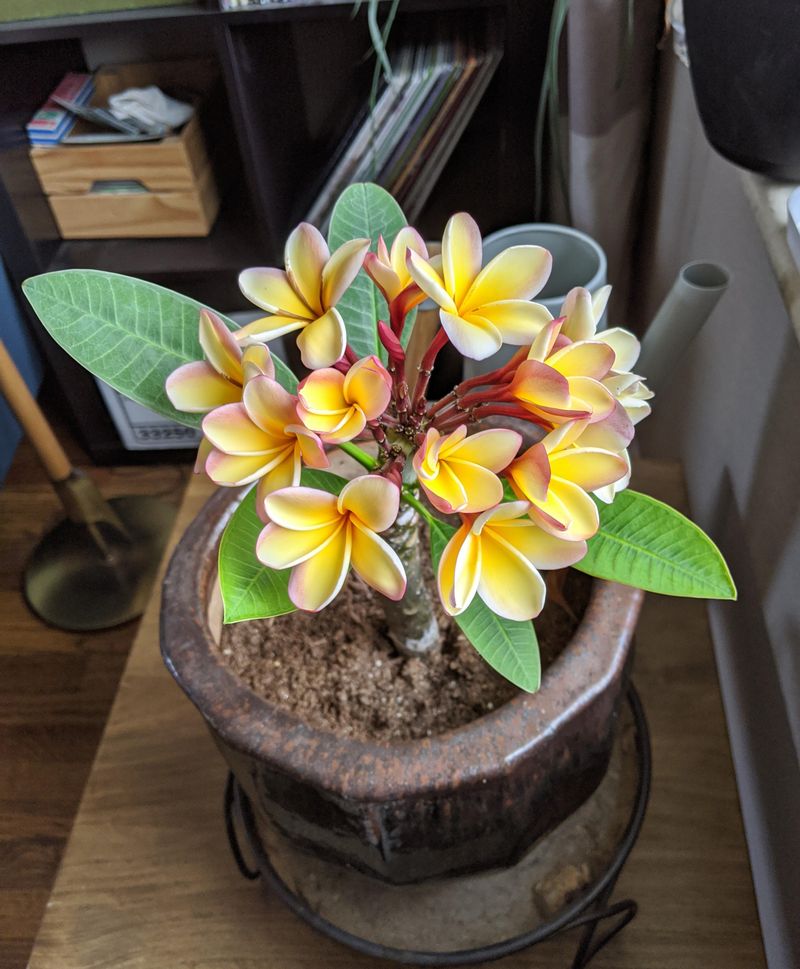
Thick plumeria stems store water efficiently, which means these plants are much more comfortable in fast-draining soil than in heavy, moisture-retaining mixes.
Roots that sit in slow-draining soil for too long can run into serious trouble, especially when heat starts intensifying in late spring and early summer.
A gritty, well-aerated soil mix works well for plumeria in both containers and garden beds. Many gardeners mix coarse sand or perlite into their potting medium to improve drainage.
Some prefer cactus and succulent mixes because they drain quickly and do not hold excess moisture around the roots for extended periods.
In garden beds, heavy clay soils common in parts of Texas can be a challenge for plumeria. Amending the planting area with coarse sand, perlite, or decomposed granite can help water move through more freely.
Raised beds with loose, well-draining soil are another option worth considering for home gardens with heavy native soil.
Your Texas Garden Changes Every Week. Your Plan Should Too.
Gardening in Texas changes quickly throughout the season. Every Friday you’ll receive a simple weekly plan showing exactly what to plant, prune, fertilize, harvest, and protect so you never miss the right timing.
Checking that drainage holes in containers are clear and unobstructed is a smart step before the hottest months arrive. When water drains freely and roots have access to air between waterings, plumeria tends to develop a stronger, healthier root system.
That foundation can support better growth and more reliable blooming as Texas temperatures continue climbing through the season.
3. Deep Watering Works Better Than Constant Moisture
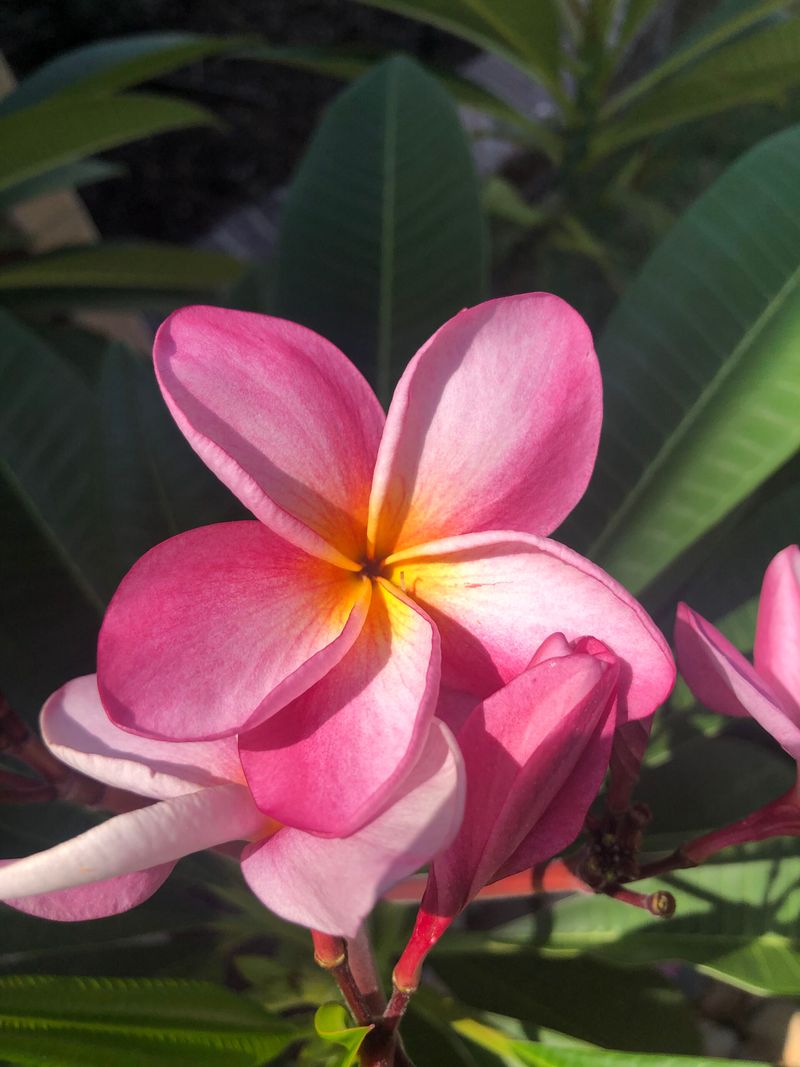
Watering plumeria well in Texas is less about how often you water and more about how you water.
Giving the plant a slow, thorough soak that reaches deep into the root zone encourages roots to grow downward in search of moisture rather than staying shallow near the surface.
That deeper root development can help the plant handle heat more comfortably.
After a deep watering, letting the soil dry out somewhat before watering again is a key part of good plumeria care. The thick stems store moisture, so the plant can handle a dry period between waterings without much stress.
Checking the top couple of inches of soil before reaching for the hose is a practical habit that many experienced Texas plumeria growers rely on.
During late spring, as temperatures climb and the plant pushes into active growth, water needs do increase compared to cooler months. However, more frequent shallow watering is generally less helpful than less frequent deep watering.
Light sprinkles that only wet the surface may not reach the root zone effectively, and the soil can dry out again very quickly in heat.
Watering in the morning is often a good idea in Texas because it gives the foliage and soil surface time to dry before evening, which can reduce the chance of moisture-related issues on leaves and stems.
Consistent deep watering with drying time between sessions tends to support steady, healthy plumeria growth through the warm season.
4. Soggy Soil Can Cause Problems Fast
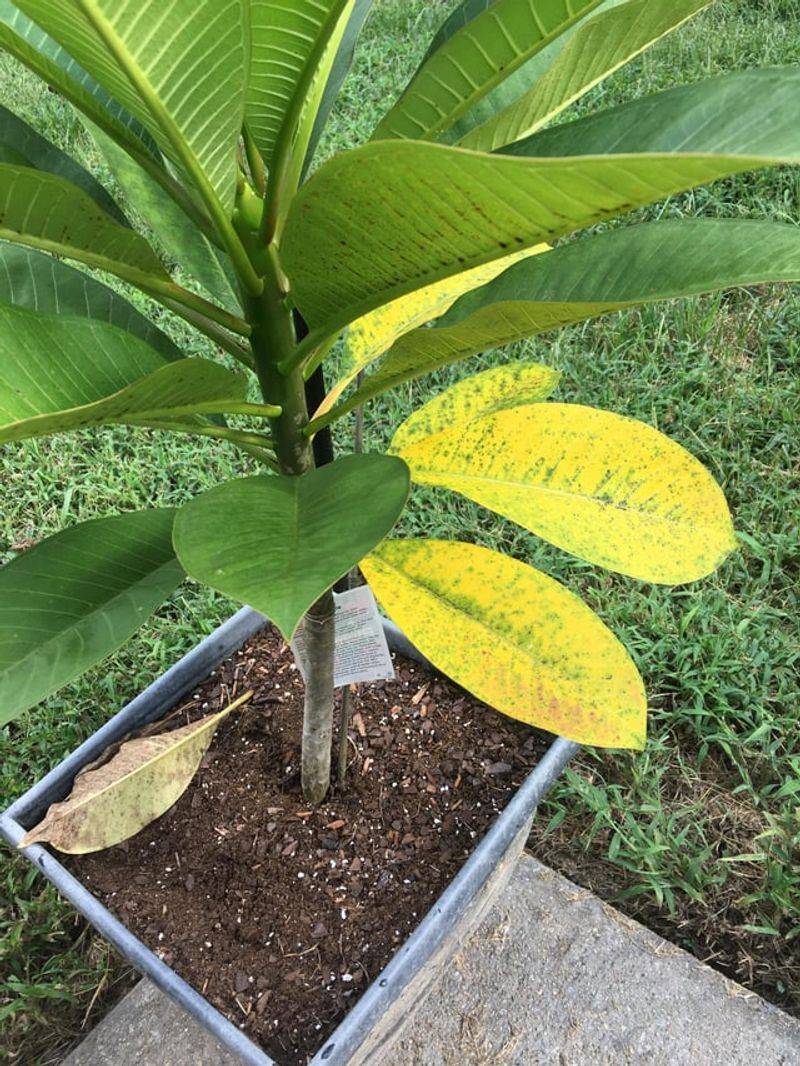
One of the most common challenges people run into with plumeria in Texas is keeping the soil too wet for too long. Plumeria roots need both moisture and air, and when soil stays soggy, air pockets in the root zone get pushed out.
That combination of excess water and limited airflow can lead to root issues that show up quickly once temperatures start rising.
Yellowing leaves, soft stems near the base, and a plant that looks generally unwell despite regular watering are sometimes signs that roots are struggling in overly wet conditions.
By the time these symptoms appear, the problem has often been developing for a while.
Catching drainage issues early, before peak heat arrives, gives the plant a better chance to recover and continue growing.
Containers without adequate drainage holes are a common setup issue that leads to soggy soil. Even with drainage holes, placing a saucer under the pot and letting water pool in it can keep the bottom of the soil mix too wet.
Emptying saucers after watering or using pot feet to lift containers slightly can help water drain away more freely.
In garden beds, low-lying areas where water collects after rain can create the same kind of soggy conditions.
Choosing a slightly elevated or sloped planting spot in a Texas yard can help prevent standing water from settling around plumeria roots during heavy spring rains, which are common across much of the state.
5. Warm Weather Pushes Active Growth
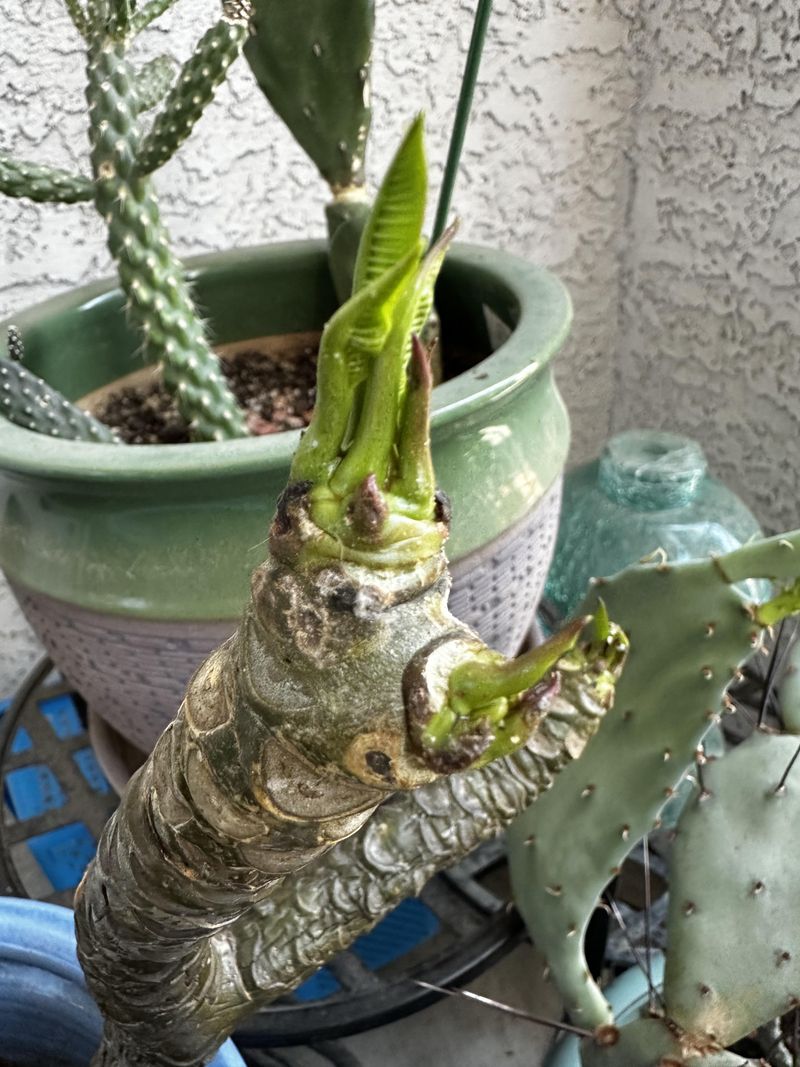
Something noticeable happens to plumeria as Texas temperatures start climbing in late spring. New leaves begin pushing out from branch tips, stems thicken slightly, and the whole plant seems to wake up with purpose.
This surge of active growth is a natural response to warming soil, longer days, and stronger sunlight, all of which signal to the plant that favorable conditions have arrived.
During this active growth phase, plumeria is putting real energy into building new tissue. Leaves unfurl and expand, root systems extend, and flower buds begin forming at branch tips on mature plants.
Understanding that this growth surge is happening helps gardeners time their care decisions more thoughtfully, from watering adjustments to light feeding choices.
Active growth also means the plant is more sensitive to sudden changes. Moving a plumeria that has been in a shaded spot directly into intense afternoon sun without a gradual transition can cause leaf stress.
Giving the plant a few days to adjust to increased sun exposure is a reasonable approach, especially for container plants that have been kept in partially shaded locations during cooler months.
Watching for new growth emerging from branch tips is also a helpful way to confirm that a plumeria is healthy and responding well to warming conditions.
Steady, symmetrical new growth with good leaf color is a reassuring sign heading into the hottest part of the Texas warm season, when the plant will rely on its established root system and stored energy to keep performing.
6. Light Feeding Supports Warm-Season Growth
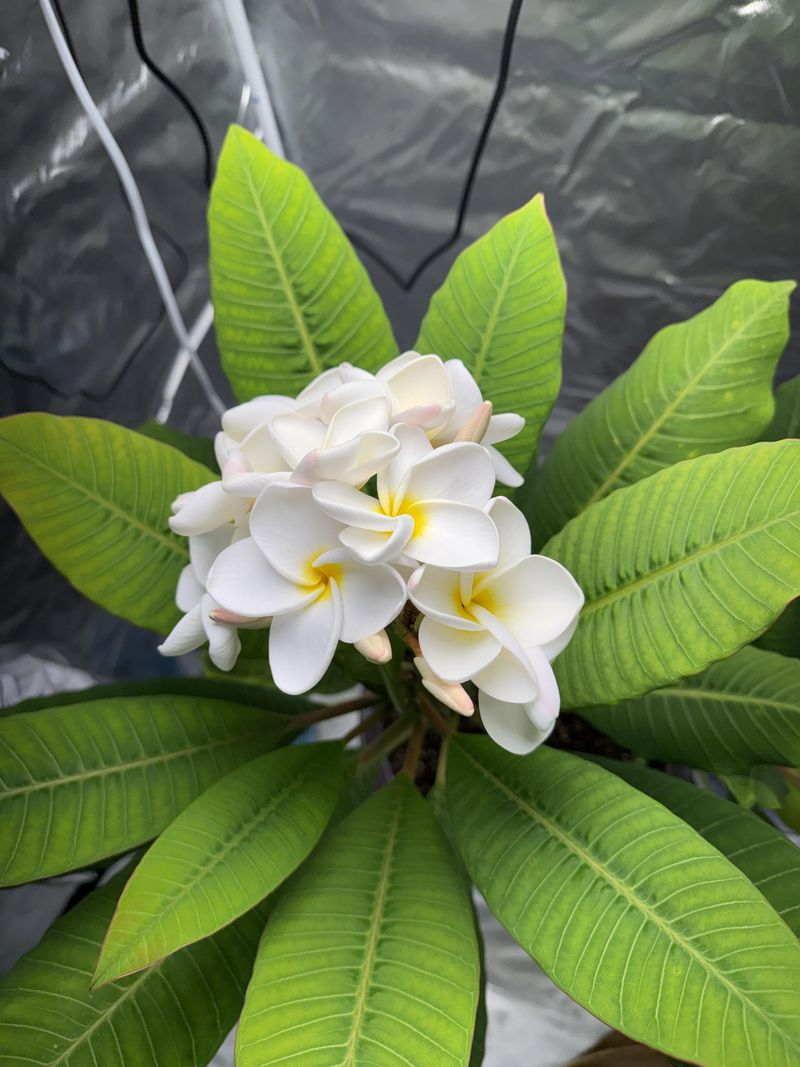
Fertilizing plumeria in Texas during the warm season is worth doing thoughtfully rather than generously.
Plumeria responds well to feeding during its active growth period, but overfeeding, especially with high-nitrogen fertilizers, can push the plant toward producing more leaves than flowers.
A balanced approach tends to give better results for home gardeners who want both healthy foliage and blooms.
Many experienced plumeria growers in warm climates favor fertilizers with a lower nitrogen ratio and a higher phosphorus content during the blooming season.
Phosphorus supports root development and flower production, which is particularly useful as plumeria moves through its active warm-season growth phase in Texas.
Reading fertilizer labels carefully and choosing a product suited for flowering tropicals can make a meaningful difference.
Feeding every few weeks during the active growing season, rather than every week, is a reasonable schedule for most home gardeners.
Giving the plant time to use nutrients between applications prevents buildup in the soil and reduces the chance of root sensitivity from excess fertilizer salts.
Watering the plant well before applying fertilizer can also help distribute nutrients more evenly through the root zone.
Starting with a lighter feeding rate than the package suggests is a practical approach, especially for container-grown plumeria. Pots concentrate nutrients more than open garden beds do, so a little fertilizer can go a long way in a container garden.
Watching how the plant responds over a few weeks helps gardeners fine-tune their feeding routine as the season progresses.
7. Heavy Pruning Can Delay Blooms
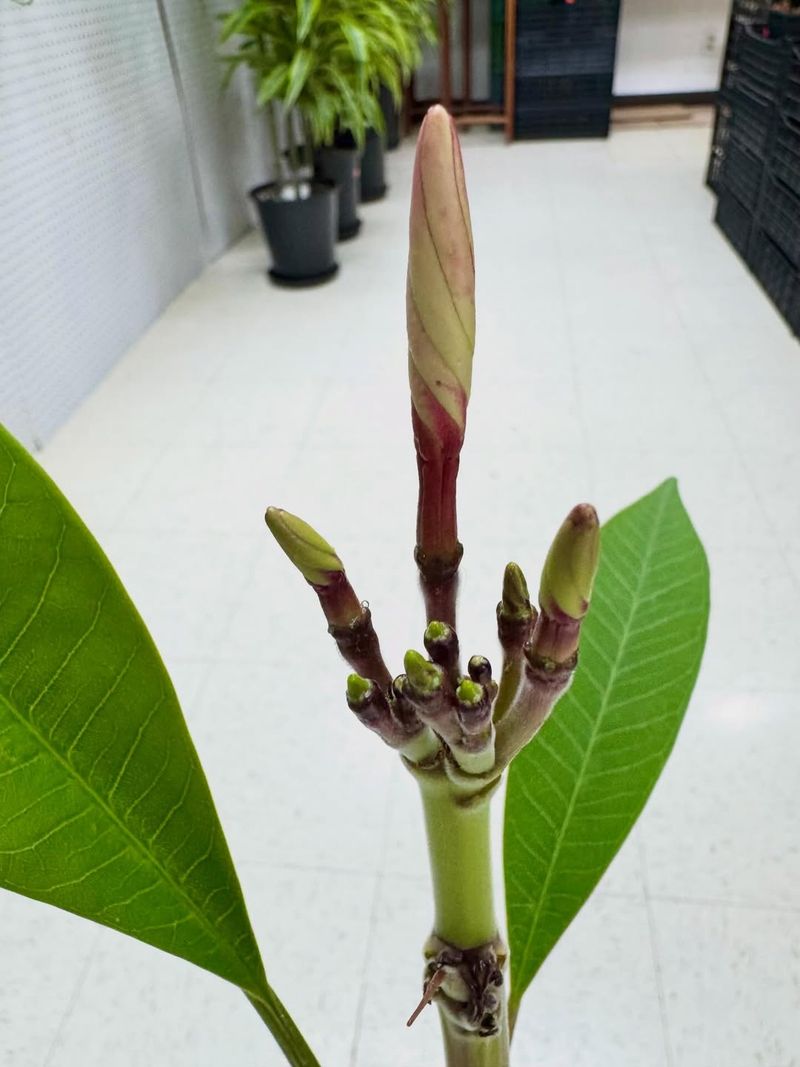
Pruning choices made in late spring can have a noticeable effect on when and how much a plumeria blooms.
Because plumeria produces its flowers at the tips of branches, removing those tips through heavy pruning takes away the very spots where blooms would form.
A plant that gets pruned heavily right before or during its active growing season may spend weeks or months regrowing branch tips before flowering can begin again.
Light, selective pruning to remove damaged or crossing branches is generally fine and unlikely to set back blooming significantly. The concern is more with removing large portions of the plant or cutting back multiple healthy branch tips at once.
That kind of heavy pruning is better timed for when the plant is not actively pushing toward bloom, such as during the dormant period in late fall or winter.
In Texas, where the warm season is long and plumeria can push growth and blooms through much of spring, summer, and early fall, protecting branch tips during the active season makes sense.
Gardeners who notice their plumeria has not bloomed despite healthy growth may want to consider whether recent pruning removed potential bloom sites.
Letting a well-established plumeria develop a branching structure over time, with minimal tip removal during the growing season, tends to reward patience.
More branch tips generally means more potential bloom clusters, which can lead to a more impressive floral display across a patio or garden bed through the warm months ahead.
8. Container Plumeria Needs Extra Attention In Texas
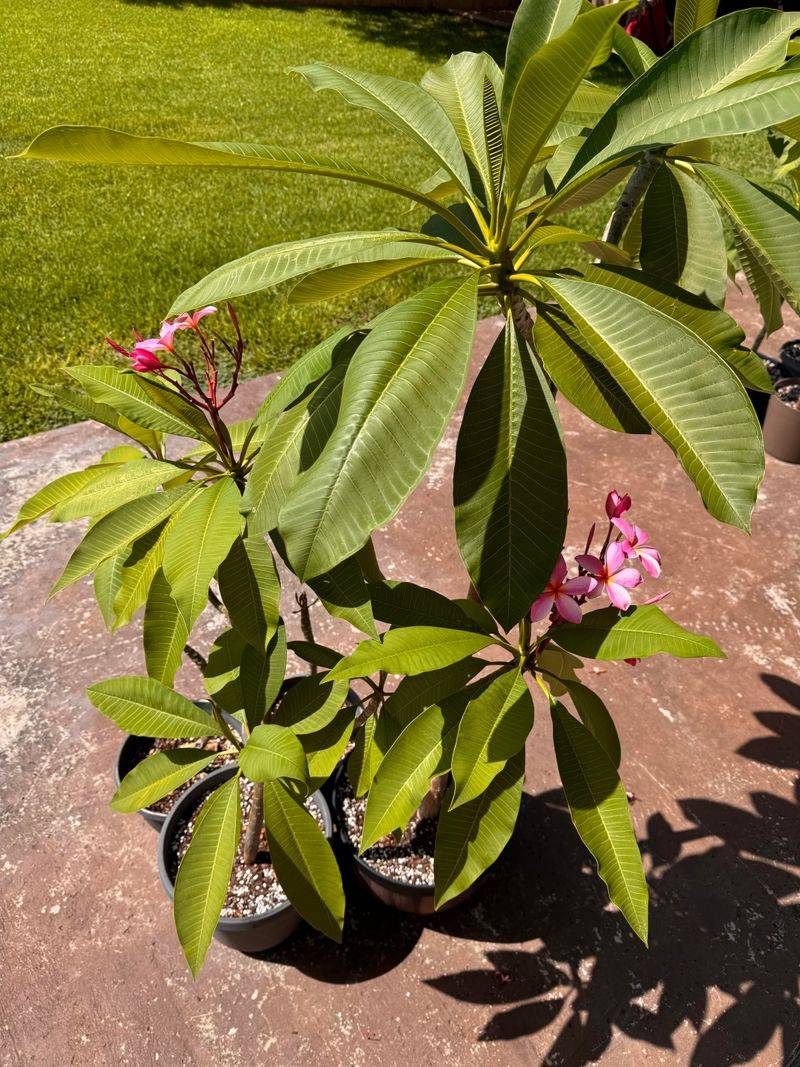
Growing plumeria in a container on a porch or patio comes with some real advantages, including the ability to move the plant for better sun exposure or to bring it inside during rare cold snaps.
But containers also create a set of care considerations that do not apply the same way to plants growing in open garden beds, and those differences become more pronounced as heat builds through the season.
Pots heat up faster than garden soil does. In Texas, a dark-colored container sitting in direct afternoon sun can get quite warm, and that heat transfers to the root zone.
Choosing lighter-colored containers or placing pots where they receive some afternoon shade while still getting strong morning sun can help moderate root zone temperatures during the most intense part of the day.
Container soil also dries out faster than in-ground soil, which means container plumeria in Texas may need more frequent watering checks during the warm season.
Checking the soil every couple of days rather than on a fixed schedule helps gardeners respond to actual conditions rather than assumptions about how dry the soil might be.
Nutrients also flush out of containers more quickly with regular watering, so container-grown plumeria may benefit from more consistent light feeding than plants in garden beds.
Repotting into fresh, well-draining mix every couple of years helps prevent compacted soil and ensures roots have room to expand as the plant matures and grows through warm seasons.