Ohio Gardeners Are Getting More Cucumbers Per Plant By Avoiding These Common Mistakes
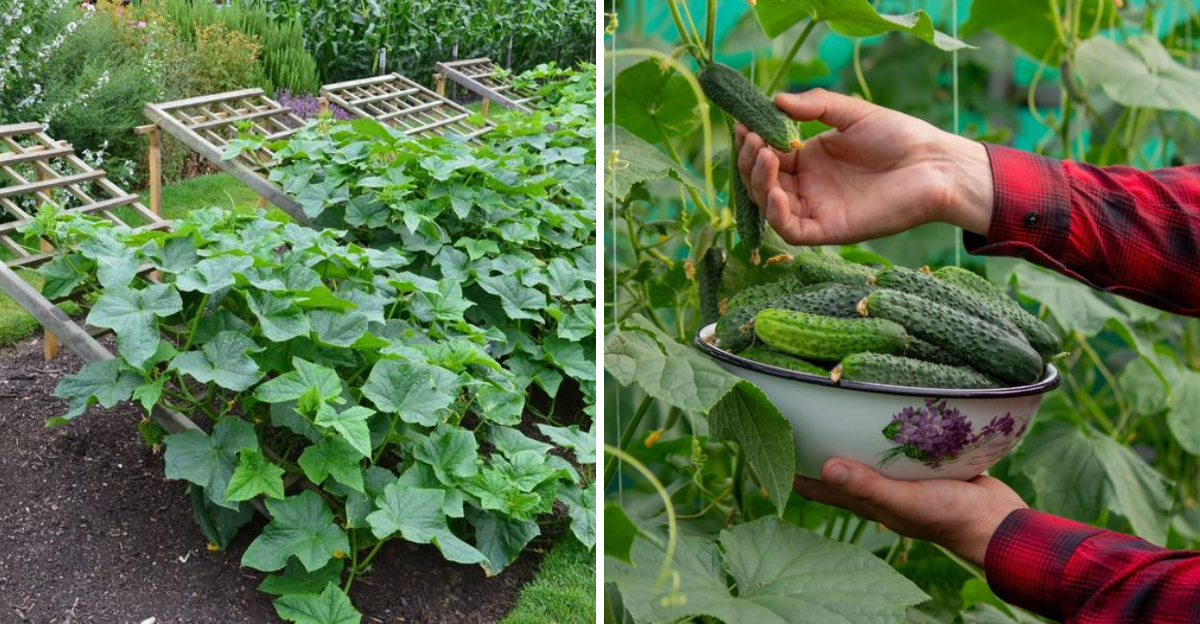
Cucumbers are one of those vegetables that should be straightforward. Warm soil, consistent water, a trellis to climb, and the plant does the rest.
Most Ohio gardeners have grown them without much trouble at some point. But there’s a version of cucumber growing that goes beyond a decent harvest.
Plants that produce heavily, keep producing, and hold up well into late summer without the usual problems. That version isn’t out of reach.
It just requires avoiding a handful of mistakes that quietly limit what cucumber plants are capable of delivering. The frustrating part is that most of these mistakes feel reasonable in the moment.
Logical even. Which is exactly why they keep happening season after season in Ohio gardens that could be producing a lot more.
1. Planting Cucumbers Before The Soil Is Warm Enough
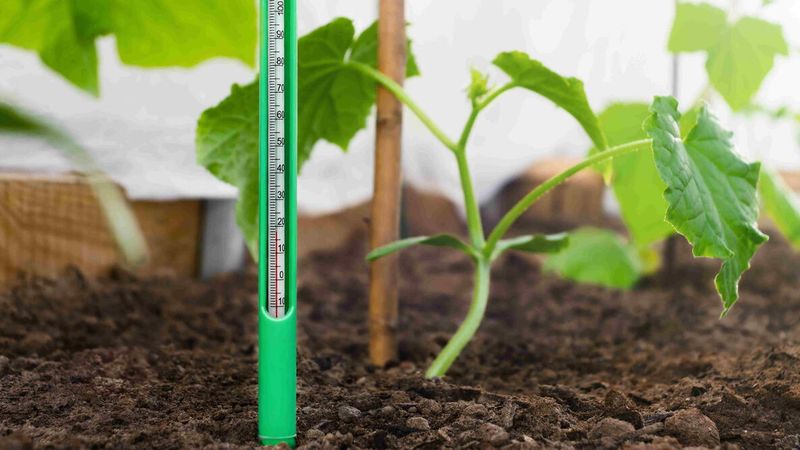
A warm afternoon in May can feel like perfect planting weather, but the soil underneath tells a different story. Cucumbers are warm-season crops that need warm soil to establish healthy roots and grow steadily.
Planting too early into cold ground can slow germination, stunt young transplants, and leave seedlings sitting in stress before they ever get started.
Soil in northern parts of the state, low-lying spots, and heavy clay areas tends to hold cold longer than raised beds or sandy ground. Warm air temperatures do not always mean the soil has caught up.
A simple soil thermometer, available at most garden centers, takes the guesswork out of timing.
University extension guidance generally points to waiting until frost risk has passed and soil has warmed to at least 60 degrees Fahrenheit. Soil between 65 and 70 degrees is more reliable for quick, steady growth.
In many parts of the state, that window falls somewhere in late May to early June depending on your location. Rushing the season by even a week or two can set plants back rather than getting them ahead.
Waiting for genuinely warm soil gives roots a strong start, which matters more for cucumber production than nearly anything else you can do at planting time.
2. Crowding Vines Until Airflow Disappears
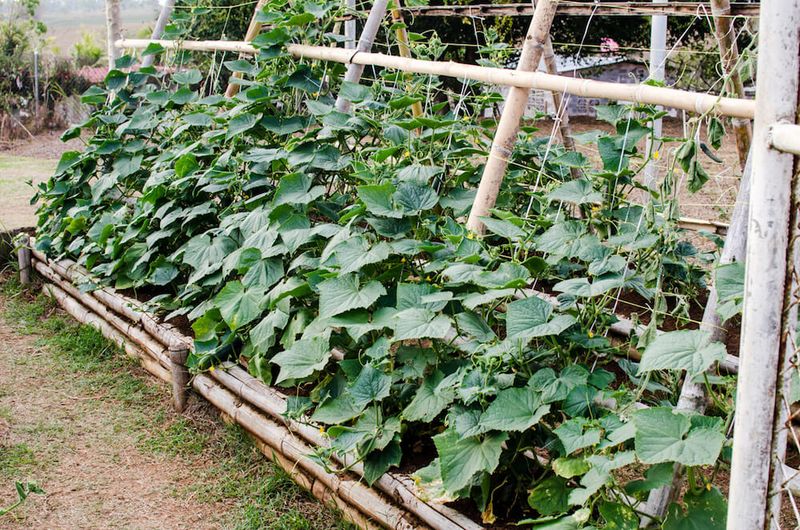
Squeezing more plants into a small space feels efficient, but cucumber vines do not share well. Crowded plants end up competing for light, moisture, and nutrients, and none of them wins that competition cleanly.
The result is usually weaker growth across the board rather than more fruit from the same area.
Poor airflow between plants also creates conditions where fungal problems can take hold faster. That is especially true during the humid stretches that show up regularly in Ohio summers.
Powdery mildew and other foliage issues tend to spread more quickly when leaves stay damp and air movement is blocked by a wall of tangled vines.
Vining cucumber types typically need more room than bush varieties. Check the seed packet or plant tag for recommended spacing before anything goes in the ground.
Most vining types benefit from 12 inches or more between plants when grown on a trellis, and wider spacing in open rows. Bush types can handle slightly closer planting but still need room to breathe.
Your Ohio Garden Changes Every Week. Your Plan Should Too.
Gardening in Ohio changes quickly throughout the season. Every Friday you’ll receive a simple weekly plan showing exactly what to plant, prune, fertilize, harvest, and protect so you never miss the right timing.
Proper spacing also makes it easier to get in and water at the base, spot pest damage early, and reach fruit without wrestling through a tangle of stems. A little more space between plants usually means a lot more access and a healthier garden overall.
3. Letting Plants Dry Out During Flowering And Fruiting
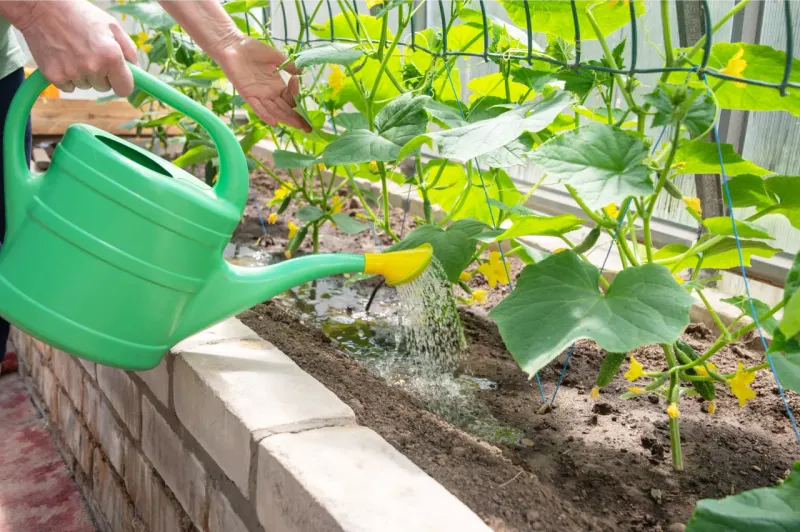
Steady moisture matters most to cucumber plants during two specific windows: when flowers are opening and when young fruit is actively sizing up.
Letting the soil dry out during either of those stages puts real stress on the plant and often shows up in the fruit.
Bitter cucumbers, uneven shapes, and fruit that stops growing before reaching full size are all signs that moisture was inconsistent at a critical moment.
Cucumbers are not a crop that needs daily watering in every garden. But they do need deep, consistent moisture at the root zone rather than light surface sprinkles that do not reach where roots are actually growing.
Checking soil moisture a few inches below the surface gives a much more accurate picture than looking at the top of the bed. The surface can dry out quickly even when deeper soil still holds moisture.
During hot, dry stretches in July and August, water needs go up. Raised beds and sandy soils drain faster and may need more frequent attention than heavy clay ground that holds moisture longer.
Mulching around the base of plants helps slow evaporation and keeps soil temperature more stable. Straw, shredded leaves, or untreated wood chips all work well.
Consistent moisture is not complicated, but skipping it during flowering and fruiting is one of the fastest ways to reduce what each plant can deliver.
4. Watering Over The Leaves In Humid Weather
Overhead watering is convenient, but it comes with a tradeoff that matters most during warm, humid weather.
When water lands on cucumber leaves and stays there through the evening or overnight, it creates exactly the kind of wet surface that fungal diseases prefer.
Downy mildew and angular leaf spot are two problems that can move quickly through a planting when foliage stays damp on a regular basis.
Switching to base watering is one of the simplest adjustments a gardener can make. A soaker hose, drip line, or watering wand that directs water to the soil rather than the canopy keeps leaves drier and delivers moisture right where roots can use it.
For raised beds, a soaker hose looped around the base of plants works well and takes very little time to set up.
In-ground gardens can use the same approach with a wand held low or a drip system laid along the row. If overhead watering is the only option, water in the morning rather than the evening.
That gives leaves more time to dry before nightfall, which reduces but does not eliminate the risk. The goal is not perfect dry leaves every single day.
It is about reducing unnecessary wetness on foliage during humid summer weather. Those stretches arrive regularly across the state and tend to push disease pressure higher than most gardeners expect.
5. Skipping Trellises For Vining Cucumber Types
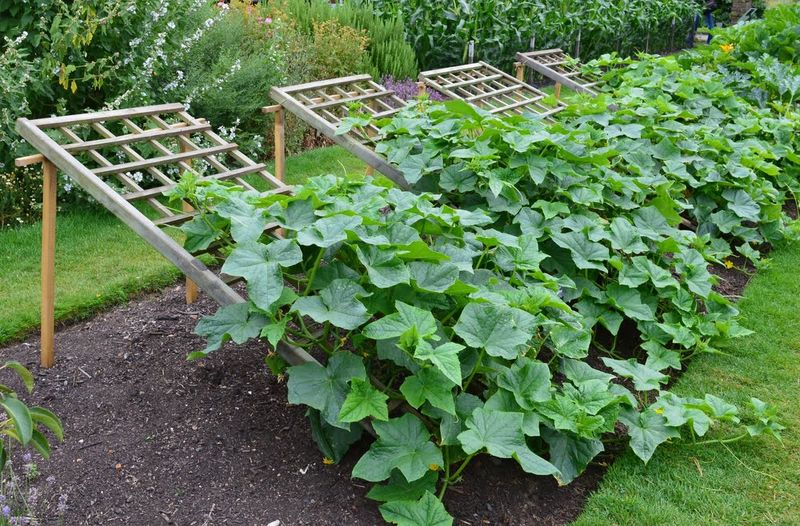
Vining cucumber types left to sprawl across the ground can still produce fruit, but the experience of growing them gets harder fast. Fruit hides under leaves and gets missed.
Vines tangle together and make it difficult to water at the base or spot problems early. Cucumbers that rest on damp soil can develop soft spots or rot before they are ready to pick.
A trellis, fence panel, sturdy cage, or even a section of wire fencing changes that dynamic significantly. When vines climb upward, fruit hangs in plain view and is much easier to spot at the right size.
Airflow through the canopy improves, which helps during humid stretches. Harvesting becomes faster and less frustrating when you are not searching through ground-level tangles to find cucumbers that are already too large.
Bush cucumber varieties are more compact and generally do not need the same support structure.
But for standard vining types like Marketmore, Straight Eight, or similar varieties, some kind of vertical support pays off quickly in a small to medium garden.
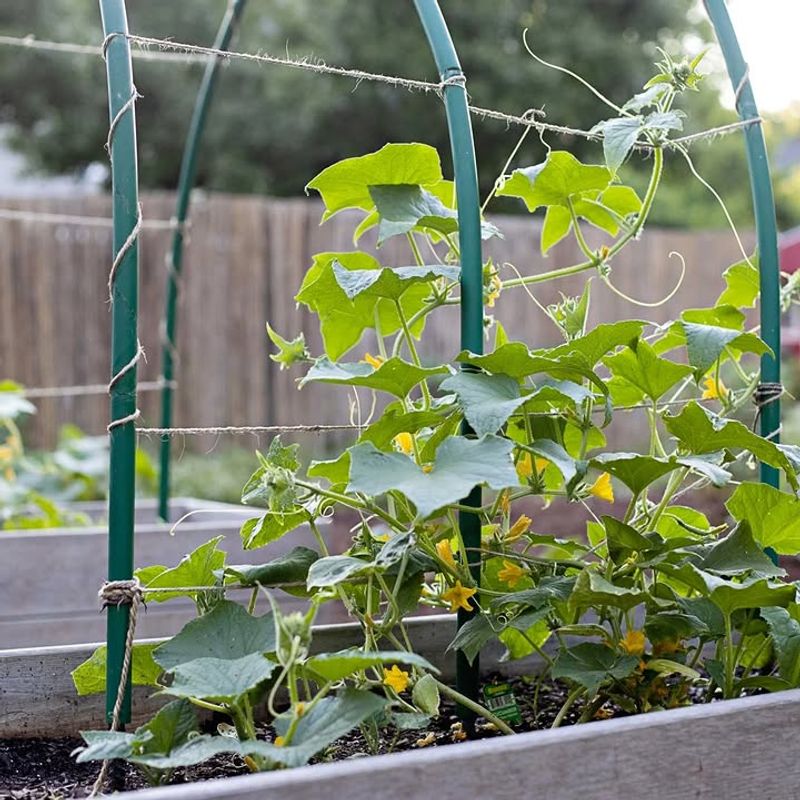
The trellis does not need to be expensive or elaborate. A few sturdy stakes with wire or twine stretched between them can handle most vining cucumbers through a full growing season.
Setting it up before planting is easier than trying to add it after vines have already started spreading across the bed.
6. Ignoring Pollinators When Flowers Start Opening
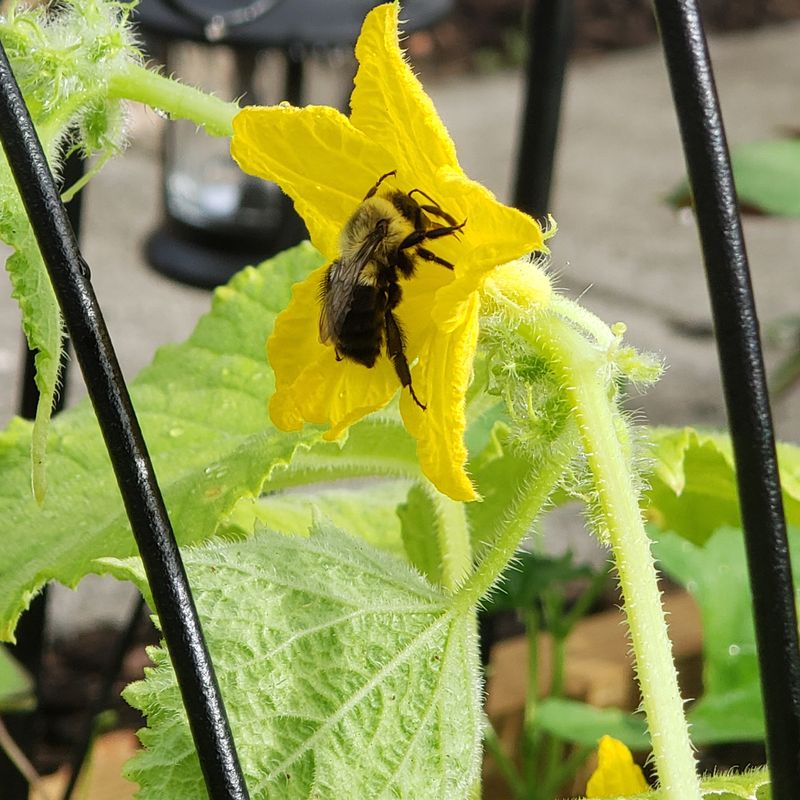
One of the most common moments of confusion in a cucumber garden happens when the vines are covered in yellow flowers but no fruit seems to be forming.
Early in the season, cucumber plants often produce a flush of male flowers before female flowers appear.
Male flowers do not become fruit. They provide pollen.
Female flowers, which have a small swelling at the base that looks like a tiny cucumber, are the ones that set fruit when pollen reaches them.
Bees and other pollinators do most of the work of moving pollen from male to female flowers. If pollinator activity is low in the garden, fewer female flowers get fertilized and fruit set drops.
Spraying insecticides while flowers are open can reduce or remove the pollinators doing that work. That is why extension guidance consistently recommends avoiding broad insecticide applications during bloom periods.
Encouraging pollinators is practical and not complicated. Planting a few flowers near the vegetable garden, like zinnias, basil left to bolt, or marigolds, can draw more bee activity to the area.
Being patient during the first few weeks of flowering also helps. It takes time for male and female flowers to overlap and for pollinators to find the plants.
Some newer cucumber varieties are parthenocarpic, meaning they set fruit without pollination. Most standard garden types still depend on that pollinator connection to produce well.
7. Leaving Oversized Cucumbers On The Vine Too Long
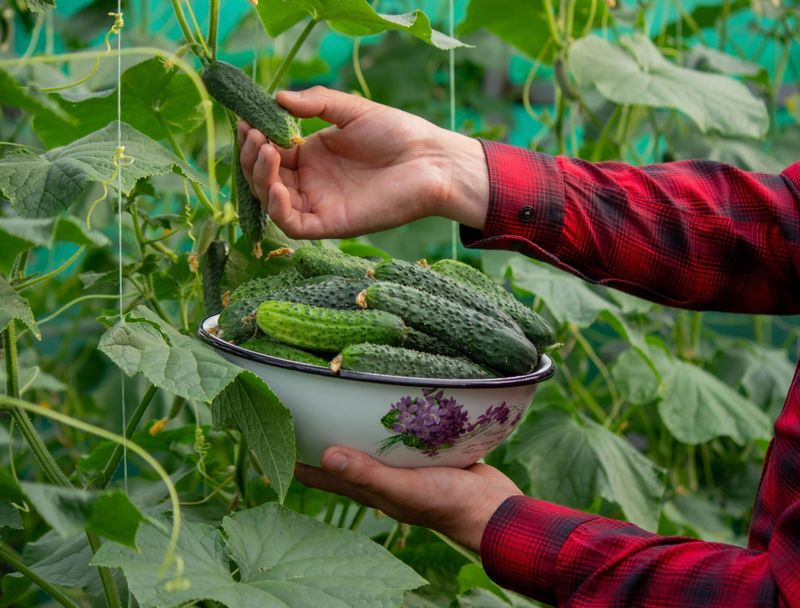
Few things slow down a cucumber plant faster than a big, mature fruit hanging on the vine sending signals that the job is done. Cucumbers that are left too long become seedy, develop a tougher skin, and often turn bitter or yellow.
More importantly, the plant shifts its energy toward that mature fruit and away from producing new flowers and setting additional cucumbers.
Frequent harvesting is one of the most reliable ways to keep a productive plant producing. Checking vines every day or every other day during peak season is not too much.
Cucumbers can go from the right size to oversized in just a day or two during a hot summer week. They also hide under leaves with impressive consistency, which means a quick look from above is not enough.
Getting hands under the foliage and checking along the vine is the only way to catch every fruit at the right moment.
Most slicing cucumbers are best picked somewhere between six and eight inches long, depending on variety. Pickling types are usually harvested smaller.
When in doubt, picking a little early produces better eating quality than waiting too long. A sharp pair of garden scissors or snips makes clean cuts without stressing the vine.
Pulling fruit off by hand can sometimes damage the stem or disturb nearby developing cucumbers. Harvest often, harvest at the right size, and the plant has every reason to keep flowering.
8. Waiting Too Late To Watch For Cucumber Beetles
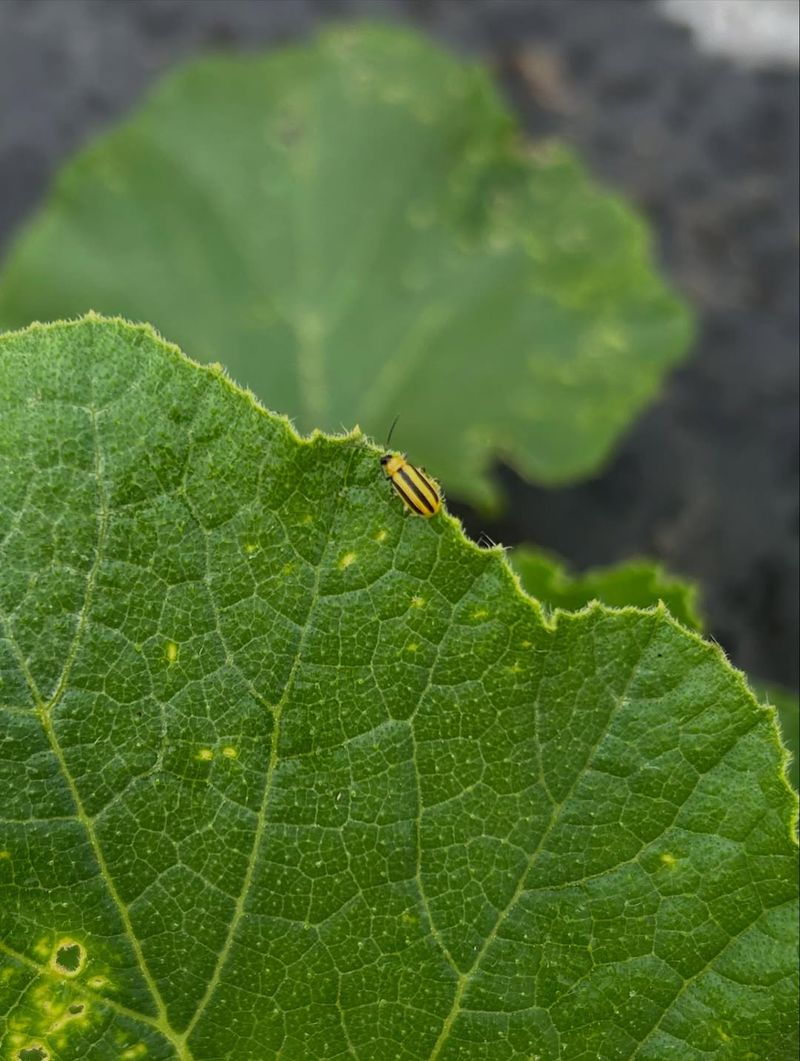
Striped cucumber beetles are small, but they cause damage that goes well beyond what you can see on the surface. These yellow and black striped insects feed on leaves, flowers, and stems.
The bigger concern is that they can spread bacterial wilt, a disease that moves through plants quickly and cannot be reversed once it takes hold. Catching beetle pressure early gives gardeners the most options for responding before damage adds up.
Scouting starts at transplanting or soon after seeds germinate. Checking the undersides of leaves, along stems, and inside flowers is where beetles tend to feed and hide.
Young plants are most vulnerable, and a heavy early infestation can set a planting back significantly before the season gets going. Row covers placed over young plants right after transplanting can provide protection during that vulnerable window.
Remove the covers once flowers begin opening so pollinators can do their work.
Extension guidance for managing cucumber beetles generally focuses on early detection and row cover timing. It also emphasizes avoiding broad insecticide use that can reduce pollinator activity during bloom.
Sticky yellow traps can help with monitoring beetle populations so you know when pressure is building. Keeping the garden area clear of debris where beetles can overwinter also reduces populations over time.
No approach eliminates beetles entirely, but staying aware from early in the season gives each plant a much better chance of getting through to a full harvest.