The California Lawn Alternatives That Cost Less To Install Than A New Sprinkler System
A new sprinkler system can make a California lawn feel like an expensive pet with plumbing.
Between installation, repairs, and the water bill waiting in the background, that green patch can start looking less charming fast. Many homeowners are now asking a better question.
What could replace the lawn for less money upfront? The answer is more interesting than plain gravel or a sad strip of bare dirt.
Some lawn alternatives can cover space, handle dry weather, and make the yard feel intentional without needing pipes running everywhere.
They can also cut down on mowing, which is a gift to anyone tired of weekend lawn noise. California yards do not have to choose between thirsty grass and a boring dust bowl.
A smart swap can look good, save effort, and keep the budget feeling a little less attacked.
1. Decomposed Granite Paths
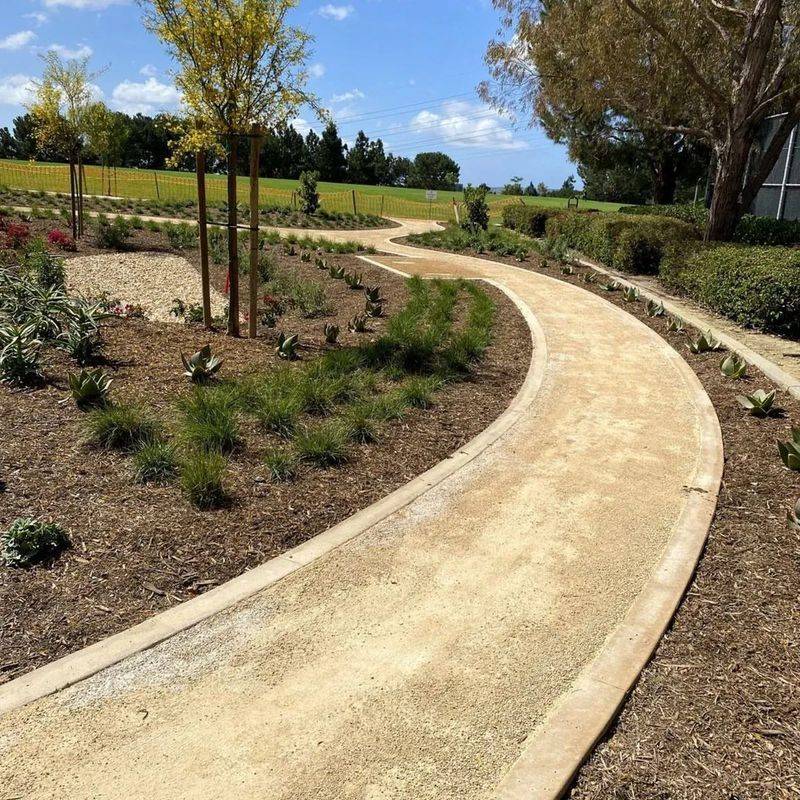
Few yard upgrades are as budget-friendly and low-maintenance as decomposed granite, often called DG.
It costs between $1 and $5 per square foot installed, which is a fraction of what a sprinkler system runs. That makes it one of the most affordable ways to redo a yard fast.
DG is made from small crushed granite particles that pack down firmly underfoot. It creates a natural, earthy look that blends well with drought-tolerant plants, succulents, and native shrubs. You can use it for paths, patios, or even as a full front yard surface.
One thing to keep in mind is that DG comes in different forms. Stabilized DG has a binding agent mixed in, which keeps it from washing away or tracking into the house. Regular DG can shift a little in heavy rain, so stabilized versions are often worth the slightly higher cost.
Installation is straightforward. Most homeowners lay down a weed barrier fabric first, then spread the granite on top. Edging stones or metal borders keep everything in place.
A 200-square-foot area can often be finished in a single weekend with just a few bags and some basic tools. It also stays cooler than concrete, which is a real bonus during hot summers in this state.
2. Gravel Garden Areas
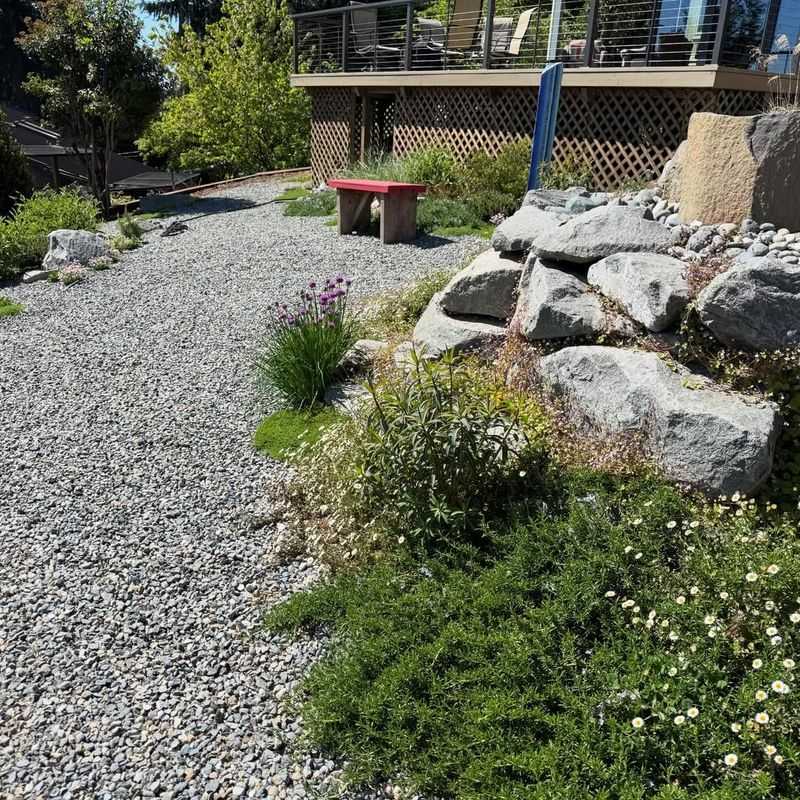
Gravel gardens have been popular in Mediterranean and desert climates for centuries, and our state is a perfect fit for this style.
Installing a gravel garden typically costs between $1.50 and $4 per square foot, depending on the type of stone you choose. Compare that to the cost of a full sprinkler system, and the savings are significant.
The variety of gravel options is surprisingly wide. Pea gravel, river rock, crushed limestone, and lava rock all bring different textures and colors to a yard.
You can mix types to create visual interest or stick with one style for a clean, modern look. Larger rocks work well as accent pieces around ornamental grasses or agave plants.
Gravel does a great job of suppressing weeds when paired with a quality landscape fabric underneath.
It also drains quickly after rain, which prevents standing water and muddy patches. In areas with slopes, gravel holds better than mulch and does not wash away as easily.
Your California Garden Changes Every Week. Your Plan Should Too.
Gardening in California changes quickly throughout the season. Every Friday you’ll receive a simple weekly plan showing exactly what to plant, prune, fertilize, harvest, and protect so you never miss the right timing.
Maintenance is minimal. An occasional rake to level things out and a rinse with a hose is usually all it takes. Gravel does not need to be replaced as often as wood mulch, making it a cost-effective long-term choice.
Many homeowners find that a gravel garden actually increases their property’s curb appeal while cutting their water bill noticeably.
3. Native Groundcover Patches
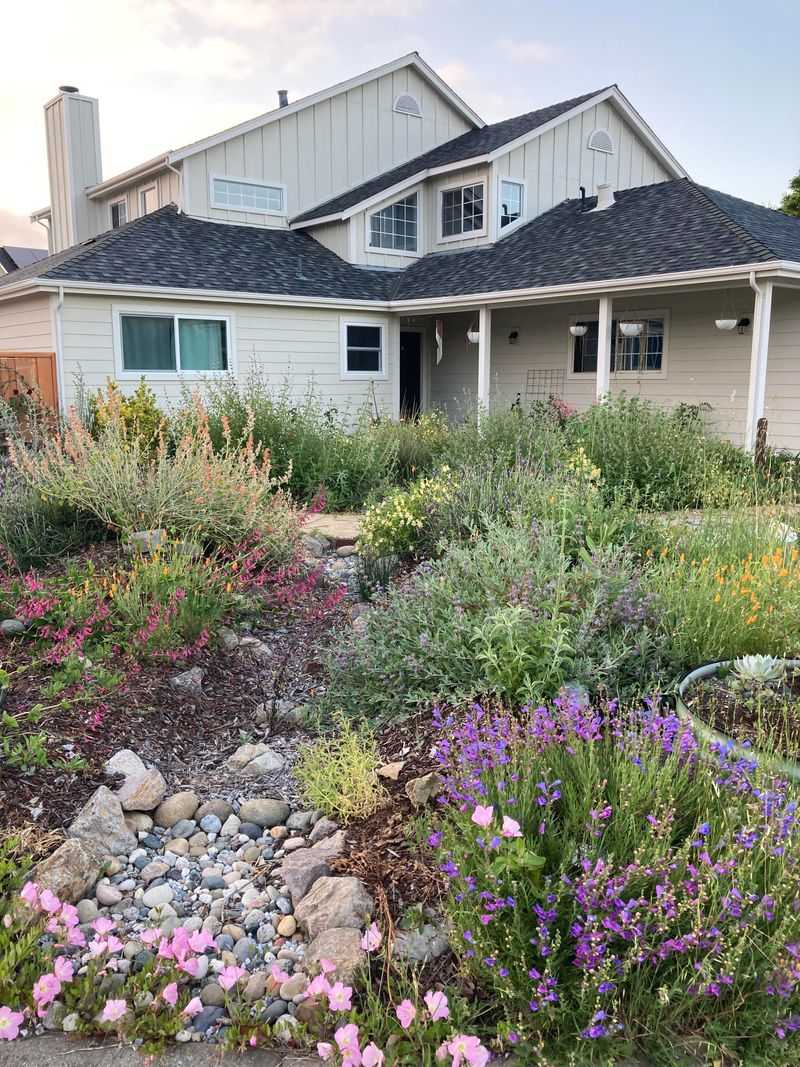
There is something almost magical about planting a groundcover that evolved right here in this region. Native groundcovers are adapted to our dry summers and mild winters, meaning they ask for very little once they are established.
Many varieties cost between $3 and $8 per plant at a local nursery, and a small patch can spread to fill a large area within two growing seasons.
Popular choices include coyote brush, beach strawberry, California fuchsia, and trailing sage.
Each one offers something unique, whether that is colorful blooms, interesting leaf texture, or fast-spreading growth that chokes out weeds naturally. They also support local pollinators like bees and butterflies, which is a bonus for any garden.
The setup process is simple. Clear the area of existing grass, loosen the soil, and plant your groundcover starts about 18 to 24 inches apart.
Water them in well for the first season, and after that, most varieties need very little supplemental irrigation.
A layer of mulch around the base of each plant helps retain moisture while they get established.
Unlike a sprinkler system, there are no pipes to install, no heads to adjust, and no controller to program.
The upfront investment is low, and the long-term savings on water are real. Native groundcovers also look beautiful in naturalistic yard designs that feel relaxed and connected to the local landscape.
4. Creeping Thyme Walkways
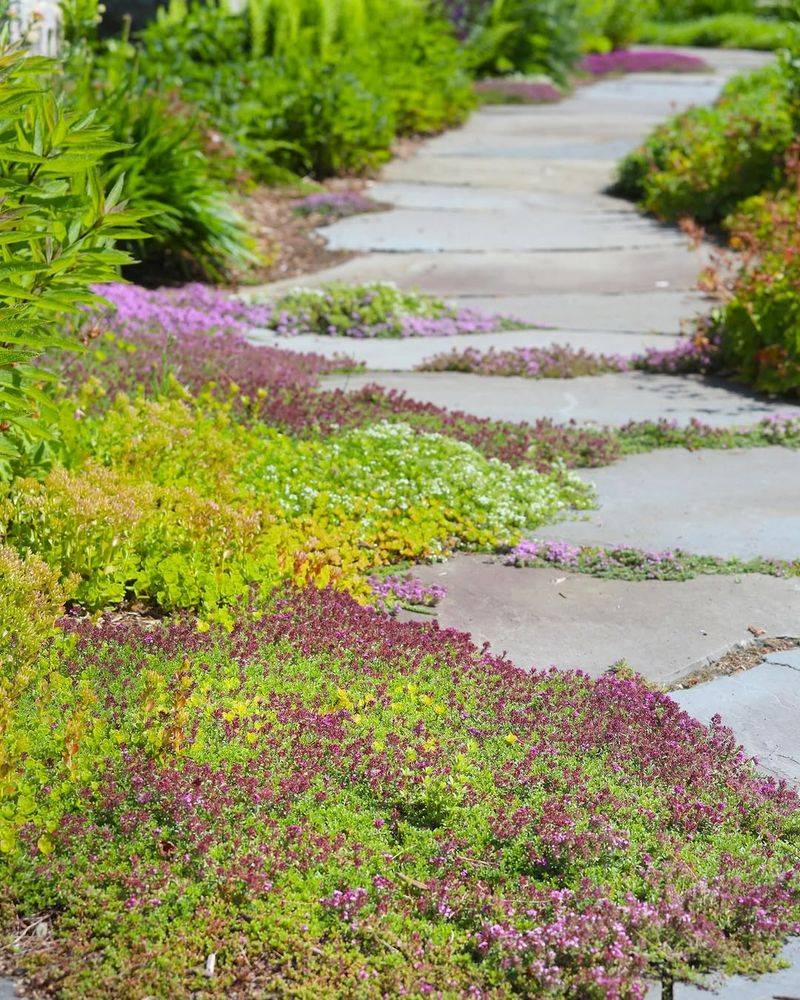
Walk across a creeping thyme path on a warm afternoon, and you will immediately notice the gentle herbal scent rising from underfoot.
That sensory experience alone makes this plant a standout choice for walkways and low-traffic areas. It is also incredibly tough, handling foot traffic and dry spells far better than traditional turf.
Creeping thyme typically costs around $2 to $5 per small plant or plug. For a 100-square-foot walkway, you might spend $50 to $150 on plants, plus a bit of compost and mulch.
That is a fraction of what a sprinkler system installation would run, and you end up with something far more charming.
It grows only 2 to 3 inches tall, so mowing is rarely necessary. In late spring and early summer, it bursts into tiny pink or purple flowers that attract bees and add serious color to a yard.
After the blooms fade, the foliage stays dense and green through most of the year in warmer parts of this state.
Planting is easy. Space plugs about 6 to 12 inches apart in well-drained soil, and water regularly for the first few weeks. Once rooted, creeping thyme is remarkably drought-tolerant.
It spreads on its own to fill gaps between stepping stones or along path edges, creating a lush, cottage-style look without any complicated irrigation setup. It is genuinely one of the most rewarding low-water plants you can put in the ground.
5. Kurapia Lawn Alternative
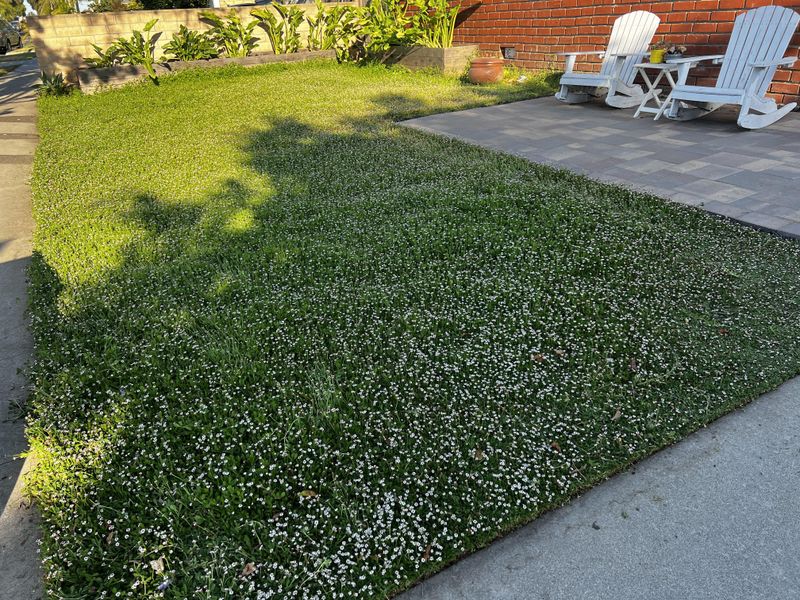
Kurapia is one of the most exciting lawn alternatives to hit the market in recent years. Developed through research partnerships in Japan and tested extensively in our state, it is a low-growing groundcover that looks surprisingly similar to traditional turf.
Homeowners who want that classic green lawn feel without the water bill are discovering it fast.
Installation typically runs between $0.50 and $1.50 per square foot when using plugs or sod pieces.
That puts it well below the average sprinkler system installation cost, especially for larger yard areas. It roots aggressively and spreads to fill a full lawn space within one growing season under the right conditions.
Kurapia handles heat extremely well, which makes it a strong fit for inland areas and hot valleys in this state. It also tolerates moderate foot traffic, making it practical for families with kids or pets.
The plant produces small white flowers that attract pollinators, and it stays green year-round in mild coastal climates.
Water use is dramatically lower than traditional grass. Studies suggest it uses 50 to 70 percent less water than a conventional lawn once established. It does not need fertilizer often, and mowing is optional since it stays naturally low.
For homeowners transitioning away from grass, Kurapia offers one of the closest visual matches while delivering real long-term savings on both water and maintenance costs.
6. Dymondia Groundcover
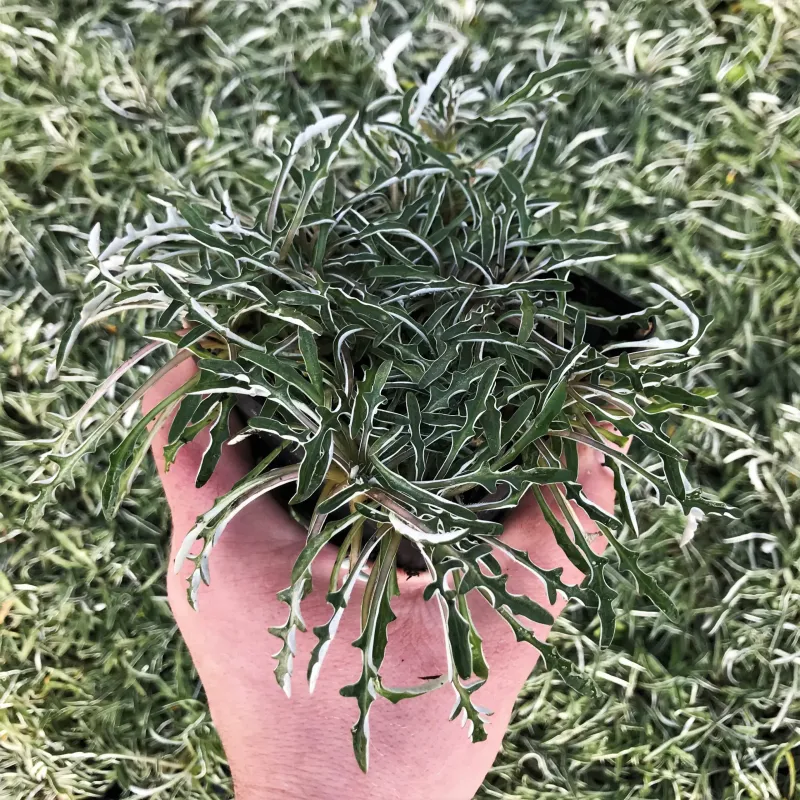
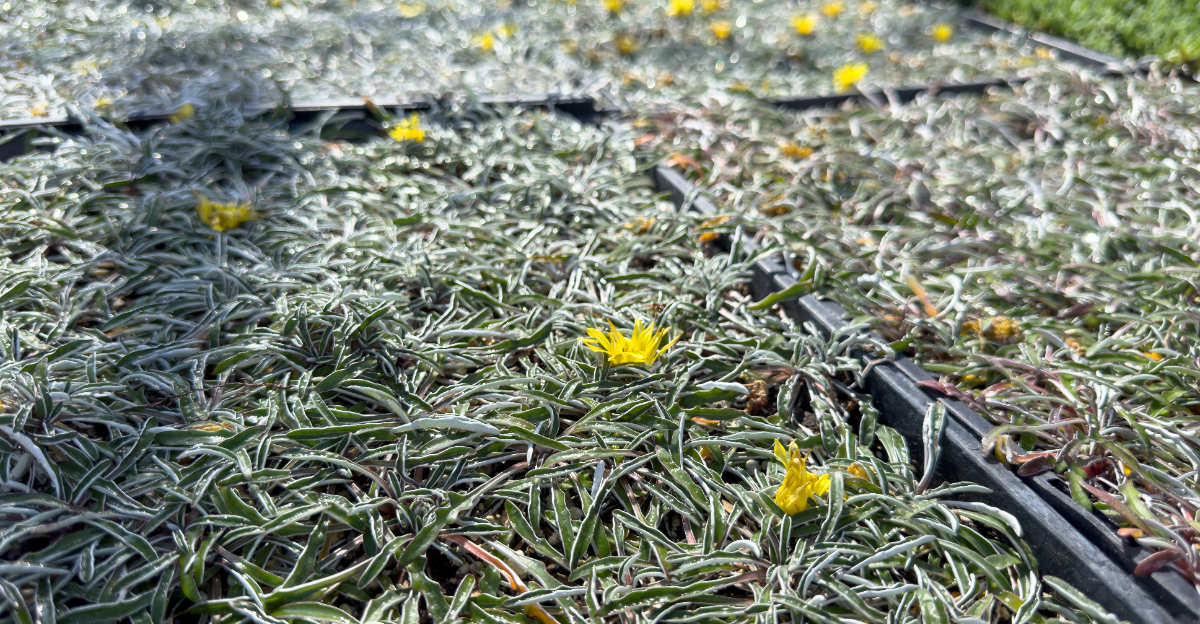
Sometimes called silver carpet, Dymondia margaretae is a low-growing groundcover that has built a loyal following among California gardeners.
Its silvery-green leaves create a soft, textured look that pairs beautifully with stone paths, succulents, and ornamental grasses. It grows only about 2 to 3 inches tall, making it a tidy, no-fuss option for front yards and garden beds.
Cost is one of its strongest selling points. Dymondia plugs are typically available for $1 to $3 each at local nurseries.
A 200-square-foot area might require 50 to 100 plugs depending on spacing, putting total plant costs in the range of $100 to $300.
Add in soil prep and mulch, and you are still spending far less than a sprinkler system installation.
Once established, it is remarkably drought-tolerant. It handles the dry summers in this state with ease, needing only occasional deep watering after the first year.
Small yellow daisy-like flowers appear in summer, adding a cheerful seasonal detail without overwhelming the overall look of the planting.
It does take some patience during the first growing season. Spacing plugs 6 to 9 inches apart and keeping the soil lightly moist helps it root and spread steadily. Dymondia tolerates light foot traffic, so it works well between pavers or along garden pathways.
Weeding during establishment is the biggest task, but once it fills in, it crowds out most unwanted plants on its own.
7. Clover Lawn
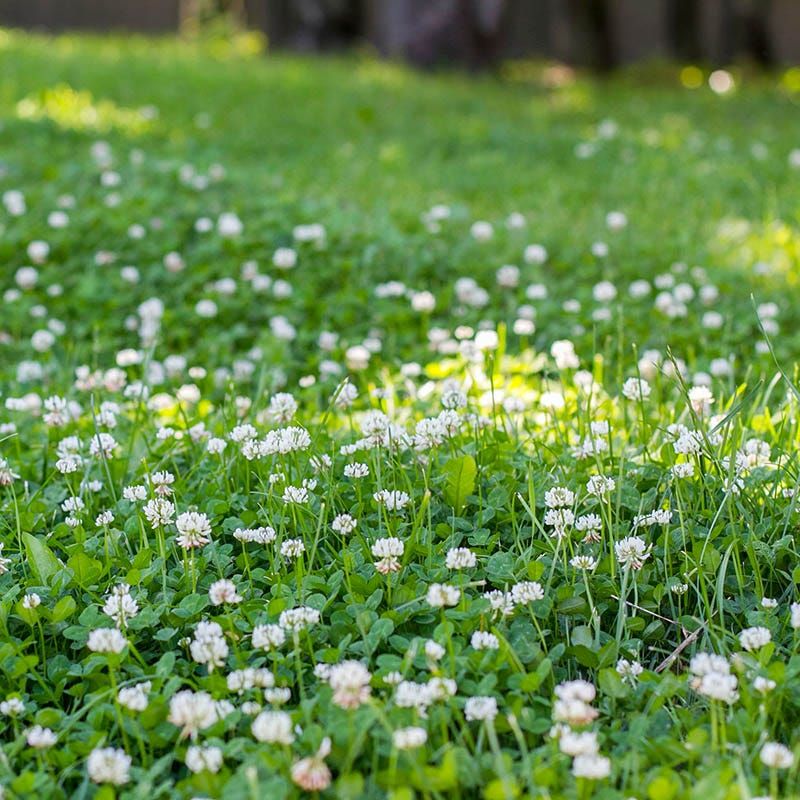
Clover used to be considered a weed, but attitudes have shifted dramatically in recent years.
Today, many homeowners are choosing clover on purpose, and for good reason. It stays green through dry spells, fixes nitrogen in the soil naturally, and costs a fraction of what grass seed or sod runs.
A pound of clover seed covers around 1,000 square feet and typically costs between $10 and $20.
White clover is the most popular choice for lawns. It grows 4 to 6 inches tall if left unmowed, or stays shorter with occasional trimming. The small white blooms attract bees, which is great for the garden ecosystem.
Micro clover is a newer variety that grows even lower and produces fewer flowers, making it a cleaner-looking option for front yards.
Clover handles foot traffic reasonably well, though it does better in areas with moderate use rather than heavy daily play.
It thrives in full sun to partial shade and does not demand rich soil. In fact, it often outperforms grass in poor or sandy soil conditions where other plants struggle.
Seeding is simple. Loosen the top layer of soil, broadcast the seed evenly, and water lightly until germination begins. Most clover lawns are fully established within 60 to 90 days.
After that, supplemental watering can be reduced significantly. For homeowners looking for a living, green surface that nearly takes care of itself, a clover lawn is a surprisingly smart and affordable choice.
8. Yarrow Lawn
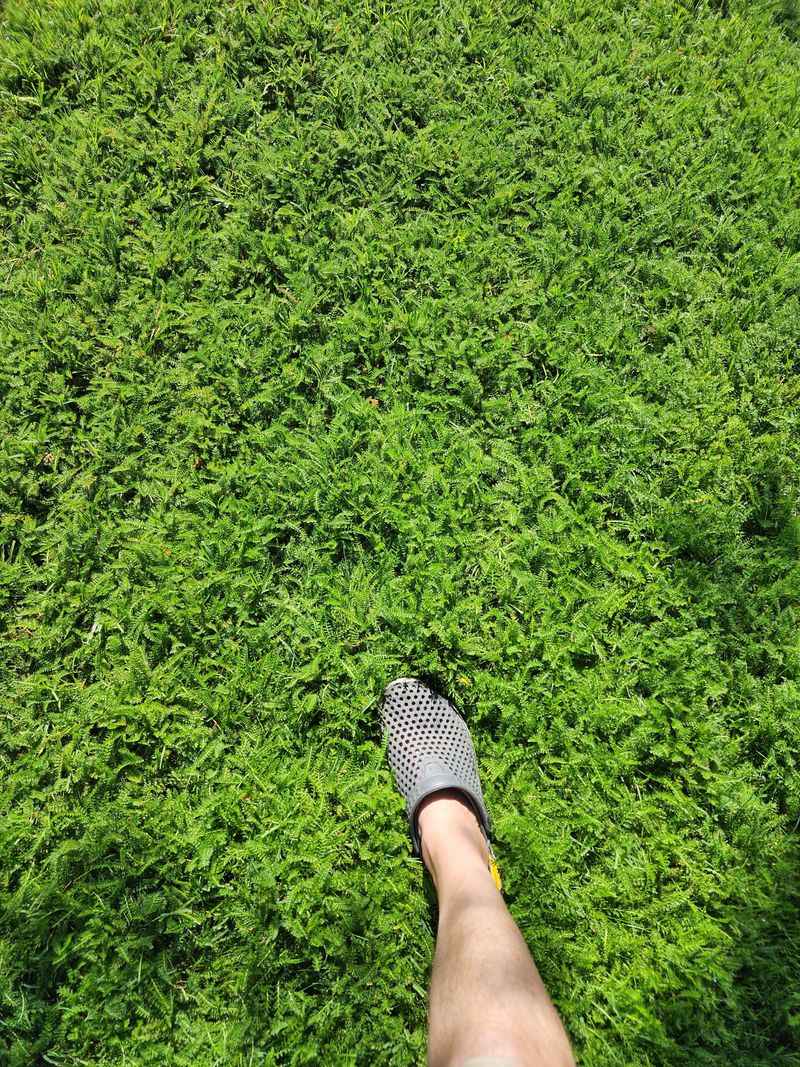
Yarrow has been used in gardens for thousands of years, valued for its toughness and its cheerful clusters of flat-topped flowers.
As a lawn alternative, it brings something traditional turf simply cannot offer: color, wildlife value, and serious drought resistance all rolled into one easy-to-grow plant. It is a genuinely underrated choice for homeowners in this state.
Seeds are inexpensive, often running $5 to $15 for enough to cover a moderate-sized yard area. Transplants cost a bit more but establish faster. Either way, the total investment stays well below what a sprinkler system costs.
Yarrow spreads through underground runners and self-seeding, so a small initial planting can expand to fill a large space over two or three seasons.
It tolerates poor, rocky, or sandy soil without complaint. Full sun is ideal, and once established, yarrow needs very little water to stay healthy and blooming.
Heights vary by variety, from low-growing types around 6 inches tall to taller flowering forms that reach 2 feet. Mowing or cutting back after flowering keeps it tidy and encourages fresh growth.
Colors range from classic white and yellow to shades of pink, red, and orange depending on the variety.
Mixing a few types together creates a wildflower meadow effect that looks intentional and beautiful.
Pollinators absolutely love yarrow blooms, and the dried flower heads add visual texture to the yard even after the blooming season ends. It is a plant that rewards minimal care with maximum charm.
9. Carex / Sedge Meadow
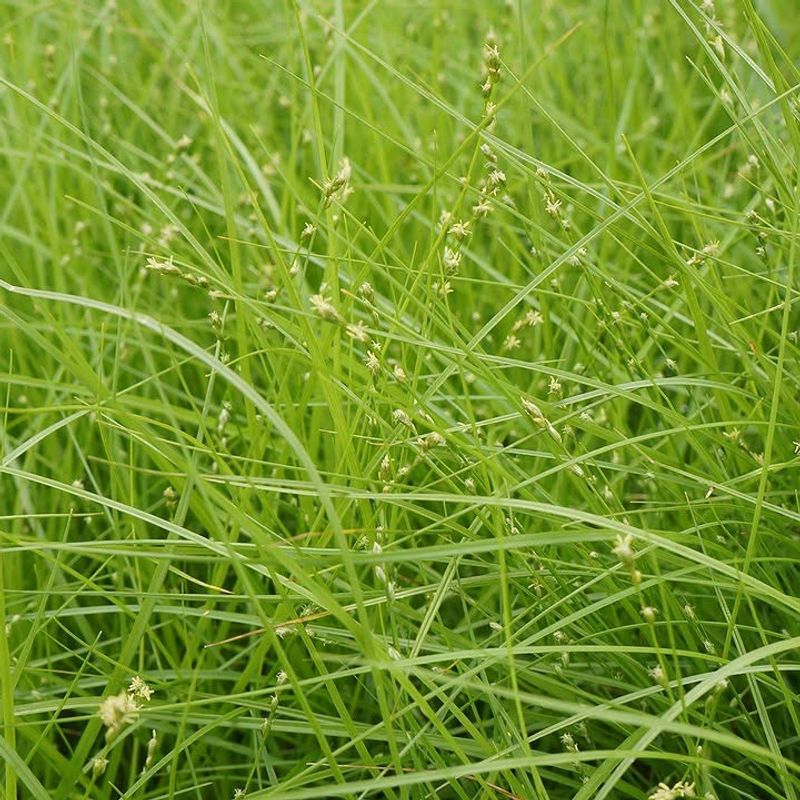
Not every yard gets full sun all day, and that is where Carex, commonly known as sedge, really shines.
Most ornamental sedges handle shade far better than traditional lawn grass, making them a perfect fit for yards with large trees or north-facing areas that struggle to grow turf. They bring a relaxed, meadow-like quality that feels both modern and natural.
Carex plants are typically sold in quart or gallon containers at nurseries, ranging from $4 to $12 per plant.
Spacing them 12 to 18 inches apart in a moderate-sized yard keeps costs manageable, and the plants fill in steadily over the first growing season.
The total cost for a 200-square-foot area often lands between $150 and $400, still far below a new sprinkler system.
Several Carex varieties are native to this state or well-adapted to its climate. Berkeley sedge, rosy sedge, and deergrass-adjacent types all perform beautifully in low-water conditions once established.
Their soft, arching blades create gentle movement in the breeze, adding a living, dynamic quality to the yard.
Maintenance is refreshingly minimal. Most sedges need only one hard cutback per year in late winter to remove old growth and encourage fresh green blades.
They rarely need fertilizer, and established plants get by on rainfall alone in many parts of this state.
For shaded or semi-shaded yards that have struggled with patchy grass, a Carex meadow is often the most elegant and practical solution available.