Ground Covers Michigan Homeowners Are Using In Shady Areas To Help Deter Ticks
Shady areas in Michigan yards tend to attract ticks for the same reasons they are difficult to plant. They stay cool, hold moisture longer than open ground, and create the kind of humid low-light environment that ticks favor for survival and host-seeking.
Leaving these areas bare or covered in leaf litter makes the problem worse. The right ground cover changes the equation considerably.
Certain low-growing plants fill shaded spots densely enough to reduce the conditions ticks prefer while also looking intentional and requiring very little ongoing attention.
Some of them have additional properties that make them even less hospitable to ticks. Michigan homeowners who have made these plantings report noticeably less tick activity in areas that used to be reliable problem spots every spring and summer.
1. Wild Ginger
There is something quietly remarkable about a plant that looks soft and delicate but works incredibly hard beneath the surface.
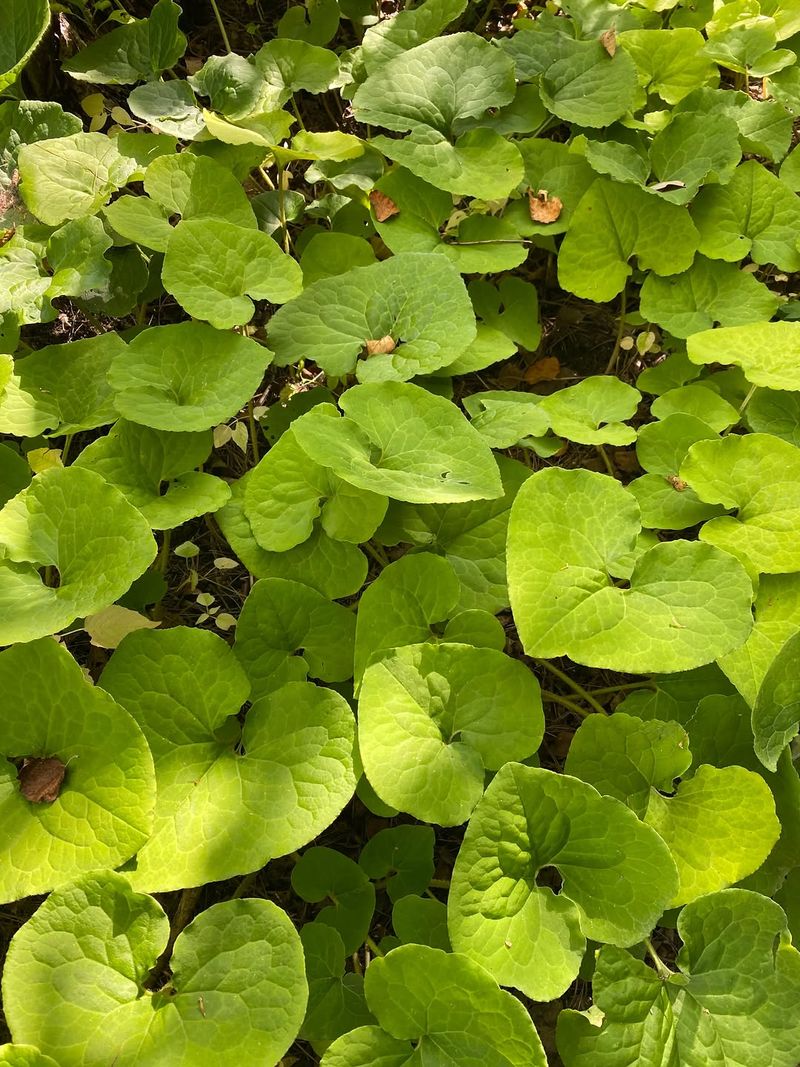
Wild Ginger, known scientifically as Asarum canadense, is a native Michigan plant that spreads steadily across shady woodland floors, forming a thick, low-growing carpet of broad, heart-shaped leaves.
That dense coverage is exactly what makes it so valuable for homeowners trying to reduce tick activity in shady spots.
Ticks thrive where bare, moist soil is exposed and where leaf litter piles up undisturbed. Wild Ginger eliminates both problems at once.
Its leaves overlap generously, blocking sunlight from reaching the soil and keeping the ground drier and less hospitable to tick movement.
Since ticks prefer humid microclimates close to the ground, a well-established Wild Ginger patch removes much of the comfort they look for.
Planting Wild Ginger in Michigan is straightforward if you match it to the right conditions. It performs best in partial to full shade with rich, consistently moist, well-drained soil, similar to what you would find on a woodland floor.
Space plants about 12 inches apart, and they will gradually fill in over two to three seasons. Mulching lightly between new transplants helps retain moisture during establishment without smothering the spreading rhizomes.
Once established, Wild Ginger needs very little attention. It is drought-tolerant once rooted and rarely requires fertilizing if planted in organically rich soil.
Its slow, steady spread makes it a low-maintenance solution that gets better with every passing year.
2. Creeping Jenny
Bright, cheerful, and relentlessly spreading, Creeping Jenny is the kind of plant that fills in bare ground before you even realize it is happening.
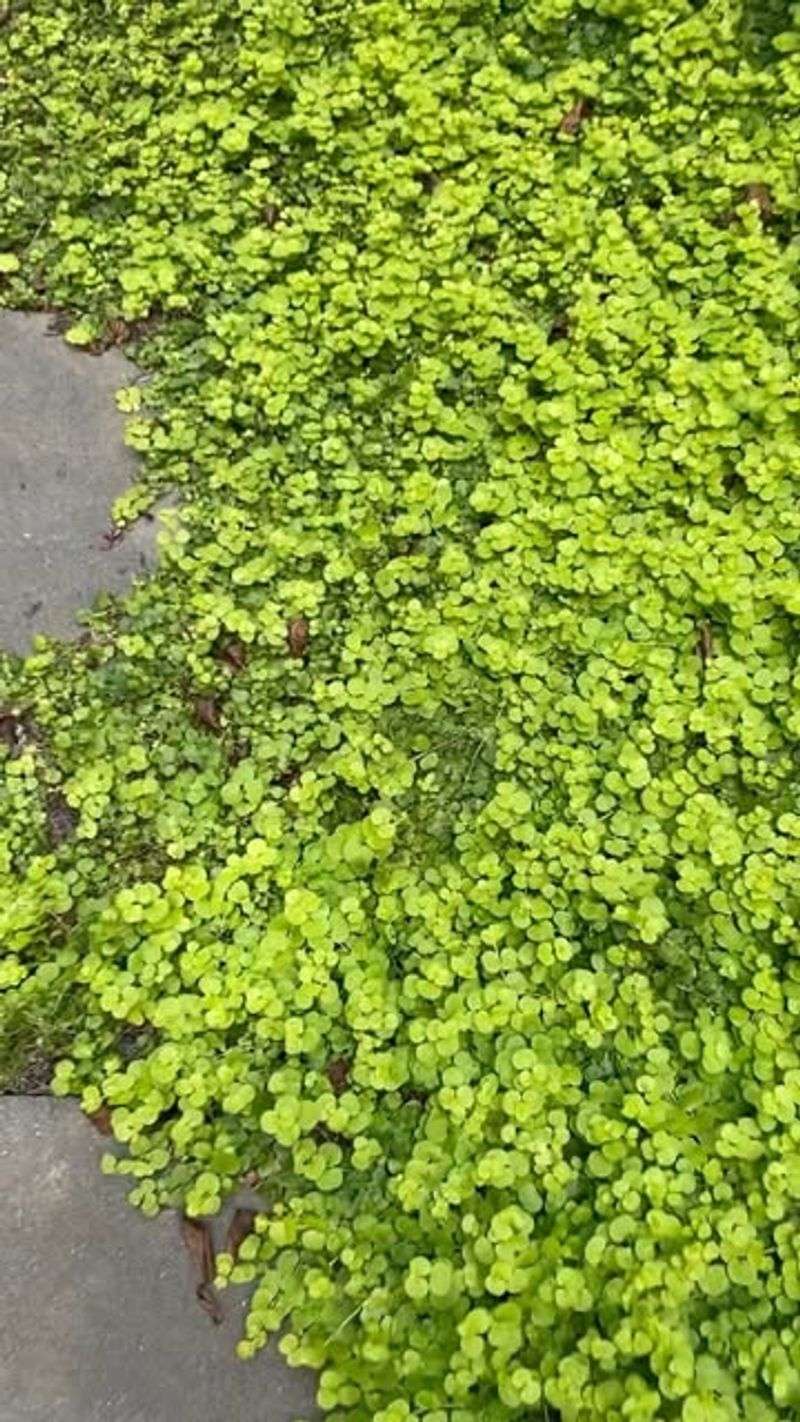
Lysimachia nummularia produces trailing stems lined with small, rounded, chartreuse to golden-green leaves that hug the soil tightly, creating a dense mat that covers ground quickly and efficiently.
For homeowners dealing with shady patches that seem impossible to fill, this plant is a genuine problem-solver.
What makes Creeping Jenny useful beyond aesthetics is how effectively it removes the conditions ticks prefer. Bare, cool, moist soil under shade trees is exactly where ticks like to wait for a host.
By covering that soil with a thick, low mat of foliage, Creeping Jenny reduces the exposed ground and dries out the microclimate slightly, making the area far less attractive to ticks looking for shelter.
Your Michigan Garden Changes Every Week. Your Plan Should Too.
Gardening in Michigan changes quickly throughout the season. Every Friday you’ll receive a simple weekly plan showing exactly what to plant, prune, fertilize, harvest, and protect so you never miss the right timing.
Growing Creeping Jenny in Michigan shade gardens is simple. It tolerates partial to full shade and prefers consistently moist soil, though it handles brief dry spells reasonably well once established.
Plant starts about 12 to 18 inches apart in spring or early fall. The stems root where they touch the soil, so the plant expands naturally without much help from you.
One thing worth knowing is that Creeping Jenny can spread enthusiastically, so planting it in contained beds or areas with natural borders helps keep it in check. Regular trimming along edges keeps it tidy and prevents it from overtaking nearby plants you want to keep.
3. Sweet Woodruff
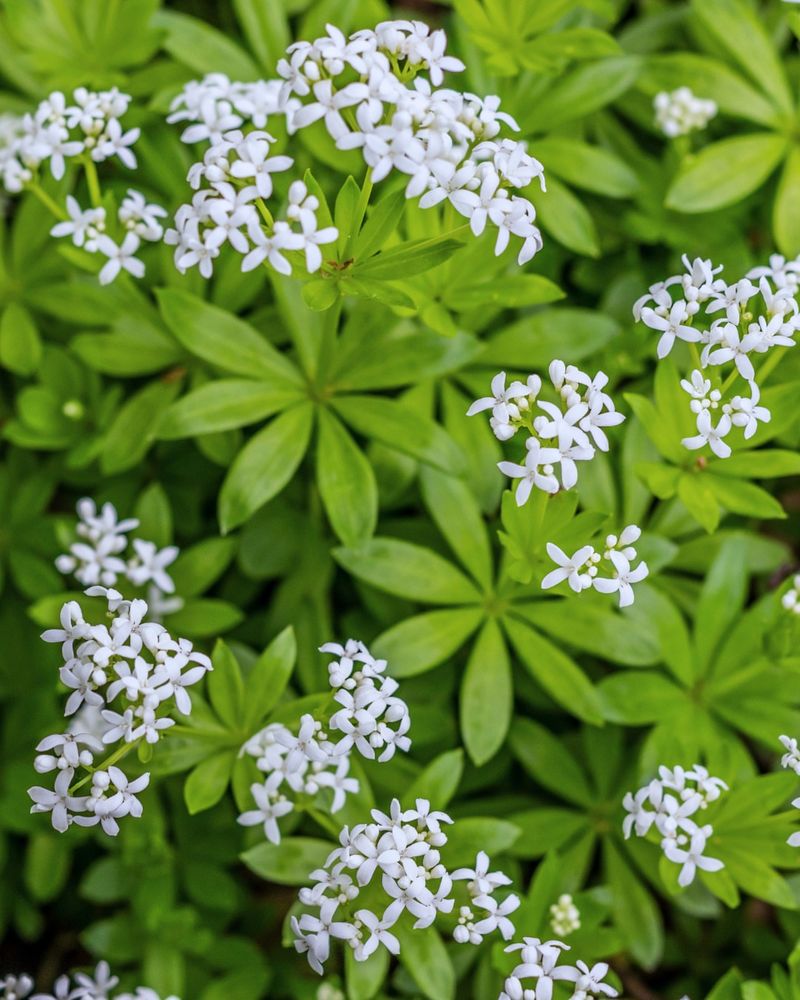
Few ground covers bring as much charm to a shady garden as Sweet Woodruff. Galium odoratum produces delicate whorls of star-shaped leaves along upright stems, topped with tiny white flowers every spring.
The whole plant carries a light, sweet fragrance, especially when the leaves are brushed or dried, which has made it a favorite in cottage gardens and woodland landscapes for centuries. Beyond its good looks, it plays a practical role in making yards less tick-friendly.
Sweet Woodruff spreads by underground rhizomes to form a dense, even carpet beneath trees and shrubs. That continuous coverage keeps soil shaded and less exposed, which disrupts the moist, leafy conditions ticks favor.
The tight, mat-forming habit also reduces the accumulation of loose leaf litter, which is one of the most common tick hiding spots in residential yards. Fewer hiding spots means fewer ticks moving through your landscape.
In Michigan, Sweet Woodruff grows best in partial to full shade with moist, slightly acidic, well-drained soil. It handles the state’s cold winters without any trouble, dying back in late fall and returning reliably each spring.
Plant divisions or transplants about 12 inches apart, and expect the colony to fill in fully within two growing seasons.
Maintenance is minimal once established. An occasional trim around the edges keeps it from spreading where you do not want it, and a light layer of compost in early spring encourages lush, healthy growth.
It is truly one of the easiest and most rewarding shade plants available to gardeners.
4. Foamflower
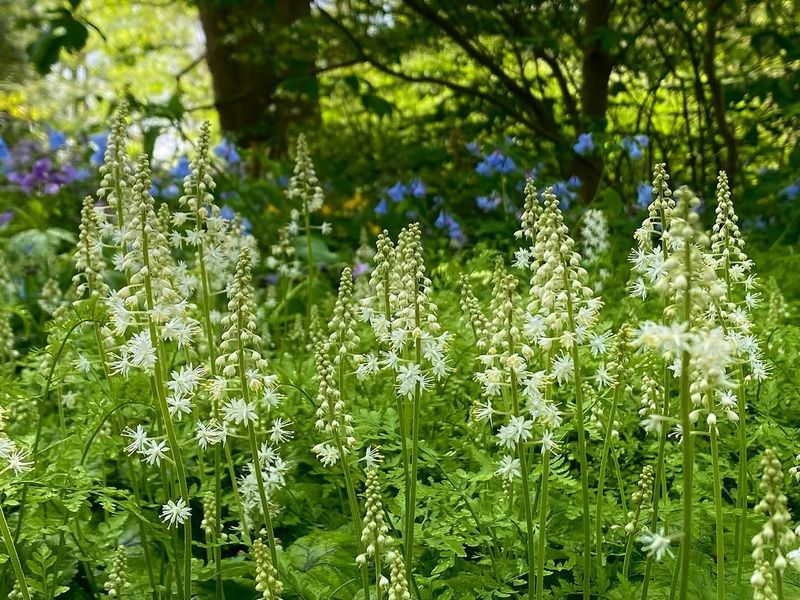
Native plants have a way of fitting perfectly into the landscape they evolved in, and Foamflower is a brilliant example of that.
Tiarella cordifolia is a native Michigan perennial that produces mounds of attractive, lobed leaves close to the ground, sending up airy white flower spikes in early spring that pollinators absolutely love.
It is both beautiful and functional, which is a rare combination in the gardening world.
From a tick management perspective, Foamflower earns its place in shady yards by forming a spreading mat that shades bare soil and reduces the open, humid ground-level environment that ticks depend on.
Its clumping and slowly spreading habit fills in gaps under trees and along shaded borders without becoming aggressive or invasive. The result is a tidy, covered surface that gives ticks far fewer places to hide and wait.
Planting Foamflower in Michigan is best done in spring or early fall. It thrives in partial to full shade with moist, humus-rich, well-drained soil.
Spacing plants about 12 to 18 inches apart gives each clump room to spread naturally. Adding a two-inch layer of organic mulch between new plants helps retain moisture and suppresses weeds during the first growing season.
Once settled in, Foamflower requires very little care. Removing spent flower spikes keeps the planting looking neat, and dividing clumps every three to four years encourages vigorous new growth.
It is a rewarding, low-effort native that improves your yard’s ecology while quietly working to make tick habitats smaller and less comfortable.
5. Christmas Fern
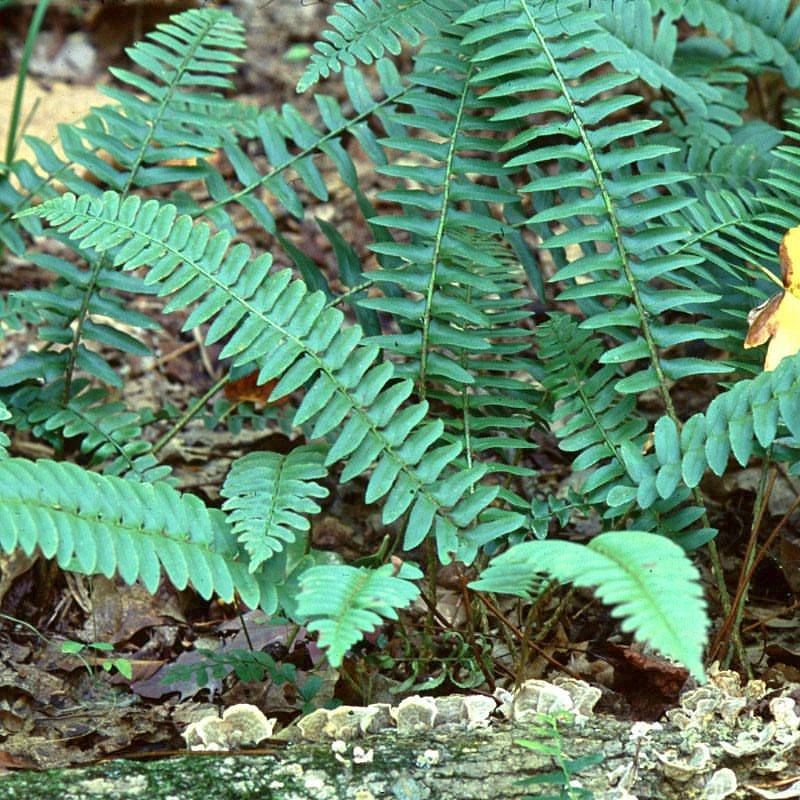
Not every ground cover disappears when the temperatures drop, and that is exactly what makes Christmas Fern stand out.
Polystichum acrostichoides is an evergreen native fern that keeps its deep green fronds all through winter, giving your shaded yard year-round coverage and structure.
Michigan homeowners who deal with shady slopes or woodland borders often turn to this tough, reliable plant because it handles tough conditions with ease.
The tick-deterring benefit of Christmas Fern comes from how its fronds spread and overlap to cover the ground. Dense fern fronds reduce the accumulation of loose leaf litter, which is one of the most common shelters for ticks during fall and winter.
By keeping the soil covered and organized, Christmas Fern removes the cluttered, damp conditions that make shaded areas so attractive to ticks in the first place.
Growing Christmas Fern in Michigan is simple when you give it the right conditions. It thrives in partial to full shade with moist, well-drained, slightly acidic soil.
Space plants about 18 to 24 inches apart to allow the fronds to spread naturally without crowding. A light layer of mulch at planting time helps protect the shallow roots through our cold winters.
Maintenance is refreshingly minimal. In early spring, older fronds that have flattened over winter can be trimmed back to make room for fresh new growth.
The plant rarely needs fertilizing if planted in organically rich soil. Over time, established clumps grow fuller and more impressive, making this fern one of the most dependable shade plants available to gardeners.
6. Pennsylvania Sedge
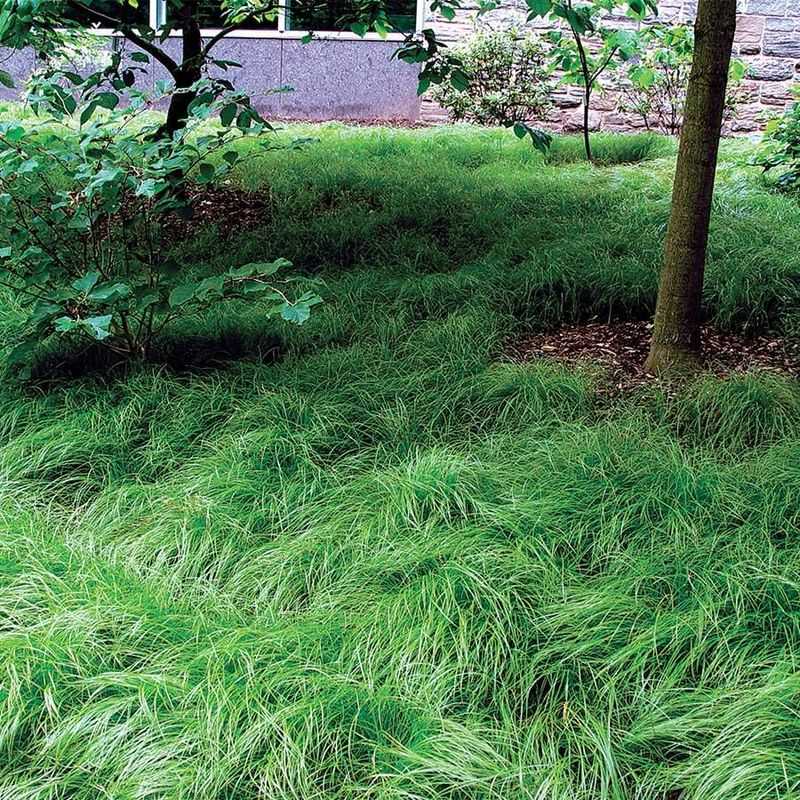
If you have ever wished for a lawn alternative that actually thrives in shade, Pennsylvania Sedge might be the answer you have been looking for.
Carex pensylvanica is a native, grass-like perennial that forms low, dense clumps of fine, arching foliage, creating a soft, meadow-like texture in areas where traditional turf simply refuses to grow.
It is a natural fit for landscapes here, especially under the canopy of oaks and maples where shade is deep and persistent.
From a tick-reduction standpoint, Pennsylvania Sedge works by creating a tight, continuous mat of growth that leaves very little bare soil exposed.
Ticks move through landscapes by crawling through tall grass and leaf litter at ground level, seeking shaded, humid spots to rest between hosts.
A dense sedge planting replaces the open, damp soil conditions ticks prefer with a consistent, low-growing cover that disrupts their movement and reduces their comfort.
Planting Pennsylvania Sedge in Michigan is best done in spring with divisions or plugs spaced about 6 to 12 inches apart. It grows well in partial to full shade and tolerates a range of soil types, from average to somewhat dry once established.
Unlike many shade plants, it handles periods of low moisture reasonably well after its first season in the ground.
Maintenance is genuinely low. Pennsylvania Sedge rarely needs mowing, though a single trim in early spring freshens its appearance after winter.
It spreads slowly by rhizomes, gradually filling in gaps over two to three seasons to create a seamless, attractive ground-level cover that looks natural and intentional.
7. Bugleweed
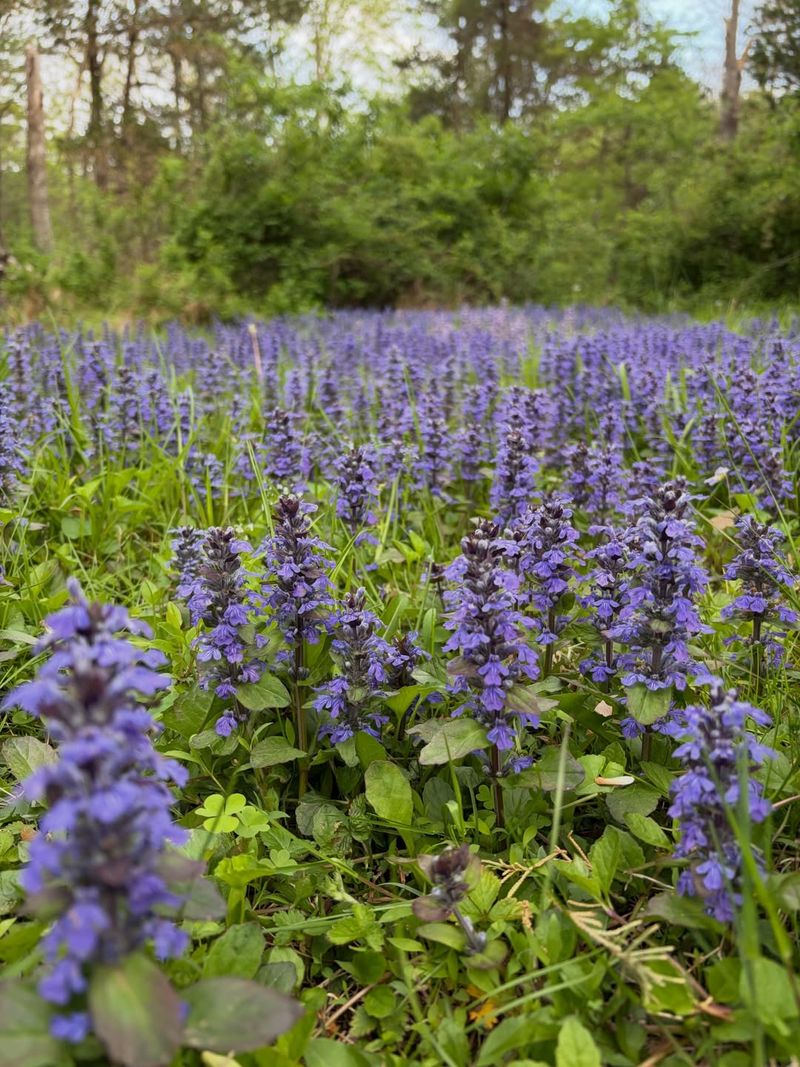
Walk past a well-established Bugleweed planting in spring and you will likely stop to admire it. Ajuga reptans produces stunning spikes of deep blue to violet flowers in May and June, rising above a thick mat of glossy, often bronze or purple-tinged leaves.
It spreads energetically by surface runners, covering bare ground with surprising speed and creating a dense, attractive carpet that shades the soil below year-round.
That thick mat is exactly what makes Bugleweed so effective at reducing tick-friendly conditions in shady yards. Ticks depend on bare, moist, shaded soil as a resting and hunting ground.
Bugleweed eliminates that open soil quickly, replacing it with overlapping foliage that dries out the surface slightly and removes the exposed ground-level environment ticks seek. Few plants cover shady areas as rapidly and thoroughly as this one.
In Michigan, Bugleweed performs best in partial to full shade, though it tolerates some morning sun without trouble. It grows in most average garden soils as long as drainage is reasonable, and it handles winters without any special protection.
Space transplants about 12 to 15 inches apart in spring or fall, and expect the runners to start filling gaps within a single growing season.
Bugleweed does spread vigorously, so placing it in defined beds or using edging to contain it along lawn borders is a smart move. Dividing clumps every few years keeps the planting healthy and prevents it from becoming too thick.
For shady spots that need fast, reliable coverage, Bugleweed consistently delivers impressive results.
8. Barren Strawberry
Do not let the name fool you.
Barren Strawberry might not produce edible fruit, but it delivers something arguably more valuable in a shady garden: a tough, attractive, native ground cover that handles difficult conditions and helps reduce tick habitats at the same time.
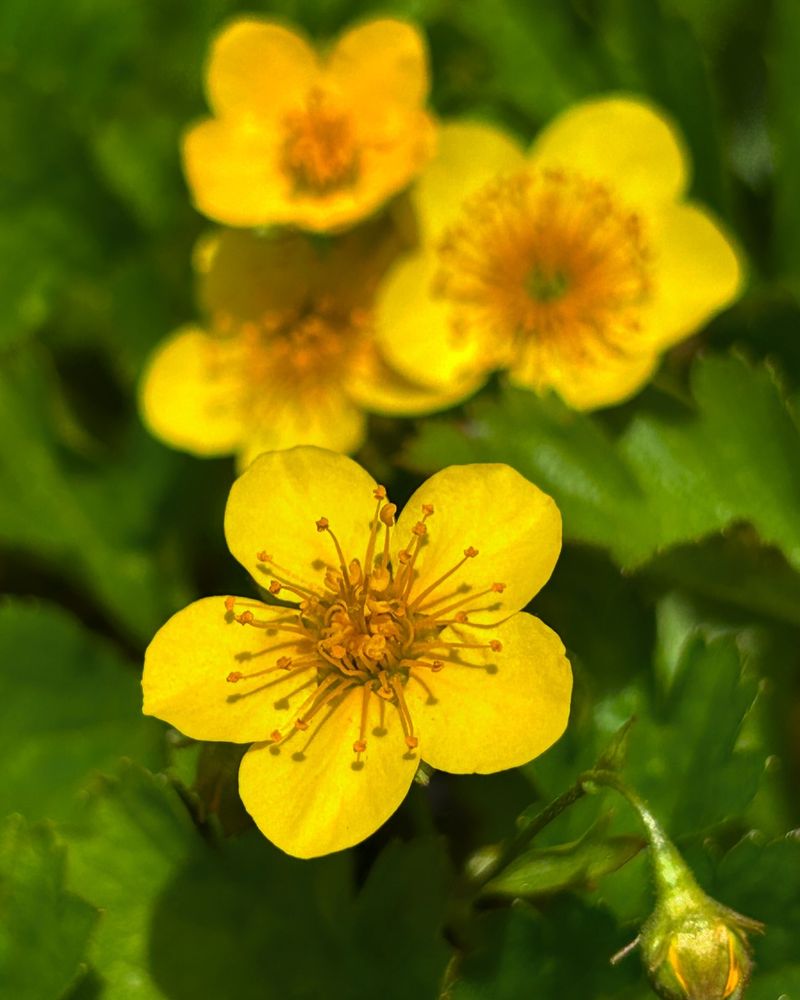
Geum fragarioides is a low-growing native perennial that forms dense, spreading mats of small, strawberry-like leaves, topped with cheerful yellow flowers in spring that add a bright pop of color to shaded borders.
The tick-deterring quality of Barren Strawberry comes from its ability to fill in bare ground under trees and along shaded slopes with a continuous mat of foliage. Exposed, moist soil under tree canopies is a common tick hotspot in Michigan yards.
Barren Strawberry covers that ground efficiently, shading the soil surface and reducing the humid, open conditions that ticks rely on to stay active and comfortable.
Planting Barren Strawberry in Michigan works best in partial to full shade with well-drained, average to slightly dry soil.
It is notably more drought-tolerant than many shade ground covers once established, which makes it especially useful on slopes or under shallow-rooted trees where moisture drains quickly.
Space plants about 12 inches apart for fairly quick coverage. Care requirements are refreshingly light. Barren Strawberry rarely needs watering after its first season and does not require fertilizing in decent garden soil.
Trimming back any ragged edges in early spring keeps the planting looking tidy. Over time, established mats grow thick and reliable, providing consistent coverage that improves the look and safety of your shaded yard each season.
9. Virginia Creeper
Most people know Virginia Creeper as a vigorous climber scaling fences and walls, but used intentionally as a ground cover, it becomes one of the most effective and visually striking options available for shady Michigan landscapes.
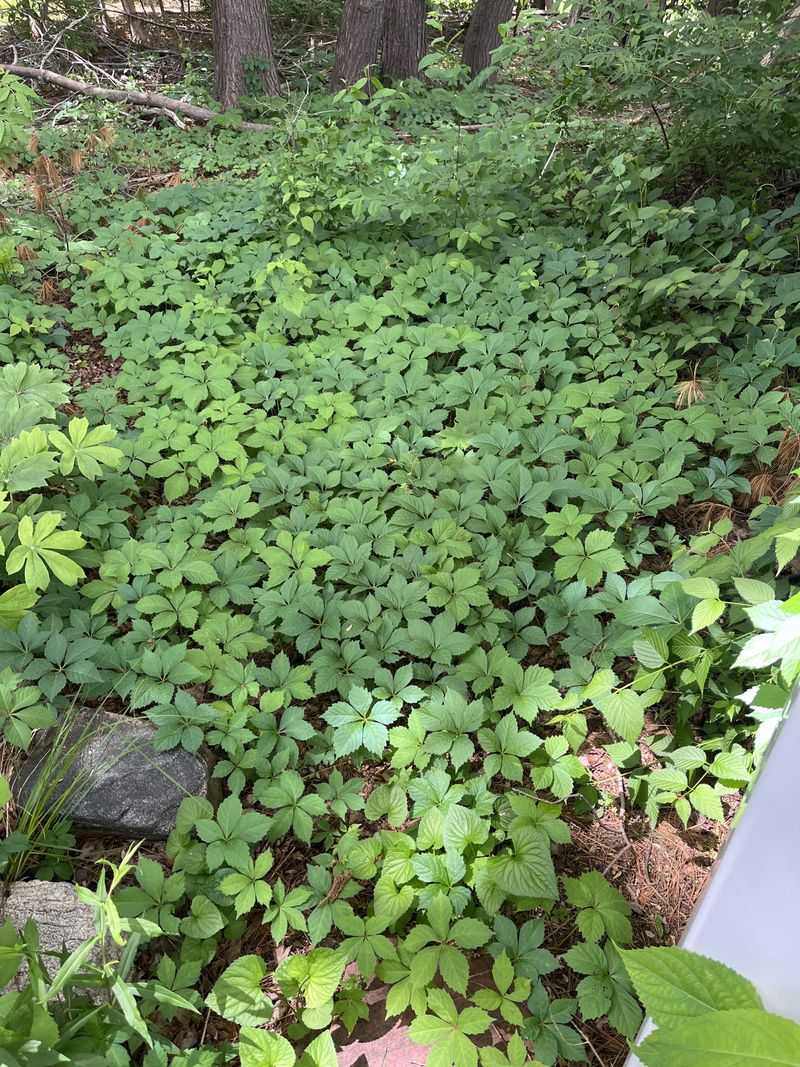
Parthenocissus quinquefolia produces bold, five-leaflet foliage that spreads rapidly across the ground, rooting as it goes and creating a thick, weed-suppressing mat that transforms bare slopes and shaded beds into lush, green surfaces.
The tick-reduction benefit is significant. Ticks need exposed, humid soil and dense leaf litter to thrive at ground level.
Virginia Creeper covers bare soil so completely and so quickly that it removes much of that open, welcoming environment. Its vigorous growth also suppresses weeds, which reduces the additional ground-level clutter that ticks use for shelter.
On slopes where mowing is difficult and bare soil erosion is a problem, this plant solves multiple issues at once.
Training Virginia Creeper as a ground cover rather than a climber simply means cutting back any upward-reaching stems and redirecting growth horizontally. In Michigan, it grows in partial to full shade and tolerates a wide range of soil types, from clay to sandy loam.
Space rooted transplants about 18 to 24 inches apart, and expect the vines to spread several feet in a single season. On slopes, it anchors soil beautifully while providing dense coverage.
One seasonal bonus is the spectacular fall color. The foliage turns vivid shades of red and orange in autumn, making shaded areas genuinely eye-catching before winter sets in.
Occasional pruning keeps growth contained and prevents it from climbing structures you want to protect.