These Are The Signs A Georgia Tree Is Under Heat Stress Before The Damage Becomes Visible
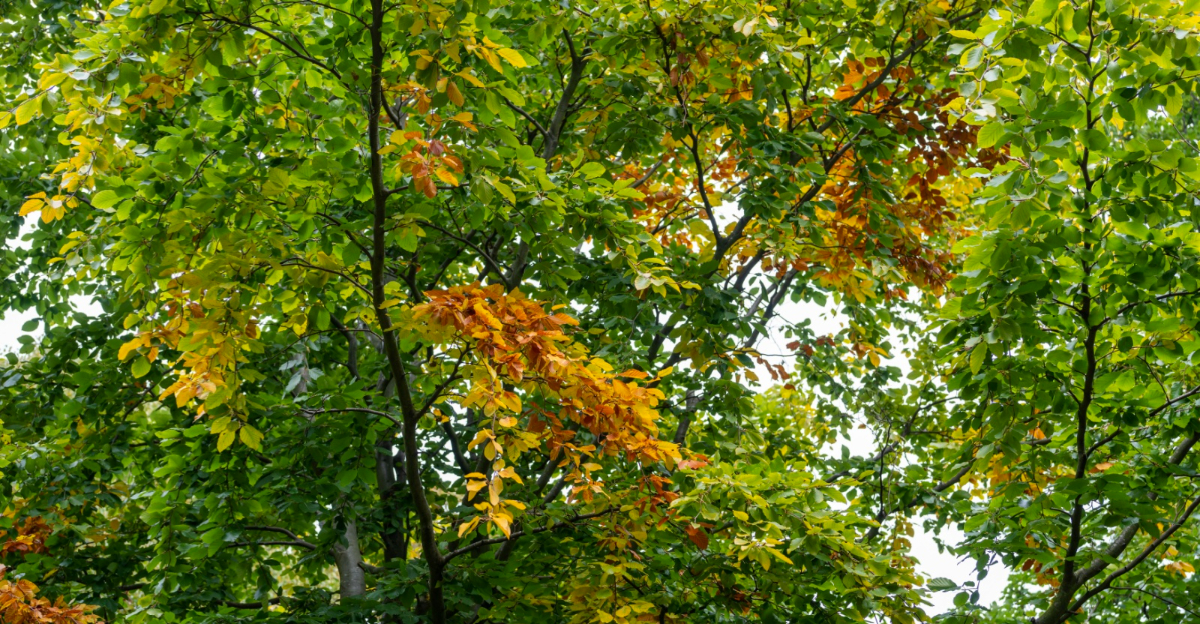
Georgia summers are beautiful until they aren’t, and trees feel that shift before almost anything else in the yard. A few weeks of serious heat with little rain is all it takes for even a well-established shade tree to start sending out distress signals.
The tricky part is that trees don’t exactly make it obvious right away.
The early warning signs tend to show up quietly, a subtle change in leaf color here, a little wilting there, canopy growth that looks slightly off.
Easy to miss if you’re not paying attention. But catching these signals early gives Georgia homeowners a real opportunity to step in before things get harder to manage.
Young trees, trees in compacted soil, and front yard shade trees are especially worth keeping an eye on once summer temperatures really start climbing.
1. Leaves Wilt During Hot Afternoons
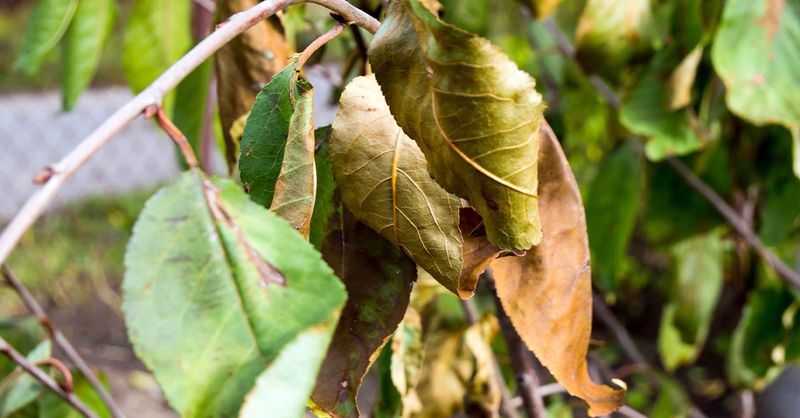
Walk outside on a hot Georgia afternoon in July and you may notice tree leaves that looked fine in the morning now hanging limp and droopy by midday.
That wilting is not always a sign of permanent harm, but it is your tree communicating that it is struggling to keep up with the heat.
When temperatures spike and soil moisture drops, trees pull water from their leaves to protect their roots and core systems, causing that familiar sag.
The tricky part is that afternoon wilting can look alarming even when the tree is otherwise healthy. A tree that perks back up by early morning is likely managing the heat on its own.
One that stays wilted overnight or through the next morning may be dealing with more serious moisture stress and could use a slow, deep watering at the root zone.
Homeowners should check the soil a few inches down before reaching for the hose. Sometimes compacted clay soil holds surface moisture while deeper roots stay dry.
Mulching around the base of the tree, keeping it a few inches away from the trunk, can help retain soil moisture during dry summers.
If wilting becomes a daily pattern and the tree does not recover overnight, that is worth paying closer attention to before the season progresses further.
2. Leaf Edges Begin To Brown Or Scorch
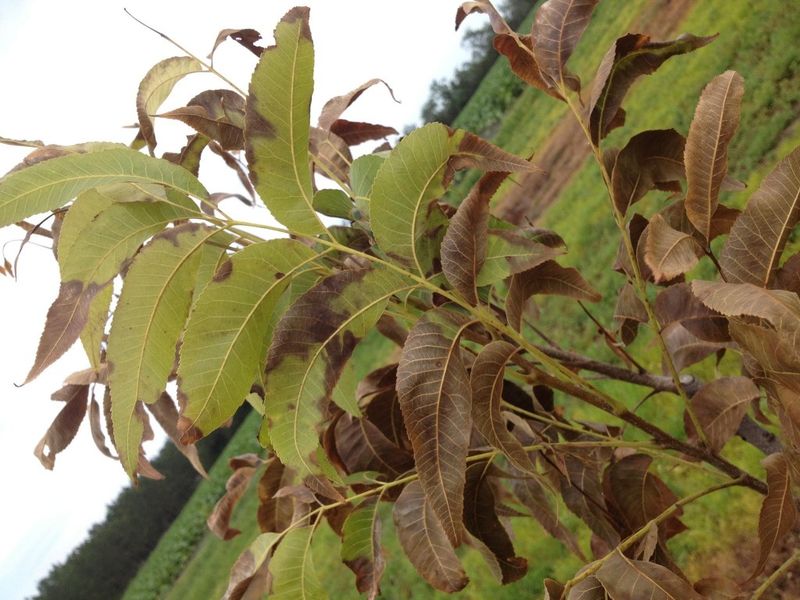
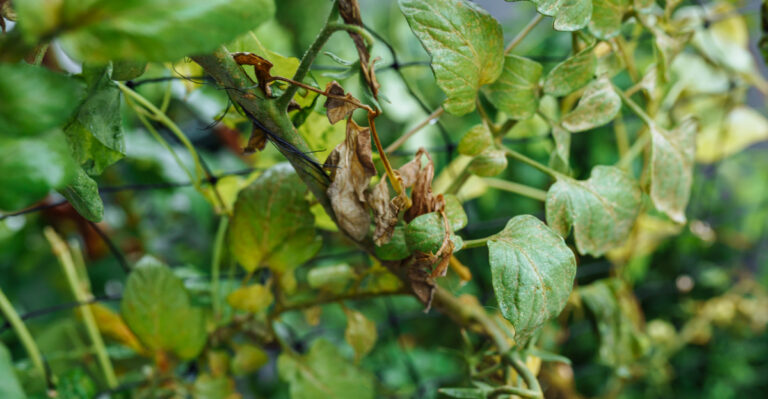
Crispy brown edges along tree leaves are one of the more noticeable signs that heat stress is taking hold.
Often called leaf scorch, this happens when a tree cannot move enough water from its roots to the outermost parts of its leaves fast enough to keep up with heat and evaporation.
The tips and margins of leaves dry out first, turning tan or brown while the center of the leaf may still look green.
In Georgia, this pattern tends to show up on trees planted near pavement, in exposed sunny spots, or in areas where soil has become hard and dry.
Shallow-rooted trees and those planted in the last year or two are especially prone to showing scorch earlier in the season.
Street trees and front-yard trees surrounded by concrete and asphalt often feel the heat more intensely than trees tucked into shaded backyards.
Your Georgia Garden Changes Every Week. Your Plan Should Too.
Gardening in Georgia changes quickly throughout the season. Every Friday you’ll receive a simple weekly plan showing exactly what to plant, prune, fertilize, harvest, and protect so you never miss the right timing.
Leaf scorch is sometimes mistaken for a disease or pest problem, which can lead homeowners toward treatments that are not actually needed.
Before assuming the worst, check how recently the tree was watered, whether the soil feels dry several inches below the surface, and whether nearby pavement could be radiating extra heat.
A layer of organic mulch around the root zone can reduce soil temperature and slow moisture loss during hottest stretches.
3. Leaves Curl Or Cup In The Heat
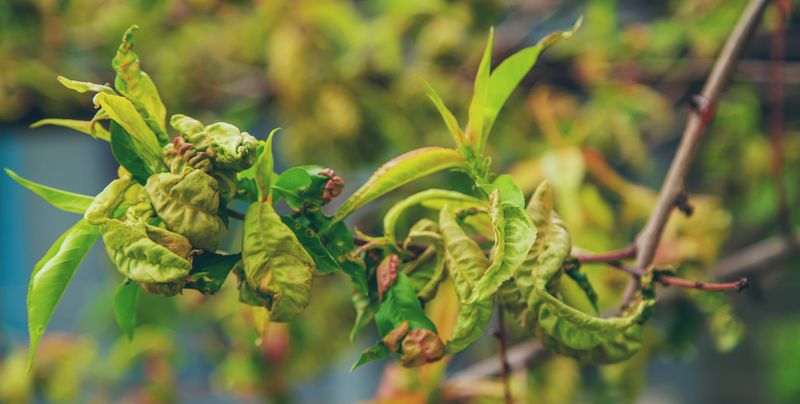
Curling leaves are one of the more subtle early signals that a tree is trying to protect itself from intense heat. When temperatures climb and soil moisture drops, some trees respond by rolling or cupping their leaves inward.
This reduces the surface area exposed to direct sun and slows water loss through a process called transpiration. It is a survival response, not an immediate sign of serious harm.
In Georgia, leaf curling tends to become more noticeable during dry stretches in June, July, and August when rain has been scarce and afternoon heat lingers well past sunset.
Ornamental trees, younger shade trees, and recently transplanted trees may show this response more visibly than older, well-established trees with deep root systems.
Trees growing in full sun with little mulch or nearby shade are often the first ones homeowners notice curling up by midday.
The curling pattern can vary depending on the tree species. Some trees curl leaves lengthwise while others cup them upward or downward.
Either way, if leaves are curling on multiple branches and the tree has not been watered recently, checking soil moisture is a reasonable first step.
Restoring consistent moisture through slow, deep watering and applying mulch around the base can ease the stress response over several days.
Leaf curl that continues even after consistent watering may point to compacted soil or root issues worth investigating.
4. Leaves Turn Yellow Or Show Early Fall Color
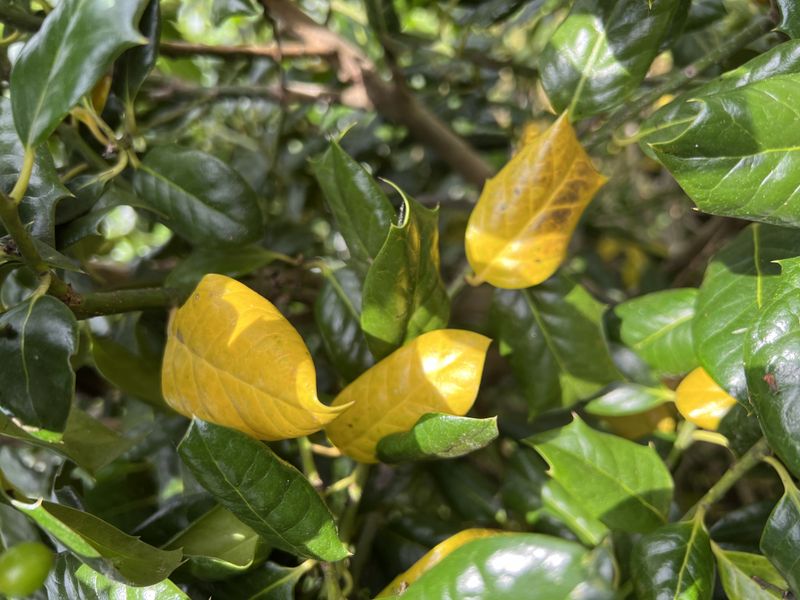
Seeing yellow leaves on a tree in the middle of summer can feel confusing, especially when the calendar says it is nowhere near fall.
But yellowing foliage during hot, dry summers is often a sign that a tree is under heat or drought stress rather than responding to seasonal change.
When roots cannot pull enough water and nutrients from dry or compacted soil, leaves may begin to yellow and drop early as the tree conserves resources.
Some trees may develop patches of yellow scattered across the canopy, while others show more uniform yellowing starting from the interior branches and spreading outward.
The pattern can sometimes help narrow down whether the cause is moisture stress, nutrient deficiency, or something else entirely.
Yellowing that appears broadly across the canopy during a dry spell points more strongly toward heat and water stress than toward disease.
Georgia homeowners sometimes mistake this early color change for normal seasonal behavior, especially on trees that tend to turn color early in autumn anyway.
Checking the soil, reviewing recent rainfall totals, and looking at whether the tree has been mulched or fertilized recently can all help clarify what is happening.
Avoid fertilizing a stressed tree during a heat wave, as pushing new growth when the tree is already struggling can make the situation harder on the root system. Patience, water, and mulch are often the most practical responses.
5. Leaves Drop Earlier Than Expected
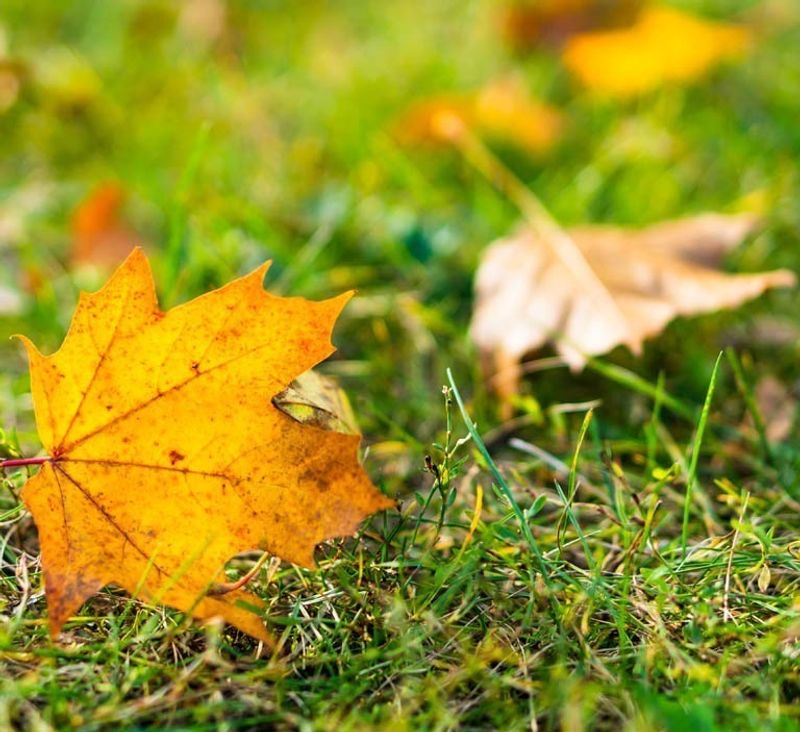
Finding a layer of leaves under a tree in July or August can catch any Georgia homeowner off guard.
Leaf drop in the middle of summer is not typical behavior, and when a tree starts shedding foliage well before autumn arrives, it is often responding to heat stress or prolonged drought.
The tree sheds leaves to reduce the amount of water it needs to maintain, essentially trimming its own workload when resources run low.
This early drop can happen gradually, with just a handful of leaves falling each day, or it can happen more noticeably over the course of a week during an especially hot and dry stretch.
Trees in exposed locations, those growing in sandy or compacted soils, and younger trees that have not yet developed deep root systems tend to show this response sooner.
Established shade trees may also drop leaves during extended dry spells if they have not received supplemental watering.
Early leaf drop does not always mean the tree is in serious trouble, but it does signal that something has pushed the tree past its comfort zone.
Before assuming disease or pest damage, consider how much rain the area has received over the past few weeks and whether nearby trees are showing similar patterns.
Consistent, deep watering and a fresh layer of mulch around the root zone can help stabilize the tree and slow additional leaf loss during the remainder of Georgia’s summer season.
6. New Growth Looks Smaller Or Slower
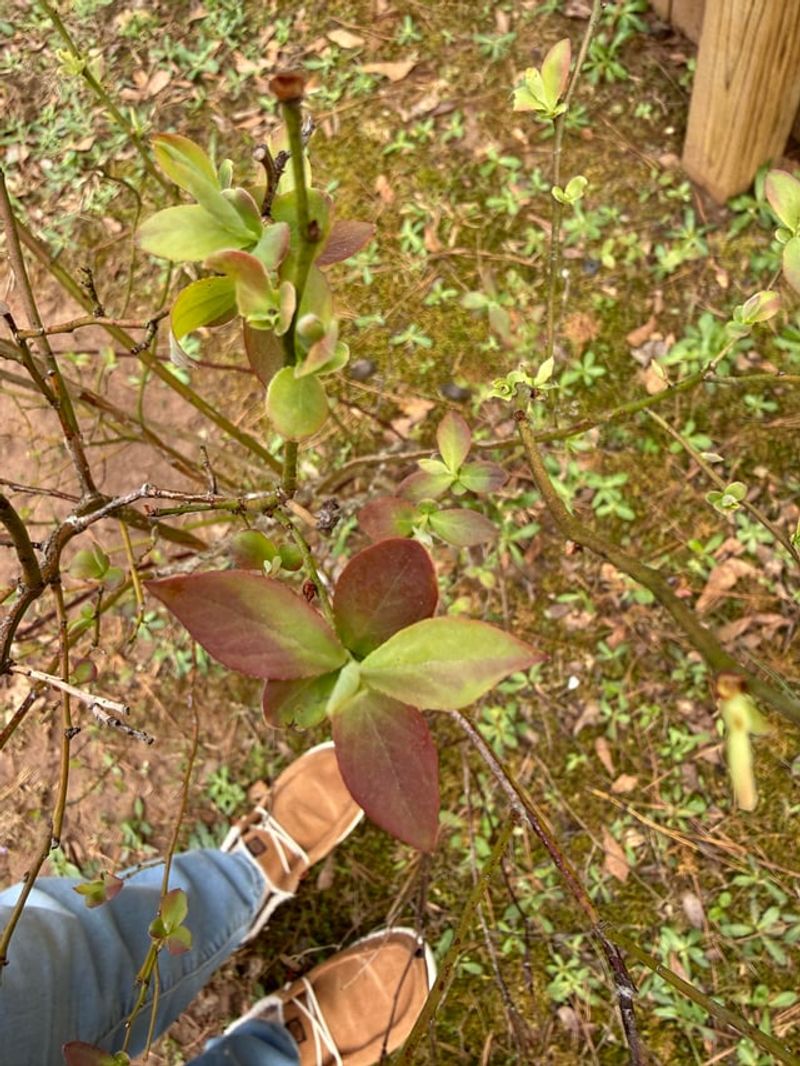
Healthy trees in Georgia typically put out a flush of new growth in spring and sometimes again in early summer. When that new growth looks unusually small, sparse, or seems to have slowed or stopped altogether, heat stress may be playing a role.
A tree that is spending most of its energy managing heat and moisture loss has less energy available to push out new leaves and extend its branches.
Stunted new growth is easy to overlook because it tends to be subtle. Homeowners may notice that a tree just looks a little thinner than it did last year, or that the leaf size on new shoots seems smaller compared to older growth on the same branch.
This kind of gradual thinning can build over multiple seasons if the tree faces repeated summer stress without recovery time in between.
Young trees planted in the last one to three years are especially likely to show slowed growth during hot summers because their root systems have not yet spread wide enough to access deep soil moisture.
Checking in on newly planted trees more frequently during dry stretches, watering slowly and deeply at the root zone rather than with a quick surface spray, and keeping a thick layer of mulch around the base can all support steadier growth.
If a tree has shown minimal new growth for two or more seasons, a certified arborist can help assess whether the root environment needs attention.
7. Upper Or Outer Canopy Shows Stress First
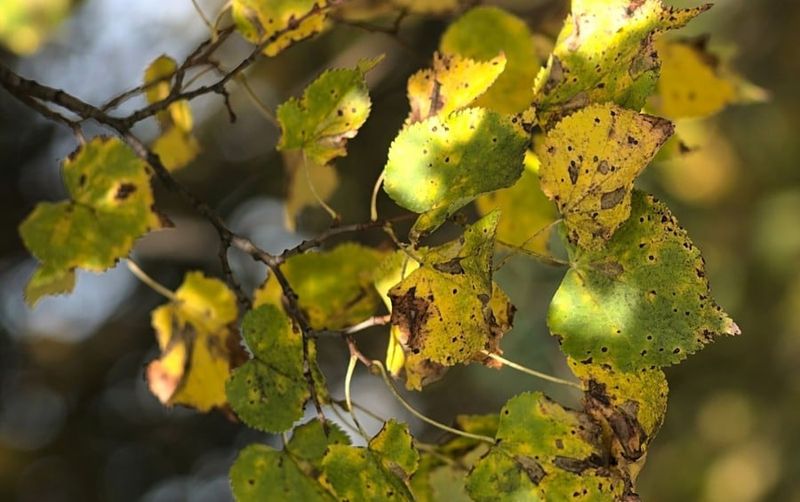
When a tree starts showing heat stress, the upper and outer portions of the canopy are typically the first places where symptoms appear.
Those branches are the farthest from the root system, which means they receive water and nutrients last when supply is running low.
On a hot Georgia afternoon, the tips of the highest branches may be wilting or browning while the lower interior branches still look relatively healthy and green.
This top-down or outside-in stress pattern is a useful clue for homeowners trying to figure out whether a tree is dealing with heat and moisture issues rather than a disease or pest problem.
Many diseases and pest infestations tend to appear differently, sometimes starting in specific branch clusters or showing distinct spotting patterns on leaves.
A general thinning or browning that starts at the outer canopy edges and works inward during a dry summer stretch points more clearly toward environmental stress.
Homeowners with tall shade trees may need to step back and view the full canopy from a distance to notice this pattern.
Looking at the tree from across the yard or from the street can reveal thinning or color changes in the upper crown that are easy to miss when standing directly underneath.
If the upper canopy shows consistent browning or thinning over more than one summer, the root zone may need evaluation for compaction, drainage issues, or construction damage that could be limiting water uptake.
8. Young Or Recently Planted Trees Struggle First
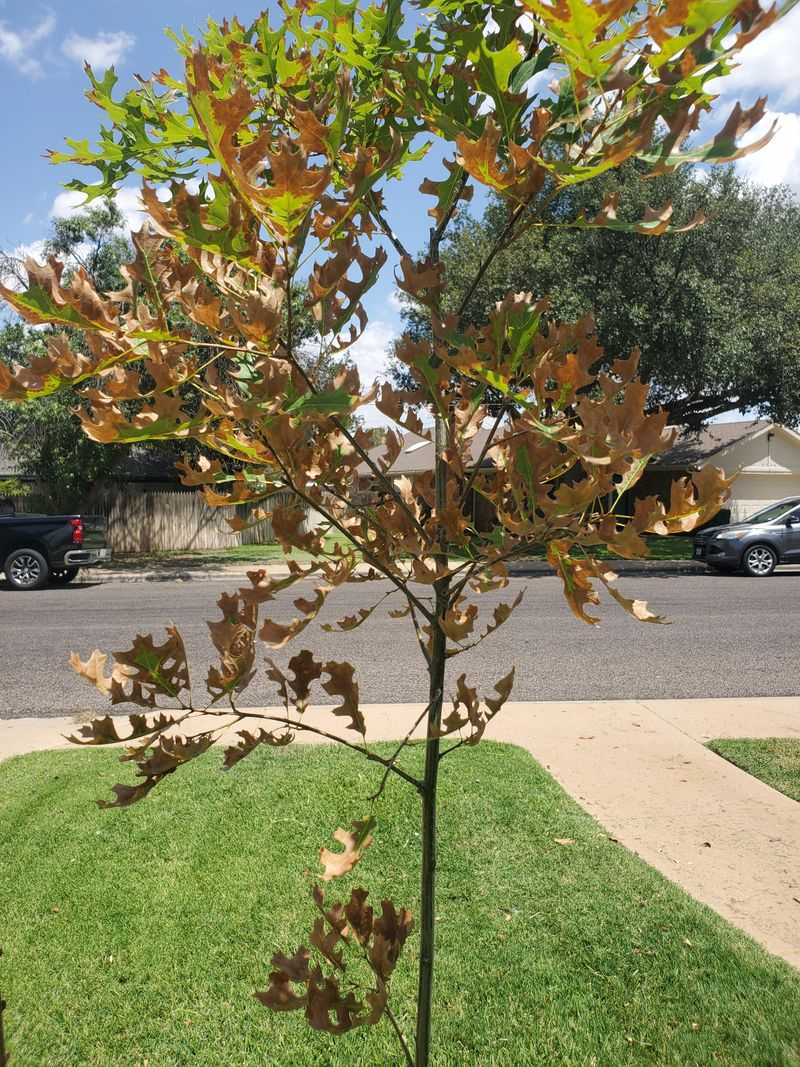
Newly planted trees in Georgia face one of their toughest tests during their first two or three summers in the ground.
A young tree has not yet had time to spread its roots deep enough to access reliable soil moisture, which means it depends heavily on rainfall and supplemental watering to stay healthy when temperatures climb.
During hot, dry summers, these trees can begin showing stress symptoms within just a few days of missed watering.
The signs often show up quickly and visibly on young trees.
Wilting, curling, and browning leaves may appear across the entire small canopy rather than just on the outer edges, simply because the tree does not have the root depth or stored energy reserves that older trees rely on during stress periods.
Trees planted in fall or early spring and then hit with a hot summer before they have fully settled in are particularly vulnerable.
Homeowners who have planted new trees in the past year or two should plan to water them slowly and deeply during dry spells rather than relying on rainfall alone.
Checking soil moisture a few inches below the surface before watering helps avoid overwatering, which can be just as harmful as underwatering.
A wide, shallow ring of mulch around the base of the tree, kept away from the trunk itself, helps hold moisture and keeps soil temperatures more stable through the hottest parts of a Georgia summer.