The Ground Covers Michigan Gardeners Are Using Instead Of Mulch In Problem Areas
Every Michigan gardener has a problem spot that mulch just cannot seem to fix. Maybe it is that steep bank along the driveway that looks great in April and completely bare by June.
Maybe it is the dry, rooty ground under an old oak where nothing stays put and nothing much grows either. These are the spots that make you question every landscaping decision you have ever made, which is a lot of pressure for one patch of dirt.
Living ground covers tend to be the answer that stubborn spots like these actually respond to.
Unlike loose mulch, they root in, spread out, and hold the ground through whatever Michigan’s weather decides to throw at them.
Some problems just need a plant, not a bag of bark chips.
1. Foamflower Softens Dark Problem Spots
Bare patches under mature trees are one of the most frustrating problems in Michigan yards. The soil stays dry, roots crowd out everything, and mulch tends to thin out faster than you can refresh it.
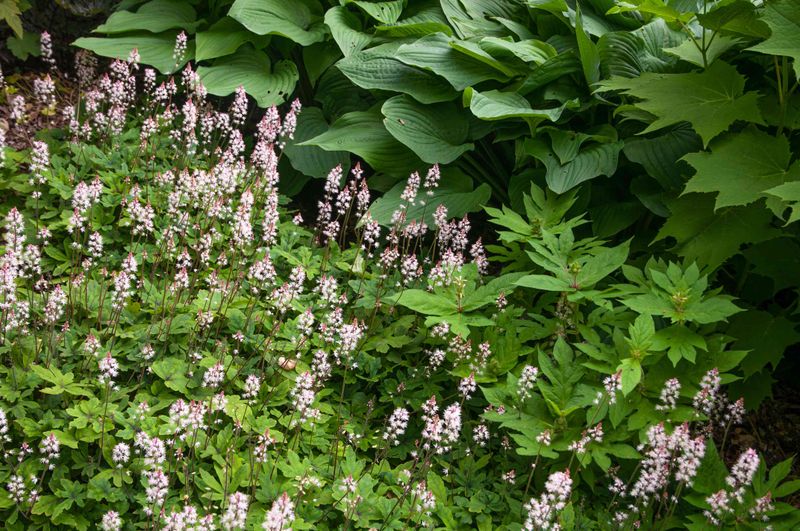
Foamflower, known botanically as Tiarella, is a low-growing native perennial that handles those shaded, root-filled spots with surprising reliability.
Unlike loose mulch, foamflower spreads slowly on its own through runners, filling gaps between tree roots without needing to be repositioned each spring.
The plant stays low to the ground, typically reaching only six to twelve inches tall, and its broad, lobed leaves do a solid job of shading the soil beneath them.
That leaf cover helps hold moisture and reduce weeds in spots where mulch tends to blow or wash away.
In Michigan, foamflower tends to perform best in consistently moist, shaded sites with rich, well-drained soil. It is not a strong performer in dry or sunny spots, so matching the plant to the right conditions matters before you rely on it as a living cover.
Foamflower produces soft white or pinkish blooms in spring, which adds some seasonal interest to corners that would otherwise stay plain and dark.
Gardeners who have tried foamflower in deep shade borders often find it easier to maintain than annual mulch applications. It will not replace mulch everywhere, but in the right shady problem spot, it can hold ground and look good doing it year after year.
2. Native Phlox Spreads Through Tough Garden Gaps
Some garden gaps just refuse to stay covered. The soil between stepping stones, along dry borders, or at the edge of a bed tends to lose mulch to foot traffic, wind, or erosion, and bare ground keeps coming back.
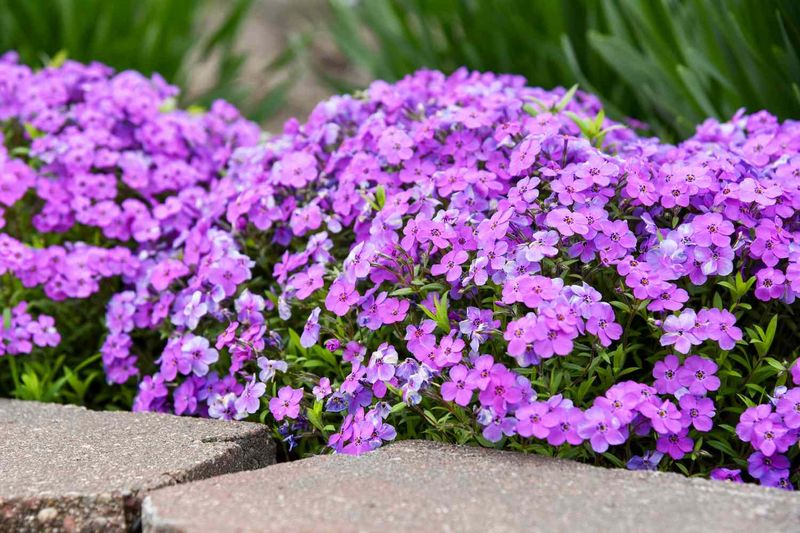
Creeping phlox, a low-growing native option well suited to Michigan conditions, is one plant that many gardeners reach for when those gaps keep opening up.
Wild blue phlox and creeping phlox both spread along the soil surface, forming a low mat that holds the ground between other plants. Creeping phlox in particular stays quite flat, rarely getting taller than six inches, and it roots along its stems as it spreads.
That rooting habit makes it far more stable than loose mulch in spots where water or foot traffic would normally move things around.
Your Michigan Garden Changes Every Week. Your Plan Should Too.
Gardening in Michigan changes quickly throughout the season. Every Friday you’ll receive a simple weekly plan showing exactly what to plant, prune, fertilize, harvest, and protect so you never miss the right timing.
Gardeners often use creeping phlox along sunny slopes, at the front of borders, and between flagstones where mulch would scatter.
It handles moderately dry soil reasonably well once it has settled in, which makes it useful in spots that do not get a lot of supplemental watering.
The spring bloom is a bonus, covering the mat in small flowers that range from white to lavender to pink depending on the variety.
One thing to keep in mind is that creeping phlox needs decent sun to spread well. It is not the right choice for deep shade, but for sunny garden gaps and low slopes in Michigan, it can hold space in a way that wood chips rarely do.
3. Coral Bells Brighten Shady Trouble Areas

Shady corners that stay sparse and dull are a common frustration in Michigan backyards, especially along north-facing fences or beneath dense canopy trees. Mulch fills those spots temporarily, but it does not add any visual interest, and it keeps needing to be topped off.
Coral bells, known botanically as Heuchera, brings both color and function to those low-light trouble areas.
The foliage is the real draw here. Coral bells come in a wide range of leaf colors, from deep burgundy and chocolate brown to lime green and caramel, and those leaves hold their color through most of the Michigan growing season.
The plants form tidy mounds about twelve to eighteen inches wide, and as they multiply over time, they can fill a shady bed with a layered carpet of color that no amount of wood chips can replicate.
Beyond looks, coral bells do a reasonable job of shading the soil beneath their leaves, which helps reduce weed pressure in spots where bare ground tends to invite unwanted plants.
They prefer well-drained soil and will not tolerate standing water, so drainage matters when choosing a planting site in Michigan.
Coral bells are not aggressive spreaders, so they work best when planted in groups to cover ground more quickly.
They are also not the best option for very dry or very sunny spots, but in a shaded border that needs something more reliable than mulch, they offer a combination of ornamental value and practical ground coverage that is hard to match with loose materials.
4. Hostas Fill Bare Ground In Shade
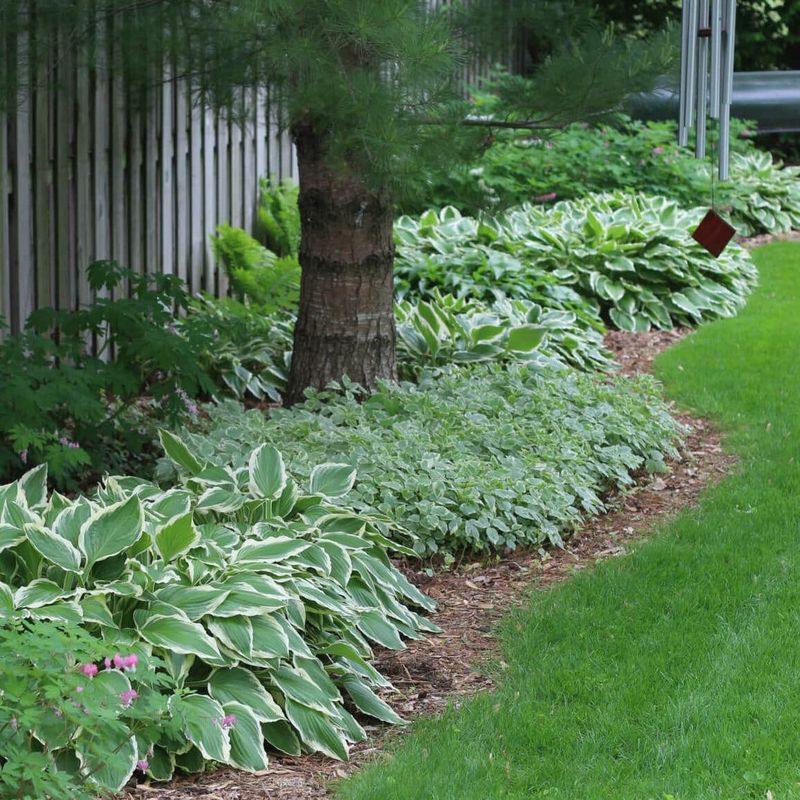
Walk through almost any established Michigan neighborhood in summer and you will spot hostas doing the heavy lifting under old maples and oaks. There is a reason they show up so reliably in those spots.
Few plants handle the combination of deep shade, competing tree roots, and dry summer soil as gracefully as a well-placed hosta.
Hostas grow from a central crown and push out wide, overlapping leaves that can cover significant ground depending on the variety.
Large-leafed types can spread two to four feet across, and when planted in groups, they create a dense canopy close to the soil that shades out weeds and holds moisture in a way that loose mulch often struggles to do once it thins out beneath a tree.
The range of hosta varieties available to gardeners is genuinely impressive. Leaf sizes run from small mounds a few inches wide to giant specimens that anchor a whole shady corner.
Colors include solid green, blue-green, gold, and many variegated combinations. That variety makes it easy to mix hostas together for layered coverage across a bare shaded bed.
Hostas do go dormant in winters, which means bare ground returns for a few months each year. Some gardeners add a light layer of mulch during that period and let the hostas take over again in spring.
They are not a full replacement for mulch in every season, but during the growing months, a well-established hosta planting can cover bare ground under trees more effectively than most loose materials.
5. Liriope Handles Steep Banks With Ease
Mulch on a steep slope is almost a losing battle in Michigan. A hard rain can send a fresh layer of wood chips right down the hill and into the lawn or street below.
Gardeners who deal with erosion-prone banks often end up re-mulching the same slope several times a season, which gets expensive and time-consuming fast.
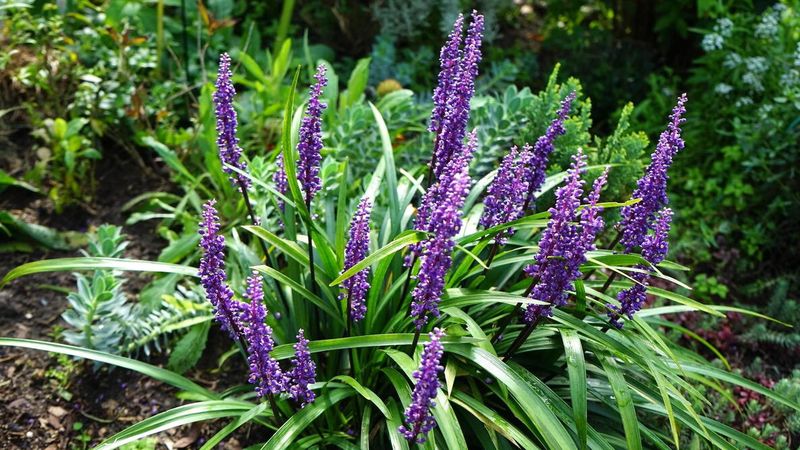
Liriope, sometimes called lilyturf, is a grass-like perennial that handles sloped ground with a practicality that loose mulch simply cannot offer.
Its dense, clumping or spreading root system grips the soil and holds it in place through rain events that would wash a wood chip layer away.
The foliage stays low, usually topping out between twelve and eighteen inches, and it keeps the slope covered without requiring much ongoing attention once it has settled in.
Gardeners should know that liriope is not considered fully hardy in all parts of the state. In colder northern Michigan zones, winter hardiness can be a concern, so checking the specific variety and local zone before planting is a worthwhile step.
In southern Michigan, liriope tends to perform more reliably and can come back year after year with minimal care.
On sunny to lightly shaded slopes where erosion is the main problem, liriope offers a living solution that holds ground in a way no loose material can replicate.
It also produces small purple or white flower spikes in late summer, which adds a bit of seasonal interest to a slope that might otherwise just be a maintenance headache.
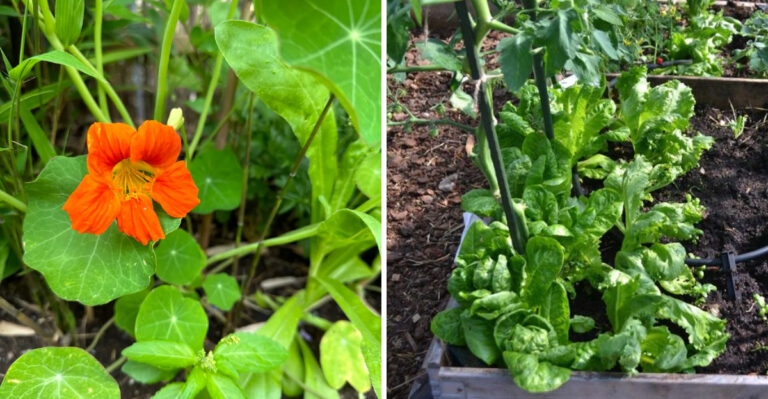
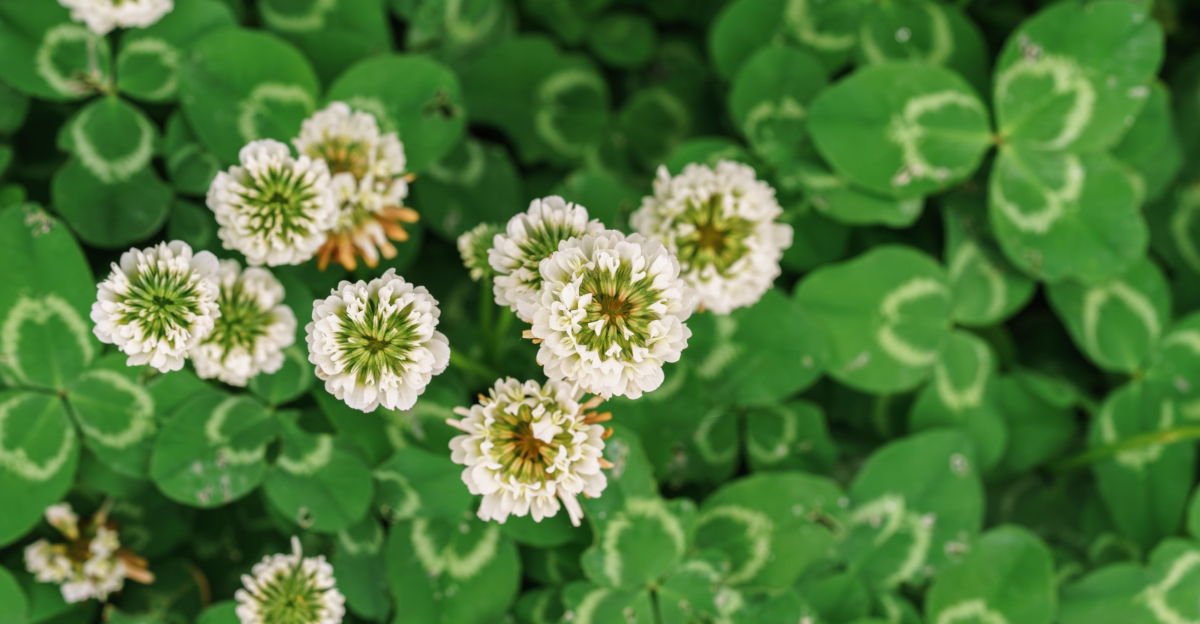
6. White Dutch Clover Works As Living Mulch
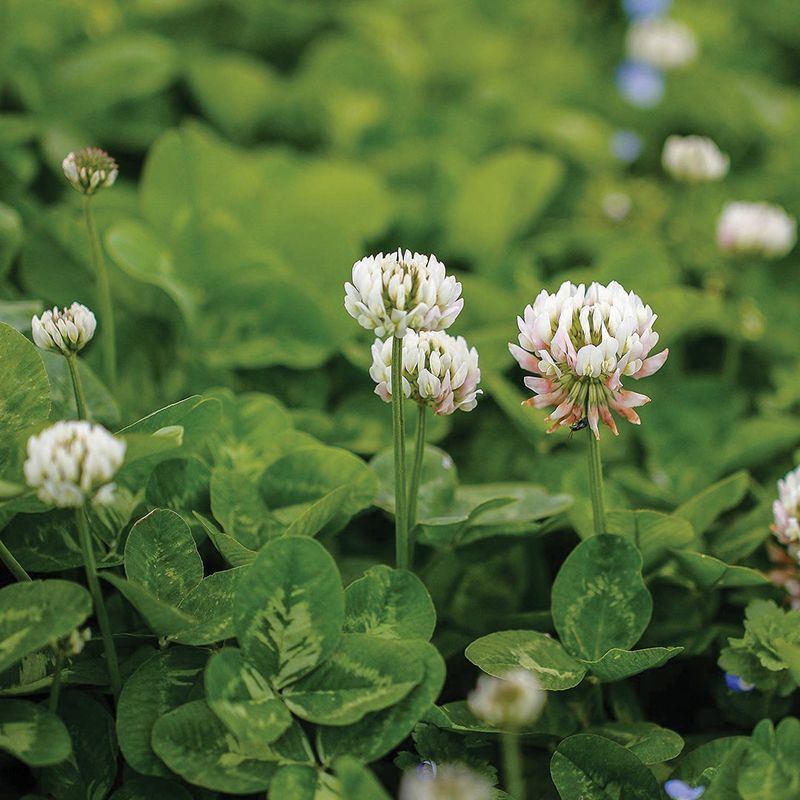
Between rows in a vegetable garden or across bare soil in a yard that just will not grow grass, white Dutch clover has become one of the more practical living mulch options gardeners are reaching for.
It is low-growing, spreads readily, and does something that wood chips cannot: it pulls nitrogen from the air and returns it to the soil through its root system.
That nitrogen-fixing ability makes white Dutch clover especially appealing in vegetable gardens and edible spaces, where soil health matters as much as weed suppression.
As a living mulch between rows or around fruit trees, it can help cover bare soil while also contributing modest fertility over time.
It is not a fertilizer replacement, but it does offer a soil benefit that no inorganic mulch material can match.
White Dutch clover stays quite short, typically under six inches, and tolerates moderate foot traffic reasonably well. It handles summers without much supplemental watering once it is established, and it tends to fill in gaps steadily through the growing season.
The small white blooms are also attractive to pollinators, which is a welcome bonus in any edible garden space.
One thing to keep in mind is that clover can spread beyond where you want it, so some edge management may be needed along borders or lawn areas. It is also an annual in some Michigan conditions, meaning it may need to be reseeded in certain spots.
For bare soil problems in vegetable rows or open beds, though, white Dutch clover is a low-cost and practical living cover worth considering.