These California Annuals Reseed Themselves So You Don’t Have To Replant
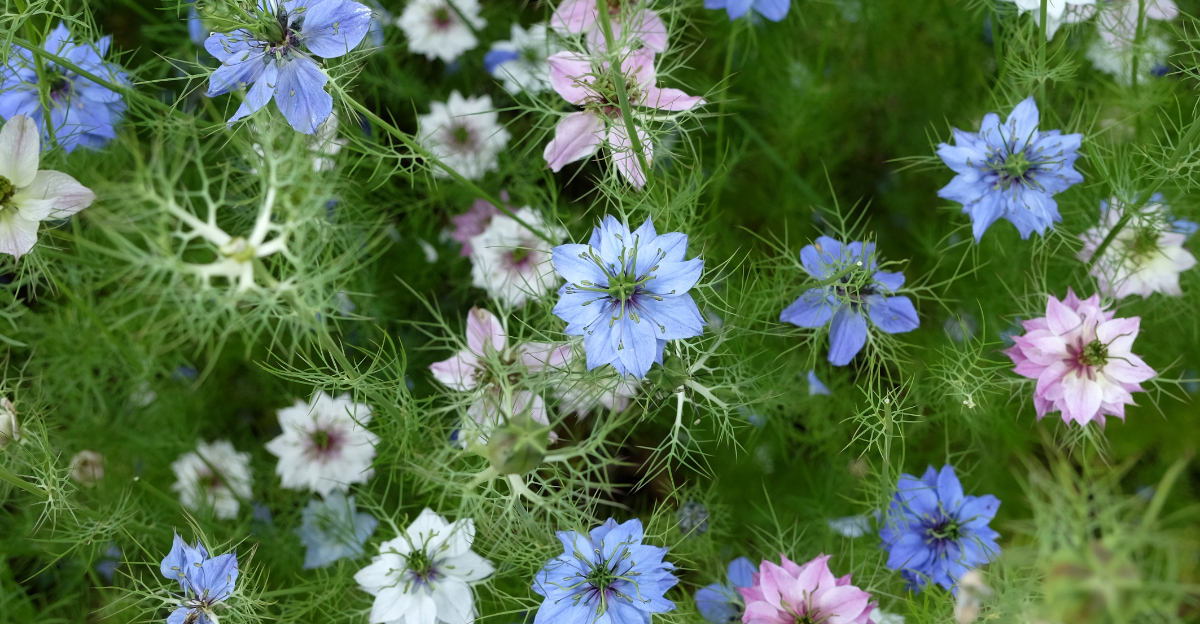
Some annuals are one season wonders. They bloom, look pretty, and then expect you to start all over again next year. Rude, honestly.
But a few California friendly annuals have a much better habit. They drop seeds on their own and may return when conditions suit them, which feels like getting a garden refill without another nursery trip.
That kind of surprise color can make beds feel relaxed and full of life.
It also works well for gardeners who like a natural look instead of perfectly planned rows. The fun part is that reseeding annuals often pop up in little unexpected places.
A corner that looked empty in fall might turn into a patch of blooms by spring.
Of course, not every self seeder behaves the same way. Some are polite guests, while others get a little too confident. Choose carefully, and your garden can bring itself back for another round.
1. California Poppies Come Back Like They Own The Place
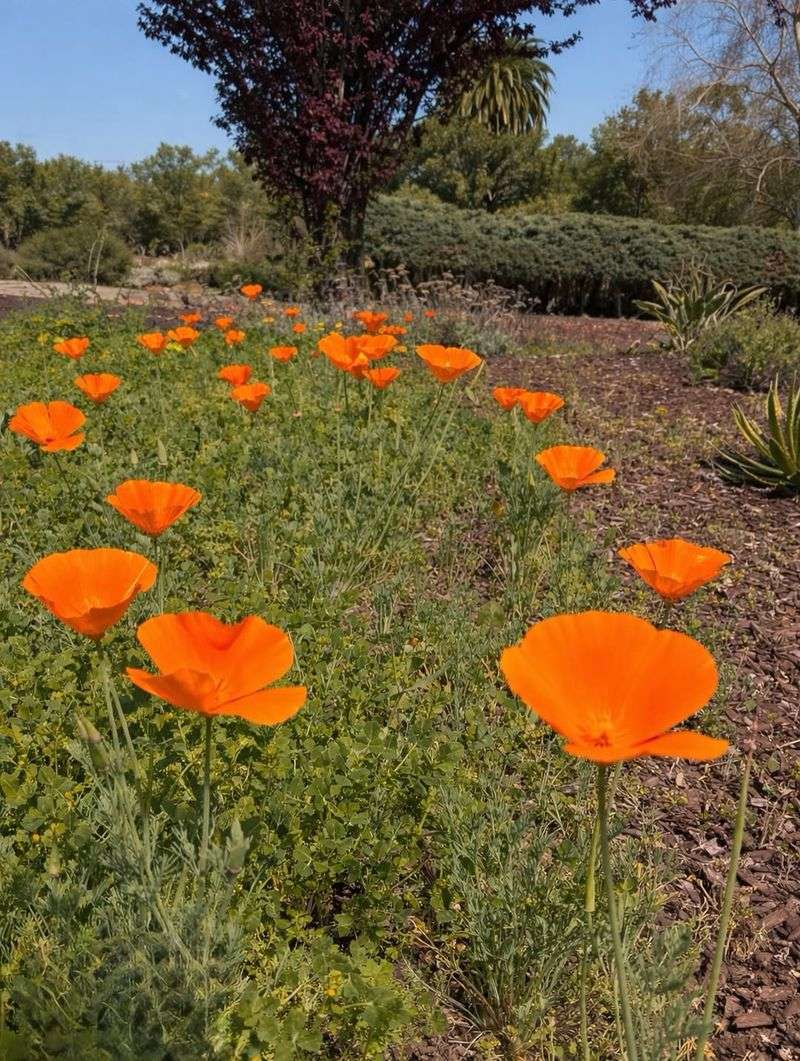
Few flowers have the confidence of a California poppy. Every spring, these cheerful orange blooms push right back up through the soil without any help from you.
They reseed themselves so naturally that most gardeners forget they ever planted them in the first place.
These poppies are native to our state, which means they already know how to survive here. They love dry, sunny spots and actually do better when you leave them alone. Overwatering is one of the few things that can slow them down.
When a red bird visits a yard full of poppies, many people see it as a double sign of good energy.
The bright colors together feel alive and intentional. Some California traditions connect red birds with messages from loved ones who have passed on.
Letting poppies reseed means you get a bigger, fuller patch each year. Just shake the dried seed pods gently over the soil before the first rains hit. You will be surprised how many new plants pop up by late winter.
These little flowers carry a big personality and keep your yard looking vibrant season after season without much effort on your part.
2. Nasturtiums Drop Seeds And Start The Party Again
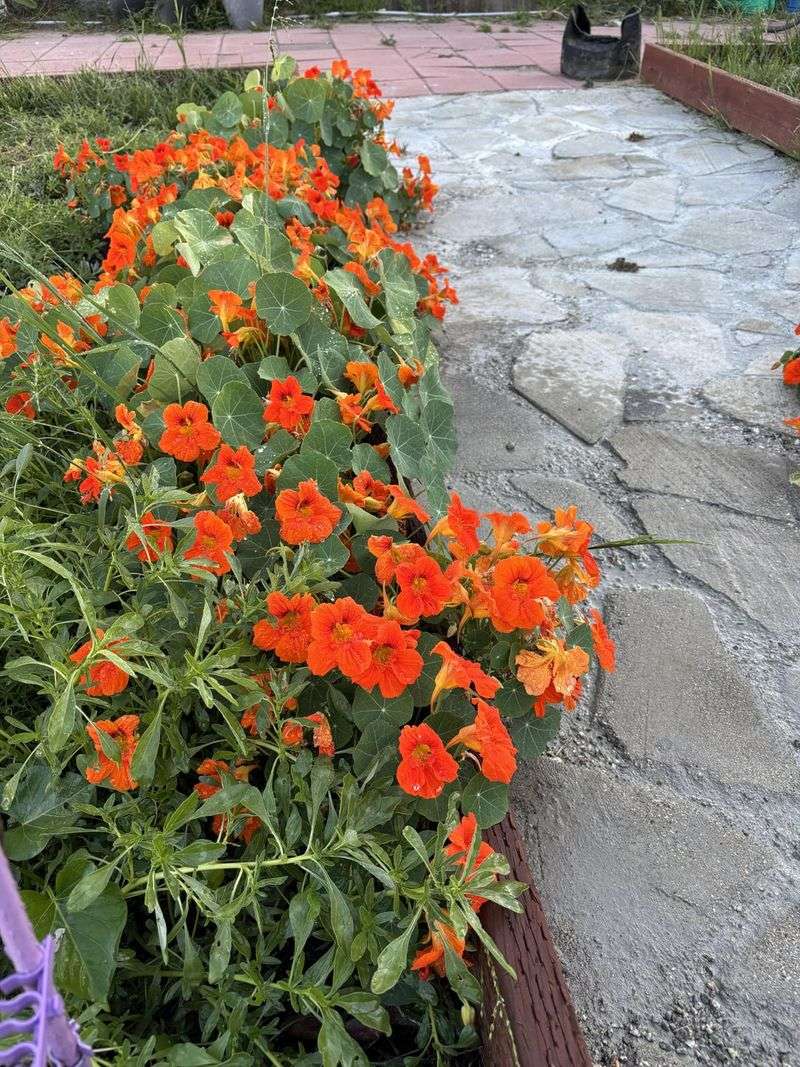
Nasturtiums are the kind of plant that shows up, makes friends with everyone, and then invites itself back next year.
They drop their large seeds right where they stand, and by the following spring, a whole new group of plants takes over. You barely have to think about them.
In our state, nasturtiums thrive in coastal gardens and warm inland spots alike. They spread quickly along borders and even spill over garden walls in a really satisfying way.
The flowers come in deep reds, warm oranges, and bright yellows that attract both pollinators and curious eyes.
Red birds, especially house finches, are often spotted near nasturtium patches. The seeds are a food source, and the dense foliage gives small birds a place to rest. Seeing a red bird tucked into a nasturtium bed feels like a small, quiet gift.
Your California Garden Changes Every Week. Your Plan Should Too.
Gardening in California changes quickly throughout the season. Every Friday you’ll receive a simple weekly plan showing exactly what to plant, prune, fertilize, harvest, and protect so you never miss the right timing.
Spiritually, nasturtiums are connected to creativity and bold choices. When a red bird shows up near them, some people take it as encouragement to move forward on something they have been putting off.
Whether that resonates with you or not, there is no denying that this combination of color and life in your yard feels genuinely uplifting every single time.
3. Calendula Keeps The Color Going Year After Year
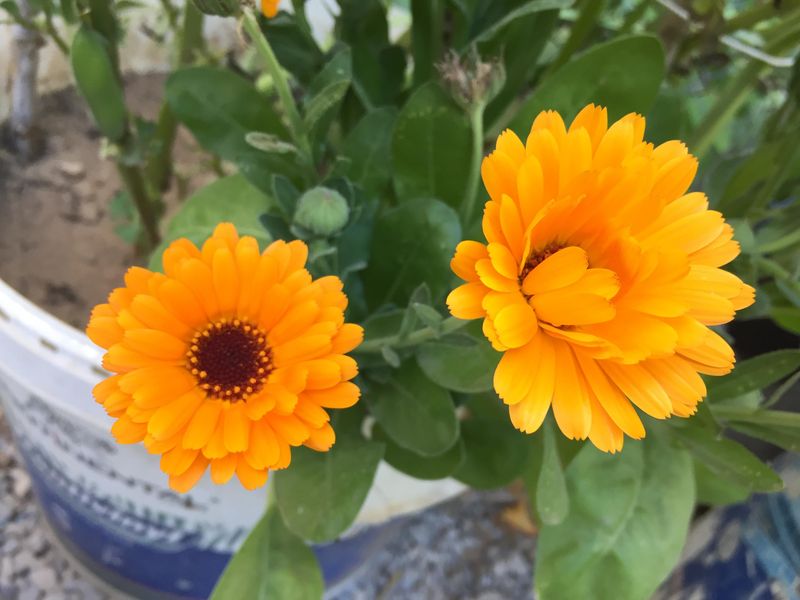
Calendula has been grown in gardens for hundreds of years, and there is a good reason it keeps coming back.
Not just in the garden, but in history, herbal medicine, and folklore too. People have always been drawn to its warm, golden color and its easy personality.
Once established in your yard, calendula reseeds itself reliably. The flowers bloom, go to seed, and the seeds fall right back into the soil. Come the next growing season, fresh plants appear almost like clockwork.
It is one of the most low-maintenance ways to keep consistent color in your garden beds.
Red birds and calendula seem to share a similar energy. Both are warm, bright, and easy to love. House finches and other small red birds often forage near calendula plants, picking at seeds in the dried flower heads.
In terms of meaning, seeing a red bird near cheerful yellow and orange blooms is often read as a sign of joy coming your way.
Some traditions say red birds carry messages of hope, especially during tough times. Calendula has also long been linked to healing and comfort in folk traditions.
Together, they create a yard moment that feels both grounded and quietly meaningful. Growing calendula is a simple way to invite more of that warmth into your outdoor space.
4. Sweet Alyssum Fills Gaps Without Being Asked
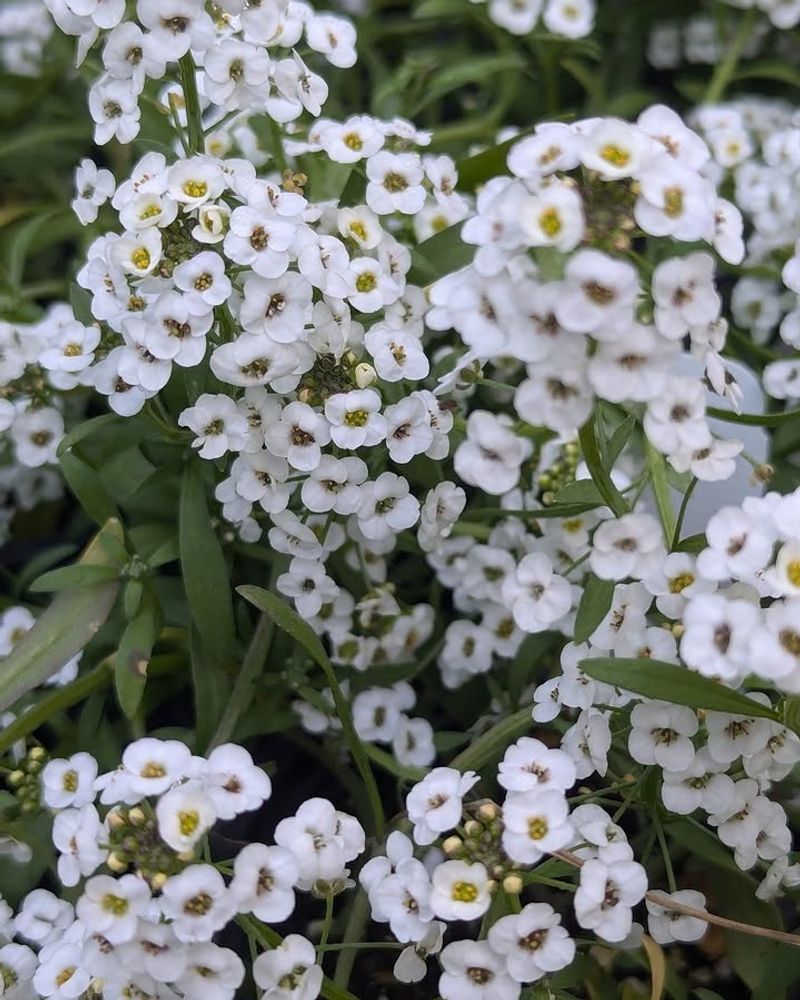
There is something quietly generous about sweet alyssum.
It spreads into the empty spaces of your garden without making a fuss, softening hard edges and filling bare patches with clusters of tiny, honey-scented blooms.
Most gardeners consider it one of their best accidental discoveries.
Sweet alyssum reseeds freely across our state, especially in mild coastal climates where the soil stays workable through much of the year.
Once you plant it, expect it to wander a little. It will find its way between pavers, along borders, and around the base of larger plants.
Small birds, including red-colored finches, are sometimes spotted hopping through alyssum patches.
The low growth gives them cover while they forage, and the seeds attract their attention. Watching a bright red bird disappear into a cloud of white flowers is one of those simple yard moments you want to hold onto.
Spiritually, sweet alyssum is linked to calm and emotional balance. Red birds in many belief systems represent love, protection, and connection to those we miss. When the two appear together, people often feel a sense of peace wash over them.
You do not need to follow any particular tradition to appreciate that feeling. Sometimes a garden moment just lands in your heart the right way, and sweet alyssum has a quiet way of making that happen regularly.
5. Love-In-A-Mist Makes Reseeding Look Romantic
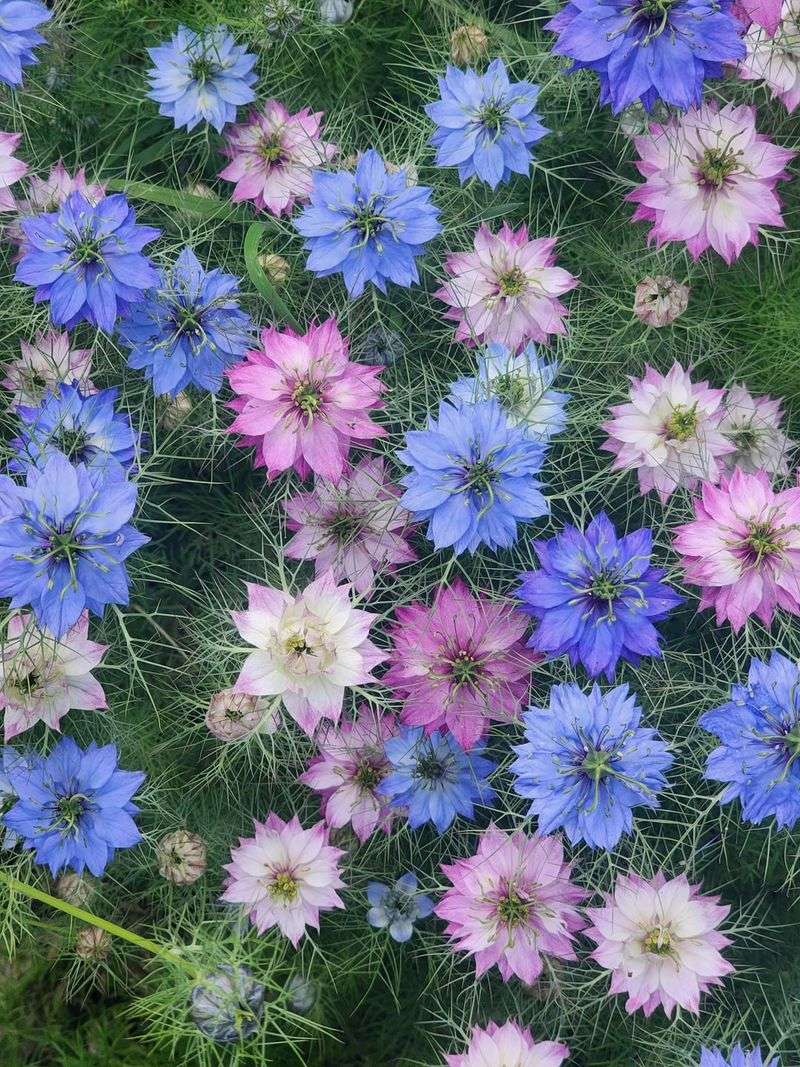
With a name like Love-in-a-Mist, it is hard not to be charmed before you even see the flower.
The blooms are wrapped in a cloud of fine, thread-like foliage that gives the whole plant a dreamy, soft appearance. It looks like something out of a storybook garden, and it grows with almost no effort.
Across our state, this flower reseeds generously in well-drained soil with good sun exposure.
The seed pods are ornamental on their own, adding texture to the garden even after the blooms fade. Many gardeners keep the dried pods for indoor arrangements, which is a lovely bonus.
Red birds visiting a yard with Love-in-a-Mist create a striking visual contrast. The soft blue and white blooms against the vivid red of a house finch or similar bird feels almost staged. It is the kind of combination that makes you stop and stare.
The meaning behind a red bird visit near romantic flowers like these tends to lean toward love and emotional healing.
Many people across different cultures believe red birds carry messages from those who loved us. Love-in-a-Mist adds a layer of tenderness to that belief.
If you have been going through a hard stretch emotionally, spotting a red bird in this kind of garden setting can feel like a warm, wordless reassurance that you are not alone and that better days are already on the way.
6. Bachelor’s Buttons Bring Back That Cottage-Garden Look
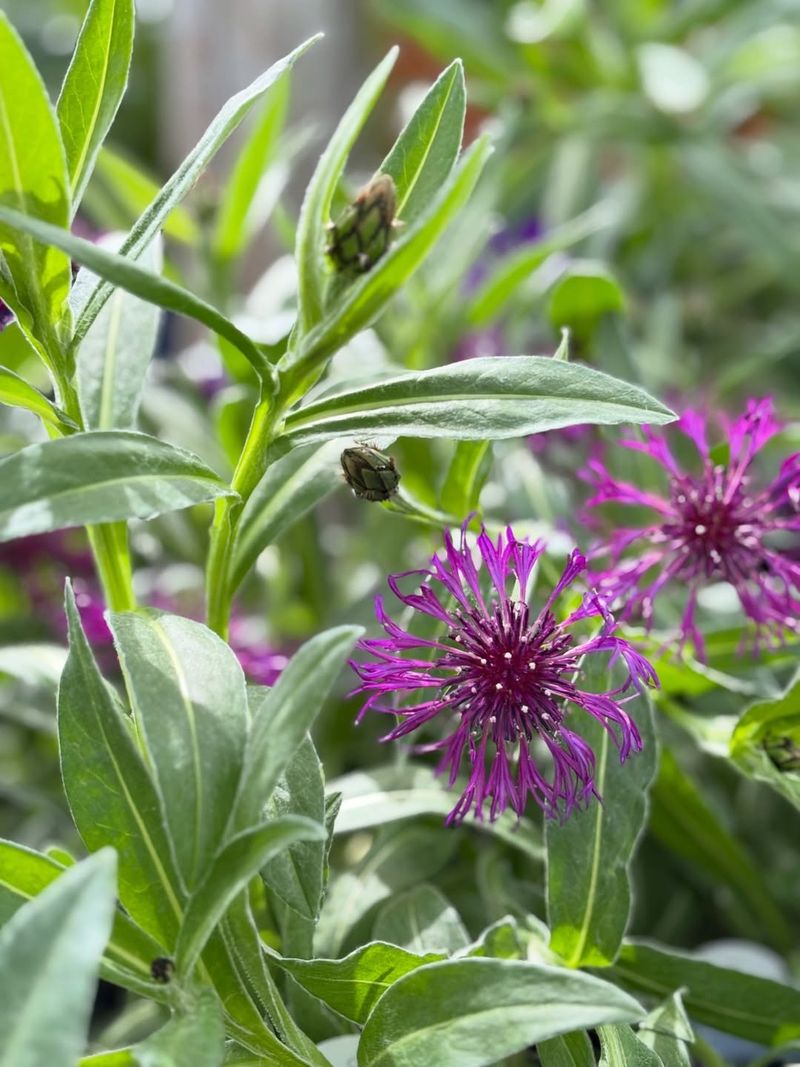
Bachelor’s buttons have been a garden staple for so long that seeing them in full bloom feels like nostalgia even if you have never grown them before.
That classic cobalt blue color is hard to find in nature, which makes these flowers stand out in any garden setting. They have a cheerful, unpretentious quality that gardeners of all experience levels appreciate.
In our state, bachelor’s buttons reseed reliably in most garden zones. They prefer cooler weather, so they tend to pop up in late winter and early spring.
Once the season warms up, they set seed and let the next generation take over. It is a simple, satisfying cycle.
Red birds are sometimes spotted near bachelor’s button patches, especially when the seed heads are dry and full.
Finches in particular are attracted to the seeds and will visit repeatedly once they find a reliable patch. Watching a red bird work through a row of blue flowers is genuinely one of the prettiest things a yard can offer.
The combination of blue and red in a garden setting carries strong symbolic weight in many traditions.
Blue represents calm and trust, while red birds are often seen as messengers of love or protection. Together, they create a garden moment that feels layered with meaning.
Even on an ordinary afternoon, a red bird among bachelor’s buttons can make the whole yard feel like it is telling you something worth hearing.
7. Cosmos Scatter Themselves Around Sunny Beds
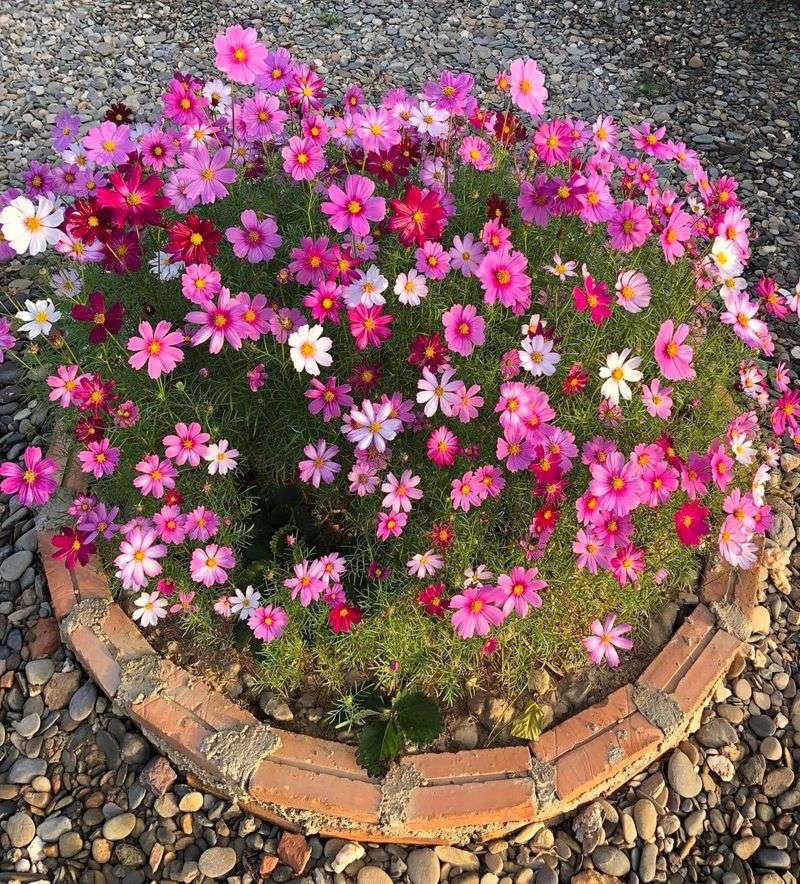
Cosmos are one of those flowers that seem to know exactly what they are doing.
They scatter their seeds across the garden at the end of the season and then show up again in slightly different spots the following year, keeping things fresh and a little unpredictable.
Most gardeners love that quality about them. Across sunny regions of our state, cosmos thrive in poor soil and full sun.
They actually bloom better when you do not fuss over them too much. Rich soil can cause them to put out lots of leaves and fewer flowers, so a little neglect goes a long way with this plant.
Red birds are drawn to cosmos seed heads once the flowers fade. Goldfinches and house finches, both of which can show reddish tones, will perch on the tall stems and pick at the seeds directly. It is a charming and practical relationship between bird and bloom.
People who spot red birds near cosmos often associate the visit with creativity and new beginnings.
Cosmos symbolize order and harmony in some traditions, which pairs nicely with the red bird’s association with passion and vitality.
If you have been feeling stuck or unsure about a decision, a red bird among scattered cosmos blooms might feel like a nudge in the right direction.
Let the garden remind you that beautiful things can grow even when they land somewhere unexpected.
8. Larkspur Returns With Tall Spikes Of Color
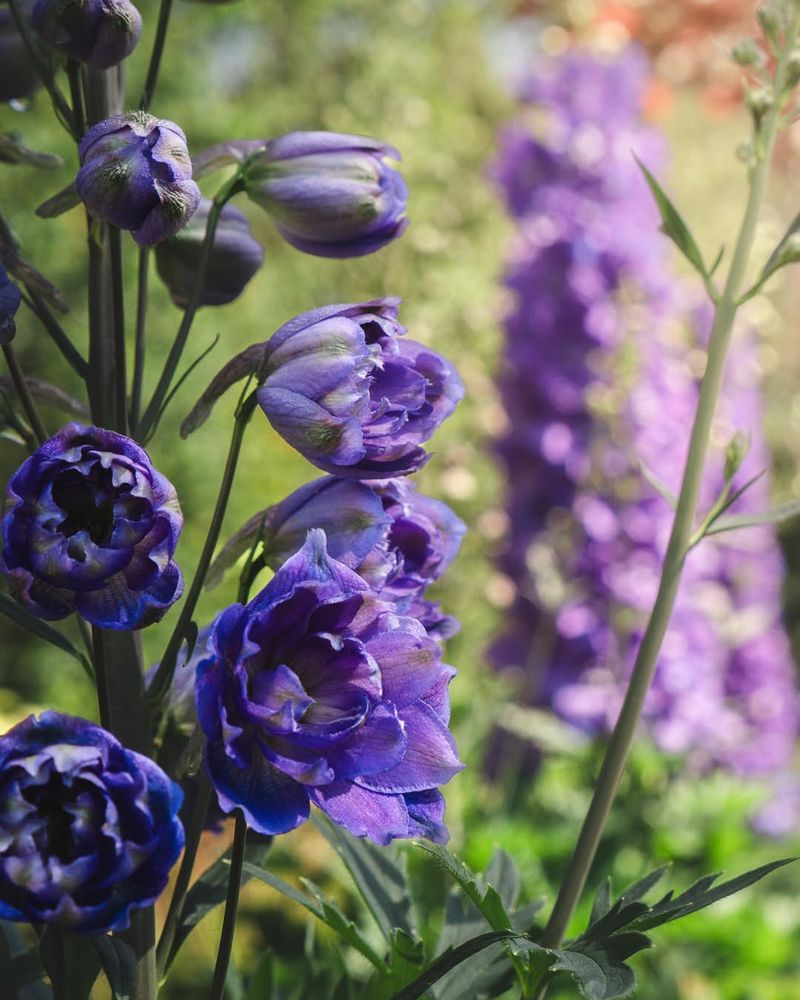
Larkspur has a drama to it that most garden flowers simply cannot match. Those tall, elegant spikes covered in purple, blue, pink, or white blooms stand above the rest of the garden like they are making a point.
And every year, they make that point again without being asked, thanks to prolific reseeding.
In cooler parts of our state, larkspur is one of the first bold bloomers of the season. Seeds need a cold period to germinate well, so scattering them in fall gives you the best results come spring.
Once established, the plants return faithfully with very little input from you. Red birds visiting a yard full of larkspur make a stunning visual impression.
The contrast between a vivid red bird and a tall blue or purple spike is the kind of image that sticks in your memory.
Many bird watchers and gardeners plan their plantings specifically to create these kinds of moments.
Larkspur carries meanings tied to lightness, strong bonds, and an open heart in flower symbolism traditions.
When a red bird appears near these blooms, people often feel a sense of connection to something larger than themselves. Some believe it is a sign that a relationship in their life is being protected or strengthened.
Whether you see it as nature or something more, larkspur and red birds together create a yard experience that is genuinely hard to forget and easy to look forward to every single spring.