What North Carolina Green Bean Growers Keep Getting Wrong Every Single Summer
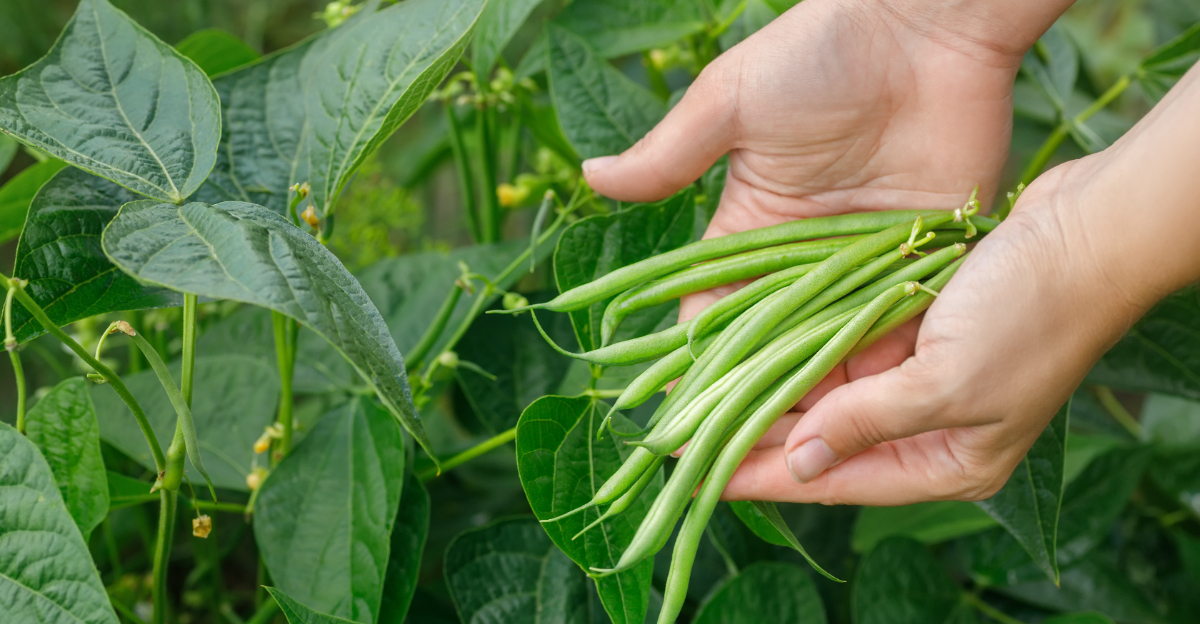
Green beans have a reputation for being easy, and honestly, they are, until they’re not.
Every summer, North Carolina gardeners plant them with confidence, and every summer, a lot of those same gardeners end up scratching their heads over yellowing leaves, poor production, or plants that peter out way too early.
The mistakes that cause these problems aren’t mysterious. They show up the same way, in the same gardens, year after year.
Some of them happen before the seeds even go in the ground. Others are small decisions during the growing season that seem harmless at the time.
Green beans will tolerate a lot, but they won’t tolerate everything, and the Carolina summer has a way of turning small errors into big disappointments once the heat and humidity really settle in for good.
1. Letting Beans Dry Out During Flowering
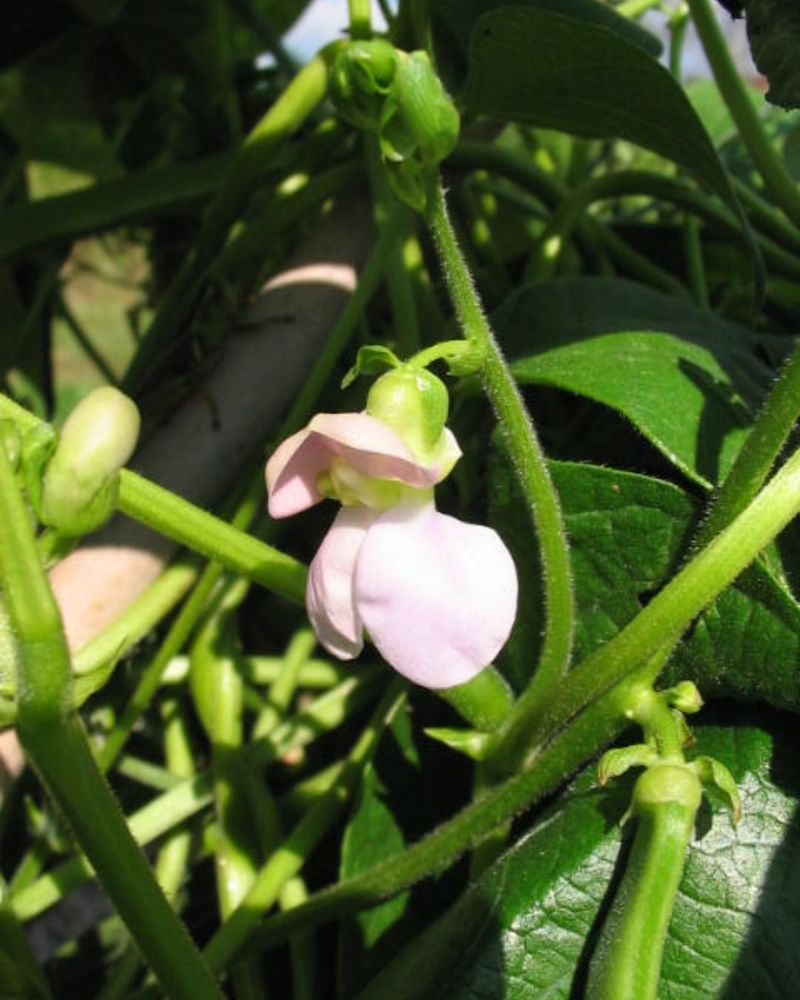
Flowering time is arguably the most critical window in a green bean plant’s entire life cycle. Many North Carolina growers pay close attention early in the season, then ease up on watering once those first blooms appear.
That is exactly the wrong move. When the soil dries out during flowering, the plant drops blossoms before they ever get a chance to form pods.
North Carolina summers can turn brutally dry without much warning, especially in July and August. Soil in raised beds dries out even faster than in-ground plots.
A good rule of thumb is to keep the top two inches of soil consistently moist during the flowering stage. Checking moisture every morning takes less than a minute and can save your entire harvest.
Mulching around the base of your plants helps lock in moisture between waterings. Straw, wood chips, or even shredded leaves work great and also keep the soil temperature from spiking during midday heat.
Aim to water deeply two to three times per week rather than giving plants a shallow daily sprinkle. Deep watering encourages roots to grow further down, making the plant more resilient overall.
Staying consistent during flowering is the single most rewarding habit you can build as a green bean grower in this state.
2. Watering The Leaves Instead Of The Soil
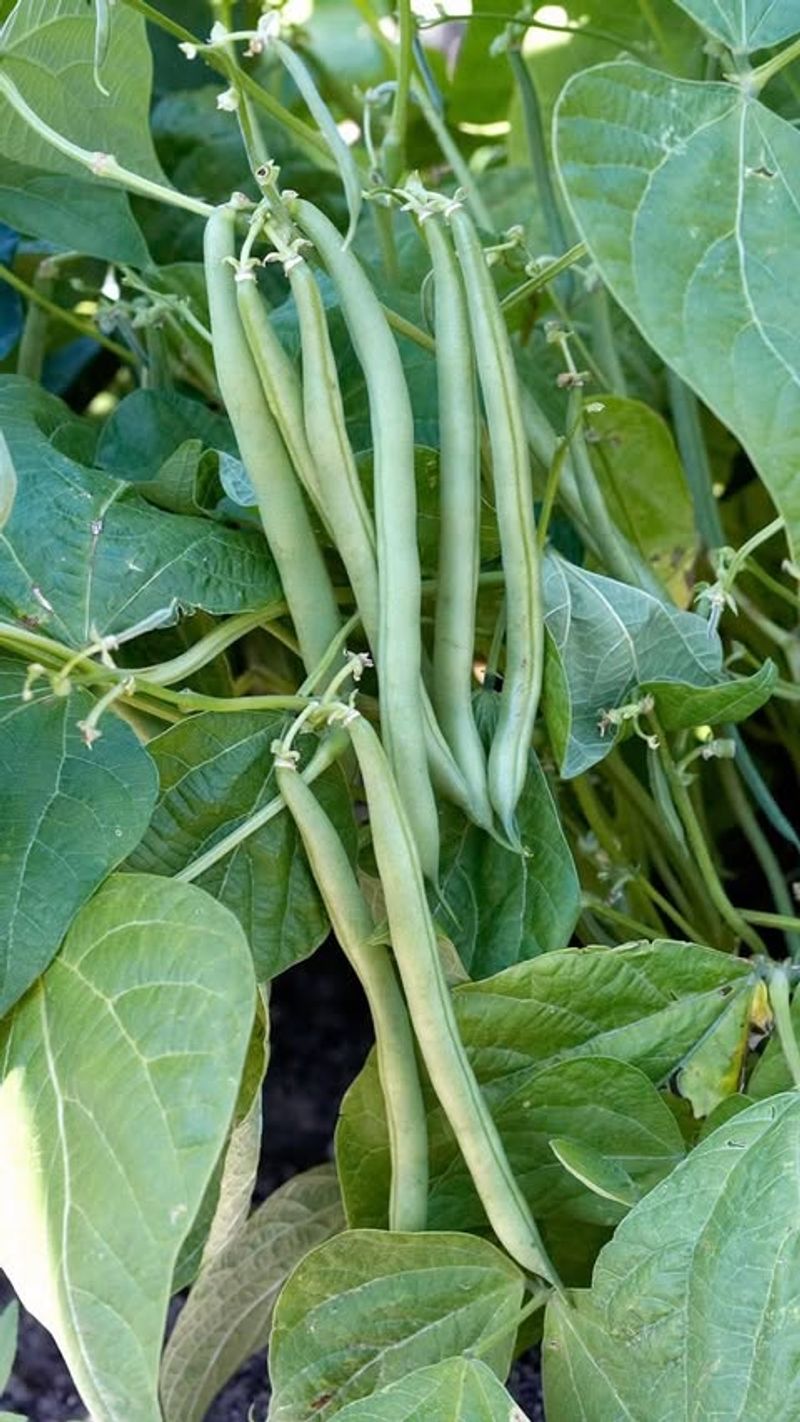
Wet leaves on a hot, humid North Carolina afternoon are basically an open invitation for fungal disease. Overhead watering might seem convenient, but it coats foliage in moisture that just sits there, especially when there is not enough airflow to dry things out quickly.
Powdery mildew, bacterial brown spot, and rust are all common problems that get a head start when leaves stay wet for extended periods.
Switching to drip irrigation or a soaker hose is one of the easiest upgrades any green bean grower can make. Water goes directly to the root zone where it is actually needed, and the leaves stay dry and healthy.
Even if you are hand-watering with a hose, pointing the stream at the base of the plant rather than overhead makes a noticeable difference within just a few weeks.
Timing matters too. Watering in the morning allows any accidental splash on foliage to dry off before the heat of the day sets in.
Your North Carolina Garden Changes Every Week. Your Plan Should Too.
Gardening in North Carolina changes quickly throughout the season. Every Friday you’ll receive a simple weekly plan showing exactly what to plant, prune, fertilize, harvest, and protect so you never miss the right timing.
Evening watering is the worst option because leaves stay damp all night, creating the perfect environment for fungal spores to take hold.
North Carolina’s summer humidity already stacks the deck against your plants, so there is no reason to add extra moisture to the equation.
Keeping leaves dry is one of the simplest and most effective disease-prevention strategies available to home gardeners.
3. Crowding Rows Too Closely
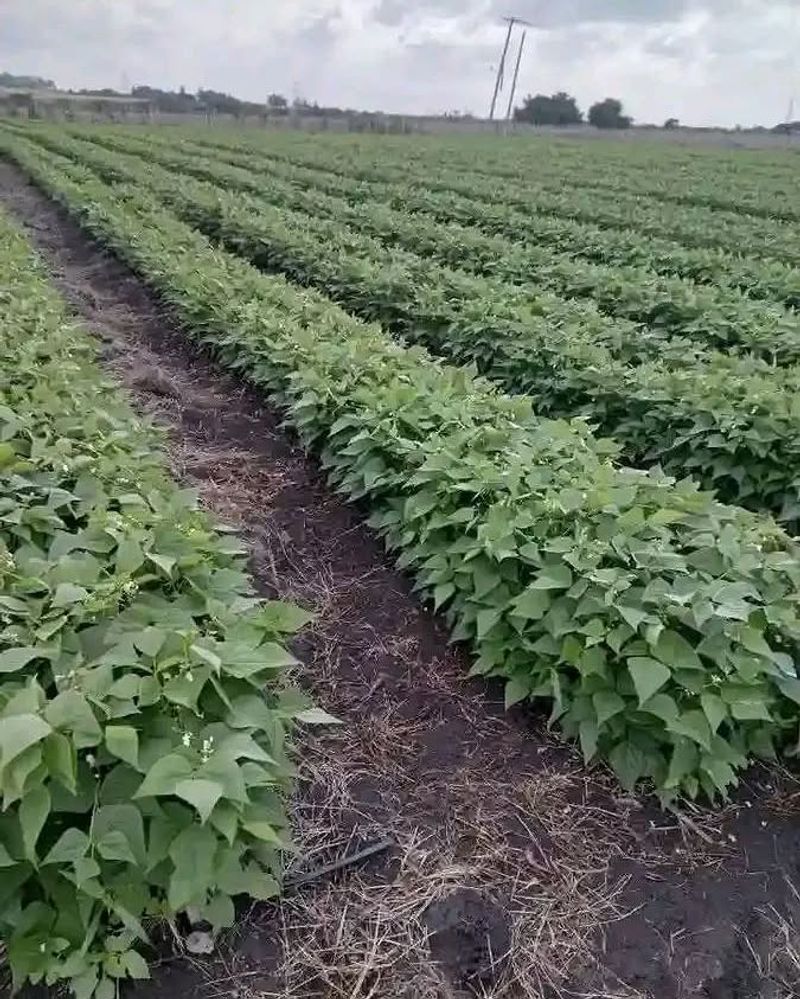
Squeezing extra plants into a small space feels productive in spring, but by midsummer those crowded rows turn into a tangled mess that causes real problems.
Poor airflow between plants creates pockets of trapped humidity, and in North Carolina that means fungal disease spreads fast.
Crowded plants also compete aggressively for water and nutrients, which stunts growth and reduces pod production significantly.
Bush beans generally need about four to six inches between plants within a row, with rows spaced at least eighteen inches apart. Pole beans need even more breathing room, especially once they start climbing and leafing out heavily.
It can feel wasteful to leave that much open space early in the season, but those gaps fill in quickly once plants hit their growth stride in warmer weather.
Good airflow does more than just prevent disease. It also helps pollinators move freely through the planting, which improves pod set.
Bees and other native pollinators are not keen on navigating a dense, tangled patch. Thinning seedlings early, even when it feels painful to pull healthy plants, consistently results in a bigger and better harvest overall.
Giving each plant enough personal space is one of those counterintuitive gardening lessons that only really sinks in after you have seen the difference side by side. Proper spacing pays off every single time.
4. Picking Pods Too Late
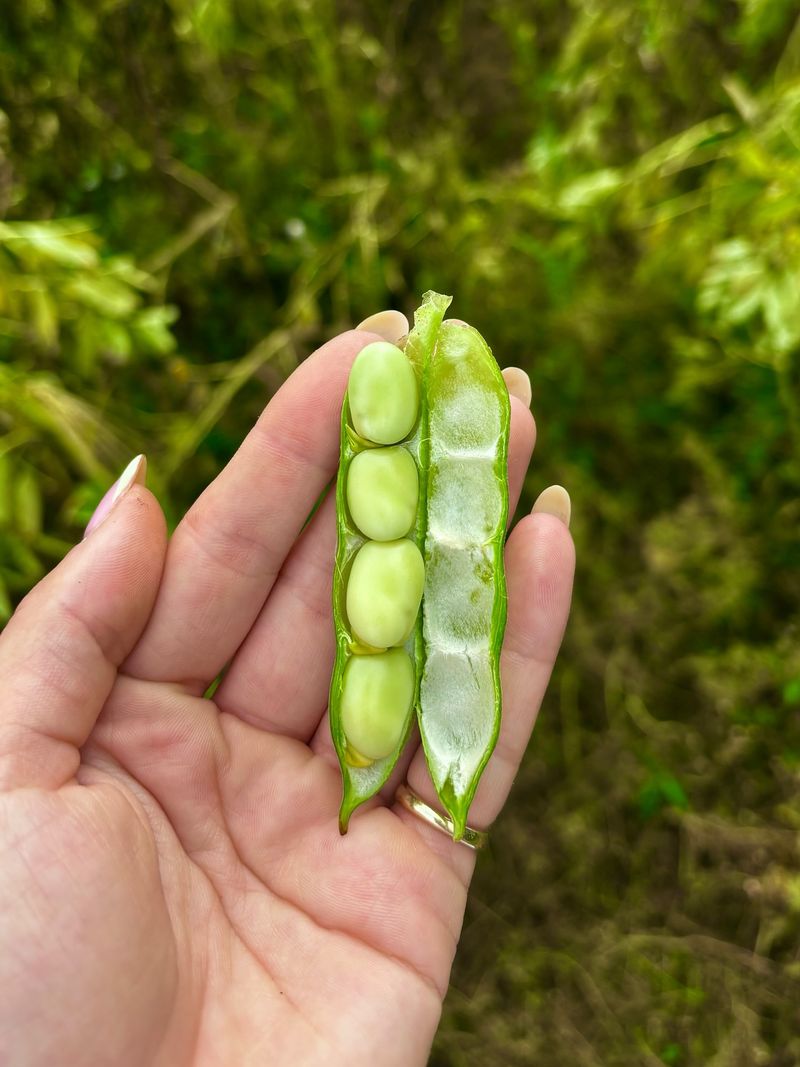
Timing the harvest is where a lot of North Carolina growers quietly lose out on their best beans. Pods that stay on the plant too long become tough, stringy, and starchy.
The seeds inside swell up, the skin loses its snap, and the flavor goes flat. Most gardeners know this in theory, but life gets busy and a few days of neglect during peak season can quickly turn a perfect pod into a tough disappointment.
Green beans are generally ready to pick when pods are firm, about the thickness of a pencil, and snap cleanly when bent. That window can be surprisingly short during North Carolina’s hot summers, sometimes just two to three days from ideal to overripe.
Checking your plants every day or every other day during peak production is not a mistake. It is just good growing practice.
Here is a bonus reason to stay on top of harvesting: the more frequently you pick, the more pods the plant produces. Leaving mature pods on the vine signals the plant to slow down production because it has already accomplished its biological goal.
Regular harvesting keeps the plant in active production mode much longer into the season. Bringing a small basket out to the garden every morning takes only a few minutes and keeps your plants pumping out fresh pods week after week through the summer heat.
5. Ignoring Mexican Bean Beetles
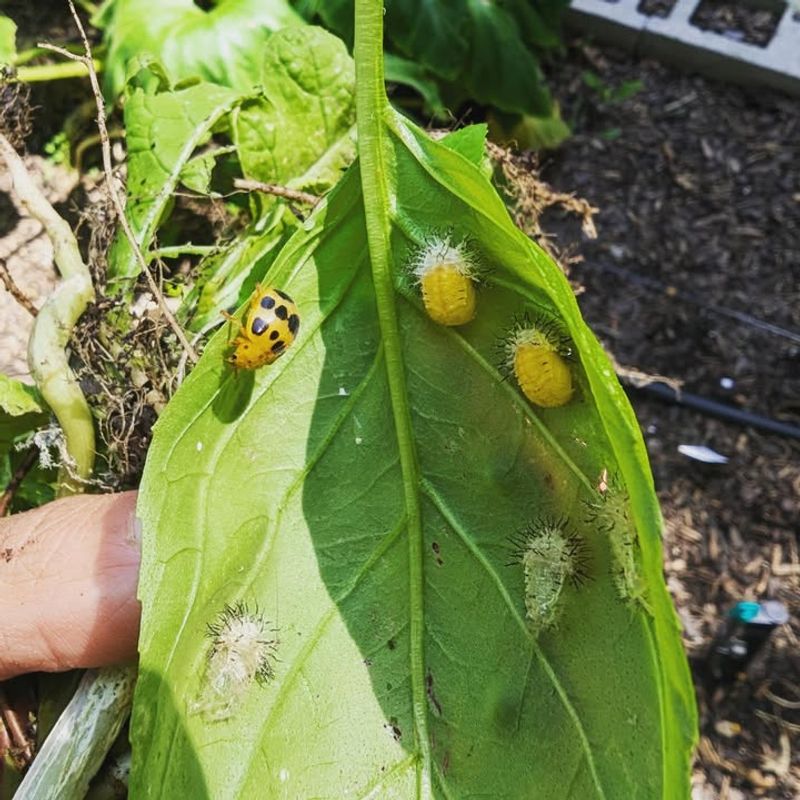
Mexican bean beetles are one of the most destructive pests green bean growers face across North Carolina, yet so many gardeners do not even know what to look for until serious damage has already been done.
These copper-colored beetles and their spiky yellow larvae feed on the undersides of leaves, skeletonizing them into a lacy, papery mess.
Once a population gets established, it moves fast through an entire planting.
The key is catching them early. Check the undersides of leaves every few days starting in late June, which is when populations typically build up in the Piedmont and coastal plain regions.
Look for clusters of bright yellow eggs that resemble tiny footballs standing on end. Crushing egg masses by hand before they hatch is one of the most effective and chemical-free ways to stay ahead of an infestation.
For larger infestations, neem oil or insecticidal soap applied to the undersides of leaves works well without harming beneficial insects significantly. Spinosad-based sprays are another effective option for heavy pressure.
Row covers placed over plants early in the season can also prevent adult beetles from reaching the plants at all.
Mexican bean beetle populations can spiral out of control within a single week during warm weather, so staying observant and responding quickly is far more effective than waiting until the damage becomes obvious.
6. Overfertilizing With Nitrogen
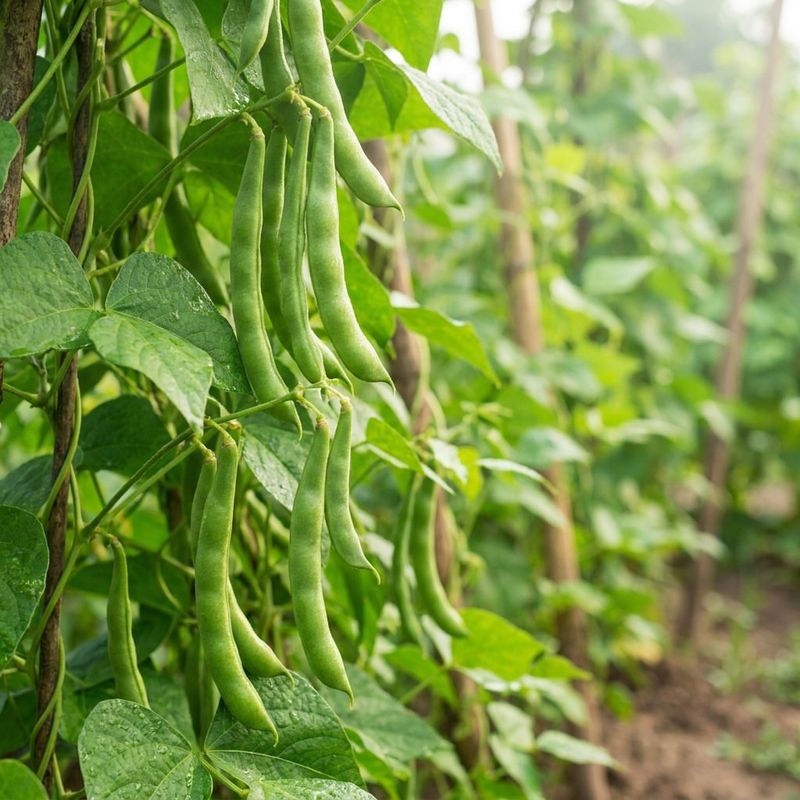
Lush, dark green bean plants with barely a pod in sight are a classic sign of nitrogen overload. Green beans are legumes, which means they have a unique ability to pull nitrogen directly from the air through a partnership with soil bacteria called rhizobia.
Adding heavy doses of nitrogen fertilizer on top of that natural process pushes plants to grow big, beautiful leaves at the expense of flower and pod production.
North Carolina gardeners often reach for a general-purpose fertilizer when plants look a little pale or slow, which is understandable. But pale leaves in summer are more often a sign of heat stress or inconsistent watering than a nitrogen shortage.
Before fertilizing, check your soil moisture and make sure plants are getting enough water. A simple soil test through the NC Department of Agriculture can confirm what your soil actually needs before you add anything.
If you do fertilize green beans, use a balanced formula or one with a lower nitrogen number, such as a 5-10-10 blend, which supports root development and pod production without triggering excessive leafy growth.
Compost worked into the soil before planting is often all the nutrition green beans need for a full season.
Less really is more when it comes to fertilizing these plants, and resisting the urge to overfeed is one of the smarter moves you can make all summer.
7. Skipping A Trellis For Pole Beans
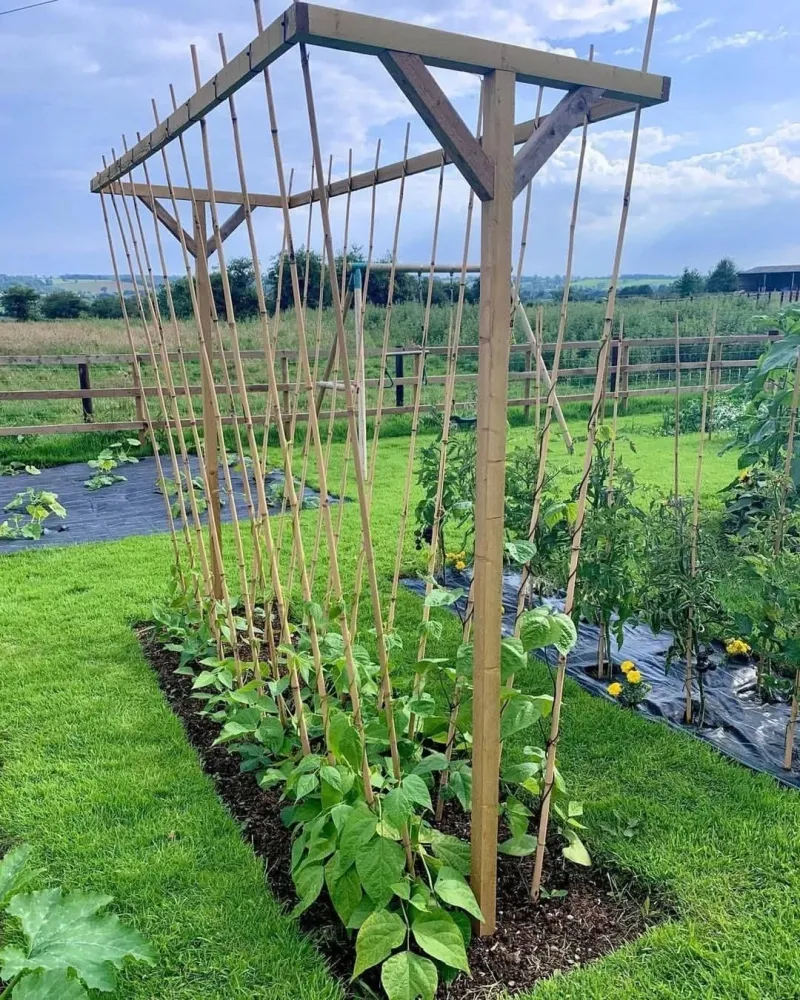
Pole beans left without a trellis are a recipe for frustration. Vines that sprawl across the ground get tangled, pods touch the soil and rot, airflow drops to nearly zero, and harvesting becomes a muddy, time-consuming scavenger hunt.
It sounds dramatic, but anyone who has tried to grow pole beans flat on the ground through a humid North Carolina summer knows exactly how quickly things fall apart.
Building a trellis does not need to be complicated or expensive. A simple teepee made from bamboo stakes tied at the top works beautifully and costs almost nothing.
Cattle panels, wooden stakes with twine strung between them, or even a chain-link fence section all give pole beans the vertical support they crave.
Most pole bean varieties will climb six to eight feet tall, so plan your structure accordingly before planting day rather than scrambling to add one later.
Vertical growing also has a surprising benefit beyond just keeping pods clean. Plants growing upright dry off faster after rain, which significantly cuts down on fungal disease pressure.
Harvesting becomes easier and faster since pods hang down visibly rather than hiding under a mat of leaves on the ground. Pole beans grown on a proper trellis consistently outperform ground-sprawling plants in both yield and pod quality.
Putting up that support structure before seeds go in the ground is one of the best five-minute investments you will make all season.
8. Working In The Bean Patch When Leaves Are Wet
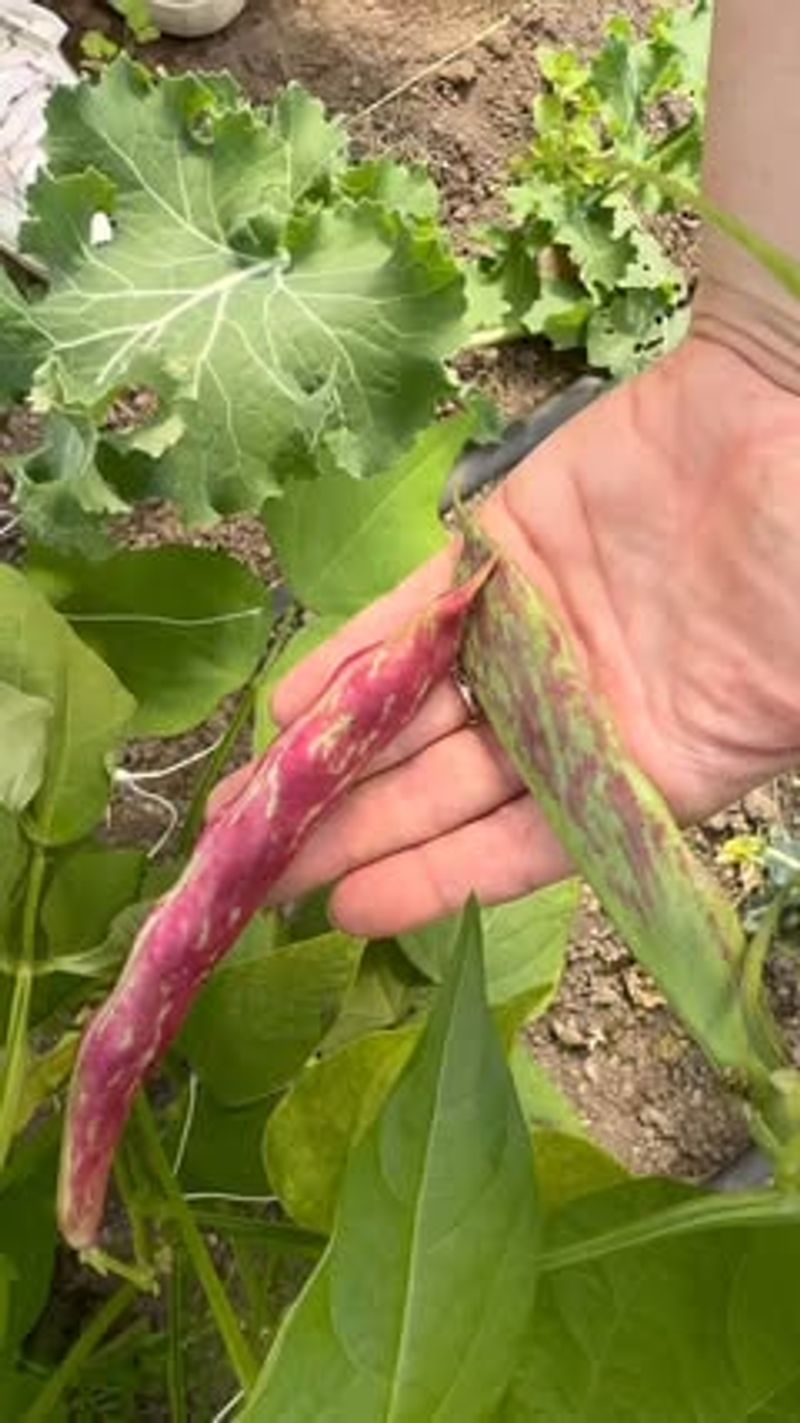
Walking through the garden right after a rain feels productive, but working around wet bean plants is one of the fastest ways to spread bacterial and fungal disease from plant to plant. Water on leaves acts as a transport vehicle for pathogens.
Every time you brush against a wet leaf or handle a stem, you potentially carry disease organisms on your hands, tools, and clothing to the next plant you touch.
Bacterial brown spot and halo blight are two diseases that spread especially easily through wet foliage contact in North Carolina gardens. Both can move through an entire planting within days under the right conditions.
The simple fix is to wait. Give plants at least a couple of hours after rain or heavy dew to dry off before doing any pruning, tying, or harvesting. It feels like wasted time, but it genuinely protects your crop.
Sanitizing tools between uses is another habit worth building. A quick dip in a diluted bleach solution or a spray of rubbing alcohol on pruning shears takes only seconds.
If you notice any plants showing signs of disease, handle those last and wash your hands thoroughly before moving on. Avoiding wet-foliage contact is a low-effort habit that pays serious dividends in plant health all summer long.
North Carolina’s humidity already creates plenty of disease pressure without adding human-assisted spreading on top of it.
9. Forgetting Succession Planting
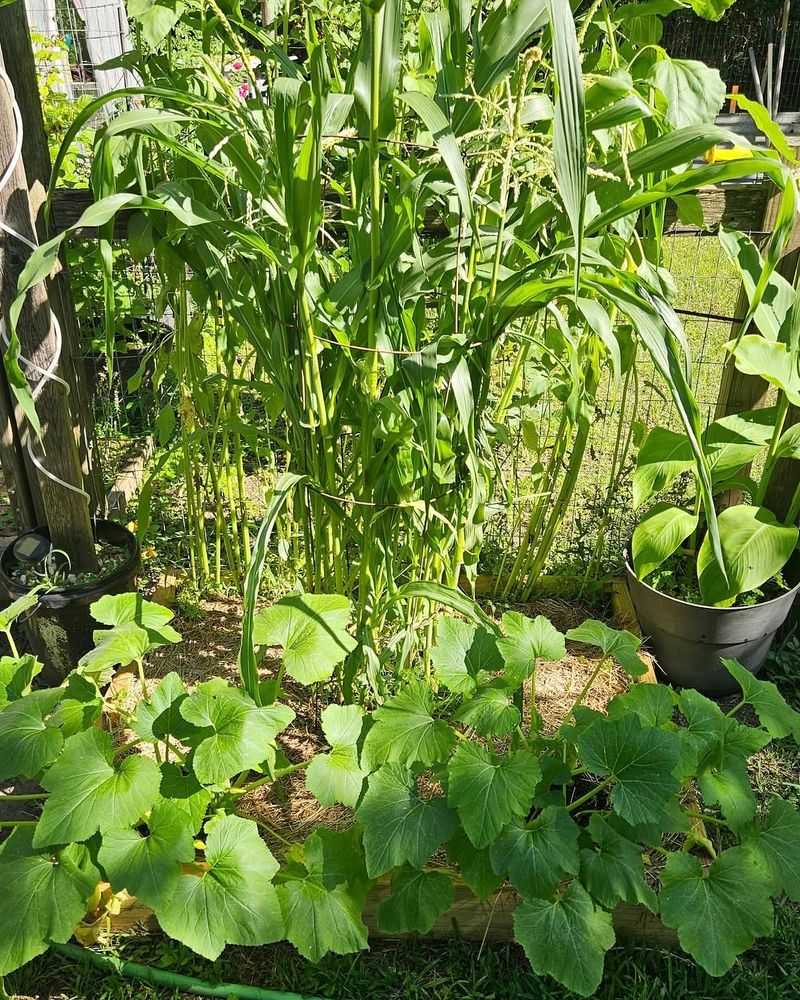
One planting of green beans gives you one flush of harvest, and then it is over. That is just how these plants work.
Yet so many North Carolina gardeners plant everything at once in spring and then wonder why the garden feels empty and unproductive by late July.
Succession planting is the straightforward solution, and it is one of the most overlooked strategies in home vegetable gardening.
The idea is simple: instead of planting all your seeds on the same day, stagger plantings two to three weeks apart. Start your first planting in late April or early May, then sow a second round in mid to late May, and potentially a third in early June.
Each planting comes into production at a different time, stretching your harvest window from a brief two-week rush into a steady, rolling supply of fresh beans through the summer.
North Carolina’s long growing season actually makes succession planting easier here than in colder states. You can often get a late summer or early fall planting in as well, sowing in late July or early August for a September harvest when temperatures begin to ease.
Keeping a small notebook or phone note with your planting dates makes timing the next sowing effortless.
Fresh beans every few weeks rather than a single overwhelming harvest is the kind of garden rhythm that keeps cooking fun and storage manageable all season long.
10. Letting Weeds Compete For Moisture
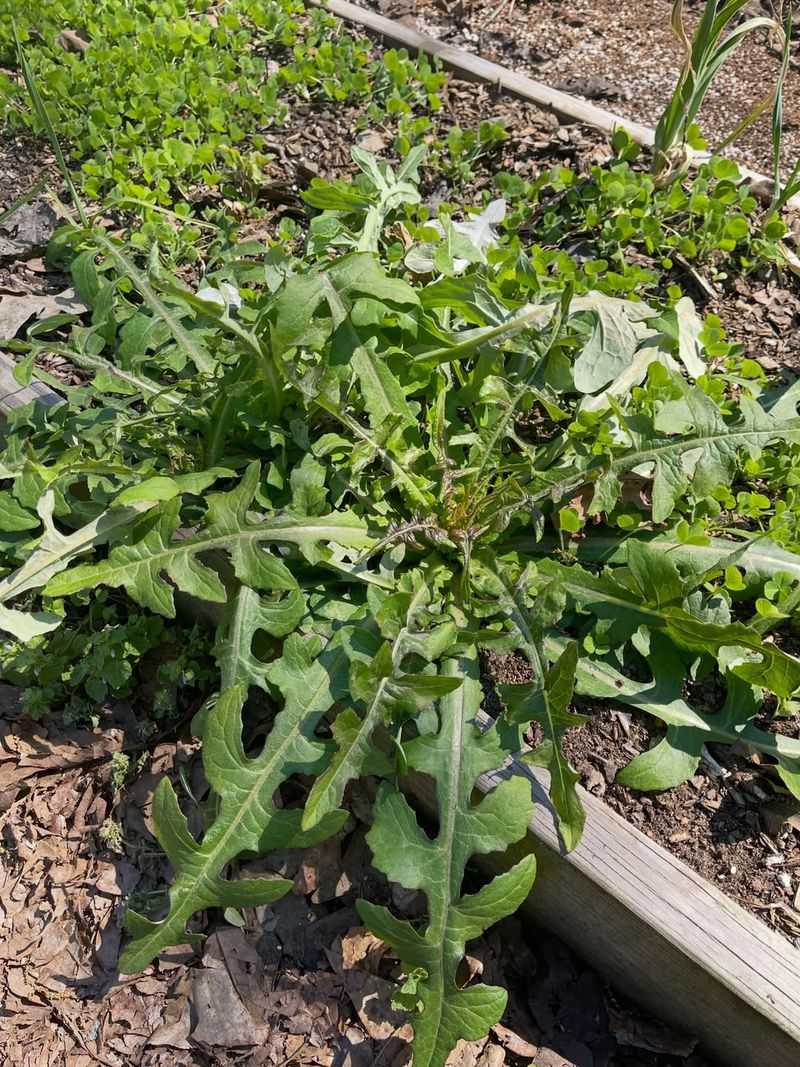
Weeds are not just an eyesore. In a hot North Carolina summer garden, they are active competitors pulling water and nutrients away from your green bean plants at exactly the time those plants need every resource available.
A patch that looks a little weedy in June can turn into a serious problem by July, when heat and dry spells make every drop of soil moisture precious.
Common summer weeds like crabgrass, nutsedge, and pigweed grow aggressively in the same warm conditions that green beans love. They establish quickly and their root systems can extend surprisingly deep, competing directly with bean roots for water.
Staying ahead of weeds when they are small, before they flower and set seed, is far easier than battling a fully established weed population mid-season. Mulching is the most efficient tool for keeping weeds down with minimal ongoing effort.
A two to three inch layer of straw or wood chip mulch between rows suppresses weed germination dramatically while also conserving soil moisture and moderating soil temperature.
Hand-pulling any weeds that do break through is much easier when they are young and the soil is slightly moist after watering. Keeping rows clean does not require hours of labor each week.
A quick fifteen-minute pass through the garden every few days keeps things manageable and your bean plants growing strong without unnecessary competition draining their energy.
11. Assuming Heat Alone Means The Plants Need Fertilizer
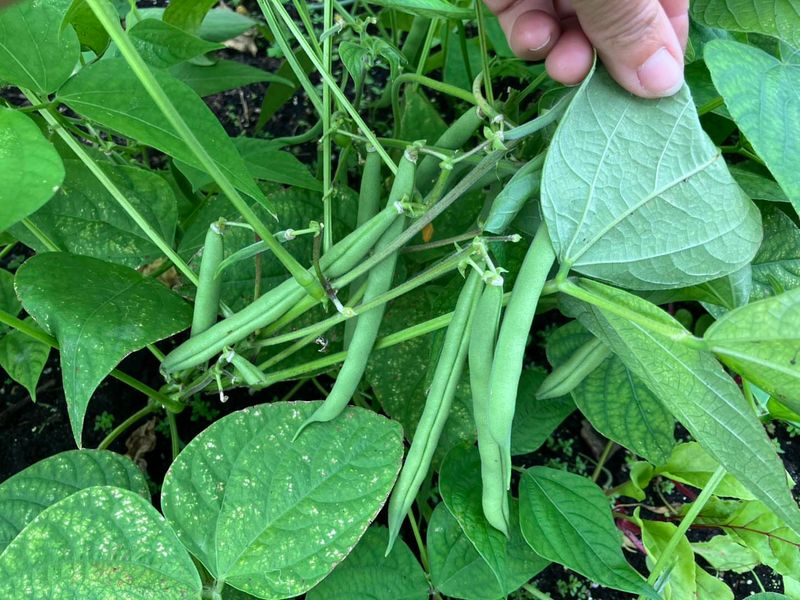
Wilting bean plants on a scorching North Carolina afternoon send many growers straight to the fertilizer bag, but that instinct is usually wrong. Afternoon wilt in summer is almost always a response to heat and water stress, not a nutrient deficiency.
Plants close their leaf pores and droop slightly during peak heat as a self-protective mechanism to reduce water loss. By evening, a well-watered plant typically perks right back up on its own.
Reaching for fertilizer when the real problem is dehydration can actually make things worse. Fertilizer salts in dry soil draw moisture away from roots rather than helping them, which adds stress to an already struggling plant.
Before applying anything, push a finger two inches into the soil near the roots. If it feels dry, water deeply and then observe the plant over the next few hours before making any other decisions.
True nutrient deficiencies in green beans show up in specific ways. Yellowing that starts on older lower leaves often signals nitrogen shortage.
Purplish leaf undersides can point to phosphorus issues. Pale new growth sometimes indicates iron or manganese deficiency, which is often related to soil pH rather than a lack of fertilizer.
Getting a soil test is the most reliable way to know what is actually needed. Reacting to visual symptoms without understanding the root cause leads to wasted money, stressed plants, and a harvest that falls well short of its real potential.