Why Georgia Roses Get Black Spots On Leaves During Humid Weather
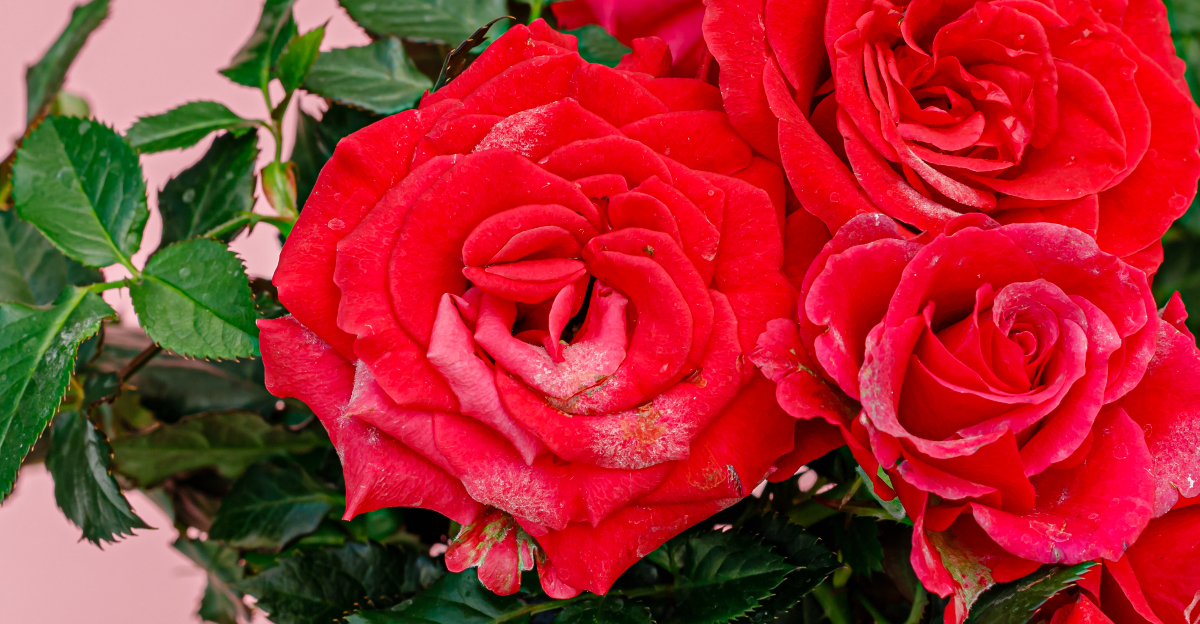
Georgia rose growers know the feeling. The garden looks beautiful on Monday. By Friday, after a few days of thick, sticky summer air and afternoon rain, the leaves tell a different story. Dark spots appear. Leaves turn yellow.
Some drop entirely. The plant that looked so promising a week ago suddenly looks like it is losing a battle nobody told you about.
Black spot is one of the most frustrating rose problems in the South, and Georgia’s climate basically rolls out the welcome mat for it every single summer.
The humidity, the warm nights, the afternoon thunderstorms, it all adds up to a disease pressure that catches even experienced gardeners off guard.
The part that surprises people is how many ordinary garden habits quietly make the problem worse. Habits that seem completely reasonable, sometimes even careful, can actually be feeding the cycle without anyone realizing it.
Know what drives those annoying black spots in Georgia’s climate, and the whole management approach shifts. The fixes that actually work are not complicated.
They are just specific.
1. Humid Weather Helps Black Spot Spread
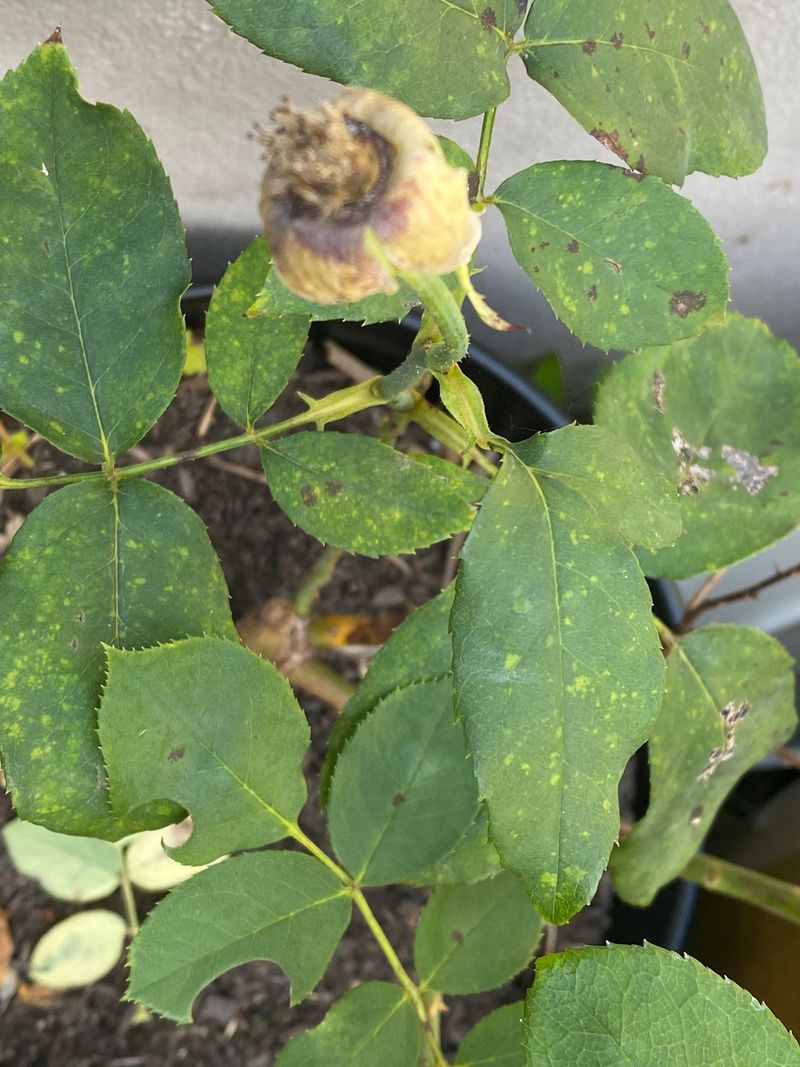
Georgia humidity does not just make summer uncomfortable for gardeners. It makes summer genuinely dangerous for roses.
Warm, sticky air creates exactly the conditions that black spot prefers. The pathogen responsible, Diplocarpon rosae, tends to thrive when temperatures sit between roughly 65 and 85 degrees Fahrenheit and moisture lingers in the air for hours at a time.
Georgia delivers that combination reliably, season after season.
Humidity alone does not cause infection. But it dramatically raises the pressure by slowing everything down. Leaves stay wet longer. Spores have more time to germinate. The whole disease cycle gets extra runway that it would not have in a drier climate.
Think of humidity as the behind-the-scenes accomplice that keeps black spot operating at full capacity.
The frustrating part is that you are not necessarily doing anything wrong when your roses get hit. The climate is working against you in a very specific and persistent way.
Recognizing that connection is where smarter management begins. Choosing planting spots with good sun and airflow, adjusting care routines during rainy stretches, and watching plants more closely during humid spells all help reduce how hard black spot hits.
You cannot change the weather. You can, however, stop being surprised by it and start planning around it.
A little awareness applied consistently makes a meaningful difference when the air feels like a warm, damp towel that has no intention of drying out.
2. Wet Leaves Give Spores A Place To Start
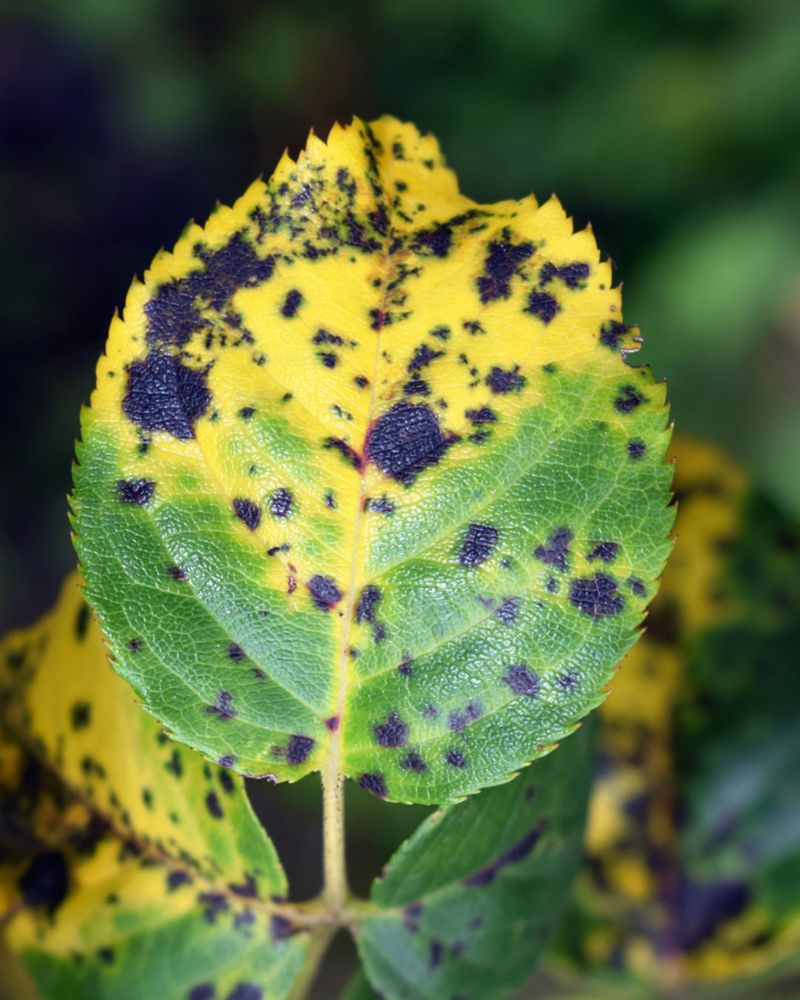
Black spot does not show up out of nowhere. It needs a specific invitation, and wet leaves are exactly that.
Spores of Diplocarpon rosae need free moisture on the leaf surface to germinate and begin infecting tissue.
Research suggests leaves need to stay wet for at least seven hours for infection to take hold, though that window can shrink considerably when temperatures are warm.
In Georgia, summer rain showers can leave foliage wet for most of the day. A morning rain followed by cloudy skies and thick humidity means leaves may not dry until late afternoon or the following morning.
Your Georgia Garden Changes Every Week. Your Plan Should Too.
Gardening in Georgia changes quickly throughout the season. Every Friday you’ll receive a simple weekly plan showing exactly what to plant, prune, fertilize, harvest, and protect so you never miss the right timing.
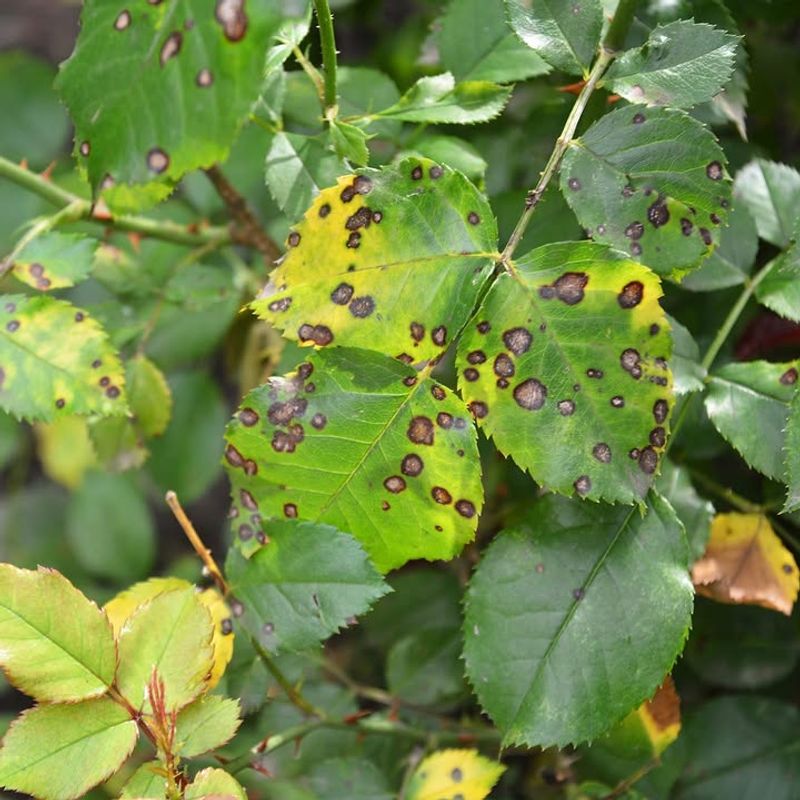
That extended wetness is a serious problem. Early signs of infection can be easy to miss. Lesions tend to start as small, circular dark areas with fringed or feathery edges.
Yellow coloring sometimes develops around the spot. Leaves may drop earlier than expected, which weakens the plant over time and reduces its capacity for new growth and blooms.
Keeping leaves dry is one of the most direct ways to reduce disease pressure. Watering at the base rather than overhead, improving airflow around plants, and timing any necessary overhead watering for early morning all help.
When leaves dry quickly, spores get less opportunity to do their work. Wet foliage is an open invitation, and shortening how long that invitation stands is one of the most practical moves a Georgia rose grower can make.
3. Splashing Water Moves Fungus Onto Fresh Leaves
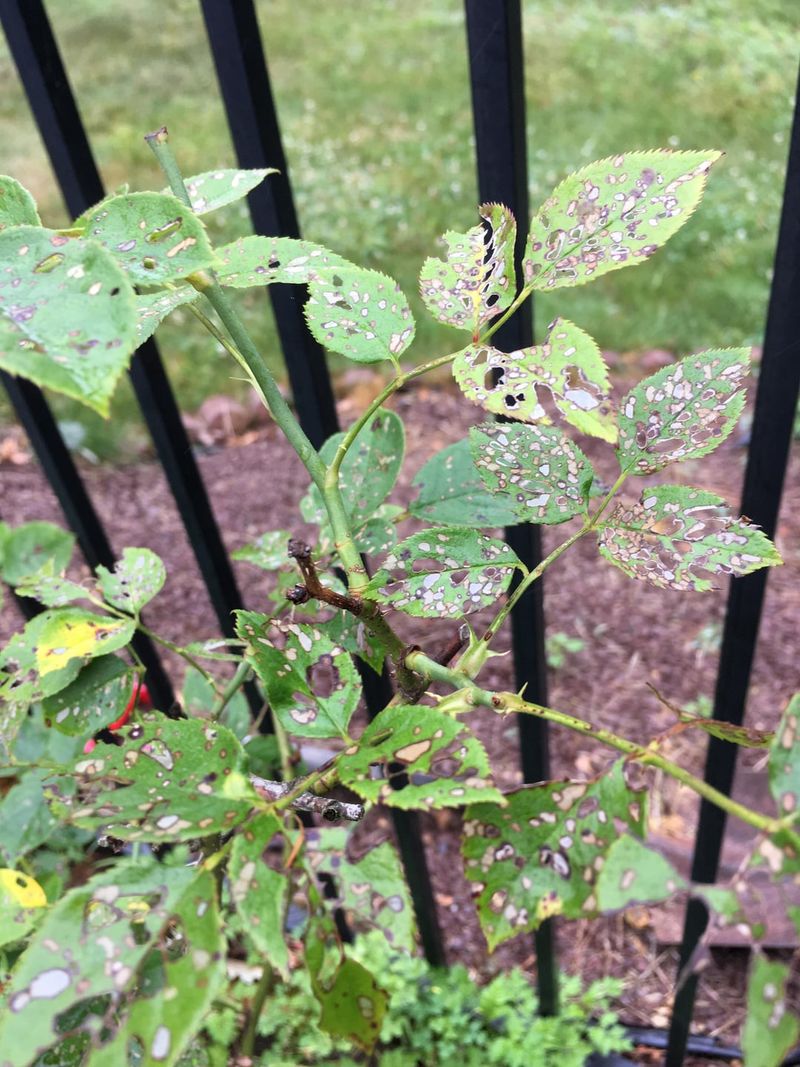
Nobody warns you about splash dispersal when you plant roses. But it is one of the primary ways black spot moves through a garden, and rain is the delivery system.
When water hits the soil near roses, it can splash fungal spores upward onto the lower leaves of the plant. From there, spores travel further up as rain continues or more water is applied.
This process is called splash dispersal, and it is one of the primary ways black spot moves through a garden.
Soil near the base of a rose plant can carry spores. So can fallen infected leaves sitting on the ground nearby. A single heavy rain event can distribute those spores across multiple leaves at once.
Drip irrigation and soaker hoses dramatically reduce this risk. Water goes directly to the root zone without creating that upward splash. Roots get what they need, and the leaves stay out of the equation entirely.
Mulching around rose plants adds another layer of protection. A two to three inch layer absorbs the impact of raindrops and slows the movement of water and spores upward.
Wood chips and pine straw both work well in Georgia gardens and bring the added benefit of moisture retention during dry stretches.
Even a garden hose aimed gently at the base of a plant can kick up spores if fallen leaves are nearby. Staying aware of how water moves in your rose bed is a surprisingly effective and underappreciated strategy for slowing black spot down.
4. Crowded Roses Trap Moist Air Around Foliage
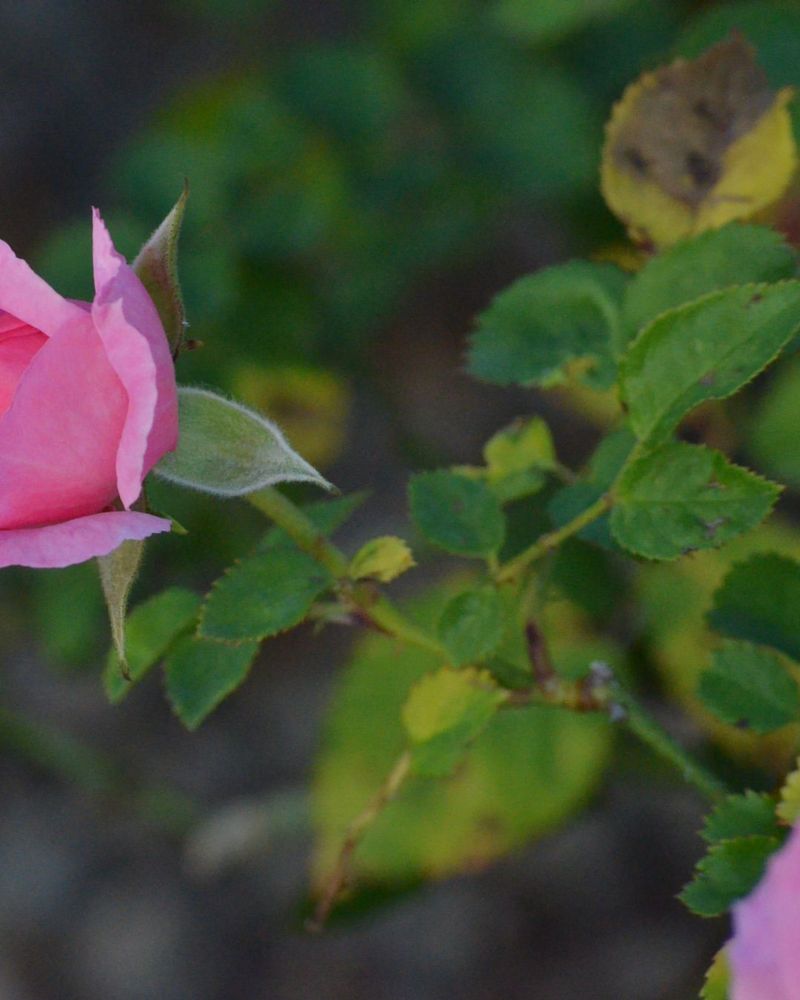
A densely planted rose bed can look generous and lush right up until Georgia’s humidity arrives. Then it becomes a liability. When rose bushes grow too close together, their branches and leaves overlap and create sheltered pockets of air around the foliage.
That air stays moist long after rain or morning dew has cleared everywhere else in the garden. Moist, stagnant air is exactly the environment black spot prefers.
Spacing recommendations exist for good reason. Many shrub roses tend to benefit from at least three to four feet between plants. Larger varieties often need more. That space is not wasted.
It is the gap that allows air to circulate and foliage to dry between wet weather events.
Crowded plants also compete for nutrients and sunlight. A rose already under stress from competition has weakened defenses.
Black spot tends to move through stressed plants more aggressively than through healthy, well-fed ones. Spacing is a disease management tool, not just an aesthetic decision.
For roses already planted too close together, selective pruning during the dormant season can help. Removing crossing branches and thinning dense growth opens up the canopy and improves airflow without requiring any replanting.
It is not a complete fix, but it is a meaningful one. A more open plant in a crowded bed handles Georgia humidity noticeably better than one that has never been thinned.
5. Poor Airflow Keeps Leaves Damp Longer
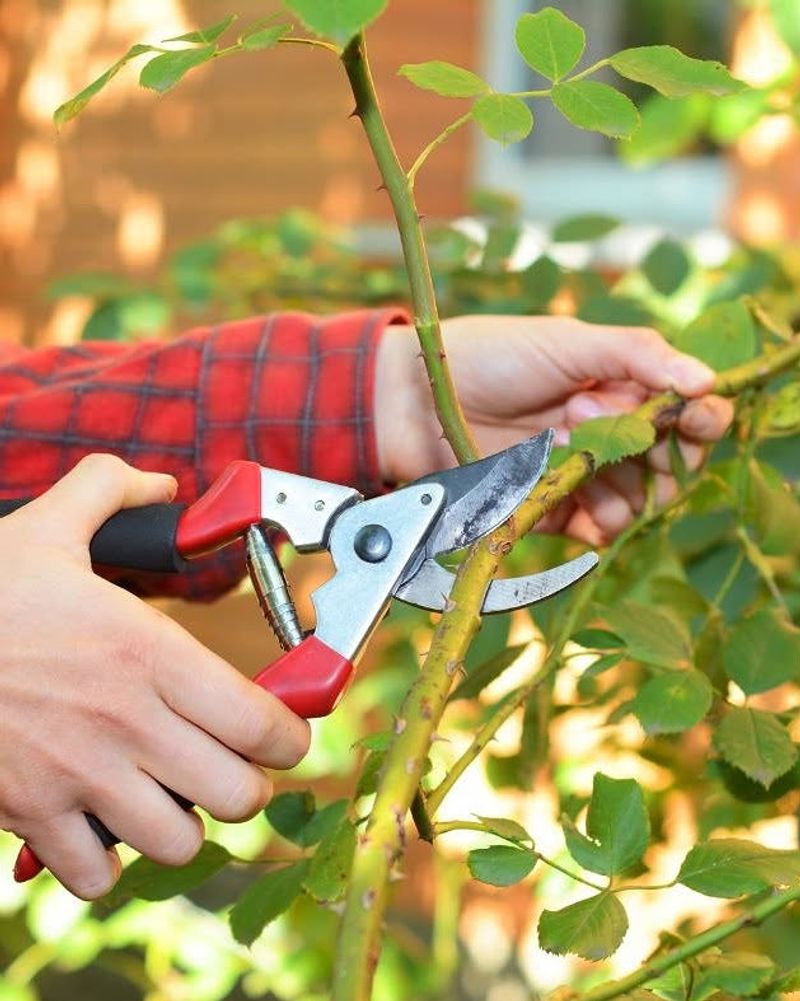
Airflow in a rose garden is invisible and easy to overlook. Its effect on black spot is anything but.
When air moves freely through and around a rose plant, leaves dry faster after rain and morning dew. Faster drying means less time for spores to germinate.
Poor airflow does the opposite, keeping leaves damp for hours longer than they need to be and extending the window of infection risk through the day.
Pruning is one of the most direct ways to improve airflow. Removing old, crossing, or inward-growing canes opens up the center of the plant.
Think of it as cutting a path for the breeze to move through. Even a light afternoon wind does more work in an open plant than a stronger one does in a dense, tangled canopy.
Timing matters with pruning. Late winter, before new growth begins, is a practical window for Georgia rose growers. Shaping and thinning at this stage sets up better airflow for the entire season ahead.
Planting location also plays a role that gardeners do not always account for. Roses near walls, solid fences, or dense shrubs tend to have reduced air movement on the sheltered side. Foliage in those spots stays wet longer.
Positioning roses where they can catch natural air movement gives them a meaningful advantage during Georgia’s soggy summers. Even gentle, intermittent airflow makes a real difference. A little breeze really does go a long way.
6. Fallen Rose Leaves Can Harbor Spores
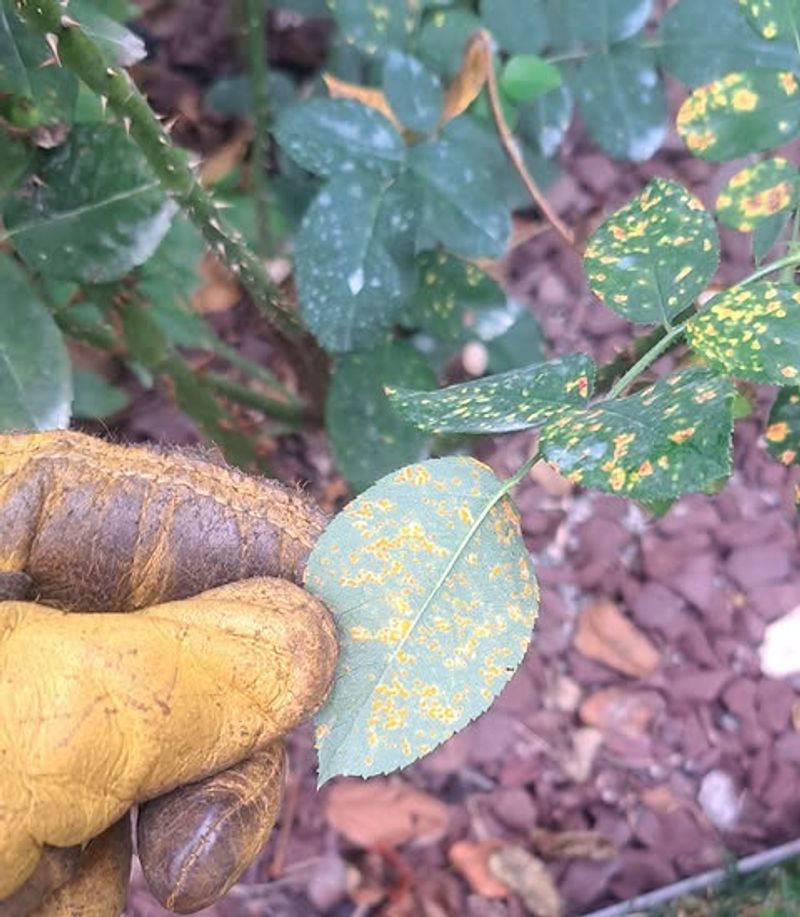
Fallen rose leaves look harmless. But they are not.
Infected leaves sitting on the soil surface can harbor viable fungal spores for weeks or even months after dropping. Every rain event gives those spores a fresh opportunity to splash back onto the living plant above.
When rain or irrigation hits those leaves, spores splash back up onto living foliage and start a fresh round of infection. The cycle continues as long as the source material sits on the ground.
Sanitation is one of the most straightforward and cost-effective management strategies available. Removing fallen leaves from around rose plants takes away the primary spore reservoir. The disease loses one of its most reliable launching points.
Composting infected leaves is worth approaching carefully. Many home compost piles do not reach temperatures high enough to reliably break down fungal material.
Bagging infected leaves for yard waste collection is a safer approach for most home gardeners.
A quick walk through the rose bed after heavy rain to pick up dropped leaves is a five-minute task with a disproportionate payoff. Done regularly through the growing season, that small habit reduces how often black spot gets to reinfect the same plants.
Pairing sanitation with mulching adds another layer of protection. Mulch covers spores on the soil surface while fallen leaf removal eliminates the source.
Together, these two habits work better than either one does alone, and both are genuinely simple to maintain.
7. Overhead Watering Raises Leaf Spot Pressure
A garden hose aimed at a rose bush feels like good care. In Georgia’s humid climate, it can quietly be working against you.
Overhead watering wets foliage directly. Wet foliage is exactly what black spot spores need to get started.
Every time water sits on a rose leaf for several hours, infection risk climbs. In a climate where leaves are already slow to dry, adding more moisture from above compounds the problem significantly.
Drip irrigation and soaker hoses remove that problem almost entirely. Water goes directly to the root zone, roots get a thorough drink, and the foliage stays completely dry.
That single change in watering method can produce a noticeable reduction in disease pressure over the course of a Georgia summer.
Timing is the key variable for gardeners who cannot switch to drip. Watering early in the morning gives leaves the maximum opportunity to dry before temperatures drop in the evening.
Evening watering is one of the riskier habits in a humid climate. Leaves can stay wet all night, and warm, wet nights in Georgia are prime conditions for black spot to take hold.
Checking soil moisture before watering also helps. Overwatering keeps the area around roses perpetually damp and raises humidity at the plant level even on days when the weather cooperates.
Roses tend to respond better to deep, infrequent watering than to frequent light doses. Getting water to the roots efficiently and keeping leaves dry is one of the most practical adjustments a Georgia rose grower can make.
8. Resistant Roses Make Humid Weeks Easier
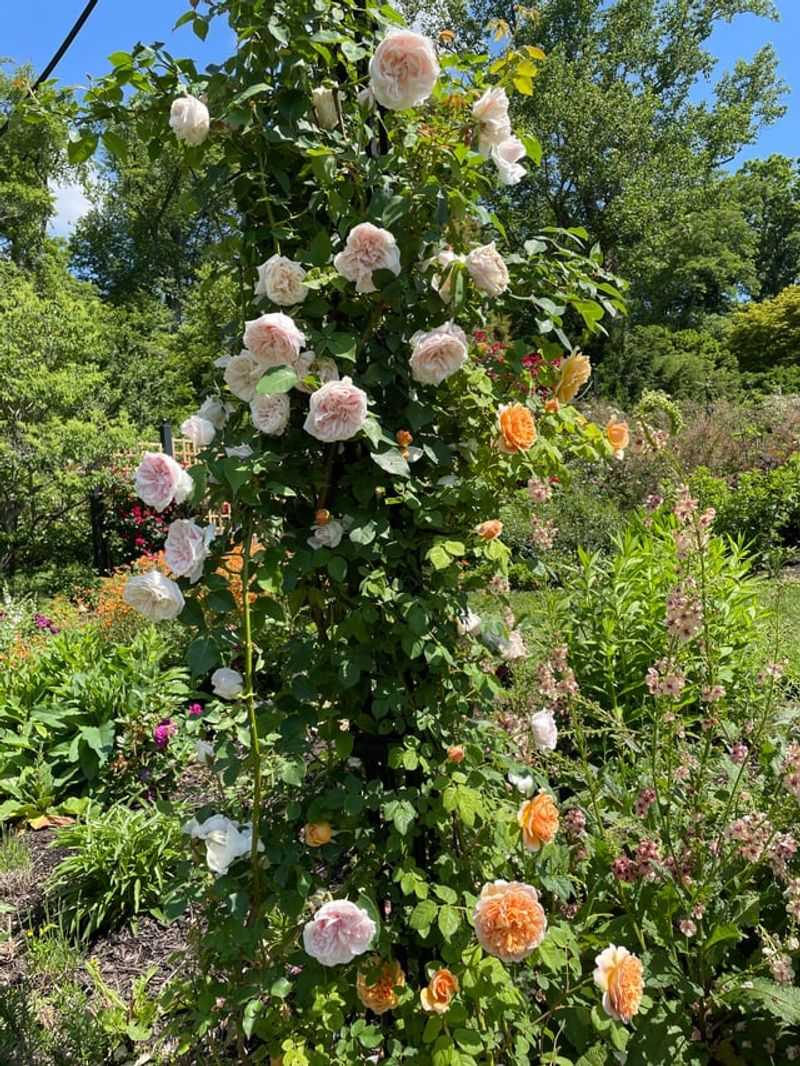
Not every rose approaches a Georgia summer with the same level of confidence. Variety selection matters more than many gardeners realize, and starting with resistant options changes the whole dynamic.
Some rose varieties are significantly more resistant to black spot than others. Resistance does not mean a plant will never show a spot, but it does mean serious defoliation and repeated severe infections become far less likely throughout the season.
The Knock Out rose series is one of the most well-known examples of disease-resistant options available to home gardeners.
Earth-Kind and other disease-resistant shrub roses are often better suited to humid Southern gardens than highly susceptible varieties.
Newer rose breeding programs have made disease resistance a genuine priority. Modern shrub roses released in recent years often carry meaningful resistance while still delivering beautiful blooms and reliable rebloom cycles.
Switching to resistant varieties does not require giving up the roses already growing in the garden. Mixing resistant options in alongside more susceptible varieties still reduces overall disease pressure across the bed.
Over time, leaning toward resistant choices as plants are replaced or the garden expands makes humid weeks feel considerably more manageable. The garden stays better looking, and the forecast calling for rain all week stops feeling quite so threatening.