What Blue Jays Are Telling You When They Visit Your Illinois Yard
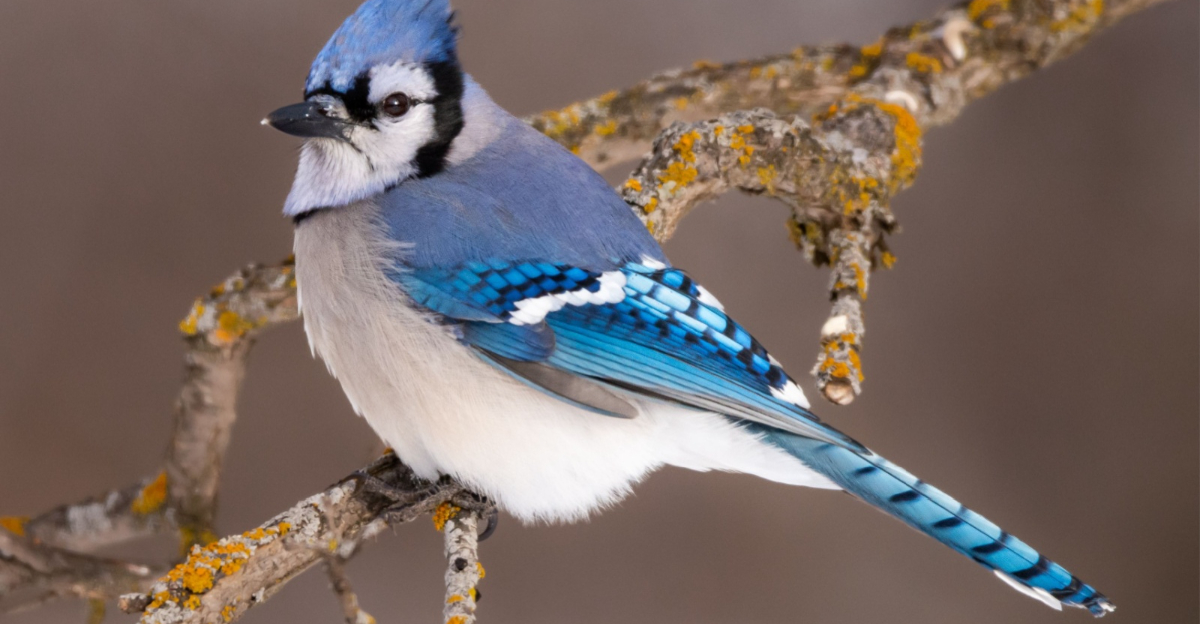
That flash of blue in your backyard is not just a pretty distraction. It is one of the most intelligent, opinionated, and misunderstood birds in Illinois.
Once you know a little more about it, you will never look at your yard the same way again.
Blue Jays have a reputation for being loud and bossy. That is fair, but it is only part of the story.
These birds are sharp, social, and surprisingly layered in their behavior. They remember where they hid food.
They warn other animals about predators. They have opinions about your bird feeder and they are not afraid to share them.
Either way, there is a lot worth knowing. Keep reading and you will walk away seeing your yard and everything in it a little differently.
The Real Meaning Of A Blue Jay Visiting Your Space
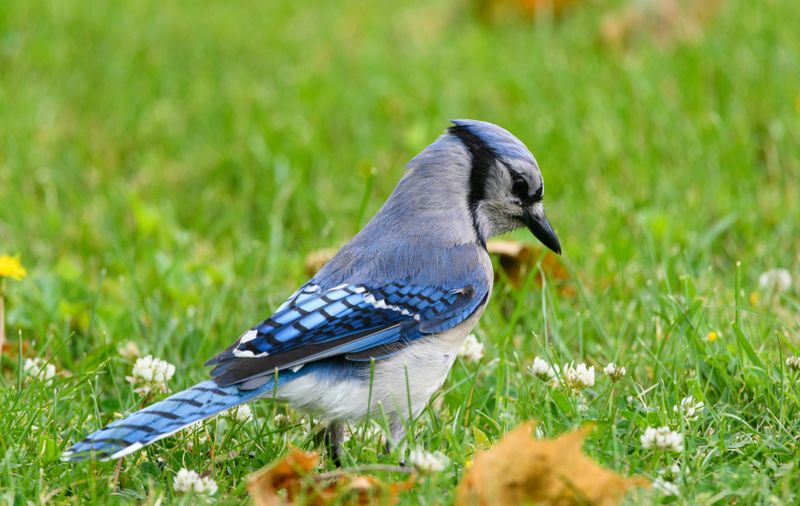
Spotting a Blue Jay in your yard is not a coincidence. It is a small signal that your outdoor space has something worth sticking around for.
These birds are selective about where they spend their time. Their presence says something real about your environment.
Blue Jays show up where there are mature trees, reliable food sources, and clean water nearby. If one lands in your yard, chances are you have at least one of those things going for you.
Think of them as nature’s quality inspectors. They are quietly checking your space off a mental list.
And unlike most visitors, they will keep coming back if they like what they find.
In many cultures, Blue Jays symbolize clarity, confidence, and resourcefulness. Some people believe a visit from one is a reminder to speak up and stay alert.
Beyond the symbolism, a visiting Jay often signals a balanced local ecosystem. Predators are not overwhelming the area and food is available enough to support bold, curious birds.
That is genuinely good news. Not just for the Jay, but for everything else living in and around your yard.
Illinois Has Everything A Blue Jay Could Ask For
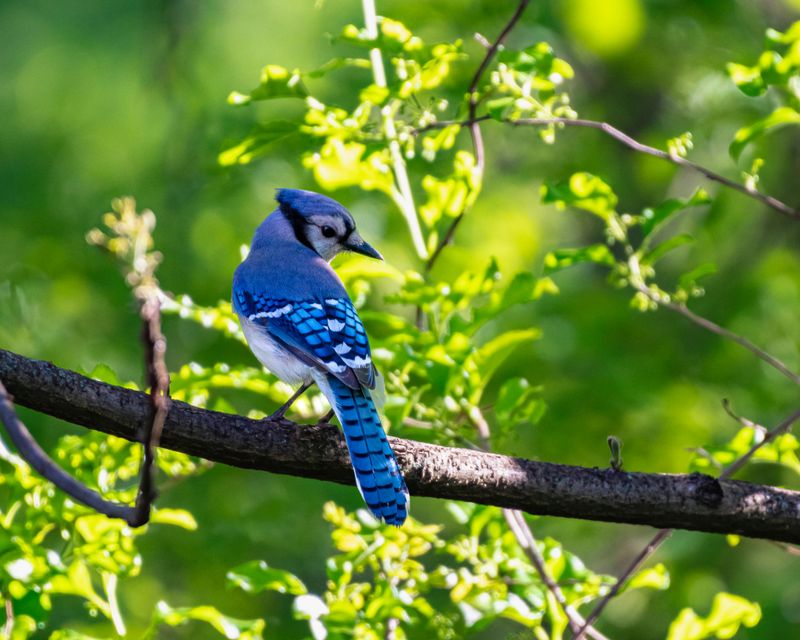
Illinois offers something most birds dream of: variety. Forests, open fields, suburban neighborhoods, and river corridors all packed into one place.
For a bird as adaptable as the Blue Jay, that kind of landscape is paradise.
These birds thrive in mixed woodlands, and Illinois has plenty of those. Oak trees are especially important because acorns are one of their favorite foods.
When autumn rolls around, you will often spot them collecting and hiding acorns like tiny feathered survivalists. They are preparing for winter and they take it seriously.
Blue Jays are not strict migrants the way many other birds are. Some stay through the coldest months, relying on stored food and backyard feeders to get through.
Others move south and return in spring.
Illinois winters are tough. Blue Jays are tougher.
Suburban neighborhoods across the state have become surprisingly solid habitat for them. Tall shade trees, feeders, and backyard gardens create a patchwork of resources that Jays navigate with ease.
Your Illinois Garden Changes Every Week. Your Plan Should Too.
Gardening in Illinois changes quickly throughout the season. Every Friday you’ll receive a simple weekly plan showing exactly what to plant, prune, fertilize, harvest, and protect so you never miss the right timing.
If you have a decent-sized yard with some trees, you are probably already on a Blue Jay’s regular route without even knowing it.
Spotting A Blue Jay In Your Yard Is Easier Than You Think
You will not need binoculars to identify this one. Blue Jays are loud, colorful, and completely unapologetic about both.
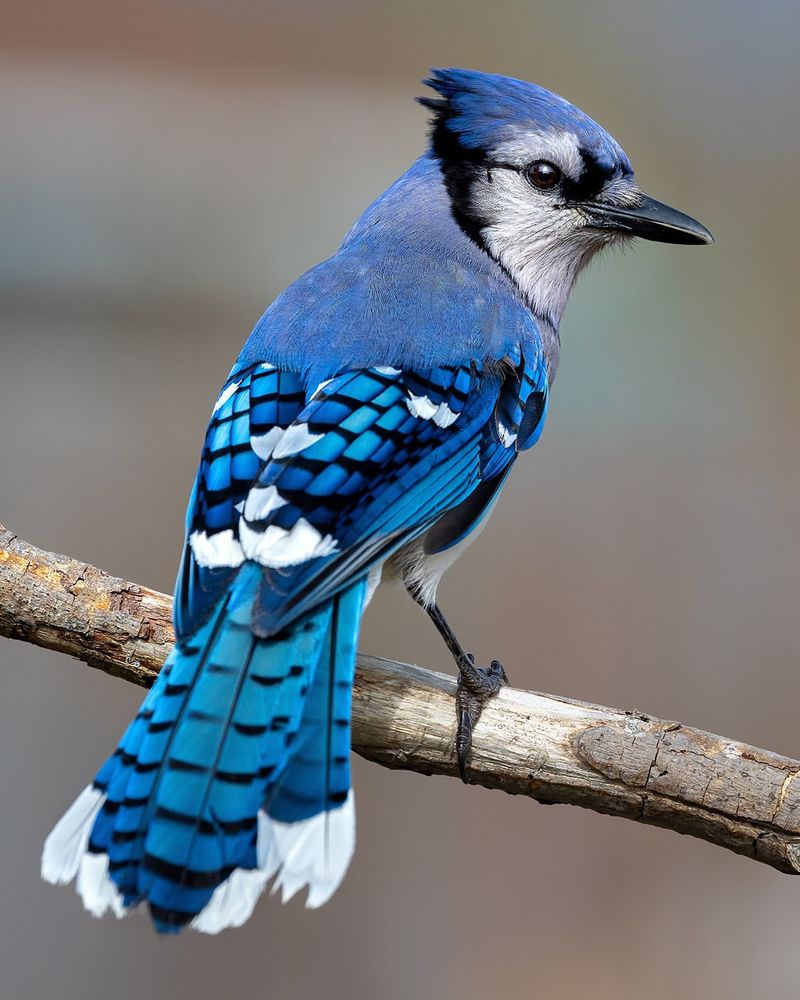
The most obvious feature is that brilliant blue plumage on the wings and tail, contrasted with a white chest and a bold black marking across the throat. On top of their head sits a sharp crest that rises when they are excited or alarmed.
That crest alone sets them apart from most backyard visitors.
The blue on their feathers is not actually pigment. It comes from the way light scatters through the microscopic structure of each feather, which means the color shifts slightly depending on the angle you are looking from.
Up close, it is genuinely striking.
Size-wise, they fall somewhere between a robin and a crow. Their wingspan stretches about 13 to 17 inches and they carry themselves with a confidence that matches their appearance.
Their call is another giveaway. Blue Jays mimic the cry of red-tailed hawks with surprising accuracy, often fooling other birds into scattering.
They also have a wide range of their own calls, from soft whistles to sharp piercing screams. If your yard suddenly goes quiet right before a Jay calls out, that is exactly why.
What They Eat And How To Attract Them
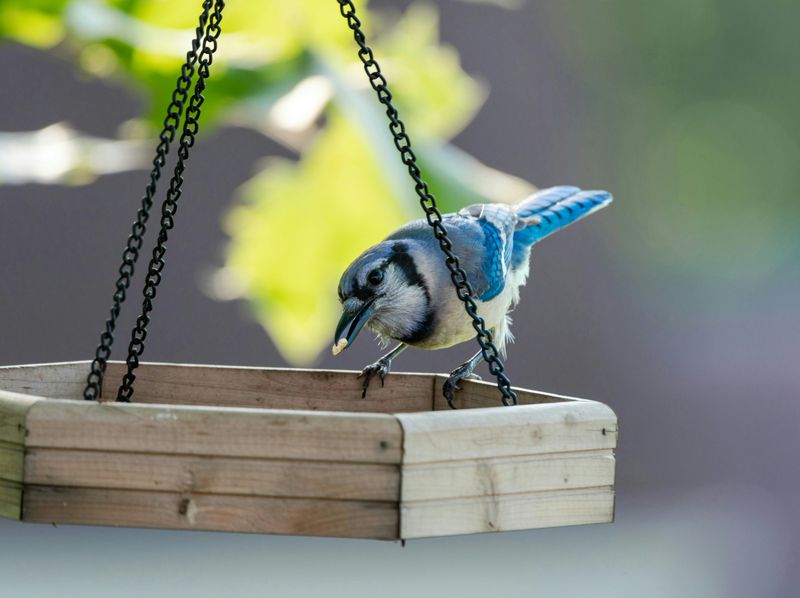
Acorns are the crown jewel of a Blue Jay’s diet. These birds can carry up to five at once using their throat pouch and beak, storing them in the ground for later.
Scientists believe Jays are actually responsible for spreading entire oak forests over centuries. One buried acorn at a time.
Beyond acorns, they eat sunflower seeds, corn, berries, insects, and occasionally small eggs or nestlings from other birds. They are omnivores with wide-ranging tastes, and they are not picky about it.
Attracting them is not complicated. A platform feeder stocked with whole peanuts or sunflower seeds is a great starting point.
They prefer feeders with wide open trays where they can land comfortably and survey the area before eating. A fresh water source matters just as much as food.
Blue Jays love birdbaths, especially ones with a dripper or small fountain that creates movement. Planting native oaks, berry-producing shrubs, or leaving a brush pile nearby can also make your yard feel like a five-star destination for these birds.
Personality And Behavior Traits Worth Knowing
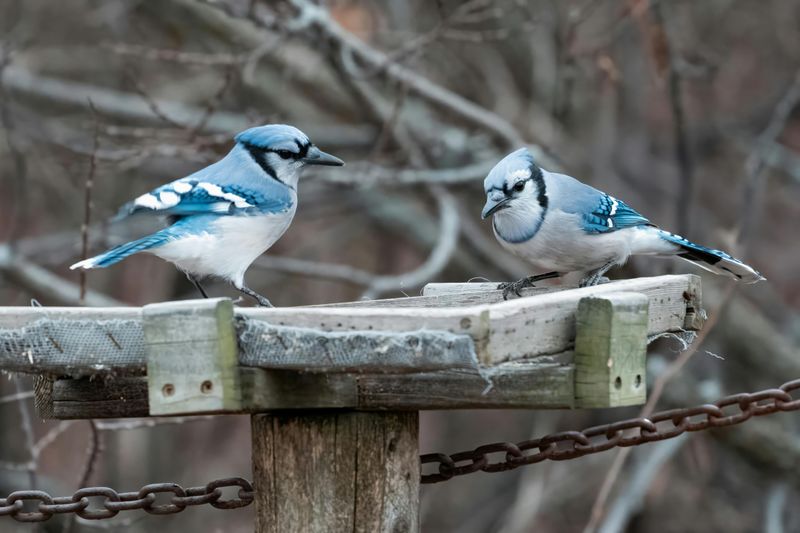
Blue Jays have a reputation, and most of it is earned. They are bold, intelligent, and not the least bit shy about letting other birds know who is in charge at the feeder.
These birds form strong family bonds and tend to keep the same partner for multiple seasons. Pairs work together to build nests, raise young, and protect their territory.
During nesting season, they become especially vocal. They will chase off birds much larger than themselves, including hawks and crows, without hesitation.
What surprises most people is how smart Blue Jays actually are. They belong to the corvid family, which includes crows and ravens, widely considered among the most intelligent birds on the planet.
They can learn routines and remember reliable food source. Their problem-solving ability is rarely seen in backyard birds.
That is not typical backyard bird behavior.
They also have a playful streak. Young Jays love exploring new objects, testing unfamiliar feeders, and occasionally stealing shiny things.
If a Jay family is nesting nearby, you are essentially living next to a small feathered neighborhood watch group that is also running its own science experiments on the side.
The Role They Play In Illinois Ecosystems
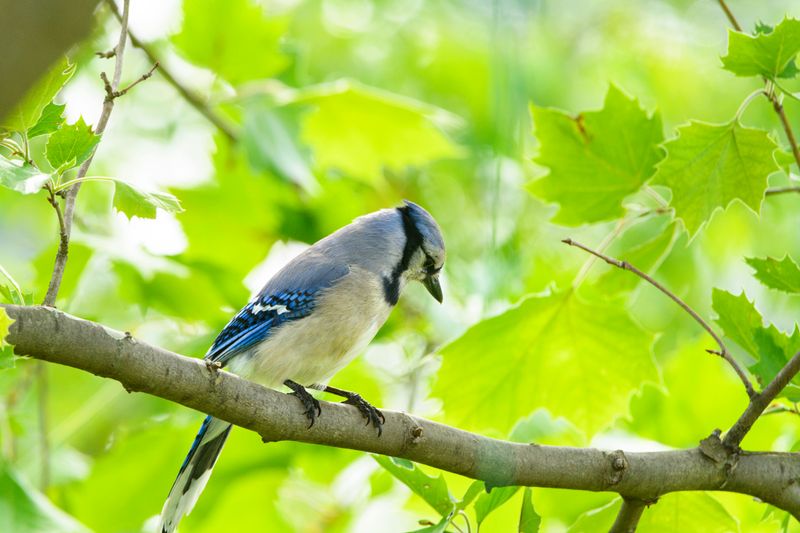
Few birds punch above their weight the way Blue Jays do. Their habit of burying acorns and forgetting some of them has made them one of the most important seed dispersers in eastern North American forests.
Oak trees spread faster because of them.
That matters deeply for Illinois landscapes. As old trees age and forests shift, Jays help fill in the gaps by accidentally planting new oaks in open areas, fields, and forest edges.
Beyond seed spreading, Jays also serve as an alarm system for other wildlife. Their sharp warning calls alert squirrels, songbirds, and even deer when a predator is nearby.
Many animals have learned to listen for Jay calls as a reliable heads-up that something dangerous is moving through the area. It is a service they provide without being asked.
Blue Jays also help control insect populations by eating grasshoppers, beetles, and caterpillars during warmer months. They sit comfortably in the middle of the food chain, feeding on smaller creatures while also being hunted by hawks and owls.
Their presence helps keep the whole system balanced.
The Small Yard Adjustments That Blue Jays Actually Notice
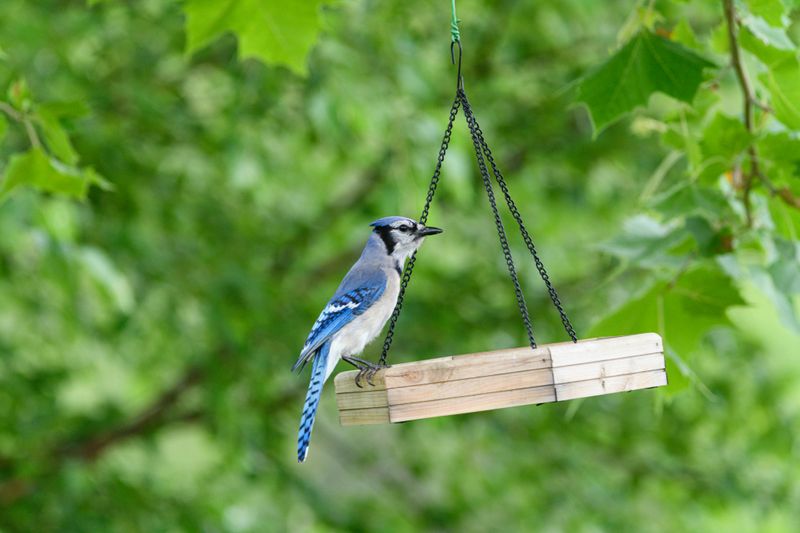
Creating a Jay-friendly yard does not require a major renovation. Small, intentional changes can make a big difference in how often these birds show up and how long they stay.
Start by thinking about what they actually need: food, water, shelter, and safety.
Native plants are your best investment. Oak trees, serviceberry, elderberry, and native sunflowers all provide food and habitat that Blue Jays actively seek out.
Even one mature native tree can anchor an entire mini-ecosystem in your backyard and bring in multiple species alongside the Jays.
Platform feeders work better than tube feeders for these larger birds. Stock them with whole peanuts in the shell, shelled sunflower seeds, or dried corn.
Jays will return consistently once they know your feeder is reliable. In summer, they will bring their fledglings along, which is genuinely one of the best backyard wildlife moments you can witness.
Reduce pesticide use as much as possible. Chemicals wipe out the insects that Blue Jays and their chicks depend on for protein during nesting season.
A yard that is safe for wildlife is one they will keep coming back to, season after season.