Illinois Crops You Can Still Plant In July And Harvest Before Fall Frost
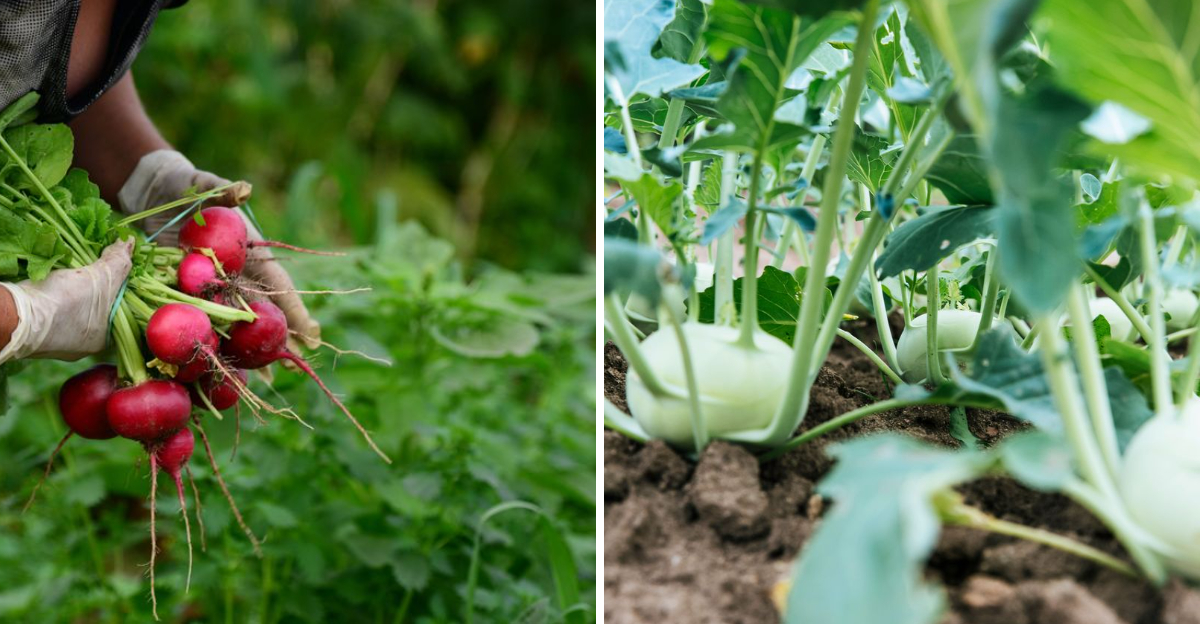
Most gardeners pack up their seed packets by June and call it a season. That is a mistake, and an expensive one in terms of missed harvests. July in Illinois still has plenty of growing power left, and the soil is warm, loose, and ready.
What changes this time of year is not the opportunity, but the strategy. Instead of chasing tomatoes and peppers into fall, smart gardeners shift their focus to fast-maturing crops that actually prefer the cooler end of summer.
These are vegetables that hit their stride when temperatures start dropping, not climbing. Illinois sits in a sweet spot of hardiness zones and growing days that makes a July planting not just possible, but genuinely productive.
The window is open, and it will not stay that way for long.
1. Beets
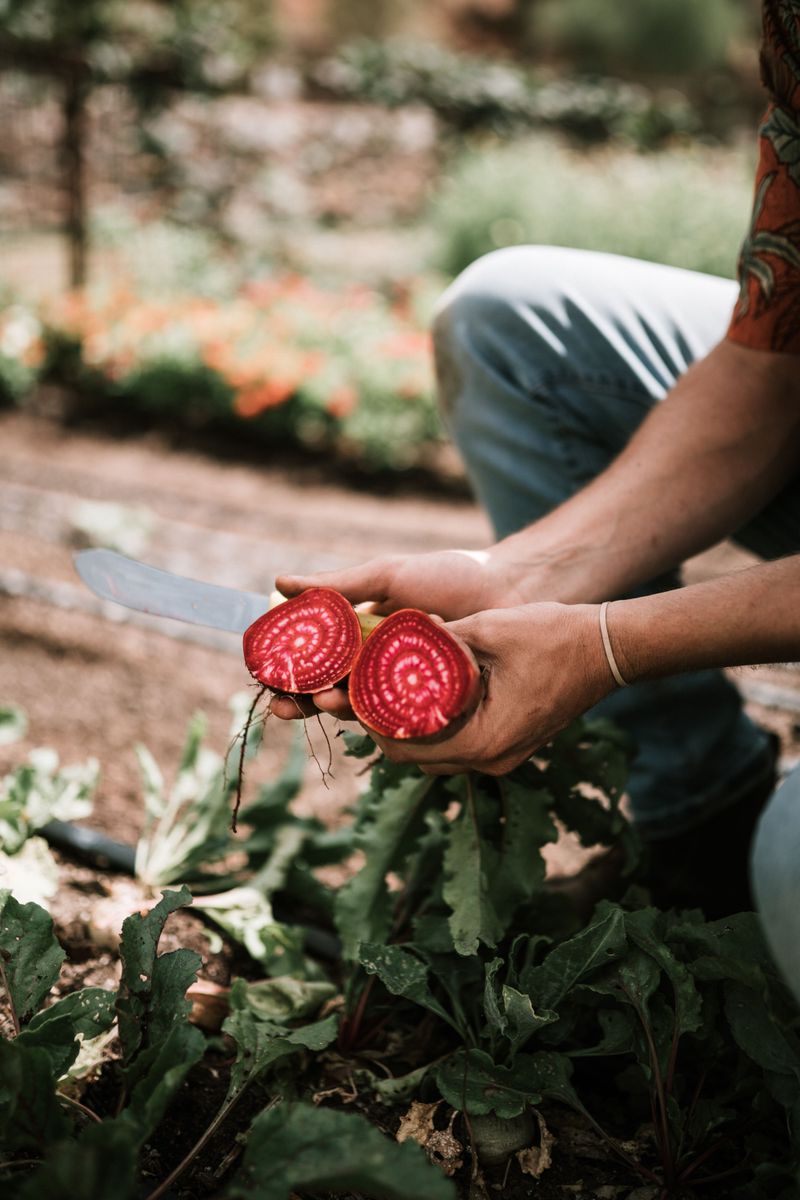
Beets are basically two vegetables in one, and most gardeners forget about the leafy tops entirely. Both the greens and the roots are edible, nutritious, and ready faster than you expect.
Sow seeds about half an inch deep and two inches apart in rows. Beets prefer cooler soil temps, and late July planting catches that sweet spot as nights begin to ease up slightly.
Germination takes five to ten days, and the seedlings look like tiny reddish threads pushing out of the soil. Thin them to about four inches apart once they reach two inches tall so roots have room to swell properly.
Consistent moisture is non-negotiable with beets. Irregular watering causes the roots to crack or develop a woody texture that makes them unpleasant to eat.
Most beet varieties mature in 50 to 70 days, making a late July planting totally workable across much of the state. Chioggia and Detroit Dark Red are two reliable choices that perform well in Midwest gardens.
Harvest beets when the shoulder of the root pushes above the soil surface. Roots around two to three inches in diameter are at peak sweetness and tenderness.
Roast them with olive oil and a pinch of salt, and even picky eaters tend to come around quickly.
2. Carrots
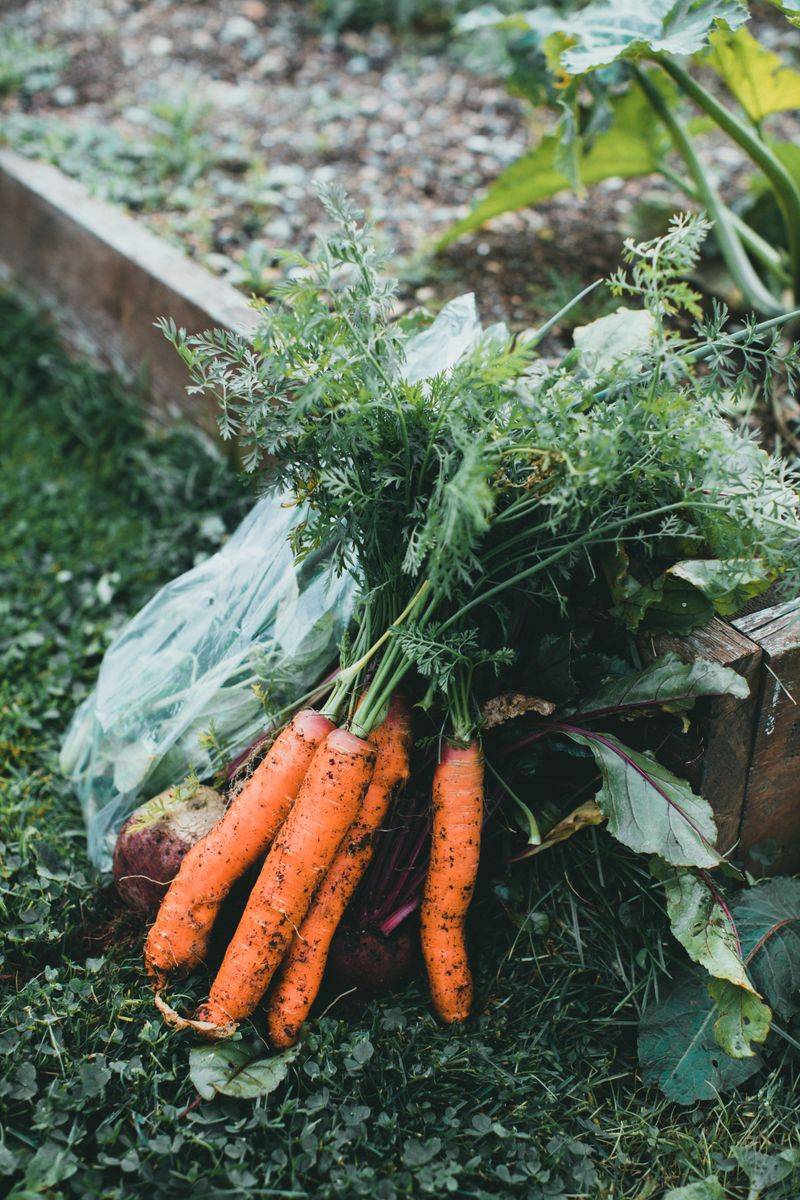
Carrots have a reputation for being slow and fussy, but plant the right variety in July and you will be pulling sweet orange roots by October. The secret is choosing a fast-maturing type built for shorter seasons.
Danvers, Nantes, and Little Finger varieties all clock in under 70 days, which fits perfectly inside the remaining growing window. Avoid large storage varieties that need 80 or more days to finish.
Carrot seeds need consistent moisture to germinate because they are notoriously slow to sprout. Lay a thin board or burlap over the row until you see sprouts, which keeps the soil from drying out between waterings.
Loose, rock-free soil is essential for straight, full-sized roots. Rocky or compacted ground forces roots to fork and twist, which affects both appearance and texture.
Thin seedlings to two inches apart once they reach about three inches tall. Crowded carrots produce skinny, underdeveloped roots that are more frustrating than rewarding.
Your Illinois Garden Changes Every Week. Your Plan Should Too.
Gardening in Illinois changes quickly throughout the season. Every Friday you’ll receive a simple weekly plan showing exactly what to plant, prune, fertilize, harvest, and protect so you never miss the right timing.
Side-dress with a low-nitrogen fertilizer mid-season to encourage root growth rather than leafy top growth. Too much nitrogen pushes all the energy into the feathery greens instead of the root.
Carrots actually taste sweeter after a light frost touches them. The cold converts starches inside the root to sugar, giving you a depth of flavor that is hard to find in produce bought off the shelf.
Leave them in the ground past the first frost for maximum sweetness, but pull them before a hard freeze locks the soil solid and makes harvesting a chore.
3. Kale
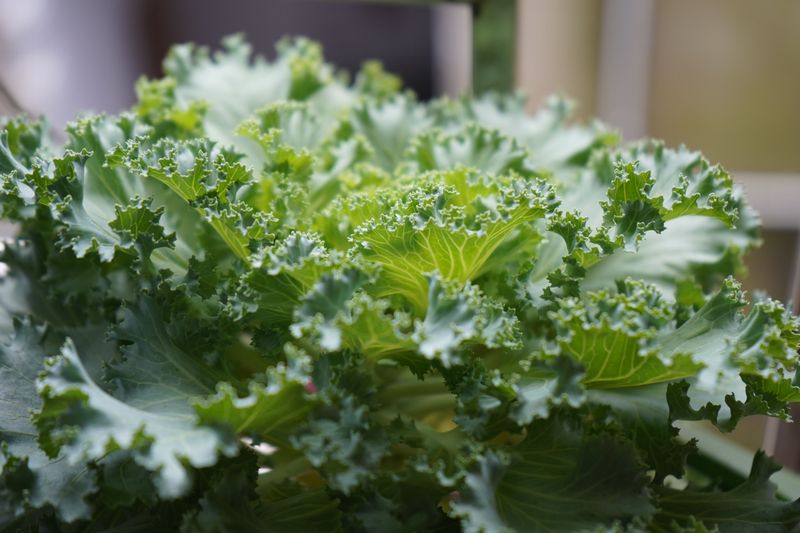
Kale planted in July becomes a garden superstar by September, producing deeply flavored leaves that keep going even after light frosts hit. Cold actually improves kale, converting its starches to sugar and mellowing any bitterness.
Start seeds directly in the ground or transplant seedlings for a head start. Either way, space plants about 18 inches apart so air circulates freely between the big, ruffled leaves.
Kale thrives in full sun but tolerates partial shade better than most garden crops. In fact, a bit of afternoon shade during hot July days can prevent stress and keep leaves from toughening up prematurely.
Water deeply once or twice a week rather than shallow daily sprinkles. Deep watering encourages roots to grow downward, which anchors plants and improves drought tolerance as summer transitions to fall.
Lacinato, also called dinosaur kale, and Red Russian are two outstanding varieties for late-season planting. Both mature in 50 to 60 days and hold up well to fall temperatures across the Midwest.
Harvest outer leaves first, leaving the central growing tip intact. This approach lets the plant keep producing fresh leaves for weeks rather than giving you one big harvest and nothing afterward.
Aphids love kale, especially as temperatures cool. A strong blast of water from the hose knocks them off without any chemicals, keeping your harvest clean and safe.
Kale smoothies, sauteed greens, and hearty fall soups all start right here, in a patch you planted with your own hands in July.
4. Kohlrabi
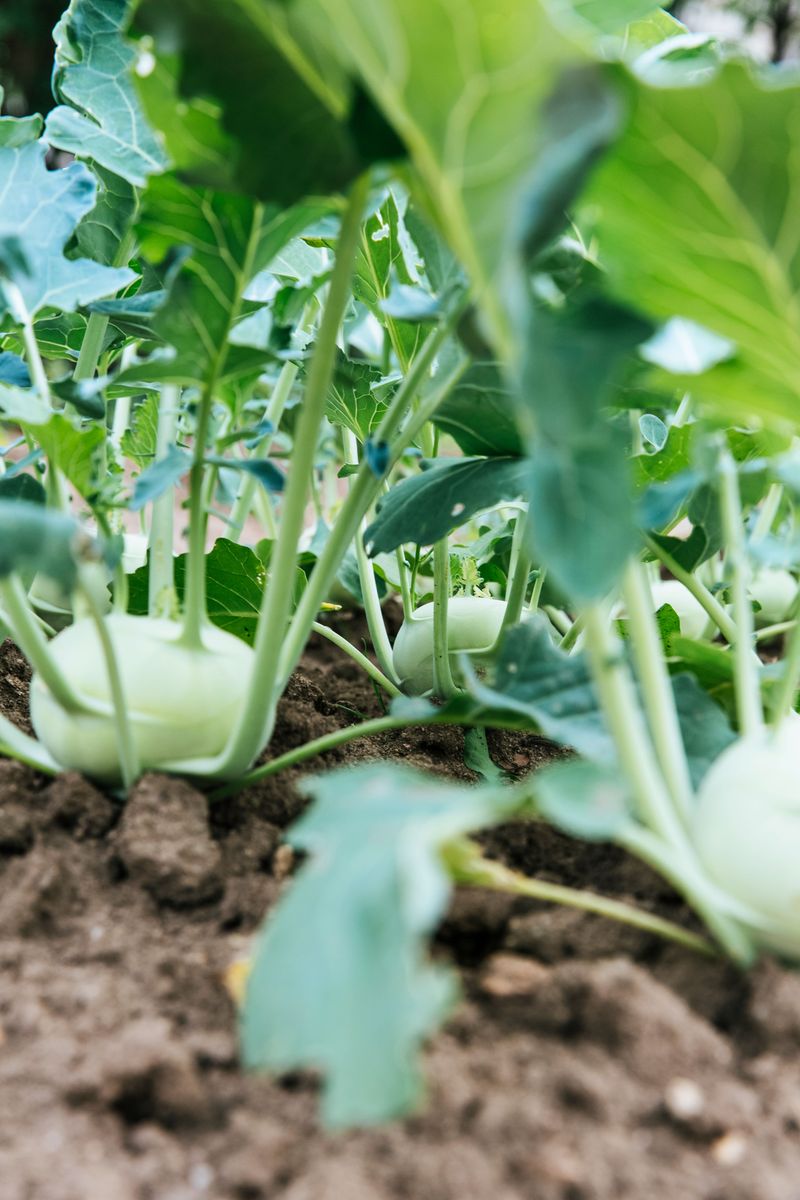
Image Credit: © Markus Spiske / Pexels
Kohlrabi looks like it landed from another planet, and first-time growers are always a little startled by its alien appearance. That strange swollen stem sitting above the soil is the edible part, and it tastes like a mild, sweet cross between broccoli and apple.
Plant seeds half an inch deep and thin seedlings to about six inches apart. Kohlrabi grows fast, maturing in just 45 to 60 days, which makes it one of the most reliable options for a July planting window.
Full sun is preferred, but kohlrabi handles a bit of shade without throwing a fit. It is more forgiving than most brassicas, making it a solid choice for gardeners still learning the ropes of fall planting.
Keep soil evenly moist throughout the growing period. Dry spells cause the bulb to crack or turn woody, losing that crisp texture that makes raw kohlrabi such a refreshing snack.
Purple Vienna and White Vienna are the two most popular varieties, and both perform beautifully in Midwest conditions. Purple types tend to hold up slightly better in heat, which matters when July temperatures are still running high.
Harvest when the bulb reaches two to three inches in diameter. Larger bulbs become fibrous and lose their mild sweetness, so do not wait too long once you spot them sizing up above the soil line.
Slice it raw into sticks for dipping, roast it with olive oil, or shred it into slaws. Kohlrabi is the underdog of the vegetable world, and once you grow it yourself, you will wonder why you waited so long.
5. Spinach
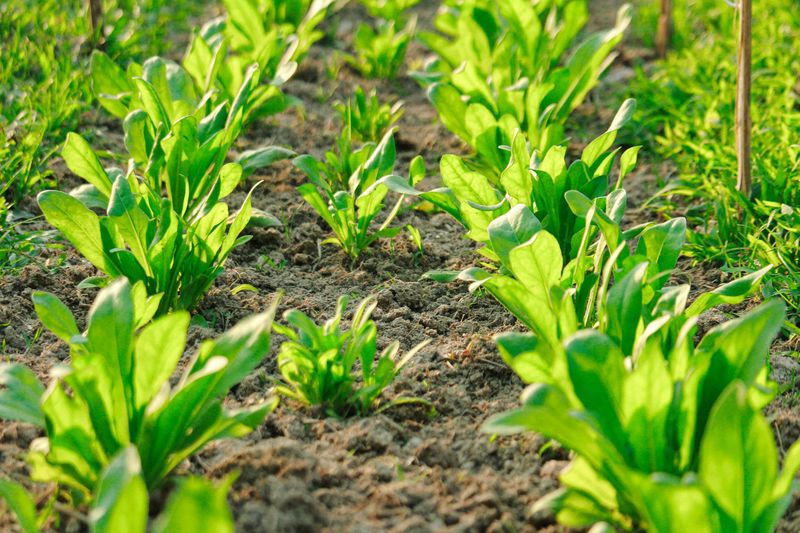
Spinach is the quiet overachiever of the fall garden, growing fast and asking for almost nothing in return. Plant it in late July and you will be harvesting tender, dark leaves well into October and possibly beyond.
Sow seeds about half an inch deep and two inches apart in rows. Spinach prefers cooler soil, so water the bed thoroughly before planting to bring the temperature down and improve germination rates.
Bloomsdale Long Standing and Tyee are two varieties known for bolt resistance, which is important when late July heat is still lingering. Bolt-resistant types stay in leaf production longer before shifting energy toward flowering and seed production.
Thin seedlings to about four inches apart once they sprout. Crowded spinach produces smaller leaves and increases humidity around the plants, which can lead to fungal issues as fall moisture increases.
Spinach benefits from regular nitrogen, so side-dressing with a nitrogen-rich organic fertilizer mid-season keeps leaves dark green and productive. Pale, yellowish leaves are a sign the plant is hungry and slowing down.
Harvest outer leaves regularly to encourage the center to keep pushing out new growth. Pulling whole plants early wastes the productive potential of each spinach crown during the best growing weeks of fall.
Spinach handles light frosts with ease and actually improves in flavor after cold nights. Leaves become sweeter and more tender, making your October harvest taste better than anything you grew in spring.
Fresh spinach salads, sauteed greens, and smoothies all get better when the leaves come straight from your own backyard bed.
6. Radishes
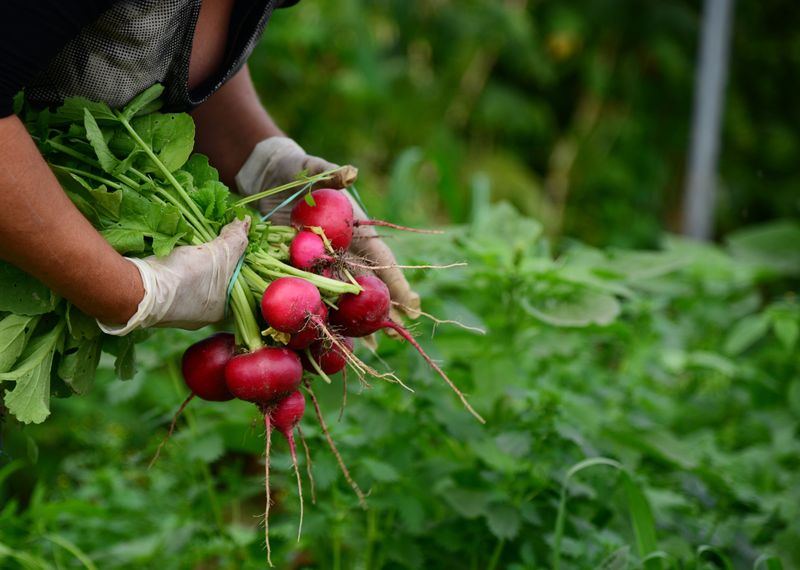
Image Credit: © Wadim Ł. / Pexels
Radishes are the sprinters of the vegetable garden, going from seed to table in as little as three weeks. If you have ever doubted your gardening skills, planting radishes will restore your confidence almost immediately.
Press seeds about half an inch into the soil and space them two inches apart. They germinate in three to five days, and watching those tiny seedlings pop up is one of the most satisfying sights in any garden.
Cherry Belle and French Breakfast are two classic varieties that perform reliably in summer conditions. Both mature in 22 to 28 days, meaning you can plant in July and have multiple harvests before frost even becomes a concern.
Water consistently to keep the roots from cracking or developing a harsh, pithy texture. Radishes that experience drought stress taste sharp and unpleasant, losing the mild, peppery crunch that makes them worth growing.
Radishes also serve a sneaky second purpose in the garden. Their fast growth helps break up compacted soil, and they attract flea beetles away from slower, more valuable crops nearby.
Pull radishes as soon as they reach the right size, typically about an inch in diameter. Leaving them in the ground too long causes them to become spongy and hollow, which ruins both texture and flavor completely.
Radishes have been cultivated for thousands of years across Asia, Europe, and the Mediterranean, one of the oldest vegetables still growing in home gardens today.
Slice them into salads, pickle them in vinegar, or eat them whole with a little butter and salt the French way.
7. Turnips
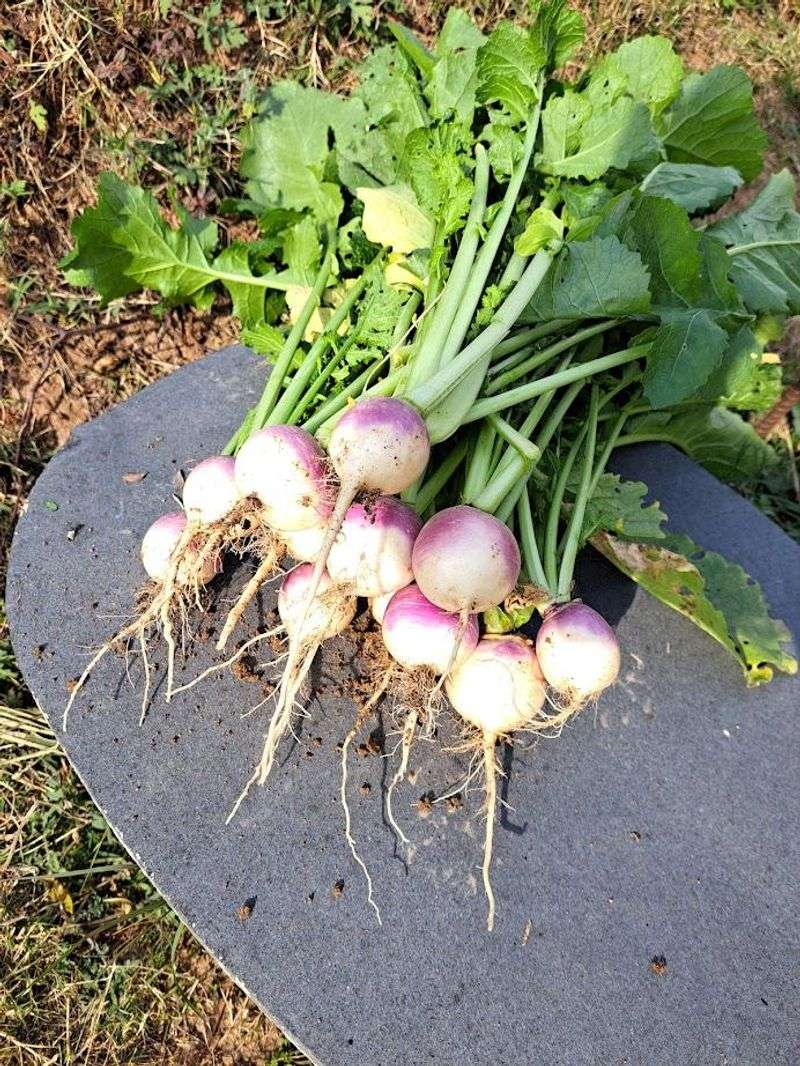
Turnips get a bad reputation from people who have only ever eaten them overcooked and mushy. A fresh garden turnip is a completely different experience, mild, slightly sweet, and worth growing.
Direct-sow seeds about half an inch deep and thin plants to four to six inches apart once they reach a few inches tall. Turnips grow quickly, maturing in 35 to 60 days depending on the variety, which makes them an excellent choice for a July start.
Purple Top White Globe is the most widely grown variety across the Midwest and handles fall conditions with ease. Seven Top is another option grown specifically for its greens, which taste similar to mustard greens and pair well with pork dishes.
Turnips actually prefer cool weather and become sweeter after exposure to light frost. A planting timed for late July means roots are sizing up right as September and October bring that desirable chill to the air.
Water turnips deeply and regularly, aiming for one inch per week. Inconsistent moisture causes roots to split or develop a tough, fibrous texture that diminishes the eating quality significantly.
Harvest when roots are two to three inches in diameter for the best flavor and tenderness. Larger roots become progressively woodier and more pungent, which is why timing the harvest correctly makes such a noticeable difference.
Do not toss the greens when you pull the roots. Young turnip greens are tender enough to saute quickly in olive oil with garlic for a fast and nutritious side dish.
8. Leaf Lettuce
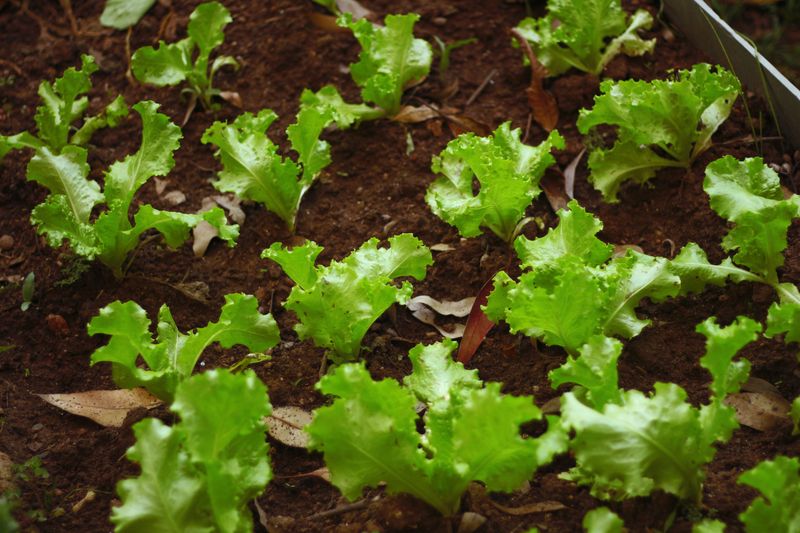
Leaf lettuce is the fastest path from bare soil to a bowl of fresh salad greens, and a July planting sets you up for some of the best lettuce you have ever tasted. Cool fall air brings out a tenderness and sweetness that summer heat simply cannot deliver.
Scatter seeds thinly across prepared soil or sow in shallow rows about an inch apart. Thin seedlings to six inches once they are established, using the thinnings as your first mini harvest right there at the garden bed.
Oak Leaf, Black Seeded Simpson, and Salad Bowl are three varieties that tolerate heat better than head types and transition smoothly into fall production. These loose-leaf types also regrow after cutting, giving you multiple harvests from a single planting.
Shade cloth can be a game-changer for July lettuce plantings when heat is still intense. Even a light 30 percent shade cloth dropped over the bed reduces soil temperature and prevents early bolting during the hottest part of the day.
Water lightly and frequently rather than deeply and infrequently. Lettuce roots are shallow, and keeping the top few inches of soil consistently moist encourages steady, tender leaf production without stressing the plant.
Harvest outer leaves as soon as they reach a usable size, leaving the central growing point untouched. This cut-and-come-again approach keeps a single plant productive for six to eight weeks under the right conditions.
Growing your own lettuce also means you know exactly what touched those leaves before they hit your plate. The season is far from over, your best garden meals may still be ahead.