These Are The Texas Perennials Worth Dividing Right Now Before Summer Heat Stops The Process
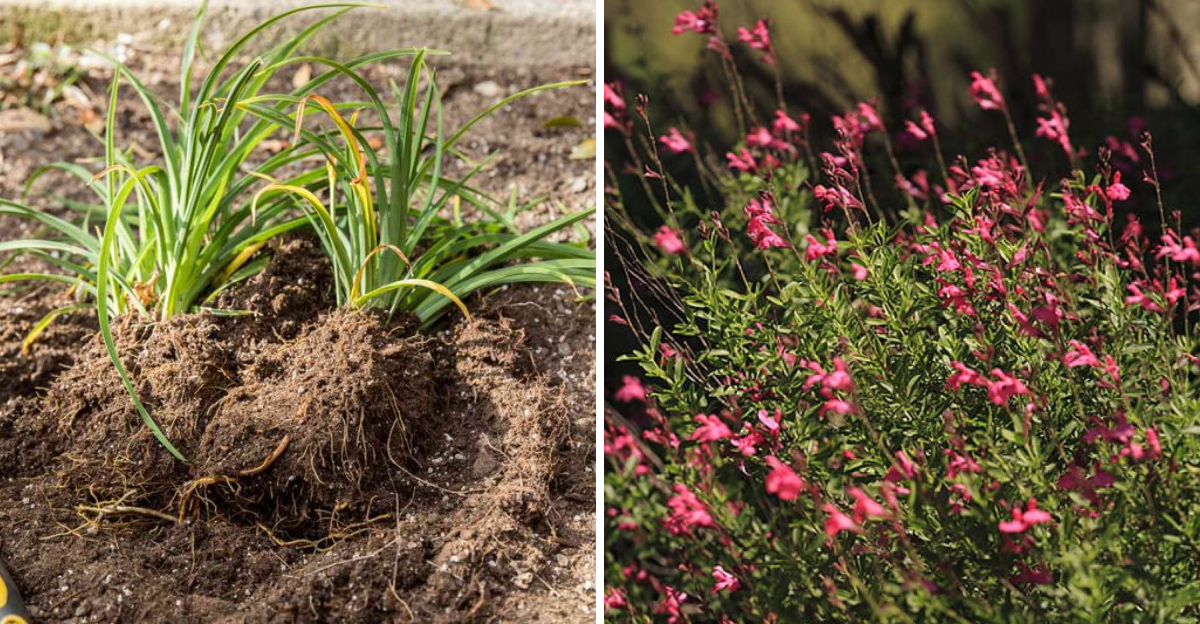
Did you know that the difference between a perennial that thrives for years and one that slowly declines often comes down to a single task most Texas gardeners either skip or put off too long?
Dividing perennials at the right time is one of the most effective ways to keep them healthy, productive, and expanding across your garden without spending a dollar.
The challenge in Texas is that the heat closes that window fast. Once temperatures lock in for summer, dividing most perennials puts too much stress on root systems that need calm conditions to recover and settle in.
Right now is one of the last comfortable opportunities to get this done, and the perennials that benefit most from division at this stage will show you why it was worth the effort by the time they come back stronger next season.
Knowing which ones to prioritize before the heat shuts the process down is exactly where to start.
1. Turk’s Cap
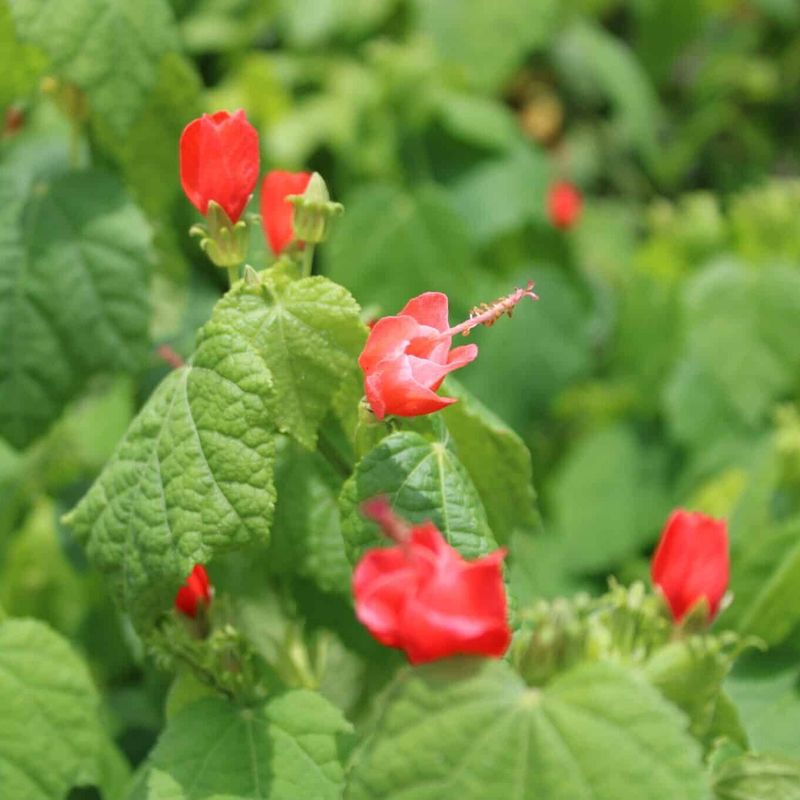
Turk’s Cap is one of those plants that Texas gardeners absolutely love because it handles heat, drought, and shade without much fuss. Its bright red, twisted blooms attract hummingbirds and butterflies from summer straight through fall.
But here is the thing most gardeners overlook: mature Turk’s Cap spreads steadily underground, and those older clumps can quietly outgrow their space without you even noticing.
Right now, before peak heat settles in, is the ideal time to tackle those spreading clumps. Use a sturdy spade to cut around the outer edges of the plant and lift sections away from the main root mass.
Each division should have a good chunk of roots and at least a few healthy stems attached before you replant it.
Freshly divided sections establish much faster in spring because soil temperatures are still mild and rainfall is more reliable. Water new divisions consistently for the first few weeks, and they will take hold quickly.
Adding compost to the planting hole gives roots an early nutrition boost that pays off later in the season.
Turk’s Cap actually tolerates quite a bit of root disturbance, which makes it an easy candidate for division even for beginner gardeners. Established plants that are divided and refreshed tend to produce more blooms and fill in more evenly.
Spreading divisions to other spots in your yard also means more habitat for the pollinators that depend on this Texas native all summer long.
2. Daylily
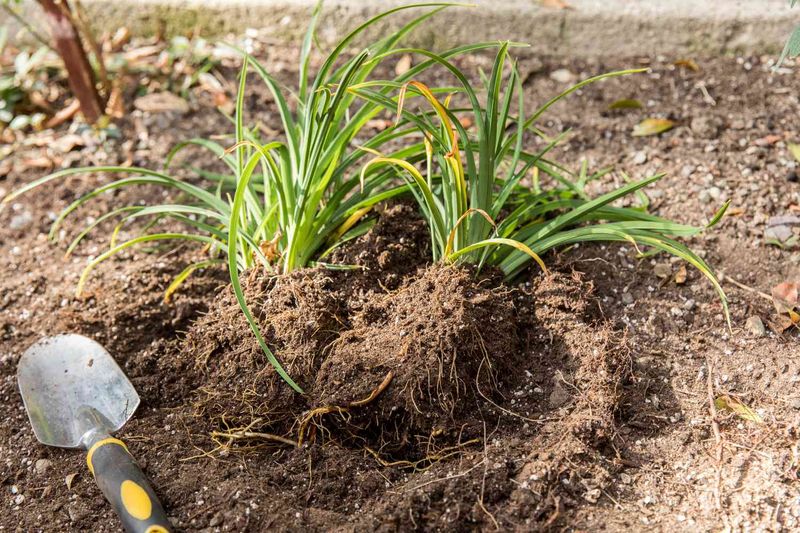
Few plants in a Texas garden work as hard as the daylily. These tough, colorful performers come back year after year, but over time, their clumps get so packed together that blooming slows way down.
Crowded roots compete for nutrients, water, and space, and the whole plant ends up struggling instead of thriving.
Dividing daylilies now, before summer heat arrives, gives each new section a real chance to settle in comfortably. You can use a sharp spade or garden fork to lift the entire clump out of the ground.
Then, pull or cut the clump into smaller sections, making sure each piece has healthy roots and several fans of leaves attached.
Your Texas Garden Changes Every Week. Your Plan Should Too.
Gardening in Texas changes quickly throughout the season. Every Friday you’ll receive a simple weekly plan showing exactly what to plant, prune, fertilize, harvest, and protect so you never miss the right timing.
Replant the divisions at the same depth they were growing before, water them thoroughly, and add a layer of mulch to hold in moisture. Improved airflow between plants also reduces the chances of fungal problems that come with hot, humid Texas summers.
One fun fact about daylilies is that each individual flower only lasts one day, but a healthy, well-divided clump will produce dozens of buds over several weeks.
That means more color, more blooms, and a much showier display than a crowded, neglected clump could ever deliver.
Dividing every three to four years keeps them performing at their absolute best throughout the growing season.
3. Autumn Sage
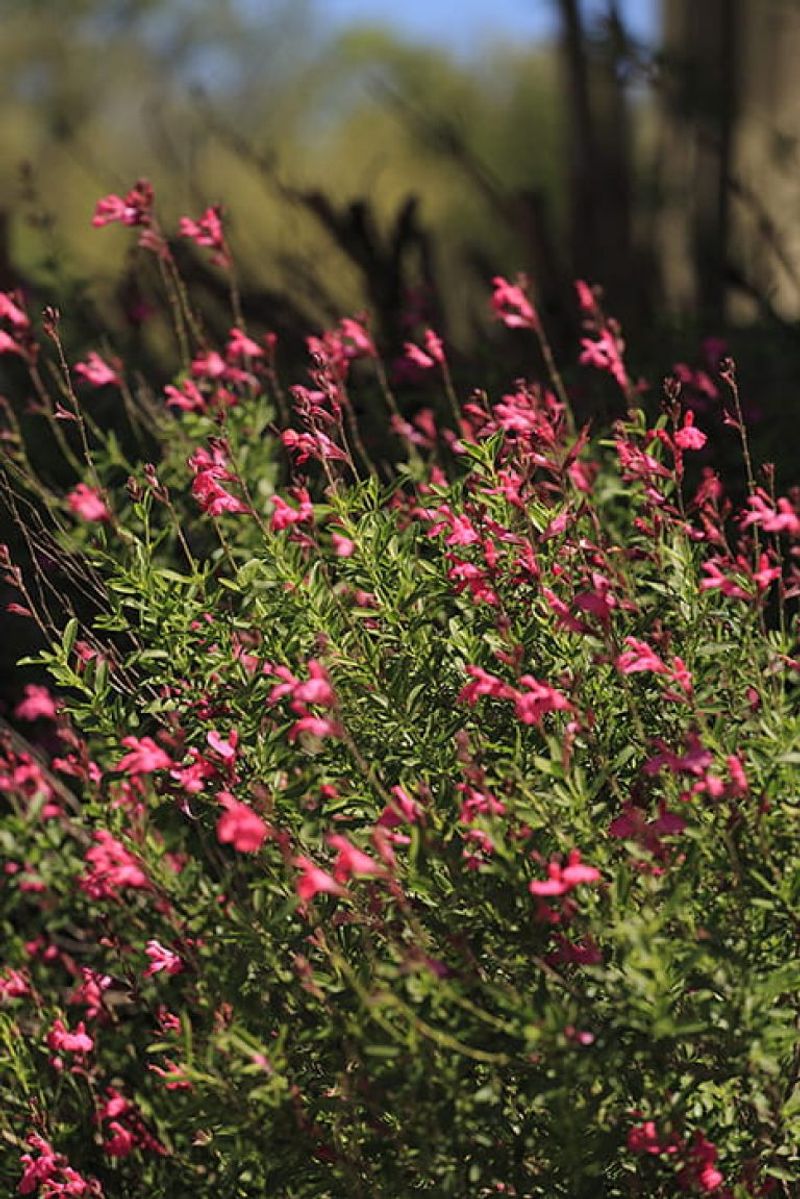
Autumn sage has a reputation for being nearly bulletproof in Texas gardens, but even tough plants need a little attention to keep performing well.
Over time, older salvia plants develop thick, woody bases that produce fewer flowers and look a bit ragged around the edges. That woody growth is a clear signal that rejuvenation is overdue.
Dividing autumn sage in spring, before summer temperatures climb, gives the plant a fresh start. The best approach is to dig around the outer edges of the clump where younger, healthier growth tends to be concentrated.
Those outer sections root much more reliably than older woody material from the center of the plant.
Once you have your divisions, trim back the top growth by about one-third before replanting. This reduces stress on the roots while they are getting established in their new location.
Plant them in well-draining soil and full sun for the best results, since autumn sage absolutely thrives with plenty of light.
Here is something worth knowing: autumn sage is not just a fall bloomer despite its name. A healthy, refreshed plant will push out colorful blooms from spring all the way through the first frost.
Hummingbirds are particularly drawn to its tubular red, pink, or coral flowers, so dividing and spreading this plant around your yard essentially creates multiple feeding stations for your favorite backyard visitors.
Regular division every two to three years keeps autumn sage looking full, fresh, and productive season after season.
4. Fall Aster
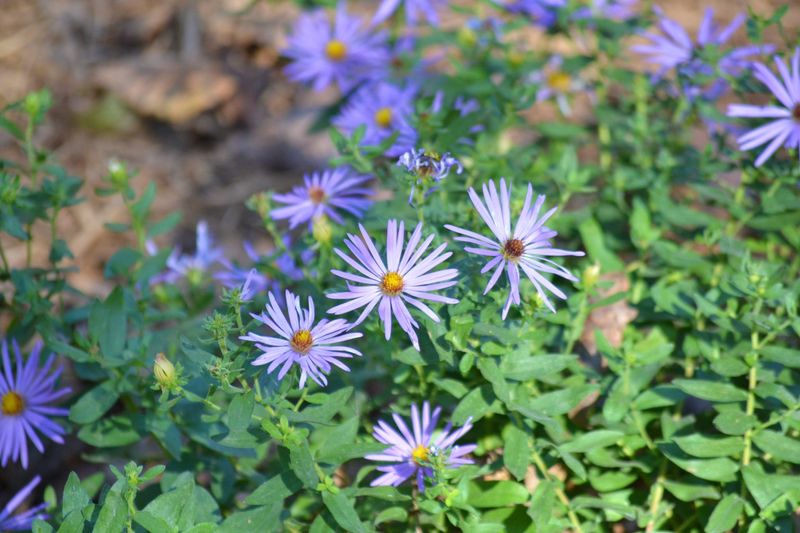
Walk past a fall aster in full bloom and it is almost impossible not to stop and stare. Those masses of tiny purple or pink daisy-like flowers put on a spectacular show every autumn, turning ordinary garden beds into something truly eye-catching.
The catch is that fall asters spread aggressively, and without regular division, they can crowd out neighboring plants and actually bloom less heavily over time.
Spring is your best opportunity to get those spreading clumps under control before the heat makes recovery difficult. Lift the entire clump with a spade, then use your hands or a garden fork to break it into smaller, manageable sections.
Aim for divisions that are roughly the size of a softball, with plenty of healthy roots and fresh growth visible at the base.
Replant divisions with a little extra space between them so air can move freely around the foliage. Crowded asters are more prone to powdery mildew, especially during the humid stretches of a Texas summer.
Giving them room to breathe now pays off with cleaner, healthier plants come fall blooming season.
One practical tip that experienced Texas gardeners swear by is pinching back new aster growth in late spring and early summer. Combined with fresh division, this encourages the plant to branch out and produce far more flower buds.
The result is a fuller, more impressive display in autumn rather than a few tall, lanky stems with sparse blooms at the top. Division and pinching together make a powerful combination for fall asters.
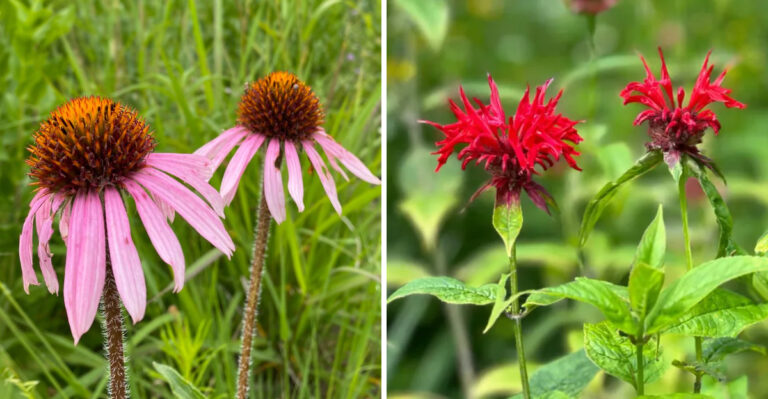
5. Bee Balm
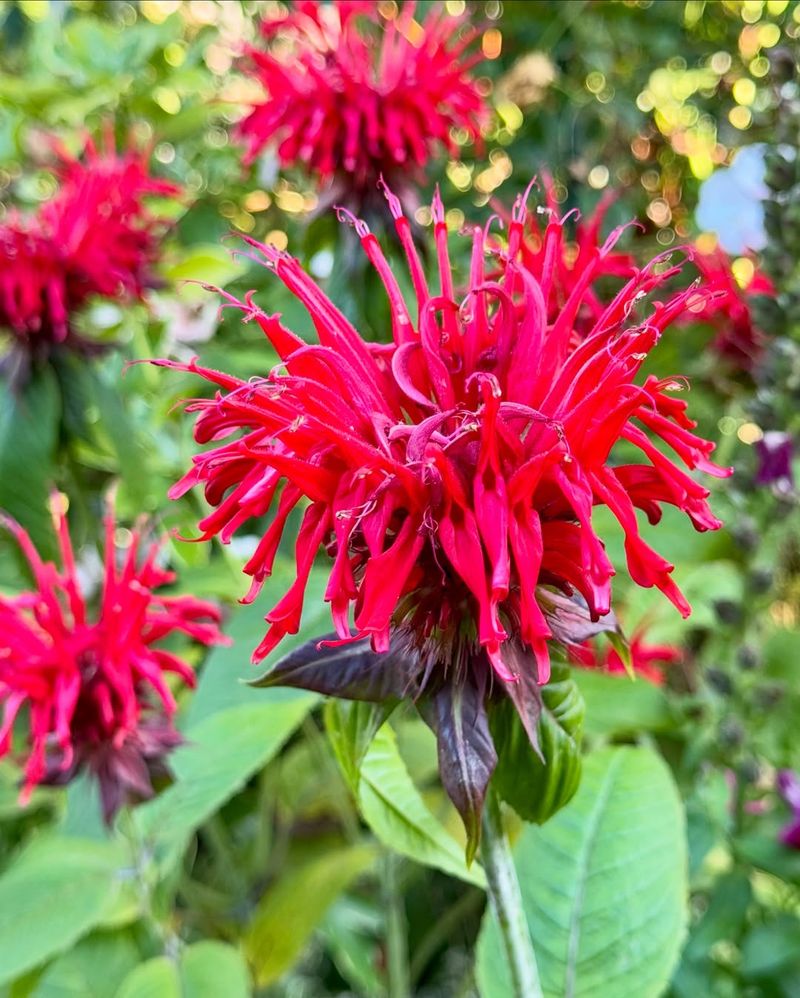
Bee balm is one of the most exciting perennials you can grow in a Texas garden, and not just because of its wild, shaggy blooms. Bees, butterflies, and hummingbirds practically fight over it when it is in full flower.
But bee balm has one well-known weakness: it loves to spread, and dense, overcrowded clumps become perfect breeding grounds for powdery mildew, which is a real problem in Texas humidity.
Dividing bee balm in spring tackles both issues at once. Breaking up crowded clumps immediately improves airflow around the stems and leaves, which is one of the most effective ways to reduce mildew pressure without reaching for a spray bottle.
Healthier airflow means cleaner foliage and stronger plants heading into the hot months ahead.
To divide bee balm properly, dig up the clump and pull it apart into sections, each with a good root system and several healthy stems.
Discard any sections from the very center of the old clump since that growth tends to be the weakest and most prone to problems. The outer portions are where the most vigorous new growth is hiding.
Replant your divisions in a spot with morning sun and afternoon shade if possible, since bee balm appreciates a little relief from intense Texas afternoon heat. Water consistently until roots are established, and consider spacing plants at least 18 inches apart.
That extra breathing room is a simple investment that delivers noticeably healthier plants and far more blooms than a tightly packed, neglected clump ever could.
6. Coreopsis
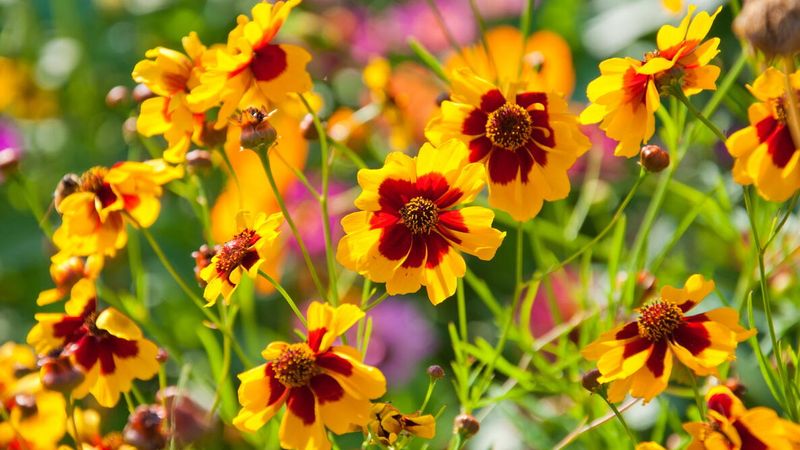
Cheerful and bright, coreopsis is like a burst of sunshine in any Texas garden bed. Its golden yellow flowers bloom for months, and it handles heat and drought far better than most flowering perennials.
Still, even this reliable performer starts to slow down after a few years if the clumps are never divided and refreshed.
Mature coreopsis clumps tend to bloom heavily around the outer edges while the center becomes thin and woody. That uneven growth pattern is a clear sign the plant is ready for some attention.
Dividing in spring, when the weather is still cooperative, gives each section the best possible start before summer arrives in full force.
Use a sharp spade to lift the clump and then separate it into smaller portions. Focus on keeping the younger, livelier sections from the outer ring of the clump and set aside the older, woody center material.
Replant the fresh divisions into amended soil with good drainage, since coreopsis absolutely cannot tolerate soggy roots.
Something many gardeners appreciate about coreopsis is how fast it rebounds after division. Within just a few weeks, replanted sections put out new growth and often begin blooming again before summer even peaks.
Deadheading spent flowers regularly through the season encourages even more blooms and keeps the plant looking tidy.
Texas has several native coreopsis species worth exploring, and dividing them regularly not only keeps individual plants healthier but also gives you more material to spread across your landscape or share with neighbors who admire your garden.
7. Mexican Bush Sage
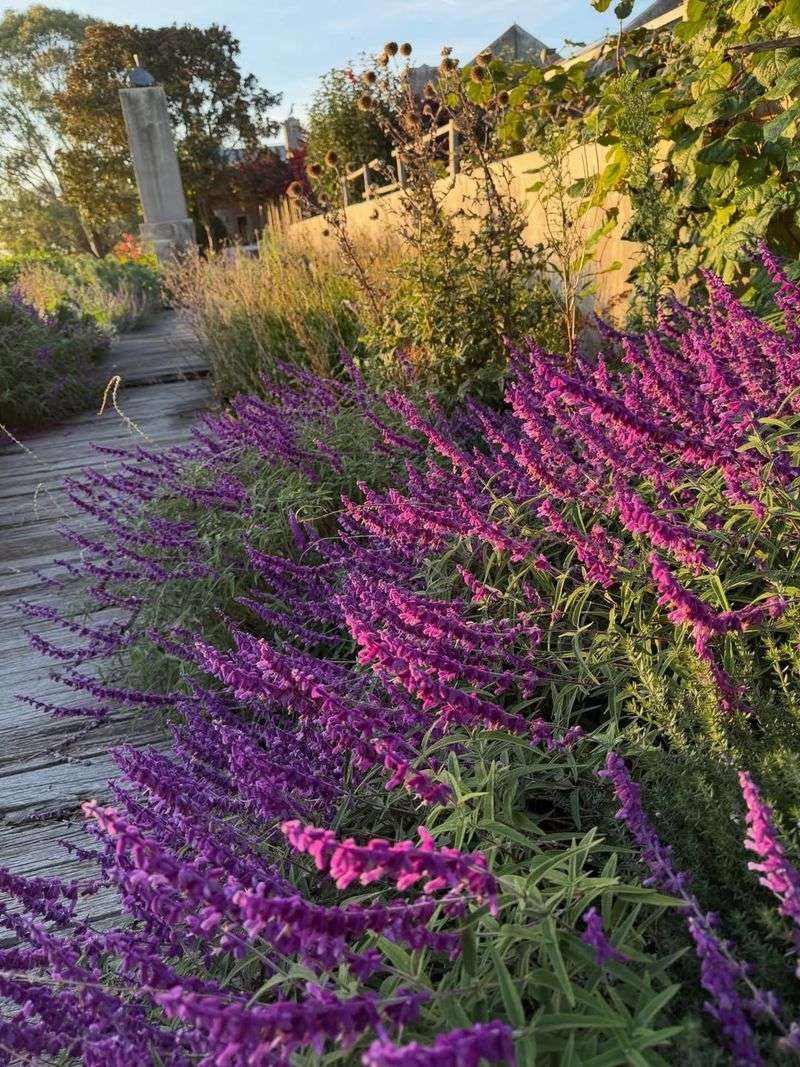
There is something almost magical about Mexican bush sage in late summer and fall, when its long, velvety purple and white flower spikes sway in the breeze and draw in pollinators from every direction.
It is a showstopper in any Texas landscape, and established plants can grow impressively large over just a few seasons.
That rapid growth is exactly why dividing before summer stress sets in is such a smart move.
Large, established clumps of Mexican bush sage can be carefully divided in spring while the soil is still workable and temperatures remain mild.
Use a heavy-duty spade to cut through the root mass, separating the clump into sections that each have a healthy mix of roots and stems.
Avoid divisions that are too small since Mexican bush sage prefers to have a decent root system to draw on during the heat of summer.
After replanting, water new divisions deeply every few days for the first two weeks. A layer of mulch around the base helps hold in soil moisture and keeps roots cooler as temperatures rise.
New divisions planted now will spend the spring and early summer quietly establishing strong root systems underground, which sets them up for a spectacular bloom display in the fall.
One thing that surprises many gardeners is just how quickly Mexican bush sage recovers from division when the timing is right. Plants divided in early spring often look completely settled and full by midsummer.
That strong recovery window closes fast once Texas summer heat arrives, so acting now is the key to giving these beautiful plants the best possible start for the season ahead.