What Texas Pollinator Gardeners Do Differently To Keep The HOA From Sending Letters
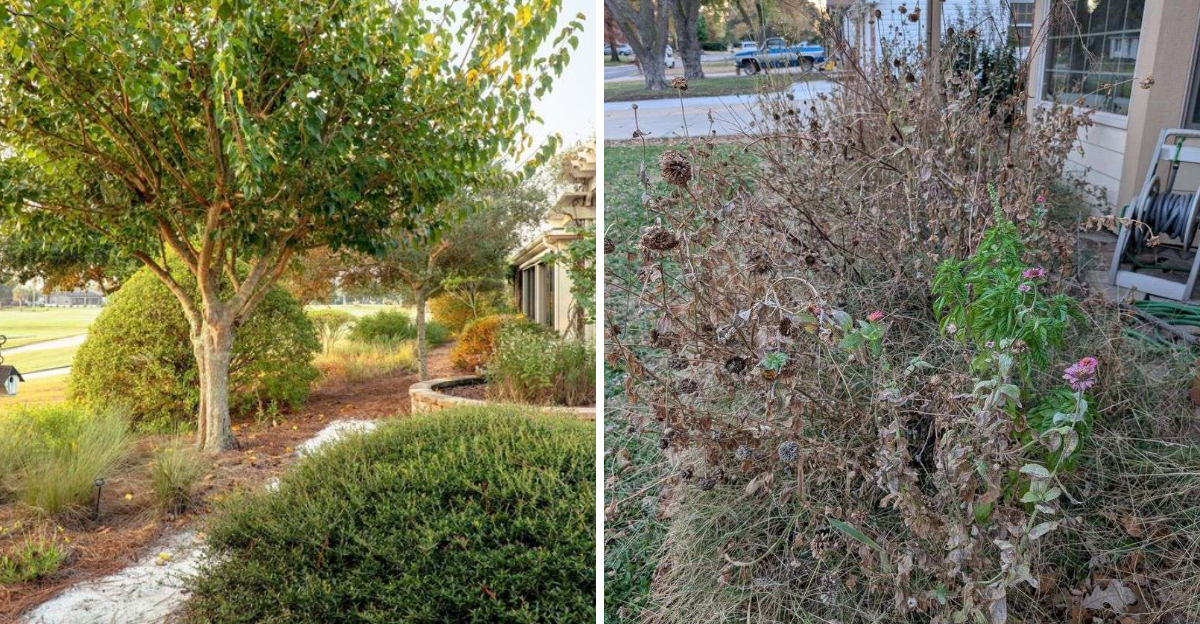
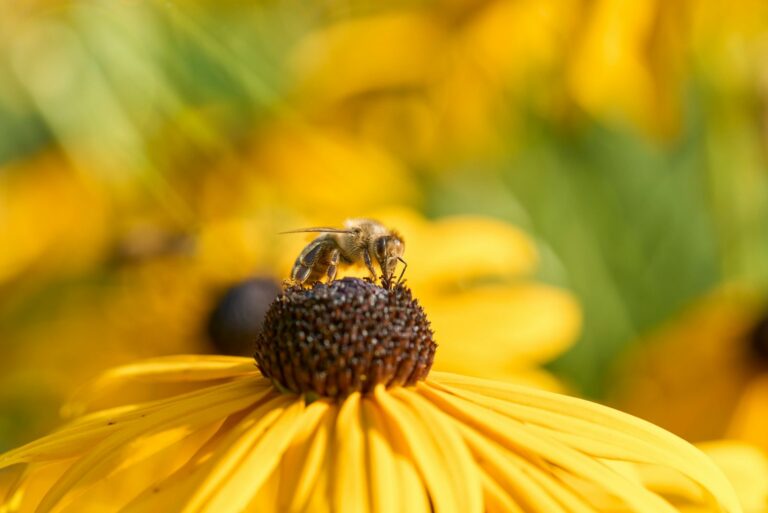
You plant milkweed. You add native grasses. You fill the front bed with black-eyed Susans and feel genuinely good about it.
Then the letter arrives.
Not from a garden magazine asking to photograph your yard. From the HOA.
Texas gardeners who care about pollinators are running into this situation more often than expected, and the conflict is rarely about the plants themselves. It is about presentation.
The same garden that earns a monarch butterfly can earn a violation notice when the appearance crosses a line the governing documents define differently than you expected.
Texas law does offer some protection for drought-resistant landscaping. But protection and permission are not the same thing, and the gap between them is where most pollinator garden disputes actually live.
Think of this as friendly garden guidance, not legal advice. If an actual dispute shows up in your mailbox, a licensed Texas attorney is the person to call.
If you have been wondering how much of your front yard you can realistically change before the HOA gets involved, here are the seven habits that determine whether your pollinator garden gets celebrated or cited.
1. Leave No Clear Bed Edges
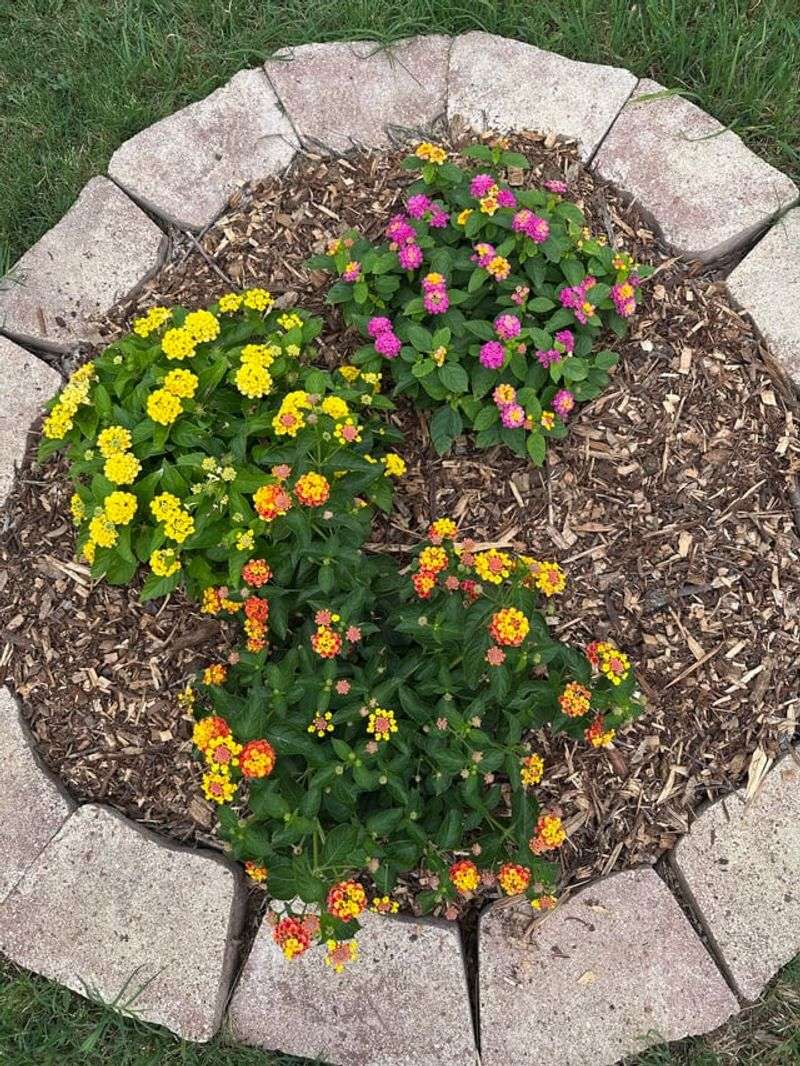
A front yard full of purple coneflowers and Gulf Coast muhly grass is a beautiful thing to the gardener who planted it. Without a defined edge, it looks like an abandoned lot to everyone else walking past.
Undefined bed edges are the most common reason a pollinator garden generates complaints. The plants can be perfectly chosen, ecologically correct, and actively supporting butterfly populations.
None of that matters to a neighbor or an HOA inspector who cannot tell where the garden ends and the unmowed lawn begins. The absence of a clear border communicates that nothing intentional happened here.
A crisp, visible edge changes that perception immediately. Steel garden borders, flagstone rows, and well-cut trench edges all communicate that a real person made a deliberate decision.
The garden shifts from looking like something that grew on its own to something that was designed.
Edging does not require significant expense or effort. Consistency matters more than material. Repeating a clear edge around every bed throughout the yard creates a unified visual message that reads as managed landscape rather than neglected yard.
Texas Property Code Section 202.007 limits an HOA’s ability to prohibit drought-resistant landscaping, but HOAs can still enforce reasonable appearance standards.
Now, this is general information only, not legal advice. Sharp bed edges satisfy those appearance standards without sacrificing a single pollinator-friendly plant.
The plants inside the edge can be as wild as the ecosystem requires. The edge itself just needs to look like a choice was made.
2. Let Plants Spill Onto Sidewalks
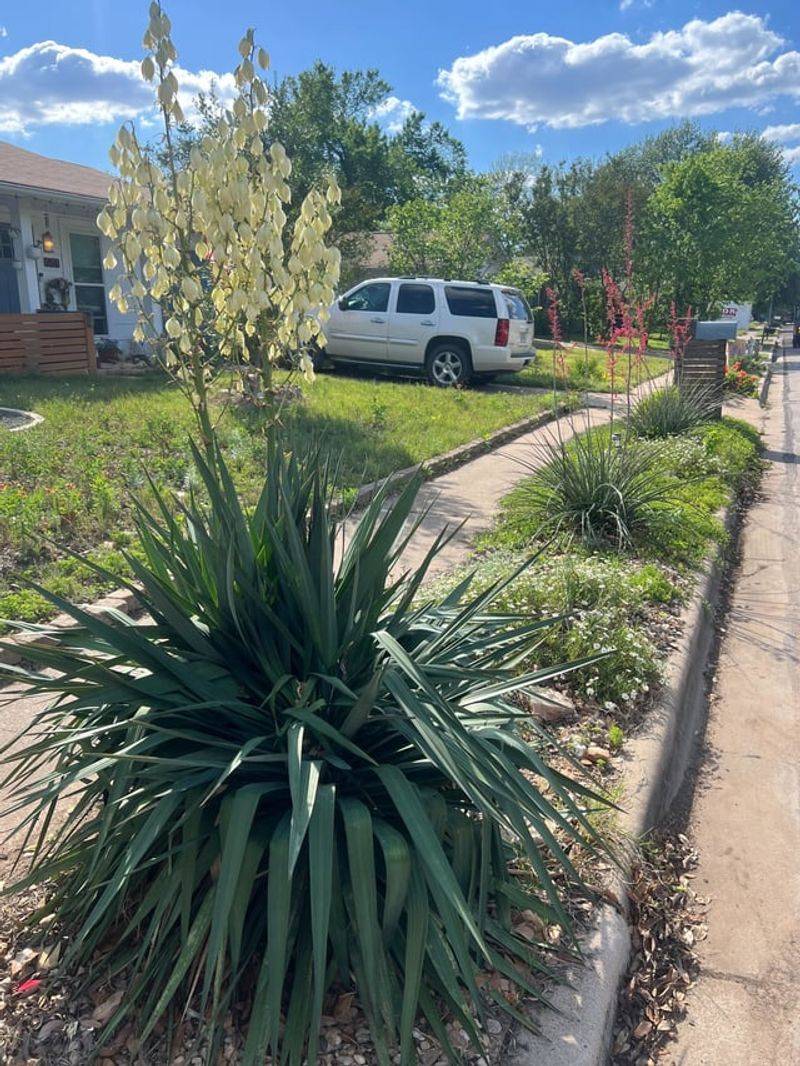
Autumn sage leaning over the curb looks romantic in a garden publication. On an actual sidewalk in front of an HOA-governed home, it creates the appearance of a maintenance problem that has been ignored for several weeks.
Sprawling plants on walkways raise concerns beyond the aesthetic. Sidewalks blocked by native plants create genuine hazards for people using wheelchairs, strollers, or canes.
Your Texas Garden Changes Every Week. Your Plan Should Too.
Gardening in Texas changes quickly throughout the season. Every Friday you’ll receive a simple weekly plan showing exactly what to plant, prune, fertilize, harvest, and protect so you never miss the right timing.
Most HOA governing documents include language about keeping public pathways clear and accessible. Texas municipalities typically have their own ordinances requiring clear pedestrian access as well. Violating both simultaneously is a combination worth avoiding.
Keeping plants trimmed back from walkways is one of the most straightforward protective habits in the pollinator garden.
A mental boundary of at least twelve to eighteen inches from any sidewalk or street edge keeps plants from triggering complaints on accessibility grounds.
Low-growing, compact natives like prairie verbena and zexmenia bloom generously without becoming aggressive toward the sidewalk zone.
The street-facing edge also determines how the entire garden reads from a distance. A planting that stays within its defined boundaries looks managed. One that gradually expands into the walkway suggests it has been left on its own for too long.
Ten minutes of edge maintenance per visit keeps the garden on the right side of both appearance standards and accessibility requirements.
However, it’s best to review your specific HOA documents and local codes for the rules that apply to your property.
3. Let Weeds Outnumber Intentional Flowers
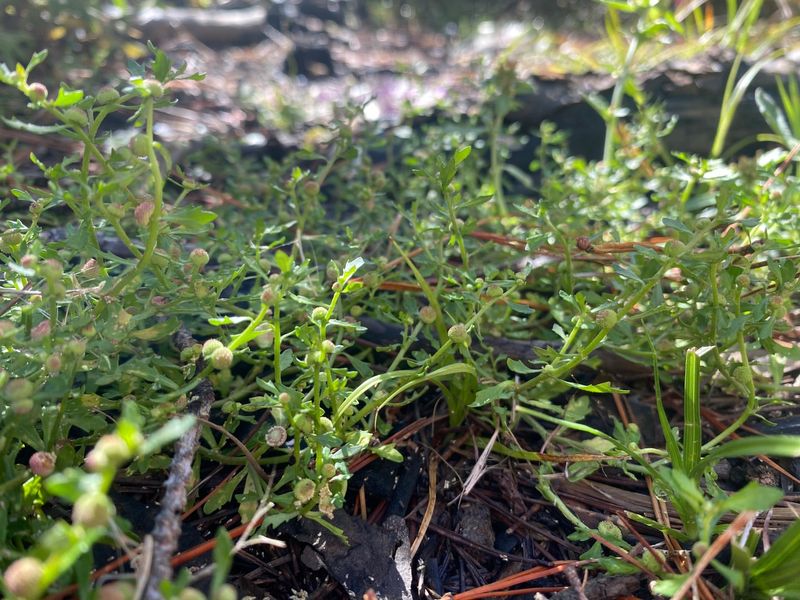
There is a meaningful difference between a native plant and a weed, but that distinction is completely invisible to someone who does not garden.
When an HOA inspector walks past and sees a tangle of greenery with a few blooms scattered through it, the mental calculation is immediate. The garden looks unattended. The plants look random.
The intention behind the planting, regardless of how carefully it was planned, does not communicate itself to someone without botanical context.
Weeds undermine a pollinator garden faster than almost anything else.
Common Texas culprits include bastard cabbage, KR bluestem, and Johnson grass, all of which can crowd out intentional plantings while making the entire bed look like the original landscape was simply left alone.
These invasives also compete directly with the native plants that were actually planted on purpose, compressing their growth and reducing bloom output over time.
Staying ahead of weeds requires consistent attention during the first two growing seasons before native plants establish strong root systems.
Pulling young before seeds set, maintaining a two to three inch mulch layer between plants, and visiting beds at least twice monthly during growing season keeps the situation manageable.
Knowing each plant by name is also genuinely useful when a conversation with the HOA board becomes necessary.
A clear plant list with photos distinguishing intentional plantings from unwanted volunteers makes a compelling case that the garden is being actively managed rather than simply tolerated.
The monarch does not care about the Johnson grass. The HOA may do.
4. Skip The Required HOA Plan
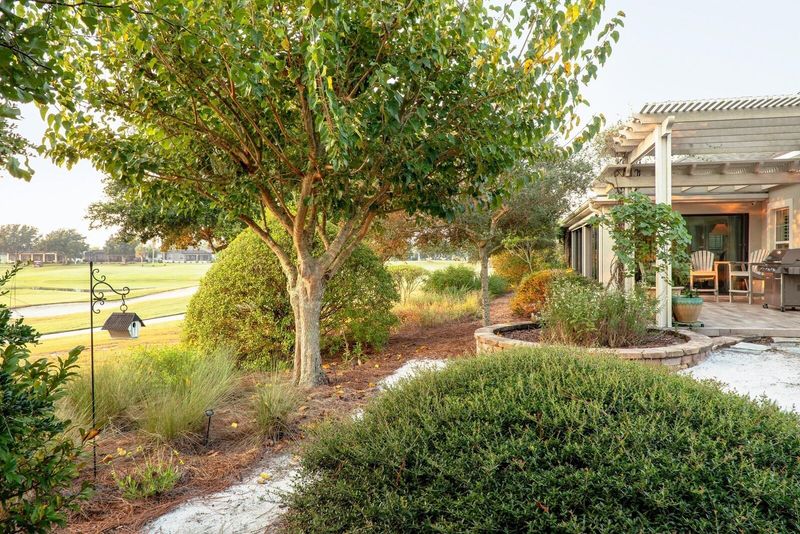
The single most avoidable pollinator garden mistake is planting without formal HOA approval when the governing documents require it.
That one skipped step can transform a thoughtfully designed native landscape into an ongoing dispute that costs significantly more in time and stress than the submission would have required.
Many Texas HOAs require written approval before any significant landscaping change. That means before the first milkweed seedling goes into the front bed, a formal plan may need to be submitted and approved.
A good submission does not need to be elaborate. A simple sketch showing bed locations, a plant list with common and scientific names, and a brief maintenance plan are usually sufficient.
Presenting the HOA board with evidence that the project was thought through from start to finish builds credibility and substantially increases the chance of approval without a fight.
Documentation also provides protection well after the plants are established.
When a neighbor complains six months later, the approved plan is a concrete, dated record of exactly what was authorized. Without that paper trail, defending the garden becomes considerably harder.
Texas Property Code Section 202.007 limits an HOA’s ability to prohibit certain drought-resistant landscaping.
That protection does not eliminate procedural requirements. HOAs can still require prior approval and set reasonable aesthetic standards.
However, it’s best to consult a licensed Texas attorney for any actual dispute, since this is general information only, not legal advice.
Submitting the plan costs nothing but time. The fines it prevents can be substantial.
5. Let Spent Stalks Fill The Front View
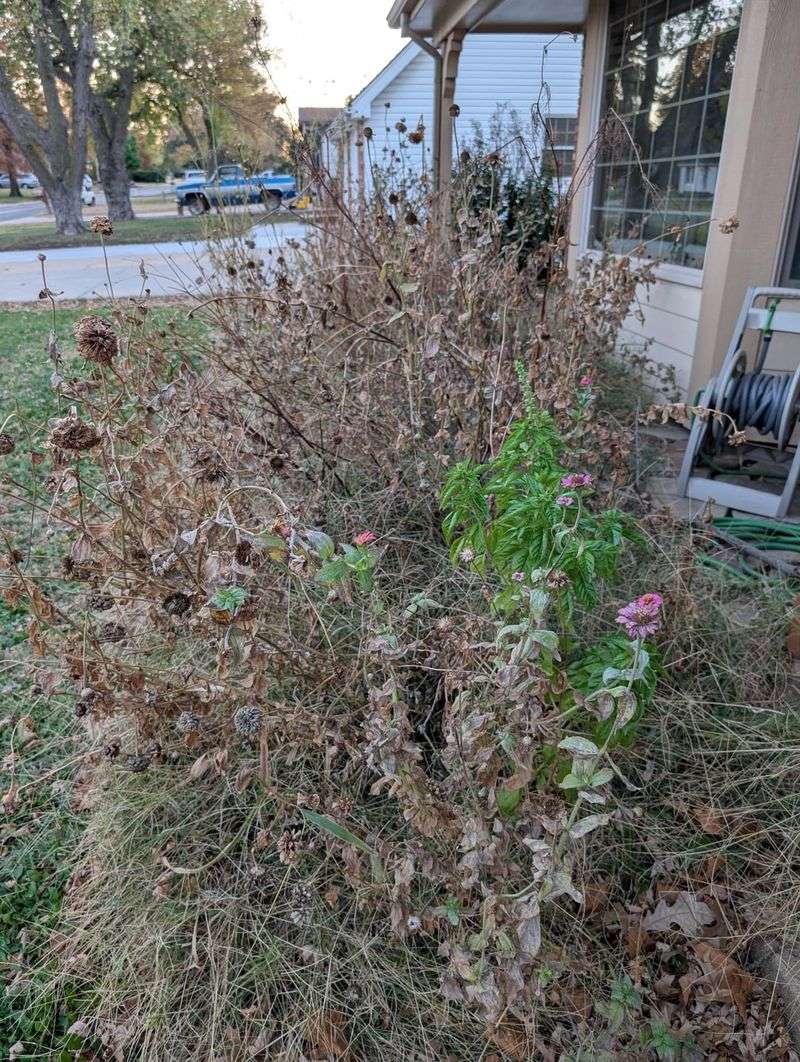
Gardeners who understand native plant ecology love a winter garden full of standing stems and seed heads.
Those dry structures feed birds, shelter beneficial insects through cold months, and hold energy that supports spring emergence. From the street in February, they look like a front yard where nothing has been done since September.
This is one of the harder compromises in pollinator gardening. Leaving structure for wildlife is ecologically correct.
Managing how the garden appears to neighbors and HOA inspectors is a practical necessity. The productive approach is not choosing one over the other entirely.
A selective strategy handles both simultaneously.
Stalks that are highly visible from the street, particularly those in the front row that have fully collapsed or gone gray, can be cut back to six to eight inches without removing meaningful habitat value.
Plants deeper in the bed or along the back edge can be left largely untouched. Autumn sage, native grasses, and black-eyed Susan all respond well to this kind of selective management.
Also, timing matters considerably.
A cleanup pass in late November or early December, before the holiday season, keeps the garden looking attended during a period when HOA boards tend to do their year-end inspections. Even a partial cleanup communicates active management.
A garden that looks maintained during its dormant phase is a far less appealing target for a violation notice than one that looks simply forgotten through winter.
The birds in the back of the bed will not notice what was trimmed in front.
6. Ignore Height Rules Near Streets
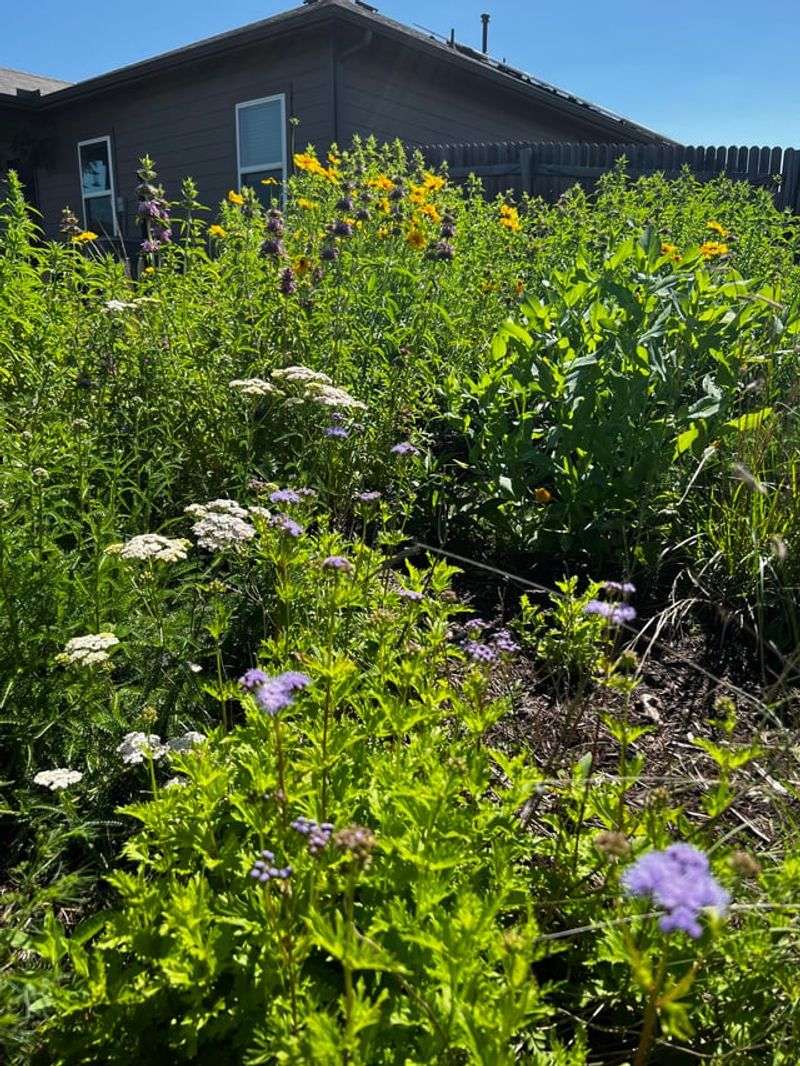
Giant muhly grass swaying in a Texas breeze is genuinely beautiful. Planted at the corner of a lot near an intersection, it can also block a driver’s sightline at exactly the wrong moment.
Height restrictions near streets and corners are not exclusively aesthetic preferences in many Texas communities.
They reflect safety standards that local ordinances support independently of HOA documents. Plants that exceed allowed heights in restricted zones can draw complaints from neighbors, citations from the HOA, and in some cases separate attention from the municipality.
Most HOAs specify a maximum plant height for areas within a defined distance of streets, sidewalks, and corner sight triangles.
That limit typically falls somewhere between eighteen inches and three feet depending on the specific document.
Reading those rules before planting determines which species belong where rather than discovering the restriction after a violation notice arrives.
Taller species like maximilian sunflower, native switchgrass, and big bluestem belong toward the interior of the lot, away from street-facing edges.
Low-growing natives like horseherb, frogfruit, and white mistflower suit the zones closest to the curb and corners naturally.
The layering that satisfies height restrictions also happens to be good garden design.
Plants grading from low at the street edge to tall near the house create a professional, intentional appearance that reads clearly as a designed landscape from the curb. Every pollinator visiting the garden uses every layer anyway.
The garden wins on aesthetics. The HOA wins on compliance. The butterflies are indifferent to the politics of the whole arrangement.
7. Leave Bare Soil And Yard Debris
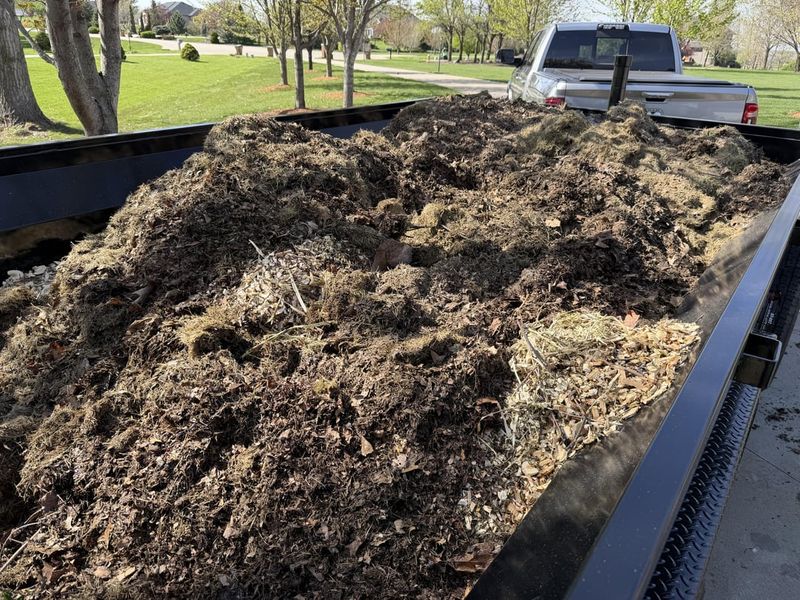
Bare soil between plants is a visible invitation. Weeds accept that invitation within days. Erosion accepts it during the next heavy Texas rain.
HOA inspectors notice it during their next walkthrough and add it to the notes before anything else about the garden registers.
Patches of exposed dirt signal that the garden is incomplete, struggling, or not actively maintained.
That perception can trigger a violation notice even when every intentional plant in the bed is thriving. Appearance and health are separate evaluations, and appearance registers first from the street.
Mulch addresses the bare soil problem on multiple levels simultaneously.
A two to three inch layer of shredded hardwood or native wood chips holds moisture, moderates soil temperature, suppresses weed germination, and gives the entire planting a finished appearance.
As it breaks down over time, it contributes to the soil biology that native plants depend on. The investment is modest and the visual improvement is immediate.
Yard debris is a separate but equally visible problem. Pulled weeds left at the edge of the bed, stacked branches from a recent trim, and scattered leaf clutter all communicate neglect from the street regardless of how healthy the intentional plantings look.
Bagging or composting debris the same day it is generated prevents the accumulation that reads as abandonment.
Ground cover plants like frogfruit or Engelmann daisy fill bare patches naturally as the garden matures, providing additional pollinator habitat while eliminating the exposed soil problem over time.
A garden with no bare dirt and no visible debris looks managed at every stage. That is the message worth sending.