Pennsylvania Shrubs That Look Stunning In Fall When Every Other Shrub Looks Finished
Fall in Pennsylvania is famous for its color, but most of that attention goes to trees. Shrubs tend to fade into the background by October, going brown or dropping leaves right when the landscape around them is putting on its best show.
Not every shrub follows that pattern though. A handful of Pennsylvania shrubs genuinely peak in fall, offering berries, late blooms, rich foliage color, or a combination of all three at exactly the time when most of the garden is winding down.
These are the plants that make a yard look intentional in autumn rather than just waiting for the season to end. Some of them carry color and interest well into November, long after neighboring shrubs have gone dormant.
If your landscape has been missing that final act of the season, adding even one or two of these shrubs can change the way your whole yard looks through the best weeks of Pennsylvania fall.
1. Oakleaf Hydrangea
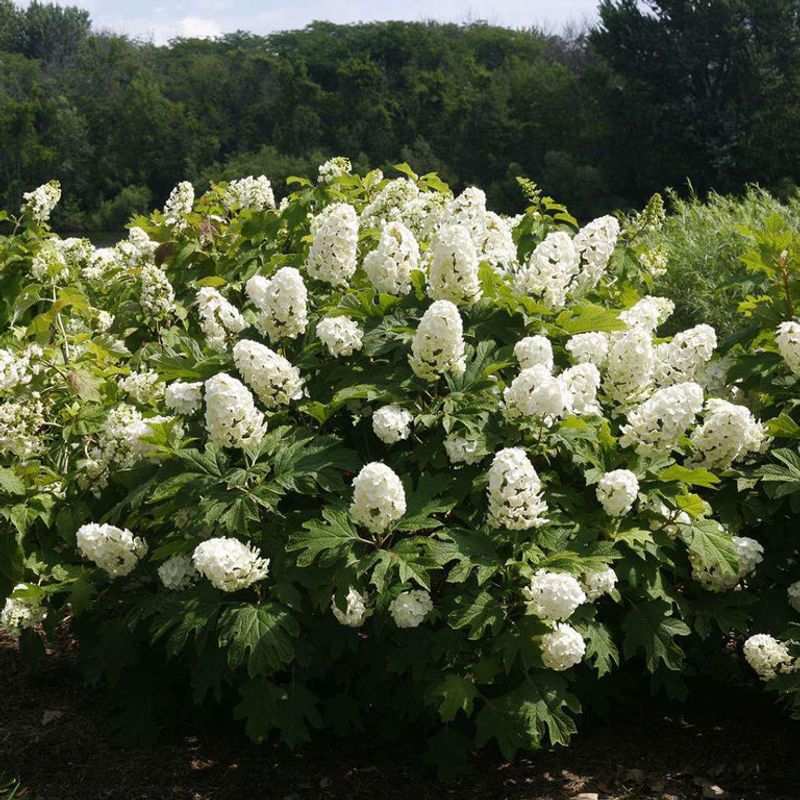
Walk through almost any Pennsylvania neighborhood in October, and you will notice how quickly most shrubs lose their appeal. Oakleaf hydrangea is the exception that makes people stop and look twice.
Named for its large, lobed leaves that resemble oak leaves, this shrub transforms into something truly spectacular as temperatures drop.
The foliage shifts from green to deep burgundy, rich red, and even purple-bronze tones that glow in afternoon sunlight.
At the same time, the dried flower heads from summer blooms stay attached to the branches, turning a creamy parchment color that contrasts beautifully against the dark leaves. That combination of texture and color is hard to beat in any season.
Oakleaf hydrangea grows well in partial shade, which makes it perfect for spots under trees where other shrubs struggle. It can reach six to eight feet tall and wide, so give it room to spread.
The peeling cinnamon-colored bark adds extra winter interest once the leaves finally fall. Plant it in moist, well-drained soil and water it regularly during its first year. After that, it is surprisingly tough and handles Pennsylvania winters without any special protection.
Pruning is rarely needed, but if you want to shape it, wait until late winter before new growth begins.
Gardeners who plant oakleaf hydrangea often say it becomes their favorite shrub in the yard. It earns that title every single fall without fail.
2. Virginia Sweetspire
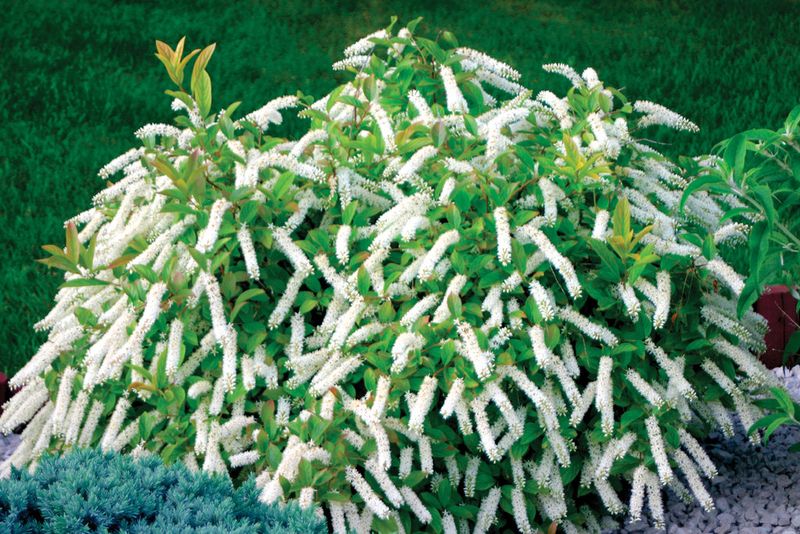
Some shrubs earn a place in the garden by doing one thing really well. Virginia sweetspire earns a permanent spot by doing several things exceptionally well, especially in fall.
This Pennsylvania native puts on one of the longest-lasting color displays of any shrub you can grow in the region.
Starting in late September, the leaves begin shifting from green to shades of bright red, orange, and deep crimson. What sets Virginia sweetspire apart from other fall shrubs is how long it holds that color.
While other plants drop their leaves within a week or two, sweetspire keeps its brilliant foliage well into November and sometimes beyond. That extended show is genuinely rare among garden shrubs.
Your Pennsylvania Garden Changes Every Week. Your Plan Should Too.
Gardening in Pennsylvania changes quickly throughout the season. Every Friday you’ll receive a simple weekly plan showing exactly what to plant, prune, fertilize, harvest, and protect so you never miss the right timing.
It grows naturally along stream banks and woodland edges, which means it loves moisture and handles wet spots in your yard that other plants avoid.
It tolerates full sun to full shade, making it one of the most flexible shrubs available for Pennsylvania landscapes. Most varieties stay between three and five feet tall.
The spreading habit creates a nice natural look, and it works beautifully when planted in groups along a fence or property edge. In summer, it produces small white flowers that attract pollinators, so you get interest across multiple seasons.
Because it is native to the region, Virginia sweetspire supports local wildlife and requires minimal fertilizing or spraying. It is the kind of low-effort, high-reward shrub that every Pennsylvania gardener should have at least one of.
3. American Beautyberry
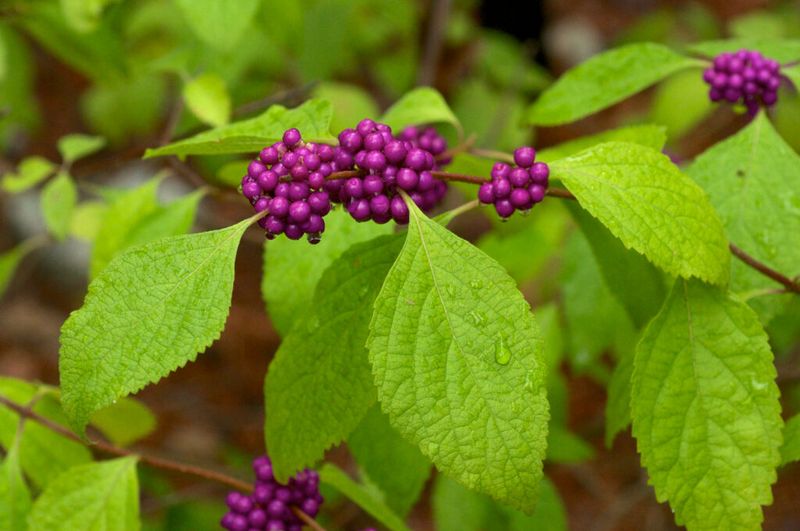
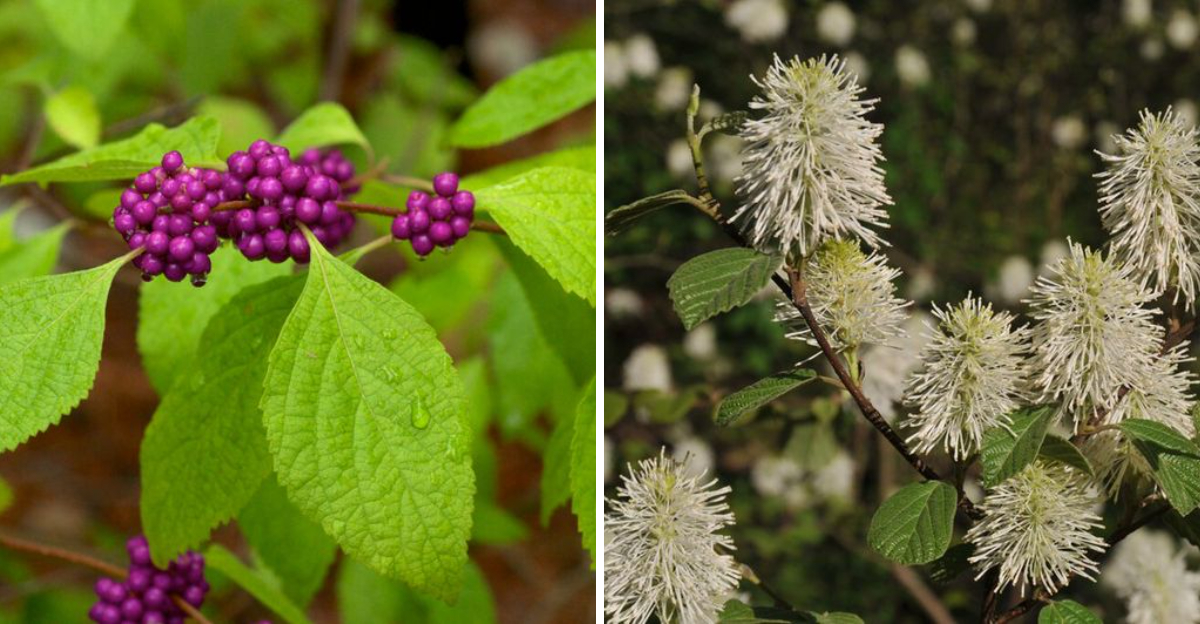
Forget subtle. American beautyberry is the shrub that makes people gasp out loud when they see it for the first time in fall.
The clusters of bright, metallic purple berries that line every branch are unlike anything else growing in a Pennsylvania yard. There is simply nothing ordinary about this plant.
The berries appear in late summer and hit peak color in October, wrapping around the stems in tight, jewel-like clusters. The effect is almost unreal, like someone painted the branches with the most vivid purple imaginable.
Even after the leaves drop, those berries keep shining against bare wood and look stunning well into November.
American beautyberry grows fast and reaches about four to six feet tall. It prefers partial shade but handles full sun if the soil stays reasonably moist.
One of its best qualities is that it bounces back strongly even after hard pruning, so you can cut it back close to the ground in late winter and it will regrow vigorously by summer.
Birds absolutely love the berries, so expect cardinals, mockingbirds, and other species to visit regularly once the fruit ripens. Planting it near a window gives you a front-row seat to all that wildlife action.
Did you know that the leaves of American beautyberry have been used as a natural insect repellent? Crushing the leaves releases a scent that reportedly keeps mosquitoes away. That is a fun bonus for a shrub that is already earning its space in your fall garden.
4. Red Chokeberry
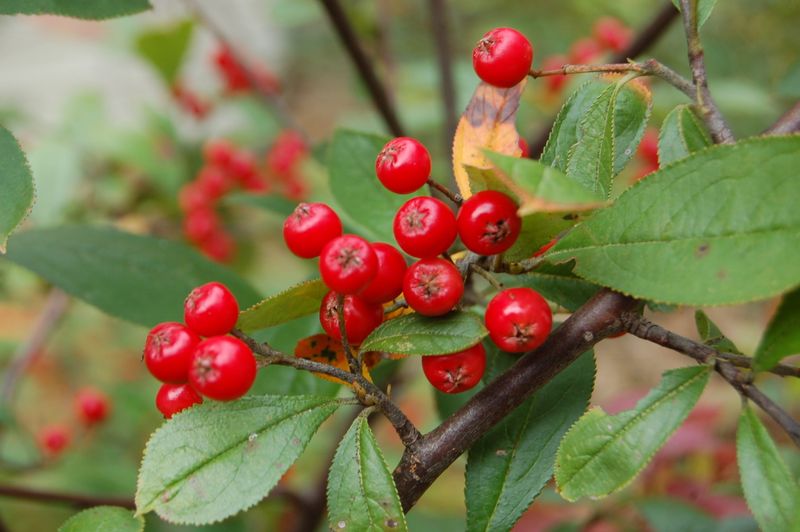
Red chokeberry is one of those plants that quietly goes about its business all year and then absolutely steals the show in autumn.
By the time October arrives, this Pennsylvania native is loaded with glossy red berries and covered in foliage that blazes orange, red, and deep scarlet. The combination is genuinely hard to ignore.
The berries develop through late summer and ripen fully in fall, hanging in tight clusters that stay on the branches long after the leaves have dropped. That persistence makes red chokeberry valuable not just for fall color but also for late-season and early winter interest.
Birds feed on the berries when other food sources become scarce, so the shrub stays active and lively even after peak color has passed.
Growing three to five feet tall, red chokeberry fits comfortably into most Pennsylvania yards without taking over. It handles a wide range of soil types, including clay and wet conditions that would stress many other shrubs.
Full sun produces the best berry production and fall color, but it manages fine in partial shade too.
Planting it in groups creates a more dramatic visual impact and helps with cross-pollination for better fruit set. It also works well as part of a rain garden or along a low spot in the yard where water tends to collect after heavy rain.
For gardeners who want reliable, multi-season interest without a lot of fuss, red chokeberry consistently delivers. It rewards patience with one of the richest fall displays Pennsylvania has to offer.
5. Witch Hazel
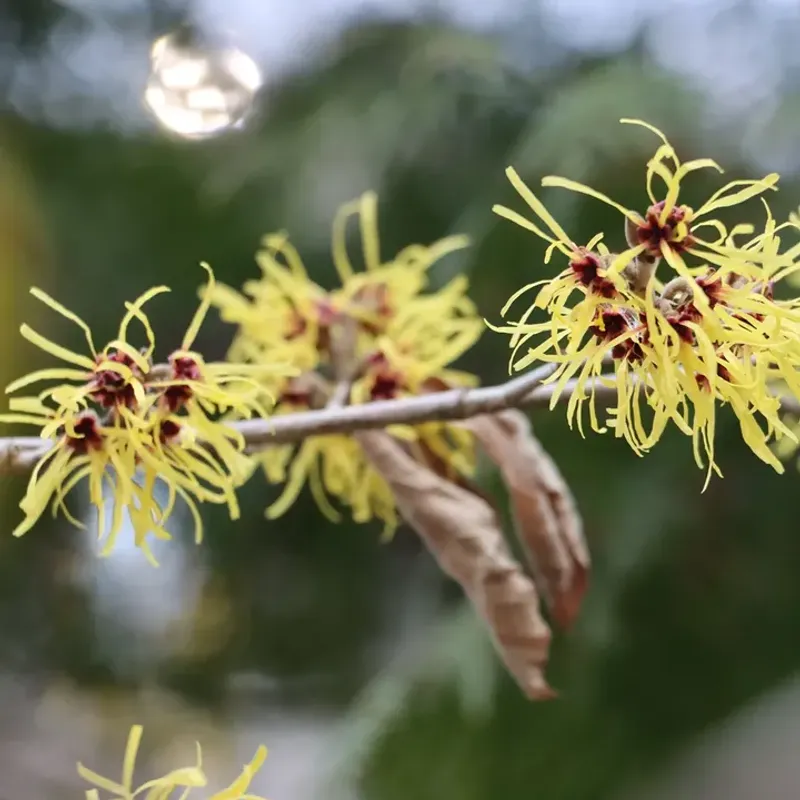
Imagine walking outside in late October or November and finding a shrub covered in flowers. That is exactly what witch hazel does, and it never gets old.
While every other plant in the garden is winding down, witch hazel is just getting started, producing its unusual spidery blooms in shades of yellow, orange, and red along bare branches.
The flowers are unlike anything else in the garden. Each one is made up of thin, ribbon-like petals that curl and twist in an almost whimsical way.
They release a light, sweet fragrance that carries on cool autumn air, which makes stumbling across a blooming witch hazel feel like finding a small miracle in November.
Pennsylvania has its own native witch hazel species that blooms in October and November, making it perfectly adapted to the local climate.
Nurseries also carry hybrid varieties like Arnold Promise and Jelena that bloom in late winter, extending the season even further if you want flowers from fall all the way through early spring.
Witch hazel grows into a large, multi-stemmed shrub or small tree reaching ten to fifteen feet. It prefers partial shade and moist, well-drained soil with good organic content.
Fall foliage adds another layer of appeal, with leaves turning golden yellow and orange before they drop.
For gardeners who feel let down by how quickly fall beauty fades, witch hazel is a genuine game-changer. It proves that the season does not have to end just because the calendar says it should.
6. Fothergilla
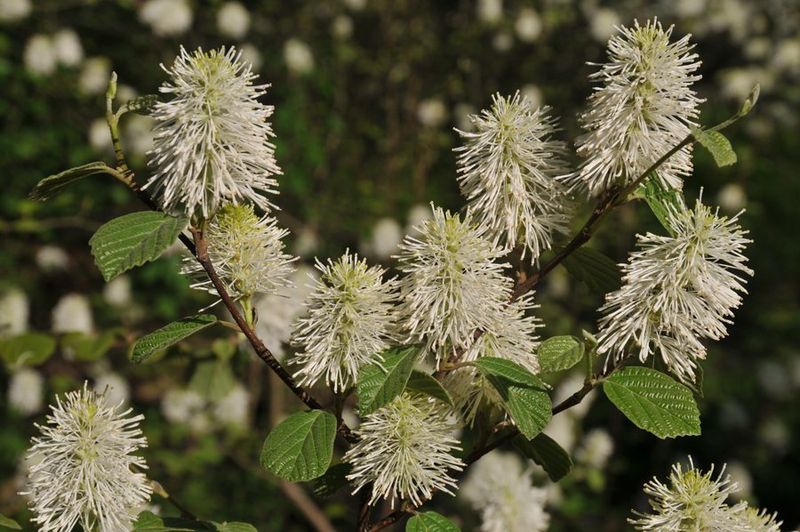
If fall color is what you are after, fothergilla might be the single best shrub you can plant in a Pennsylvania yard.
Few plants of any kind produce the intensity of orange, red, and yellow that fothergilla delivers when autumn arrives. Seeing it in full color on a sunny October morning is a genuinely memorable experience.
The leaves often display multiple colors on the same plant at the same time. One branch might be blazing orange while another shows deep crimson and a third glows bright yellow.
That multi-toned effect creates a richness that single-color fall shrubs simply cannot match. It looks almost like someone hand-painted each leaf individually.
Fothergilla is a native shrub with a lot going for it beyond fall color. In spring, it produces small white bottlebrush-shaped flowers with a honey-like fragrance before the leaves even fully open. That means you get two major seasons of interest from one well-behaved plant.
Dwarf varieties like Fothergilla gardenii stay around three feet tall, while larger types like Fothergilla major can reach six feet or more.
Both prefer acidic, well-drained soil and perform best in full sun to partial shade. The more sun it receives, the more vivid the fall color tends to be.
Because it is native to the eastern United States, fothergilla supports local pollinators and requires very little maintenance once established. It is the kind of shrub that earns compliments every single year without demanding much in return.
7. Winterberry Holly
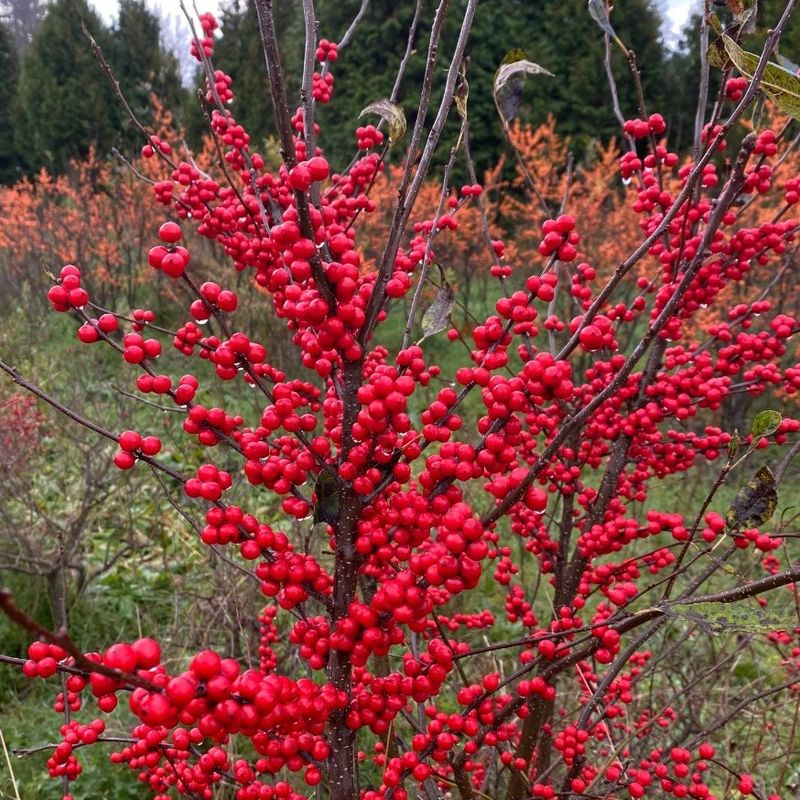
By the time November settles in across Pennsylvania, most shrubs have nothing left to offer. Winterberry holly is the bold exception that actually looks better after its leaves drop.
Once the foliage falls away, the branches are completely covered in masses of brilliant red berries that glow like tiny ornaments against the gray autumn sky.
The berry display is genuinely breathtaking. Dense clusters of bright red fruit cover every branch from top to bottom, creating a look that feels almost festive.
In a snowy landscape, winterberry holly becomes one of the most striking sights in any garden, with those vivid red berries popping against a white background in a way that photographs beautifully.
Winterberry is a native holly that loves wet conditions. It grows naturally along stream edges and in low, moist areas, making it a smart choice for spots in your yard where standing water collects.
It handles clay soil well and thrives in full sun to partial shade. One important planting note: winterberry holly needs both male and female plants to produce berries.
Plant one male variety like Jim Dandy or Southern Gentleman within fifty feet of your female plants to ensure good fruit set. Most nurseries sell matched pairs specifically for this purpose.
Birds flock to winterberry berries through late fall and into winter, with species like bluebirds, cedar waxwings, and robins visiting regularly.
Planting winterberry near a window or patio turns your yard into a lively wildlife scene during the quietest months of the year.