What Pennsylvanians Should Plant In July For A Strong Fall Harvest
Most gardeners treat July as a month to maintain rather than plant. The spring rush is over, the summer garden is in full swing, and starting something new in the middle of peak heat doesn’t exactly sound appealing.
But here’s what experienced Pennsylvania gardeners know that beginners often miss. July is actually one of the best times to plant for fall, and the window is open right now.
The math works out beautifully. Many vegetables and herbs started in July have just enough time to mature before Pennsylvania’s first frost arrives in the fall.
You get a second wave of fresh produce from the same garden space, extending your harvest well into October and sometimes beyond. The key is knowing exactly what to plant and when, because timing matters more with a fall crop than almost any other.
Choose the right vegetables now and your garden will reward you long after summer is over.
1. Bush Beans
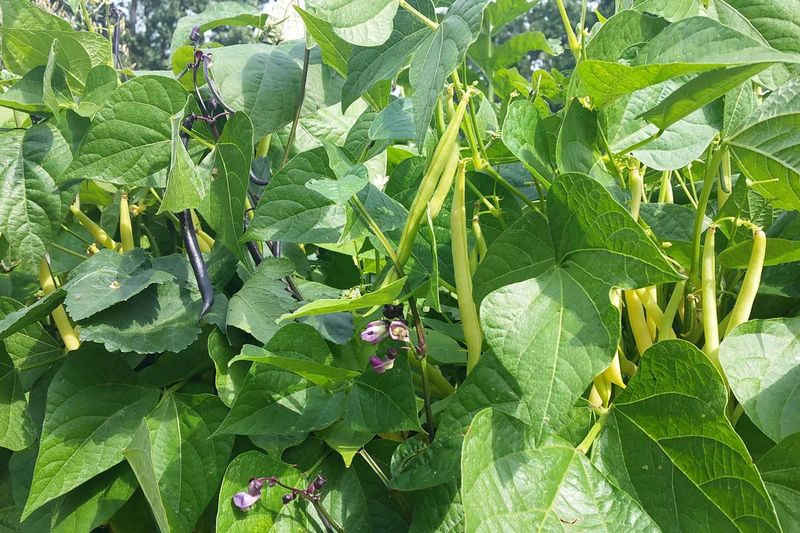
Few vegetables reward a gardener as quickly and generously as bush beans. Drop the seeds in the ground in early July, and you can expect fresh, snappy pods in about 50 to 60 days, which lines up perfectly with Pennsylvania’s cooler September weather.
Bush beans are compact, so they work great even in smaller garden spaces. Unlike pole beans, bush beans do not need any trellising or staking. That makes them one of the easiest crops to manage during a busy summer.
Varieties like ‘Provider’ and ‘Contender’ are especially well-suited for Pennsylvania because they handle heat reasonably well and still produce strong harvests as temperatures begin to drop.
Make sure to plant your seeds about one inch deep and two to three inches apart in rows. Keep the soil consistently moist, especially during germination.
Bush beans prefer full sun, so choose a spot that gets at least six to eight hours of direct sunlight daily. Avoid planting them in areas where beans or legumes grew the previous year to reduce the risk of soil-borne diseases.
Harvesting at the right time matters a lot. Pick pods when they are firm and about four inches long.
If you leave them too long, the pods get tough and stringy. Regular harvesting also encourages the plant to keep producing, giving you more beans over a longer stretch of time.
A July planting can keep your kitchen stocked with fresh beans well into September, making bush beans one of the smartest summer-to-fall crops for any Pennsylvania gardener.
2. Carrots
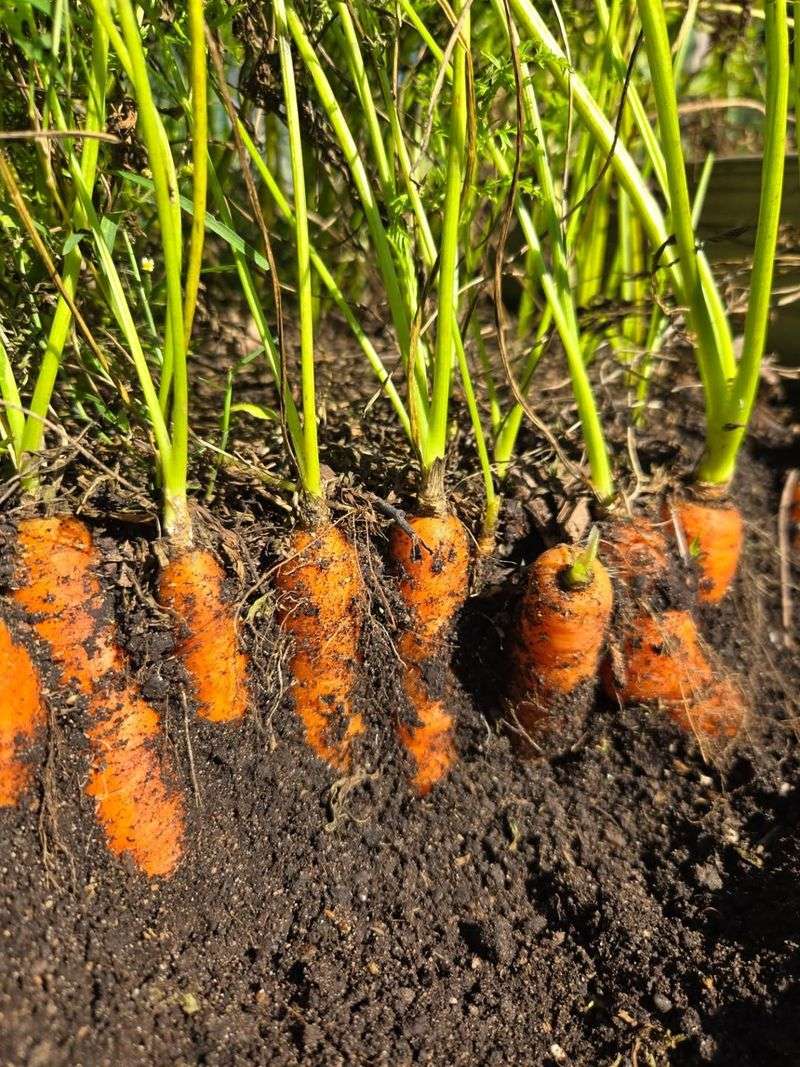
Carrots have a secret that most people do not know: they actually taste sweeter after a light frost. When temperatures drop in the fall, the carrot plant converts stored starches into sugars, making each bite noticeably richer and more flavorful.
That is exactly why planting carrots in July sets you up for something truly delicious come October.
For a strong fall harvest in Pennsylvania, look for late-season varieties like ‘Danvers 126,’ ‘Scarlet Nantes,’ or ‘Autumn King.’
These types are bred to perform well in cooler soil and tend to develop better flavor as the weather cools down. Sow seeds directly into the garden since carrots do not transplant well. They need to grow right where you plant them from the very beginning.
Your Pennsylvania Garden Changes Every Week. Your Plan Should Too.
Gardening in Pennsylvania changes quickly throughout the season. Every Friday you’ll receive a simple weekly plan showing exactly what to plant, prune, fertilize, harvest, and protect so you never miss the right timing.
Carrot seeds are tiny and need consistent moisture to germinate properly. Keep the top inch of soil damp until the seedlings appear, which usually takes around 10 to 14 days.
Thin the seedlings to about two to three inches apart once they reach a couple of inches tall. Crowded carrots produce misshapen, stunted roots, so do not skip this step.
Loose, deep, well-drained soil is a must for straight, healthy roots. Rocky or compacted soil causes carrots to fork and twist.
If your garden soil is heavy clay, consider growing carrots in raised beds filled with a lighter mix. Mulching around the plants helps retain moisture and keeps the soil cooler as summer winds down.
With a little patience, your July-planted carrots will be harvest-ready just as Pennsylvania’s autumn colors begin to show.
3. Beets
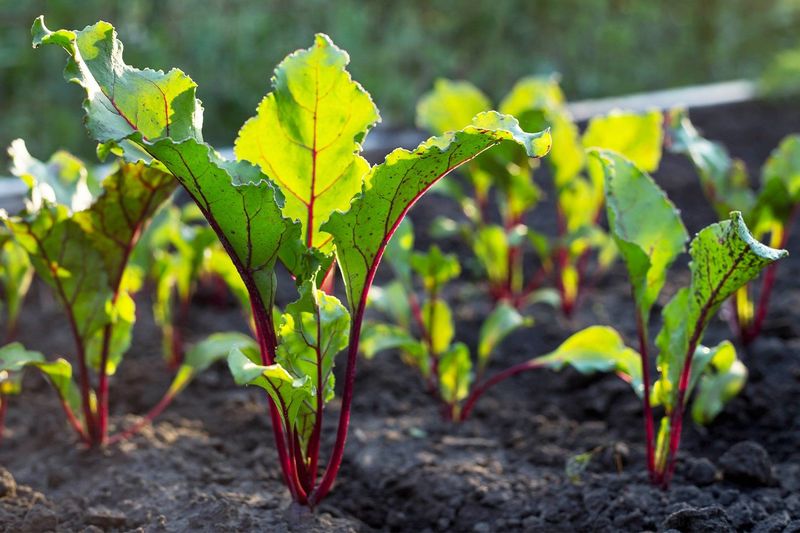
Beets are one of those crops that give you twice the reward for the same amount of effort. Plant them in July and you get both tender, nutritious greens and sweet, earthy roots ready to harvest in the fall.
Not many vegetables pull double duty quite like that, which makes beets a smart choice for Pennsylvania gardeners trying to maximize their garden space.
Varieties like ‘Detroit Dark Red,’ ‘Chioggia,’ and ‘Golden Beet’ all perform well in Pennsylvania’s climate.
They prefer cooler temperatures for the best flavor development, and a July planting gives them time to mature right as the weather starts to ease up in late August and September.
Beets are also relatively cold-hardy, meaning a light frost will not hurt them and may even improve their sweetness.
Beet seeds are actually clusters of multiple seeds, so thin them early to avoid overcrowding. Space plants about three to four inches apart for roots, or closer together if you mainly want the greens.
Beets prefer well-drained, loose soil with a slightly neutral pH. Adding compost before planting helps improve soil texture and fertility without going overboard on nitrogen, which tends to push leafy growth at the expense of root development.
Water your beets consistently, aiming for about one inch per week. Irregular watering can cause the roots to crack or become woody.
Harvest roots when they reach about two to three inches in diameter for the best texture and taste. Young beet greens can be snipped and added to salads well before the roots are ready, giving you fresh produce from the same plant throughout the entire growing period.
4. Lettuce
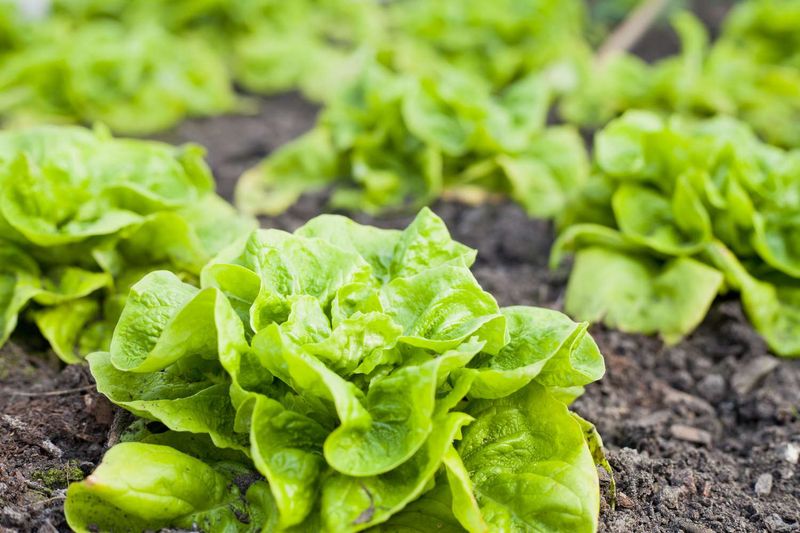
Lettuce is one of those crops that gets a bad reputation for being tricky in summer, and honestly, that reputation is partly earned. High heat causes lettuce to bolt quickly, turning the leaves bitter and making the plant go to seed almost overnight.
But here is the good news: planting the right varieties in July can get you past that heat window and into a beautiful fall harvest of crisp, fresh salad greens.
Look for heat-tolerant or slow-bolting varieties when shopping for seeds. ‘Jericho,’ ‘Nevada,’ ‘Buttercrunch,’ and ‘Black Seeded Simpson’ are all excellent choices for Pennsylvania’s warm July conditions.
These varieties are bred to handle higher temperatures without bolting as fast, giving your plants a fighting chance to get established before the cooler fall weather arrives and really lets them thrive.
Start seeds in a spot that gets some afternoon shade during the hottest part of the day. Lettuce seeds actually struggle to germinate when soil temperatures exceed 80 degrees Fahrenheit, so consider starting seeds indoors in a cool spot and transplanting seedlings outdoors after a couple of weeks.
Keeping the soil moist and mulched helps regulate temperature and encourages steady growth.
Lettuce grows fast once conditions are favorable. You can start harvesting outer leaves in as little as 30 days after transplanting, which means fresh salads could be on your table well into October.
For a continuous supply, stagger your plantings every two weeks throughout July. A few rows of lettuce take up very little space and deliver an impressive amount of fresh, tender greens throughout the entire fall season in Pennsylvania.
5. Spinach
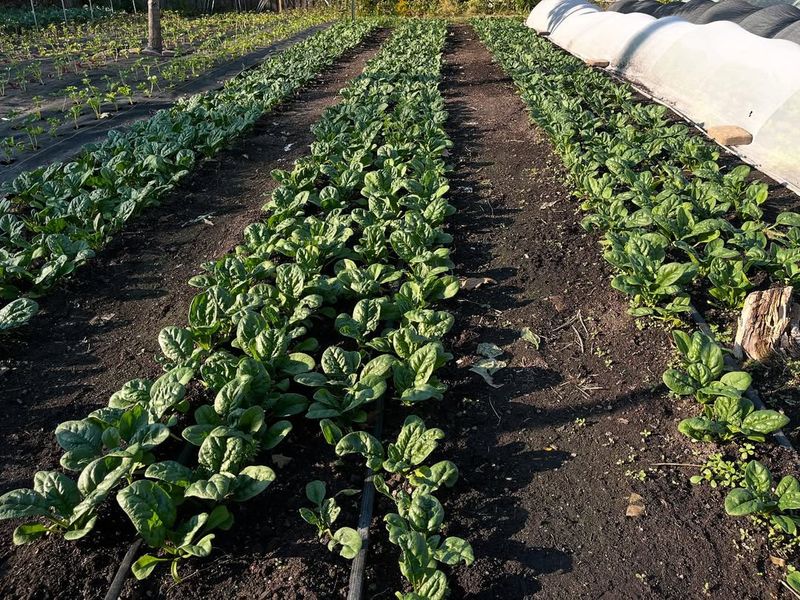
Spinach is practically built for Pennsylvania fall gardens. It loves cool weather, tolerates light frost without any trouble, and grows quickly once temperatures start to ease up in late summer and early fall.
Planting spinach in July gives it time to get established during the warm weeks and then really hit its stride as September and October roll in with their cooler, crisper air.
Varieties like ‘Bloomsdale Long Standing,’ ‘Tyee,’ and ‘Space’ are excellent performers for fall planting in Pennsylvania. They are known for being slower to bolt and producing thick, dark leaves with great flavor.
Spinach seeds germinate best when soil temperatures are between 45 and 75 degrees Fahrenheit, so a July planting can sometimes be a little tricky if the soil is extremely hot.
Soaking seeds overnight before planting can help speed up germination in warmer conditions.
Plant seeds about half an inch deep and two inches apart in rows spaced about a foot apart. Keep the soil consistently moist during the first few weeks.
Spinach has shallow roots, so it dries out faster than deeper-rooted crops. Mulching around the base of the plants helps hold in moisture and keeps soil temperatures more stable as the season changes.
One of the best things about spinach is how quickly it bounces back after harvesting. Pick the outer leaves regularly and the plant keeps producing new growth from the center.
This cut-and-come-again approach can keep you supplied with fresh spinach from late September all the way through November in many parts of Pennsylvania, especially if you cover the plants with a simple row cover when frost threatens.
6. Kale
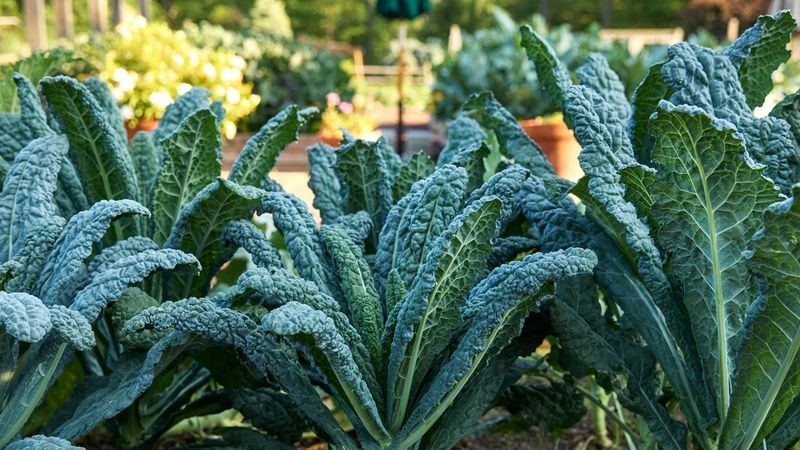
Kale might just be the toughest vegetable you can grow in a Pennsylvania fall garden. It handles heat better than most leafy greens, which makes it a solid choice for a July start.
Then, as the weather cools in September and October, kale shifts into high gear, producing some of the most nutritious and flavorful leaves of the entire growing season. Frost actually makes kale taste better by converting starches to sugars, just like carrots.
For Pennsylvania gardens, varieties like ‘Lacinato’ (also called Dinosaur Kale), ‘Red Russian,’ and ‘Winterbor’ are all strong performers.
‘Winterbor’ in particular is known for its cold hardiness and ability to keep producing well into late fall and even early winter with some protection. These varieties grow vigorously once established and can reach impressive heights by harvest time.
Start kale seeds indoors about four to six weeks before you plan to transplant, or sow directly into the garden in early July. Space plants about 12 to 18 inches apart to give them room to spread out as they grow.
Kale prefers rich, well-drained soil with plenty of organic matter. A balanced fertilizer applied at planting and again mid-season keeps the plants growing strong and producing abundantly.
Harvest kale by removing the lower, outer leaves first and leaving the central growing tip intact. This keeps the plant producing new leaves throughout the entire fall season.
Younger leaves tend to be more tender and mild in flavor, while older leaves have a stronger, earthier taste that holds up well in soups and stews. A row cover on cold nights can extend your kale harvest well past the first hard frost in Pennsylvania.
7. Radishes
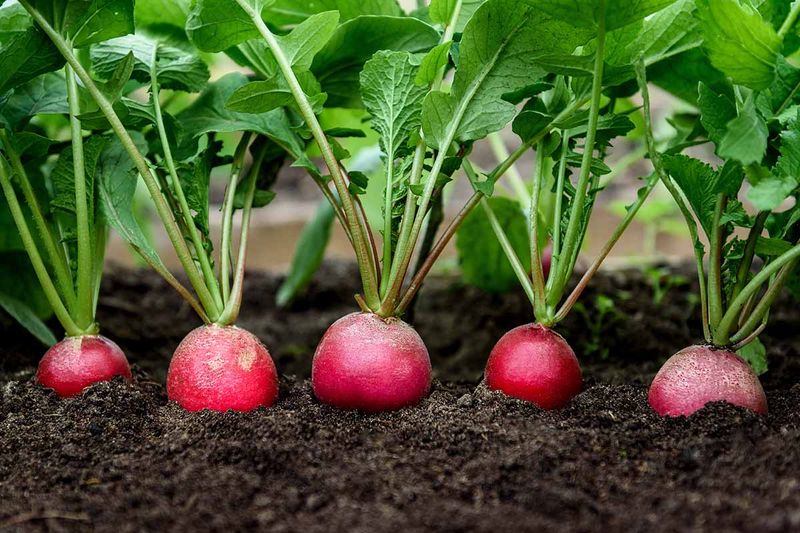
If you have ever wanted almost instant results from your garden, radishes are the answer. Some varieties go from seed to harvest in as little as 22 days, which makes them one of the fastest-growing vegetables you can possibly plant.
That speed makes radishes an ideal companion for slower-growing fall crops like carrots and beets, filling in gaps while you wait for the bigger harvests to come in.
In Pennsylvania, July planting works well for both standard spring radish varieties and larger daikon-style fall radishes. Quick varieties like ‘Cherry Belle’ and ‘Easter Egg’ are perfect for succession planting every two weeks throughout July and into early August.
For something more substantial, try ‘Watermelon Radish’ or ‘Miyashige Daikon,’ which take longer to mature but produce impressive roots with a mild, sweet flavor that improves in cool fall weather.
Radishes are incredibly easy to grow. Sow seeds directly in the garden about half an inch deep and one inch apart.
Thin them to about two inches apart once they sprout. They prefer full sun but can handle partial shade, which makes them flexible enough to tuck into spots between other plants.
Regular watering is important because dry conditions cause radishes to become pithy and overly spicy.
Succession planting is the real key to getting the most out of radishes all fall long. Plant a short row every two weeks and you will have a steady supply of fresh radishes from August right through October.
They also make great markers for slower-germinating crops like carrots, popping up quickly to show you where you planted and breaking up the soil crust to help neighboring seedlings emerge more easily.