Pennsylvania Native Plants That Reduce Stormwater Runoff And Look Beautiful Doing It
Stormwater runoff is a problem that shows up in Pennsylvania yards more often than most homeowners realize, carrying soil, fertilizers, and pollutants off the property and into local waterways with every significant rain event.
Hard surfaces, compacted soil, and shallow-rooted lawns all contribute to the problem, and the standard landscaping choices most people make do very little to slow any of it down.
Native Pennsylvania plants take a completely different approach. Their deep root systems break up compacted soil, absorb rainfall more efficiently, and hold the ground in place in a way that turf and ornamental plantings simply cannot match.
The difference in how water moves through a yard with established natives versus a conventional landscape is measurable, and the visual payoff is just as real.
These are plants that solve a genuine environmental problem while making your property look more interesting and more intentional at the same time.
1. Blue Flag Iris
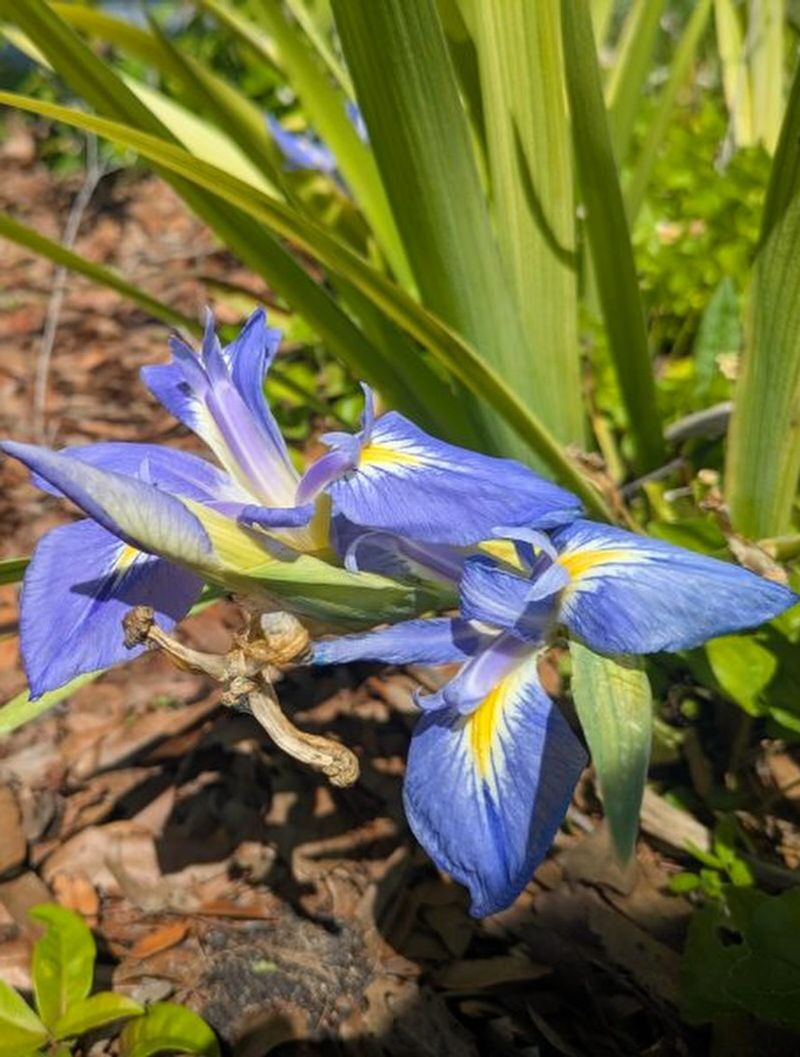
Few plants can stop you in your tracks like the Blue Flag Iris. Its bold purple-blue blooms look like something out of a painting, yet this plant is completely at home in the soggy, low-lying spots of a Pennsylvania yard.
If you have a corner that stays wet after every rainstorm, this iris wants to live there. Blue Flag Iris thrives in rain gardens, pond edges, and marshy areas where other plants struggle.
Its roots reach down into the soil and help absorb excess rainwater before it can run off into streets or streams. Planting it along a swale or drainage area is one of the best moves a homeowner can make.
Beyond its water-managing skills, this plant also supports wildlife. Bees and butterflies are drawn to its flowers, which bloom in late spring to early summer.
The blooms last a few weeks but leave behind attractive sword-shaped leaves that stay green all season long.
Growing Blue Flag Iris is surprisingly easy. It prefers full sun to part shade and does best in moist or even wet soil.
You can plant it in groups along a rain garden border for a dramatic, colorful effect. It spreads slowly over time, filling in gaps and creating a dense root system that keeps soil in place during heavy downpours.
This plant earns its spot in any Pennsylvania stormwater garden.
2. Swamp Milkweed
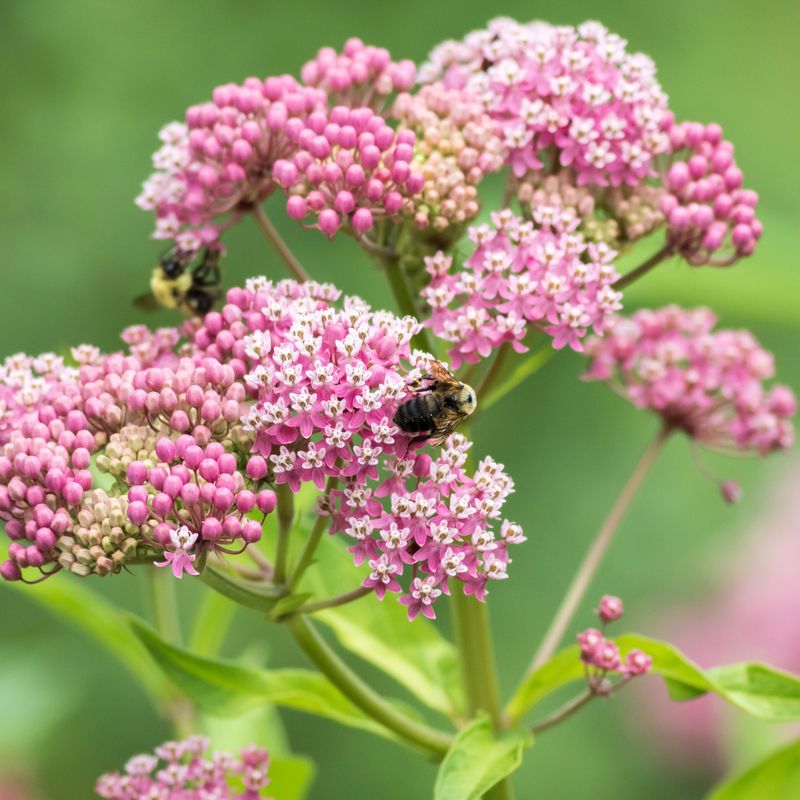
If your yard has a wet, soggy patch that nothing seems to grow in, Swamp Milkweed is about to become your new best friend.
This native Pennsylvania plant actually loves standing water and damp soil conditions that would rot most other plants. It turns a problem area into a pollinator paradise with almost no extra effort from you.
Swamp Milkweed blooms in mid to late summer, producing clusters of soft pink flowers that smell faintly sweet. Monarch butterflies depend on milkweed plants to lay their eggs, and Swamp Milkweed is one of the best host plants you can offer them.
Bees, hummingbirds, and other beneficial insects also visit regularly throughout the season.
From a stormwater management standpoint, Swamp Milkweed pulls its weight in a big way. Its deep fibrous roots help break up compacted soil, allowing rainwater to soak in rather than run off the surface.
Your Pennsylvania Garden Changes Every Week. Your Plan Should Too.
Gardening in Pennsylvania changes quickly throughout the season. Every Friday you’ll receive a simple weekly plan showing exactly what to plant, prune, fertilize, harvest, and protect so you never miss the right timing.
Planting it in low spots, bioswales, or rain garden edges makes a real difference in how your yard handles heavy rain events.
This plant grows to about three to five feet tall, so it adds some vertical interest to your landscape too. It grows best in full sun but tolerates part shade with ease.
Once established, Swamp Milkweed is very low maintenance and comes back reliably each year. It is a strong, hardworking plant that brings color, wildlife, and real environmental benefits all in one package.
3. Cardinal Flower
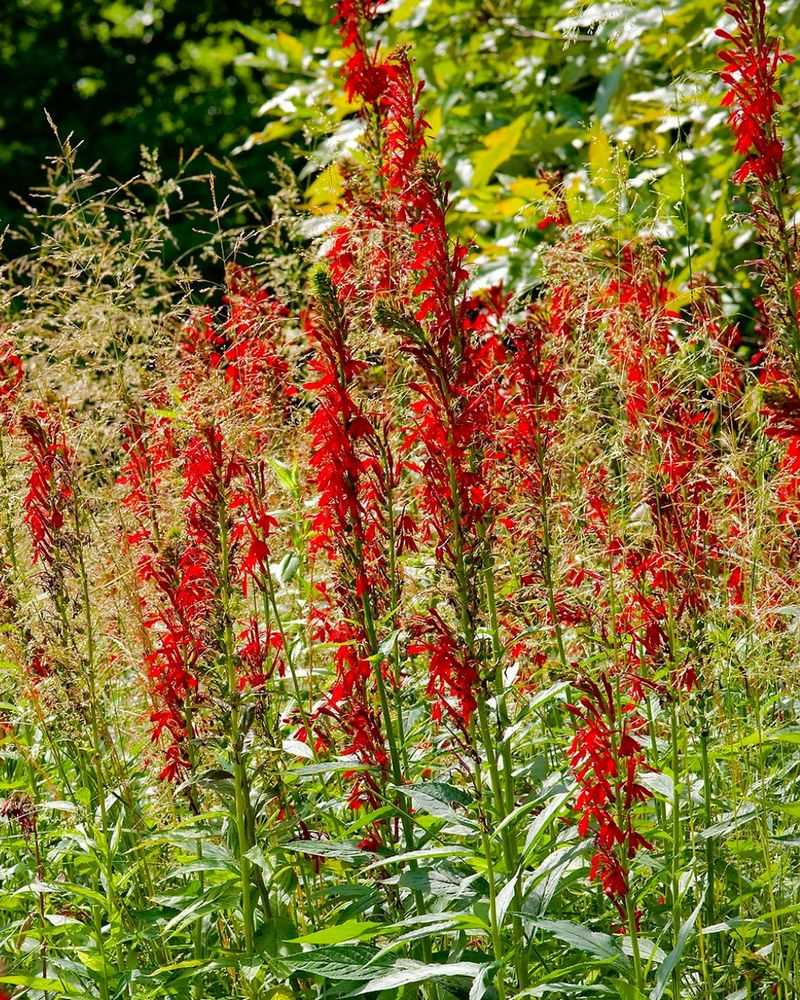
Bright red is not a color you see often in native plant gardens, which is exactly what makes Cardinal Flower so exciting. The blazing crimson blooms rise up on tall spikes and practically glow in the summer sun.
Hummingbirds absolutely cannot resist them, and once you plant a few, you will have a front-row seat to some of the most entertaining wildlife moments in your yard.
Cardinal Flower is native to Pennsylvania and naturally grows along stream banks, wet meadows, and floodplain edges. That means it is perfectly suited for rain gardens, bioswales, and any low spot in your yard that collects water after a storm.
Its roots help anchor soil and slow the movement of runoff, reducing erosion in areas that take a beating during heavy rains.
This plant blooms from July through September, giving you weeks of color right in the middle of summer. It grows two to four feet tall and does best in moist to wet soil with full sun or light shade.
It can handle occasional flooding, which makes it one of the most resilient choices for stormwater planting in the region.
One fun fact: Cardinal Flower was used medicinally by several Native American tribes for centuries. Today, it is valued mostly for its beauty and ecological role.
Plant it in groups of three or more for maximum visual impact and to create a reliable feeding station for ruby-throated hummingbirds every single summer season.
4. Joe-Pye Weed
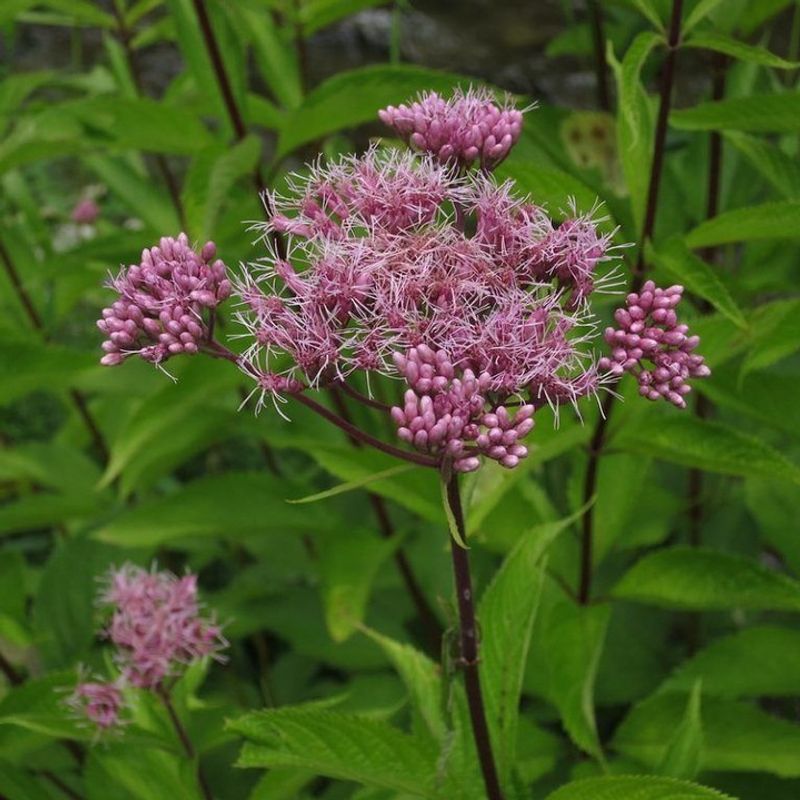
Do not let the name fool you. Joe-Pye Weed is anything but a weed. This towering Pennsylvania native can reach six to eight feet tall and produces massive clusters of dusty mauve-pink flowers that butterflies swarm to from late summer into fall.
It is one of those plants that makes your whole yard feel alive with movement and color during the quieter end of the growing season.
Named after a legendary Native American herbalist, Joe-Pye Weed has a long history of use in North America. Its roots were traditionally used to treat fevers and other ailments.
Today, gardeners value it for its extraordinary ability to handle wet, heavy soils and help manage stormwater runoff on larger properties and rain garden installations.
The deep, thick roots of Joe-Pye Weed are real workhorses when it comes to absorbing water. They reach far down into the ground, pulling moisture away from the surface and allowing rain to infiltrate the soil instead of running off into storm drains.
Planted along swales or at the back of a rain garden, it forms a natural living barrier that slows and filters water beautifully.
Growing Joe-Pye Weed is straightforward. Give it full sun to light shade and consistently moist soil and it will reward you generously.
It spreads gradually by seed and rhizomes, forming impressive clumps over time. Pair it with Switchgrass or Cardinal Flower for a layered, naturalistic planting that handles rain and looks stunning through multiple seasons.
5. Great Blue Lobelia
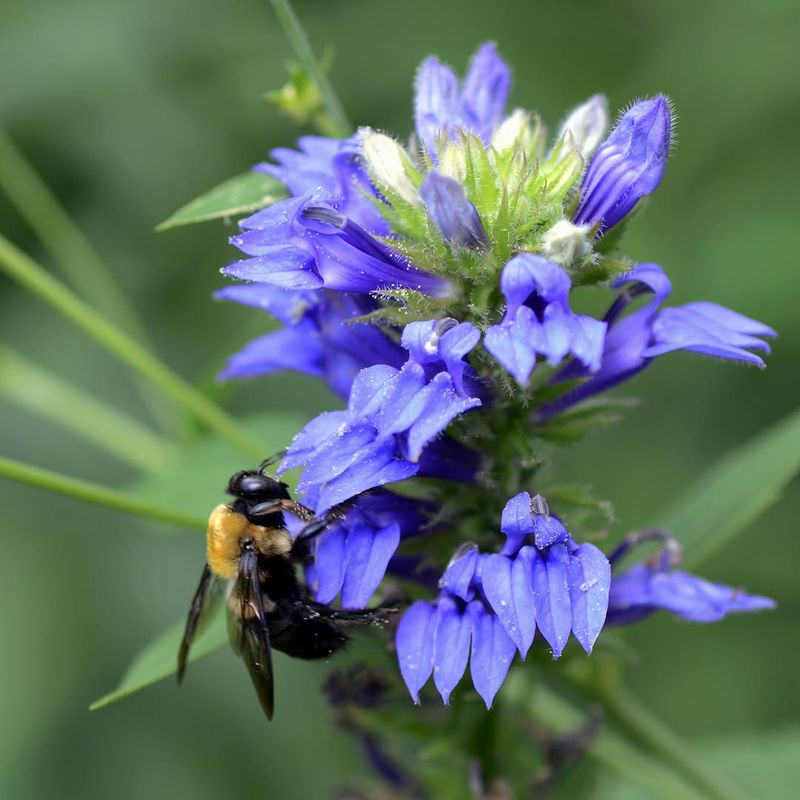
Walk past a patch of Great Blue Lobelia in full bloom and you will stop to look twice. The electric blue-purple flower spikes are unlike almost anything else growing in a Pennsylvania garden in late summer.
It brings a cool, calming burst of color to rain gardens and moist borders right when many other plants are starting to fade for the season.
Great Blue Lobelia is a native Pennsylvania wildflower that grows naturally along stream banks, wet meadows, and forest edges. It feels right at home in the kinds of low, damp spots that often cause headaches for homeowners.
Plant it in a rain garden or along a drainage swale and it will soak up excess moisture while delivering stunning visual rewards every August and September.
Hummingbirds are especially fond of Great Blue Lobelia, drawn in by the tubular shape of its flowers. Bumblebees and certain native bee species also visit frequently.
This makes it a powerful addition to any yard focused on supporting local pollinators alongside managing stormwater runoff in a natural and sustainable way.
This plant grows one to three feet tall and does best in full sun to part shade with consistently moist soil. It self-seeds readily, so a small planting can expand into a lovely colony over a few seasons without much effort from you.
Pair it with Joe-Pye Weed or Swamp Milkweed for a layered, wildlife-rich rain garden that handles Pennsylvania downpours with ease and style.
6. White Turtlehead
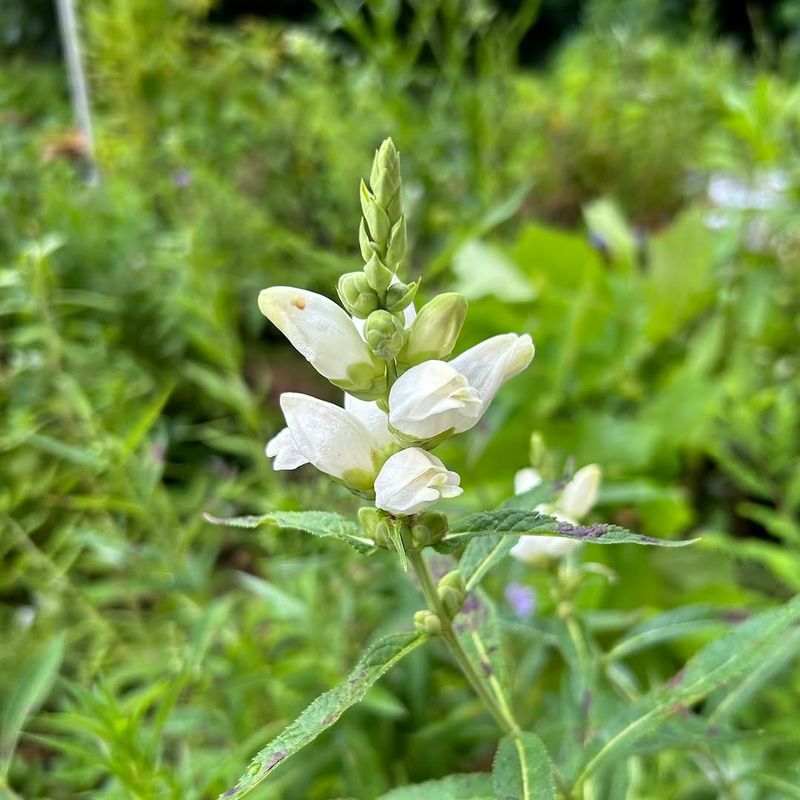
White Turtlehead gets its charming name from the shape of its blooms, which look remarkably like the head of a turtle peeking out of its shell. It is one of those plants that makes people smile the moment they notice it.
And beyond its quirky good looks, it is a seriously useful plant for anyone dealing with wet, shady spots in a Pennsylvania yard.
Blooming in late summer and early fall, White Turtlehead fills a gap in the garden calendar when many native plants have already finished their show. Its white to pale pink flowers appear on upright stems that reach two to three feet tall.
It thrives in moist to wet soil and handles part shade to full shade conditions better than most other rain garden plants on this list.
White Turtlehead is also the host plant for the Baltimore Checkerspot butterfly, one of Pennsylvania’s most beautiful native butterflies. Female butterflies lay their eggs on its leaves, and the caterpillars feed on the plant through the fall.
Planting it supports the full life cycle of this stunning species in your own backyard without any extra effort required.
From a stormwater standpoint, White Turtlehead works well planted under trees or along shaded drainage channels where runoff tends to collect. Its roots stabilize moist soil and help water infiltrate slowly.
It spreads gently by rhizomes over time, forming tidy clumps that look polished and natural at the same time. This is a late-season gem worth every bit of garden space.
7. Switchgrass
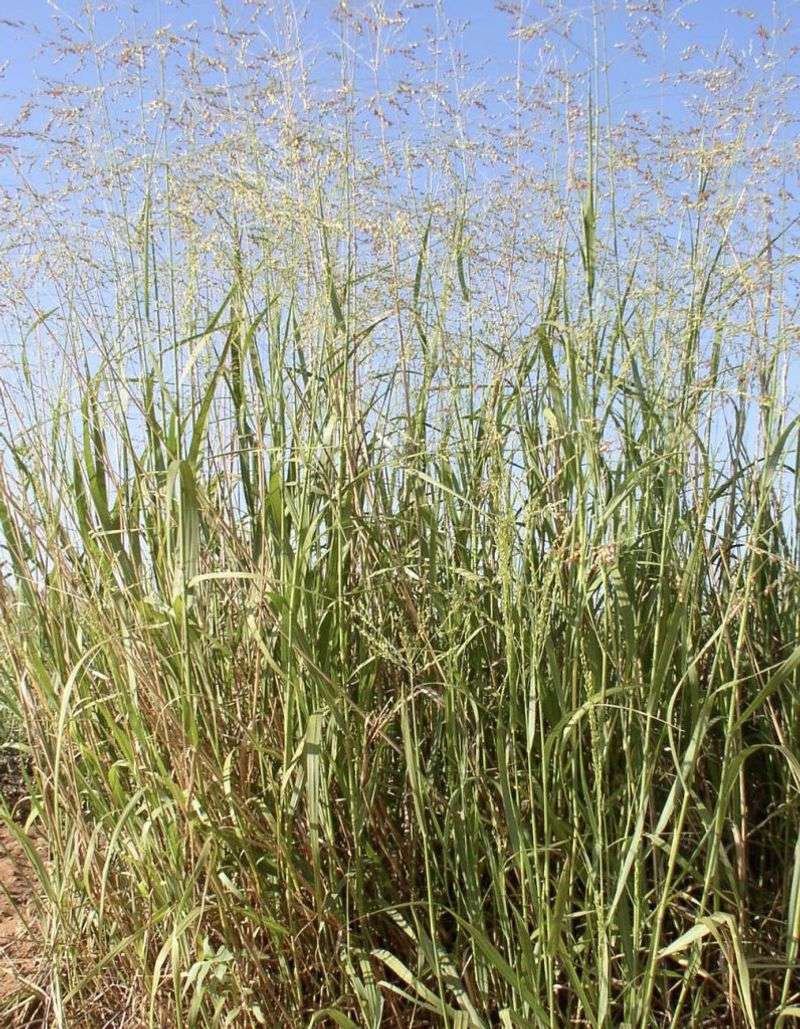
There is something genuinely magical about watching Switchgrass move in the wind. The tall, airy stems sway and shimmer, catching the light in a way that makes your whole yard feel more alive.
It is one of those plants that looks good in every single season, from the fresh green growth of spring to the golden, russet tones of fall and the frosted seed heads of winter.
Switchgrass is a warm-season native grass that grows across Pennsylvania in prairies, meadows, and along stream banks. Its roots are the real story here.
They can reach six to eight feet deep into the soil, far deeper than most ornamental plants. Those deep roots are incredibly effective at slowing stormwater runoff, holding soil in place, and allowing rainwater to infiltrate rather than wash away.
For rain gardens and bioswales, Switchgrass is a top-tier choice. It tolerates flooding, drought, poor soils, and heavy clay, making it one of the most adaptable native plants available to Pennsylvania gardeners.
Plant it at the edges of a rain garden or along a slope where erosion is a concern and watch it anchor everything in place over time.
Several cultivated varieties offer even more visual interest. ‘Shenandoah’ turns a rich red in fall. ‘Heavy Metal’ grows in a stiff, upright column of blue-green. Both are widely available at native plant nurseries across the state.
Switchgrass pairs beautifully with Cardinal Flower, Joe-Pye Weed, or Blue Flag Iris for a layered, season-long display that manages stormwater and looks stunning year-round.