These Low-Growing Michigan Shrubs Work Better Than Boxwood For Edging Beds
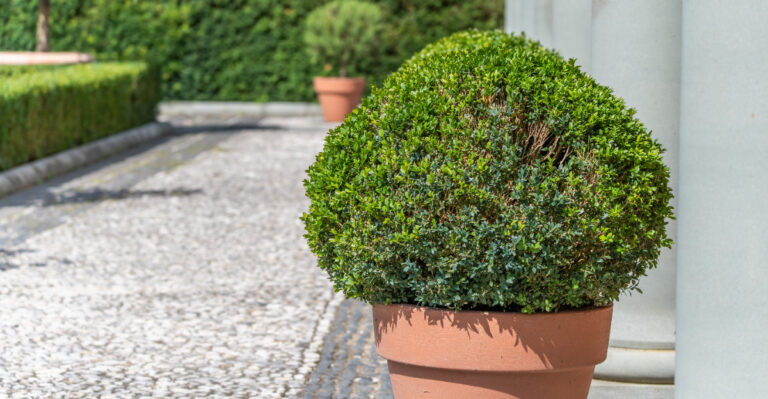
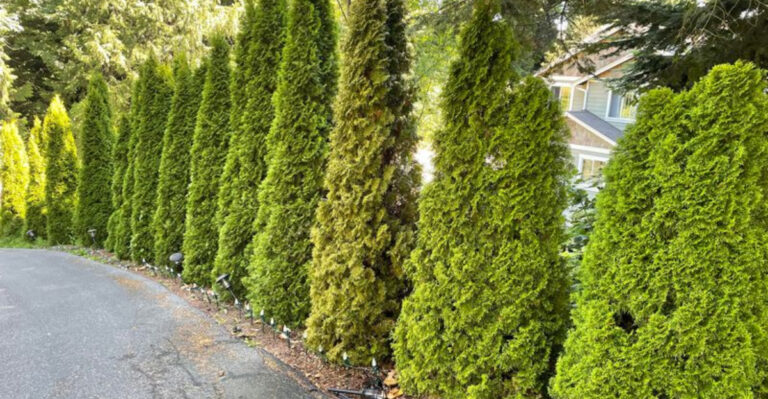
Boxwood has been the automatic choice for edging garden beds in Michigan for decades, and the appeal is easy to understand. It holds its shape, stays green through winter, and provides clean structure that makes everything around it look more intentional.
The problems have become harder to ignore. Boxwood blight has moved steadily through Michigan over the past several years, and plants that looked healthy one season can decline rapidly the next.
Beyond disease pressure, boxwood simply does not contribute much to the yard beyond its structural role.
Michigan has low-growing shrubs that provide the same clean edging effect while also supporting pollinators, producing seasonal color, and performing reliably without the disease vulnerability.
Several of them look better through more months of the year than boxwood ever managed to.
1. New Jersey Tea
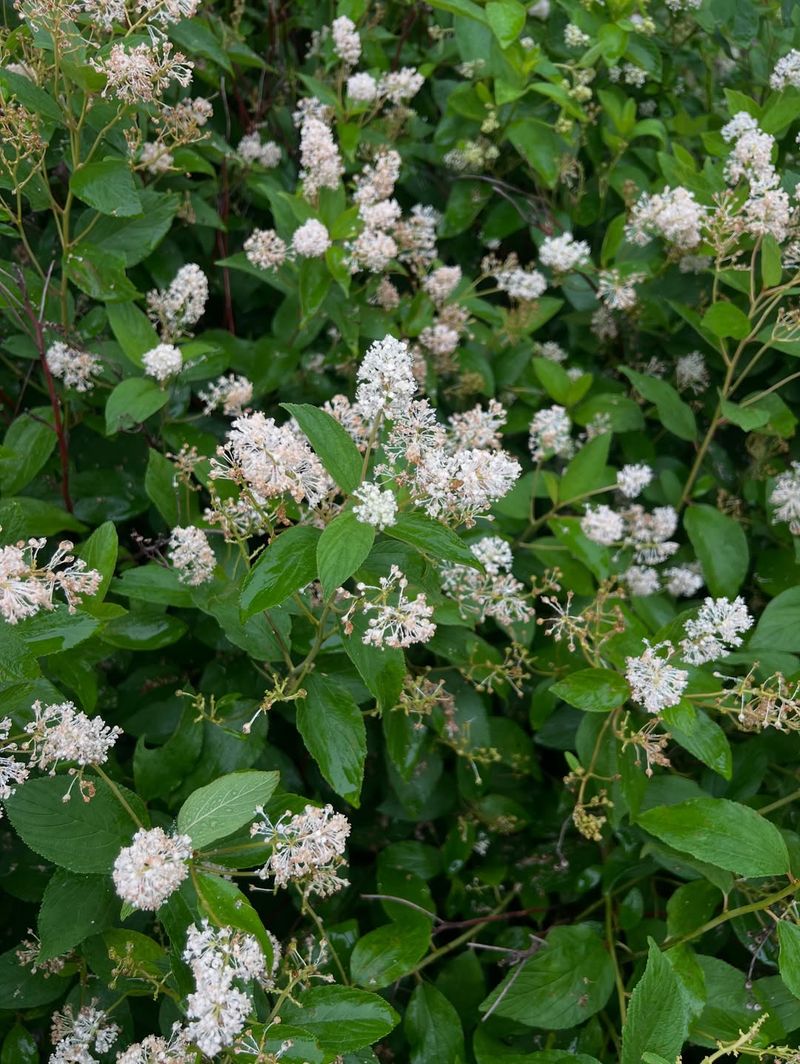
Few native shrubs pull double duty quite like New Jersey Tea. It edges a bed with tidy, rounded form while simultaneously throwing out clusters of frothy white flowers every midsummer that bees and butterflies absolutely cannot resist.
Growing only 3 to 4 feet tall and wide, it stays naturally compact without much pruning at all.
Here is a fun historical note: colonists actually brewed its leaves as a tea substitute during the Revolutionary War, which is exactly how it earned such an unusual name. Beyond that quirky backstory, the plant brings serious practical value to gardens.
It fixes nitrogen in the soil through root nodules, quietly improving the ground around it season after season.
New Jersey Tea thrives in full sun and handles dry, sandy, or rocky soils with ease, making it an excellent choice for Michigan’s well-drained upland sites. It does not demand extra watering once established, saving you real time and effort.
The foliage stays clean and attractive from spring through fall, giving beds a polished, finished look.
Plant it along sunny borders where boxwood often struggles with winter damage, and you will quickly see why this native gem is gaining so much well-deserved attention from gardeners.
2. Dwarf Bush Honeysuckle
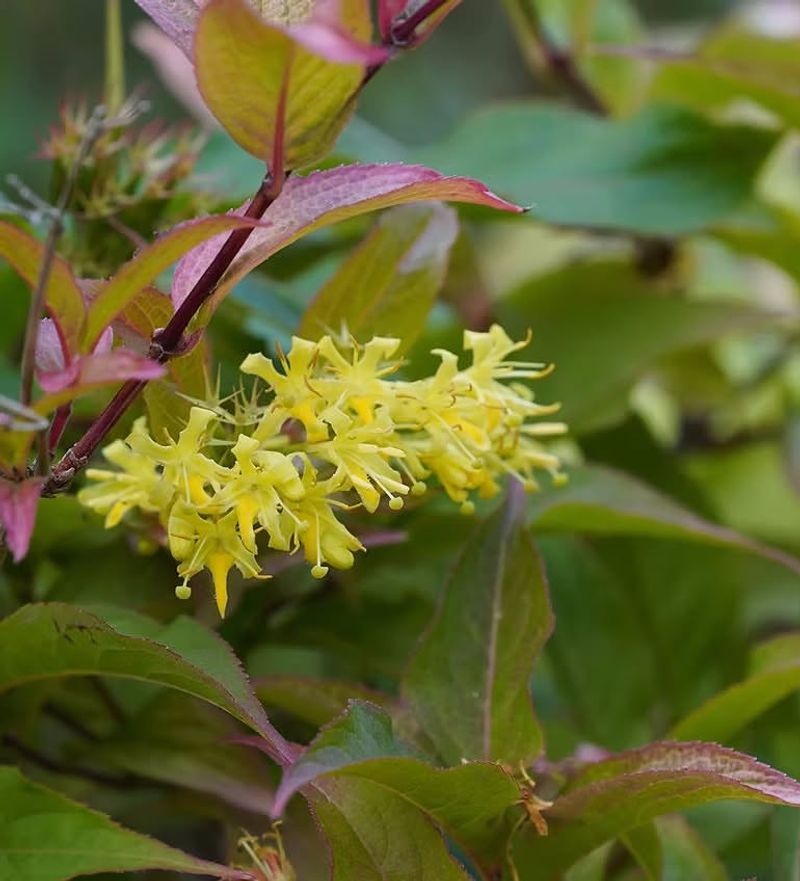
Tough, adaptable, and honestly a little underrated, Dwarf Bush Honeysuckle is the kind of shrub that makes experienced gardeners smile when they spot it.
The foliage emerges with a warm bronze tint in spring, matures into rich green through summer, and then blazes into orange-red tones come fall.
That three-season color show puts plain green boxwood to shame without any extra effort from you.
The cheerful yellow tubular flowers that appear in early summer are not just pretty. Hummingbirds and native bumblebees actively seek them out, turning your garden edge into a buzzing, lively scene.
Plants top out at just 2 to 4 feet tall, forming a low, spreading mound that naturally fills gaps along a bed edge without becoming invasive or pushy.
One of its biggest strengths is raw toughness. Dwarf Bush Honeysuckle handles dry shade, poor soil, slopes, and even compacted ground without complaint, making it incredibly forgiving for busy homeowners.
It spreads gradually by suckers, which helps it fill in bare spots along a border over time. Michigan’s cold winters do not phase it at all.
Your Michigan Garden Changes Every Week. Your Plan Should Too.
Gardening in Michigan changes quickly throughout the season. Every Friday you’ll receive a simple weekly plan showing exactly what to plant, prune, fertilize, harvest, and protect so you never miss the right timing.
Use it along shaded driveways, under trees, or along north-facing beds where other edging plants tend to struggle. It is genuinely one of the most versatile native shrubs available for these landscapes.
3. ‘Gro-Low’ Fragrant Sumac
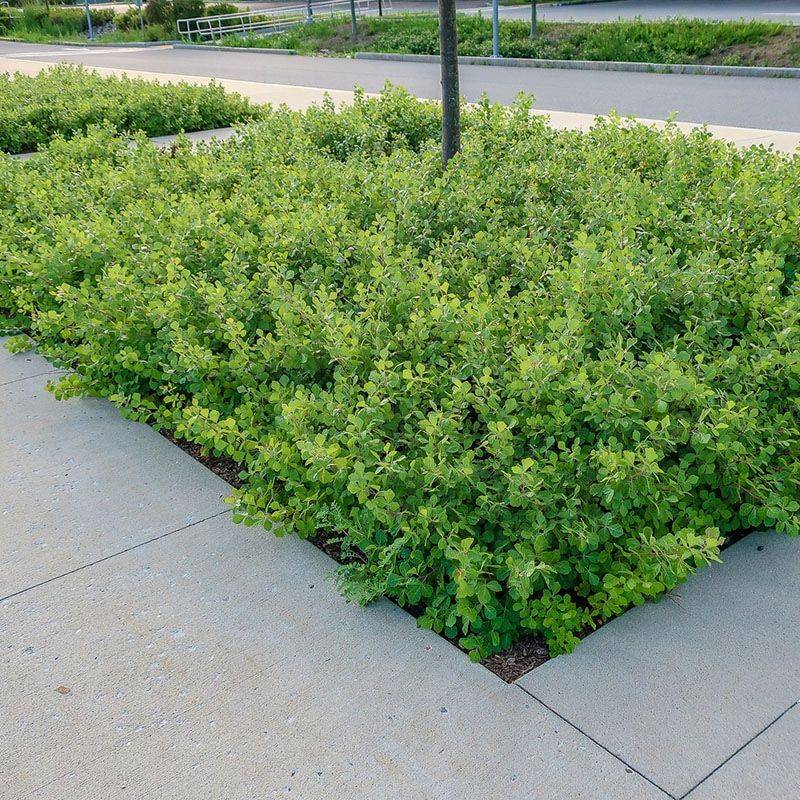
If fall color is what you are after, nothing along a bed edge competes with ‘Gro-Low’ Fragrant Sumac. Come September and October, the foliage erupts into vivid shades of red, orange, and gold that stop people in their tracks.
The rest of the growing season, it holds glossy, aromatic green leaves that smell faintly of citrus when brushed, which is a small sensory bonus that makes gardening more enjoyable.
This cultivar was specifically selected for its low, spreading habit, typically staying under 2 feet tall while spreading 6 to 8 feet wide.
That wide, ground-hugging growth makes it exceptional for covering long stretches of bed edge or stabilizing slopes where erosion is a concern. It spreads steadily without becoming a nuisance, filling in beautifully over a few seasons.
Full sun and well-drained soil are really all it asks for, and once established, it handles drought with remarkable ease.
Small yellow flower clusters appear in very early spring before the leaves even open, offering one of the first nectar sources for emerging pollinators.
Michigan winters are no problem for this tough native. Compared to boxwood, which can brown out badly in harsh winters, ‘Gro-Low’ looks better every single year with minimal intervention.
Plant it where you want bold seasonal drama without the upkeep headache.
4. Shrubby Cinquefoil
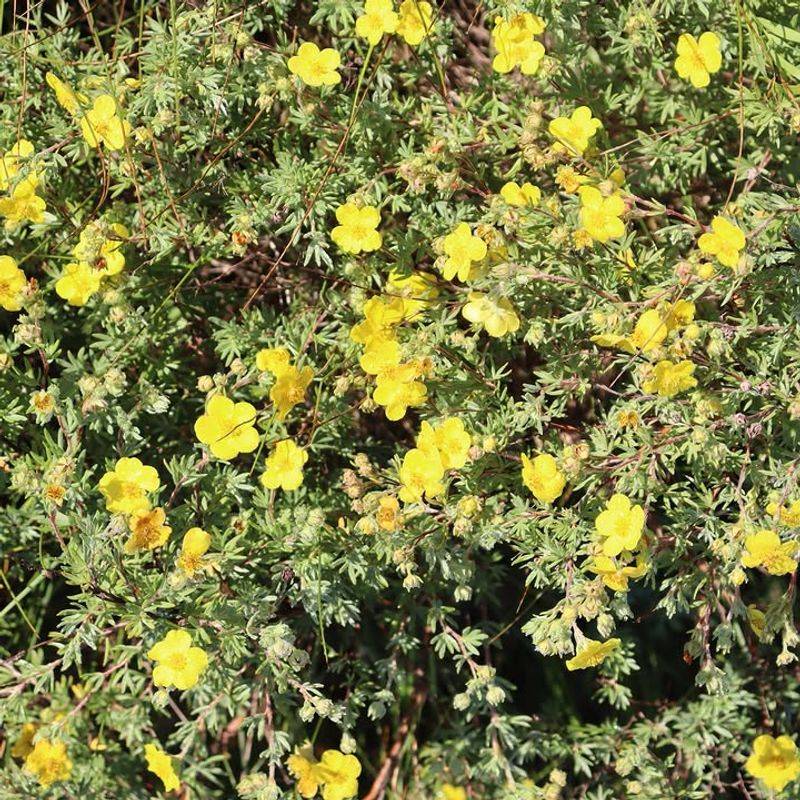
Shrubby Cinquefoil is one of those plants that earns its place in the garden through sheer reliability.
From late spring all the way through early fall, it produces cheerful yellow flowers nonstop, giving beds a bright, polished edge for months longer than most flowering shrubs manage.
The blooming season is genuinely impressive and keeps the garden looking lively even during the hottest, driest stretches of summer.
Plants naturally stay compact and rounded, typically reaching 2 to 4 feet tall and wide, which makes them easy to use along formal or informal bed edges without heavy pruning.
The fine-textured foliage is attractive even when the plant is not in bloom, and it holds its tidy shape well through the season. White, pink, and red flowering varieties are also available if yellow is not your preference.
Native to northern and mountainous regions, Shrubby Cinquefoil is exceptionally cold-hardy and handles Michigan winters without any protection needed. It performs best in full sun with average to dry, well-drained soil.
Wet, heavy clay is the one condition it prefers to avoid. Deer tend to leave it alone, which is a genuine bonus for gardeners dealing with heavy deer pressure.
Established plants need almost no supplemental watering. For a low-maintenance, long-blooming edging shrub that consistently delivers, Shrubby Cinquefoil belongs at the top of any planting list.
5. Lowbush Blueberry
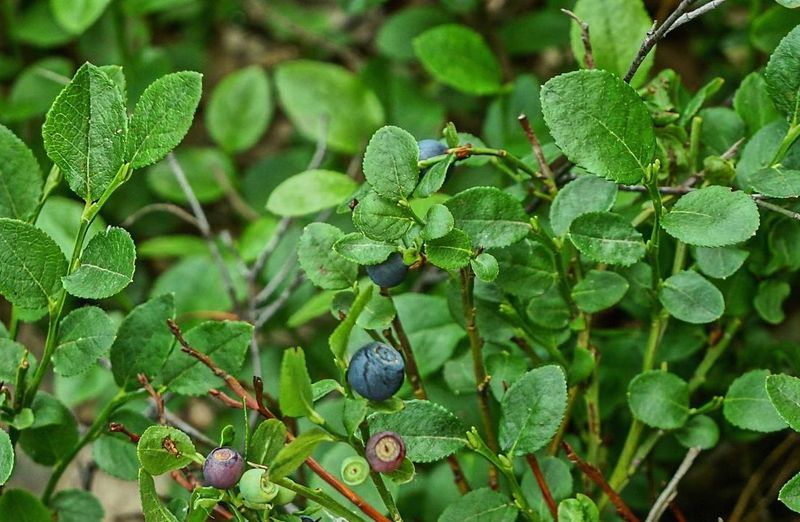
Why settle for an edging shrub that just looks good when you can have one that also feeds you?
Lowbush Blueberry brings delicate white bell-shaped flowers in spring, rich green summer foliage, and then a flush of edible blue berries in midsummer that both people and birds eagerly enjoy.
By fall, the leaves shift into stunning shades of crimson and burgundy, making this one of the most visually rewarding edging plants available.
Michigan’s naturally acidic soils in many regions are practically perfect for Lowbush Blueberry, especially in the northern Lower Peninsula and the Upper Peninsula where sandy, pine-influenced soils are common.
A layer of pine needle or bark mulch helps maintain the right soil acidity and keeps moisture consistent.
Plants stay low, typically 1 to 2 feet tall, spreading slowly to form a dense, weed-suppressing mat over time.
Full sun brings out the best berry production and fall color, though plants tolerate light shade reasonably well. Plant at least two different varieties nearby for better cross-pollination and heavier fruit set.
Established plants are drought-tolerant and require very little fertilizing once they settle in.
Compared to boxwood, which offers zero edible or wildlife value, Lowbush Blueberry gives your garden a purposeful, productive edge that works beautifully in both formal and naturalistic landscapes.
6. Black Chokeberry
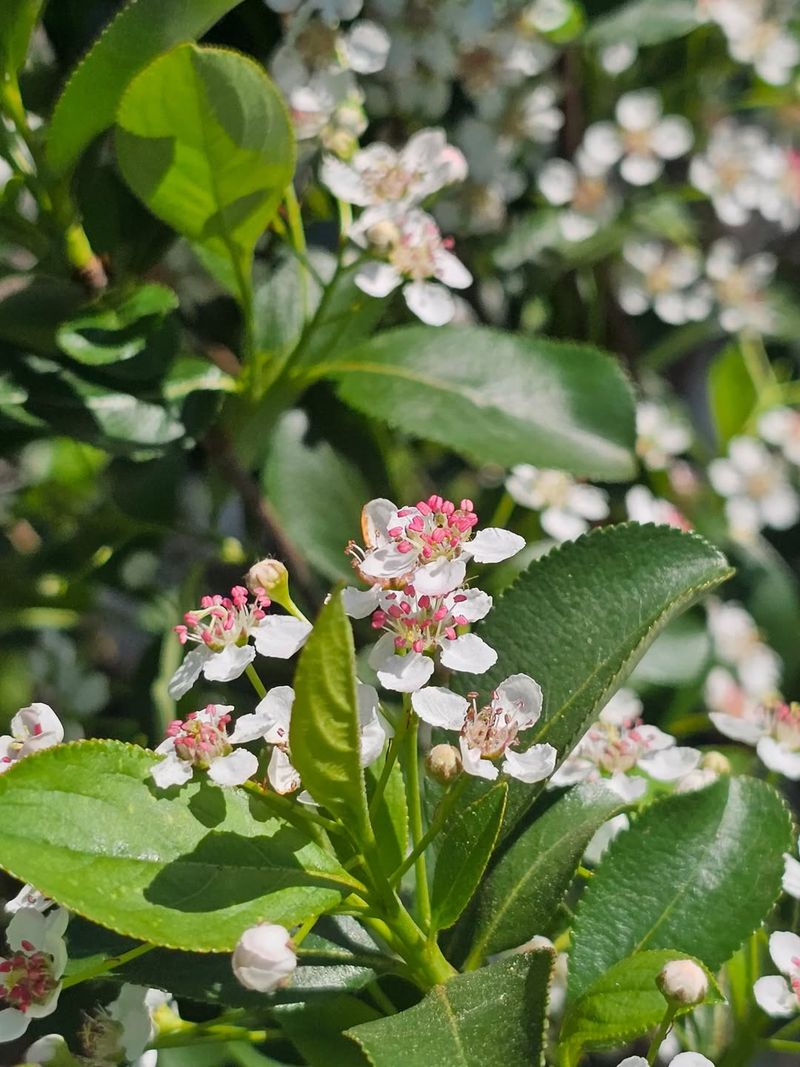
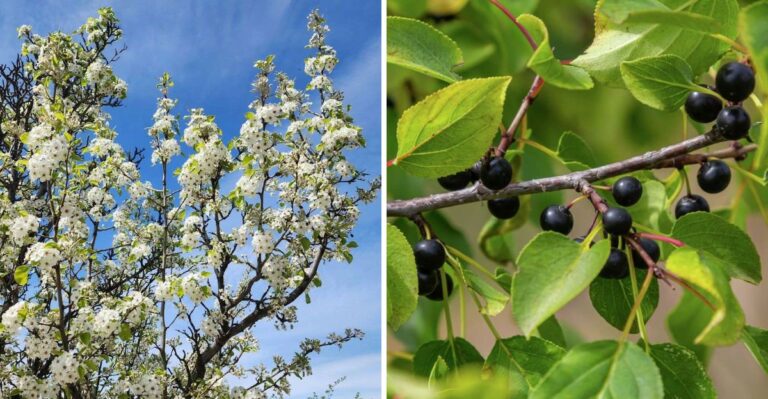
Black Chokeberry is a native Michigan powerhouse that earns its keep across every single season. White flower clusters open in mid-spring and give beds a bright, clean look just as the garden is waking up.
By late summer, glossy black berries ripen in clusters and persist well into winter, attracting cedar waxwings, robins, and other birds that make the garden feel wonderfully alive even in the coldest months.
The fall foliage is genuinely spectacular, turning deep red to purple-red with an intensity that rivals much more expensive ornamental shrubs.
Compact cultivars like ‘Morton’ (sold as Iroquois Beauty) stay around 3 to 4 feet tall, making them well-suited for bed edges without overwhelming nearby plantings.
The naturally upright, tidy habit means minimal pruning is required to keep things looking neat.
One of Black Chokeberry’s greatest strengths is its flexibility. It handles wet, poorly drained soils that would stress or finish off boxwood, making it an ideal candidate for rain gardens and low-lying beds that collect runoff.
It also tolerates dry conditions once established, which speaks to its impressive adaptability. Full sun to part shade both work well.
Our cold winters are handled without any fuss. For gardeners who want a native edging shrub that performs beautifully in challenging spots while supporting local wildlife, Black Chokeberry is a genuinely smart and rewarding choice.
7. Ninebark
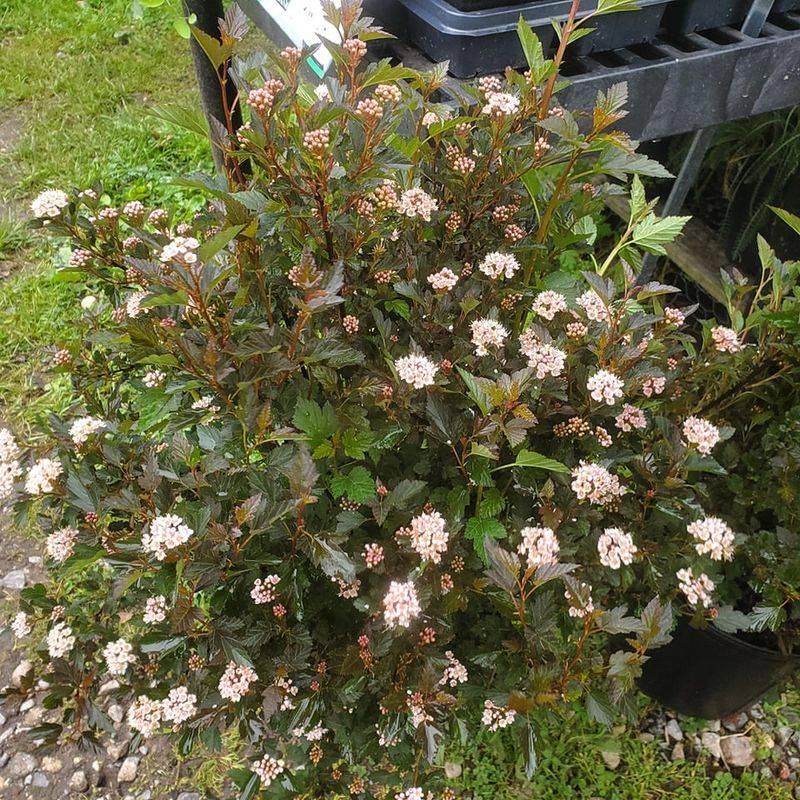
Ninebark has become one of the most talked-about native shrubs in Midwest gardening circles, and for very good reason. The peeling, layered bark that gives this plant its name adds genuine winter interest when most other shrubs just look like bare sticks.
Compact varieties like ‘Tiny Wine’ or ‘Little Devil’ stay under 4 feet tall, making them perfectly proportioned for edging perennial beds without overshadowing shorter plants in front.
The foliage color options are remarkable. Burgundy, gold, and green-leafed forms are all available, so you can match or contrast with the rest of your planting scheme.
Clusters of small white or pale pink flowers appear in late spring, drawing in a wide range of native bees and beneficial insects. The reddish seed clusters that follow keep the plant looking interesting well into fall.
Ninebark is genuinely tough in a way that impresses even experienced gardeners. It handles clay soil, dry conditions, wet periods, full sun, and part shade without missing a beat.
Michigan’s zone 4 and 5 winters present absolutely no challenge for this plant. It rarely attracts serious pest or disease pressure, which means less monitoring and fewer interventions throughout the season.
Compared to boxwood, which demands specific drainage and light conditions, Ninebark works across a much wider range of garden situations while delivering far more visual interest year-round.
8. Smooth Hydrangea
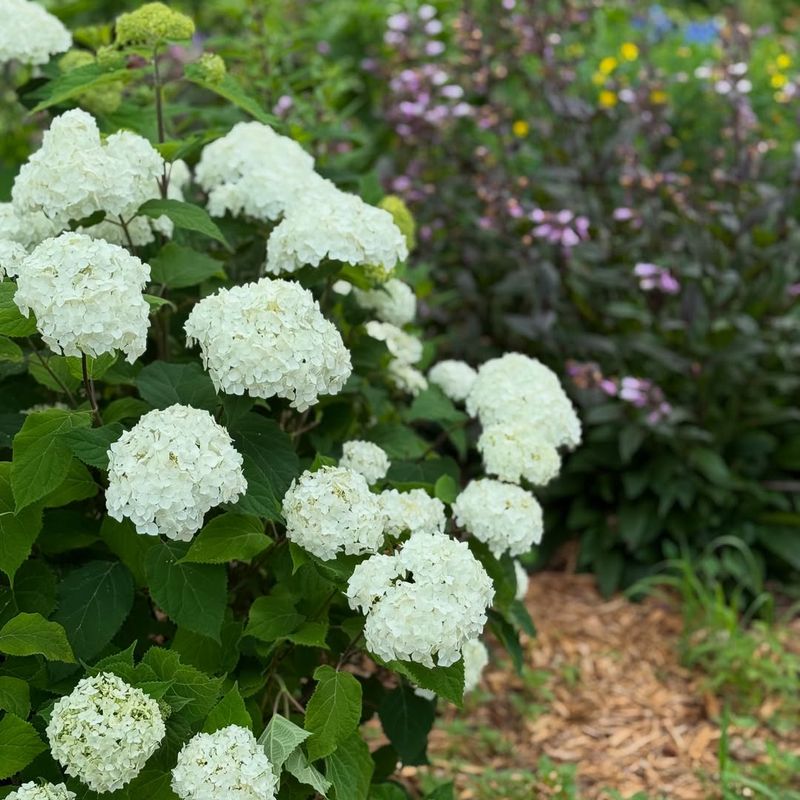
There is something undeniably satisfying about a Smooth Hydrangea loaded with giant white flower heads lining the edge of a shady border.
Native to eastern North America, this species handles our winters far better than the more popular panicle or bigleaf types, reliably coming back strong every spring even after the harshest cold snaps.
Compact selections like ‘Incrediball Blush’ or ‘Invincibelle Limetta’ stay in the 3 to 4-foot range, which is ideal for bed edging.
The blooms are genuinely enormous on some cultivars, creating a bold, lush statement from midsummer through early fall. Even as the flowers fade to parchment and tan in late summer, they hold their structure and add a softer, textural quality to the garden edge.
Many gardeners leave the dried heads in place through winter for added interest and bird habitat value.
Smooth Hydrangea performs best in part shade with consistently moist, rich soil, making it a natural fit for the shadier spots in Michigan yards where other edging options struggle. Morning sun with afternoon shade is a particularly sweet spot.
Regular watering during dry spells keeps the large flower heads from wilting.
Unlike boxwood, which can look stressed and patchy in shade, Smooth Hydrangea positively thrives there, delivering lush, full growth and spectacular blooms that transform ordinary bed edges into genuine garden showpieces.
9. Common Snowberry
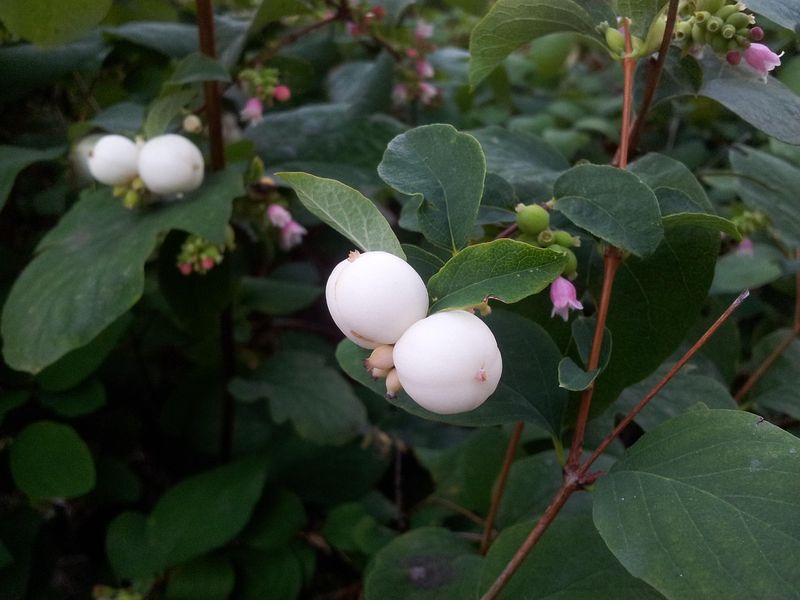
Common Snowberry earns its name in the most literal and satisfying way possible. By late summer and into fall, the stems become absolutely loaded with clusters of bright, pure white berries that look almost artificial against the green foliage.
Those berries persist well after the leaves drop, creating a striking winter display that few other native shrubs can match. Birds eventually work through them, which adds lively movement to the winter garden.
Growing 3 to 4 feet tall and spreading gradually by root suckers, Snowberry forms a soft, arching mound that works beautifully along woodland bed edges or shaded borders.
The small pink flowers that appear in summer are modest but still attract hummingbirds and native bees.
The overall texture is fine and airy, giving borders a naturalistic, effortless quality that feels very much at home in wooded residential landscapes.
Shade tolerance is one of Snowberry’s standout qualities. It handles everything from full shade to full sun, adapting to a wider light range than almost any other edging shrub on this list.
Dry to moderately moist soils both work fine, and established plants are quite drought-tolerant. Michigan winters present zero concern for this hardy native.
For shaded spots under trees where boxwood typically sulks and thins out, Common Snowberry steps in with confidence, filling the edge cleanly and rewarding gardeners with that unforgettable white berry display each fall.
10. Prairie Willow
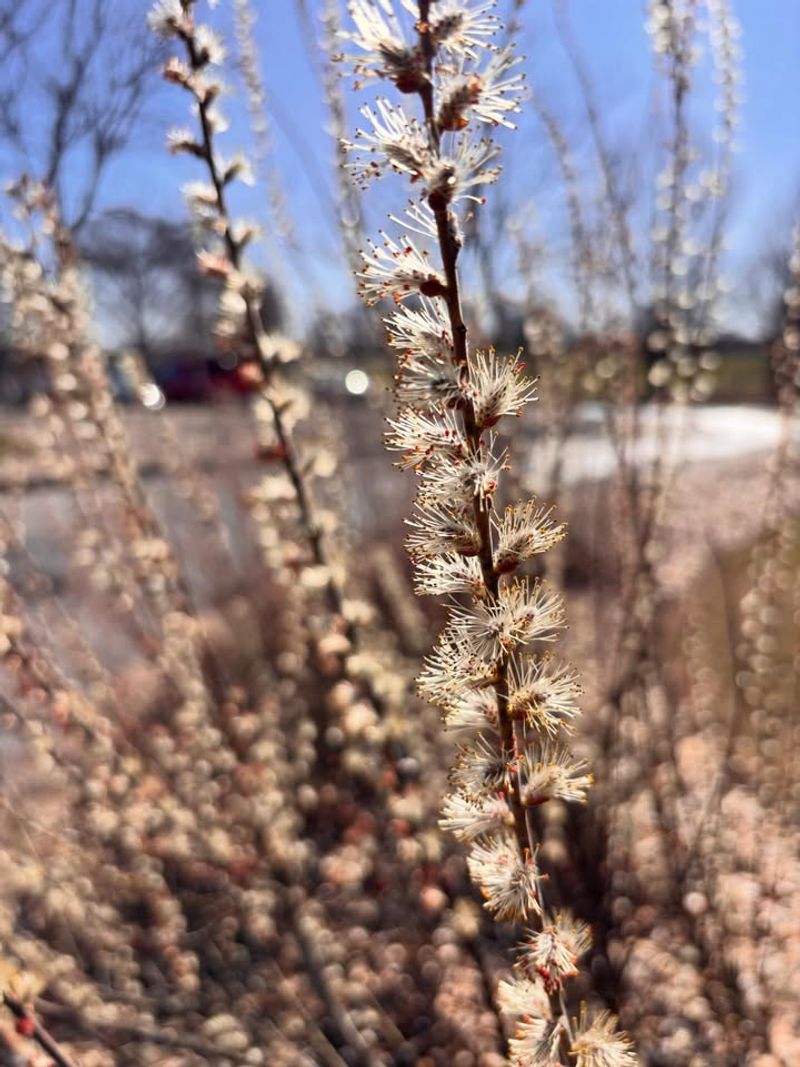
Most gardeners think of willows as towering, water-hungry trees, so Prairie Willow consistently surprises people with its compact, shrubby form and its ability to thrive in dry upland soils.
Growing 2 to 5 feet tall, it forms a loose, natural mound with soft gray-green leaves that catch the light beautifully and give meadow-style beds a relaxed, flowing edge.
It is one of the earliest willows to bloom, producing fuzzy silver catkins in very early spring before most other plants have even thought about waking up.
Those early catkins are enormously valuable to native bees, especially queen bumblebees emerging from winter dormancy when almost nothing else is blooming yet.
Planting Prairie Willow along a bed edge is essentially setting out a welcome mat for pollinators at the most critical moment of the season.
That ecological contribution alone makes it worth serious consideration for any native planting.
Prairie Willow handles a wide range of soil conditions, from dry sandy soils to moderately moist ground, and it tolerates both full sun and light shade.
It spreads gradually by root sprouts, which helps it fill in along a border naturally over time without aggressive takeover.
Michigan’s cold winters are completely within its comfort zone. For gardeners building native meadow gardens or prairie-inspired landscapes, Prairie Willow brings genuine ecological value and a soft, beautiful texture that no boxwood can replicate.
11. Meadowsweet
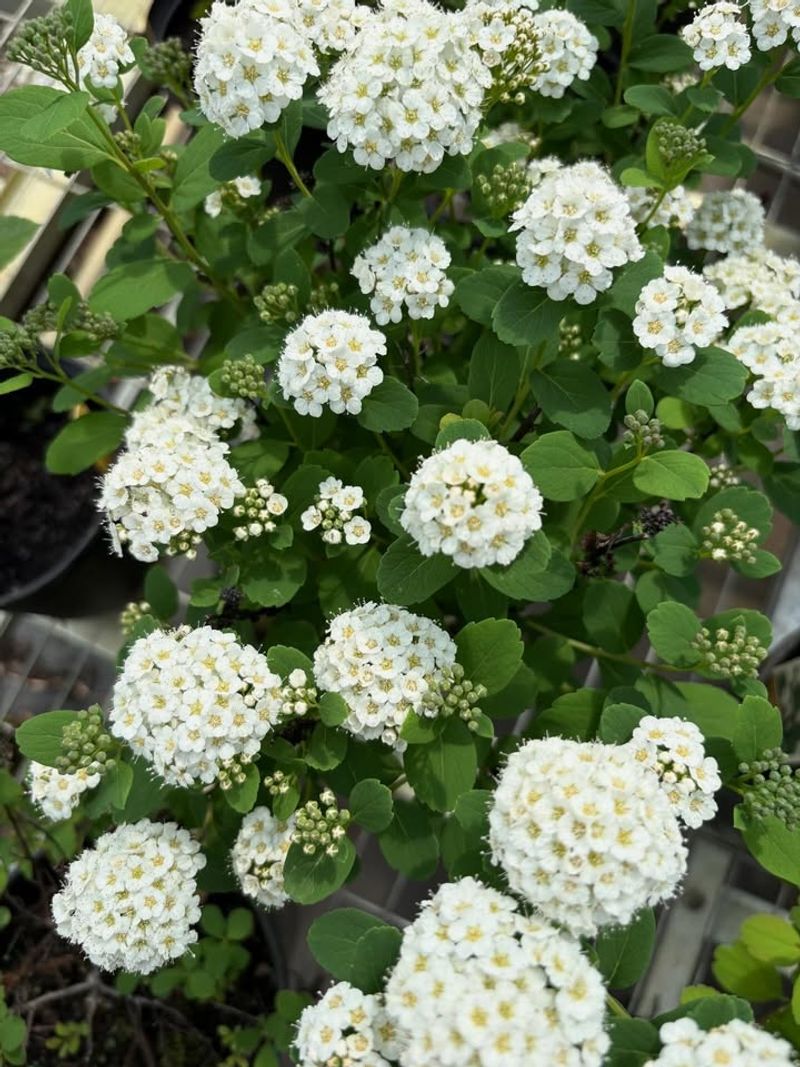
Meadowsweet brings a wild, romantic quality to garden edges that feels completely at home in Michigan’s native plant movement.
Slender stems lined with lance-shaped leaves rise to about 3 to 4 feet tall and are topped in midsummer with elongated white flower plumes that flutter attractively in a breeze.
The effect along a bed edge is soft and naturalistic, completely different from the stiff formality of boxwood but every bit as intentional and polished.
Native bees, small butterflies, and beneficial wasps visit the flowers heavily throughout the bloom period, which stretches from July into August.
The reddish stems and persistent seed heads carry visual interest well into fall and winter, giving the garden structure during the quieter seasons.
Plants spread gradually by root sprouts, slowly thickening along a border edge in a very manageable way.
Wet to moist soils are where Meadowsweet truly shines, making it one of the best edging options for rain gardens, low spots, or beds near downspouts that stay damp after heavy rains. It also tolerates average garden soil with reasonable moisture retention.
Full sun to light shade both produce strong, healthy plants. Michigan’s winters are handled effortlessly, and established plants need little to no supplemental care once they settle in.
For wet or tricky spots where most edging shrubs struggle, Meadowsweet steps in gracefully and performs with quiet, consistent beauty season after season.
12. Steeplebush
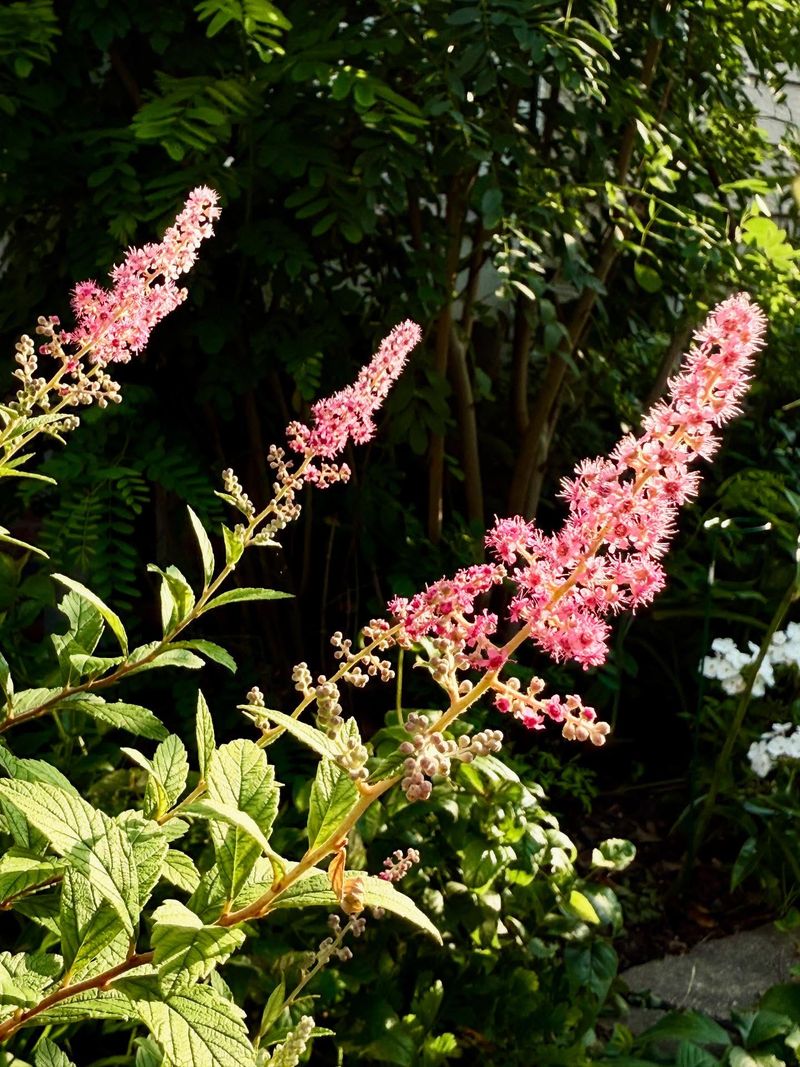
Steeplebush is the kind of native shrub that makes you stop and stare in midsummer.
The flower spikes are a vivid rose-pink, rising in tight, steeple-shaped plumes at the tops of upright stems from July through August, and they are absolutely electric against a backdrop of green foliage.
Growing 2 to 4 feet tall with a naturally upright, tidy form, it creates a distinctive, eye-catching edge that has real personality and presence.
Pollinators go wild for Steeplebush blooms. Native bees, skippers, and small butterflies work the flower spikes continuously through the long bloom period, making this shrub one of the most ecologically active edging plants you can choose for a Michigan garden.
The woolly, rust-colored undersides of the leaves add a subtle textural detail that rewards closer inspection and makes the plant even more interesting up close.
Moist to wet soils in full sun are the ideal conditions for Steeplebush, which makes it a natural partner for rain gardens, pond edges, and low-lying beds that stay damp.
It handles average garden soil as well, provided moisture is reasonably consistent through summer. Our cold winters cause absolutely no issues for this tough native species.
For gardeners who want bold color, strong pollinator value, and a shrub that genuinely thrives in the wetter corners of the yard where boxwood would never survive, Steeplebush is an inspired and rewarding choice.