North Carolina Herbs With Natural Mosquito-Repellent Compounds Worth Knowing About
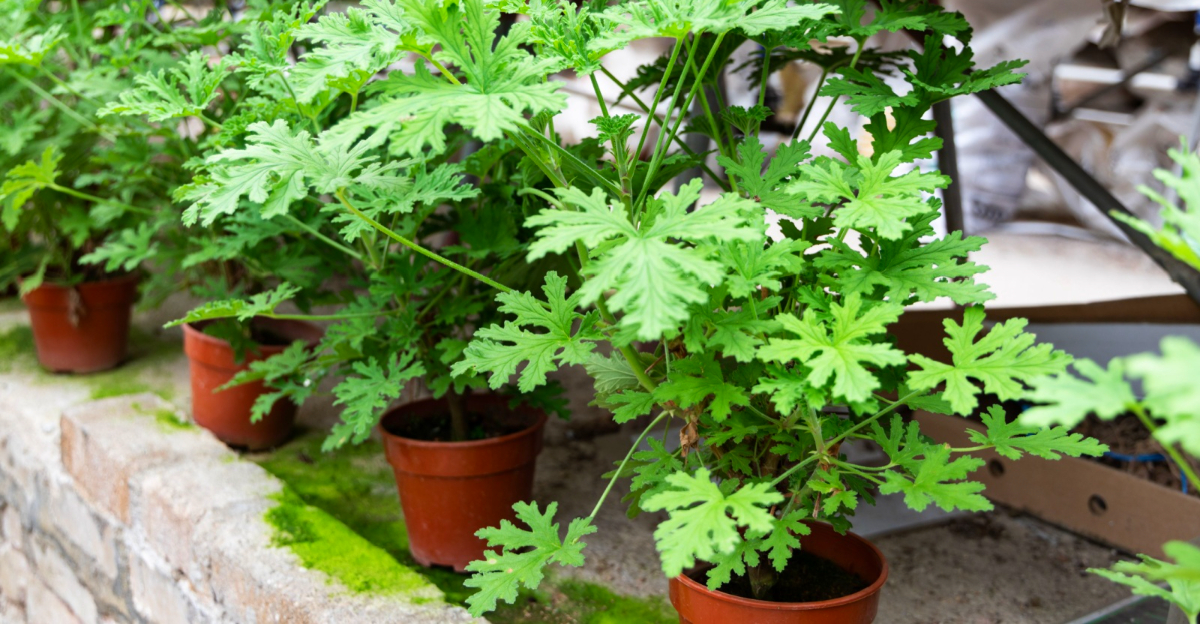
North Carolina summer evenings are genuinely magical right up until the mosquitoes show up and ruin everything.
Back porch in the Piedmont, patio setup near the coast, raised beds in the mountains: it does not matter where you are gardening in this state because mosquitoes are equal opportunity party crashers.
So it makes complete sense that a lot of gardeners have started looking at their herb gardens a little differently lately.
Certain aromatic plants keep coming up in conversations about natural mosquito repellent compounds, and honestly the science behind some of them is pretty fascinating.
Just worth being upfront about one thing: we are talking about plants linked to specific compounds, not a magic force field around your yard. Manage those expectations and this gets really interesting really fast.
1. Catnip Leads The Conversation Easily
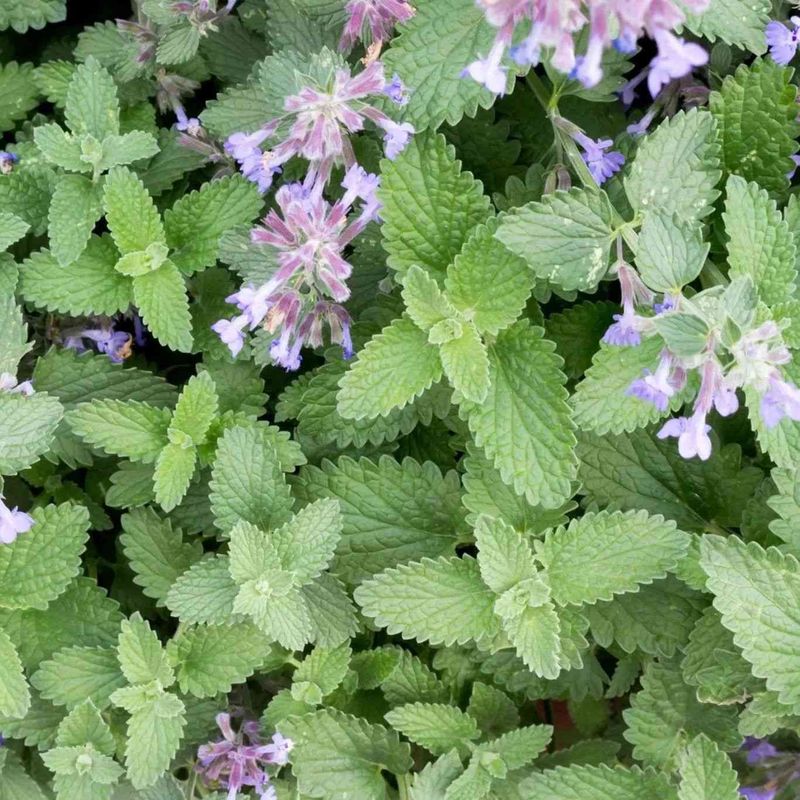
Few herbs spark as much curiosity in the mosquito-repellent conversation as catnip, and that reputation comes with some real scientific backing worth understanding.
Researchers have looked at nepetalactone, the compound responsible for catnip’s well-known effect on cats, and found it interesting enough to study in the context of insect repellency.
Some studies suggest nepetalactone may be notable when compared to synthetic repellents, though that research generally involves extracted compounds rather than a living plant sitting on your porch.
In North Carolina gardens, catnip is fairly easy to grow and tends to settle in without a lot of fuss. It prefers well-drained soil and a good amount of sunlight, and it can handle the warm summers across much of the state reasonably well.
Container growing works nicely for catnip, especially for gardeners who want to keep it from spreading too enthusiastically into nearby garden beds.
The leaves have a distinct, herbal scent that becomes more noticeable when you brush against or crush the foliage.
That crushed-leaf fragrance is where most of the aromatic compound conversation centers, since the oils are more accessible once the plant tissue is disturbed.
Simply having catnip growing nearby is a different experience than applying a product made from its extracted oils.
For gardeners curious about aromatic herbs with interesting compound profiles, catnip is a genuinely worthwhile addition to a kitchen garden, raised bed, or sunny container arrangement on a summer patio.
2. Citronella Grass Brings The Best-Known Repellent Link
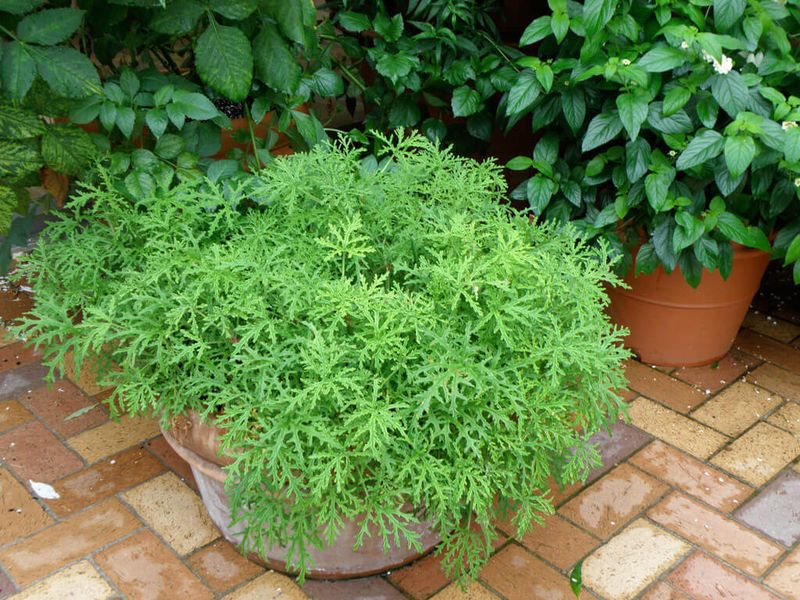
Walk through any garden center in North Carolina during late spring, and you will almost certainly spot citronella grass near the front of the display.
Its reputation as the plant most associated with mosquito repellency is about as well-established as any herb on this list, though the full picture is a bit more layered than the label on the pot might suggest.
The citronella oil used in candles, torches, and repellent sprays comes from a specific variety of this grass, and that oil is what carries the repellent properties people recognize.
Citronella grass, botanically related to lemongrass, grows as a large clumping grass that can reach impressive heights in a single season across North Carolina’s warm growing months.
Your North Carolina Garden Changes Every Week. Your Plan Should Too.
Gardening in North Carolina changes quickly throughout the season. Every Friday you’ll receive a simple weekly plan showing exactly what to plant, prune, fertilize, harvest, and protect so you never miss the right timing.
It thrives in full sun and well-drained soil, and container planting is a popular option since the plant is not cold-hardy enough to survive most winters without protection.
Bringing a large container indoors or treating it as an annual are both common approaches gardeners take here.
The fragrance from citronella grass is pleasant and distinctly lemony, and brushing against the blades releases more of that scent into the air.
The key point worth remembering is that a potted plant releases far less oil into the surrounding air than a candle or spray product formulated from extracted citronella oil.
Growing citronella grass adds real fragrance and ornamental interest to outdoor spaces, and understanding its role in the mosquito conversation makes it an even more interesting plant to grow.
3. Lemongrass Keeps The Citrus Connection Going
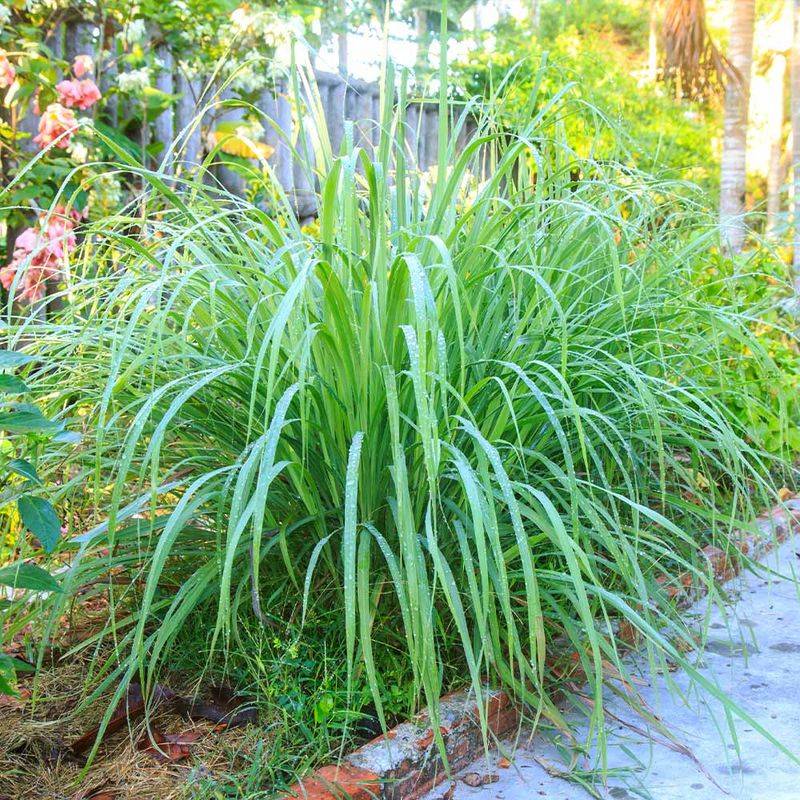
Lemongrass shares some botanical and aromatic common ground with citronella grass, and that overlap is part of why it keeps showing up in mosquito-related herb conversations.
The compound citral, which gives lemongrass its bright, lemony scent, has been studied in the context of insect repellency, and some lemongrass varieties also contain small amounts of citronellal.
These connections are real, though they exist mostly at the level of extracted oils and research settings rather than in a garden bed on a July evening in North Carolina.
From a practical growing standpoint, lemongrass is one of the more rewarding aromatic herbs a gardener can add to a sunny space.
It grows quickly in warm weather, handles the humidity of a Piedmont or coastal summer reasonably well, and produces impressive clumps of fragrant foliage that look attractive in large containers or raised beds.
Full sun and consistent moisture with good drainage tend to bring out the best results.
The culinary value of lemongrass adds another reason to grow it beyond any mosquito-related curiosity.
The tender inner stalks are widely used in cooking, particularly in Southeast Asian cuisines, which means a single plant can serve multiple purposes in a North Carolina kitchen garden.
Crushing or cutting the leaves releases that familiar citrus fragrance in a way that simply standing near the plant does not quite match.
For gardeners who enjoy multipurpose aromatic plants, lemongrass earns its place in the summer garden on several counts at once.
4. Basil Adds A Familiar Herb To The Mix
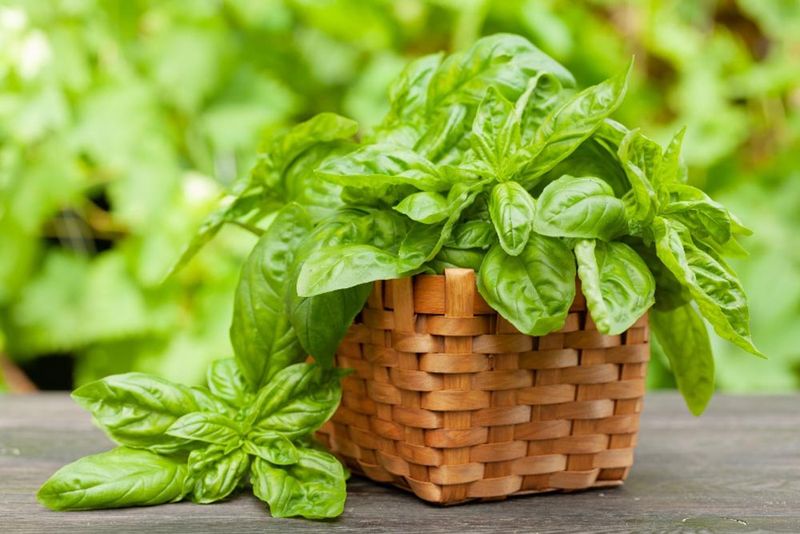
Most gardeners already grow basil for the kitchen, so finding out it has a place in the mosquito-repellent herb conversation tends to come as a pleasant surprise.
Basil contains several aromatic compounds, including linalool and eugenol, that have drawn attention in insect-related research.
Some studies have looked at basil essential oil and certain basil-based formulations in the context of repellency, which is where the connection to mosquitoes originates.
Sweet basil is the most commonly grown variety across North Carolina, and it thrives in the warm, sunny conditions that summer brings to much of the state.
It does best with well-drained soil, consistent watering, and protection from cold, since even a light frost can cause serious damage to the foliage.
Container growing is popular for basil in North Carolina, both for convenience and for the ability to move plants as temperatures shift in the shoulder seasons.
The aroma of fresh basil is one of the most recognizable herb scents in any summer garden, and crushing a leaf releases those volatile oils in a way that makes the fragrance immediate and intense.
That sensory experience is a reminder that the compounds responsible for basil’s scent are the same ones that researchers find interesting from a repellent standpoint.
A living plant in a pot offers a different level of oil release compared to a concentrated extract or formulated product, and keeping that distinction in mind helps set realistic expectations.
Basil remains one of the most rewarding aromatic herbs any gardener can grow through the summer months.
5. Lavender Brings A Scent People Already Trust

Lavender carries a kind of built-in credibility that most herbs take years to earn. People already associate it with calm, clean fragrance, and that familiarity extends into the mosquito-repellent herb conversation in a natural way.
Lavender contains linalool, linalyl acetate, and other aromatic compounds that have been studied in the context of insect repellency, particularly in extracted or formulated forms. That research connection is what places lavender on lists like this one.
Growing lavender successfully in North Carolina depends quite a bit on which part of the state you are gardening in and what kind of drainage your soil offers.
The western mountains tend to suit lavender well, with cooler temperatures and lower humidity.
In the Piedmont and coastal plain, the combination of summer heat and humidity can make lavender more challenging to maintain, and excellent drainage becomes especially important to help the plant stay healthy through the warm months.
English lavender varieties are generally considered more adaptable across a range of North Carolina growing conditions than some of the more tender types.
Raised beds and container planting can help gardeners manage drainage and soil conditions more precisely, which often makes a meaningful difference in how well lavender performs.
The silvery-green foliage and tall purple flower spikes add real ornamental value to a garden space, making lavender attractive even when the mosquito connection is set aside entirely.
Brushing the flower spikes or foliage releases that signature fragrance, which is one of the simplest pleasures of growing lavender anywhere in North Carolina during the summer season.
6. Rosemary Keeps The Planting Useful And Fragrant
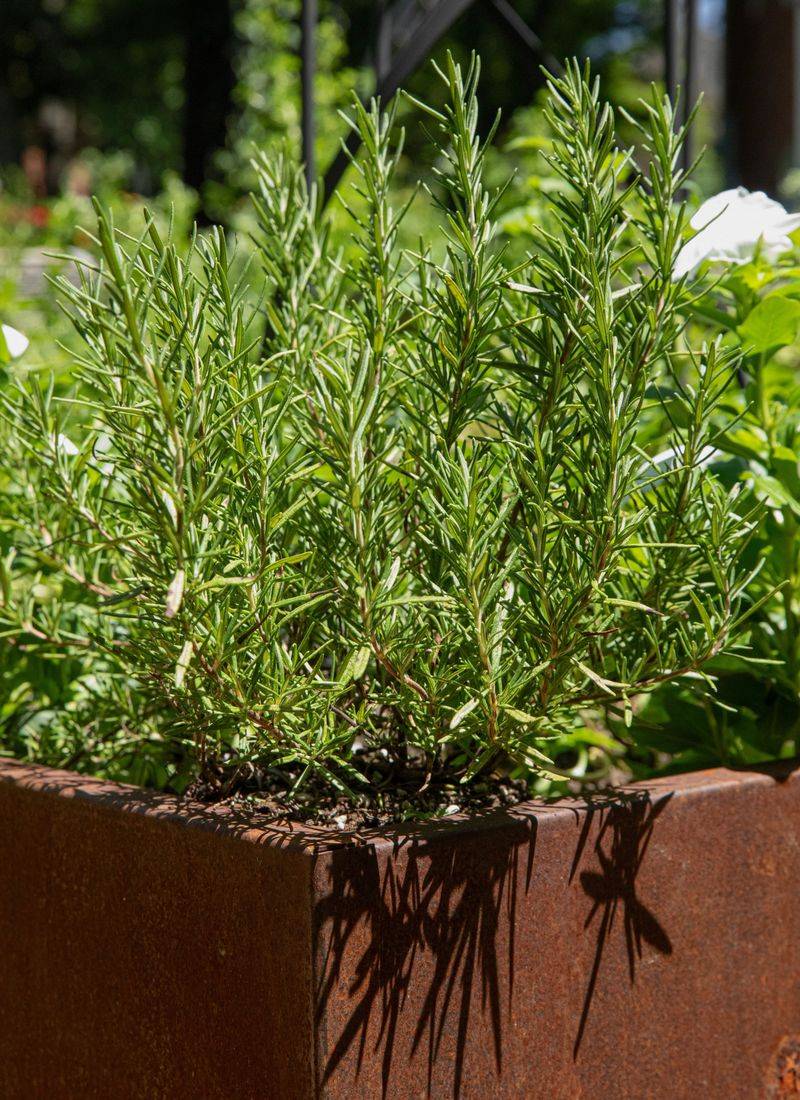
Rosemary is one of those herbs that earns its garden space in multiple ways at once, and its appearance in the mosquito-repellent herb conversation is just one more reason to appreciate it.
The plant contains camphor, alpha-pinene, and other volatile compounds that have been explored in insect-related research, particularly in the context of essential oil formulations and repellent product development.
That compound profile is what connects rosemary to the broader mosquito discussion.
Across much of North Carolina, rosemary grows as a perennial in mild winters and performs beautifully in full sun with well-drained soil.
The Piedmont and coastal areas of the state generally offer enough warmth for rosemary to persist year-round, though a particularly cold winter can set plants back considerably.
In the mountains, treating rosemary as a container plant that can be moved indoors during the coldest months is a practical approach many gardeners take.
The woody, needle-like foliage of rosemary has a sharp, resinous fragrance that becomes especially noticeable on warm afternoons when the sun heats the plant. Running your fingers along a sprig releases the oils and makes that scent immediate and vivid.
That sensory quality is part of what makes rosemary such a satisfying herb to grow in an outdoor kitchen garden or patio container arrangement.
Beyond its aromatic and culinary uses, rosemary adds structure and year-round visual interest to a North Carolina herb bed, making it one of the most practical and appealing plants in this group of mosquito-linked aromatics.
7. Peppermint Adds Fresh Scent With Plenty Of Energy
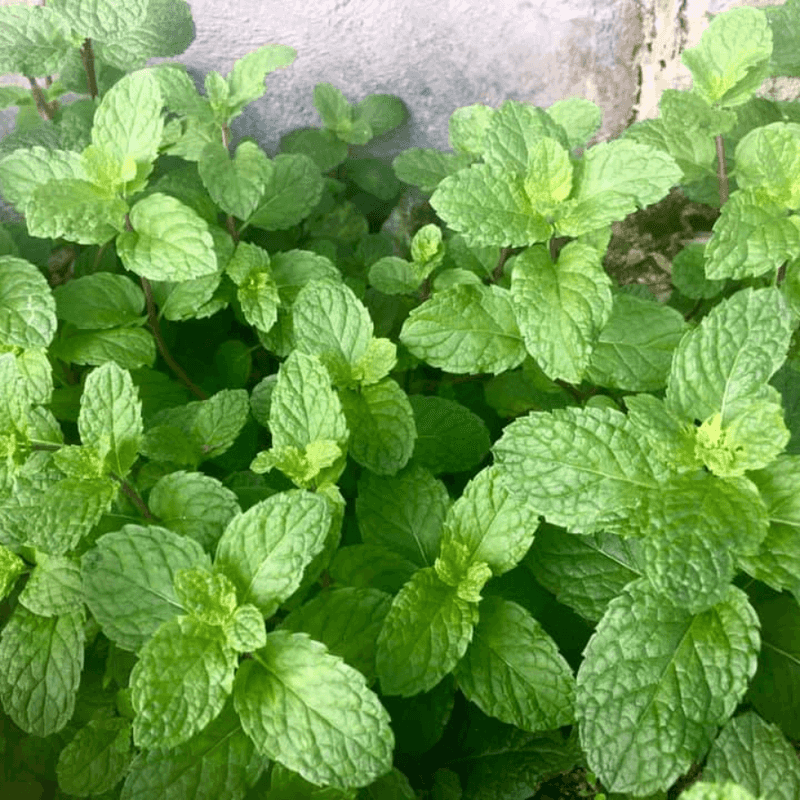
Peppermint has an energy about it that is hard to ignore, and that vibrancy carries into its place in the mosquito-repellent herb conversation with equal enthusiasm.
The menthol and menthone compounds that give peppermint its sharp, cooling fragrance have been studied in the context of insect repellency, and peppermint oil shows up in various natural repellent product discussions.
As with many of the plants on this list, the research tends to center on extracted oils and formulated products rather than a potted plant on a summer porch.
In North Carolina gardens, peppermint is known for growing with real determination, and container planting is often the recommended approach for keeping it from spreading beyond its intended space.
A pot with good drainage and regular moisture suits peppermint well, and it can handle the warm summers across the state reasonably well when given some afternoon shade during the hottest periods.
The plant prefers moist, rich soil and tends to slow down if conditions get too dry for too long.
Crushing a few peppermint leaves releases that instantly recognizable cool, sharp scent, and that experience is a good reminder of just how much aromatic oil this plant holds in its foliage.
The fragrance is one of the most immediately satisfying of any herb in a summer garden.
Whether grown for culinary use, aromatic interest, or simple curiosity about its compound profile, peppermint brings a lively, refreshing presence to any container herb setup or garden bed throughout the warm growing season.