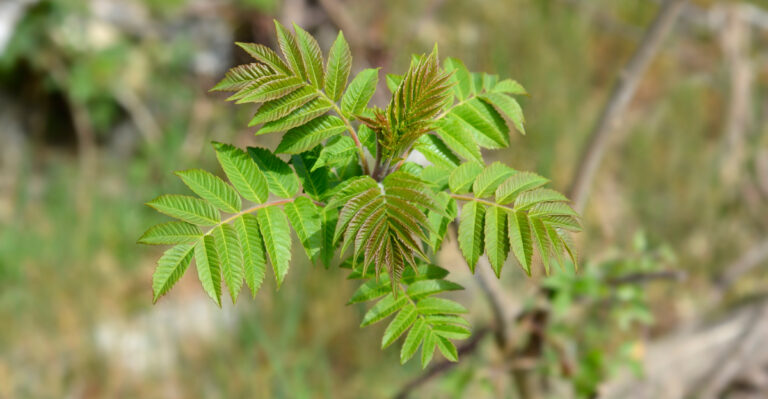
The Best Native Michigan Shrubs For Attracting Pollinators In Full Shade
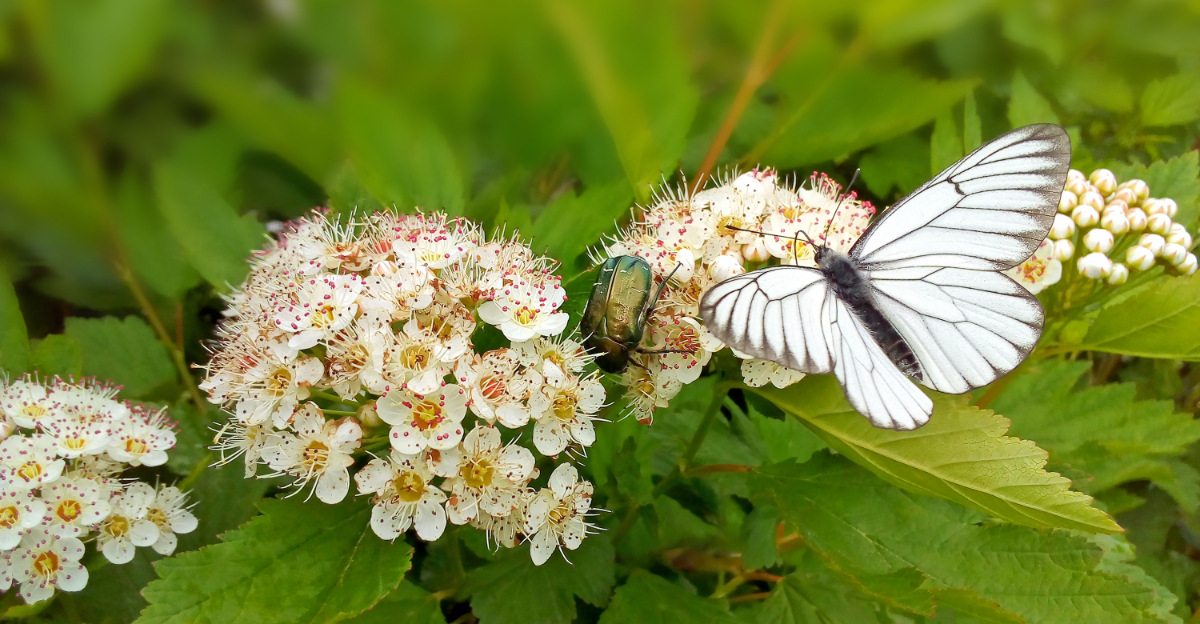
Full shade is one of the harder conditions to plant for in a Michigan garden, and the pollinator challenge in those spots is even more specific. Most pollinator planting advice is written for sunny borders where the choices are plentiful and the results are predictable.
Shaded areas get far less attention, and the plants recommended for them are often chosen for foliage rather than any real benefit to bees, butterflies, or other insects.
Michigan has native shrubs that bloom reliably in full shade and draw pollinators in numbers that surprise most gardeners who try them.
They fill difficult spots with something purposeful rather than merely decorative, and they support the kind of insect activity that has broader benefits for everything else growing in the yard around them.
1. Spicebush
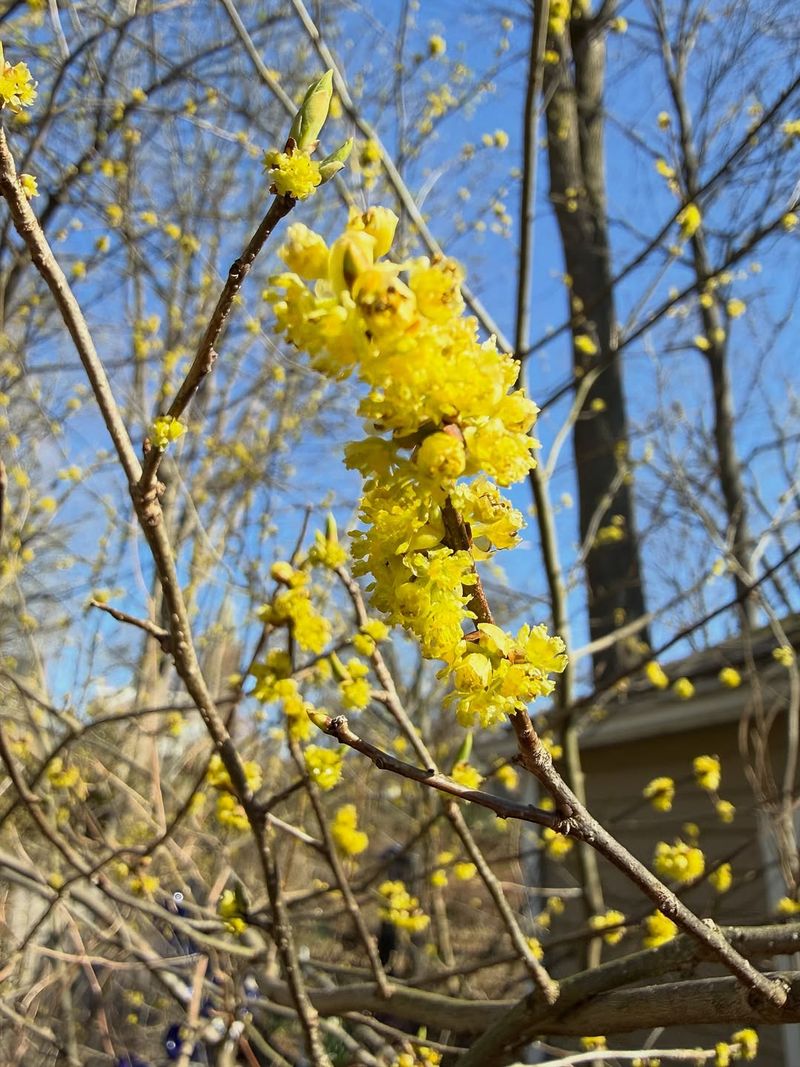
Before most trees even think about leafing out, spicebush is already putting on a show. Tiny clusters of bright yellow flowers appear along its bare stems in early spring, making it one of the first native shrubs to feed hungry pollinators after a long winter.
Native bees absolutely love these blooms, and they show up reliably year after year.
Spicebush handles full shade like a champion. It grows naturally along woodland streams and forest understories across Michigan, so a shady, moist backyard feels like home to this plant.
It reaches about six to twelve feet tall and wide, giving you a nice, full shrub without much fussing on your part.
Beyond its pollinator value, spicebush is a host plant for the spicebush swallowtail butterfly, which lays its eggs on the leaves. The plant also produces red berries in fall that birds adore.
Crush a leaf and you will instantly notice a spicy, aromatic scent that makes this shrub memorable. Planting it in groups of three or more creates a stronger visual impact and provides even more food for pollinators.
It tolerates clay soil and seasonal flooding better than most shrubs, which is a real bonus for gardeners dealing with heavy soils. Spicebush is low-maintenance, long-lived, and genuinely rewarding to grow in shady spaces.
2. Witch Hazel
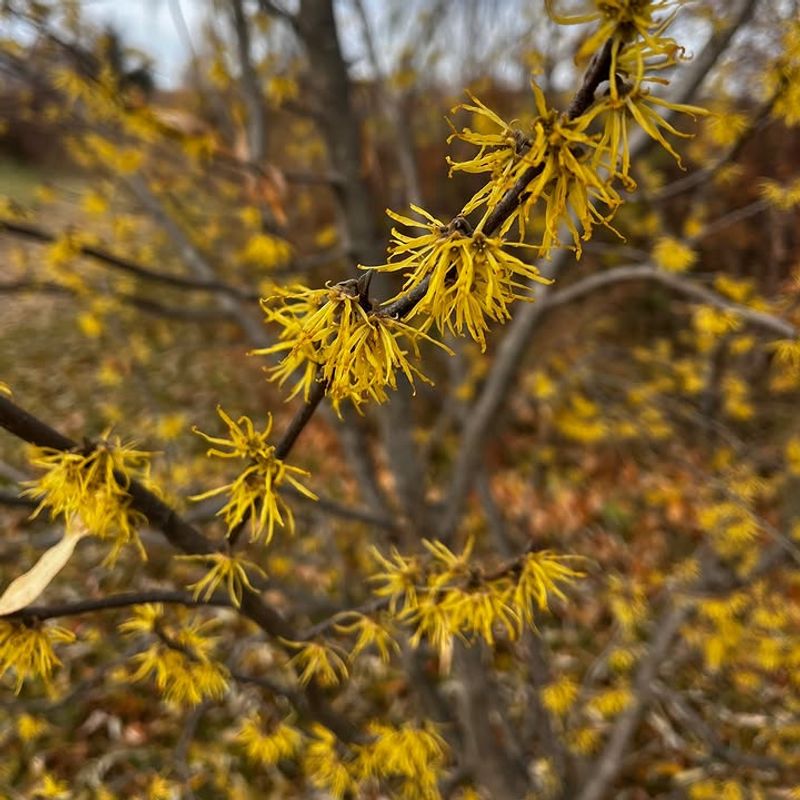
Witch hazel does something almost no other shrub dares to do: it blooms in late fall, sometimes even after the first frost hits.
Those cheerful, ribbon-like yellow flowers appear just when everything else is winding down for the season, giving late-season pollinators like native bees and flies a rare and valuable food source.
It is truly one of nature’s most surprising performers.
Native to these woodlands, witch hazel thrives in full to partial shade and prefers moist, well-drained, slightly acidic soil. It can grow into a large, multi-stemmed shrub or small tree reaching up to fifteen feet tall, so give it room to spread.
The horizontal branching pattern creates a beautiful layered look that fits naturally into woodland garden designs.
Gardeners who plant witch hazel often find themselves amazed by how tough and adaptable it is. It tolerates dense shade, competes well with tree roots, and rarely needs pruning or special care.
The fall foliage turns a warm golden yellow before dropping, adding even more seasonal interest to your yard. Witch hazel extract has long been used in skincare products, so there is a fun history behind this plant beyond the garden.
Your Michigan Garden Changes Every Week. Your Plan Should Too.
Gardening in Michigan changes quickly throughout the season. Every Friday you’ll receive a simple weekly plan showing exactly what to plant, prune, fertilize, harvest, and protect so you never miss the right timing.
For Michigan gardeners wanting a shrub that bridges the gap between summer and winter while still supporting pollinators, witch hazel is hard to beat.
3. Mapleleaf Viburnum
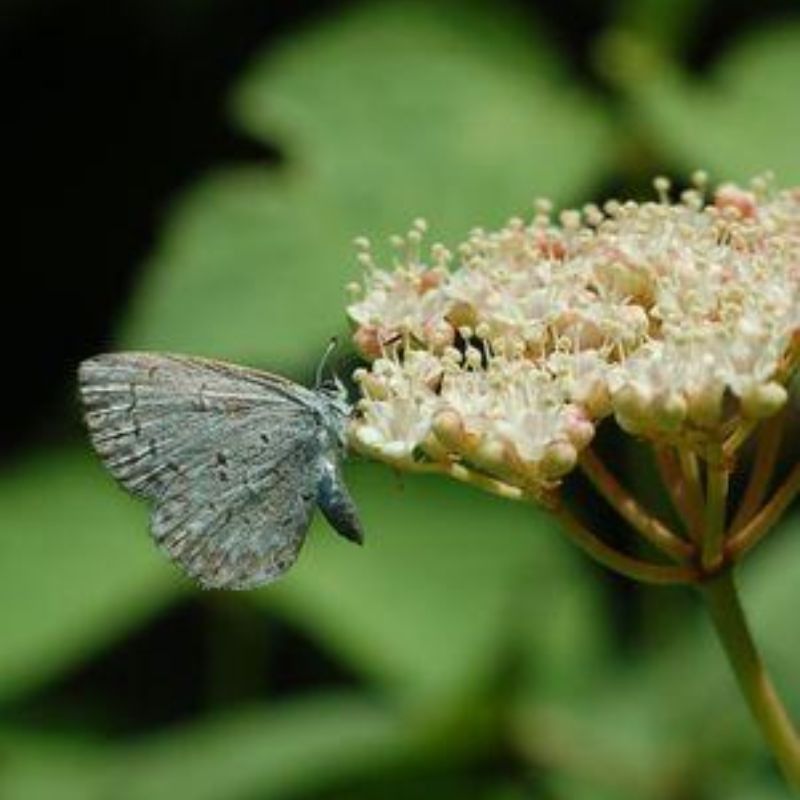
If you have a dry, shady spot under big trees where almost nothing wants to grow, mapleleaf viburnum might just be your answer.
This tough native shrub handles dry shade better than nearly any other woody plant in Michigan, making it incredibly useful in situations that frustrate most gardeners.
It spreads slowly by underground stems to form a natural, layered colony over time.
Flat-topped clusters of creamy white flowers appear in late spring and early summer, drawing in native bees, beetles, and flies that serve as important pollinators.
The maple-shaped leaves are a charming detail that gives this shrub its common name, and in fall those leaves turn stunning shades of pink, rose, and burgundy. It is one of the most colorful native shrubs for fall interest in shaded gardens.
Mapleleaf viburnum grows four to six feet tall and thrives in full to deep shade, which is unusual and valuable. It works beautifully as a woodland understory plant, a naturalized border, or even a low-maintenance groundcover on shaded slopes.
The small dark purple berries that follow the flowers are eaten by dozens of bird species, adding wildlife value well beyond pollinators. Planting it in clusters allows it to spread naturally and fill in gaps over time.
For gardeners who want a true set-it-and-forget-it native shrub, this viburnum is a standout choice.
4. Leatherwood
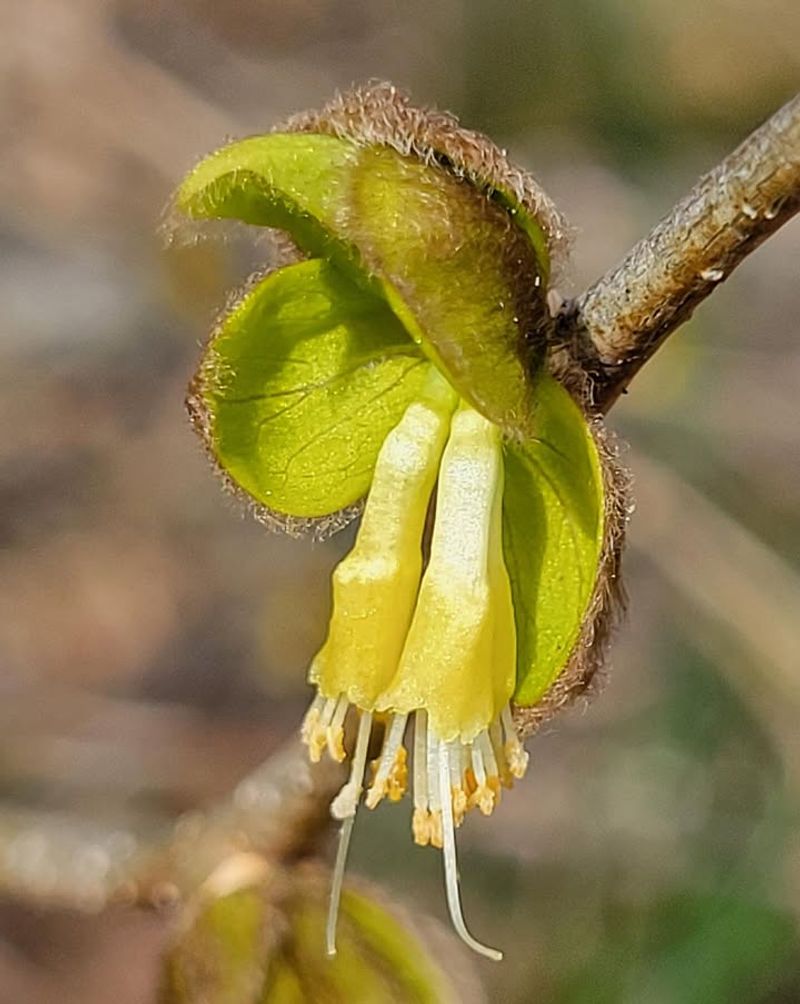
Leatherwood is one of Michigan’s best-kept gardening secrets, and once you meet it, you will wonder why it is not in every shady yard.
This compact, slow-growing shrub produces small pale yellow flowers very early in spring, often while snow is still on the ground nearby.
Those early blooms are a lifeline for queen bumblebees just waking up from their winter rest.
Growing naturally in moist, shaded floodplain forests and rich woodland bottomlands across Michigan, leatherwood is perfectly suited to difficult shady spots where other shrubs struggle.
It typically reaches four to six feet tall and wide, making it a tidy, manageable size for most home gardens.
The flexible, almost rubbery branches are surprisingly strong and were historically used by Indigenous peoples to make rope and baskets.
Leatherwood prefers consistently moist soil with lots of organic matter, so top-dressing with leaf mulch each fall keeps it happy. It is rarely bothered by pests or disease, and deer tend to leave it alone, which is always a welcome trait in gardens.
The foliage turns a soft yellow in autumn before dropping cleanly. Because leatherwood is somewhat rare in the wild, planting it in your garden actually helps support its broader conservation.
It is slow to establish but incredibly long-lived once settled, making it a true garden investment worth making.
5. Bladdernut
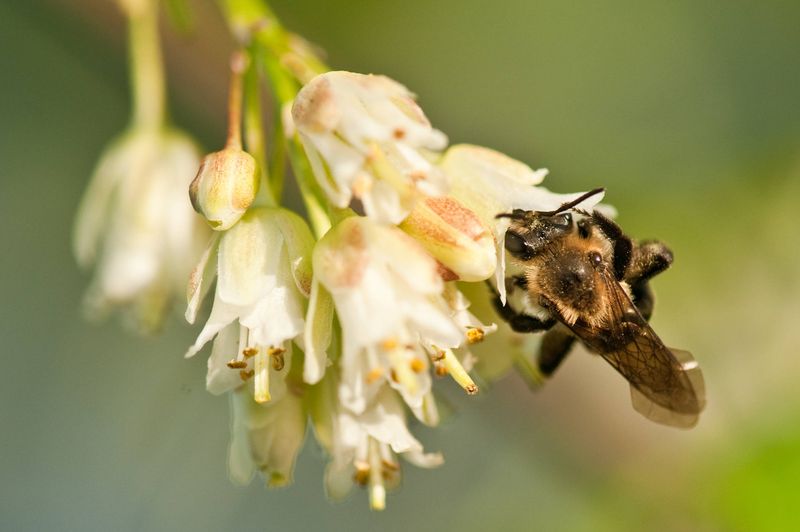
Bladdernut gets its quirky name from the inflated, papery seed pods that rattle in the breeze like little lanterns through late summer and fall. But do not let the unusual name fool you into overlooking this excellent native shrub.
It is one of the most pollinator-friendly shade plants Michigan has to offer, and it brings a lot of personality to a woodland garden.
In late spring, bladdernut produces hanging clusters of white, bell-shaped flowers that native bees find irresistible. Bumblebees in particular are frequent visitors, buzzing around the blooms on warm spring afternoons.
The shrub grows naturally along stream banks and in moist, shaded woodlands, so it thrives in similar conditions in home gardens, preferring rich, consistently moist soil.
Bladdernut can reach eight to fifteen feet tall, forming an upright, multi-stemmed shrub with attractive striped green and white bark on young stems. That bark alone makes it worth planting for winter interest when the garden is otherwise bare.
It tolerates seasonal wet soil and competes well under large shade trees, which are common challenges in backyards. The seed pods persist through winter, adding structure and texture long after the leaves fall.
Birds and small mammals enjoy the seeds inside those pods too. For a shade garden that offers four seasons of interest while actively supporting pollinators, bladdernut earns its place every single year.
6. Pagoda Dogwood
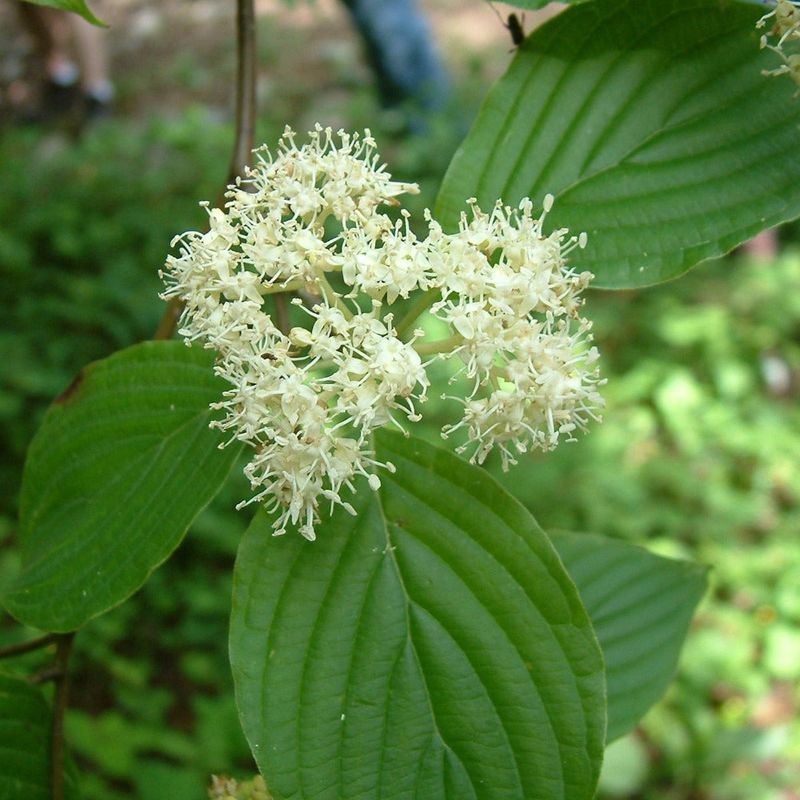
Few native shrubs have as much architectural beauty as pagoda dogwood. Its branches grow in distinct horizontal layers, stacked one above the other like the tiers of a pagoda, which is exactly how it earned its name.
Even without flowers or leaves, the silhouette of this plant is stunning against a winter sky, and it becomes even more impressive as it matures.
Clusters of creamy white flowers cover the layered branches in late spring, attracting a wide variety of pollinators including native bees, beetles, and butterflies. The flowers have a mild fragrance that adds a pleasant sensory element to shaded garden spaces.
After blooming, the flowers give way to clusters of blue-black berries on red stems, which are a favorite food source for migrating birds in late summer and fall.
Pagoda dogwood grows well in partial to full shade and prefers cool, moist, well-drained soil rich in organic matter. It can reach fifteen to twenty-five feet tall at maturity, so it works best in larger yards where it has room to develop its full, layered form.
Mulching around the base helps keep the roots cool and moist, which this plant genuinely appreciates during hot summers. It can be grown as a large shrub or trained into a small multi-trunk tree.
Either way, pagoda dogwood is a showstopper that rewards patient gardeners with decades of beauty and wildlife value.
7. American Fly Honeysuckle
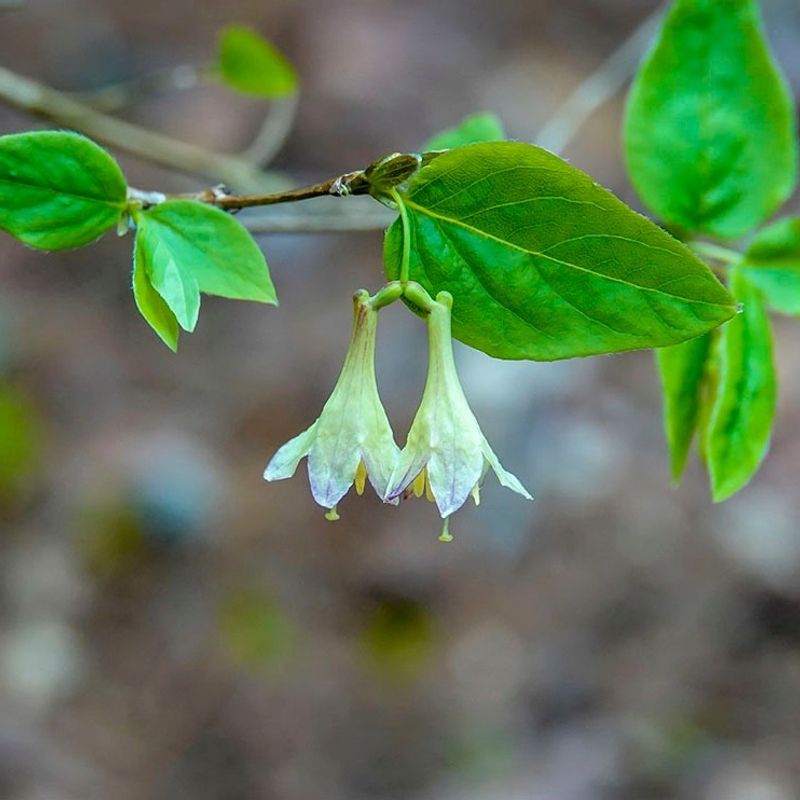
Not all honeysuckles are the invasive troublemakers you may have heard about. American fly honeysuckle is a well-behaved, native species that plays nicely in the woodland garden without ever trying to take over.
It is one of the few native shrubs that truly thrives in cool, deep shade, making it a valuable find for Michigan gardeners with challenging north-facing or densely shaded spots.
Pairs of small, tubular pale yellow flowers appear in early spring, dangling from the stems like little earrings. These blooms are an important early food source for queen bumblebees and other native bees that emerge when temperatures are still cool.
The flowers are followed by pairs of bright red berries in summer that are eagerly consumed by songbirds like thrushes and warblers.
American fly honeysuckle grows three to five feet tall and wide, forming a loose, graceful shrub with soft green leaves. It prefers moist, humus-rich soil and does best when mulched with leaf litter to mimic its natural forest floor environment.
Unlike its invasive relatives, this honeysuckle spreads slowly and politely, never overwhelming neighboring plants. It works beautifully alongside native ferns, wild ginger, and trilliums in a shaded woodland planting.
For gardeners who want a shrub that quietly supports wildlife without demanding attention, American fly honeysuckle is a wonderfully reliable and underappreciated native choice for shade gardens.
8. Prickly Gooseberry
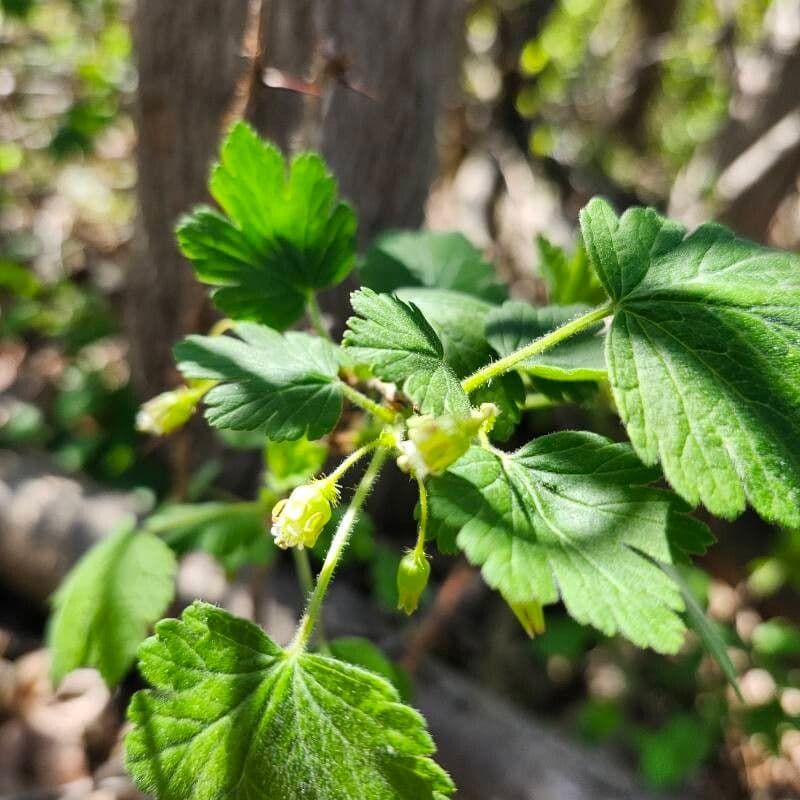
Prickly gooseberry is the kind of plant that works harder than it gets credit for. Tucked into shaded corners of Michigan woodlands, this spiny little shrub quietly feeds pollinators in spring and birds in summer without anyone making a fuss over it.
Its small, greenish flowers may not look flashy, but native bees know exactly where to find them and visit eagerly.
The flowers appear in mid-spring, offering nectar and pollen to early-season native bees, including mining bees and small sweat bees that are easy to overlook but critically important to local ecosystems.
By late summer, those flowers become small, spiny, reddish-purple berries that wildlife loves. Wild turkeys, ruffed grouse, and numerous songbird species rely on gooseberry fruits as a food source during the transition into fall.
Growing three to five feet tall with arching, thorny stems, prickly gooseberry forms a natural, impenetrable thicket that also provides excellent nesting cover for ground-nesting birds.
It tolerates full shade and dry to medium moisture conditions, making it one of the more adaptable native shrubs for difficult spots. The spines do make it a bit tricky to work around, so plant it away from walkways or play areas.
In a naturalized woodland edge or a wildlife-focused corner of your yard, though, prickly gooseberry is genuinely tough, productive, and ecologically valuable in ways that far outweigh its minor inconveniences.
9. Red Elderberry
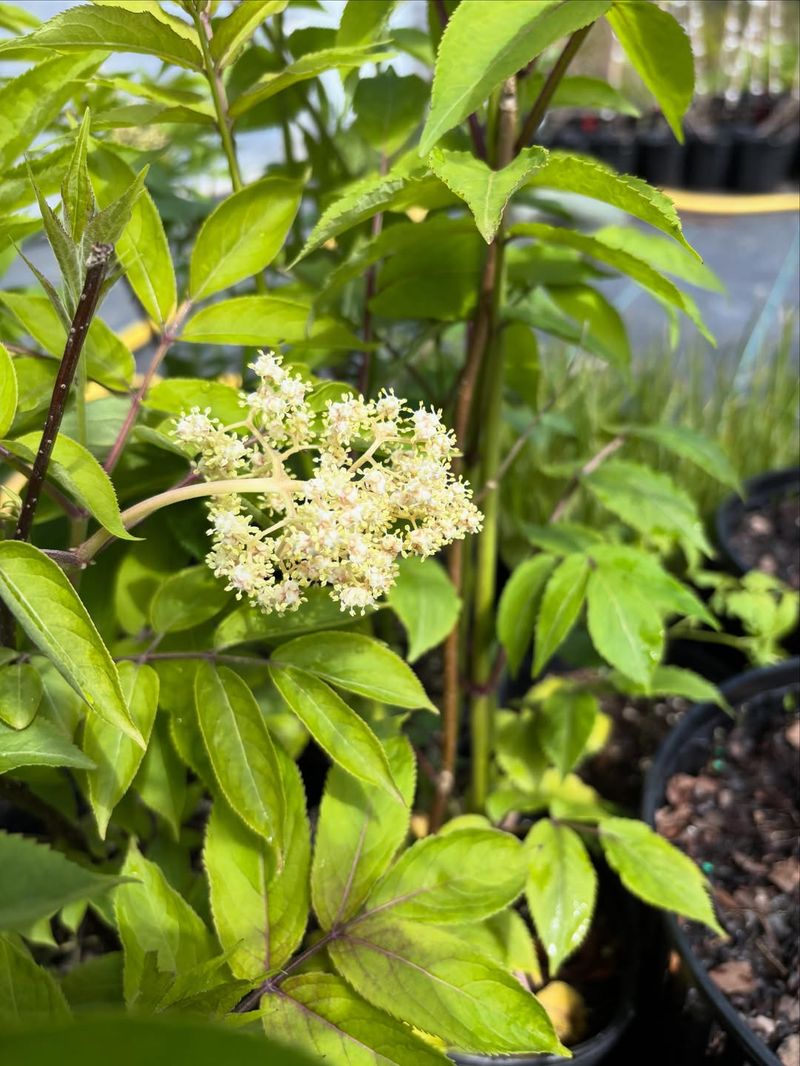
Red elderberry moves fast. This vigorous native shrub can shoot up six to twelve feet in just a few growing seasons, filling shaded spaces with lush, compound leaves and impressive flower clusters that pollinators flock to every spring.
If you have a large shaded area that needs structure and wildlife value quickly, red elderberry delivers results faster than almost anything else you could plant.
The large, flat-topped clusters of creamy white flowers appear in mid-spring, well before its more common cousin, the black elderberry, starts blooming. Native bees, flies, and beetles swarm these flowers for nectar and pollen.
By early summer, the clusters transform into bright red berries that are a critical food source for migrating and resident birds, including cedar waxwings and thrushes that feast on them enthusiastically.
Red elderberry grows best in cool, moist, shaded spots with rich, well-drained soil. It is a natural fit for woodland edges, stream banks, and shaded slopes in Michigan landscapes.
The large, arching stems give the shrub a bold, tropical-looking texture that feels lush and welcoming in garden spaces. It benefits from occasional thinning to keep its center open and productive, but it requires minimal other care.
Pairing red elderberry with lower-growing native ferns and wildflowers beneath it creates a layered, naturalistic planting that supports pollinators, birds, and beneficial insects across every season of the Michigan gardening year.
10. Ninebark
Ninebark gets its name from the way its bark peels back in multiple thin, papery layers, revealing warm cinnamon and tan tones beneath.
It is one of those plants that looks interesting even in the middle of winter, which is a rare and valuable quality for any garden shrub.
Once you notice the peeling bark, you will find yourself pointing it out to every visitor who walks through your yard.
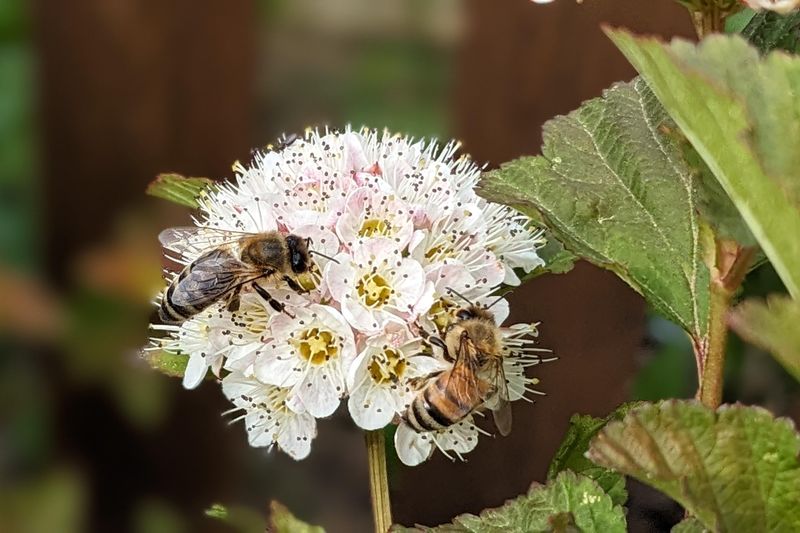
In late spring, ninebark covers itself in rounded clusters of small white flowers that are magnets for native bees, especially sweat bees and bumblebees. The flowers are also visited by beetles and small butterflies.
After the blooms fade, clusters of reddish seed capsules form and persist through fall, giving birds like finches and chickadees something to snack on during the colder months.
Ninebark is remarkably adaptable, tolerating full shade to full sun, wet or dry soil, and heavy clay conditions that would stress most other shrubs.
In Michigan, it grows naturally along stream banks, woodland edges, and rocky slopes, so it brings real toughness to the home garden.
It typically reaches five to ten feet tall and wide, making it a solid choice for informal hedges, naturalized borders, or erosion control on slopes. Regular pruning after flowering keeps it tidy and encourages vigorous new growth.
For a native shrub that truly does it all, ninebark is an outstanding, endlessly useful choice for Michigan shade gardens.