Texas Native Shrubs To Plant Instead Of Rosemary This Season
Rosemary has earned its place in Texas landscapes over the years. It handles drought, thrives in the heat, stays evergreen, and pulls double duty as both an ornamental and a culinary herb.
For a long time it felt like one of the safer bets in Texas landscaping, reliable enough to plant without much second guessing.
Recent winters have challenged that reputation though, with hard freezes taking out established rosemary plants across a wide stretch of the state.
Texas native shrubs bring the same toughness to the table without the vulnerability, and several of them offer visual interest, wildlife value, and low maintenance performance that rosemary never could.
Whether you are replacing plants lost to a freeze or just reassessing what belongs in your landscape long term, Texas native shrubs make a strong case for filling those spots with something that is truly built for this state.
1. Flame Acanthus
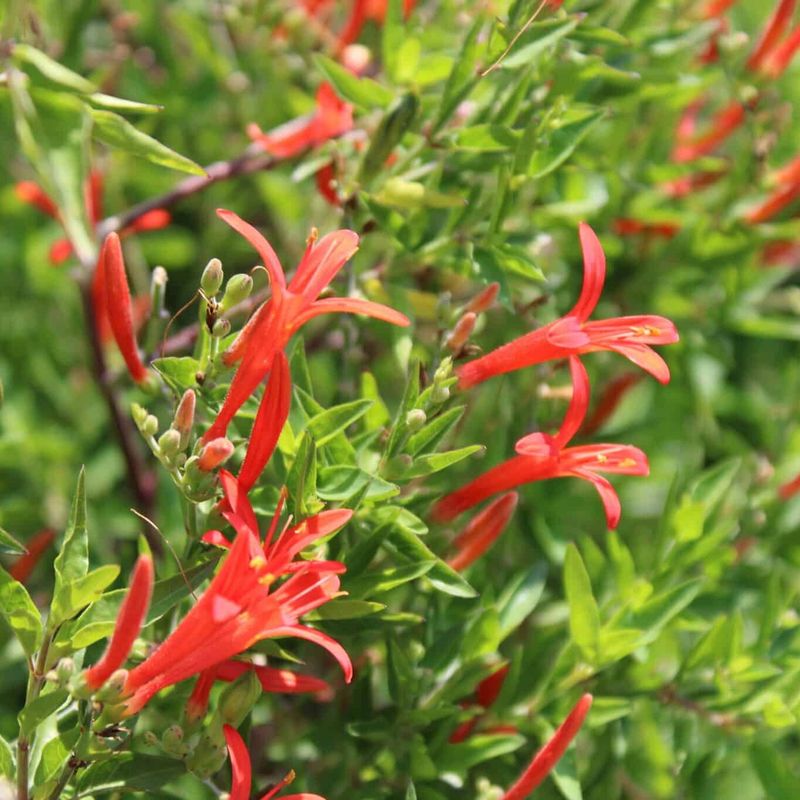
Imagine a shrub that looks like it is on fire with color, even in the middle of a blazing Texas summer. That is exactly what flame acanthus delivers.
Anisacanthus quadrifidus var. wrightii produces clusters of thin, bright orange-red tubular flowers that practically jump out at you from across the yard. Hummingbirds and butterflies treat it like a favorite restaurant.
Drought tolerance is where flame acanthus really shines. Once it is established, this plant can go weeks without rain and still push out new blooms.
It is native to the rocky limestone hills of Central and West Texas, so thin, poor soil is actually what it prefers. Give it too much water or rich soil and it can get floppy. Treat it rough and it rewards you generously.
The plant typically grows three to five feet tall and wide, forming a loose, airy shape that looks natural and relaxed in the landscape. It works beautifully alongside other Texas natives or as a colorful anchor in a dry garden bed.
During winter, the stems die back to the ground, but new growth returns reliably each spring with plenty of energy.
To get started, plant flame acanthus in full sun with excellent drainage. Avoid planting it in low spots where water pools after rain.
Water it weekly for the first month or two, then gradually pull back. Once established, occasional deep watering during the driest stretches is usually enough.
Cutting the stems back in late winter helps encourage fresh, vigorous growth when warm weather returns.
2. Texas Sage
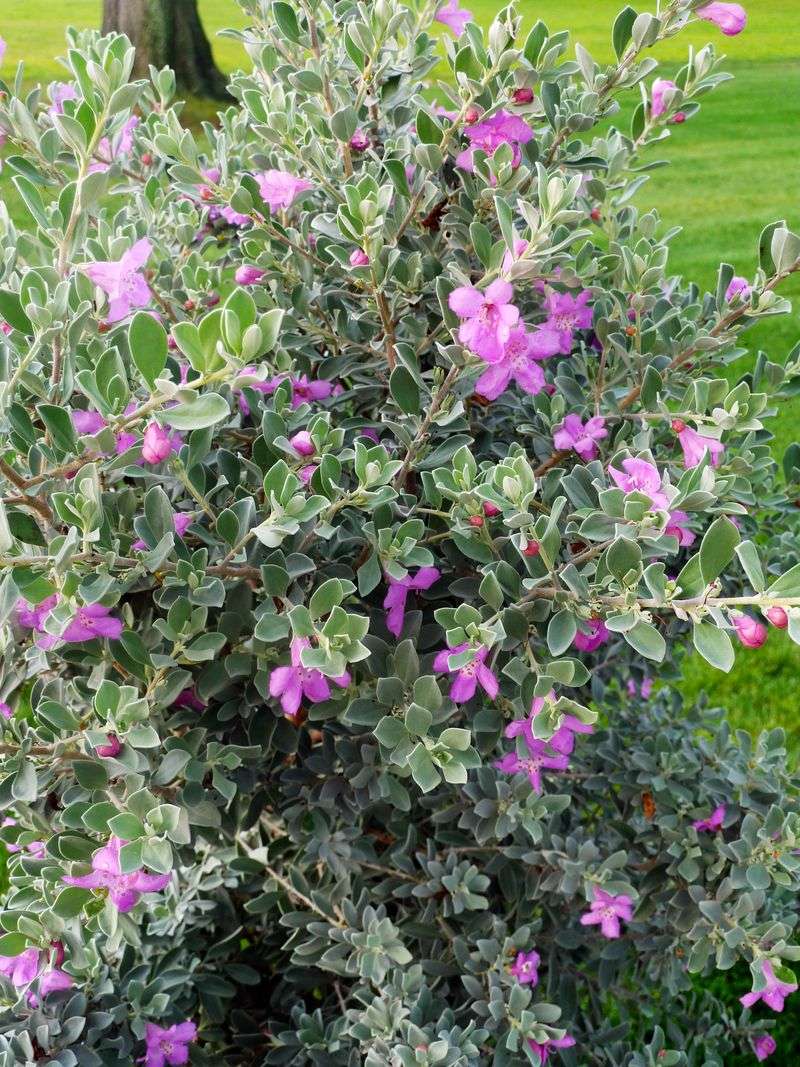
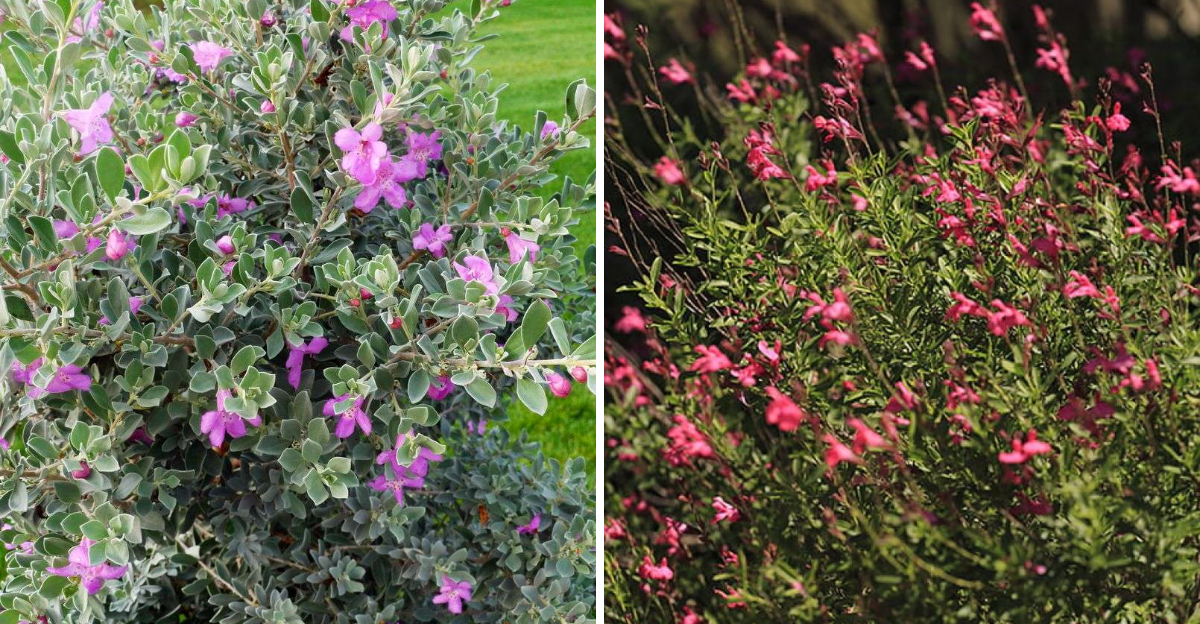
Walk past a Texas sage after a rainstorm and you will understand why locals call it a “barometer bush.”
It bursts into bloom almost the moment moisture hits the air, giving you a show of soft lavender-purple flowers that practically glows against the gray sky. Few plants announce rain the way this one does.
Texas sage, also known as Leucophyllum frutescens, is a tough-as-nails shrub that thrives where other plants give up. It loves full sun, handles poor rocky soil without complaints, and barely needs any extra watering once it gets settled in your yard.
Your Texas Garden Changes Every Week. Your Plan Should Too.
Gardening in Texas changes quickly throughout the season. Every Friday you’ll receive a simple weekly plan showing exactly what to plant, prune, fertilize, harvest, and protect so you never miss the right timing.
Gardeners across Central and West Texas swear by it for low-maintenance landscaping. The silvery-gray foliage stays attractive even when the plant is not blooming, which means it earns its spot in the garden year-round.
It works well as a hedge, a border plant, or even a standalone specimen. Most varieties grow between four and eight feet tall, so you have options depending on your space.
Planting Texas sage is straightforward. Choose a sunny spot with well-drained soil, dig a hole just as deep as the root ball, and water it in well.
After that, step back and let the plant do its thing. It actually prefers a little neglect over too much attention.
Skip the heavy fertilizer, avoid overwatering, and you will be rewarded with blooms every time a good rain rolls through. It is one of the most satisfying plants a Texas gardener can grow.
3. Autumn Sage
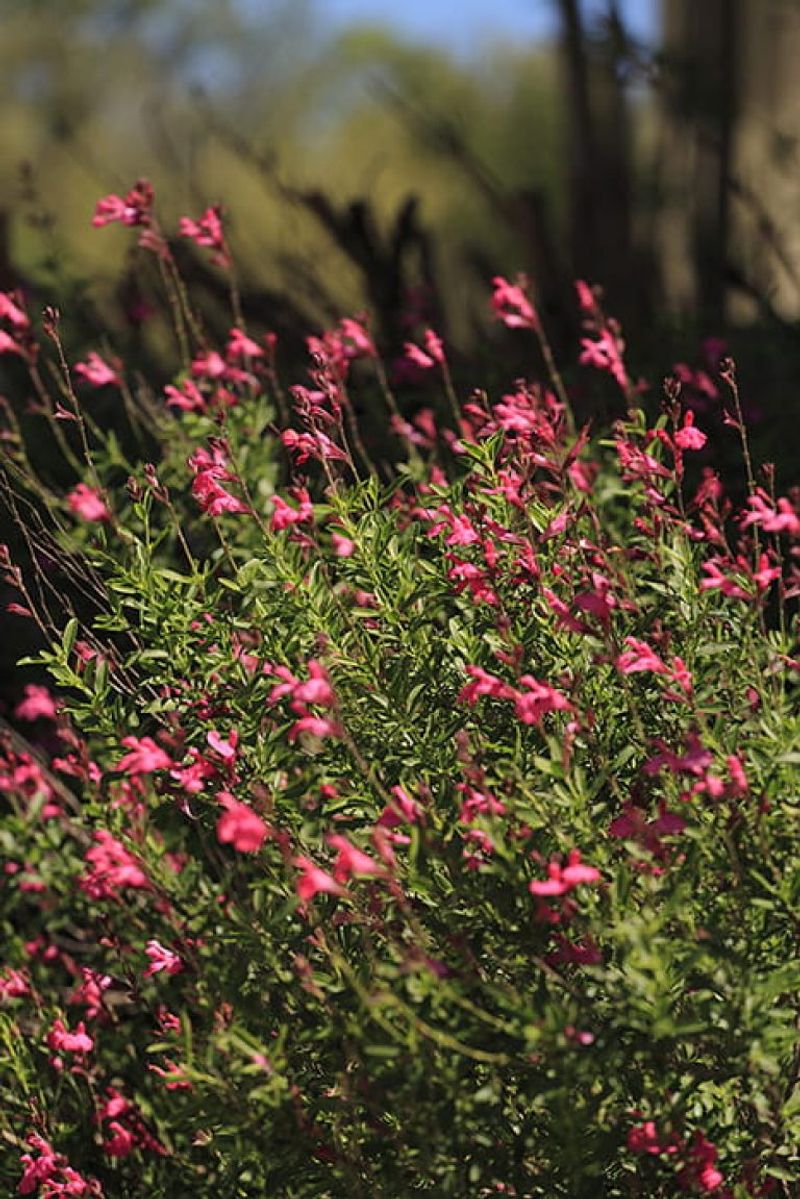
If you want a plant that brings color from spring all the way through fall, autumn sage might just become your new best friend in the garden.
Salvia greggii, its scientific name, produces clusters of small tubular flowers in shades of red, pink, coral, and even white. Hummingbirds absolutely cannot resist it.
What makes autumn sage stand out is how long it keeps blooming. While many plants take a break in the scorching Texas summer, autumn sage keeps pushing out flowers with very little encouragement.
It handles heat and drought far better than most flowering shrubs, and it bounces back quickly even after a rough dry spell.
This plant stays relatively compact, usually reaching two to three feet tall and wide, which makes it a fantastic choice for smaller garden beds or container planting on a patio. It fits neatly along walkways or mixed into flower borders without taking over.
Pruning it lightly after each bloom cycle encourages even more flowers. Plant autumn sage in a spot that gets at least six hours of direct sunlight each day. Well-drained soil is a must because sitting in soggy ground will stress the plant quickly.
Water it regularly for the first growing season to help the roots establish, then ease off. Once it is settled, it needs only occasional deep watering during dry stretches.
Adding a thin layer of mulch around the base helps the soil hold moisture and keeps the roots cool through the hottest months.
4. Rock Rose
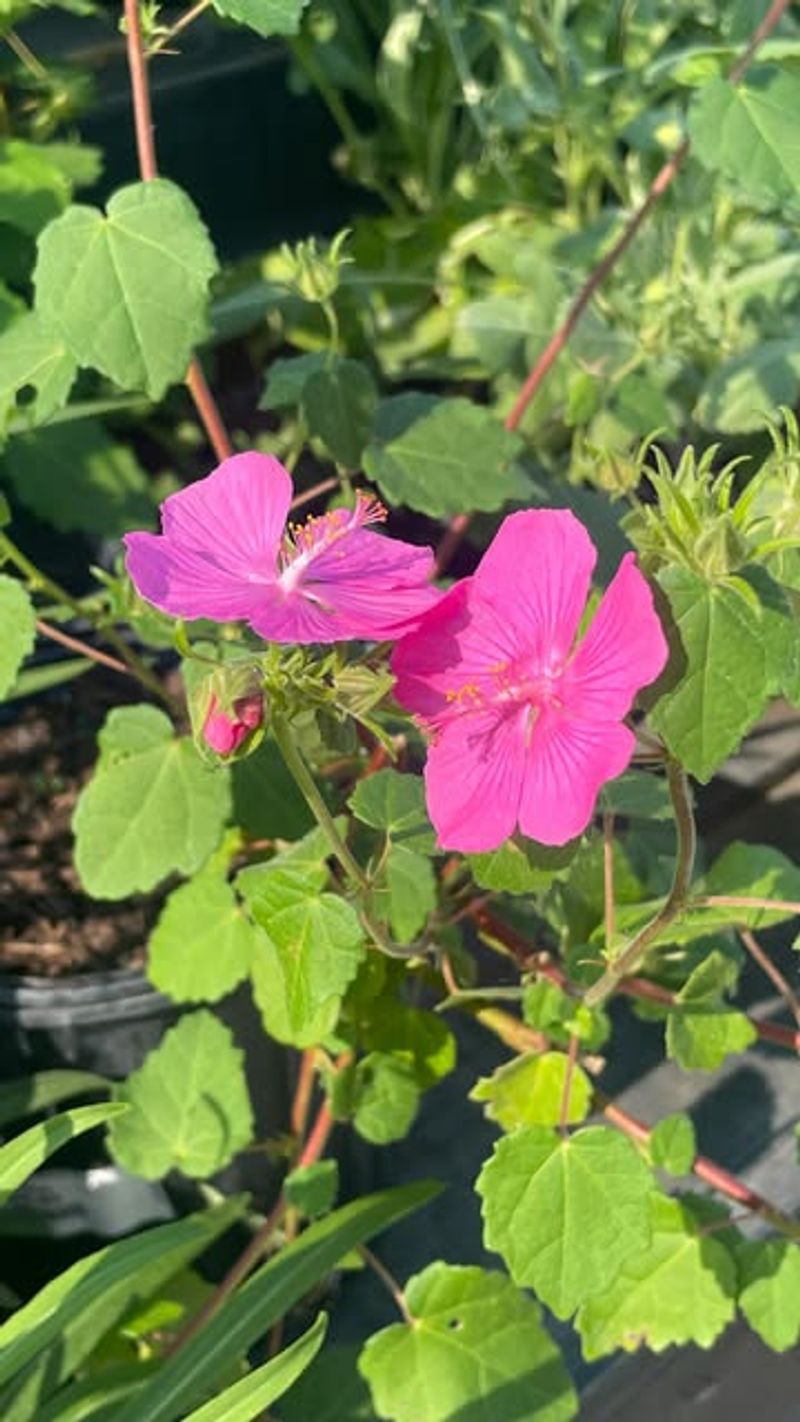
Rock rose has a delicate, almost old-fashioned beauty that surprises people when they learn just how tough it actually is.
Pavonia lasiopetala produces soft pink, hibiscus-like flowers nearly all summer long, and it does this while sitting in full sun with almost no extra water. It looks fragile but acts like a fighter.
Native to the Texas Hill Country and surrounding regions, rock rose is perfectly adapted to the thin, rocky, alkaline soils that challenge so many other plants. It grows into a loose, airy shrub about three to four feet tall.
The flowers open fresh each morning and drop by afternoon, but new blooms replace them constantly, keeping the show going day after day through the hottest months of the year.
Butterflies visit rock rose regularly, and it pairs beautifully with other low-water Texas natives in a mixed border. It also works well planted near a wall or fence where reflected heat would stress most other plants.
The light green foliage stays attractive between bloom cycles and adds soft texture to the garden.
Getting rock rose established is easy. Plant it in well-drained soil in a full-sun location and water it consistently for the first growing season.
After that, it needs very little help to keep going. In colder winters, the plant may freeze back to the ground, but the roots survive and send up fresh stems in spring.
A light trim after the main bloom flush encourages a second wave of flowers and keeps the plant looking tidy through the season.
5. Coralberry
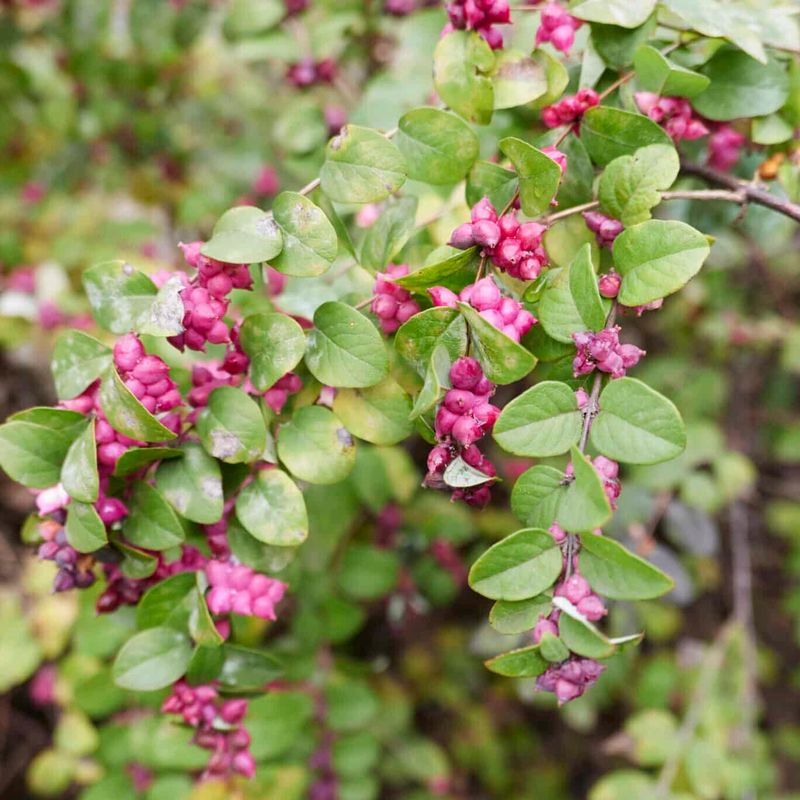
Not every corner of a Texas yard gets full sun, and that is exactly where coralberry earns its place. Symphoricarpos orbiculatus is one of those rare native shrubs that actually prefers a bit of shade.
It thrives under trees, along fences, or in the shadier spots that leave most sun-loving plants looking miserable.
The real show starts in fall when the plant produces dense clusters of small, vivid pink-to-coral berries along its arching stems.
These berries hang on through winter, giving birds a reliable food source and giving your garden a pop of color when almost everything else has gone dull. The contrast of bright berries against bare stems is genuinely striking on a cold gray day.
Coralberry spreads gradually by underground runners, which makes it excellent for covering difficult slopes or filling in areas where erosion is a problem. It grows three to five feet tall and forms a dense, rounded mound.
Some gardeners use it as a naturalistic hedge or a wildlife-friendly ground cover in larger spaces. Planting coralberry is simple. Choose a spot with partial to full shade and decent soil.
It tolerates clay and rocky ground reasonably well once established. Water regularly through the first season, then ease back.
After that, it is largely self-sufficient and only needs occasional deep watering during long dry spells. Trim it lightly in late winter if it starts to look overgrown.
Beyond that, coralberry basically takes care of itself while giving back plenty to the garden and the wildlife that visits it.
6. American Beautyberry
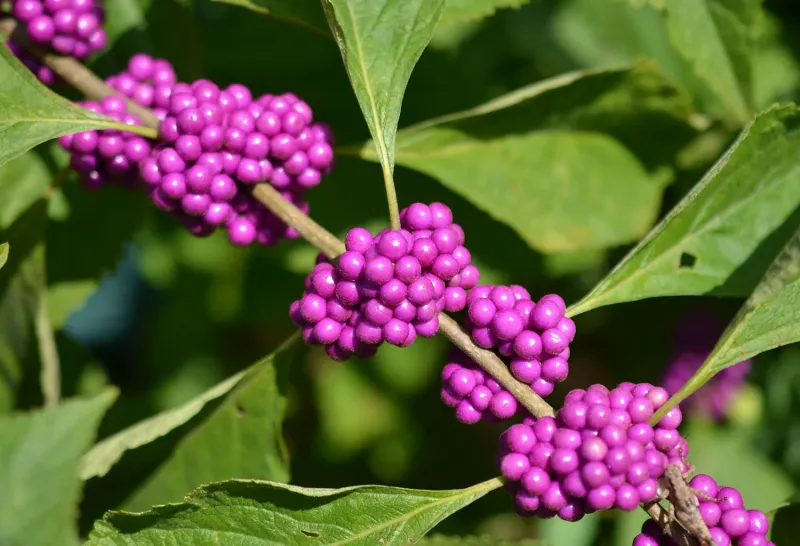
There is nothing subtle about American beautyberry in full fruit. Callicarpa americana produces clusters of intensely bright purple berries that wrap tightly around the stems in a way that looks almost too bold to be real.
People who see it for the first time often stop and stare, wondering if someone painted the berries on.
Beyond its looks, beautyberry is a powerhouse for wildlife. Mockingbirds, cardinals, and other birds flock to the berries in fall and winter.
Deer occasionally browse the foliage, but the plant recovers quickly. It grows naturally in woodland edges and shaded areas across East and Central Texas, making it a natural fit for yards with mature trees.
The shrub grows quickly, often reaching four to eight feet tall in a single season. It has a loose, graceful shape with long arching branches that give it a relaxed, natural appearance.
The large green leaves add lush texture through spring and summer before the berries take over the spotlight in late summer and fall.
To grow beautyberry successfully, plant it in partial shade with moist, well-drained soil. It handles clay soil better than many natives and appreciates a layer of organic mulch to keep moisture in the root zone.
Water it regularly during the first growing season. Once established, it is fairly drought-tolerant, though it looks its best with occasional deep watering in summer.
Cut the stems back hard in late winter, leaving just a few inches above the ground. This dramatic pruning encourages the vigorous new growth that produces the heaviest berry display each fall.