The Border Plants Michigan Gardeners Are Using To Help Create A Tick-Free Yard
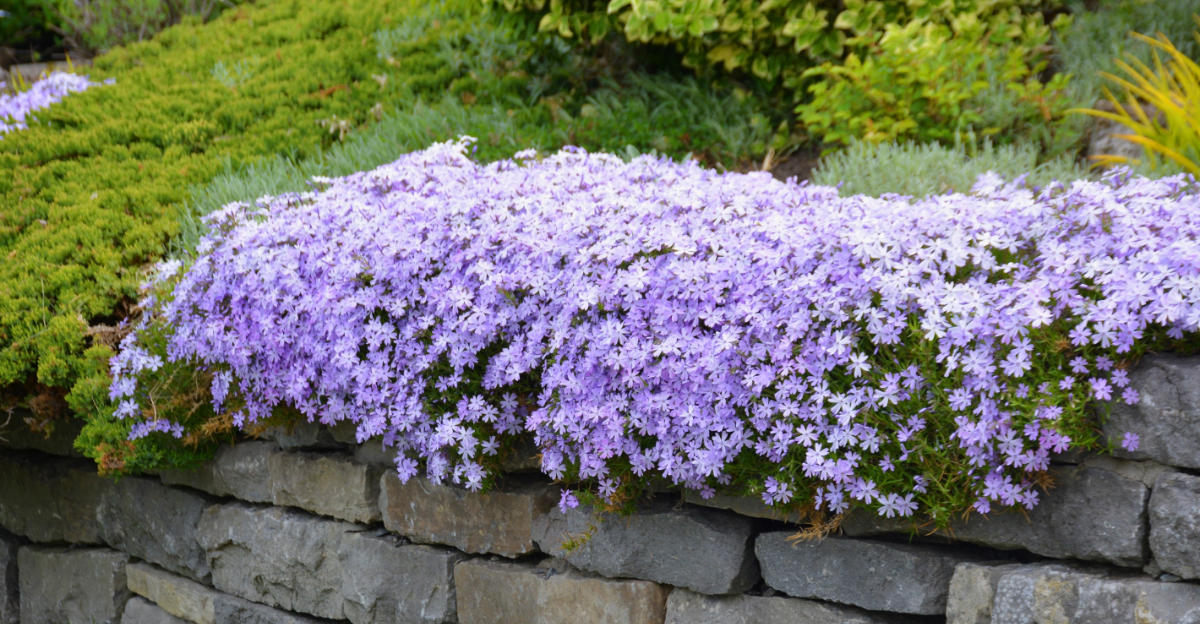
The edges of a Michigan yard are where tick pressure tends to be highest.
The transition between maintained lawn and taller vegetation, wood lines, or neighboring properties creates exactly the kind of habitat ticks rely on to find hosts as people and animals move through.
Most tick management strategies focus on treatment rather than prevention, but a growing number of Michigan gardeners have started using the border itself as part of the solution.
Specific plants positioned along yard edges create conditions that ticks avoid and disrupt the humid, sheltered environment they depend on.
Some of these plants also act as a visual boundary that makes the yard feel more intentional and finished. The tick benefit is a practical bonus that comes with no extra work once the plants are established.
1. Pennsylvania Sedge
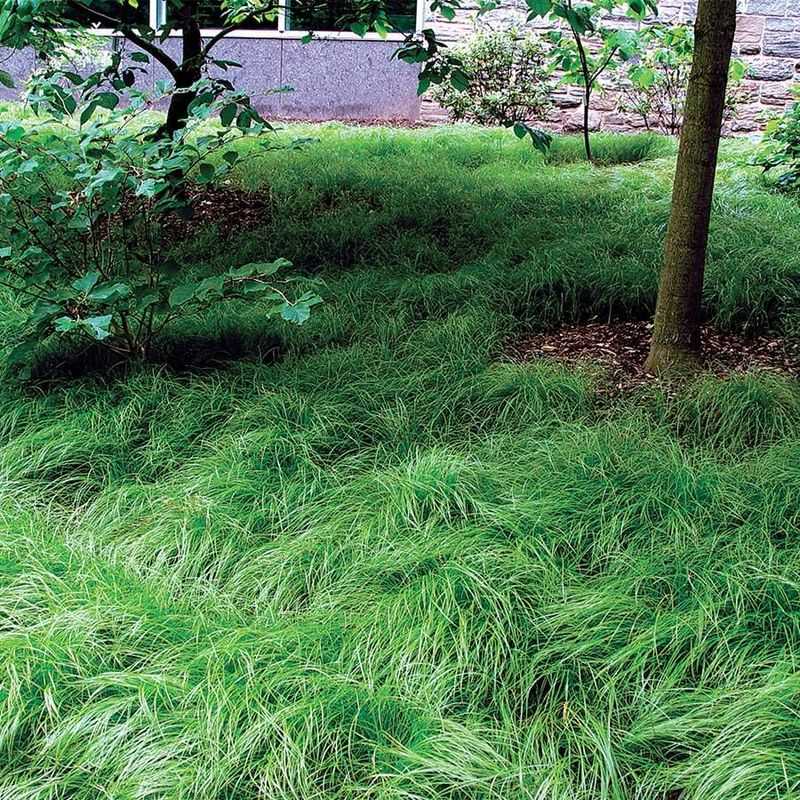
Not every ground cover earns a permanent spot in a Michigan yard, but Pennsylvania Sedge has built a loyal following for good reason.
This low-growing native plant forms soft, grass-like mats that hug the ground without creating the dense, moist tangle that ticks love.
It stays tidy along shaded borders where grass struggles to grow, filling in gaps with a clean, finished look.
Pennsylvania Sedge thrives in dry to medium shade, making it a natural fit under tree canopies or along woodland edges.
Because it stays low and compact, it does not trap moisture or create the thick leaf cover that gives ticks a comfortable place to hide.
Pair it with a clean mulch edge and you have a border that looks intentional and functions beautifully.
Michigan gardeners appreciate how little maintenance this sedge actually needs once established. It does not require frequent watering, rarely needs dividing, and holds its green color through most of the season.
Planting it along walkways or near patio edges keeps the surrounding area open and well-managed. It is a quiet, hardworking plant that earns its place every single season.
2. Fox Sedge
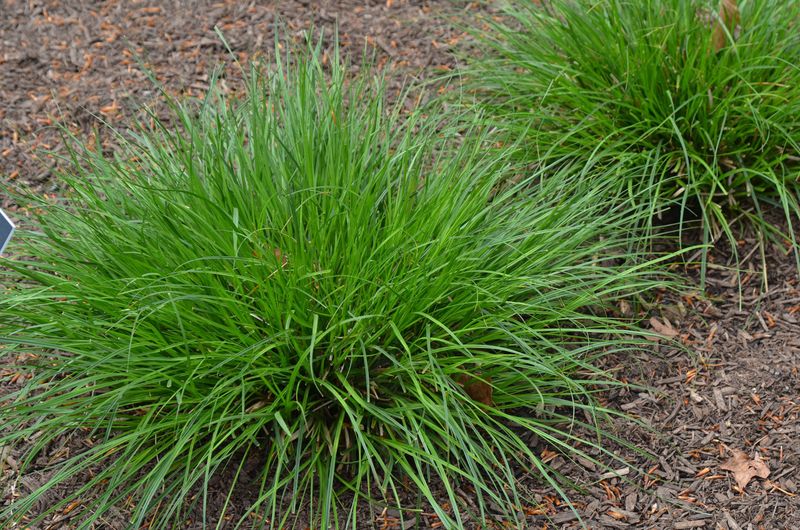
Rain gardens and low-lying yard areas can turn into trouble zones if left unplanted, collecting moisture and debris that attract all kinds of unwanted visitors. Fox Sedge steps in as a smart solution for those wetter spots along yard borders.
Its upright, clumping habit keeps growth controlled and prevents the kind of sprawling, tangled vegetation that ticks prefer to move through.
This native sedge handles wet conditions that would stress most other plants, making it especially valuable near downspouts, drainage swales, or the edges of ponds.
The clumps stay relatively open at the base, which means air circulates well and the soil dries out between rain events.
That drying cycle is important because ticks struggle to survive in areas that do not stay consistently damp.
Fox Sedge also supports native wildlife like ground-nesting birds and beneficial insects, so you are doing more than just managing pests. Its seed heads add visual texture from summer into fall, giving the border a naturalistic, layered appearance.
Spacing plants with some breathing room between clumps is the key to keeping the border functional and attractive.
Your Michigan Garden Changes Every Week. Your Plan Should Too.
Gardening in Michigan changes quickly throughout the season. Every Friday you’ll receive a simple weekly plan showing exactly what to plant, prune, fertilize, harvest, and protect so you never miss the right timing.
Michigan gardeners working with challenging wet edges will find Fox Sedge to be one of the most reliable plants available for creating a cleaner, more managed yard boundary.
3. Little Bluestem
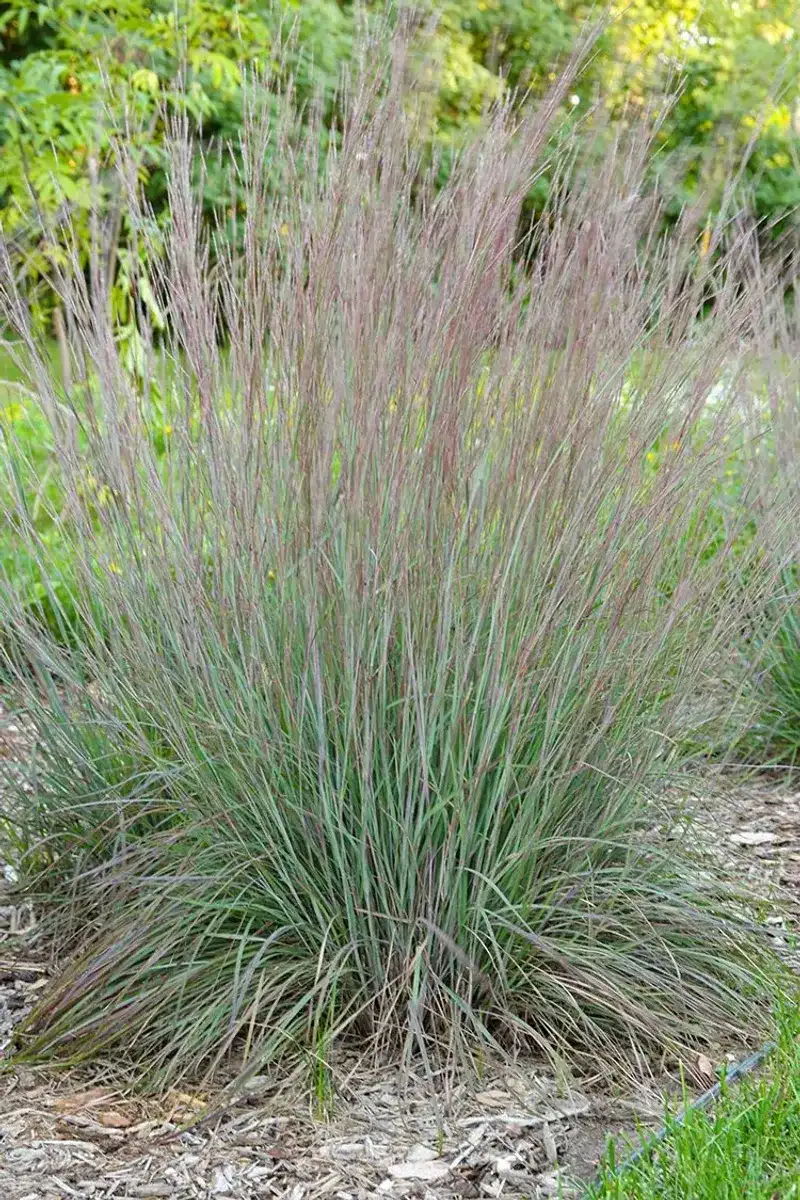
Few native grasses turn heads quite like Little Bluestem. In summer, the upright blue-green blades catch the light in a way that makes even the most basic yard border look designed and intentional.
Come fall, the foliage shifts to stunning shades of copper, rust, and burgundy, giving gardens a warm seasonal display that lasts well into winter.
Beyond its good looks, Little Bluestem earns points for being genuinely practical in a tick-conscious yard. The plant grows in tight, vertical clumps rather than spreading into a dense mat, so there is no thick ground-level cover for ticks to move through.
Planting clumps with open spacing along a sunny border keeps the area bright, dry, and well-ventilated, which are exactly the conditions ticks try to avoid.
Little Bluestem is drought-tolerant once established and thrives in sandy or poor soils common across much of Michigan. It does not need fertilizer or heavy watering, which makes it a low-effort addition to any border planting.
Birds love the seed heads in fall and winter, so you get wildlife value without sacrificing cleanliness or control.
This grass is a standout choice for gardeners who want a border that looks stunning, supports nature, and helps maintain a yard that feels open and well-kept throughout every season.
4. Prairie Dropseed
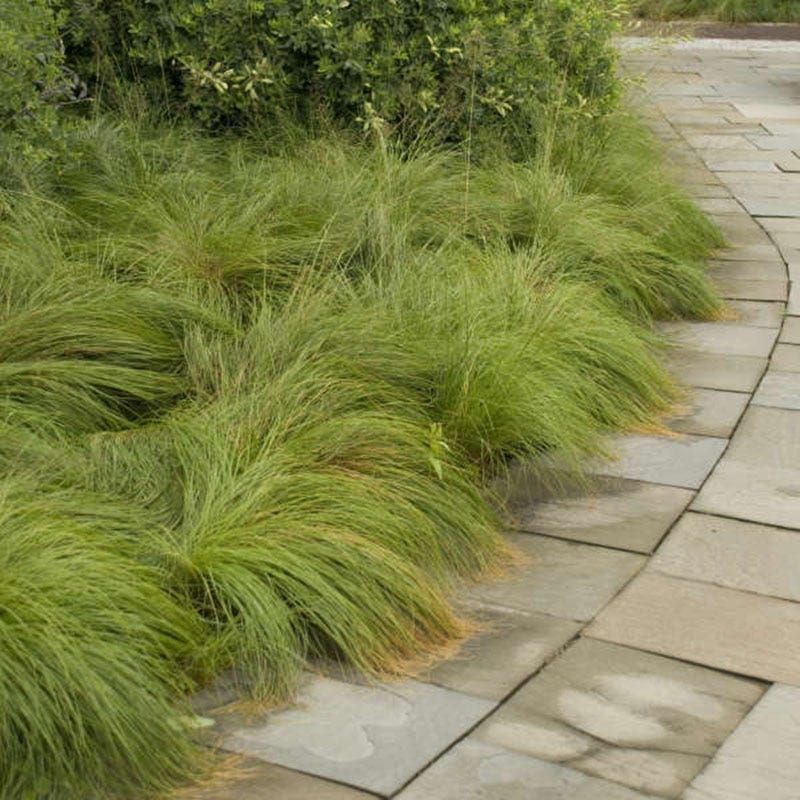
There is something quietly elegant about Prairie Dropseed that sets it apart from other native grasses.
The incredibly fine-textured blades arch gracefully outward from the center, creating a fountain-like form that softens hard edges along walkways and driveways.
In late summer, it sends up airy seed heads with a faint, sweet fragrance that many gardeners describe as surprisingly pleasant and unique.
From a practical standpoint, Prairie Dropseed is one of the better choices for a tick-conscious yard. The open, arching growth habit does not create a dense base layer where ticks can shelter.
The plant prefers well-drained, sunny spots and actually struggles in overly moist conditions, which means it naturally avoids the kind of environment ticks seek out. That built-in preference for dry, sunny areas makes it a reliable border companion.
Once established, Prairie Dropseed is remarkably self-sufficient. It handles drought well, rarely needs dividing, and resists most common pests and diseases.
Planting it along a sunny path with clean mulch on either side creates a border that feels polished without requiring constant attention. The fall color, a warm golden-orange, adds another season of interest to the yard.
Gardeners who want a refined, low-maintenance native grass that looks great and contributes to a cleaner yard environment will find Prairie Dropseed well worth planting.
5. Wild Geranium
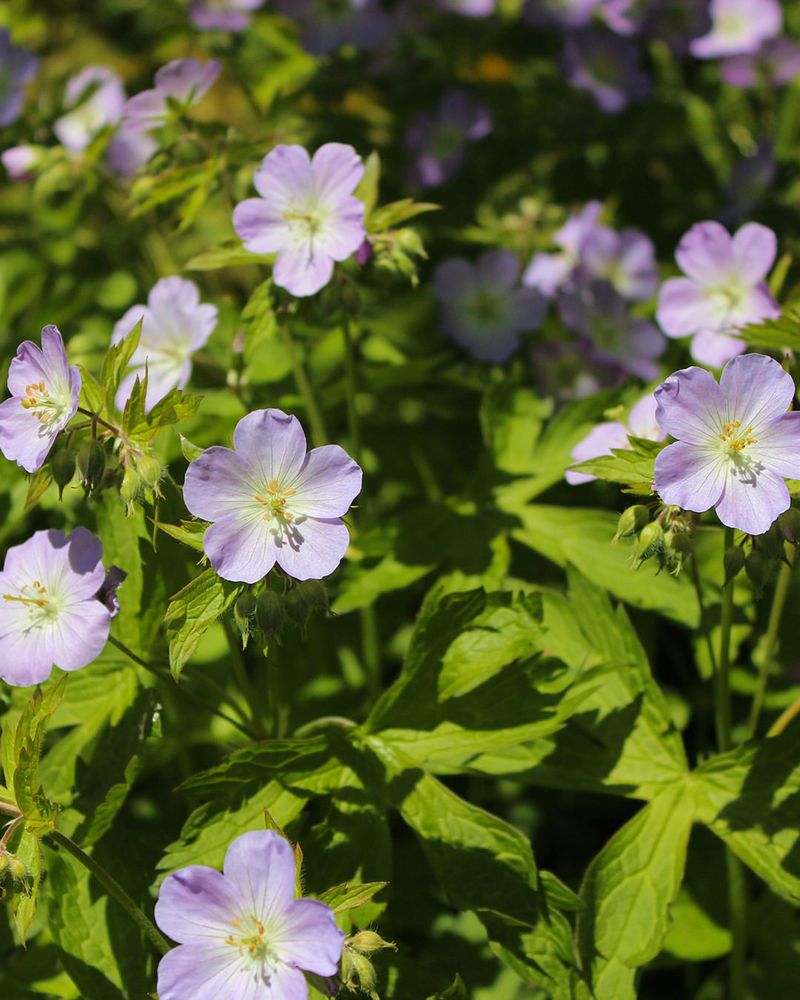
Spring in a Michigan garden gets a serious upgrade when Wild Geranium is part of the border. The soft lavender-pink flowers appear in May and early June, bringing a wave of color right when the yard is waking up from winter.
Pollinators absolutely swarm these blooms, making it a favorite among gardeners who want to support bees and butterflies from the very start of the season.
Wild Geranium naturally grows in open woodland edges and partly shaded areas, which are the same zones where tick pressure tends to be highest.
By filling those spaces with this well-behaved native, you replace the kind of scraggly, weedy growth that creates tick habitat with a neat, attractive planting.
The foliage is deeply lobed and attractive even after flowering ends, holding its shape through most of summer before dying back gracefully in fall.
One of the best things about Wild Geranium is how easy it is to establish. It spreads slowly by seed and rhizome, gradually filling in along a border without becoming invasive or aggressive.
Regular deadheading is optional but can encourage a light second flush of blooms. Planting it alongside native sedges or ferns creates a layered woodland border that looks intentional and stays manageable.
For gardeners working with shaded or semi-shaded edges, Wild Geranium is a dependable, beautiful, and genuinely useful plant to include.
6. Wild Columbine
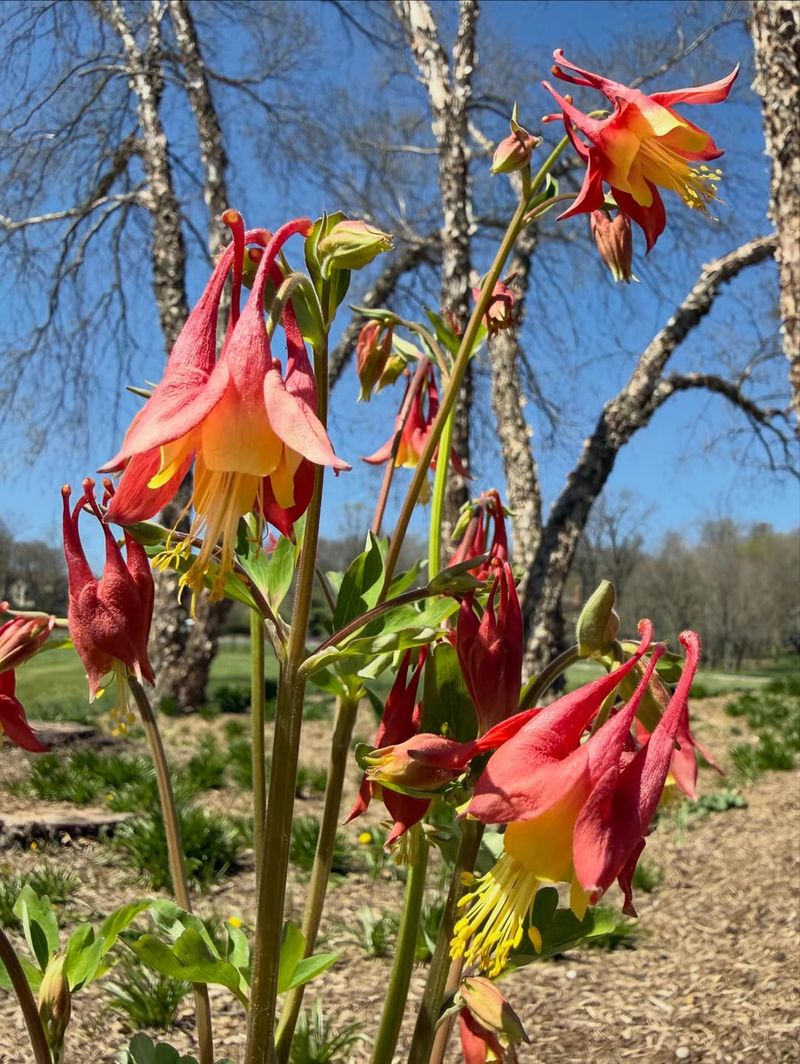
Wild Columbine is the kind of plant that makes people stop and stare. The distinctive red and yellow flowers dangle like tiny lanterns above delicate, blue-green foliage, creating a display that feels almost too beautiful to be this easy to grow.
Ruby-throated hummingbirds are among its biggest fans, visiting repeatedly throughout the spring blooming period.
In a tick-management strategy, Wild Columbine plays a smart role along shaded path edges. Its airy, open growth habit does not create the dense ground-level cover that ticks need to stay moist and protected.
The foliage holds a lacy, open texture that allows light and air to reach the soil below, helping the border dry out faster after rain. Clearing leaf litter from around the base of plants further reduces any potential shelter for ticks near walkways.
Wild Columbine is a short-lived perennial, but it self-seeds reliably enough that established colonies tend to persist and even expand slowly over time.
It prefers part shade and well-drained soil, conditions that are easy to find along the edges of Michigan woodland gardens.
The plant goes semi-dormant in summer heat, which is completely normal and leaves room for other plants to carry the border forward.
For gardeners who want early-season color, hummingbird activity, and a border that stays open and manageable, Wild Columbine is a genuinely rewarding native to plant.
7. Woodland Phlox
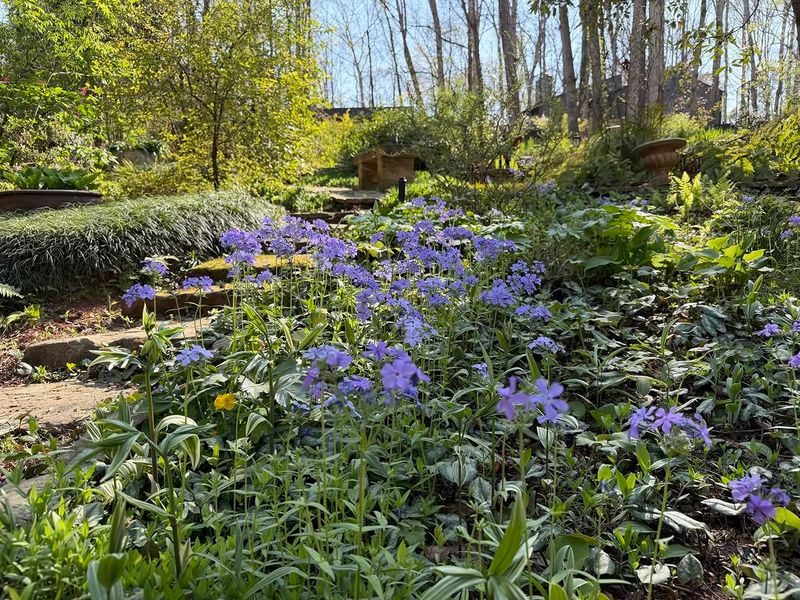
Imagine a low carpet of pale blue flowers spreading along the shaded edge of a garden path in early May. That is exactly what Woodland Phlox delivers, and gardeners who have tried it rarely go back to anything else for part-shade borders.
The color is soft and dreamy, somewhere between lavender and sky blue, and the fragrance is light enough to notice without being overpowering.
Woodland Phlox grows low to the ground, typically reaching only 10 to 12 inches tall, which keeps it from creating the tall, dense vegetation that gives ticks cover and movement corridors.
The semi-evergreen foliage stays tidy through most of the year, and because it spreads gradually rather than aggressively, it is easy to manage along a defined border edge.
Keeping a clean mulch path alongside the planting adds another layer of tick-discouraging open space.
This native phlox thrives in the dappled light found under deciduous trees, which are some of the trickiest spots to plant in a Michigan yard. It handles average moisture well and rarely suffers from the powdery mildew that plagues its garden phlox relatives.
Pairing it with Wild Geranium or Pennsylvania Sedge creates a layered, multi-season shade border that looks professionally designed. Woodland Phlox is a standout spring performer that earns its place in any tick-conscious native planting plan.
8. Wild Bergamot
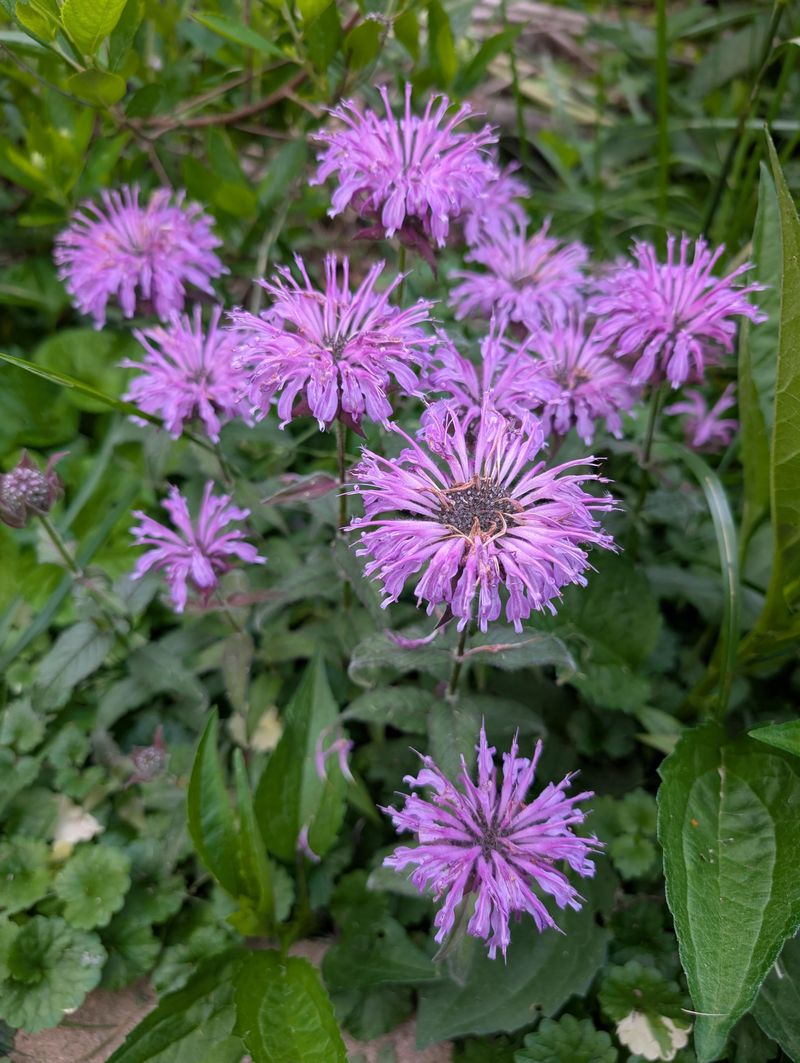
Walk past Wild Bergamot on a warm afternoon and you will immediately notice the spicy, oregano-like fragrance rising from the foliage.
Bees go absolutely wild for it, and the lavender blooms that appear in midsummer attract an impressive parade of native bees, butterflies, and hummingbirds. It is one of the hardest-working pollinator plants available for a sunny border.
Wild Bergamot grows upright and open, reaching two to four feet tall without creating a dense, low thicket. That vertical growth habit is part of why it fits well into a tick-conscious planting plan.
Ticks prefer low, moist vegetation close to the ground, and Wild Bergamot simply does not provide that kind of shelter.
Planting it with deliberate spacing between clumps keeps air moving through the border and prevents the kind of crowding that traps moisture at the base.
This plant is native to Michigan and incredibly adaptable, growing well in average to dry soils with full sun. It spreads by rhizome over time, so dividing it every few years keeps the clumps from getting too wide.
Cutting plants back by about one-third in early summer can delay blooming and help prevent powdery mildew, which can affect older foliage.
Wild Bergamot is a bold, fragrant, and functionally smart addition to any border planting designed to keep the yard open, active with pollinators, and less hospitable to ticks.
9. Butterfly Weed
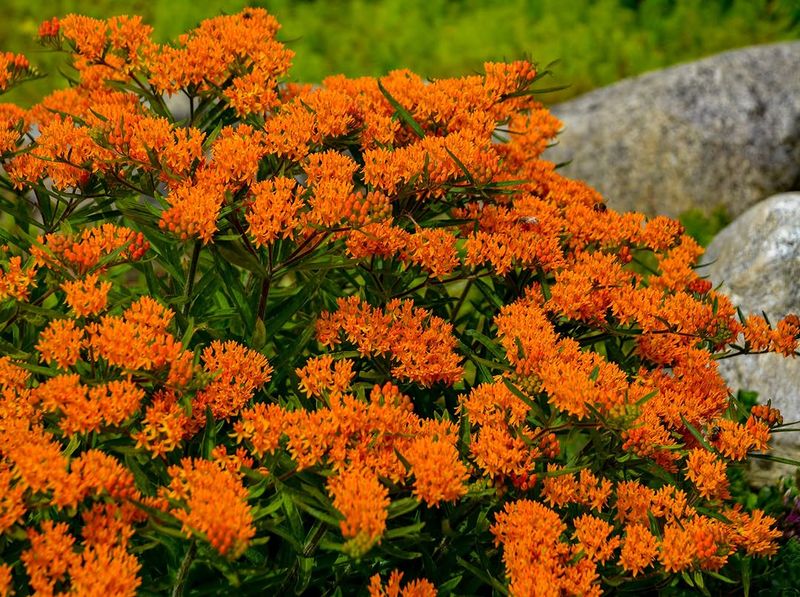
Bright orange flowers in a dry, sunny border have a way of making the whole yard feel alive, and Butterfly Weed delivers that energy from midsummer straight through early fall.
It is one of the most vibrant native plants available for Michigan gardens, and it happens to be a critical host plant for monarch butterflies.
Watching monarchs lay eggs on the foliage while swallowtails and bumblebees work the flowers is one of the genuine pleasures of growing this plant.
Butterfly Weed thrives in conditions that are naturally unfavorable for ticks. It demands full sun and sharp drainage, meaning it performs best in the dry, open spots that ticks actively avoid.
The plants grow in upright, compact clumps without spreading aggressively, so the border stays neat and well-defined with minimal intervention. A clean mulch edge alongside the planting reinforces the open, dry character of the space.
One thing to keep in mind is that Butterfly Weed emerges late in spring, so marking its location helps avoid accidentally disturbing the roots before new growth appears. Once up, it grows steadily and blooms reliably without much fuss.
Unlike many milkweeds, it does not spread by aggressive runners, making it easier to manage in a formal border setting.
For gardeners who want maximum color, maximum wildlife value, and a border that stays open and dry, Butterfly Weed is a genuinely exceptional choice.
10. New Jersey Tea
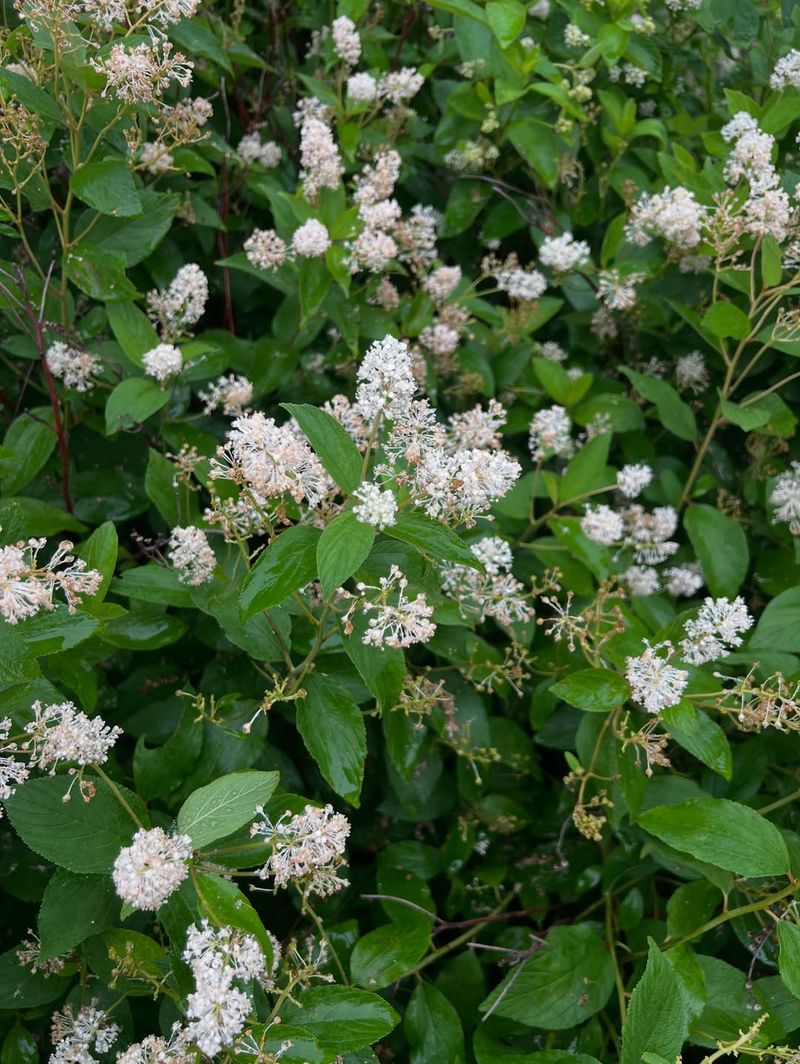
New Jersey Tea has a fascinating history rooted in American ingenuity. During the Revolutionary War, colonists brewed its leaves as a substitute for imported tea, giving this tough little native shrub a name that has stuck for centuries.
Today, gardeners are rediscovering it not for its brewing potential but for its outstanding performance as a low, tidy border shrub that supports pollinators and discourages tick-friendly conditions.
Growing only three to four feet tall and wide, New Jersey Tea stays compact enough to line a yard border without overwhelming the space.
The fluffy white flower clusters that appear in June and July are irresistible to native bees, and the plant’s deep taproot makes it remarkably drought-tolerant once established.
That preference for dry, well-drained soil means it naturally occupies the kind of sunny, open environment where ticks are least comfortable.
Sandy and rocky soils that challenge most shrubs are actually where New Jersey Tea performs best, which makes it a natural fit for many Michigan landscapes.
It fixes nitrogen in the soil, improving conditions for neighboring plants over time. Pruning it lightly after flowering keeps the shape tidy and encourages fresh growth.
Pairing it with native grasses or Butterfly Weed creates a layered, sun-loving border that looks full and intentional while maintaining the open, dry character that helps keep tick pressure low along yard edges.
11. Fragrant Sumac
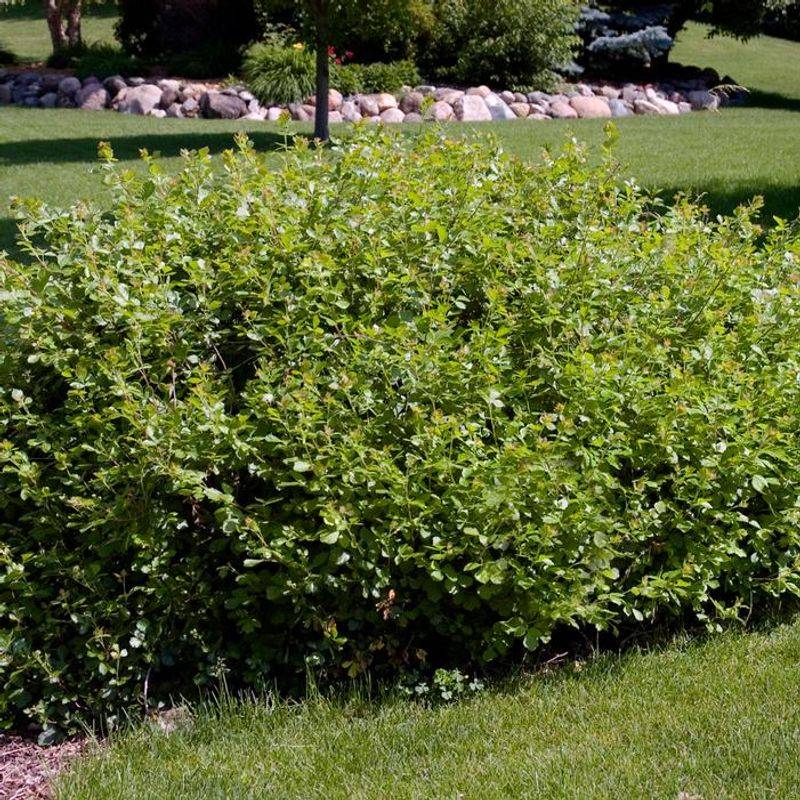
Fragrant Sumac brings serious fall color to Michigan yards without the size and spread of its larger sumac relatives.
The foliage turns brilliant shades of red, orange, and purple in September and October, creating a driveway or yard border that looks like it belongs on a postcard.
Crush a leaf between your fingers and you will get a whiff of the spicy, citrusy fragrance that gives this plant its name.
From a tick-management perspective, Fragrant Sumac earns its place along yard borders because of how it grows.
The low-gro cultivar, often sold as Gro-Low, spreads to about six feet wide but stays only two feet tall, creating a dense but manageable ground-covering border.
Keeping the surrounding edge mowed and open prevents the kind of transition zone between lawn and shrub that ticks use as a highway into the yard.
Fragrant Sumac handles full sun to part shade and tolerates poor, dry soils exceptionally well. It is one of the few native shrubs that can hold a sunny, exposed slope without complaint, making it useful for challenging spots along driveways or property lines.
The small yellow flowers in early spring are subtle but support early-season pollinators before much else is blooming.
For gardeners who want a low-care, high-impact border plant with outstanding fall color and real landscape utility, Fragrant Sumac is a reliable and rewarding choice.
12. Shrubby Cinquefoil
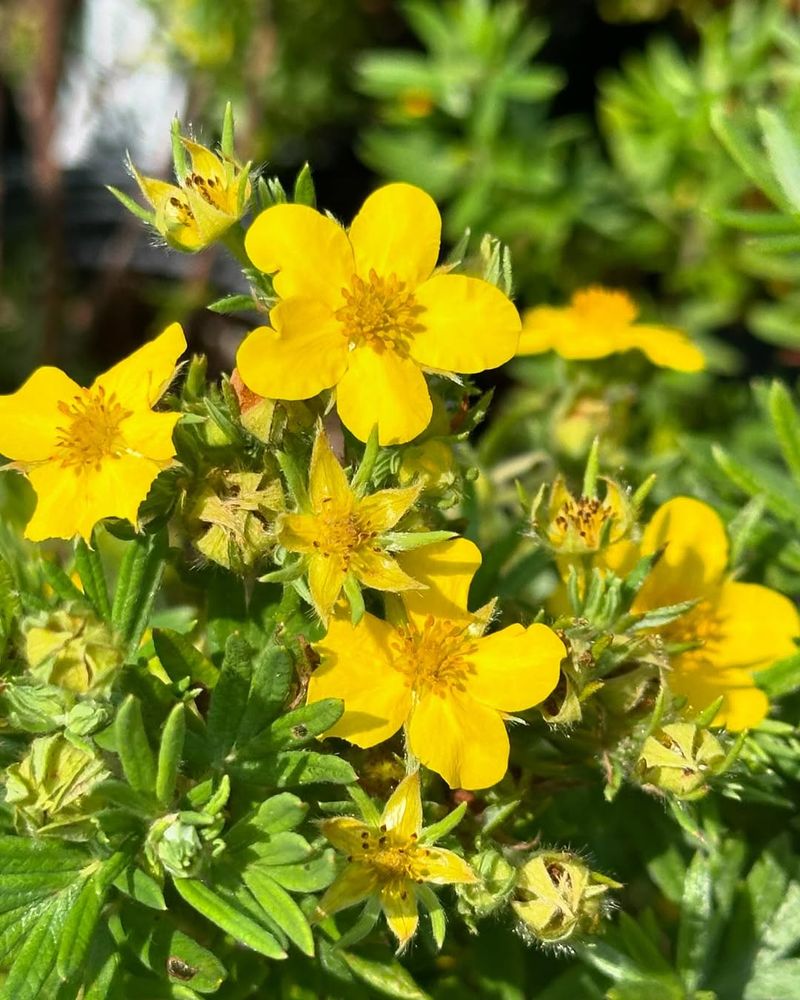
Shrubby Cinquefoil might be one of the most underrated native shrubs in Michigan landscaping. It blooms from late spring all the way through frost, producing cheerful yellow flowers for months longer than most other shrubs.
That extended bloom season makes it a steady source of nectar for native bees and beneficial insects throughout the entire growing season.
The compact, tidy growth habit of Shrubby Cinquefoil is exactly what a tick-conscious border needs.
Plants typically reach two to four feet tall and wide, forming a dense but well-defined mass that does not sprawl into the lawn or create the kind of brushy, layered edge that ticks move through easily.
The shrub prefers full sun and well-drained soil, and it holds up well to Michigan winters without any special protection or preparation.
One of the reasons Michigan gardeners keep coming back to this plant is how little drama it causes. It does not sucker aggressively, it rarely suffers from serious pest or disease problems, and it looks neat even without regular pruning.
A light trim after the main flush of spring bloom can tidy the shape and encourage more flowering later in summer.
Planting Shrubby Cinquefoil as a continuous border along the front edge of a bed creates a clean, defined line between the lawn and the garden, which is one of the most practical steps you can take toward a more tick-resistant yard layout.