Things To Do With Texas Lantana So It Stays Full And Doesn’t Get Leggy By August
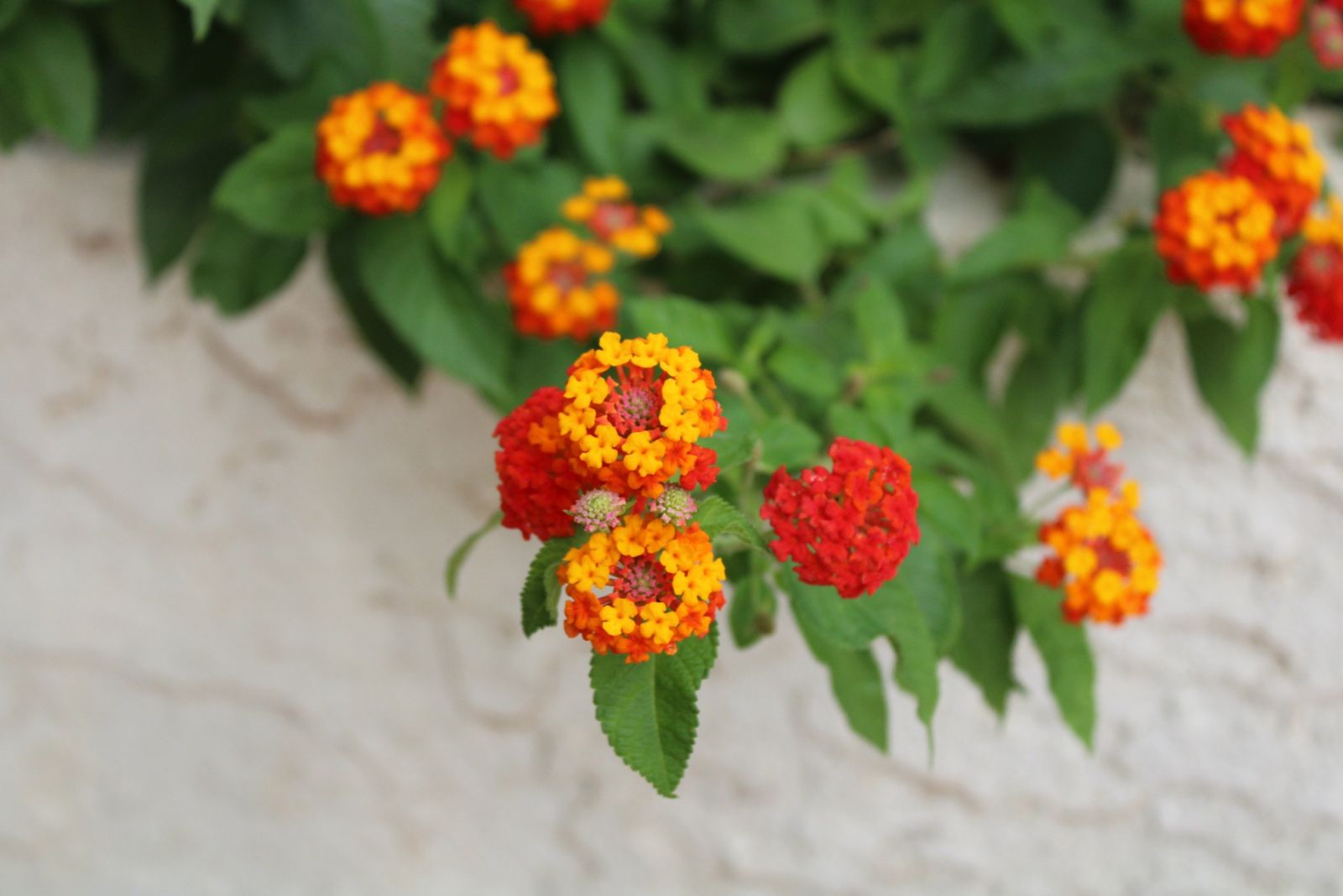
Lantana in Texas starts the season looking full and colorful, and for a few months it lives up to every expectation.
Then August arrives and what was a thriving plant starts turning into something woody, stretched out, and patchy in ways that are hard to reverse once they get going.
Getting leggy by late summer is one of the most common lantana complaints in Texas gardens, and it almost always traces back to a few specific habits that either were not done at the right time or were skipped entirely.
The good news is that keeping lantana full and productive through the hottest months is not complicated.
It just requires knowing what the plant actually needs and when to do it. A few consistent practices from early in the season forward make a significant difference in how lantana looks and performs by the time August rolls around, and this guide covers all of them.
1. Trim Plants Lightly Every Few Weeks
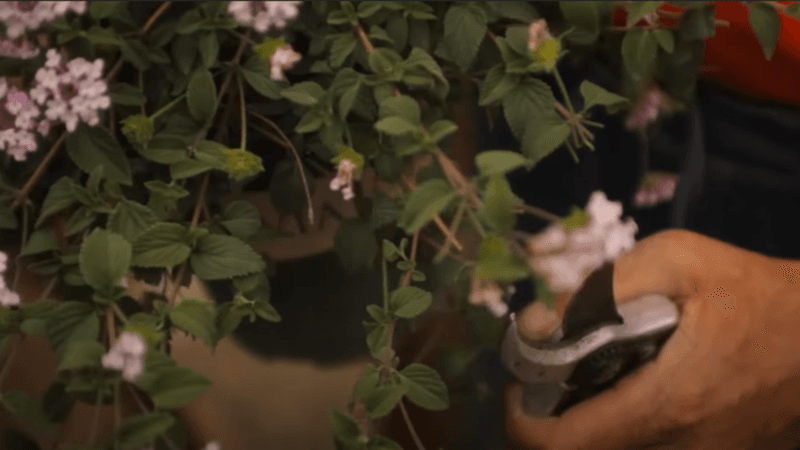
Grab a pair of clean pruning shears and make a habit of trimming your Texas Lantana every two to three weeks during spring and early summer. You do not need to cut it back hard.
Just snipping off the top inch or two of each stem is enough to make a big difference. This simple step sends a signal to the plant to push out new side branches instead of continuing to grow in one long direction.
When a plant keeps branching out sideways, it fills in and becomes dense and full. Without regular light trimming, lantana tends to stretch upward and outward on long, sparse stems that look bare and scraggly by midsummer.
Gardeners sometimes call this getting leggy, and once it happens, it is harder to fix. Think of light trimming like a haircut that keeps things tidy and encourages healthy regrowth.
Each cut you make near a leaf node, which is the spot where a leaf connects to the stem, will usually produce two new shoots.
More shoots mean more stems, and more stems mean more flowers. Starting this habit in April or May gives the plant plenty of time to fill out before the intense Texas heat of July and August arrives.
Even a quick ten-minute session every couple of weeks can completely transform how your lantana looks by midsummer. Consistency is what makes this work, so set a reminder if you need to.
2. Plant Lantana In Full Sun
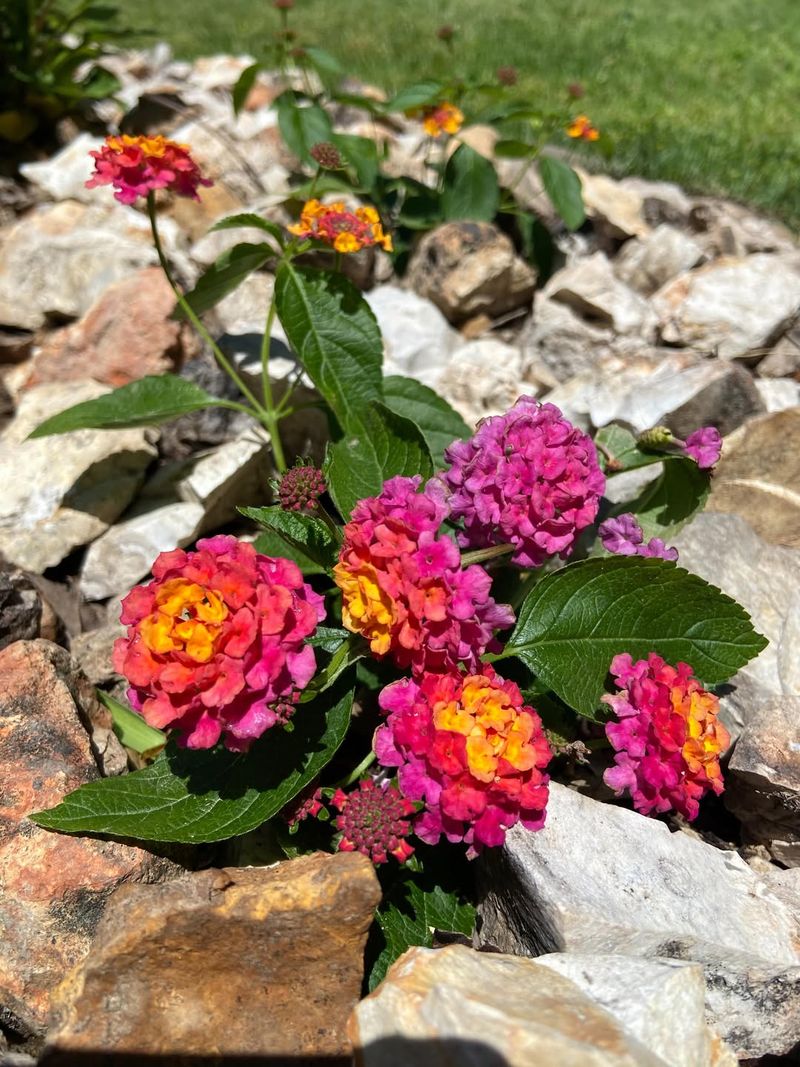
Sunlight is not just helpful for Texas Lantana, it is absolutely essential. This plant evolved in warm, open environments where the sun beats down for most of the day.
When it gets less than six hours of direct sunlight, something interesting happens: the stems start reaching and stretching toward whatever light they can find. That stretching is exactly what causes the long, weak, floppy growth that makes a plant look so disappointing by late summer.
Full sun means at least six to eight hours of direct sunlight each day. More is even better for lantana.
Your Texas Garden Changes Every Week. Your Plan Should Too.
Gardening in Texas changes quickly throughout the season. Every Friday you’ll receive a simple weekly plan showing exactly what to plant, prune, fertilize, harvest, and protect so you never miss the right timing.
A spot that gets morning shade might seem fine at first, but over time the plant will show signs of stress by producing fewer flowers and growing unevenly. Planting near a wall, fence, or large tree that casts afternoon shade can have the same effect.
If your lantana is already in a shady spot and looking stretched, consider transplanting it to a sunnier location in early spring before the heat sets in.
Spring is the best time to move established lantana because the cooler temperatures give the roots time to settle before summer stress arrives.
When choosing a new planting spot, walk around your yard at different times of day and notice where the sun lands longest. South-facing and west-facing beds usually get the most consistent sun in Texas gardens.
Getting the location right from the start saves a lot of frustration later and gives your lantana the best possible chance to stay compact and blooming all season long.
3. Avoid Overwatering Established Plants
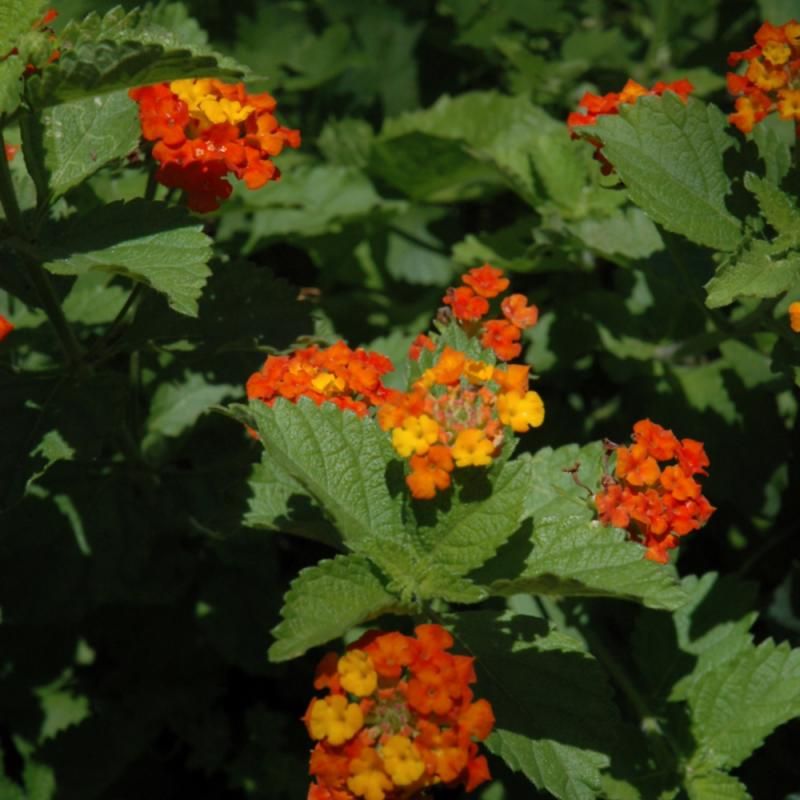
Once Texas Lantana is settled into your garden, it becomes surprisingly tough about water. Many gardeners make the mistake of treating it like a thirsty annual that needs frequent watering all season long.
Overwatering is actually one of the sneakiest causes of leggy, weak growth in lantana, and most people never connect the two.
Here is what happens when lantana gets too much water: the roots stay shallow because they never need to search deeper into the soil for moisture. Shallow roots lead to fast but soft top growth that cannot support itself well.
The stems grow quickly but lack the firmness and structure that come from slightly drier, more challenging conditions. By midsummer, that soft growth flops over and looks messy.
A much better approach is to water deeply but not very often. Once your lantana has been in the ground for a full growing season, it can usually handle going a week or even longer between waterings, depending on rainfall and temperature.
When you do water, soak the soil deeply so moisture reaches down several inches. This encourages roots to grow downward, which makes the whole plant stronger and more stable.
During stretches of extreme heat with no rain, a good deep watering once a week is usually plenty. Checking the soil before you water is a simple habit that helps a lot.
Stick a finger two inches into the soil near the base of the plant. If it still feels moist, wait another day or two before adding more water.
4. Deadhead Faded Flower Clusters Occasionally
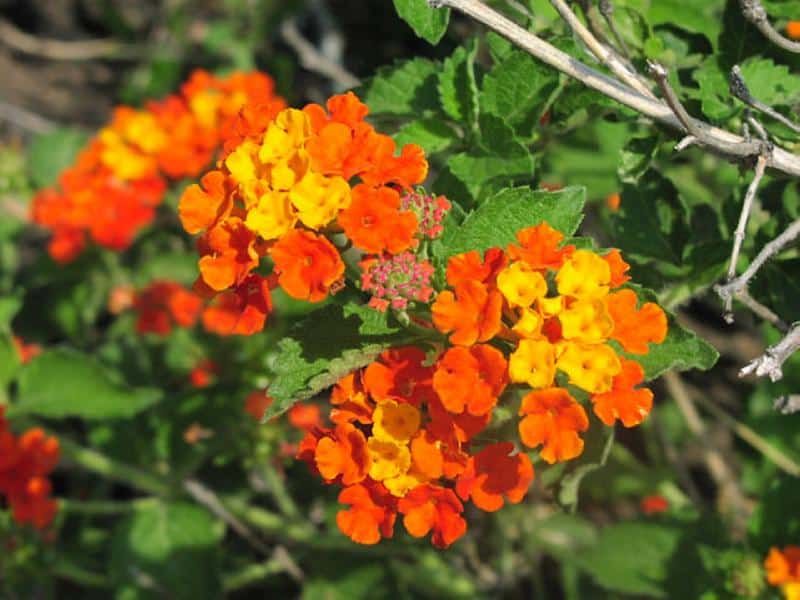
Most people know deadheading as a chore, but for Texas Lantana it is more like giving your plant a little encouragement. When a flower cluster finishes blooming and starts to fade, the plant begins putting energy into forming seeds inside those old blooms.
That shift in energy means less fuel is going toward making new flowers and building fresh, leafy growth.
Removing those spent clusters occasionally redirects the plant’s focus back to blooming and growing outward. You do not need to do this every single day or be obsessive about it.
Even a quick pass through your lantana every week or two, pinching off the brown and faded clusters, can noticeably improve how full and floriferous the plant stays through summer.
A simple pinch with your fingers usually works fine, though small scissors or snips make the job faster on larger plants.
There is a bonus to this habit beyond just the flowers. When you deadhead, you are naturally walking around and inspecting your plant up close.
That gives you a chance to notice if any stems are getting unusually long or sparse before the problem gets out of hand.
Catching leggy growth early means you can snip those stems back while they are still short, which is much easier than trying to fix a plant that has gone wild by July.
Deadheading also keeps the plant looking tidy and cared for, which matters a lot in a front yard or visible garden bed where first impressions count.
5. Use Very Little Fertilizer
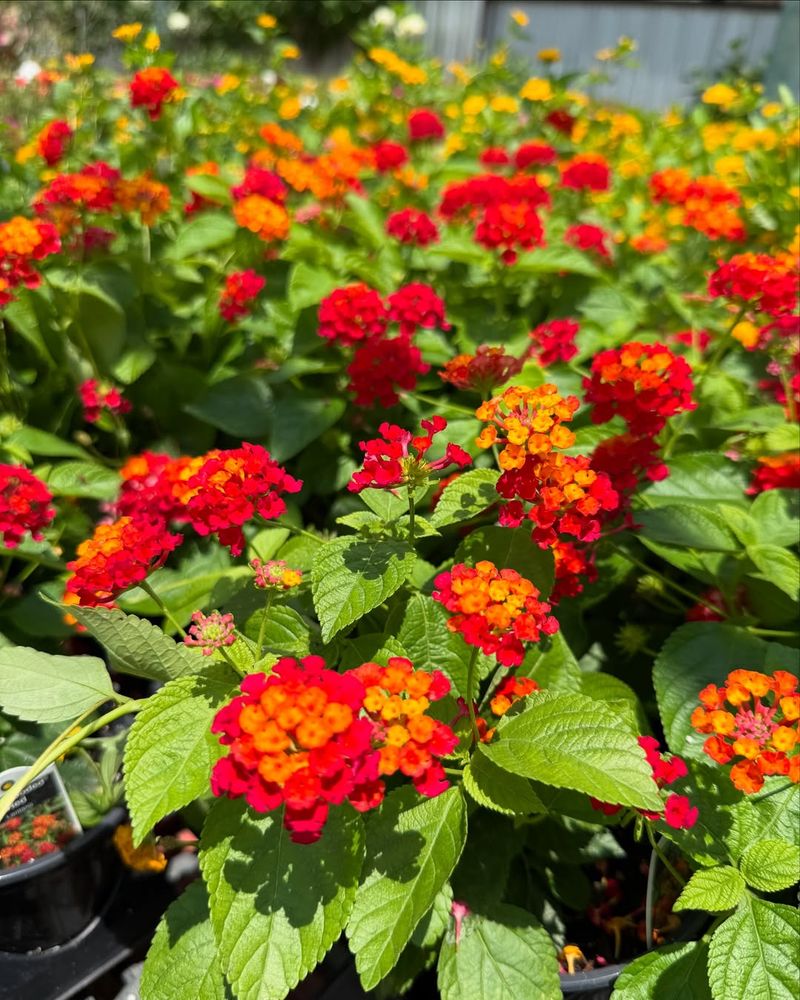
Fertilizer feels like a generous gift to give your plants, but Texas Lantana is one of those plants that can absolutely have too much of a good thing. Feeding it heavily, especially with a nitrogen-rich fertilizer, triggers a burst of fast, lush, leafy growth.
That sounds great at first, but fast growth is usually soft and weak. By the time August rolls around and the heat is relentless, all that floppy green growth becomes a tangled mess of stems with very few flowers.
Lantana is a native-adapted plant that is used to lean soils. It actually blooms more freely when it is not being pampered with lots of nutrients.
If you feel the need to fertilize at all, use a balanced, slow-release granular fertilizer just once in early spring when the plant is waking up from dormancy.
A light application is all it needs. Avoid giving it extra doses through summer, especially anything with high nitrogen content.
Compost is a gentler option if your soil is very poor. Working a small amount of finished compost into the soil around the base of the plant in spring gives a mild, slow nutrient boost without the surge of soft growth that synthetic fertilizers can cause.
Some experienced Texas gardeners skip fertilizing lantana altogether and simply rely on decent soil preparation at planting time.
If your plant is blooming well and looking full, that is a clear sign it has everything it needs and you do not need to add anything more to the mix.
6. Mulch Around The Base Before Peak Heat
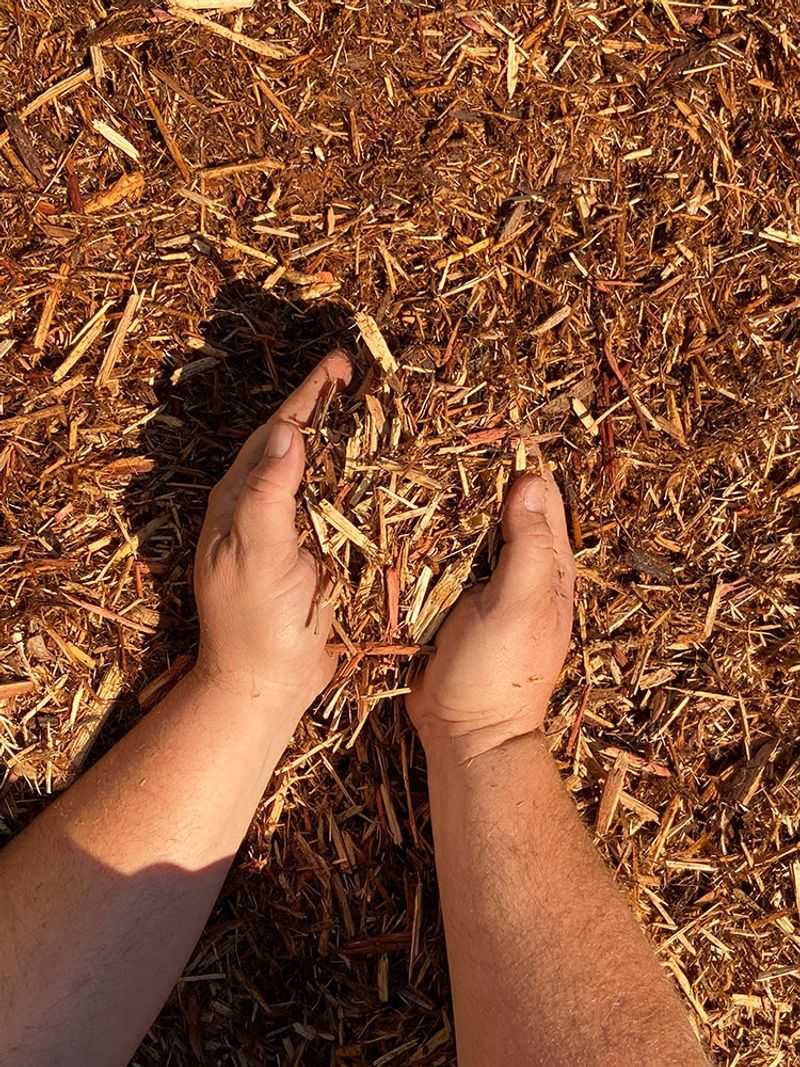
Spreading a layer of mulch around your Texas Lantana before the real heat of summer arrives is one of those simple steps that pays off in a big way.
Most gardeners think of mulch mainly as something that makes a garden bed look neat, but its practical benefits go much deeper than appearances.
Mulch acts as an insulating blanket over the soil, keeping the ground cooler during the hottest parts of the day and slowing down the rate at which moisture evaporates.
When soil temperatures stay more stable, roots experience less stress. Less root stress means the plant can focus its energy on producing healthy stems and flowers instead of just trying to survive the heat.
Without mulch, the soil in a Texas summer can bake hard and dry out so fast that even a drought-tolerant plant like lantana starts showing signs of stress, which often shows up as stretched, sparse growth rather than the dense, bushy habit you want.
Apply a two to three inch layer of organic mulch such as shredded bark, wood chips, or pine needles around the base of the plant in late spring, before temperatures consistently climb above 90 degrees.
Keep the mulch a few inches away from the main stems to allow airflow and reduce the chance of moisture-related problems near the crown of the plant.
Refresh the mulch layer once during summer if it breaks down or thins out. This one habit alone can reduce how often you need to water and help your lantana stay looking lush and full even during the most brutal Texas heat waves.