The Most Underrated Ohio Perennial That Blooms From Spring Through Fall In Full Sun
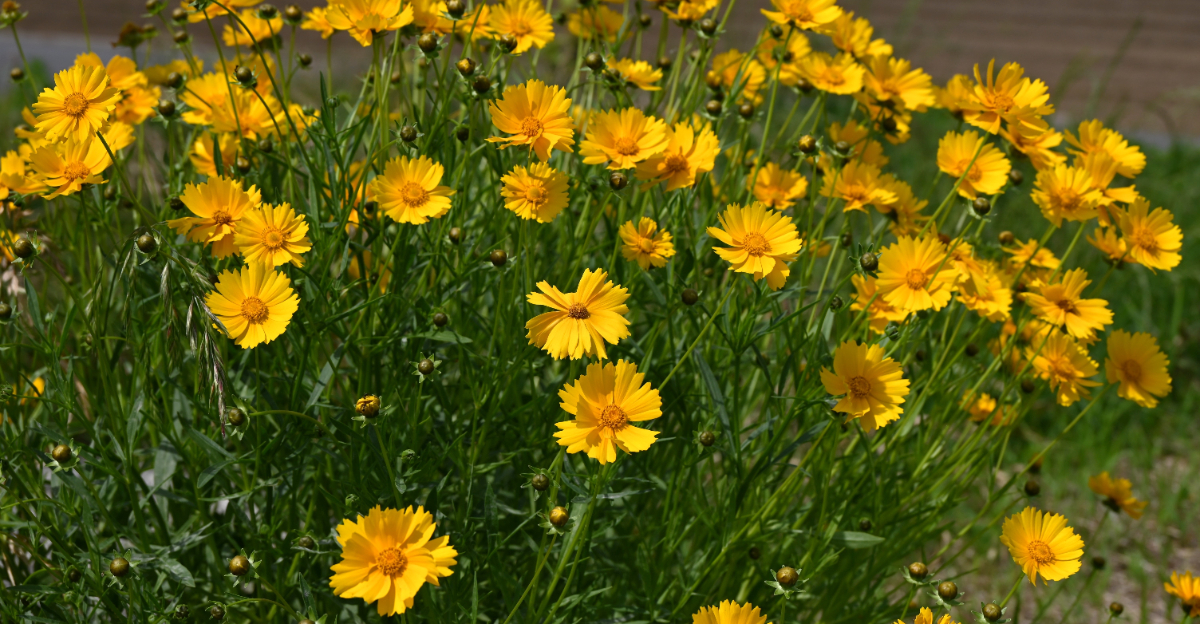
Every garden has a plant that does everything right and somehow never gets the credit. Lanceleaf coreopsis is that plant in Ohio.
Golden blooms, full sun tolerance, lean soil, native roots, pollinator value, a seasonal presence that stretches from late spring well into fall. On paper it outperforms half the perennials Ohio gardeners fuss over all season.
In practice it gets passed over at the nursery in favor of showier options that demand twice the attention and deliver half the results.
To be clear about what this plant actually does: it blooms strongly in late spring and keeps producing with minimal trimming through summer.
It also carries seed heads into fall that birds find genuinely useful. It doesn’t run on autopilot entirely, but it comes close.
For sunny borders and pollinator beds across Ohio, very little at this effort level comes close to matching it.
1. Lanceleaf Coreopsis Turns Full Sun Into Months Of Golden Color
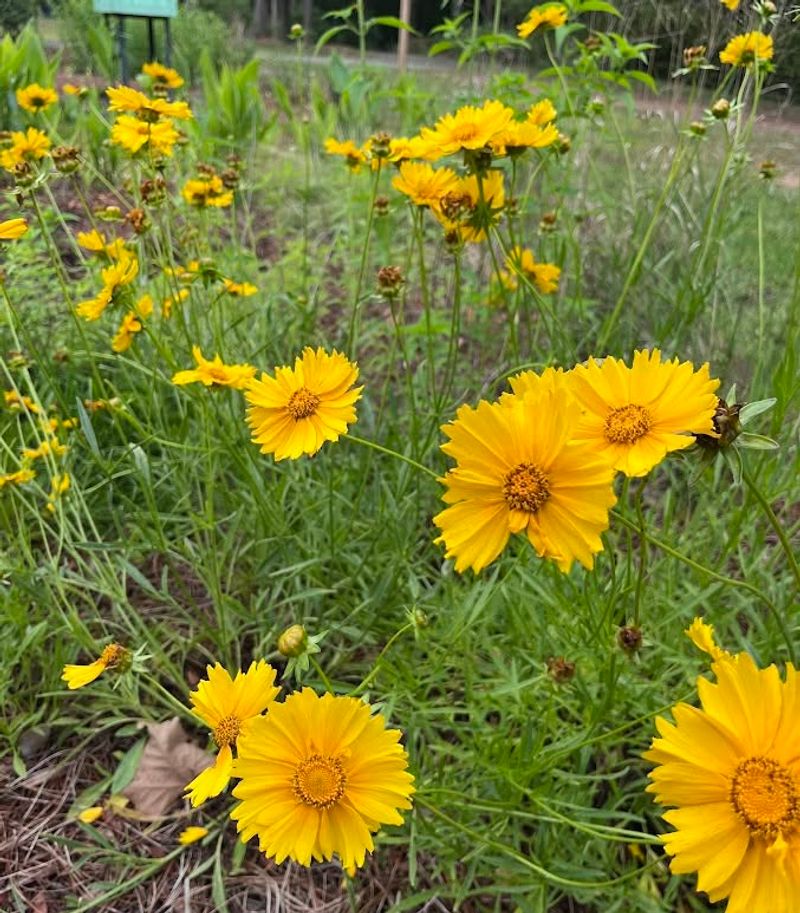
Not every Ohio native perennial earns the word cheerful, but lanceleaf coreopsis comes close every single season. Known by its scientific name Coreopsis lanceolata, this bright golden perennial is native to much of the eastern and central United States.
That includes many parts of Ohio. It fits naturally into sunny borders, pollinator strips, cottage gardens, open native beds, and meadow-style plantings without asking for much in return.
What makes it underrated is the combination of qualities it brings to a full-sun space. The flowers are bold and golden, shaped like open daisies that seem to catch every bit of sunlight.
The foliage stays relatively tidy, with narrow lance-shaped leaves that give the plant its common name.
Mature plants typically reach around one to two feet tall, making them easy to place near the front or middle of a border without blocking shorter neighbors.
Its seasonal value does not come from one magical bloom that lasts forever. Instead, the plant earns its place through a strong late spring flower show and a willingness to rebloom with some care.
Its seed heads also carry texture and wildlife value into fall.
Many gardeners overlook it because it does not have flashy marketing behind it, but once planted in the right sunny spot, lanceleaf coreopsis becomes one of the most reliable and rewarding native perennials a full-sun garden can hold.
2. Late Spring Blooms Give The Season An Early Start
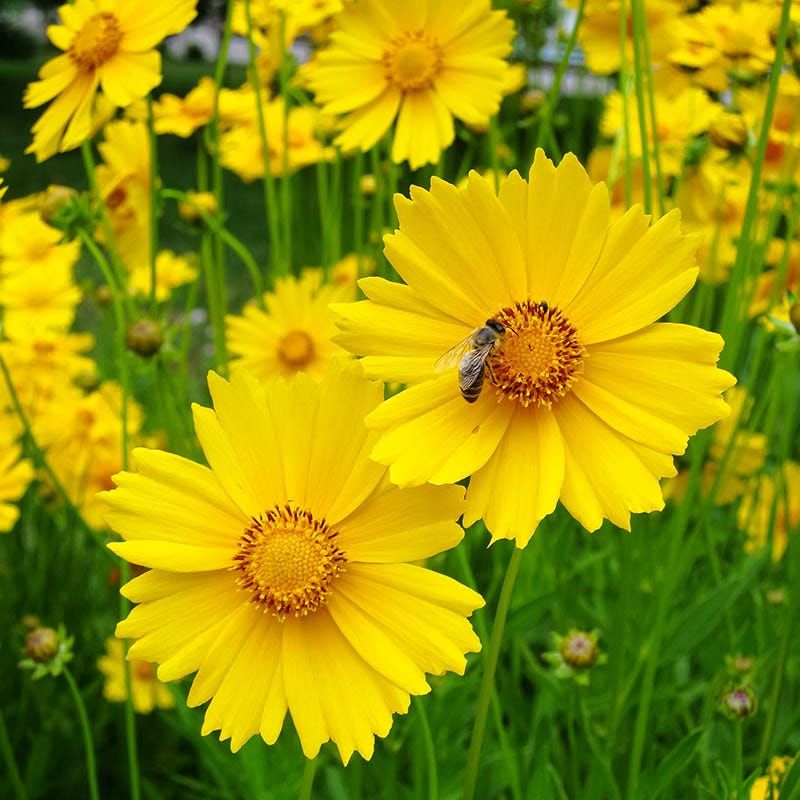
A lot of summer perennials wait until the garden is already full before they begin their main show. Lanceleaf coreopsis helps bridge that awkward gap.
In many local gardens, it starts blooming in late spring or early summer. The exact timing depends on weather, planting site, and regional conditions.
That early start is one reason gardeners like it in sunny borders. It can bloom after spring bulbs and before many peak summer plants take over.
The flowers bring a warm golden color that feels bright without being fussy. They also help a young perennial bed look more finished.
This timing matters in pollinator gardens too. Late spring can be a busy period for bees and other insects looking for fresh flowers.
Your Ohio Garden Changes Every Week. Your Plan Should Too.
Gardening in Ohio changes quickly throughout the season. Every Friday you’ll receive a simple weekly plan showing exactly what to plant, prune, fertilize, harvest, and protect so you never miss the right timing.
A patch of lanceleaf coreopsis can add nectar and pollen when other summer plants are still building leaves and stems.
It is important to be honest about the bloom window. This is not a plant that starts flowering in early spring across the state.
It is better described as a late spring to summer bloomer with extra seasonal value later on. That still gives it a strong place in full-sun beds.
3. Sunny Borders Bring Out Its Strongest Flower Show
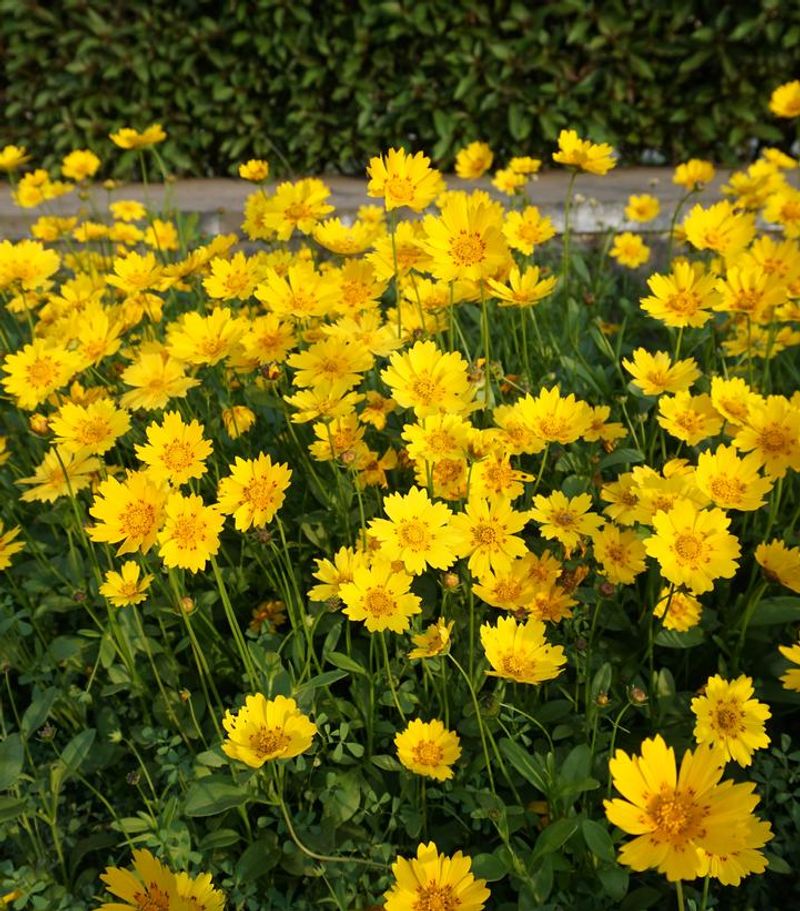
The brightest display usually comes from a spot with plenty of direct sun. Lanceleaf coreopsis is at its best when light is strong.
Full sun helps the plant produce more flowers and keeps growth sturdier. In too much shade, blooming can drop and stems may stretch.
That does not mean every yard needs a perfect open prairie. A bright border, sunny cottage bed, pollinator strip, or open foundation planting can work well.
The key is avoiding deep shade under dense trees or beside tall structures. Those spots usually reduce the flower show.
Sunny placement also helps the plant blend with other warm-season perennials. It pairs well with coneflowers, black-eyed Susans, bee balm, little bluestem, and asters.
In smaller gardens, use it in groups of three or five for a stronger effect. A single plant can look nice, but a small drift creates more impact.
The open flowers also show better when they are not buried behind taller neighbors. Give them a visible edge where the color can shine.
A full-sun location does not remove every care need, but it sets the plant up for its best performance.
4. Lean, Well-Drained Soil Keeps Growth Sturdy
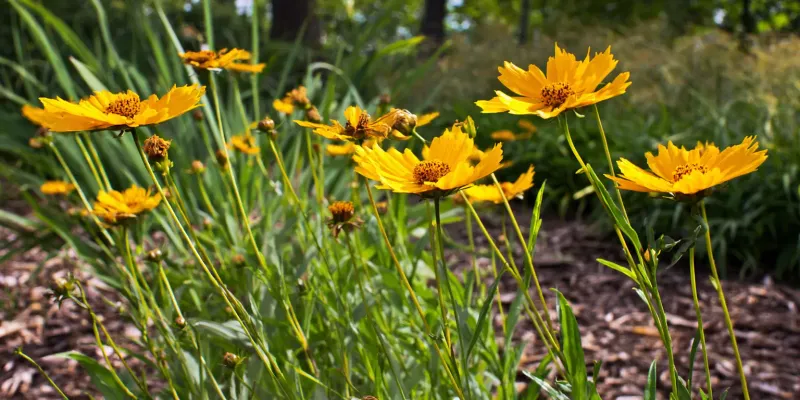
Rich soil sounds like a gift, but it is not always the best match for this plant. Lanceleaf coreopsis often performs better in leaner ground.
Well-drained soil is especially important. The plant does not want roots sitting in wet, heavy soil for long periods.
In clay-heavy beds, drainage can be the deciding factor. A slightly raised area, slope, or amended sunny border may work better than a low wet spot.
Too much fertility can also push soft growth. That may lead to floppier stems and a messier look later in the season.
A modest amount of compost is fine if the soil is poor, but heavy feeding is usually not needed. This is not a plant to pamper with rich fertilizer.
Once established, it can handle fairly ordinary garden soil as long as water drains away. New plants still need steady moisture while roots settle.
Mulch can help during establishment, but keep it light near the crown. Do not bury the base of the plant.
The goal is simple: sun above, drainage below, and no heavy-handed feeding. That combination keeps growth cleaner and more natural.
5. Trimming Helps New Buds Keep Coming
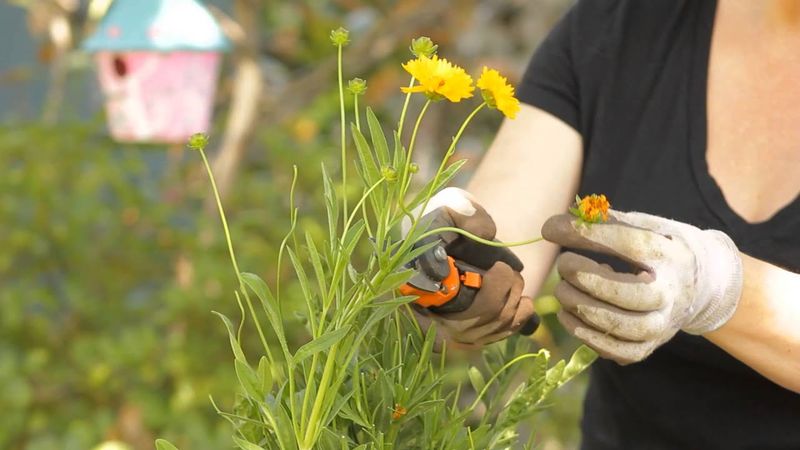
A few minutes with pruners can make a real difference in summer. Trimming helps the plant put energy into fresh buds instead of seed too early.
The easiest method is to clip faded flowers back to a leaf or side stem. That keeps the plant looking cleaner and encourages more bloom.
You do not need to remove every spent flower the moment it fades. A relaxed approach still helps, especially if you tend the plant once or twice a week.
Trimming is most useful earlier in the season. That is when the plant still has time to send up more flowers.
Later in summer, you can change the goal. Instead of cutting everything, leave some spent blooms in place for seed heads.
That gives the garden more texture and gives birds a possible food source as the season shifts.
This balance matters because flower care and wildlife value can pull in different directions. Cutting every bloom can extend color, but it reduces seed.
A smart approach is to trim some stems and leave others. That keeps the plant useful without making the bed look neglected.
6. A Light Summer Cutback Can Refresh Tired Plants
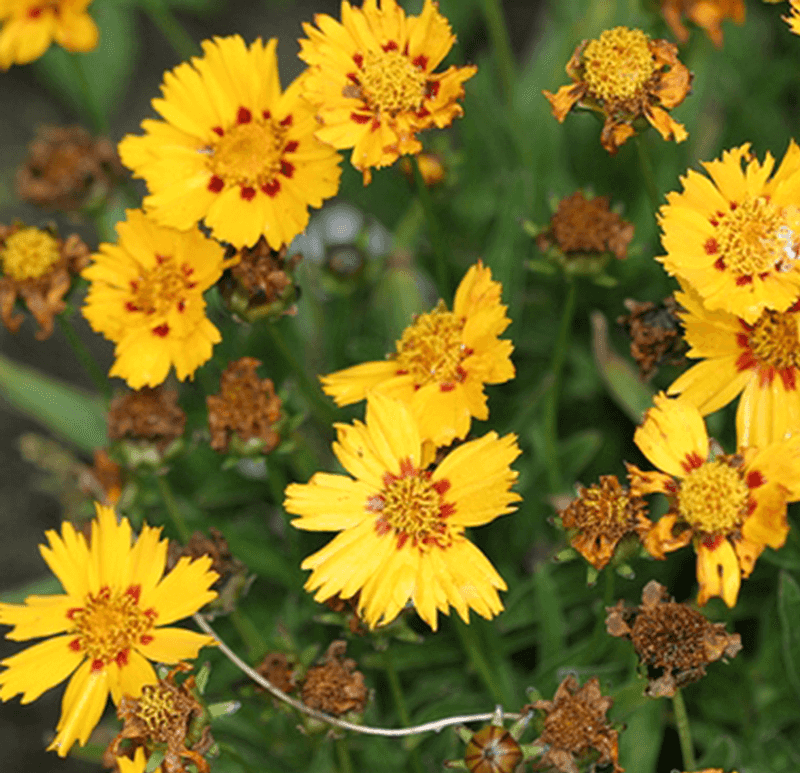
After a heavy bloom period, the plant may start to look open, tired, or uneven. That is normal for many long-blooming perennials.
A light summer cutback can help refresh the clump. Trim back spent stems and shaggy growth without cutting the plant down too harshly.
This can encourage cleaner foliage and possible rebloom, especially when moisture and weather cooperate.
Timing matters. Cut back after the first strong bloom flush, not at the very end of the season when the plant has little time to respond.
Avoid removing every stem if you want steady color. Some gardeners trim part of the clump first, then leave the rest blooming.
That staggered approach keeps the bed from looking bare all at once. It also gives pollinators some flowers while the trimmed section recovers.
Do not expect the second bloom to always match the first one. Weather, soil moisture, plant age, and site conditions all affect the result.
Still, a light trim is often worth trying if the plant looks worn out by midsummer. It is one of the easiest ways to stretch the display.
7. Pollinators Work The Flowers Through Warm Weather
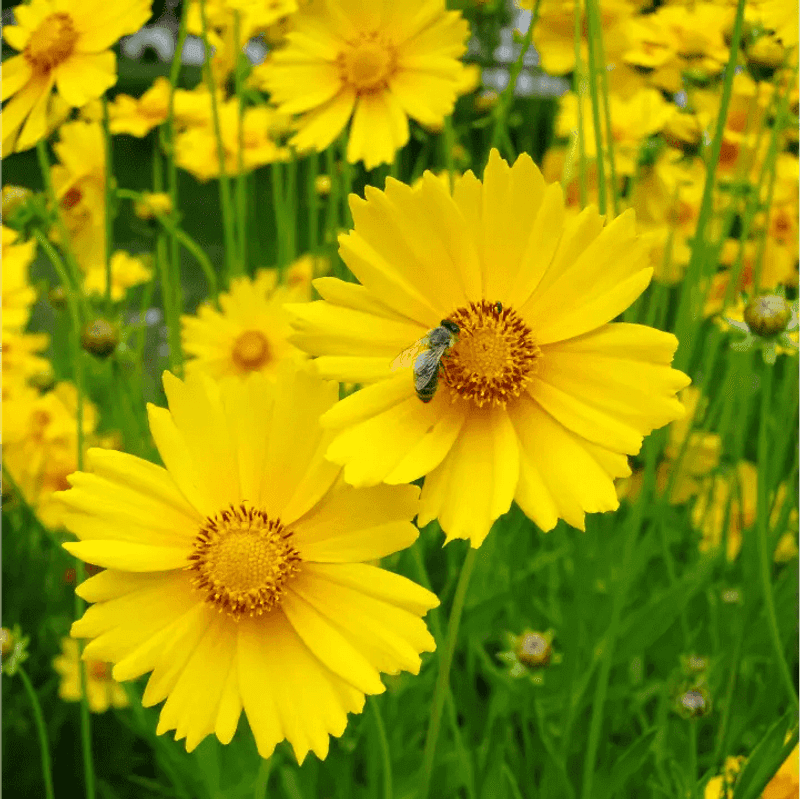
The open shape of the flowers makes them easy for many insects to use. Bees, small butterflies, and other beneficial insects may visit during bloom.
That is one reason lanceleaf coreopsis belongs in pollinator beds. It offers color for people and resources for garden wildlife at the same time.
The plant is especially useful when grouped with other native flowers. A mixed border gives pollinators more choices across the season.
Pair it with early bloomers, summer flowers, and fall plants. That creates a longer food sequence than one plant can provide alone.
Good partners include bee balm, purple coneflower, black-eyed Susan, blazing star, mountain mint, goldenrod, and asters.
Avoid spraying insecticides near blooming plants when pollinators are active. Even a helpful flower bed loses value if the area is treated carelessly.
The plant also works well near native grasses. Grasses add structure while the flowers bring bright color and pollinator activity.
Lanceleaf coreopsis should not be described as a complete pollinator solution by itself. It is one strong piece of a larger planting.
Used that way, it makes sunny gardens livelier through warm weather.
8. Seed Heads Carry The Show After Petals Fade
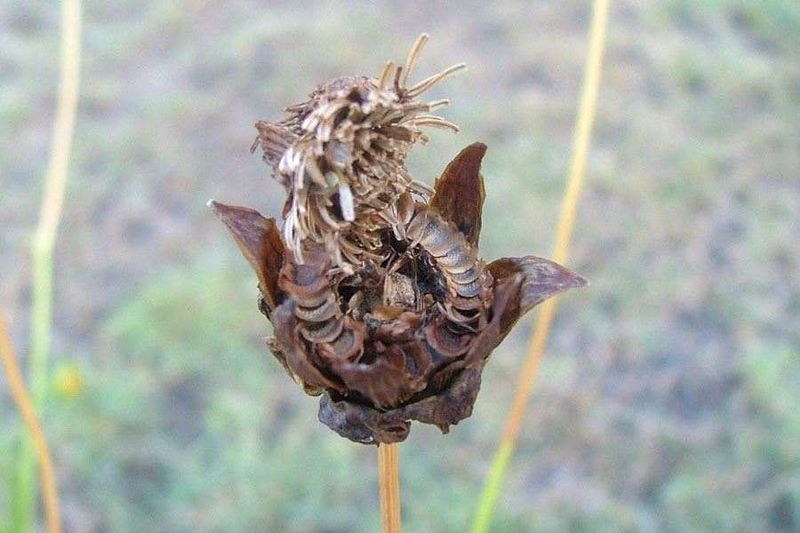
The end of the flower show does not have to mean the plant is finished. Seed heads can add late-season texture and quiet wildlife value.
If some faded blooms are left standing, they create a more natural look as summer moves toward fall. This works especially well in native beds and meadow-style plantings.
Birds may visit seed heads, and the stems add structure after the golden petals are gone.
This is where lanceleaf coreopsis helps support the title in an honest way. The flowers may not cover every week, but the plant still contributes later.
In a formal front border, you may want to trim the messiest stems. That is fine.
Not every planting needs to look wild.
A balanced cleanup works best for many home gardens. Remove the roughest growth near walkways and leave some seed heads farther back.
You can also wait until late winter or early spring for a fuller cleanup. That gives wildlife more time to use the standing stems.
The main point is to stop seeing faded flowers as failure. With this plant, the after-bloom stage is part of its value.
From golden flowers to seed heads, lanceleaf coreopsis gives sunny gardens a long and useful season.