This Underrated Perennial Is Becoming A Popular Hosta Alternative In Michigan Shade Gardens
Hostas have held a near-monopoly on Michigan shade gardens for a long time, and it is not hard to understand why. They are reliable, widely available, and come in enough variety to fill almost any shaded space without much thought.
But a growing number of Michigan gardeners have started looking for something different, and one perennial in particular keeps coming up in that conversation.
It handles low light just as well as hostas, comes back dependably through Michigan winters, and brings a texture and presence to a shade bed that hostas cannot replicate.
It has been available at nurseries for years without getting the attention it deserves. The gardeners who do try it tend to add more of it the following season and start quietly rethinking how much of their shade garden hostas actually need to occupy.
1. Pennsylvania Sedge (Carex Pensylvanica)
Walk through almost any Michigan oak woodland in summer and you will likely step right over it without realizing what it is.
Pennsylvania Sedge is one of those plants that blends into the forest floor so naturally that it almost seems invisible, yet it has been doing important ecological work for centuries.
Native to the eastern and central United States, it thrives in the kind of dry, rooty shade that defeats most other perennials.
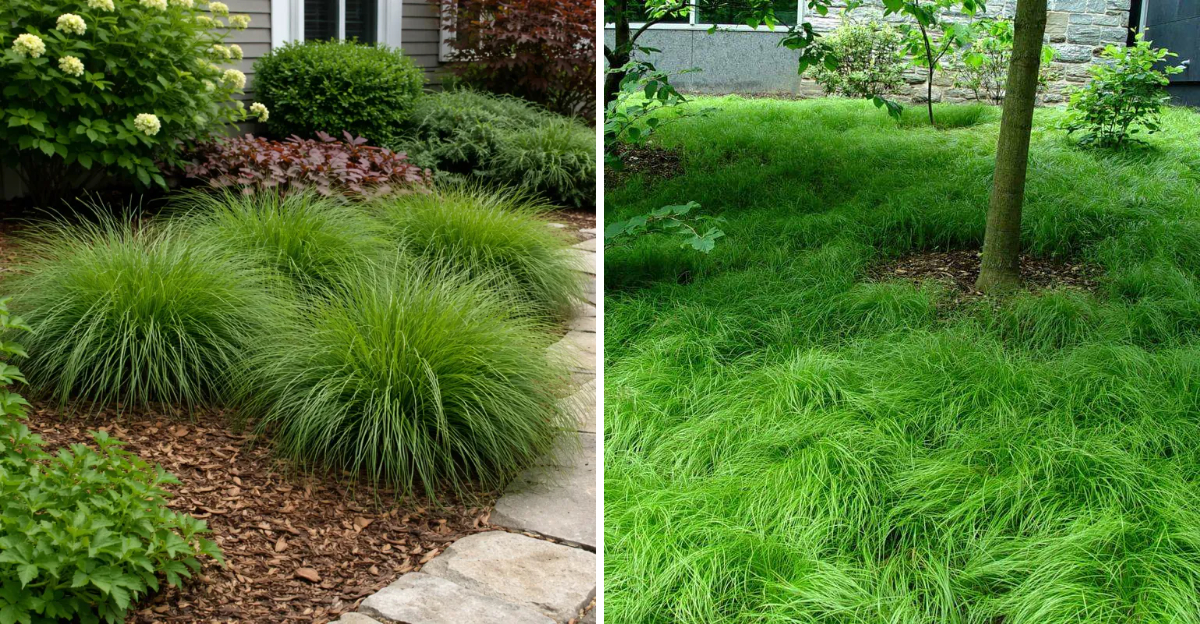
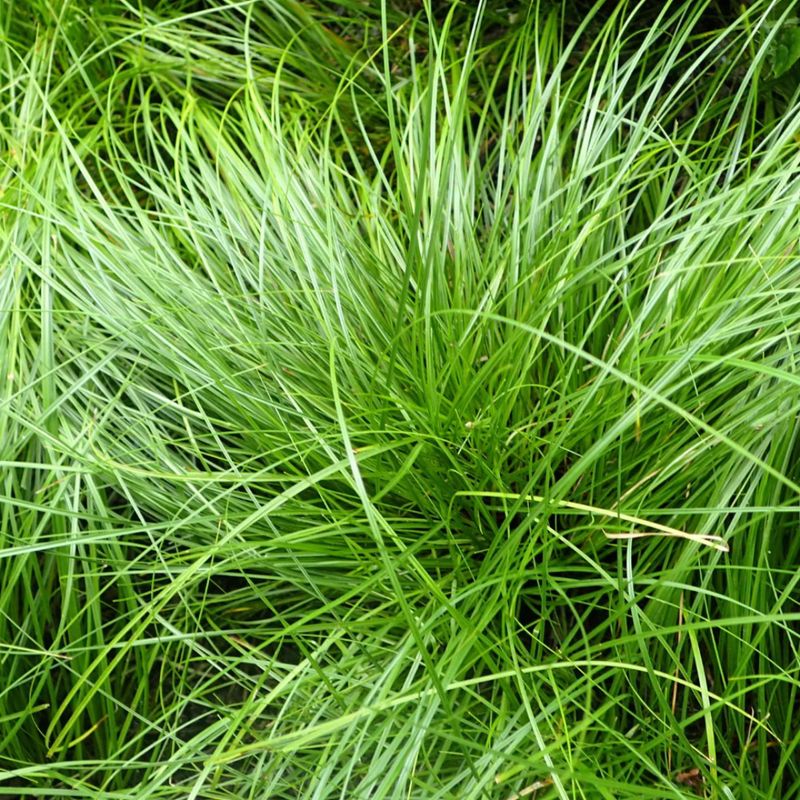
Carex pensylvanica forms soft, arching clumps of fine green foliage that grow anywhere from six to ten inches tall. The leaves have a gentle texture that feels almost grass-like, but sedges are technically their own plant family, Cyperaceae, not grasses.
That distinction matters because sedges have a triangular stem structure, which is why gardeners say “sedges have edges.”
Michigan gardeners have started paying much closer attention to this plant over the past decade as interest in native landscaping has grown. Nurseries that once struggled to sell it are now reporting strong demand.
Paired with shade-loving ferns or spring wildflowers, Pennsylvania Sedge creates a layered woodland look that feels completely at home under mature trees. It is affordable, adaptable, and genuinely low-maintenance once established.
2. It Handles Dry Shade Better Than Many Hostas
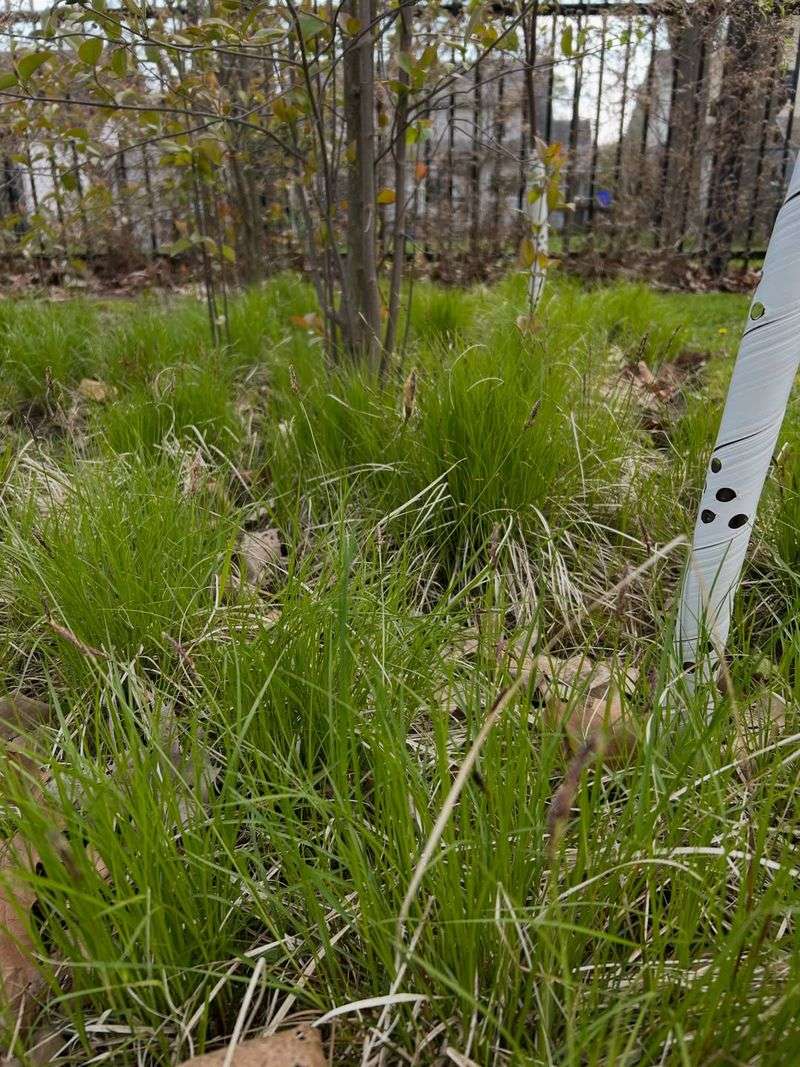
Dry shade is the problem spot that frustrates gardeners everywhere. Under large trees, the soil gets robbed of moisture and nutrients, leaving most plants struggling to survive.
Hostas can manage moderate shade, but they tend to sulk badly when the soil dries out too much, developing crispy edges and faded color. Pennsylvania Sedge, on the other hand, actually evolved to handle exactly these conditions.
Because it is native to woodland floors beneath dense tree canopies, Carex pensylvanica has developed deep root systems that are remarkably efficient at finding moisture in dry soil.
Once established, typically after one full growing season, it can go through dry stretches without needing supplemental watering. That kind of toughness is genuinely rare among shade-tolerant perennials.
For Michigan gardeners dealing with the deep, dry shade under silver maples, Norway spruces, or large oaks, this sedge fills the gap that other plants simply cannot.
Hostas planted in similar spots often need regular watering, fertilizing, and slug control just to look decent.
Your Michigan Garden Changes Every Week. Your Plan Should Too.
Gardening in Michigan changes quickly throughout the season. Every Friday you’ll receive a simple weekly plan showing exactly what to plant, prune, fertilize, harvest, and protect so you never miss the right timing.
Pennsylvania Sedge asks for almost none of that. Plant it, water it through its first summer, and then mostly step back.
The plant handles the rest on its own, which is exactly the kind of gardening more people are looking for these days.
3. It Works As A Living Groundcover
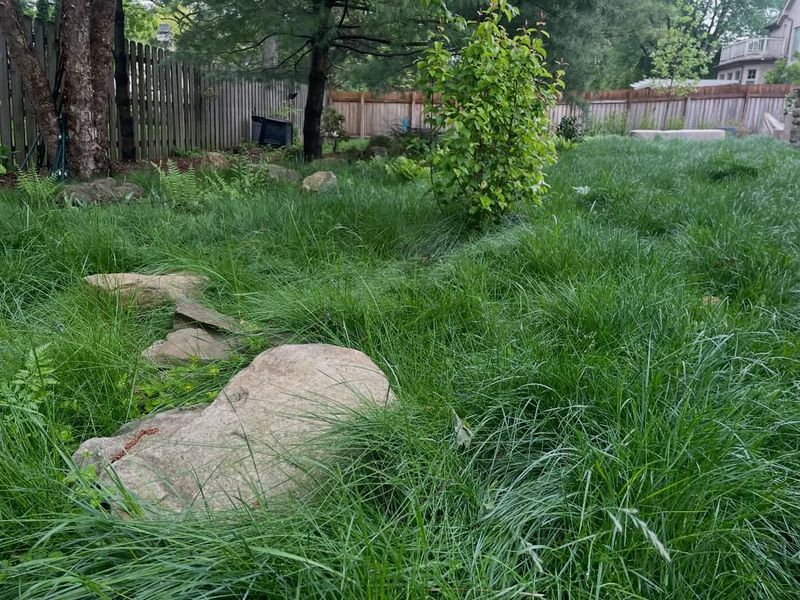
Groundcovers are the unsung heroes of any well-designed garden, and Pennsylvania Sedge earns its place among the best of them.
Rather than just filling space, it actively knits together a shade bed with soft, continuous texture that looks polished without requiring constant grooming.
Think of it as a green carpet that actually belongs in the ecosystem rather than working against it.
Unlike pachysandra or English ivy, which are common groundcover choices but non-native and sometimes invasive, Pennsylvania Sedge supports local wildlife. Birds use its seeds, and certain native bees rely on early-season resources found near sedge colonies.
Choosing it over non-native alternatives means your garden is doing something genuinely helpful for the local food web.
From a purely visual standpoint, a dense planting of Pennsylvania Sedge under trees looks incredibly clean and intentional. The fine-textured foliage creates a uniform green layer that suppresses weeds once it fills in, reducing the need for mulch maintenance over time.
Homeowners who replace struggling lawn or bare soil patches under trees with this sedge often report being amazed at how much tidier and more natural the space looks.
It is the kind of low-effort upgrade that makes a yard feel thoughtfully designed rather than just maintained. For Michigan shade gardens, it genuinely delivers.
4. It Stays Lower Than Most Hostas
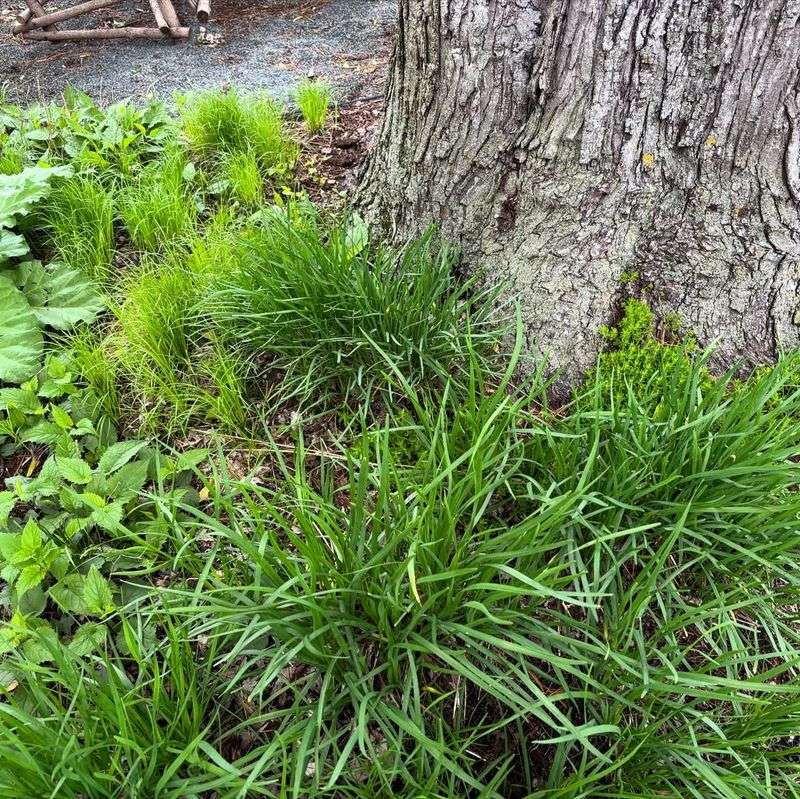
Size matters a lot when you are designing a shade garden, especially near walkways, borders, or tight spaces under windows.
Hostas are wonderful plants, but many popular varieties grow surprisingly large, sometimes reaching two feet tall or wider, which can overwhelm smaller spaces quickly.
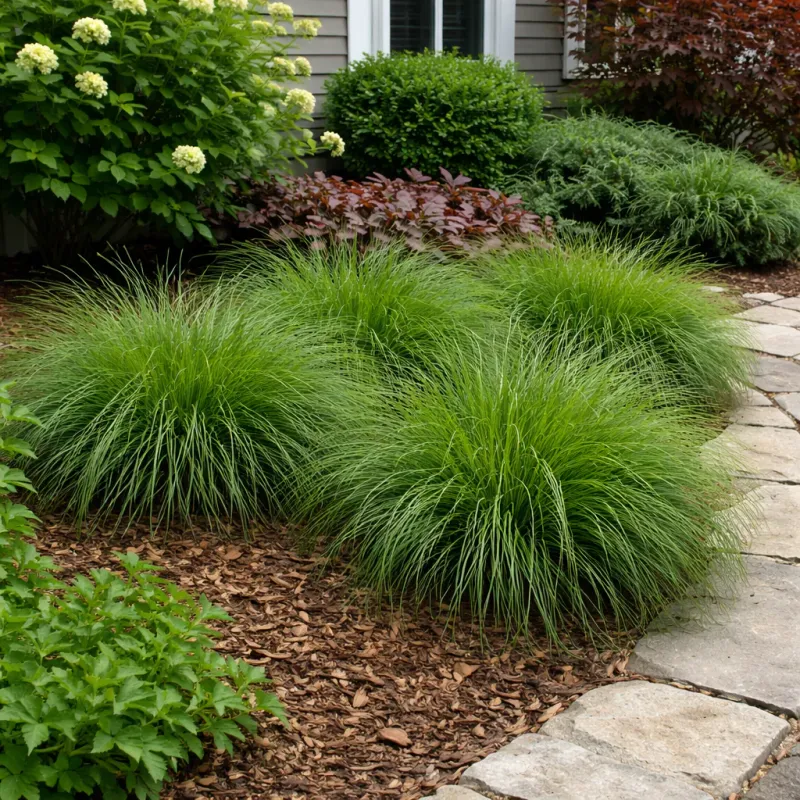
Pennsylvania Sedge stays naturally compact, typically topping out between six and ten inches, making it a much more manageable choice for certain spots.
That lower profile is genuinely useful along garden paths or at the front edge of a shade bed where you want something that stays tidy without constant cutting back. The arching, fine leaves drape softly without flopping over onto pavement or neighboring plants.
It has a neat, almost meadow-like quality that works beautifully as a border edging plant in naturalistic designs.
Gardeners who have tried growing hostas near walkways know the frustration of watching big leaves spread over the path by midsummer, requiring regular trimming. Pennsylvania Sedge sidesteps that problem entirely.
Its naturally restrained growth habit means you spend less time managing it and more time enjoying it. For shaded front yard beds, tree ring plantings, or any spot where a lower, softer texture is the goal, this sedge delivers exactly the right visual scale.
It proves that sometimes the quieter, smaller plant is actually the smarter long-term choice for your garden design.
5. It Spreads Slowly By Rhizomes
One of the most reassuring things about Pennsylvania Sedge is the way it spreads. Some groundcovers take over a garden so aggressively that you spend years trying to contain them.
Others barely move at all, leaving bare gaps that weeds quickly claim. Pennsylvania Sedge strikes a genuinely useful middle ground, spreading slowly and steadily through underground rhizomes without ever becoming a nuisance.
Rhizomes are horizontal underground stems that send up new shoots over time. In the case of Carex pensylvanica, this process happens gradually, filling in surrounding soil at a pace that feels natural rather than alarming.
Over several years, individual clumps will knit together to form a soft, continuous carpet, especially in conditions that match its native woodland habitat.
For gardeners who want a shade bed that fills in on its own without requiring constant replanting or division, this spreading habit is a major advantage.
You can start with a modest number of plants spaced about a foot apart and expect them to close the gaps naturally within two to three growing seasons. That patience pays off with a planting that looks genuinely established and lush.
It also means you are working with the plant rather than constantly managing it, which is the kind of low-stress gardening relationship most people are hoping for when they choose native perennials for their Michigan yard.
6. It Looks Best In Drifts Or Mass Plantings
Some plants are born to be featured as single specimens. Pennsylvania Sedge is not one of them, and that is actually a compliment.
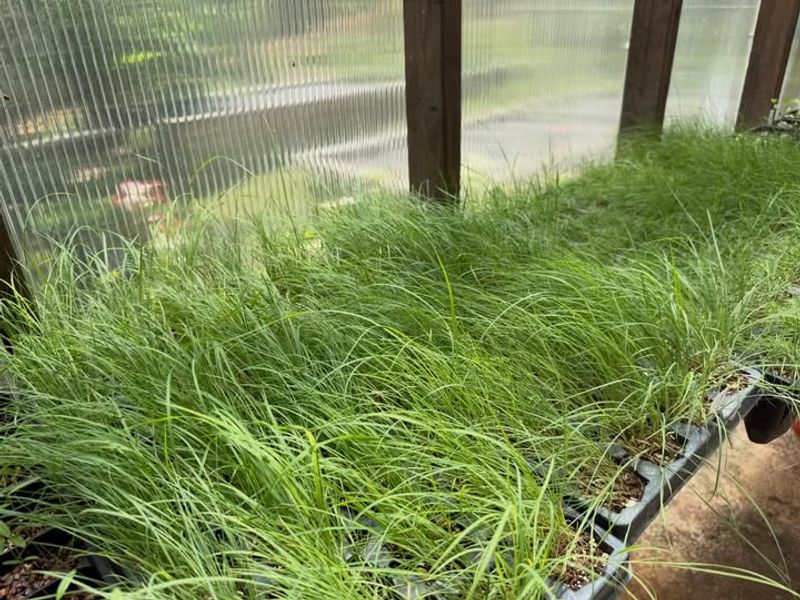
It reaches its full visual potential when planted in generous sweeps or drifts, where the repeated texture of fine, arching leaves creates a calming, unified look that feels like a natural forest floor.
A single clump looks pleasant enough, but a mass planting looks genuinely stunning.
Garden designers who work with native plants often recommend thinking about Pennsylvania Sedge the way you would think about ornamental grasses in a sunny border. Repetition is the key.
Planting it in groups of seven, ten, or even twenty plants across a large shade bed creates the kind of cohesive, layered effect that makes a garden feel thoughtfully composed rather than randomly assembled.
Under Michigan maples or oaks, a wide drift of this sedge paired with scattered ferns, wild ginger, or Solomon’s seal creates a scene that looks like it grew there naturally, even though it was carefully planted.
That naturalistic quality is something many homeowners are actively seeking as interest in ecological landscaping grows.
The good news is that Pennsylvania Sedge is affordable enough to buy in quantity without breaking the budget, especially if you source it from native plant nurseries or local garden society sales. Mass planting pays off beautifully here.
7. It Needs Less Dividing Than Overcrowded Hostas
Anyone who has grown hostas for more than a few years knows the chore of division. Mature clumps develop dense, crowded centers that stop looking their best, and every few years you need to dig them up, split them apart, and replant the sections.
It is satisfying work, but it is still work, and not everyone has the time or energy for it. Pennsylvania Sedge largely skips that maintenance cycle.
Because it spreads outward through rhizomes rather than forming tight, congested crowns, Pennsylvania Sedge does not develop the same overcrowded center problem that hostas do.
The plant naturally expands at its edges while the interior stays relatively even and healthy. You are not likely to look at a mature planting and think it urgently needs to be dug up and divided.
That said, if a planting does get thicker than you want in a particular spot, it is easy enough to thin out by hand or with a garden fork in early spring. But unlike hostas, this is a choice rather than a necessity.
For gardeners who want a shade planting that mostly takes care of itself from year to year, that distinction is meaningful.
Reducing the number of recurring maintenance tasks in a garden frees up time for more enjoyable projects, and Pennsylvania Sedge helps make that possible in a real, practical way.
8. It Supports A More Natural Woodland Look
There is something genuinely calming about a garden that looks like it belongs in its surroundings.
Formal hosta beds are beautiful in their own right, but they can sometimes feel a little too tidy, too structured, for a yard that sits at the edge of a Michigan woodland or backs up to a natural area.
Pennsylvania Sedge brings a different kind of beauty, one that feels rooted in the landscape rather than placed on top of it.
When mixed with native companions like ostrich ferns, wild ginger, bloodroot, or woodland phlox, Carex pensylvanica creates a shade bed that mimics the layered structure of a real forest understory.
Each plant fills a slightly different niche, and the result is a planting that looks complex and alive without requiring a complicated maintenance routine. That ecological layering is what makes native plant gardens so visually interesting.
Michigan has a rich woodland heritage, and using plants like Pennsylvania Sedge connects a home garden to that larger natural story.
Neighbors and visitors often comment that a native shade garden looks like a piece of the woods was transplanted into the yard, which is exactly the effect many gardeners are going for.
It is a style that feels both relaxed and intentional at the same time, which is a balance that is genuinely hard to achieve in garden design without the right plant palette.
9. It Is Not Grown For Showy Flowers
Here is something worth knowing before you plant it: Pennsylvania Sedge will not give you a big flower show. If you are expecting bold blooms or colorful spikes in summer, this is not your plant.
What it offers instead is something more subtle and, honestly, more lasting. Its value comes entirely from texture, form, and function, which are qualities that hold up all season long rather than fading after a few weeks of bloom.
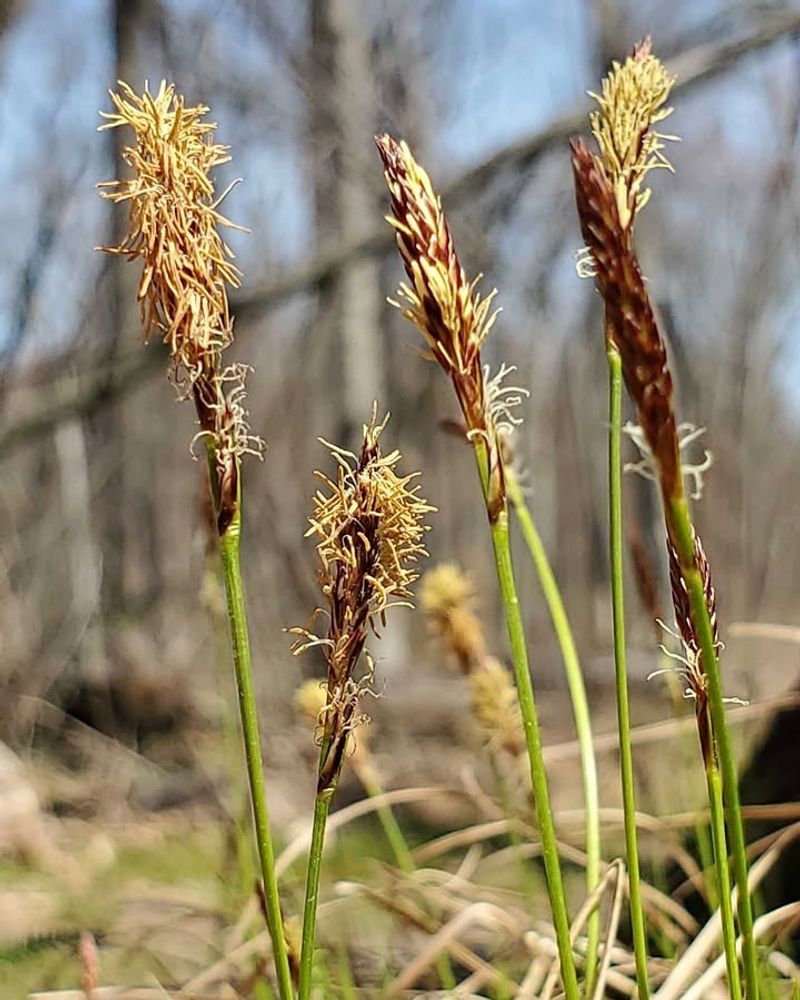
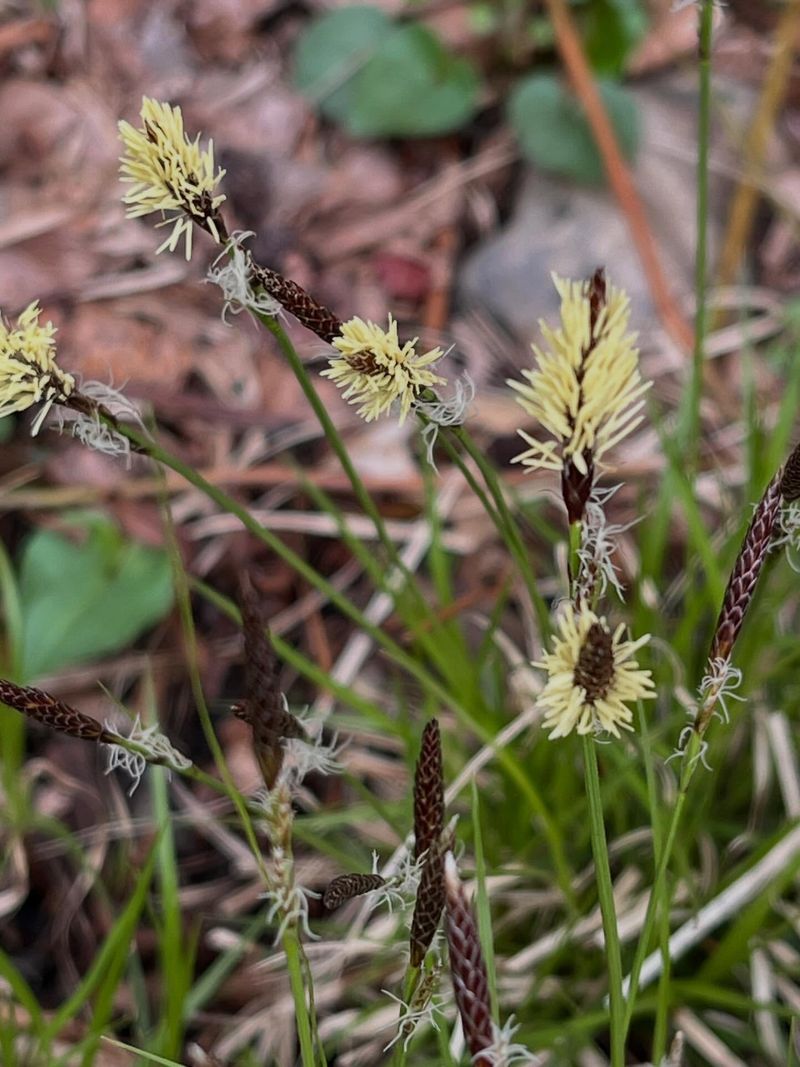
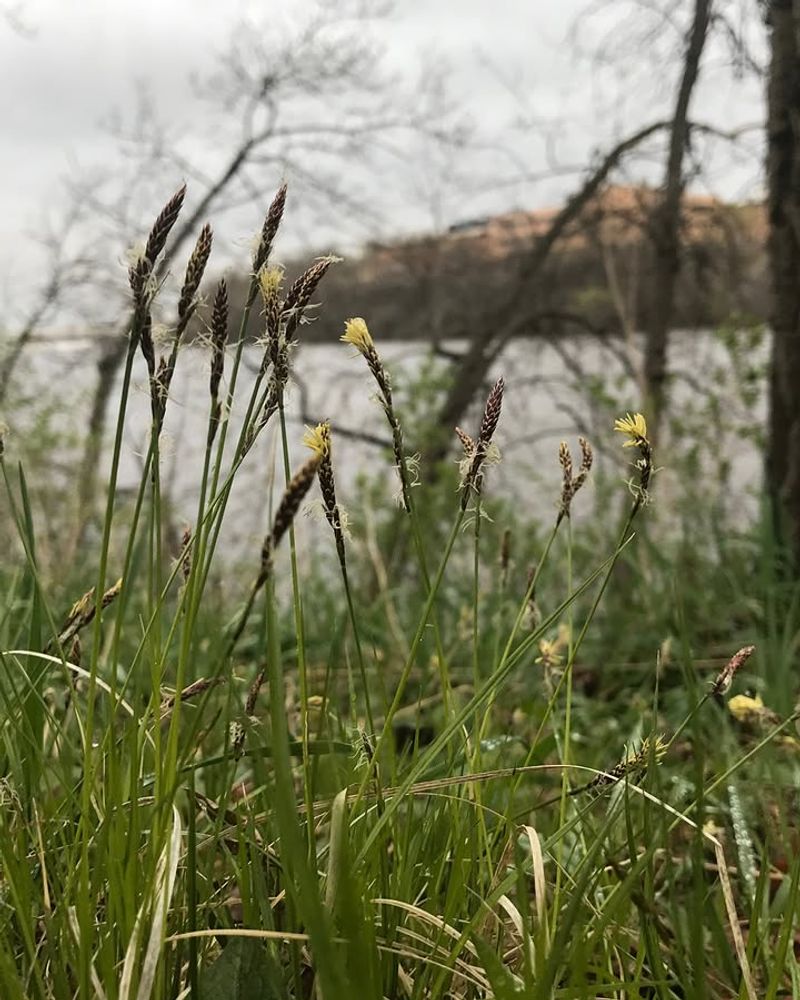
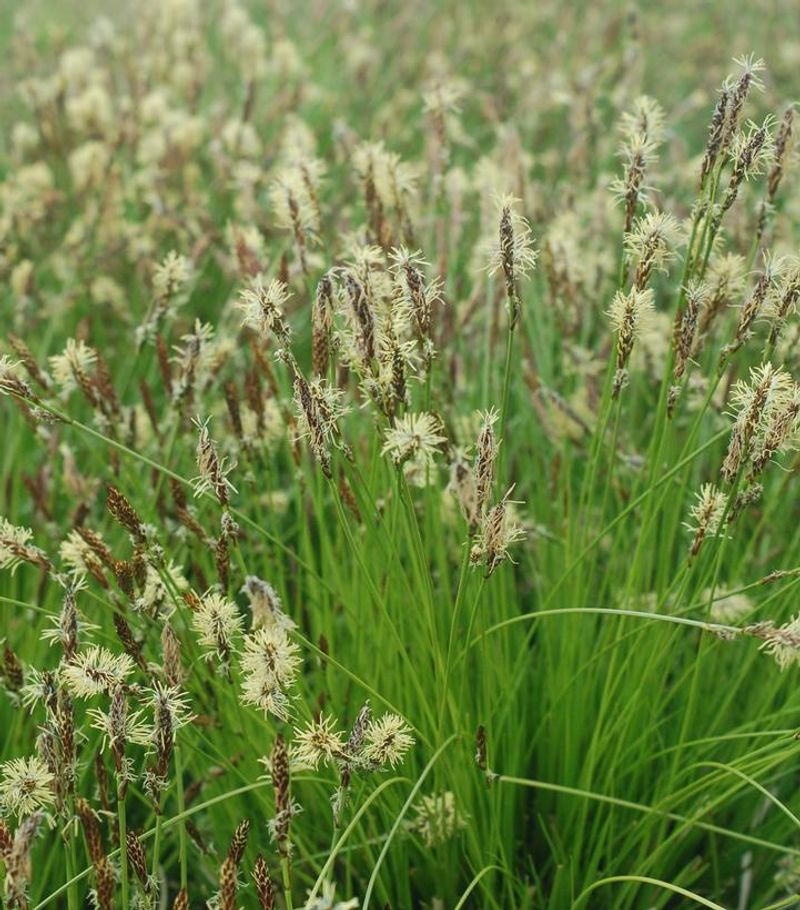
In early to mid spring, Pennsylvania Sedge does produce small, inconspicuous flower spikes called spikelets that rise just above the foliage. They are not showy enough to notice from across the yard, but they are ecologically important.
Those tiny seed heads feed birds and support certain native insects during a time of year when food sources are limited. So while the flowers are modest, they are doing real work in the garden.
Gardeners who appreciate foliage plants tend to fall hard for Pennsylvania Sedge once they understand its strengths.
The consistently fine, green texture it provides from early spring through late fall, or even into winter in mild years, is something that flashier plants simply cannot match in terms of reliability.
It plays a supporting role in the garden beautifully, making everything around it look better without ever demanding the spotlight for itself. That kind of quiet reliability is genuinely underrated.
10. It Helps Reduce Bare Soil In Shade
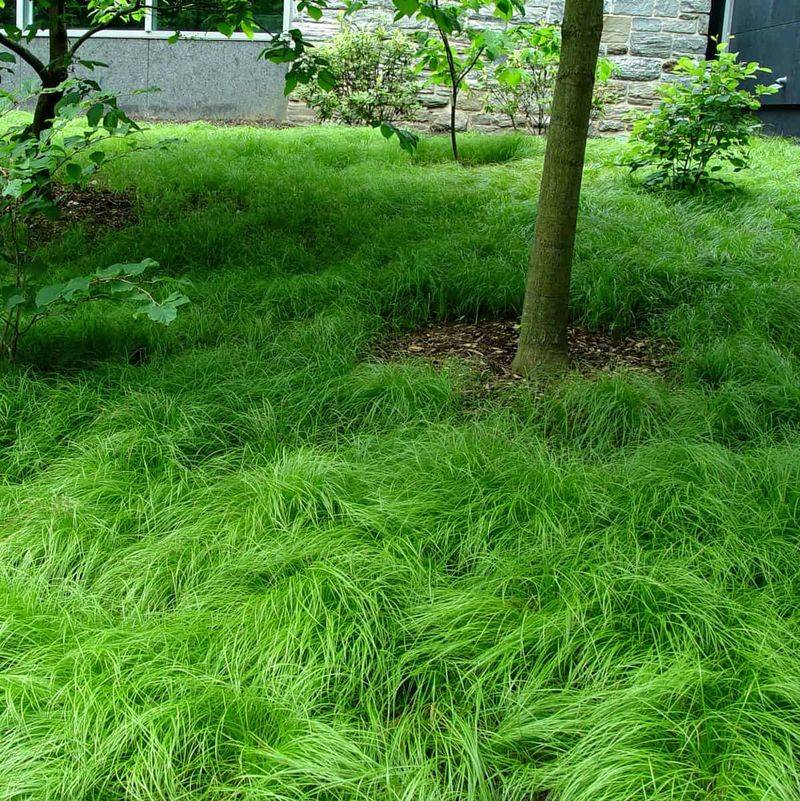
Bare soil under trees is more than just an eyesore. When rain hits exposed ground, it carries away fine soil particles, nutrients, and organic matter, gradually degrading the quality of the planting bed over time.
Mulch helps slow that process, but it needs to be replenished every year. A living groundcover like Pennsylvania Sedge offers a more permanent and ecologically active solution.
The dense root network of an established Pennsylvania Sedge planting holds soil in place effectively, even on gentle slopes or in areas that receive heavy rain runoff from rooftops or driveways.
Its roots also help maintain soil structure and support the soil organisms that keep a shade bed healthy. That underground activity is invisible but genuinely valuable for the long-term health of a garden.
Replacing bare soil or thinning mulch patches with Pennsylvania Sedge also reduces weed pressure significantly. Weeds need open soil and light to germinate, and a thick sedge planting denies them both.
Gardeners who have made the switch often report spending far less time pulling weeds in previously bare shade areas once the sedge fills in. That is a practical, time-saving benefit that is easy to appreciate on a busy weekend.
Combined with its natural good looks and ecological value, the ability to cover and protect bare soil makes Pennsylvania Sedge one of the hardest-working plants in a Michigan shade garden.
11. It Is Best For Naturalistic Beds, Not Formal Hosta Displays
Pennsylvania Sedge is a plant that rewards a certain kind of gardening philosophy. If your style leans toward neat, symmetrical beds with bold foliage plants arranged in precise patterns, hostas will probably always be a better fit for you.
But if you love the idea of a garden that looks like it grew naturally, one that feels relaxed, layered, and connected to the local landscape, Pennsylvania Sedge is genuinely your plant.
Naturalistic garden design has been growing in popularity across Michigan and the wider Midwest, driven partly by interest in native plants and partly by a desire for lower-maintenance outdoor spaces. Pennsylvania Sedge fits that movement perfectly.
It does not demand to be the star of the show. Instead, it creates the kind of soft, textured foundation that makes everything else in a shade bed look better and more cohesive.
Swapping out a struggling formal hosta border under dense trees for a flowing planting of Pennsylvania Sedge mixed with native companions can completely transform the feeling of a backyard.
The space shifts from looking like a garden that is being maintained to looking like a garden that is thriving.
That shift in energy is something that photographs well, impresses visitors, and most importantly, feels satisfying every time you walk past it. For Michigan gardeners ready to try something a little different, this sedge is a genuinely rewarding place to start.