These Are The Pennsylvania Yard Habits The PHS Says Are Trending Most In 2026
Pennsylvania gardeners love a good glimpse at what is catching on next, especially when it comes with a little real-world garden wisdom behind it. That is a big part of why the PHS trend report gets so much attention every year.
It is not just about what looks pretty on a patio for five minutes. It is about the ideas shaping how people actually garden now.
The 2026 trends feel especially fun because they pull in a little bit of everything. There is beauty, of course, but also creativity, ecology, edible growing, and some surprisingly modern twists.
Yes, even the garden world has entered its tech era. At the same time, plenty of these ideas still come back to something simple: people want gardens that feel more personal, more useful, and a lot more alive.
For Pennsylvania gardeners, that makes this year’s trend list especially interesting.
1. New Garden Ideas Are Gaining Attention
New garden ideas are getting a lot of attention in 2026, and it is easy to see why. Gardeners are not just looking for plants that look good for a few weeks.
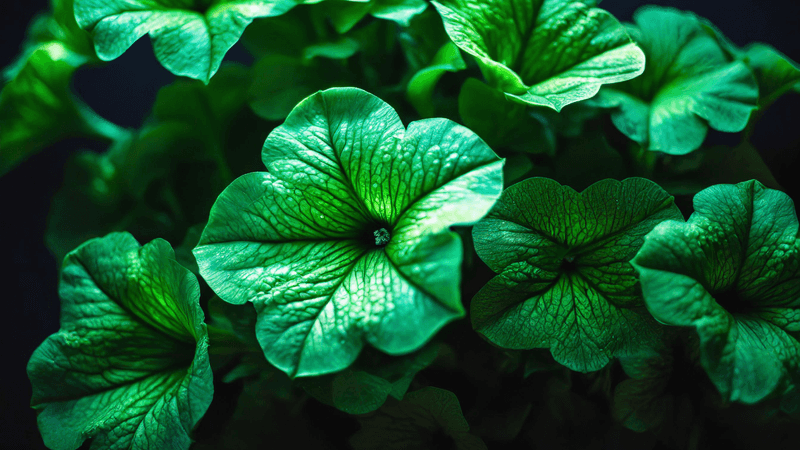
They are paying more attention to products and plant choices that feel fresh, useful, and a little more thoughtful. Some of the newest ideas are playful, like Petunia ‘Firefly,’ which adds an unexpected twist with blooms that show a soft glow after dark.
That kind of detail gives containers and garden beds a little extra personality, especially in the evening when most flowers fade into the background.
At the same time, new products are showing how garden trends are moving toward smarter materials. The 2nd Sand is one example.
Because it is made from recycled glass, it fits the growing interest in using sustainable materials in everyday gardening. It can help with drainage, but it also works as a clean decorative layer in small plant displays.
Indoor gardening is part of this shift too. Climb-itt® by Leafjoy® gives climbing houseplants support with a plant-based material made from potato skins and elephant grass.
Altogether, these ideas point to a bigger change. Pennsylvania gardeners are becoming more open to garden choices that mix style, function, and sustainability in one neat package.
2. Rewilded Gardens Are Becoming More Popular
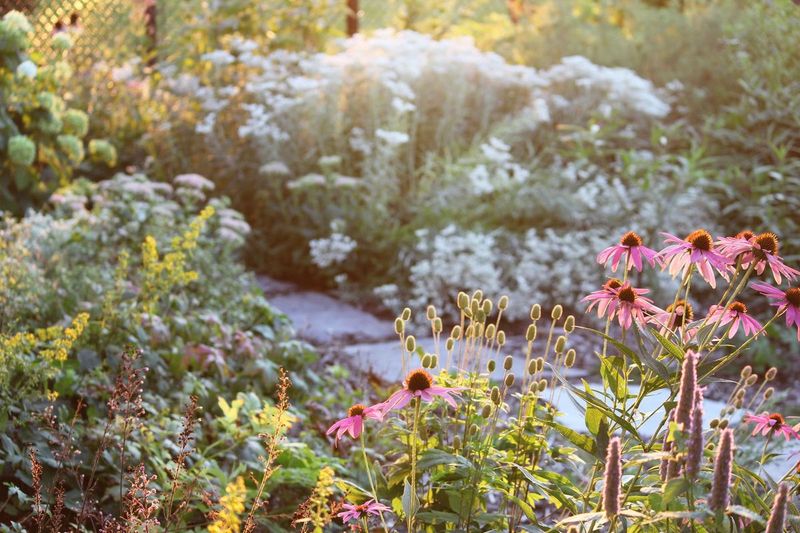
Across Pennsylvania, more homeowners are stepping back from the manicured lawn and letting parts of their yard go a little wilder.
The PHS 2026 trend report highlights rewilded gardens as one of the most talked-about shifts in home landscaping, and it is easy to see why.
Rewilding does not mean neglect. It means making deliberate choices to support natural processes, native species, and wildlife habitat in a way that a conventional lawn simply cannot.
In practical terms, rewilding might look like replacing a section of grass with a meadow planting of native grasses and wildflowers, letting a corner of the yard grow into a brushy habitat for birds, or allowing self-seeding plants to spread naturally between perennials.
The result is often a garden that feels alive in a way a clipped lawn never quite does, buzzing with bees, fluttering with butterflies, and shifting with the seasons.
Your Pennsylvania Garden Changes Every Week. Your Plan Should Too.
Gardening in Pennsylvania changes quickly throughout the season. Every Friday you’ll receive a simple weekly plan showing exactly what to plant, prune, fertilize, harvest, and protect so you never miss the right timing.
Urban and suburban gardeners are finding creative ways to rewild even small spaces. A narrow side yard or a strip along a fence can become meaningful habitat without requiring a large property.
PHS has long encouraged native plant use in Pennsylvania, and rewilding fits naturally into that broader mission of connecting home gardens to local ecology.
3. Gravel Gardening Is Reaching More Yards
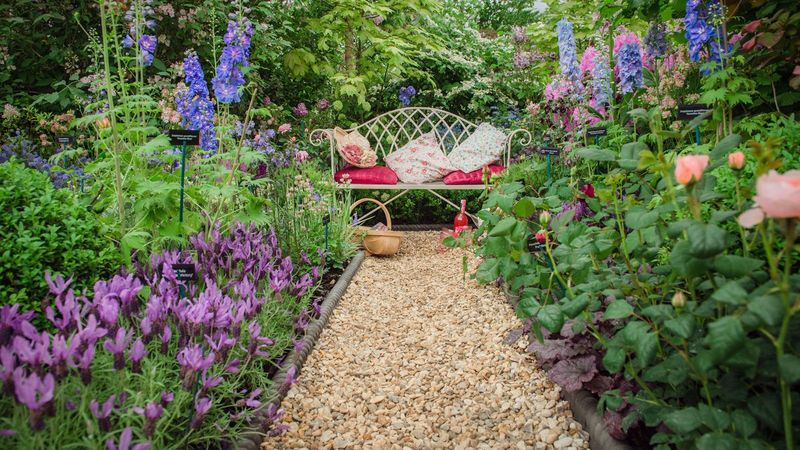
Gravel gardening has been popular in parts of Europe for years, and according to the PHS 2026 trend report, it is now finding its footing in Pennsylvania yards as well.
The basic idea is straightforward: replace traditional mulch or lawn areas with gravel or crushed stone, then plant drought-tolerant perennials, ornamental grasses, and Mediterranean-style plants that thrive in sharp drainage and warm, reflected heat.
For gardeners dealing with clay-heavy soil or spots where water tends to pool, gravel gardening offers a practical solution.
The gravel layer helps suppress unwanted plants without blocking rainfall, improves drainage around plant roots, and creates a low-maintenance surface that looks polished through most of the year.
Many gravel gardens are also designed to handle dry spells better than traditional beds, which is increasingly appealing as summer weather becomes more unpredictable.
Visually, gravel gardens have a clean, textural quality that works well in both modern and cottage-style Pennsylvania landscapes. Plants like lavender, sedum, achillea, and ornamental alliums tend to perform well in this style.
The approach may not suit every yard, especially shadier spots or areas with very heavy foot traffic, but for sunny, well-drained sites in Pennsylvania, gravel gardening is worth a serious look in 2026.
4. Cut Flower Growing Is On The Rise
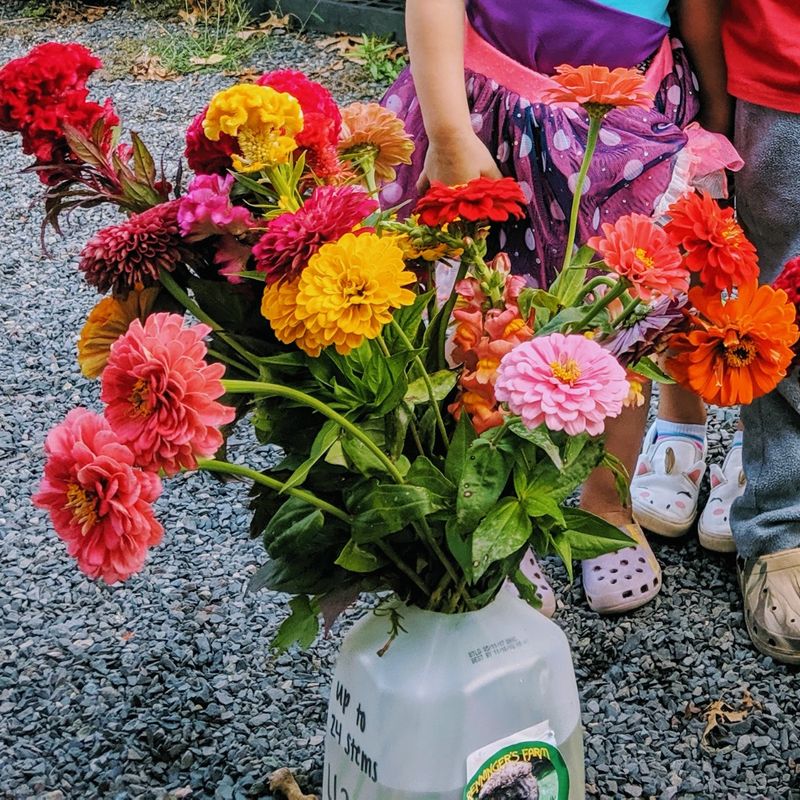
Growing flowers specifically for cutting and bringing indoors has seen a real surge in interest, and the PHS 2026 trend report confirms that cut flower gardening is one of the most popular new pursuits among home gardeners.
For many gardeners, there is something deeply satisfying about filling a vase with flowers they grew themselves rather than buying a pre-made bouquet from a store.
Cut flower gardens tend to be practical, productive spaces where flowers are grown in rows or dedicated beds for maximum yield rather than purely for landscape display.
Dahlias, zinnias, sunflowers, lisianthus, and annual asters are among the flowers that perform especially well for cutting in Pennsylvania’s warm summer months.
Many gardeners start seeds indoors in late winter, which extends the growing season and gives them a jump on bloom time.
One reason this trend is gaining momentum is the growing interest in locally grown, seasonal flowers as an alternative to imported blooms.
Pennsylvania has a strong community of small-scale flower farmers, and home gardeners are increasingly inspired by that movement.
Whether someone has a large suburban lot or a small urban plot, a dedicated cutting patch can be surprisingly productive. Even a few square feet of well-chosen annuals can keep a Pennsylvania home in fresh flowers from June through October.
5. More-Is-More Garden Design Is Trending
Minimalism has had its moment in the garden world, but the PHS 2026 trend report signals a clear swing in the other direction.
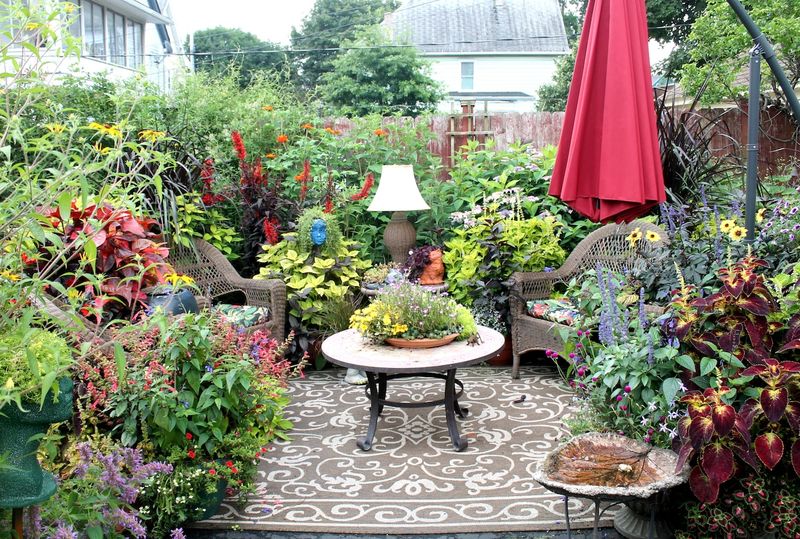
More-is-more garden design, sometimes called maximalism, is about layering plants, colors, and textures in a way that feels abundant, joyful, and intentionally bold.
Think densely planted beds where every inch is filled, tall architectural plants rising above sprawling groundcovers, and color combinations that might seem daring at first glance but somehow work beautifully together.
For gardeners who have always secretly wanted to push the boundaries of conventional planting, this trend gives them permission to go for it.
Tropical-looking plants like cannas, elephant ears, and dahlias are often mixed with traditional perennials to create a layered, lush effect.
The goal is not chaos but rather a sense of generous, overflowing growth that makes a garden feel fully alive.
This style tends to work well in Pennsylvania’s warm and humid summers, when plants grow quickly and boldly. It does require thoughtful plant selection and some attention to spacing so that plants support rather than crowd each other out.
Maximalist gardens can also be surprisingly good for pollinators because the density of bloom and foliage creates rich, layered habitat.
PHS encourages gardeners to experiment with this trend while keeping plant health and ecological value in mind.
6. Houseplants Are Still In The Spotlight
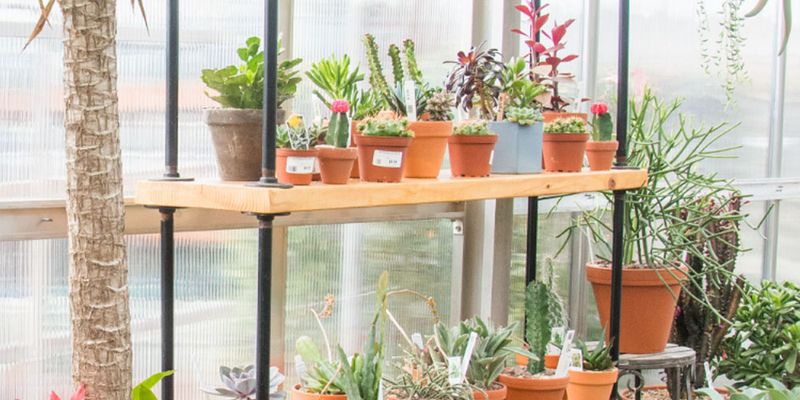
Indoor plant culture shows no sign of fading, and the PHS 2026 trend report makes clear that houseplants are still very much part of the conversation. What has shifted slightly is the way people are thinking about their indoor collections.
Rather than simply acquiring as many plants as possible, many Pennsylvania plant lovers are becoming more selective, focusing on plants they genuinely connect with and learning to care for them well over the long term.
Rare and unusual houseplants continue to attract attention, particularly among younger gardeners who discovered indoor growing during the pandemic years and have kept the hobby going.
Variegated varieties, unusual aroids, and hard-to-find tropical species remain popular on plant trading forums and at specialty nurseries across Pennsylvania.
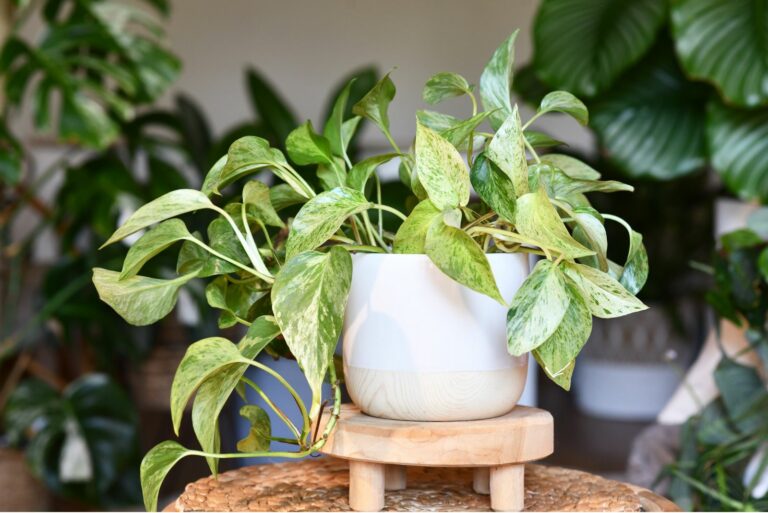
At the same time, reliable classics like pothos, snake plants, and ZZ plants remain popular because they are forgiving and genuinely beautiful in the right setting.
The PHS trend report also touches on the growing interest in growing edible or useful plants indoors, including herbs, microgreens, and compact citrus trees.
For gardeners dealing with long winters, indoor growing offers a meaningful way to stay connected to plants year-round.
Whether someone has a sun-drenched bay window or a modest grow light setup, houseplants continue to offer a rewarding and accessible form of gardening in 2026.
7. Fruit Growing Is Flourishing
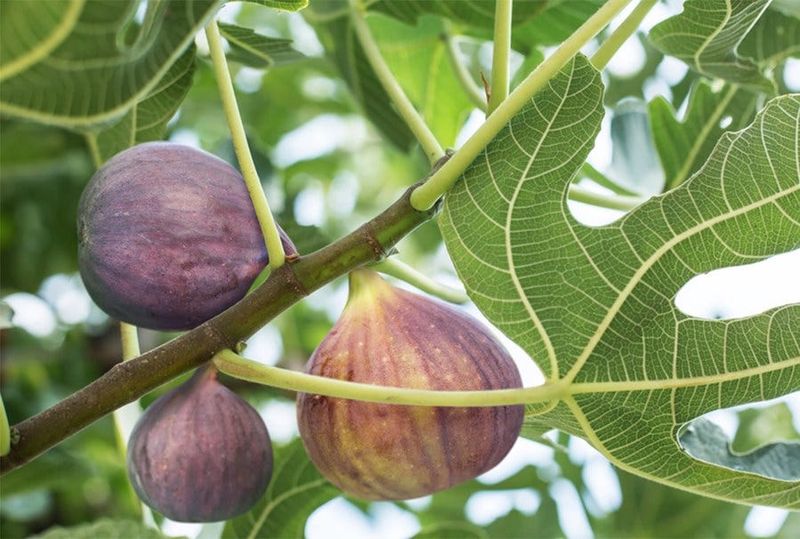
Backyard fruit growing has been building momentum for several years, and the PHS 2026 trend report identifies it as one of the most exciting areas of growth in home gardening. The appeal is easy to understand.
Homegrown fruit tastes different from store-bought, it can be grown without the pesticides used in commercial production, and there is a genuine pleasure in harvesting something you planted and tended yourself.
Pennsylvania’s climate suits a wide range of fruit crops surprisingly well. Blueberries, raspberries, strawberries, and blackberries are among the easiest for home gardeners to establish.
Dwarf and semi-dwarf apple, pear, and peach trees can fit into smaller yards and begin producing within a few years of planting.
Fig trees, once considered too tender for Pennsylvania winters, are being grown more successfully as gardeners find sheltered spots and protective techniques that help them survive the cold.
Urban gardeners are also finding ways to grow fruit in containers on patios and balconies, using compact varieties of blueberries, strawberries, and even dwarf citrus.
The PHS trend report frames this broader interest in edible gardening as part of a larger cultural shift toward food awareness, self-sufficiency, and connection to where food comes from.
Fruit growing fits naturally into that conversation and seems likely to keep growing in popularity through 2026 and beyond.
8. AI Is Reaching The Garden
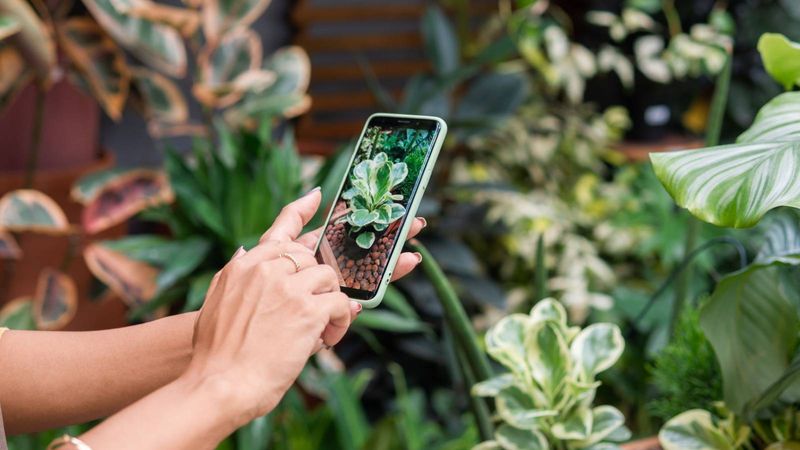
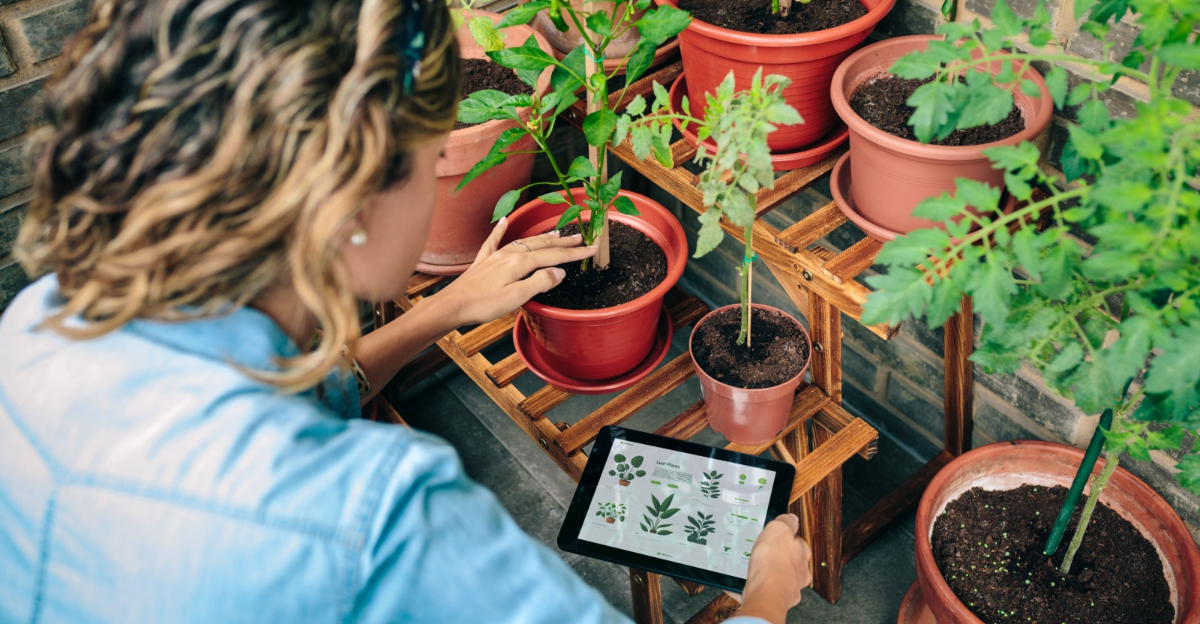
Technology has been working its way into the garden for years through irrigation timers, soil sensors, and plant identification apps, but the PHS 2026 trend report points to artificial intelligence as the next significant tool for home gardeners.
AI-powered apps and platforms are now being used to help gardeners identify plants, troubleshoot problems, plan planting combinations, and even predict how a garden might look in different seasons before a single plant goes in the ground.
For Pennsylvania gardeners who feel uncertain about plant selection or design, AI tools can lower the barrier to trying something new.
An app that analyzes a photo of a struggling plant and suggests possible causes, or a planning tool that generates a customized planting list based on a gardener’s soil type, sun exposure, and goals, can be genuinely useful.
These tools are not replacing the expertise of experienced gardeners or horticulturists, but they are giving beginners a more confident starting point.
The PHS trend report acknowledges that AI in the garden is still developing, and results can vary. Gardeners are encouraged to use these tools as one resource among many rather than as a definitive guide.
That said, the technology is improving quickly, and many gardeners are already finding it helpful for tasks like seed starting schedules, companion planting suggestions, and seasonal garden planning.
9. Hydrangea Interest Is Still Going Strong
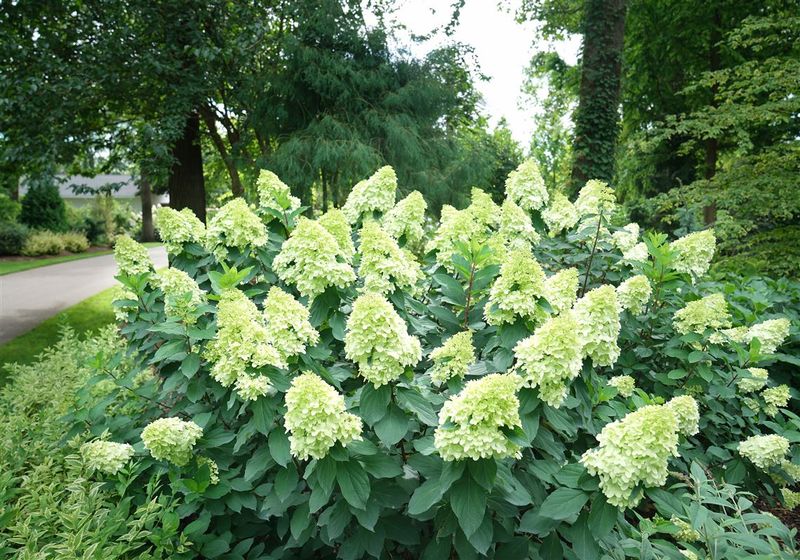
Hydrangeas are still one of the biggest garden favorites in 2026, and gardeners do not seem tired of them at all. That staying power says a lot.
These shrubs have been popular for years, but the excitement keeps going because breeders continue introducing new varieties with different flower forms, sizes, and habits.
At major gardening events, new hydrangeas are still getting plenty of attention, which shows just how strong the interest remains.
For many home gardeners, hydrangeas hit a sweet spot. They feel classic, but there is still something new to discover almost every season.
Part of that ongoing appeal comes from how flexible hydrangeas can be in the landscape. Some fit into foundation beds, some work in mixed shrub borders, and some make a strong statement all on their own.
Pennsylvania gardeners also continue to gravitate toward native hydrangeas, especially smooth hydrangea and oakleaf hydrangea. Those two bring a lot to the yard without feeling overly fussy.
Smooth hydrangea offers soft, familiar blooms, while oakleaf hydrangea adds bold leaves and rich fall color along with flowers. Together, they help explain why hydrangeas are still such a major trend.
They are beautiful, adaptable, and still giving gardeners plenty to get excited about.
10. Ecology-Focused Gardens Are Growing In Popularity
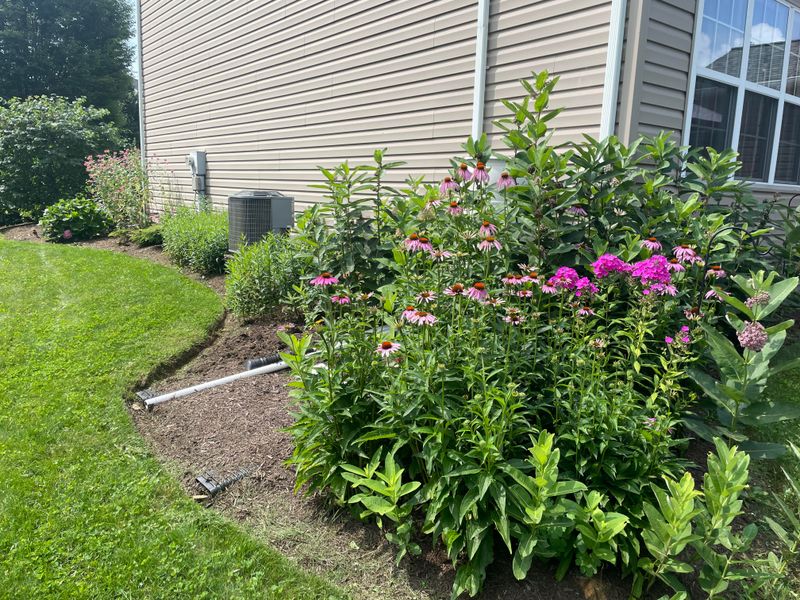
Ecology-focused gardens are becoming a bigger part of how people garden in Pennsylvania, and that shift feels less like a passing trend and more like a real change in mindset.
More gardeners are thinking about what their yards do, not just how they look.
That means choosing plants and habits that support pollinators, birds, and other small forms of wildlife while still creating a beautiful space to enjoy.
Native plants are a big part of that picture, especially species that help insects and birds find food at the right times of year.
Butterfly milkweed is one example that keeps getting attention because it supports monarch butterflies and adds strong summer color at the same time.
This trend also shows up in everyday decisions that feel surprisingly simple. Some gardeners are shrinking parts of the lawn, leaving fallen leaves in place longer, or letting small habitat areas stay a little more natural.
Others are adding bird-friendly shrubs and perennials that provide seeds or berries later in the season. Even twig piles and bee hotels are getting a more intentional place in the yard.
Instead of hiding those features, people are starting to treat them as part of the garden design. In Pennsylvania, that makes a lot of sense.
A garden can still feel polished and attractive while doing more for the living things that depend on it.