Plant These Pennsylvania Native Vines In July And They Will Cover Your Fence By Next Summer
A bare fence is one of those yard features that’s easy to live with temporarily and then suddenly impossible to ignore.
You keep meaning to do something about it, and then another season passes and it’s still just sitting there, doing nothing for the look of your outdoor space.
If that sounds familiar, July is actually the perfect time to fix it. Native Pennsylvania vines planted now have everything they need to establish strong root systems before winter arrives.
That’s the key. A vine that goes in the ground in July spends the fall quietly getting established below the surface, building the root structure it needs to take off aggressively come spring.
By next summer, you’ll have real coverage. The kind of lush, full growth that looks like the vine has been there for years.
And because these are native Pennsylvania vines, they do all of this while supporting local wildlife, attracting pollinators, and thriving in the local climate without any fussing.
1. Virginia Creeper
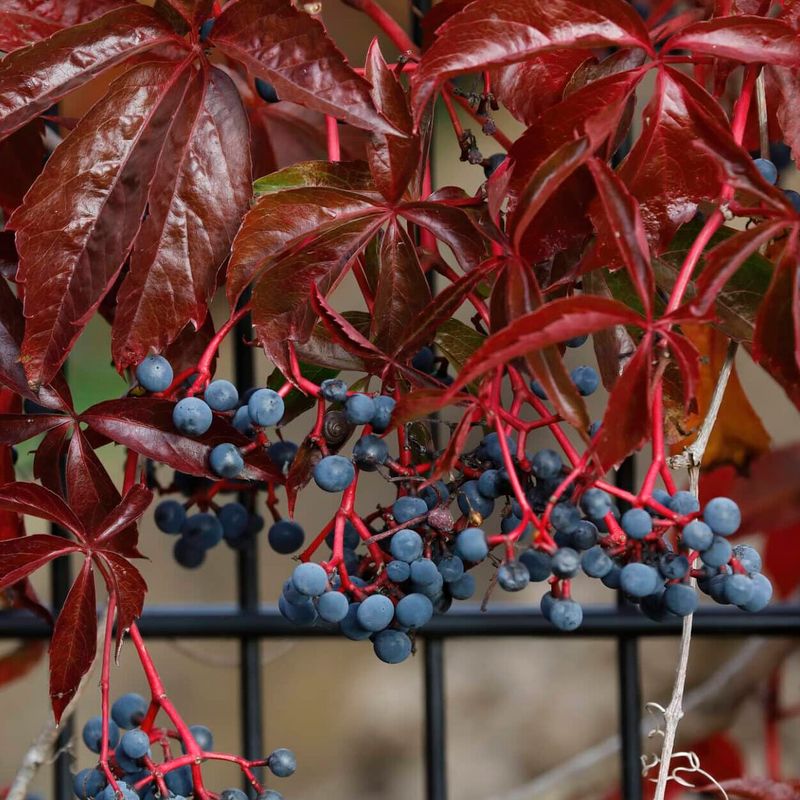
Few plants put on a show quite like Virginia Creeper. In summer, it shows off deep green leaves that turn a fiery red come fall. It is one of the most dramatic color changes you will ever see on a fence.
Virginia Creeper is a true Pennsylvania native that thrives in both sun and shade. It uses tiny adhesive pads to grip surfaces, so it clings to wood, brick, and chain-link fences without any extra help.
Plant it in July and give it a good watering routine, and it will get its roots down before the first frost hits.
By next spring, you will notice new shoots spreading quickly. This vine can grow up to 10 feet in a single season once it is established. That means fence coverage happens faster than most people expect.
Birds absolutely love Virginia Creeper. The small dark berries it produces in fall are a favorite food source for at least 35 species of birds, including woodpeckers and bluebirds.
So you are not just growing a pretty vine. You are creating a mini wildlife habitat right in your backyard.
One thing to keep in mind is that the berries are not safe for people to eat. Keep that in mind if you have young children who like to explore the garden.
Overall, this vine is low-maintenance, fast-growing, and one of the most rewarding choices you can make for a Pennsylvania fence line.
2. Trumpet Creeper
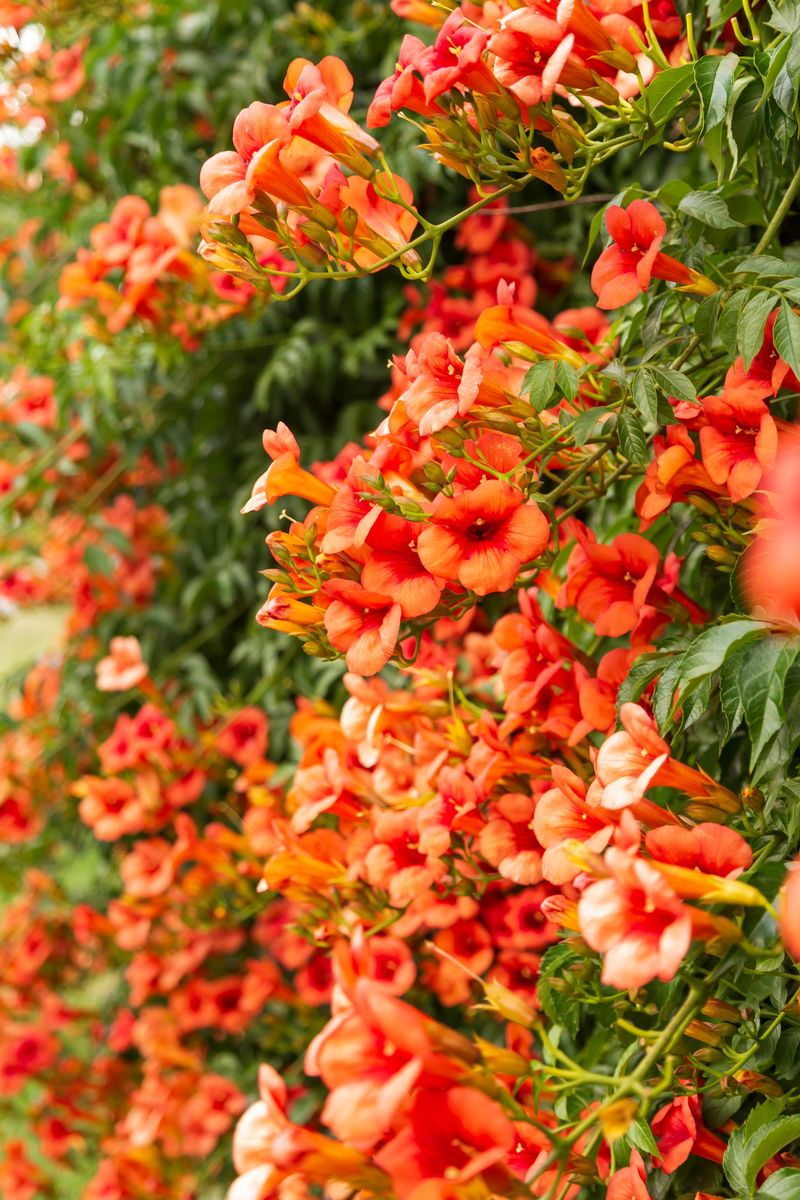
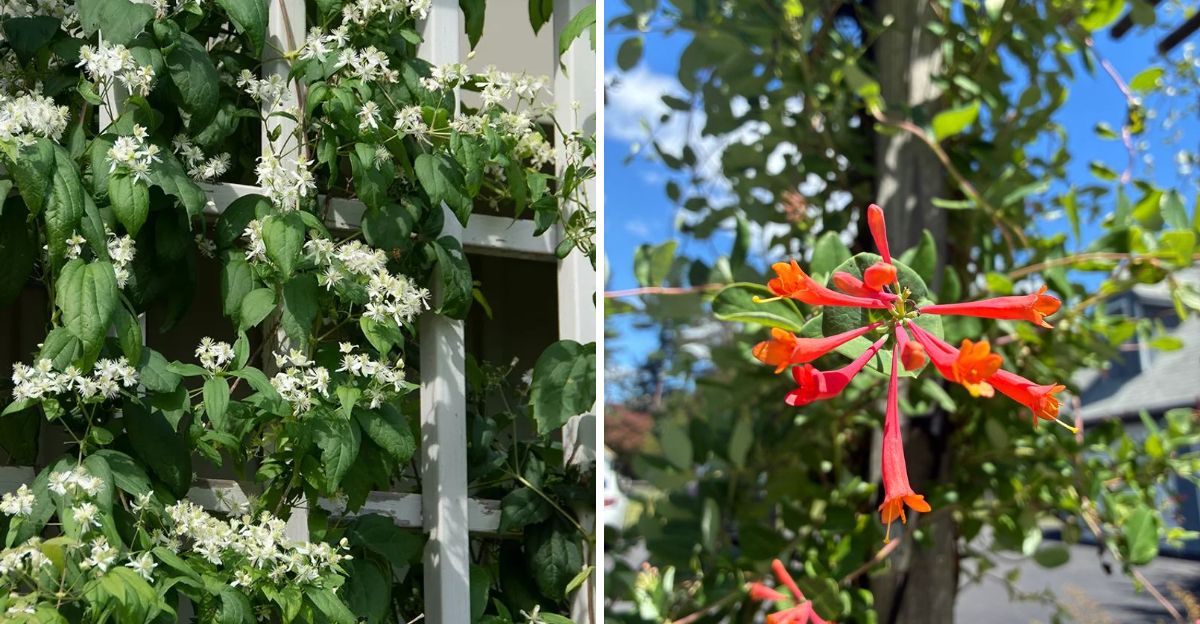
If you want to attract hummingbirds to your yard, Trumpet Creeper is your answer. This bold, fast-growing vine produces large, trumpet-shaped flowers in shades of orange and red that hummingbirds simply cannot resist.
Watching them hover around your fence is one of summer’s best little joys. Trumpet Creeper is a native Pennsylvania plant that has been growing in this region for centuries.
It loves full sun and warm summer temperatures, which makes July the ideal time to get it in the ground.
Once planted, it grabs onto fences with strong aerial rootlets and starts climbing right away.
Your Pennsylvania Garden Changes Every Week. Your Plan Should Too.
Gardening in Pennsylvania changes quickly throughout the season. Every Friday you’ll receive a simple weekly plan showing exactly what to plant, prune, fertilize, harvest, and protect so you never miss the right timing.
Growth on this vine is seriously impressive. Under good conditions, Trumpet Creeper can grow 30 to 40 feet long over several years, but even in its first full growing season it will spread noticeably.
You can expect it to cover a good stretch of fence by the time next summer rolls around. One heads-up worth mentioning is that this vine grows aggressively. You may need to trim it back each spring to keep it from spreading beyond your fence line.
Some gardeners actually enjoy the pruning process because it keeps the plant tidy and encourages even more flowers.
Trumpet Creeper also handles tough conditions well. It tolerates poor soil, drought, and heat once established, so it is a great option if your fence area does not get a lot of attention.
Plant it once, maintain it lightly, and it will reward you with vivid color and wildlife activity for many years to come.
3. Dutchman’s Pipe
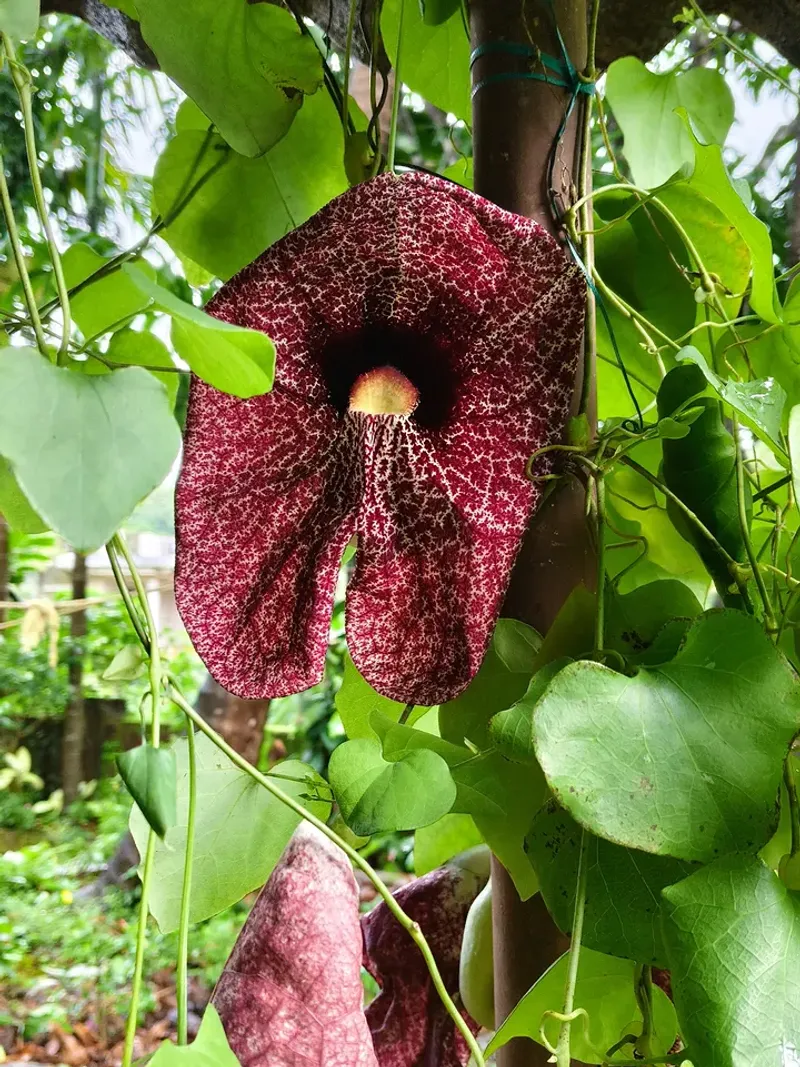
There is something wonderfully unusual about Dutchman’s Pipe. Its flowers look exactly like old-fashioned curved smoking pipes, which makes it one of the most conversation-starting plants you can grow on a fence. Guests always want to know what it is.
Beyond its quirky appearance, this vine serves a critical role in Pennsylvania’s ecosystem. It is the only host plant for the Pipevine Swallowtail butterfly, a stunning iridescent blue butterfly that lays its eggs exclusively on this plant.
Without Dutchman’s Pipe, that butterfly cannot complete its life cycle. Planting it in your yard is a direct act of conservation.
The large, heart-shaped leaves grow densely and overlap each other as the vine climbs. This creates thick, lush coverage that works beautifully on a fence or trellis. Even before the flowers appear, the foliage alone makes a strong visual statement.
Dutchman’s Pipe prefers partial shade and moist, rich soil. If your fence sits near trees or gets afternoon shade, this vine will feel right at home.
Plant it in July with good compost mixed into the soil, and water it consistently through the rest of summer.
By next spring, the vine will emerge from its roots with renewed energy and begin climbing fast. It can grow up to 20 to 30 feet long at maturity.
For a fence that needs both beauty and ecological purpose, Dutchman’s Pipe delivers on both counts in a way that very few other plants can match. It is truly one of Pennsylvania’s most underappreciated native gems.
4. Virgin’s Bower
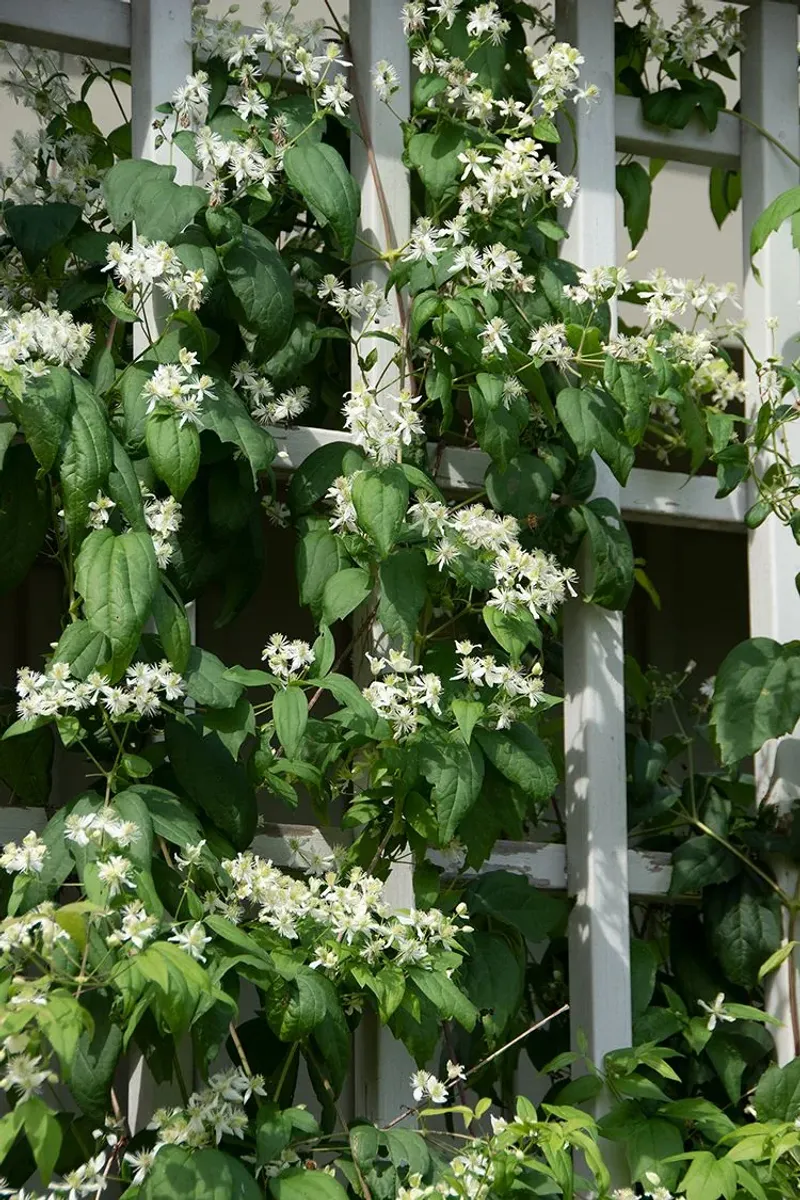
Sometimes called wild clematis, Virgin’s Bower is Pennsylvania’s own native answer to the garden clematis you see at nurseries.
It covers fences with clusters of small, creamy-white flowers in late summer that smell faintly sweet and attract a wide variety of native bees and butterflies.
What makes this vine especially charming is what happens after the flowers fade. The seed heads turn into fluffy, silvery plumes that cling to the vine all through fall and into early winter.
On a sunny day, a fence covered in those silky seed tufts looks almost magical. Virgin’s Bower grows quickly and easily in Pennsylvania’s climate. It prefers moist soil and does well along fence lines near streams, ponds, or low-lying areas.
Full sun to partial shade works fine for this adaptable plant. July planting gives it enough time to root in and prepare for a strong spring comeback.
One of the best things about this vine is how it handles itself. It uses leaf stems to wrap and grip around fence wires, posts, and other plants. You do not need to tie it up or guide it much. It figures out where to go almost on its own.
Virgin’s Bower can reach 12 to 20 feet in length, making it a reliable choice for covering a long fence section. It also reseeds itself naturally, so you may find new seedlings popping up nearby each year.
Once you plant it, this vine tends to stick around and keep rewarding you season after season with very little effort on your part.
5. Wild Honeysuckle (Limber Honeysuckle)
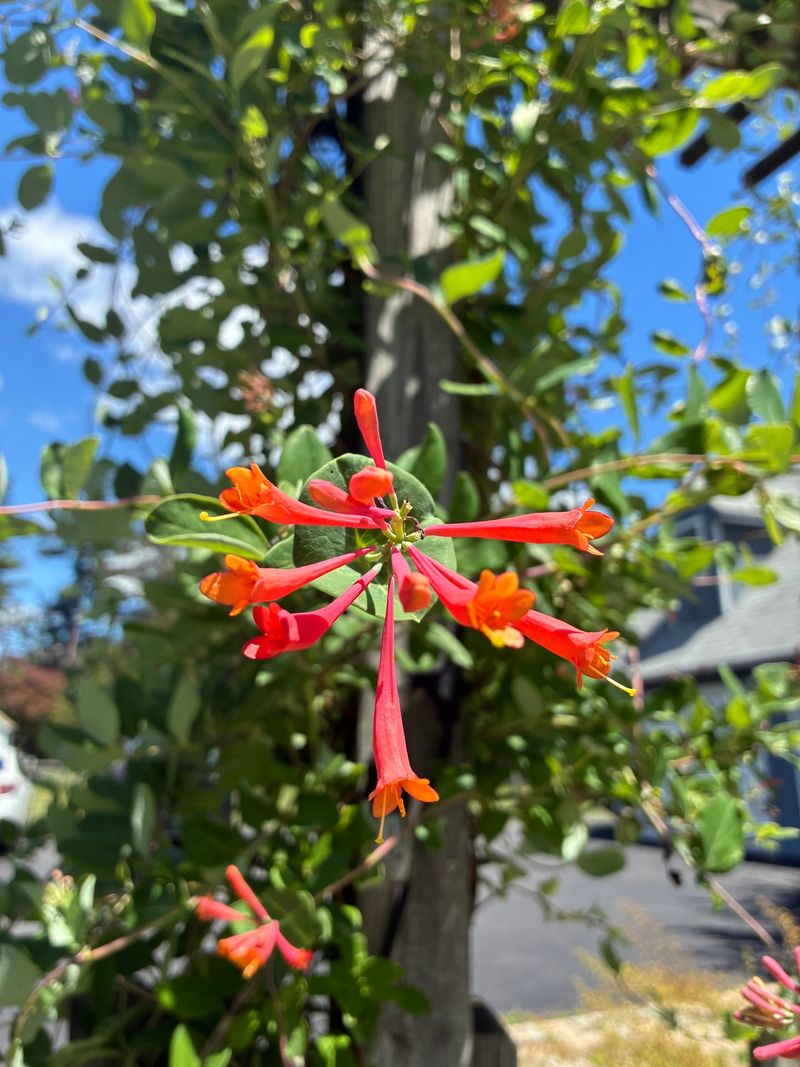
Not all honeysuckles are the invasive troublemakers you may have heard about. Limber Honeysuckle, also called Wild Honeysuckle, is a true Pennsylvania native that plays nicely with the surrounding ecosystem.
It supports hummingbirds and native bees without taking over your entire yard. The flowers are slender tubes of soft yellow and pink that bloom in early summer.
They carry a gentle, pleasant fragrance that makes spending time near your fence a genuinely enjoyable experience.
Ruby-throated hummingbirds are especially drawn to these blooms, and watching them feed is a highlight of any summer afternoon.
Limber Honeysuckle is a twining vine, meaning it wraps its stems around whatever support is nearby. A fence with wire or wooden slats gives it plenty to grab onto.
Plant it in July in a spot that gets full sun to light shade, and water it regularly until it gets settled.
Growth is moderate compared to some other native vines, but steady. By next summer, expect it to climb several feet and begin spreading horizontally across your fence. Over two to three years, it will fill in beautifully without becoming a nuisance.
This vine also produces small red berries in late summer that songbirds love. So after the flowers fade, the wildlife value keeps on giving. The plant stays relatively tidy and does not require heavy pruning to stay manageable.
For gardeners who want something beautiful and wildlife-friendly without the worry of aggressive spreading, Limber Honeysuckle is a smart and satisfying choice that earns its place on any Pennsylvania fence.
6. River Grape
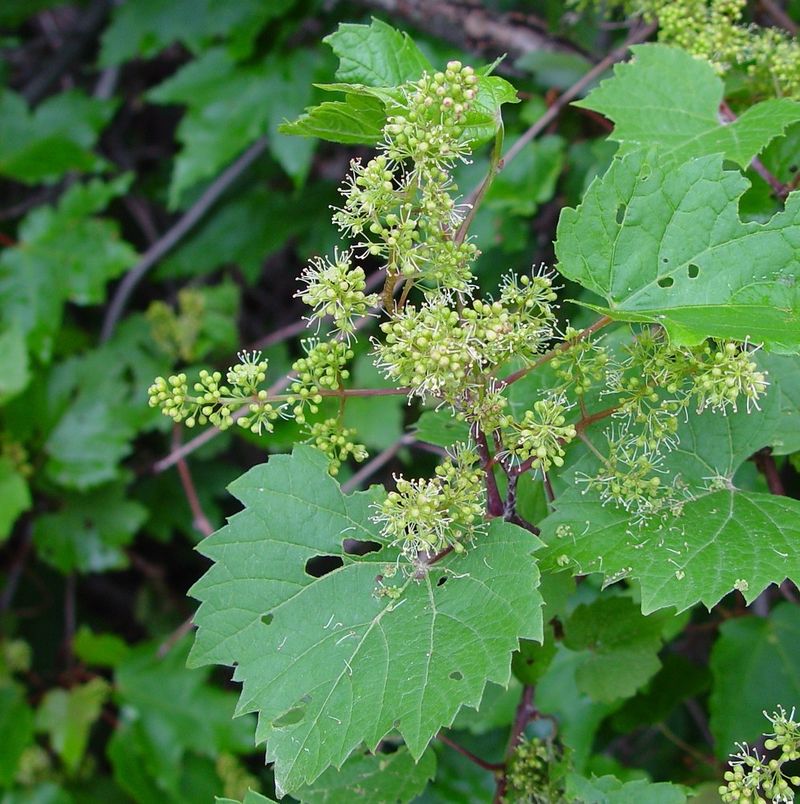
River Grape is one of those plants that makes you feel like you are getting something extra. You plant it on your fence, it covers the structure with bold, handsome foliage, and then at the end of summer it gives you clusters of small wild grapes as a bonus. Not a bad deal at all.
This native Pennsylvania vine grows naturally along riverbanks and woodland edges, which tells you a lot about what it likes. It prefers moist soil and does well in spots that receive full sun or partial shade.
If your fence sits in a wetter part of your yard, River Grape will thrive there when other plants struggle.
Planting in July gives the vine time to anchor its roots before fall. River Grape uses curling tendrils to wrap around fence wires and posts, pulling itself upward with impressive determination.
Once it gets going, it grows vigorously and can reach 20 to 50 feet at full maturity. The wildlife benefits are remarkable. Birds, foxes, raccoons, and deer all feed on the grapes in fall.
The dense foliage also provides excellent nesting cover for songbirds through the spring and summer months. You are essentially building a wildlife corridor right along your property line.
The grapes themselves are small and tart, but they can be used to make jelly or juice if you are feeling adventurous in the kitchen. Even if you never harvest a single grape, the vine more than earns its place.
It is rugged, beautiful, and deeply connected to Pennsylvania’s natural landscape in the most authentic way possible.
7. American Bittersweet
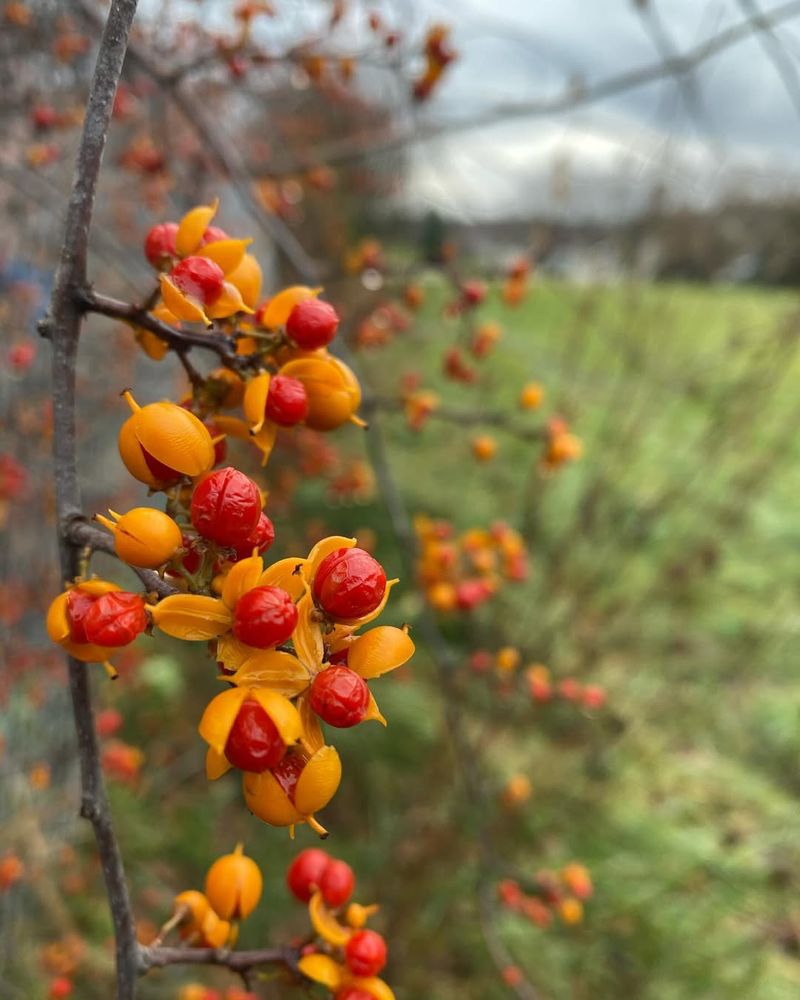
Walk through a Pennsylvania woodland in October and you might spot bright orange and red berries bursting open along a vine draped over an old fence.
That is American Bittersweet, and it is one of the most visually stunning native plants in the entire region. People have been using its berry clusters in fall decorations for generations.
American Bittersweet is different from its invasive cousin, Oriental Bittersweet, which unfortunately has taken over many areas of the state. The native version produces berries along the tips of its branches rather than all along the stem.
Choosing the true native species is important for keeping your garden ecologically sound. This vine is a strong, woody climber that wraps its stems around fence posts and wires as it grows. It prefers full sun and well-drained soil.
Planting it in July and watering it consistently through the rest of summer gives it the strong root system it needs to come back powerfully in spring.
One thing to be aware of is that American Bittersweet is dioecious, meaning you need both a male and a female plant to get berries. Most nurseries that specialize in native plants will help you select the right combination.
Plant one of each near your fence and both will climb together beautifully. The fall berry display is genuinely spectacular. Birds like cedar waxwings and robins flock to the berries as a high-energy food source before winter.
Growing American Bittersweet on your fence means you are preserving a native species while creating one of the most eye-catching garden features in your entire neighborhood.