Plants That Thrive With Coffee Grounds In Michigan Gardens
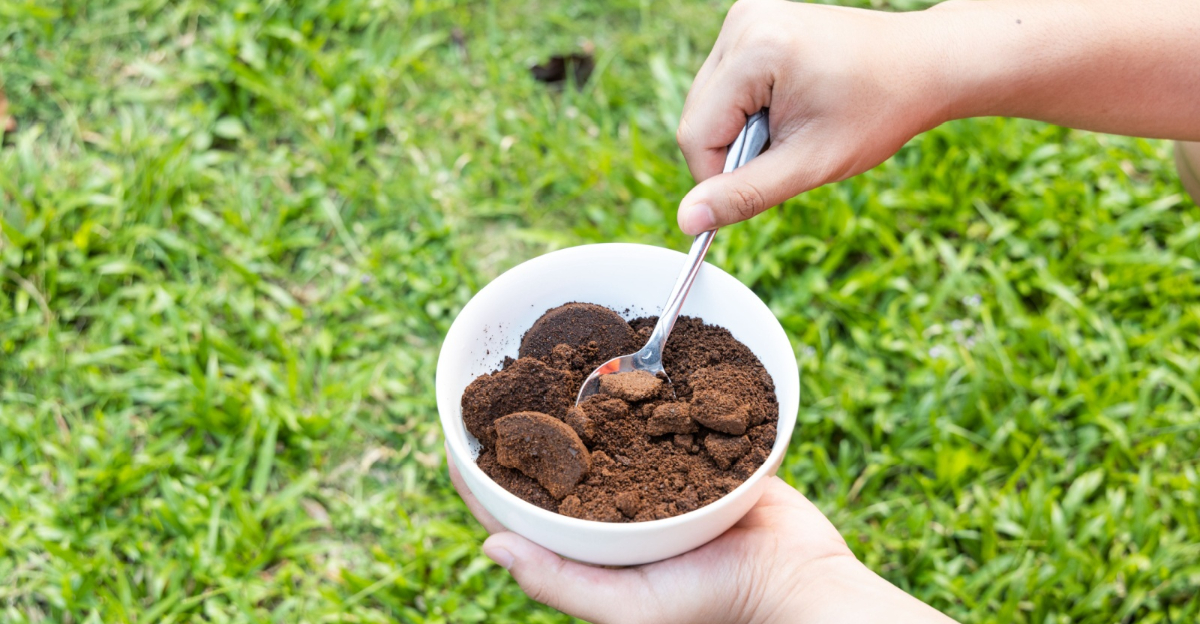
If you drink coffee every morning and garden every weekend, you are sitting on a surprisingly useful resource and probably not making the most of it.
Used coffee grounds are one of those kitchen scraps that feel too simple to actually matter in a garden, which is exactly why so many people either toss them out or use them the wrong way.
Piling raw grounds directly around plants is one of the most common missteps, and it tends to disappoint. Properly composted grounds are a different story.
Worked into finished compost and added to garden beds, they can genuinely support the plants that benefit most from rich, organic matter.
A small habit done right can add up to a noticeably better Michigan garden over time.
1. Ferns Prefer Compost Over Raw Coffee Grounds

Shady corners of Michigan yards are where ferns truly feel at home, and getting that growing environment right starts with the soil beneath them. Ferns thrive in loose, moisture-retaining soil that drains well enough to prevent soggy roots.
That kind of growing condition is much easier to create when finished compost is worked into the bed before planting.
Coffee grounds can play a useful role in the compost pile, adding organic matter and helping support the microbes that break everything down.
However, spreading raw coffee grounds in thick layers directly around fern fronds is not the most helpful approach.
A heavy application of raw grounds can form a crust on the soil surface, reducing water penetration and making conditions less comfortable for fern roots.
Gardeners who grow ferns in shaded borders or woodland-style beds often find that compost-amended soil gives the plants a strong start each spring.
Working a few inches of finished compost into the top layer of soil before new growth emerges can support better moisture balance and root development throughout the season.
The ferns respond to the improved soil structure rather than to any single ingredient in the compost.
If you are already adding coffee grounds to a backyard compost bin, keep layering them with leaves, food scraps, and other organic materials.
Once the compost is finished and ready to use, it becomes a genuinely helpful soil amendment for fern beds across Michigan.
2. Hostas Grow Better In Compost-Rich Soil

Few plants handle Michigan shade quite as gracefully as hostas, and their broad leaves make them one of the most recognizable plants in backyard borders across the state.
Getting hostas to look their best often comes down to what is happening in the soil around them.
Rich, well-structured soil with good organic matter content gives hosta roots the environment they need to support healthy leaf growth season after season.
Finished compost works well as a soil amendment in hosta beds because it improves texture, supports moisture retention, and introduces beneficial organic material.
When coffee grounds are composted along with other kitchen and yard waste, they contribute to that finished product in a useful way.
The concern with raw grounds is that applying them directly and heavily around hostas can interfere with how water moves through the soil surface.
Your Michigan Garden Changes Every Week. Your Plan Should Too.
Gardening in Michigan changes quickly throughout the season. Every Friday you’ll receive a simple weekly plan showing exactly what to plant, prune, fertilize, harvest, and protect so you never miss the right timing.
Gardeners who tend shaded borders often top-dress hosta beds with finished compost in early spring, just as new growth begins to push up from the soil.
A light layer worked gently into the top inch or two of soil can support the plant through the growing season without disrupting the root zone.
Hostas are relatively low-maintenance once they are established, but they do respond noticeably to improved soil conditions.
Using a compost blend that includes coffee grounds, leaves, and other organic materials gives hostas access to a balanced soil environment that supports steady, reliable growth throughout Michigan summers.
3. Roses Benefit From Compost, Not Raw Grounds

Roses have a reputation for being demanding, and gardeners who grow them know that soil preparation makes a significant difference in how well they perform.
Heavy clay soils common in parts of Michigan can restrict root growth and hold too much moisture, while sandy soils may drain too quickly.
Finished compost helps address both of those issues by improving soil structure and supporting better moisture balance around rose roots.
Coffee grounds are often mentioned in connection with roses, largely because of the idea that roses prefer more acidic conditions.
Research from university extension programs suggests that the actual soil-acidifying effect of coffee grounds is minimal and inconsistent, especially when applied in small amounts around established plants.
The more reliable benefit comes from incorporating coffee grounds into a compost pile where they break down as part of a balanced organic mixture.
When that finished compost is worked into rose beds in spring or used as a top dressing around established plants, it supports better soil texture and organic matter content.
Michigan rose growers who use compost regularly often notice stronger cane growth and more consistent flowering compared to beds that receive little organic matter.
Raw coffee grounds applied in thick layers around rose canes can compact on the surface and create drainage issues rather than improvements.
A measured approach using finished compost as the primary soil amendment keeps rose beds in much better shape through Michigan growing seasons.
4. Tomatoes Do Better With Balanced Compost
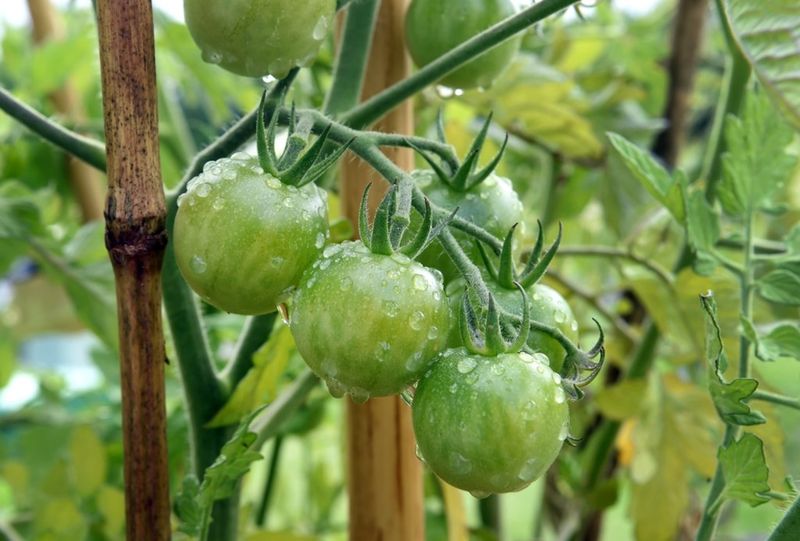
Raised vegetable beds across Michigan fill up with tomato plants every June, and the quality of the soil in those beds plays a major role in how well the season goes.
Tomatoes are heavy feeders that need consistent nutrients, good drainage, and enough organic matter to support steady root and fruit development.
Finished compost works well as a soil amendment because it improves all of those conditions in a balanced way.
Kitchen scraps like coffee grounds can absolutely go into the compost pile along with vegetable peels, eggshells, and yard clippings.
Once everything breaks down into finished compost, the resulting material is far more useful to tomato plants than any single raw ingredient on its own.
Applying raw coffee grounds directly around tomato stems can create an uneven surface layer that may affect water movement and microbial activity near the root zone.
Gardeners often prep raised tomato beds in early spring by working several inches of finished compost into the existing soil before transplanting.
That organic matter supports moisture retention during dry summer stretches and helps maintain a more stable soil environment as temperatures rise.
Tomatoes planted into well-amended beds tend to establish more quickly and hold up better through the longer growing season.
Keeping a backyard compost bin going through winter with coffee grounds, food scraps, and dry leaves means Michigan gardeners have a ready supply of finished compost available right when tomato planting season begins.
5. Peppers Prefer Compost Over Direct Grounds
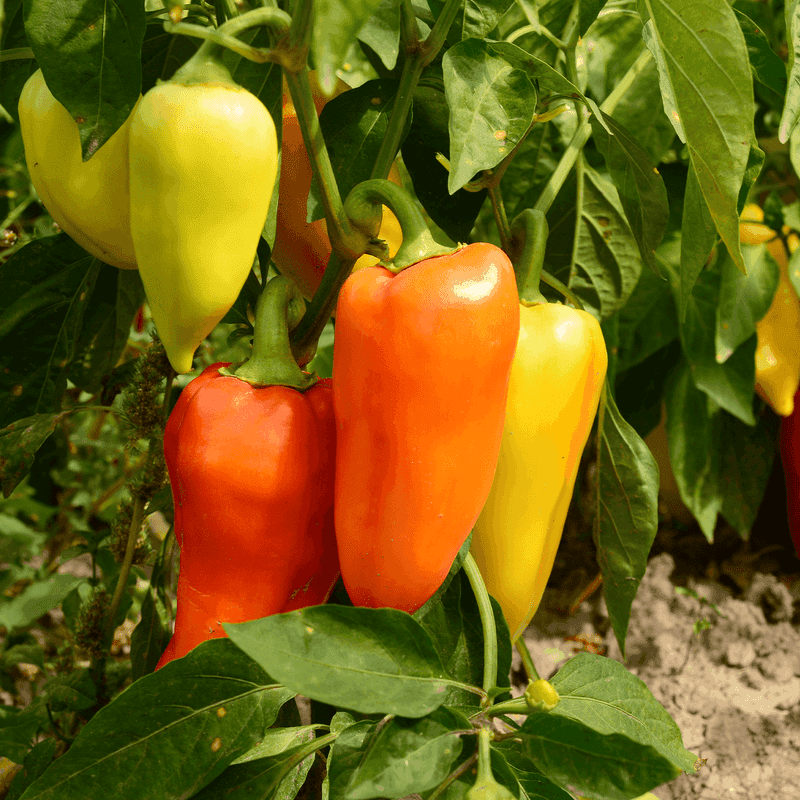
Watching pepper plants finally take off in a Michigan summer after a slow spring start is one of the more satisfying moments in a home vegetable garden.
Peppers are warm-season plants that can be slow to establish, and they respond well to soil that holds warmth, drains reasonably well, and contains enough organic matter to support steady root growth.
Finished compost helps create those conditions without requiring complicated soil amendments or extra inputs.
Coffee grounds often end up in compost bins alongside pepper scraps, onion skins, and other kitchen waste. As part of a balanced compost mix, they contribute organic matter and help support the microbial activity that drives the breakdown process.
The finished compost that results from that mixture is a genuinely useful addition to pepper beds when worked in before transplanting or side-dressed during the growing season.
Applying raw coffee grounds directly around pepper plants is not typically the most helpful strategy.
Grounds that sit on the soil surface in damp conditions can form a compacted layer that limits airflow and water movement, which is not ideal for pepper roots that need consistent drainage.
Gardeners growing peppers in raised beds or in-ground vegetable plots can get the most out of their coffee grounds by running them through the compost process first.
A finished compost amendment gives pepper plants access to improved soil structure and organic matter without the potential drawbacks of raw application.
6. Lettuce Likes Finished Compost In Spring
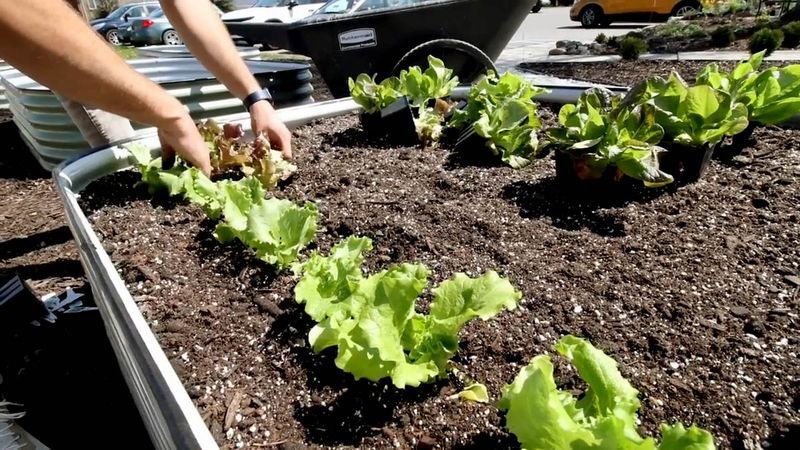
One of the earliest reasons Michigan gardeners head outside in spring is to get cool-season crops like lettuce into the ground.
Lettuce grows quickly, prefers cooler temperatures, and benefits from loose, moisture-retentive soil that makes it easy for shallow roots to spread.
A spring bed amended with finished compost gives lettuce exactly the kind of growing environment it needs to establish and produce well before summer heat sets in.
Coffee grounds collected through the winter months are a natural addition to a backyard compost pile, and by the time spring planting arrives, they can be part of a finished compost blend ready to use in lettuce beds.
Finished compost improves soil structure, helps retain moisture during variable spring weather, and adds organic matter that supports consistent plant growth.
Those benefits come from the compost system as a whole rather than from any single ingredient like coffee grounds on their own.
Spreading raw coffee grounds over spring lettuce beds is not a reliable shortcut. Grounds applied in thick layers can dry into a surface crust that limits water penetration and creates an uneven growing environment for tender lettuce seedlings.
Gardeners who work a few inches of finished compost into their spring lettuce beds before planting often notice faster germination, stronger seedling growth, and better moisture consistency through the cool weeks of April and May.
Lettuce is a rewarding early-season crop, and giving it a well-prepared compost-rich bed makes the most of Michigan short growing window.
7. Strawberries Benefit From Light Compost Around Beds

Something about a Michigan strawberry patch in early summer feels like a reward for all the work that went into the garden earlier in the season.
Strawberries are productive plants that spread through runners and benefit from soil that stays consistently moist without becoming waterlogged.
A light application of finished compost around established plants or worked into a new strawberry bed can support those conditions without overwhelming the shallow root system.
Coffee grounds added to a compost pile through the fall and winter months become part of a finished product that can be useful around strawberry beds in spring.
The finished compost adds organic matter, supports soil moisture balance, and improves the overall texture of the growing area.
Those are the kinds of soil improvements that help strawberry plants establish runners and set fruit more reliably through the Michigan growing season.
Applying raw coffee grounds directly and heavily around strawberry plants is worth approaching carefully.
A thick layer of raw grounds can mat together when wet, reducing airflow near the crown of the plant and potentially creating conditions that are not ideal for the delicate root zone just beneath the soil surface.
Gardeners who maintain a backyard compost system can use their finished blend as a light top dressing around strawberry beds in early spring before new growth begins.
Keeping the application modest and working it gently into the surrounding soil helps strawberry plants access the benefits of improved organic matter without any of the drawbacks that come from raw ground applications.